Best Baby Carriers 2026: Newborn, Infant & Toddler Picks
The best baby carrier for most families is the Ergobaby Omni Classic (under $250, 7 to 45 lbs, four positions); for the newborn months, the Ergobaby Embrace (under $100) is softer and simpler. We compared 13 carriers, wraps and slings against CPSC and ASTM safety standards, International Hip Dysplasia Institute hip-healthy guidance, manufacturer specs and verified parent reviews.
Quick Answer
The best baby carrier for most families is the Ergobaby Omni Classic (under $250): one carrier from 7 to 45 lbs with four positions, including hip and back carry, and no infant insert. For the newborn months, the Ergobaby Embrace (under $100) is the best newborn carrier: a soft knit that buckles on with no tying, made for the first 12 months. On a tight budget, the LÍLLÉbaby Complete All Seasons (under $100) covers 7-45 lbs with six positions. Whatever you buy, follow the TICKS rules every time you wear your baby.
Comparison at a Glance
| Carrier | Type | Weight / age range | Positions | Price |
|---|---|---|---|---|
| Ergobaby Omni Classic | Structured | 7-45 lbs, newborn to 4 yrs | 4 (incl. hip, back) | under $250 |
| Ergobaby Embrace Newborn Carrier | Soft knit, buckles | Newborn to 12 months | 2 (inward, outward) | under $100 |
| LILLEbaby Complete All Seasons | Structured | 7-45 lbs | 6 | under $100 |
| BabyBjorn Carrier Harmony | Structured | 7-40 lbs, newborn to ~3 yrs | 4 (incl. back) | under $250 |
| Tula Explore Baby Carrier | Structured | 7-45 lbs | 3 | under $250 |
| Solly Baby Wrap | Stretchy wrap | 8-25 lbs | Front | under $100 |
| Moby Wrap Classic | Stretchy wrap | 8-33 lbs | Front, hip | under $50 |
| WildBird Ring Sling | Ring sling | 0-36 months, up to 35 lbs | Front, hip | under $100 |
| Osprey Poco Premium Child Carrier Backpack | Hiking frame | 16-48 lbs, sitting unassisted | Back | under $500 |
Prices are Amazon list prices when we last checked and change often. Weight ranges are the manufacturer's published limits.
Babywearing is one of the oldest parenting practices in human history, and for good reason. Keeping your baby close provides warmth, security, and bonding while freeing your hands for daily life. Modern carriers have evolved this ancient practice into safe, ergonomic solutions that support both baby and parent through years of use.
The benefits of babywearing extend far beyond convenience. Research shows that carried babies cry less, sleep better, and show improved developmental outcomes. The close contact regulates baby's body temperature, heart rate, and breathing while promoting secure attachment. For parents, babywearing enables hands-free mobility, easier breastfeeding, and the ability to read baby's cues more quickly.
However, babywearing requires attention to safety. The TICKS guidelines (Tight, In view, Close enough to kiss, Keep chin off chest, Supported back) should always be followed regardless of carrier type. Baby's airway must remain clear, with their face visible and kissable at all times. As babies grow and develop head control, carrying positions can evolve from inward-facing to hip carries and eventually back carries.
After researching over 35 carriers against published safety standards and International Hip Dysplasia Institute hip-healthy guidance, and reading through thousands of verified parent reviews from people across diverse body types, we've identified the best options for every carrying style. Our recommendations prioritize ergonomic positioning for baby's hip development, comfort distribution for parents, and ease of use for real-world situations.
Understanding carrier types is essential for choosing the right option. Structured carriers (also called soft-structured carriers or SSCs) feature padded shoulder straps, waist belts, and buckle closures for easy on and off. They're the most popular choice for their convenience and long-term comfort. Stretchy wraps provide skin-to-skin contact and custom fit but require learning to tie. Woven wraps offer the most versatility but have the steepest learning curve. Ring slings excel for quick ups and nursing but work best for shorter carrying sessions. Hiking carriers provide structure for outdoor adventures but are designed for older babies who can sit independently.
Ergonomic positioning is crucial for healthy hip development. Carriers should support baby in the "M" position, with knees higher than hips and thighs supported from knee to knee. Narrow-based carriers that leave legs dangling can contribute to hip dysplasia, especially in the first months of life. The International Hip Dysplasia Institute has designated many carriers as "hip-healthy," and we prioritize these in our recommendations.
Parent comfort matters as much as baby positioning. The best carriers distribute weight evenly across hips and shoulders, preventing back pain during extended wear. Highly adjustable carriers accommodate different body types and allow sharing between caregivers. Features like lumbar support, padded straps, and breathable mesh make a significant difference in comfort during long wearing sessions.
Our research draws on manufacturer specs and patterns across verified owner reviews from parents of various body types, from petite to plus-size, short to tall. We weigh ease of use (especially for putting on alone), comfort during extended wear, baby positioning and support, adjustability, breathability, and value. Products that don't meet ergonomic standards or draw consistent comfort complaints are excluded from recommendations.
Whether you're preparing for your first baby or looking to expand your babywearing options, this guide covers everything from stretchy newborn wraps to rugged hiking carriers. We've organized recommendations by carrier type to help you find the perfect option for your family's needs and lifestyle.
Our Top Picks at a Glance
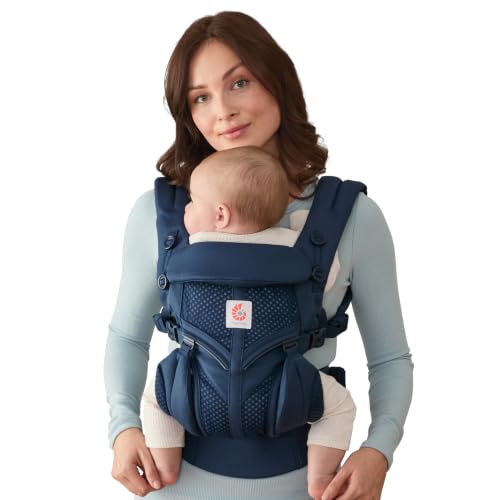
Ergobaby Omni Classic
Four positions, newborn-ready, and exceptional comfort
Under $250
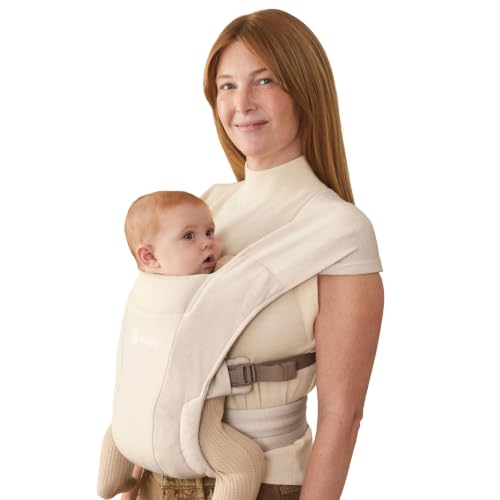
Ergobaby Embrace Newborn Carrier
Wrap-soft knit that buckles on, built for the first 12 months
Under $100

Solly Baby Wrap
Ultra-soft wrap for fourth trimester bonding
Under $100
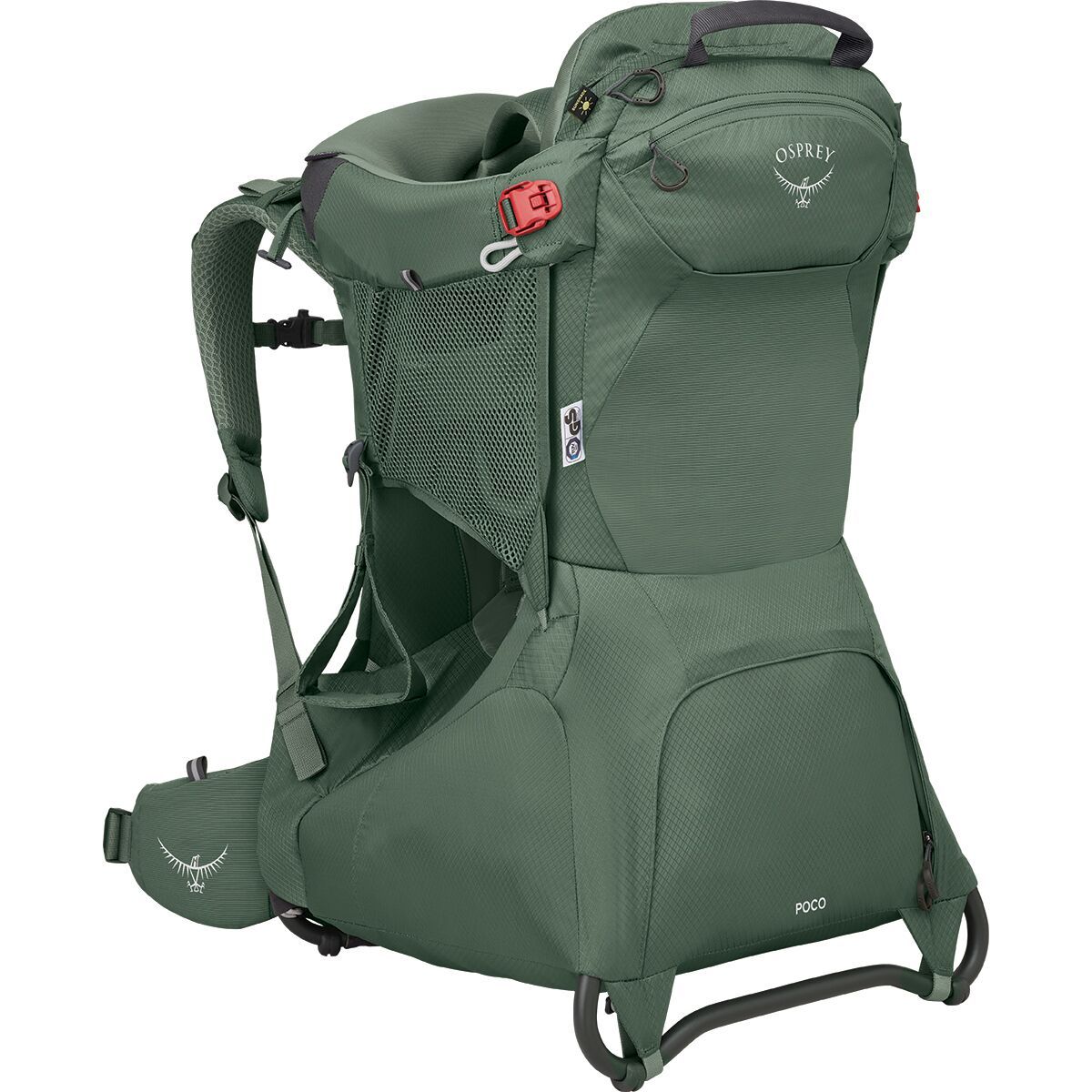
Osprey Poco Premium Child Carrier Backpack
Framed pack for trails once baby sits unassisted
Under $500
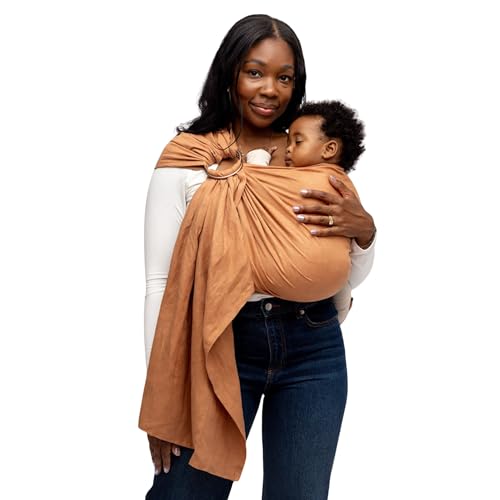
WildBird Ring Sling
Fast on and off, perfect for nursing
Under $100

Moby Wrap Classic
Classic quality at accessible price
Under $50
How We Research & Recommend
Our recommendations combine independent research with our own parenting experience, not a paid lab or sponsored panel. We research carriers against CPSC and ASTM safety standards, check the CPSC recall database, confirm hip-healthy designations from the International Hip Dysplasia Institute, and compare manufacturer specifications side by side, including weight ranges, ergonomic positioning, adjustability, and materials.
We then read through thousands of verified owner reviews from caregivers across a range of body types and sizes to surface real-world patterns: ease of putting a carrier on solo, comfort during long wearing sessions, adjustability between caregivers, breathability in various conditions, and durability over extended use. We weigh how each carrier actually fits into daily life, including nursing access, storage, and washing. We earn a commission if you buy through our links, at no extra cost to you, and that never decides our rankings.
Structured Carriers
Soft-structured carriers with padded straps, waist belts, and buckle closures. The most popular choice for everyday babywearing due to ease of use and long-term comfort.
Ergobaby Omni Classic
The gold standard for structured carriers. Four carrying positions (inward, outward, hip and back), a patented adjustable bucket seat, and a lumbar-support waistbelt. Works from newborn (7 lbs) to preschooler (45 lbs) without an infant insert. Ergobaby also sells mesh versions of the Omni for hot climates.
Why We Love It
- All positions from newborn without infant insert
- Cross-back or H-back strap options for a precise fit
- Lumbar support waist belt for parent comfort
Considerations
- •Premium price point
- •Multiple buckles take practice
- •Some find waist belt sits too high
Ergobaby Embrace Newborn Carrier
A soft knit carrier built only for the first year. It feels closer to a stretchy wrap than a buckle carrier, but it goes on like a structured carrier with no tying, which is why so many parents pick it for the newborn months.
Why We Love It
- Wrap-like knit with buckle-carrier convenience
- Adjustable bucket seat for an ergonomic M-position
- Head and neck padding for tiny babies
Considerations
- •Outgrown around the first birthday
- •No hip or back carry
- •Knit is warmer than mesh in summer
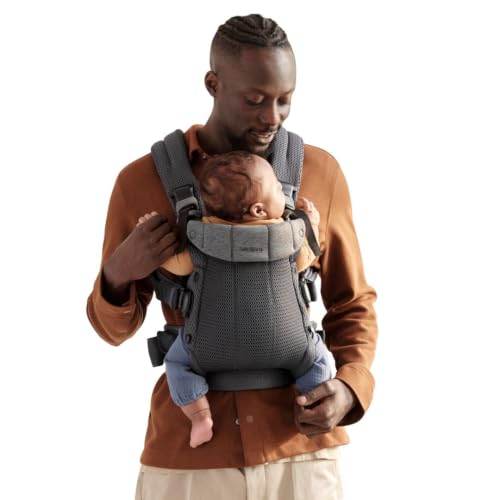
BabyBjorn Carrier Harmony
Scandinavian design meets ultimate comfort. The Harmony features BabyBjorn's easiest buckle system and extra-padded straps that make extended wear effortless. Premium construction throughout.
Why We Love It
- Easiest buckle system to use one-handed
- Extra-padded back support panels
- 3D mesh for superior breathability
Considerations
- •Among the pricier structured carriers
- •Lower weight limit than Ergobaby
- •No hip carry position
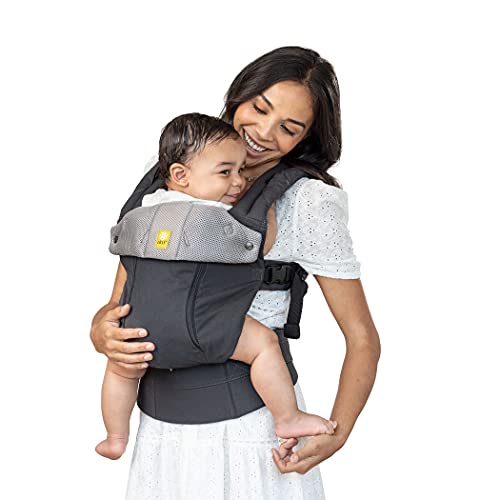
LILLEbaby Complete All Seasons
Six carrying positions and a zip-down panel for temperature regulation make this the most versatile structured carrier available. Excellent value for the feature set.
Why We Love It
- Six distinct carrying positions
- Zip-down panel converts to mesh for cooling
- Includes lumbar support
Considerations
- •More complicated to adjust
- •Buckles can be stiff initially
- •Bulkier than minimalist carriers

Tula Explore Baby Carrier
Combines excellent ergonomics with the industry's best pattern designs. The Explore offers multiple positions and sizes without inserts while looking stylish.
Why We Love It
- Stunning exclusive print designs
- Grows from newborn to toddler
- Wide seat supports ergonomic M-position
Considerations
- •Popular prints often sell out
- •Waist belt padding could be better
- •No hip carry position
Baby Wraps
Stretchy or woven fabric wraps that provide custom fit and skin-to-skin contact. Excellent for newborns and the fourth trimester bonding period.
Solly Baby Wrap
The lightest, softest stretchy wrap available. Made from TENCEL Modal, it feels luxurious against skin and stays cool even in warm weather. Instagram-famous for good reason.
Why We Love It
- Incredibly soft, breathable TENCEL fabric
- Lighter weight than cotton wraps
- Beautiful colors and patterns
Considerations
- •Learning curve for wrapping technique
- •Weight limit of 25 lbs
- •Can feel hot in summer despite breathability
Moby Wrap Classic
The original stretchy wrap that popularized babywearing in America. Made from 100% cotton, it's supportive, durable, and available at an accessible price point.
Why We Love It
- Excellent value for quality
- Higher weight limit than most stretchy wraps
- 100% cotton is durable and washable
Considerations
- •Heavier and warmer than Solly
- •Cotton can feel thick in summer
- •Long learning curve

Boba Wrap Serenity
Bamboo-blend fabric makes this the coolest stretchy wrap for warm climates. The higher weight limit extends use beyond most stretchy wraps while maintaining softness.
Why We Love It
- Bamboo viscose wicks moisture and stays cool
- Higher weight limit than most stretchy wraps
- Soft, silky texture
Considerations
- •May be too stretchy for heavier babies
- •Bamboo can be delicate in wash
- •Limited color selection
Ring Slings
Single-shoulder carriers using fabric threaded through two rings. Quick to put on, excellent for nursing, and perfect for shorter carrying sessions.
WildBird Ring Sling
Beautiful Belgian linen ring slings that get softer with every wash. WildBird has perfected the ring sling with premium materials and sizing options for optimal fit.
Why We Love It
- Premium Belgian linen softens over time
- Multiple size options for perfect fit
- Gorgeous colors and patterns
Considerations
- •Premium price point
- •One-shoulder design fatiguing for long periods
- •Learning curve for proper positioning
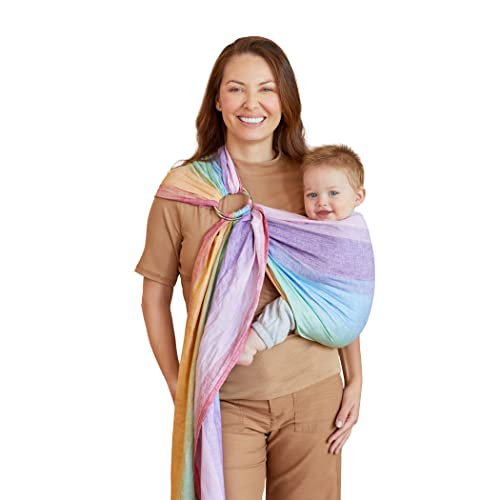
LÍLLÉbaby Linen Ring Sling
A natural linen ring sling at roughly half the price of boutique slings. A contrasting thread runs along one edge so you can tell the rails apart when tightening, which is the part most first-time sling users struggle with.
Why We Love It
- Contrast-thread edge makes adjusting easier
- Linen is breathable and machine washable
- Front and hip carry positions
Considerations
- •One-shoulder design tires you on long walks
- •Linen needs a few washes to soften
- •No back carry
Hiking Carriers
Frame carriers designed for outdoor adventures with older babies. Provide structure, sun protection, and storage for trail exploration.
Osprey Poco Premium Child Carrier Backpack
The benchmark for hiking carriers. Osprey brings their legendary backpack expertise to child carrying with exceptional comfort, ventilation, and their industry-leading lifetime warranty.
Why We Love It
- Industry-leading comfort and ventilation
- Integrated sunshade included
- Lifetime All Mighty Guarantee
Considerations
- •Significant investment
- •Heavy when empty
- •Requires storage space
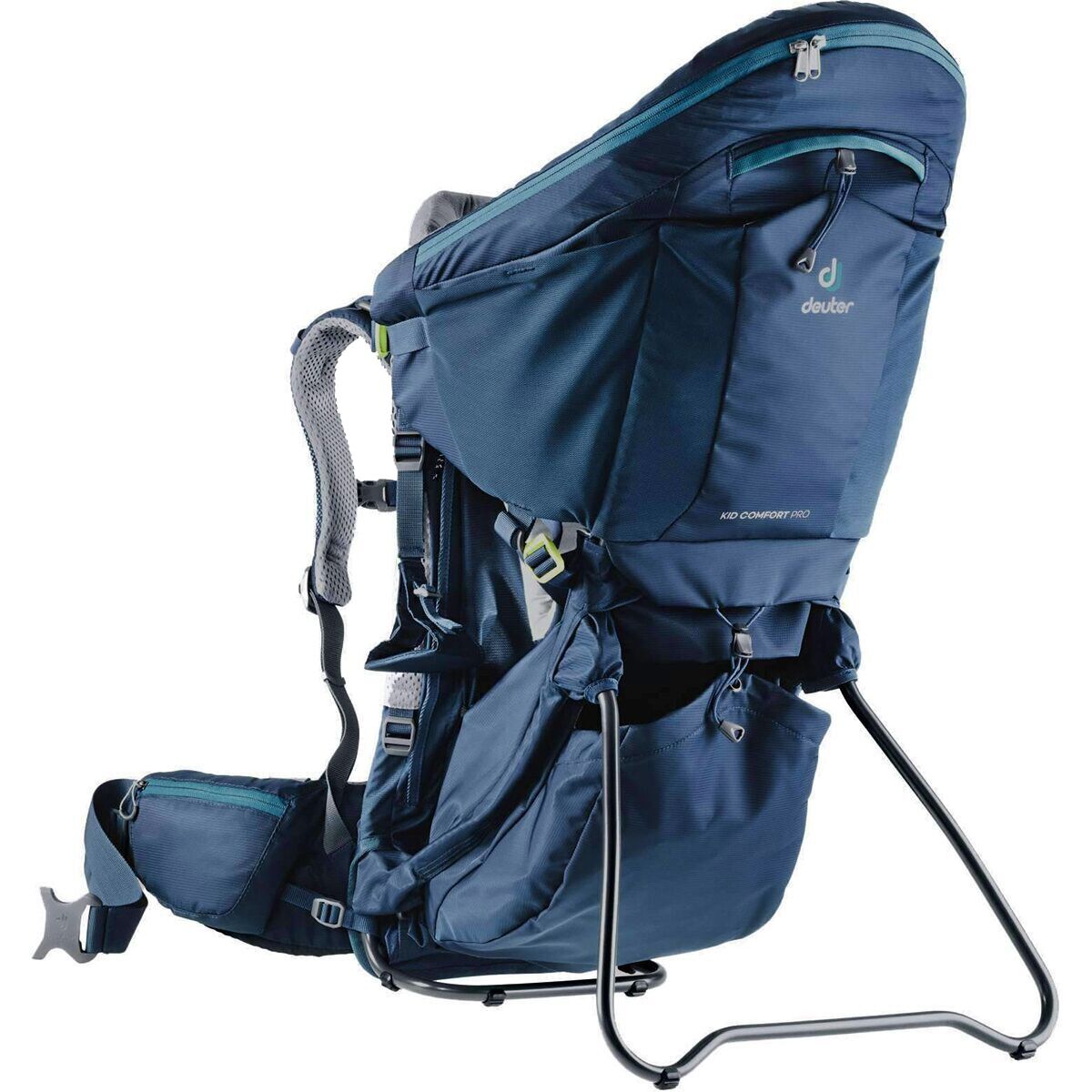
Deuter Kid Comfort Child Carrier and Backpack
German engineering meets child carrying. The Aircomfort back system provides exceptional ventilation for hot weather hiking, and the included mirror lets you check on baby without removing the pack.
Why We Love It
- Superior back ventilation system
- Included child-viewing mirror
- Adjustable child seat height
Considerations
- •Sunshade sold separately
- •Slightly less storage than Osprey
- •Adjustment system has learning curve
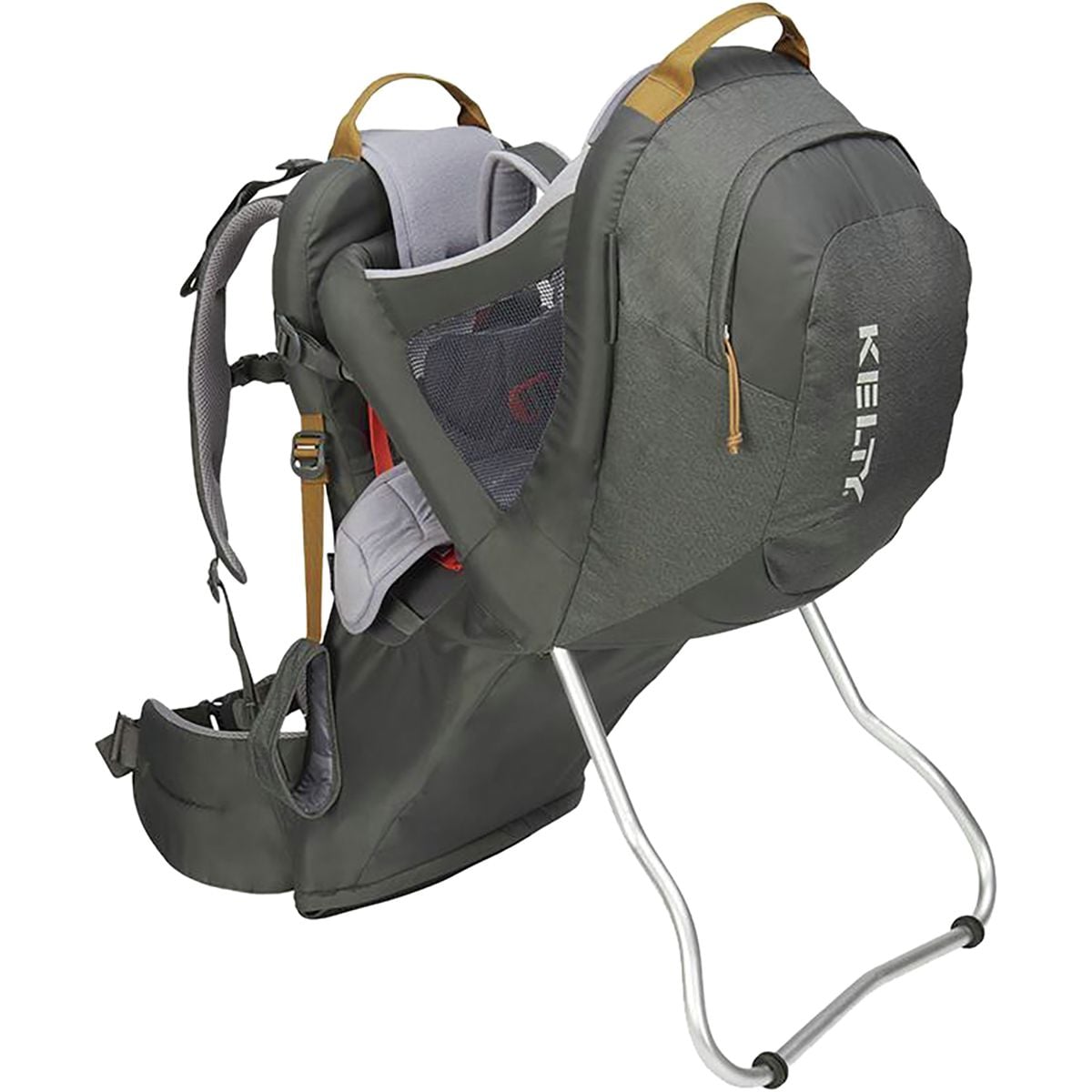
Kelty Journey Perfectfit Child Carrier Backpack (Dark Shadow)
Kelty delivers serious hiking carrier capability at a more accessible price. The PerfectFIT lives up to its name with easy adjustments and includes a sunshade that competitors charge extra for.
Why We Love It
- Excellent value with sunshade included
- Lightest in category
- Easy torso adjustment system
Considerations
- •Less storage capacity
- •Lower weight limit
- •Less padding than premium options
Complete Buying Guide
Understanding Carrier Types
Each carrier type serves different needs. Structured carriers (SSCs) offer convenience with buckles and are best for everyday use from newborn to toddler. Stretchy wraps provide skin-to-skin contact ideal for newborns but have lower weight limits. Woven wraps offer the most versatility but require significant practice. Ring slings excel at quick ups and nursing. Hiking carriers provide structure for trail adventures with older babies. Many parents own multiple types for different situations.
Prioritizing Ergonomic Positioning
Proper positioning is crucial for baby's hip development. Look for carriers that support the "M" position: knees higher than hips with thighs supported from knee to knee. Narrow-based carriers that leave legs dangling are not recommended, especially for young babies. The International Hip Dysplasia Institute designates carriers as "hip-healthy," and these should be prioritized. Always ensure baby's back is supported and airways remain clear.
TICKS Safety Guidelines
Always follow TICKS guidelines: Tight (baby held snugly against your body), In view (you can see baby's face), Close enough to kiss (face near your chin), Keep chin off chest (at least one finger width), Supported back (with gentle curve). Never cover baby's face with carrier fabric or your clothing. Check positioning frequently, especially with sleeping babies. When in doubt, adjust tighter rather than looser.
Considering Parent Comfort
You'll wear this carrier for hundreds of hours, so your comfort matters enormously. Weight distribution between shoulders and hips is crucial for preventing back pain. Adjustable carriers allow fine-tuning for your body and sharing between caregivers of different sizes. Try carriers in person if possible, and look for features like lumbar support, padded straps, and breathable materials.
Planning for Growth
Babies grow quickly, and carrier needs change. Stretchy wraps work beautifully for newborns but become less supportive past 15-20 pounds. Structured carriers can work from birth through preschool years. Consider your long-term plan: some parents buy one convertible carrier, while others invest in different carriers for different stages. Factor in expected use time when evaluating price-per-wear value.
Frequently Asked Questions
For most families the best baby carrier is a structured carrier that works from birth to toddlerhood, such as the Ergobaby Omni Classic (7-45 lbs, four positions including hip and back carry). If you only want one carrier for years of use, pick one with a newborn-ready adjustable seat so you do not need an infant insert, a padded waistbelt, and a hip-healthy designation from the International Hip Dysplasia Institute.
Already decided?
These reviews go deeper on one product each, including the section naming what it is genuinely bad at.
Related Categories
Not sure which product is right for you?
Try one of our interactive product finder quizzes to get a personalized recommendation in under 2 minutes.
Affiliate Disclosure
ParentCalc is an Amazon Associate and Backcountry affiliate. We earn from qualifying purchases at no additional cost to you. This helps support our free parenting calculators and guides. All product recommendations are based on our own research, not hands-on testing, and are not professional advice. We only recommend products we believe will genuinely help parents.