Best Breastfeeding & Pumping Essentials 2026
We researched 50+ pumps, pillows, and nursing accessories against FDA clearance, published lactation guidance, and thousands of verified parent reviews to find the best options for your breastfeeding journey. Here are our top picks.
The breastfeeding journey is one of the most rewarding yet challenging experiences of early parenthood. Whether you're planning to nurse exclusively, pump for return-to-work, or combine both approaches, having the right equipment can make the difference between a sustainable feeding relationship and early frustration-driven weaning.
Breast pumps have advanced remarkably in recent years, evolving from bulky, loud hospital-grade machines to quiet, portable, and even wearable options that fit discreetly in your bra. The Spectra S1 has emerged as many mothers' favorite, offering hospital-strength suction in a compact design with a rechargeable battery for pumping anywhere. Meanwhile, wearable pumps like the Willow and Elvie have revolutionized pumping by allowing mothers to express milk while working, exercising, or caring for other children.
Understanding pump types is essential for choosing the right one. Hospital-grade rental pumps offer the strongest suction and are ideal for establishing supply or NICU situations. Personal-use double electric pumps like the Spectra and Medela Pump in Style work well for daily pumping, especially for working mothers. Manual pumps serve as backup for occasional use or travel. And wearable pumps provide freedom of movement at the cost of some suction efficiency.
Beyond the pump itself, several accessories significantly impact breastfeeding success. Nursing pillows like the Boppy provide essential positioning support, reducing arm fatigue and helping baby achieve proper latch. The right nursing bra offers easy access without sacrificing support, while breast milk storage solutions ensure your expressed milk stays fresh and organized. Nipple care products address the soreness many mothers experience in the early weeks.
Supply building and maintenance require consistent pumping, especially for working mothers. The general recommendation is pumping at least 8 times per 24 hours in the early weeks to establish robust supply. Many mothers find that pumping both breasts simultaneously halves session time while stimulating stronger letdown. Proper flange sizing is crucial - too small causes pain and poor drainage, while too large reduces suction effectiveness.
Milk storage guidelines have evolved, with current research supporting 4 hours at room temperature, 4 days in the refrigerator, and 6-12 months in the freezer. Storage bags should be BPA-free and designed for freezing, with space for labeling date and volume. Many mothers find that building a freezer stash before returning to work provides peace of mind and flexibility.
Nursing in public has become more normalized and legally protected, but many mothers still appreciate the privacy of nursing covers or nursing-friendly clothing. Modern covers allow airflow for baby while providing modesty for mom. Nursing-friendly clothing has expanded beyond basic tops to include professional wear, activewear, and formal options.
Price ranges in this guide span from affordable manual pumps under $30 to premium wearable options approaching under $1,000. Insurance coverage significantly impacts cost - most health plans now cover breast pumps under the Affordable Care Act, though coverage varies for premium options. Our recommendations include both insurance-typically-covered options and upgrade picks worth the out-of-pocket expense.
Our recommendations combine independent research with owner-review research. We check FDA clearance for breast pumps, review published lactation and AAP feeding guidance, and compare manufacturer specifications like suction strength, cycle speeds, noise level, portability, and ease of cleaning. We then read through thousands of verified owner reviews to surface real-world patterns. Within each category, we've identified top picks along with alternatives for specific needs and budgets.
Our Top Picks at a Glance

Spectra S1 Plus Electric Breast Pump
Hospital-strength suction with rechargeable battery for pumping anywhere
Under $250

Spectra S2 Plus Electric Breast Pump
Same Spectra performance at lower price, often insurance-covered
Under $250

Elvie Pump Wearable Breast Pump
Revolutionary hands-free pumping with no cords or tubes
Under $500

Boppy Original Nursing Pillow
Versatile support for feeding and beyond
Under $50
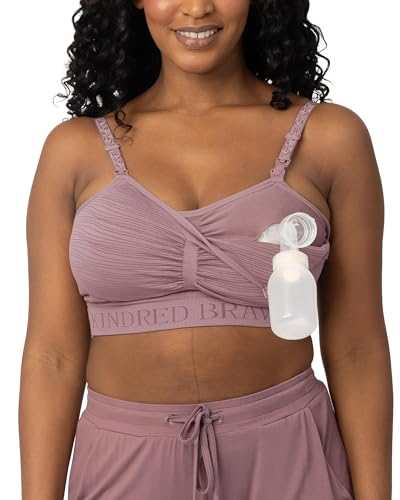
Kindred Bravely Sublime Hands-Free Pumping Bra
One bra that works for both nursing and hands-free pumping
Under $50
How We Research & Recommend
Our recommendations combine independent research with owner-review research, not a paid lab or sponsored panel. For pumps, we confirm FDA clearance, compare manufacturer specifications side by side (suction strength, cycle speeds, noise levels, portability, and part design), and align our guidance with published lactation and AAP feeding recommendations. We check the CPSC recall database for any affected products.
We then read through thousands of verified owner reviews to surface real-world patterns: how pillows hold their shape, whether covers come off easily for washing, how storage bags handle freezing and thawing without leaking, and whether a pump lives up to its claims over months of daily use. We weigh how each product actually fits into daily life. We earn a commission if you buy through our links, at no extra cost to you, and that never decides our rankings.
Breast Pumps
From hospital-strength electric pumps to discreet wearables, find the right pump for your lifestyle and feeding goals.
Spectra S1 Plus Electric Breast Pump
The gold standard for personal-use breast pumps. Hospital-strength suction, whisper-quiet motor, and rechargeable battery make it the top choice for exclusive pumpers and working moms.
Why We Love It
- Hospital-strength suction in a personal-use pump
- Closed system prevents milk contamination of motor
- Rechargeable battery lasts 3+ hours unplugged
Considerations
- •Larger and heavier than portable options
- •Not as discreet as wearable pumps
- •Pink color isn't for everyone
Spectra S2 Plus Electric Breast Pump
Same hospital-strength performance as the S1 at a lower price. The trade-off is AC power only, making it ideal for mothers who pump primarily at home or have outlet access.
Why We Love It
- Same motor and performance as S1
- Lower price point, often fully covered by insurance
- Quiet operation perfect for office pumping
Considerations
- •No rechargeable battery - requires outlet
- •Less portable than battery-powered options
- •Still relatively bulky

Medela Pump in Style with MaxFlow
Medela's latest Pump in Style combines proven reliability with modern portability. The compact motor, included bag, and USB charging make it ideal for traveling mothers.
Why We Love It
- Compact motor fits easily in pump bag
- USB rechargeable for true portability
- Comes with stylish carrying bag and cooler
Considerations
- •Open system less hygienic than closed
- •Not as strong as Spectra at max suction
- •Proprietary parts can be expensive
Elvie Pump Wearable Breast Pump
Revolutionary wearable design allows pumping anywhere without tubes or cords. Fits entirely in your bra for discreet, hands-free pumping during any activity.
Why We Love It
- Completely wearable - fits in regular nursing bra
- No tubes, cords, or dangling bottles
- Whisper-quiet for discreet pumping
Considerations
- •Lower suction than traditional pumps
- •Expensive, especially for double pump
- •Small capacity (5oz max per side)

Lansinoh Manual Breast Pump
The best manual pump for occasional use, travel backup, or relieving engorgement. Comfortable silicone flange and easy pumping action make it a nursing bag essential.
Why We Love It
- Lightweight and portable
- No batteries or electricity needed
- Comfortable ComfortFit flange
Considerations
- •Hand fatigue with extended use
- •One breast at a time only
- •Not practical for exclusive pumping
Nursing Pillows
Support pillows that reduce arm fatigue and help achieve proper latch position during breastfeeding.
Boppy Original Nursing Pillow
The iconic nursing pillow that's supported millions of feeding journeys. Versatile positioning, washable covers, and proven design make it a registry essential.
Why We Love It
- Classic C-shape fits most body types
- Firm support lifts baby to breast height
- Removable, washable cover
Considerations
- •Can compress over time with heavy use
- •May need additional support for newborns
- •Gap in back doesn't provide full wrap

My Brest Friend Original Nursing Pillow
Lactation consultant favorite for its flat, firm surface and secure wraparound design. The wraparound closure keeps pillow in place while you adjust baby.
Why We Love It
- Flat surface provides stable feeding platform
- Wraparound design stays securely in place
- Back support panel reduces strain
Considerations
- •Buckle closure can dig into larger torsos
- •Less versatile than C-shaped pillows
- •Firmer feel not preferred by all
Nursing Bras
Comfortable, supportive bras with easy access for breastfeeding and pumping throughout the day.
Kindred Bravely Sublime Hands-Free Pumping Bra
The ultimate dual-purpose bra for nursing and pumping. Built-in pumping support holds flanges hands-free while clip-down cups provide easy nursing access.
Why We Love It
- Works for both nursing and hands-free pumping
- No need for separate pumping bra
- Incredibly soft, comfortable fabric
Considerations
- •Premium price for nursing bra
- •Not suitable for formal occasions
- •Pumping layer adds bulk

Motherhood Maternity Seamless Nursing Bra (3-Pack)
Excellent value pack of comfortable everyday nursing bras. Seamless construction works under any outfit while clip-down cups provide easy access.
Why We Love It
- Three bras for the price of one premium bra
- Seamless, no-show design
- Stretchy fabric accommodates size changes
Considerations
- •Limited support for larger bust sizes
- •May stretch out over time
- •Basic colors only
Breast Milk Storage
Bags, containers, and systems for safely storing and organizing expressed breast milk.

Lansinoh Breastmilk Storage Bags (100 Count)
The gold standard for breast milk storage. Double zipper seal prevents leaks, pre-sterilized bags are ready to use, and the pour spout makes transfer easy.
Why We Love It
- Double zipper seal is truly leak-proof
- Pre-sterilized and ready to use
- Lies flat for efficient freezer storage
Considerations
- •Single-use creates waste
- •Can be difficult to write on when cold
- •Not compatible with all pump systems
Kiinde Twist Starter Kit
Revolutionary pump-store-feed system eliminates milk transfers. Pump directly into pouches, store in freezer, then warm and attach nipple for feeding.
Why We Love It
- Pump directly into storage pouch
- No milk transfers reduces waste and contamination
- Pouches become bottles with nipple attachment
Considerations
- •Ongoing pouch costs add up
- •System lock-in once you start
- •Pouches can be tricky to seal
Nursing Covers
Privacy covers for comfortable public breastfeeding and multi-use nursing accessories.

Covered Goods 4-in-1 Nursing Cover
The most versatile nursing cover that also works as car seat cover, shopping cart cover, and infinity scarf. Breathable fabric keeps baby cool while nursing.
Why We Love It
- Four uses in one product
- Full coverage for privacy
- Stretchy fabric allows airflow
Considerations
- •Can be warm in hot weather
- •Full coverage limits eye contact with baby
- •Stretchy fabric may not hold shape long-term
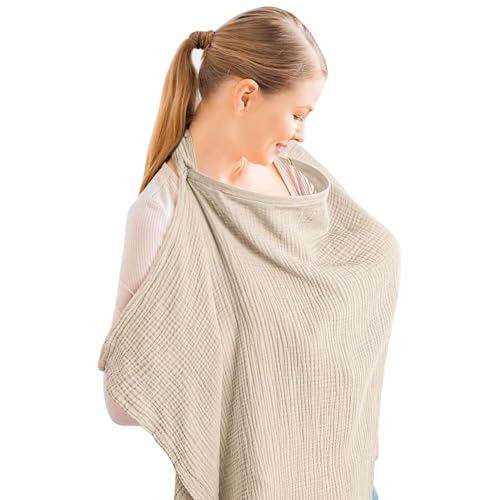
Bebe au Lait Premium Muslin Nursing Cover
Lightweight muslin design provides coverage while maintaining airflow. The structured neckline allows eye contact with baby while nursing discreetly.
Why We Love It
- Breathable muslin fabric ideal for warm weather
- Rigid neckline for easy baby viewing
- Soft against baby's skin
Considerations
- •Less coverage than poncho styles
- •Single use (nursing only)
- •Premium price for a cover
Complete Buying Guide
Understanding Pump Types
Breast pumps fall into four categories: Hospital-grade rentals offer the strongest suction for establishing supply or NICU situations. Personal-use double electric pumps like Spectra and Medela work for daily pumping. Wearable pumps provide hands-free convenience with reduced suction. Manual pumps serve as affordable backups. Most insurance plans cover a personal-use electric pump. Consider your pumping frequency and mobility needs when choosing.
Flange Sizing is Critical
The flange (the funnel that fits over your breast) must be properly sized for comfortable, efficient pumping. Your nipple should move freely in the tunnel without rubbing the sides, but the areola shouldn't be pulled in. Most pumps include 24mm flanges, but many women need different sizes (21-36mm range). Poor fit causes pain, reduced output, and blocked ducts. Measure your nipple diameter and add 2-3mm for proper flange size.
Building and Maintaining Supply
Milk supply follows supply and demand. In the early weeks, pump or nurse at least 8 times per 24 hours to establish robust production. Double pumping (both breasts simultaneously) is more efficient and stimulates stronger letdown. Pump for 15-20 minutes or 2-3 minutes after milk stops flowing. Consistency matters more than duration. Stay hydrated, eat enough calories, and manage stress for optimal production.
Choosing a Nursing Pillow
Nursing pillows serve three purposes: lifting baby to breast height, reducing arm fatigue, and supporting proper latch position. C-shaped pillows like Boppy offer versatility for different holds and later uses like tummy time. Wraparound pillows like My Brest Friend provide more stability and stay in place better. Consider your body type, preferred nursing positions, and whether you want multi-use functionality.
Milk Storage Guidelines
Follow the 4-4-6 rule: freshly expressed milk is safe for 4 hours at room temperature, 4 days in the refrigerator, and 6 months in a standard freezer (12 months in deep freeze). Never refreeze thawed milk. Store in 2-4oz portions to minimize waste. Label with date and use oldest first. Storage bags are convenient but containers are more environmentally friendly. Thaw in refrigerator overnight or in warm water - never microwave.
Frequently Asked Questions
For exclusive pumping, pump 8-12 times in 24 hours during the first 12 weeks, including at least once overnight. After supply is established, most mothers can reduce to 6-8 sessions. If pumping while also nursing, pump after nursing sessions or during missed feeds. Consistency matters more than session length - short frequent sessions are better than long infrequent ones.
Related Categories
Not sure which product is right for you?
Try one of our interactive product finder quizzes to get a personalized recommendation in under 2 minutes.
Affiliate Disclosure
ParentCalc is an Amazon Associate and Backcountry affiliate. We earn from qualifying purchases at no additional cost to you. This helps support our free parenting calculators and guides. All product recommendations are based on our own research, not hands-on testing, and are not professional advice. We only recommend products we believe will genuinely help parents.