FMLA for New Parents: Everything You Need to Know
The Family and Medical Leave Act provides job-protected leave for new parents. Here's how it works, who qualifies, and how to use it.
The Family and Medical Leave Act (FMLA) is a federal law that provides eligible employees with up to 12 weeks of unpaid, job-protected leave for certain family and medical reasons, including the birth or adoption of a child. Understanding FMLA helps you know your rights and plan your parental leave effectively.
What FMLA Provides
FMLA Guarantees:
- 12 weeks of leave in a 12-month period for birth, adoption, or foster placement
- Job protection - you must be restored to the same or equivalent position
- Health insurance continuation - employer must maintain coverage during leave
- Protection from retaliation - employer cannot punish you for taking leave
New Parent Essentials

Best Hospital-Grade Pump
Best OverallClosed system, hospital-grade suction, and quiet enough to use at a desk. The pump most lactation consultants name first.
View on Amazon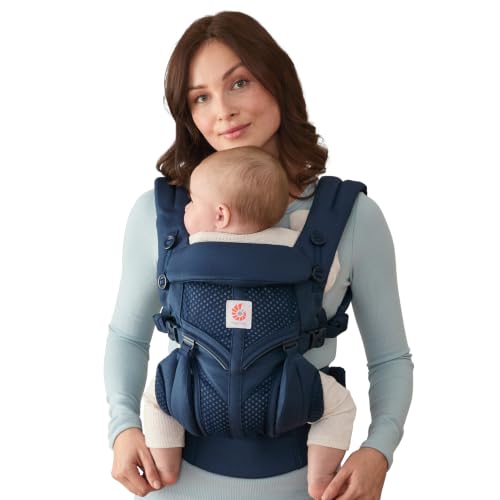
Best Baby Carrier
Best OverallCovers newborn to toddler without an infant insert, which is the thing that makes cheaper carriers a short-lived purchase.
View on Amazon
Best Diaper Bag Backpack
Best OverallBackpack straps free both hands, and the insulated bottle pockets are the feature people miss most when they buy a tote instead.
View on AmazonFMLA Does NOT Provide:
- Pay - FMLA leave is unpaid (though you may use accrued PTO)
- Coverage for all workers - significant eligibility requirements exist
- Protection for your exact job - you get same or equivalent position
Who Qualifies for FMLA?
Employee Requirements (All Must Be Met)
- Work for a covered employer (see below)
- Worked for employer for 12+ months (doesn't have to be consecutive)
- Worked 1,250+ hours in the 12 months before leave (average ~24 hrs/week)
- Work at a location with 50+ employees within 75 miles
Covered Employers
- Private companies with 50+ employees
- All public agencies (federal, state, local government)
- All public and private elementary and secondary schools
Important: Many Workers Don't Qualify
FMLA's requirements exclude an estimated 40% of private-sector workers. If you work for a small company, haven't been employed long enough, or work part-time, you may not be covered. Check your specific situation with HR.
How FMLA Works for New Parents
For Birth Parents
FMLA covers both medical leave (pregnancy and recovery) and bonding leave:
- Leave can begin before birth if medically necessary
- Recovery time and bonding time both count toward 12 weeks
- Leave for bonding must be taken within 12 months of birth
For Non-Birthing Parents, Adoptive Parents, and Foster Parents
FMLA provides bonding leave:
- 12 weeks available for bonding with new child
- Must be taken within 12 months of birth, adoption, or foster placement
- Same protections as birth parent's leave
If Both Parents Work for Same Employer
When both parents work for the same employer, they may be limited to a combined total of 12 weeks for bonding leave. However, medical leave (for the birth parent's recovery) is separate and in addition to this shared 12 weeks.
Continuous vs Intermittent Leave
Continuous Leave
Taking all 12 weeks at once in a single block. Most common for new parents. Must be taken within 12 months of birth/placement.
Intermittent Leave
Taking leave in separate blocks or reducing work schedule. For bonding, employer must agree to intermittent leave (it's not guaranteed). For medical conditions, employer cannot deny intermittent leave.
How to Request FMLA Leave
Step-by-Step Process
1. Give Advance Notice (30 Days)
For foreseeable events (like a due date), provide 30 days notice when possible.
2. Request Leave
Notify HR or your manager in writing. You don't have to specifically say "FMLA", stating the reason is sufficient.
3. Complete Required Forms
Employer must provide eligibility notice within 5 business days and may request medical certification.
4. Receive Designation Notice
Employer must notify you whether leave is designated as FMLA-protected within 5 business days of having sufficient information.
5. Take Your Leave
Keep employer informed of your status and expected return date.
Planning Considerations
Cash Flow Impact
FMLA is unpaid. You may be able to (or required to) use accrued PTO concurrently. Calculate how much unpaid time you'll have and save accordingly. State paid leave programs or employer benefits may provide income during FMLA-protected time.
Time Tradeoffs
You get 12 weeks total in a 12-month period. If you take all 12 weeks for birth/bonding, you won't have FMLA time available if you or your child have medical issues later that year. Some parents save a week or two "just in case."
Long-Term Impact
FMLA protects your job, but "equivalent position" may mean a different role or location. Document your current position details before leave. If you suspect retaliation after returning, keep records and consult an employment attorney.
FMLA and Other Benefits
FMLA often runs concurrently with (at the same time as) other leave benefits:
- State paid leave: Usually runs concurrently with FMLA, you get pay but use up FMLA time
- Short-term disability: Typically runs concurrently for medical portion of leave
- Employer paid leave: May or may not run concurrently, check your policy
- Accrued PTO: Employer may require you to use PTO during FMLA (counts as paid FMLA time)
Common FMLA Questions
Can my employer deny FMLA leave?
If you meet all eligibility requirements and provide proper notice, your employer cannot deny FMLA leave. They may deny if you don't qualify or don't follow required procedures.
Can I be fired while on FMLA?
You cannot be fired for taking FMLA leave. However, you can be laid off for legitimate business reasons unrelated to your leave, as long as you would have been affected regardless of leave status.
Do I have to return to work after FMLA?
No legal requirement to return. However, if you don't return, your employer may require you to repay health insurance premiums paid during leave. Check your company's policy.
What if I need more than 12 weeks?
FMLA doesn't require more than 12 weeks. You can request additional unpaid leave (employer may or may not grant it), use other benefits like ADA accommodations if you have a qualifying condition, or negotiate with your employer.
Plan Your Parental Leave Finances
Calculate first-year costs including during your leave period.
Use the First Year Calculator