Complete Kids Skincare Guide by Age 2026
From newborn skin care to tween acne prevention, this comprehensive guide covers everything parents need to know about protecting and nurturing their children's skin at every age. We focus heavily on safe, mineral-based sunscreens and dermatologist-recommended products.
Why Kids' Skincare Matters More Than You Think
Children's skin is fundamentally different from adult skin. It's thinner, more permeable to chemicals, and more vulnerable to sun damage. According to the Skin Cancer Foundation, just one blistering sunburn in childhood doubles the risk of melanoma later in life.
The good news? Establishing gentle, protective skincare habits now sets your child up for a lifetime of healthy skin.
The Complete Guide to Kids' Sunscreen
Sunscreen is the single most important skincare product for children. But not all sunscreens are created equal. Here's what every parent needs to know about choosing and using sunscreen safely.
Mineral vs. Chemical Sunscreen: What's the Difference?
| Type | Active Ingredients | How It Works | Best For |
|---|---|---|---|
| Mineral (Physical) | Zinc Oxide, Titanium Dioxide | Sits on skin, reflects UV rays | Babies, sensitive skin, eczema |
| Chemical | Oxybenzone, Avobenzone, Octinoxate | Absorbs into skin, converts UV to heat | Adults, darker skin tones |
Why Dermatologists Recommend Mineral Sunscreen for Kids
- Safer ingredients: Zinc oxide and titanium dioxide sit on top of skin rather than being absorbed
- Less irritating: Ideal for sensitive, eczema-prone, or allergy-prone skin
- Immediate protection: Works as soon as applied (no 15-minute wait)
- Reef-safe: Won't harm coral reefs or marine life
- Photostable: Doesn't break down in sunlight like some chemical filters
Understanding EWG Sunscreen Ratings
The Environmental Working Group (EWG) rates sunscreens annually based on ingredient safety, UVA/UVB protection, and stability. Here's what the ratings mean:
Best Mineral Sunscreens for Kids 2026
Based on EWG ratings, dermatologist recommendations, and real parent reviews, these are our top picks for safe, effective kids' sunscreens:

Thinkbaby Safe Sunscreen SPF 50+
Highest EWG rated sunscreen since 2010. 23.4% zinc oxide, water resistant 80 minutes, reef safe. No harmful chemicals.
Under $25

Blue Lizard Baby Mineral Sunscreen SPF 50+
Australian formula with smart bottle that turns blue in UV light. Zinc oxide + titanium dioxide, dermatologist developed.
Under $25

Badger Kids Mineral Sunscreen SPF 40 Cream + SPF 35 Stick
98% organic ingredients, only 6 total ingredients. 18.75% non-nano zinc oxide. EWG rated 1. Made in USA.
Under $50

Earth Mama Baby Mineral Sunscreen SPF 40
NSF certified organic, EWG rated 1. Non-nano zinc oxide, pediatrician and dermatologist tested. Plastic neutral.
Under $25

Aveeno Kids Continuous Protection SPF 50
Contains prebiotic oat for sensitive skin. NEA accepted, broad spectrum protection. Great for eczema-prone kids.
Under $25

Supergoop! PLAY Everyday Lotion SPF 50 (18 oz)
Lightweight, fast-absorbing formula perfect for active kids. Water resistant 80 minutes, reef safe, no white cast.
Under $100

Thinkbaby Sunscreen Stick SPF 30
Mess-free stick for easy face application. Perfect for squirmy toddlers. Zinc oxide based, water resistant.
Under $25
Sunscreen Application Tips from Pediatric Dermatologists
Apply generously
Most people only apply 25-50% of what's needed. Use about 1 oz (a shot glass) for full body coverage.
Don't forget ears, feet, and scalp parts
These are commonly missed spots that burn easily.
Reapply every 2 hours
And immediately after swimming, sweating, or toweling off.
Use sticks for faces
Less mess, easier application on squirmy toddlers, and less likely to get in eyes.
Check expiration dates
Sunscreen loses effectiveness after expiration. Replace yearly.
Sunscreen is not enough alone
Combine with hats, UV clothing, and seeking shade during peak hours (10am-4pm).
Age-by-Age Skincare Guide
Your child's skincare needs change dramatically as they grow. Here's exactly what to do at each stage:
Newborns (0-6 Months)
Sunscreen Guidance
AAP recommends avoiding sunscreen. Use shade, hats, and protective clothing instead.
Daily Skincare Routine
- Bathe 2-3 times per week (daily baths can dry skin)
- Use fragrance-free, tear-free wash
- Apply gentle moisturizer after bath to damp skin
- Watch for cradle cap and treat with oil massage
- Avoid essential oils and fragrances
Common Skin Concerns
Recommended Products
Babies (6-12 Months)
Sunscreen Guidance
Mineral sunscreen is now safe. Apply SPF 30+ to exposed areas 15-30 minutes before sun exposure.
Daily Skincare Routine
- Continue gentle bathing routine (every other day is fine)
- Apply mineral sunscreen to face, hands, and any exposed skin
- Reapply sunscreen every 2 hours and after water exposure
- Keep using fragrance-free products
- Moisturize daily, especially in winter
Common Skin Concerns
Recommended Products
Toddlers (1-3 Years)
Sunscreen Guidance
Critical age for sun protection - they're outside more but can't communicate discomfort. Use SPF 30-50 mineral sunscreen.
Daily Skincare Routine
- Establish daily sunscreen routine before outdoor play
- Use sunscreen sticks for easy face application
- Bath time can be daily if they're getting dirty
- Continue fragrance-free products for sensitive skin
- Teach them that sunscreen is part of getting dressed
Common Skin Concerns
Recommended Products
Preschool (3-5 Years)
Sunscreen Guidance
Kids this age are very active outdoors. Water-resistant SPF 50 is ideal. Let them help apply it to build habits.
Daily Skincare Routine
- Daily baths are usually fine now
- Teach proper hand washing without over-drying
- Apply lip balm with SPF for outdoor activities
- Continue moisturizing, especially after swimming
- Introduce the concept of "hat, shirt, sunscreen"
Common Skin Concerns
Recommended Products
School Age (6-9 Years)
Sunscreen Guidance
Kids can start applying their own sunscreen with supervision. Spray sunscreens are convenient but rub in well.
Daily Skincare Routine
- Daily showers become the norm
- Teach independent sunscreen application
- Address any skin picking or nail biting habits
- Watch for signs of early skin sensitivity
- Keep routines simple - wash, moisturize when needed
Common Skin Concerns
Recommended Products
Tweens (10-12 Years)
Sunscreen Guidance
Continue mineral or switch to lightweight formulas. This is when lifelong sun protection habits solidify.
Daily Skincare Routine
- Puberty may bring oilier skin and acne
- Introduce gentle facial cleanser separate from body wash
- Keep moisturizer light and non-comedogenic
- Sunscreen remains essential - skin damage is cumulative
- Avoid harsh acne products - start gentle
Common Skin Concerns
Recommended Products
Best Moisturizers for Kids
Moisturizing is essential for maintaining your child's skin barrier, especially for those with eczema or dry skin. Here are the dermatologist-recommended options:

CeraVe Baby Moisturizing Cream
3 essential ceramides plus hyaluronic acid. NEA accepted, fragrance-free. Developed with pediatric dermatologists.
Under $25

Vanicream Moisturizing Cream
Free of dyes, fragrance, parabens, lanolin. Dermatologist recommended for extremely sensitive or allergy-prone skin.
Under $25

Eucerin Baby Eczema Relief Cream
Colloidal oatmeal + ceramides to repair skin barrier. Steroid-free, fragrance-free. NEA Seal of Acceptance.
Under $25
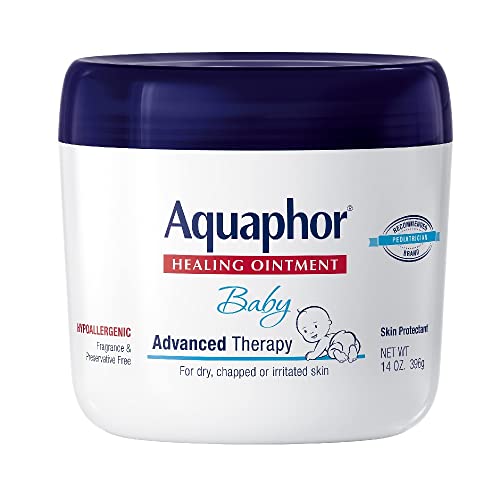
Aquaphor Baby Healing Ointment
Pediatrician recommended for dry, cracked skin, diaper rash, and minor cuts. Creates protective barrier.
Under $25

Cetaphil Baby Daily Lotion
Lightweight daily moisturizer with organic calendula. Hypoallergenic, paraben-free, dermatologist tested.
Under $25
Special Care for Eczema-Prone Skin
About 10-20% of children develop eczema, usually appearing between 3-6 months of age. Key strategies include:
- Moisturize immediately after bathing while skin is still damp to lock in moisture
- Use thick creams over lotions - Creams and ointments are more effective than thin lotions
- Look for ceramides - These help repair the skin barrier (CeraVe, Eucerin)
- Avoid fragrances and dyes - Even "natural" fragrances can trigger flares
- Look for NEA Seal of Acceptance - Products vetted by the National Eczema Association
Gentle Cleansers for Every Age
The right cleanser removes dirt without stripping natural oils. These dermatologist-favorites work for all ages:
 Best Overall
CeraVe Baby Wash & Shampoo
Fragrance-free, tear-free formula with ceramides and vitamins. Developed with pediatric dermatologists.
Under $25
 Best for Tweens
Vanicream Gentle Facial Cleanser
Soap-free, oil-free, fragrance-free. Won't clog pores or strip natural oils. Perfect for tween skincare.
Under $25
 Dermatologist Favorite
Cetaphil Gentle Skin Cleanser
Dermatologist recommended for over 70 years. Soap-free, non-irritating, maintains skin pH balance.
Under $25
Ingredients to Avoid in Kids' Skincare
In Sunscreens:
- Oxybenzone (hormone disruptor)
- Octinoxate (reef-damaging)
- Homosalate (hormone concerns)
- Octocrylene (allergenic)
- Retinyl palmitate (sun sensitivity)
In Skincare Products:
- Fragrances (top allergen)
- Parabens (preservative concerns)
- Phthalates (hormone disruptors)
- Formaldehyde releasers
- Sodium lauryl sulfate (drying)
Quick Reference: Kids' Skincare Essentials
Sunscreen
- SPF 30-50 mineral formula
- Zinc oxide or titanium dioxide
- Apply every 2 hours
- Water-resistant for activities
Moisturizer
- Fragrance-free always
- Ceramides for eczema
- Apply to damp skin
- Cream > lotion for dry skin
Cleanser
- Soap-free, pH balanced
- Tear-free for babies
- Lukewarm water only
- Pat dry, don't rub
The Bottom Line
Key Takeaways for Parents
Your child's skin is their largest organ and their first line of defense against the world. With the right products and consistent routines, you're setting them up for a lifetime of healthy skin. When in doubt, consult a board-certified pediatric dermatologist for personalized advice.
Related Resources
Last updated: January 2026. This article is for informational purposes and should not replace advice from a pediatric dermatologist. Some links on this page are affiliate links, meaning we may earn a commission if you purchase through them at no extra cost to you.
Featured at Backcountry, 15% off first order
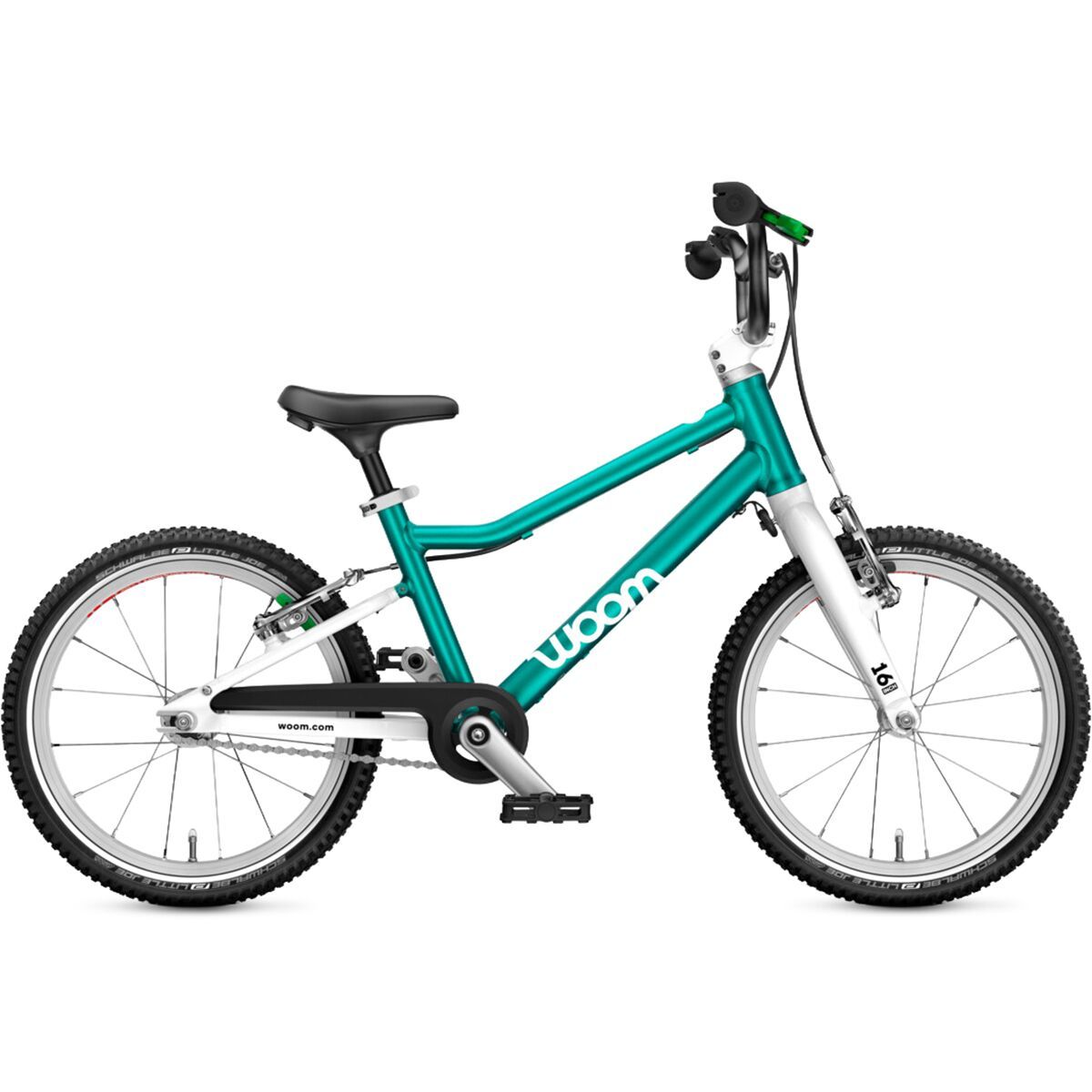
Woom GO 3 16in Bike, Kids
The premium kids bike that gets kids outdoors. Lightweight, ergonomic, and holds resale value.