Positive Discipline: What Actually Works
Research-backed discipline strategies that teach better behavior without punishment, time-outs, or yelling. For toddlers through teens.
What the Research Says
Decades of research consistently show that punitive discipline (spanking, harsh time-outs, yelling) actually increases behavioral problems over time. Children learn to avoid punishment, not to behave well.
Positive discipline approaches are associated with better outcomes: fewer behavior problems, stronger parent-child relationships, better mental health, and children who behave well because they want to, not because they fear consequences.
What to Do Instead
Time-Out (isolation)
Time-In
Stay with your child during big emotions. 'I can see you're really upset. I'm going to stay here with you until you feel better.' This teaches regulation rather than isolation.
Spanking/hitting
Natural/Logical Consequences
Let the consequence relate to the behavior. Threw the toy? Toy goes away for the day. Won't wear a coat? They'll feel cold. Teaching, not hurting.
Yelling
Getting Close & Speaking Quietly
Walk to your child, get on their level, and speak in a calm, quiet voice. Yelling activates their fight-or-flight; calm activates their thinking brain.
Threats ('If you don't... then...')
Choices Within Limits
'You can put on your shoes or I can help you. Which works for you?' Gives control while maintaining the limit.
Taking Away Unrelated Things
Related Consequences
Taking away screen time for not eating vegetables makes no sense. Instead: 'If your tummy isn't hungry for dinner, it's probably not hungry for dessert either.'
Lectures When Child is Upset
Connection First, Teaching Later
When emotions are high, logic is low. Comfort first. Teach and problem-solve only after they're calm and their thinking brain is back online.
Natural vs. Logical Consequences
Natural Consequences
Let reality be the teacher. The consequence happens naturally without your intervention.
Examples:
- Won't wear a coat → Gets cold (within safe limits)
- Doesn't put bike away → Bike gets rained on/rusty
- Stays up too late → Tired the next day
- Doesn't study → Gets a bad grade
Note: Only works when it's safe. Don't let a toddler run into traffic to learn about cars!
Logical Consequences
You create a consequence that's directly related to the behavior. Must be related, reasonable, and respectful.
Examples:
- Throws food → Meal is over (must be hungry for food)
- Breaks sibling's toy → Uses allowance to replace it
- Doesn't do homework → Less screen time to make time for homework
- Makes a mess → Cleans up the mess
Note: The consequence should teach, not punish. Ask yourself: 'What do I want my child to learn?'
Strategies by Age
Toddlers (1-3 years)
They can't control impulses yet. Their brain literally can't do it.
- Redirect, redirect, redirect - they forget quickly
- Child-proof the environment instead of constantly saying no
- Use distraction - 'Look at this!' works wonders
- Stay calm during tantrums - they need your regulation
- Offer limited choices: 'Red cup or blue cup?'
- Validate feelings: 'You're mad! You wanted that toy.'
- Give warnings before transitions: 'Five more minutes, then bath time'
Preschoolers (3-5 years)
They understand more but still struggle with impulse control and emotional regulation.
- Use 'when/then': 'When you put on shoes, then we can go outside'
- Offer do-overs: 'Let's try that again with kind words'
- Role-play challenging situations before they happen
- Use visual schedules and timers
- Give them jobs and responsibilities
- Problem-solve together: 'What could we do differently?'
- Use stories and puppets to teach concepts
School Age (6-12 years)
They can reason and understand consequences, but peer influence grows.
- Family meetings to discuss rules and problems together
- Let natural consequences teach when safe
- Focus on solutions, not blame
- Listen more than you lecture
- Give them increasing autonomy and responsibility
- Discuss the 'why' behind rules
- Collaborate on problem-solving: 'We have a problem. What should we do?'
Teenagers (13+)
Connection is everything. If you lose the relationship, you lose influence.
- Pick your battles - not everything is worth fighting over
- Respect their privacy and autonomy
- Be a safe person they can come to with problems
- Negotiate rules together when appropriate
- Use natural consequences - let them experience failure safely
- Listen without immediately trying to fix
- Stay connected even when it's hard
The Time-In: What It Looks Like
Instead of sending a child away to calm down alone (which they usually can't do), a time-in keeps you connected while helping them regulate:
Get close. Sit near them or hold them if they'll let you.
Stay calm. Your calm helps them calm. Take deep breaths yourself.
Validate. "You're really upset. It's hard when we can't have what we want."
Wait. Don't try to fix or lecture. Just be present until they're calm.
Reconnect. Once calm: "You were really upset. Let's talk about what happened."
Teach. Now that they're regulated, discuss the behavior and problem-solve together.
When YOU Lose Your Cool
You will yell sometimes. You'll use a sarcastic tone. You'll be harsher than you meant to be. You're human. Here's how to handle it:
- Take a break if you need one. "I need a minute. I'll be right back."
- Repair. "I yelled at you and that wasn't kind. I'm sorry. I was frustrated, but that's not an excuse."
- Model accountability. Apologizing shows them how to take responsibility for mistakes.
- Identify your triggers. Hunger? Exhaustion? Work stress? Address the root cause.
- Get support. Parenting is hard. Therapy, parenting groups, and help from others matter.
Quick Reference: Phrases That Work
"I can see you're upset. I'm here with you."
"What happened? Tell me about it."
"That was hard. Let's figure this out together."
"I won't let you hurt your brother. I'll help you."
"When you're calm, we can talk about this."
"You're not in trouble. I want to understand."
"What do you think we should do about this?"
"How can we solve this problem?"
"I love you AND the answer is still no."
"Let's try that again with kind words."
"I know you can handle this."
"What do you need right now?"
Frequently Asked Questions
Related Guides
Need Help In the Moment?
Our Positive Parenting Phrases tool gives you scripts for common challenging situations.
Get Phrases→Free Online Parenting Class
Free Class: The All-In-One Parenting Success System
Get kids to listen, no nagging, reminding, or yelling. This free online class from parenting expert Amy McCready walks through the exact steps to end power struggles and raise capable, cooperative kids.
Watch the Free ClassAffiliate partner. We may earn a commission if you enroll, at no extra cost to you.
Helpful Parenting Resources
Featured at Backcountry, 15% off first order
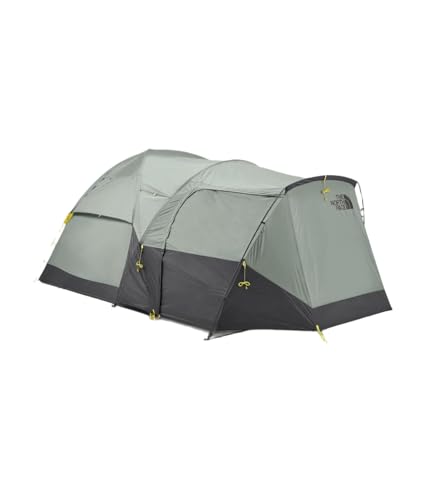
TNF Wawona 6 Tent
Shared outdoor experiences build the trust connections that make discipline work. Get the whole family outdoors.