Public vs Private School: Complete Cost & Value Analysis 2026
Data-driven comparison of public and private schools covering costs, academic outcomes, college acceptance, and whether private school is worth the investment.
The $200,000 Question
Is spending $12,000-$30,000 per year on private school worth it compared to free public school? This analysis looks at the data, not just the marketing.
Cost Comparison at a Glance
| School Type | Annual Cost | K-12 Total (13 years) |
|---|---|---|
Public School | $0 (taxpayer funded) | $0 |
Private Elementary | $10,000-$25,000 | $130,000-$325,000 |
Private High School | $15,000-$35,000 | $195,000-$455,000 |
Elite Private (Prep Schools) | $40,000-$60,000 | $520,000-$780,000 |
The Real Cost of Private School
Annual Direct Costs
Hidden/Indirect Costs
Public School Hidden Costs
While "free," public schools have costs too:
13-Year Total Investment (K-12)
If that $200k-$600k difference was invested in a 529 plan earning 7% annually, it would be worth $400,000-$1,200,000 by the time your child finishes college.
Academic Performance Comparison

Test Scores: The Misleading Data
Private school students score higher on standardized tests, but research shows this is primarily due to:
What Research Actually Shows
Key Finding:
When controlling for family income, parental education, and prior student achievement, the academic advantage of private schools largely disappears.
Studies comparing similar students (same income, parental education, baseline achievement) find:
Source: National Center for Education Statistics (NCES) analysis of public vs private school performance
College Acceptance Rates
Private school graduates do attend college at higher rates:
But again, this is primarily explained by family background, not school quality. When comparing students from similar backgrounds:
School & Learning Essentials

Freezable Lunch Bag for Kids
Best InsulatedBuilt-in freezable gel walls keep food cold for hours without ice packs. Folds flat for easy storage.
View on Amazon
Best Kids Bento Box for School Lunches
Best OverallLeak-proof 5-compartment bento box designed for kids. Microwave and dishwasher safe, drop-tested for durability.
View on AmazonWhere Each School Type Excels
Private School Advantages
Where Private Schools May Disappoint
Public School Advantages
Public School Quality Varies Wildly
The biggest difference isn't public vs private, it's good vs bad schools within each category:
Critical Insight
A high-performing public school is often a better choice than a mediocre private school. Don't assume private = better. Research YOUR local options specifically.
Decision Framework: When Each Makes Sense
Strong Case for Private School
Strong Case for Public School
Real Family Scenarios
Affluent Suburb, Great Public Schools
PUBLICThe Martinez family lives in a top-ranked school district (top 10% nationally). Local public high school sends 30+ students to Ivy League schools annually. Private school tuition would be $25k/year ($325k over 13 years).
Decision: Stay public, invest the $325k in 529 college savings instead.
Result: Child attends excellent public school, graduates debt-free from college with $300k+ 529 fund invested early.
Struggling Public District, Safety Concerns
PRIVATEThe Johnson family's local public school ranks in bottom 20% statewide, with safety issues and teacher turnover. Private school costs $18k/year but provides safe, structured environment. With household income of $180k, it's 10% of gross income, a stretch but manageable.
Result: Worth the investment when public option is genuinely poor quality.
Three Kids, Middle-Class Family
PUBLICThe Williams family has three children ages 6, 8, and 10. Private school would cost $48k/year ($624k over 13 years total). Household income is $140k. Private school would consume 34% of gross income and eliminate retirement savings and college funds.
Result: Math doesn't work. Stay public, supplement with enrichment activities, save for college.
Child with Dyslexia, Public School Failing to Help
PRIVATEAfter two years of public school with minimal IEP support, the Anderson family enrolled their daughter in a private school specializing in dyslexia. Cost: $28k/year. Within one year, daughter went from 2 grades behind in reading to grade level.
Result: Sometimes private school expertise is worth every penny for a child's specific needs.
The Opportunity Cost Analysis

What Could $250,000 Buy Instead?
Average private school K-12 cost is ~$250,000. Alternative uses:
$250k covers 4 years at most state universities
$100k home down payment + $150k college fund
$250k at age 5 → $1.4M by age 65 (7% returns)
Private tutoring, music, sports, camps, travel
Long-Term Wealth Impact
Private school vs investing the difference:
Key Question: Will private school provide $7.8 million in lifetime earnings advantage? Almost certainly not.
Questions to Ask Before Choosing Private School
Financial Questions
School Quality Questions
Child Fit Questions
Hybrid Options
Public Elementary, Private High School
Public School + Enrichment
Charter/Magnet Schools
It Depends on YOUR Options
The data shows:
Best approach: Research your specific local public schools vs nearby private options. If your public schools are good (top 30% nationally), the $200k-$600k investment in private school is hard to justify. If your public schools are struggling (bottom 20%), private school may be worth the cost, if you can afford it without sacrificing retirement or college savings.
Related Articles
The Real Cost of Raising a Child in 2026
Comprehensive breakdown including education expenses from preschool through college.
Daycare vs Nanny Comparison
Early childhood education cost comparisons before elementary school.
How to Prepare for Baby Financially
Long-term financial planning including education savings strategies.
When to Start Daycare
Early education timing and developmental considerations.
Related Calculators
Calculate Private School Costs
See the total investment and opportunity cost for your family
Try Our Cost CalculatorFeatured at Backcountry, 15% off first order
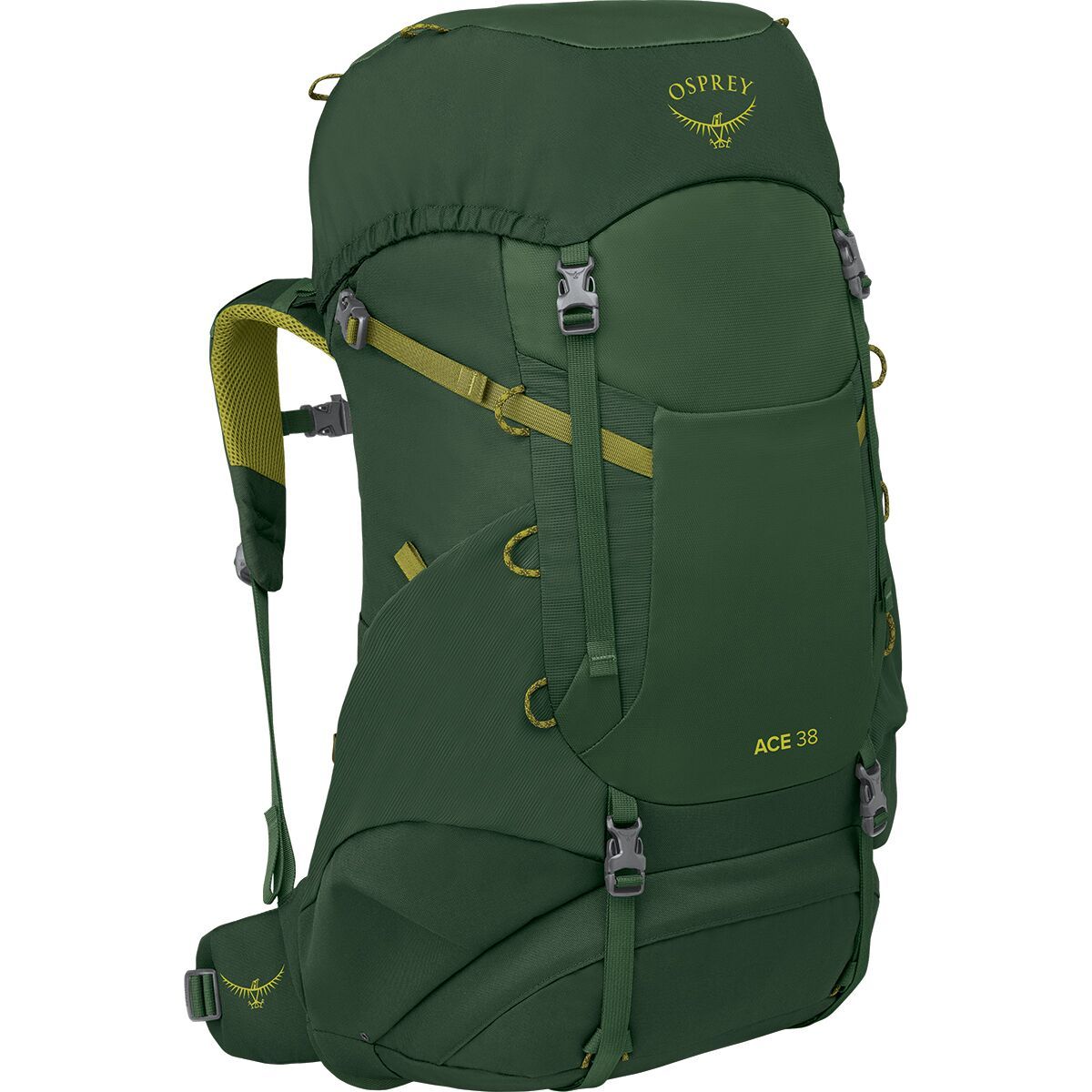
Osprey Ace 38L Kids Backpack
Real hiking-grade pack in kids sizing, adjustable torso, internal frame, load-transferring hipbelt. Fits school year + weekend trips.