Terrible Twos: Survival Guide
Why 2-year-olds are so challenging, how to handle the tantrums, and yes - you will get through this. Complete guide for exhausted parents.
Toddler Essentials
The Truth About the "Terrible Twos"
First, let's reframe: The "terrible twos" are really the "tremendous twos" - a time of incredible brain development. Your toddler is developing independence, language, and emotional skills. It's messy, loud, and exhausting, but it's also completely normal.
The tantrums aren't defiance or manipulation. They're a developing brain being overwhelmed by emotions it can't yet regulate. You're not doing anything wrong. This too shall pass.
Why 2-Year-Olds Are SO Challenging
Brain Development
The prefrontal cortex (impulse control, emotional regulation) won't fully develop until the mid-20s. At 2, it's barely functional. They literally CAN'T control themselves.
Language Gap
They understand far more than they can express. Imagine knowing exactly what you want but being unable to say it. That's frustrating!
Independence Drive
Developmentally, they need to separate from you and develop autonomy. 'NO!' and 'ME DO IT!' are signs of healthy development.
Big Emotions, No Skills
They feel emotions as intensely as adults but have zero coping strategies. Every disappointment feels like the end of the world.
Survival Strategies That Actually Work
Preventing Meltdowns
Stick to routines
Toddlers thrive on predictability. Same bedtime, same mealtimes, same sequence of events.
Give warnings before transitions
'5 more minutes, then bath time.' Set a timer they can see/hear.
Offer limited choices
'Red shirt or blue shirt?' gives them control without being overwhelming.
Avoid hunger and tiredness
Most meltdowns happen when kids are hungry, tired, or overstimulated.
Say YES more than NO
Instead of 'No running!', try 'Walking feet inside!' Save NO for safety issues.
During Tantrums
Stay calm (the hardest part)
They need your calm. Take deep breaths. Speak slowly and quietly.
Don't try to reason
Their thinking brain is offline during a tantrum. Logic doesn't work.
Ensure safety, then wait
Move dangerous objects, then let the storm pass. Don't give in or escalate.
Offer comfort when ready
Some kids want hugs; others need space. Follow their lead once the peak passes.
Don't punish tantrums
Tantrums aren't misbehavior - they're emotional overwhelm. Punishment makes it worse.
Building Connection
Fill their cup with attention
10-15 minutes of focused, child-led play daily reduces attention-seeking behavior.
Name their emotions
'You're frustrated! You wanted that toy.' This teaches emotional vocabulary.
Validate before redirecting
'You're mad we have to leave. I get it. AND it's time to go.' Both/and, not either/or.
Catch them being good
Praise specific positive behaviors: 'You shared! That was kind!' instead of 'Good job.'
Repair after tough moments
Once calm: 'That was hard. I love you. Let's try again.' Connection heals.
Quick Reference: Do's and Don'ts
DO
- Keep a consistent routine
- Offer two choices (not open-ended questions)
- Use simple, clear language
- Validate their feelings
- Stay calm during tantrums
- Give warnings before transitions
- Praise specific good behavior
- Pick your battles wisely
- Take care of yourself too
- Remember: this phase ends
DON'T
- Reason with them during a meltdown
- Give in to end a tantrum (teaches tantrums work)
- Use sarcasm or mockery
- Ask 'why' questions (they don't know why!)
- Compare them to other kids
- Expect adult-level self-control
- Take the defiance personally
- Over-explain or lecture
- Punish developmentally normal behavior
- Forget that you need breaks too
Phrases That Actually Help
They're frustrated
"You're frustrated! This is hard."
They want something they can't have
"I hear you. You really want that. The answer is still no."
They're hitting/biting
"I won't let you hurt. I'll keep everyone safe."
Mid-tantrum
"I'm here. I'll wait with you until you're ready."
They won't do something
"Do you want to walk or hop to the car?"
After a meltdown
"That was big. You had a lot of feelings. I love you."
They say NO
"I hear that you don't want to. AND it's time for [X]."
Testing limits
"I said no, and I mean it. I love you AND the answer is no."
Parent Self-Care (Yes, This Matters)
You can't pour from an empty cup. Your regulation IS their regulation. When you're depleted, everything feels harder. Please:
Frequently Asked Questions
Related Guides
Need In-the-Moment Help?
Our Tantrum Guide gives you step-by-step help during meltdowns.
Open Tantrum Guide→Once they are moving, the house has to change
Every milestone on this page ends with a child who can reach something new. These are the four that matter first, roughly in the order you will need them.
 Dreambaby Newport Adapta Baby Gate
Rated for the top of stairs, which most pressure-fit gates are not. The one that matters once they can climb.
Check price on Amazon → Furniture Anchors, 10 Pack
Anti-tip straps for dressers and bookcases. Furniture tip-overs are the injury pulling-up creates.
Check price on Amazon →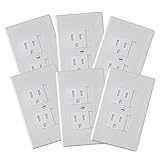 Self-Closing Outlet Covers, 6 Pack
Slide shut on their own, so they still work on the day someone forgets to put the plug back.
Check price on Amazon →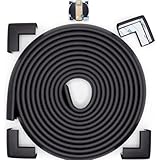 Roving Cove Corner and Edge Protector
Coffee-table corners sit at exactly head height for a child learning to walk.
Check price on Amazon →As an Amazon Associate we earn from qualifying purchases, at no extra cost to you.
Products for Toddler Development

Best Stair Gate
Best for StairsRated for the top of stairs, which most pressure-fit gates are not. That distinction matters more than any other feature.
View on Amazon