Water Safety for KidsEssential Guide for Parents
Drowning is preventable. Learn the layers of protection that keep children safe around pools, beaches, and at home.
Critical to Know
Drowning is the #1 cause of death for children ages 1-4. It can happen in seconds, silently. No layer of protection is enough alone, use all of them together.
The Layers of Protection
Layer 1: Supervision
Constant, focused supervision around water
- Designated 'water watcher' at all times
- Within arm's reach for non-swimmers
- No phones or distractions
- Eyes on the water, not conversations
Layer 2: Barriers
Physical barriers to prevent unsupervised access
- 4-foot fence around pools with self-closing gate
- Door alarms for exits to pool area
- Pool covers (not a substitute for fencing)
- Remove ladders from above-ground pools
Layer 3: Swimming Lessons
Teaching children water competency
- Start lessons around age 1 (water introduction)
- Formal lessons by age 4
- Lessons reduce drowning risk by 88%
- Continue lessons until proficient
Layer 4: CPR Knowledge
Knowing what to do in an emergency
- All caregivers should know CPR
- Take an infant/child CPR course
- Recertify regularly
- Know how to call for help
What Every Parent Must Know
⚠️ Drowning is silent
Victims rarely splash or call for help. They can't breathe to yell. Watch for: vertical body position, head tilted back, gasping, not moving forward.
⚠️ It happens fast
Drowning can happen in under 30 seconds. It only takes 2 inches of water. Never leave a child unattended near any water source.
⚠️ Floaties aren't life savers
Arm floaties, pool noodles, and inflatable toys are NOT safety devices. They can deflate, slip off, or flip. Use Coast Guard-approved life jackets.
Safety Rules by Location
Pool
- Fence all 4 sides with self-closing, self-latching gate
- No running on pool deck
- No diving in shallow areas
- Drain covers in place and secure
- Pool toys removed when done (attractions)
Beach/Lake
- Swim only in designated areas with lifeguards
- Understand rip currents (swim parallel to shore)
- Check for hazards (jellyfish, rocks, currents)
- Life jackets for open water swimming
- Never turn your back on the ocean
Bathtub
- Never leave child alone, even for a second
- No phones during bath time
- Drain water immediately after bath
- Non-slip mats in tub
- Water heater set below 120°F
Around the Home
- Empty buckets, kiddie pools, and containers
- Toilet locks on bathroom doors
- Secure hot tub covers
- Close bathroom doors
- Fence ponds and water features
Frequently Asked Questions
Featured at Backcountry, 15% off first order
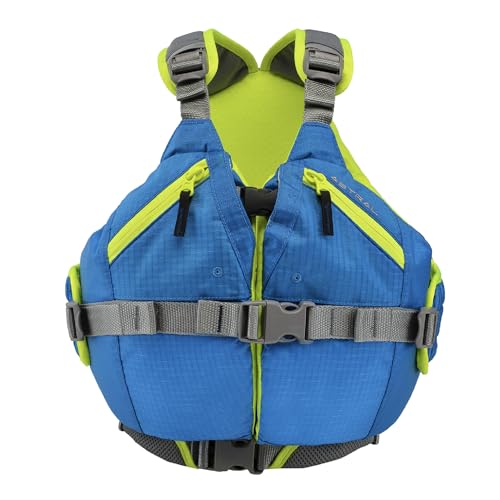
Astral Otter 2.0 PFD, Kids
The best kids PFD for real water. USCG Type III, 50-90 lb youth rating.