Kids Lunch Boxes & Food Containers Guide
Everything you need to pack healthy, safe, and enjoyable school lunches - from choosing the right lunch box to keeping food at the perfect temperature
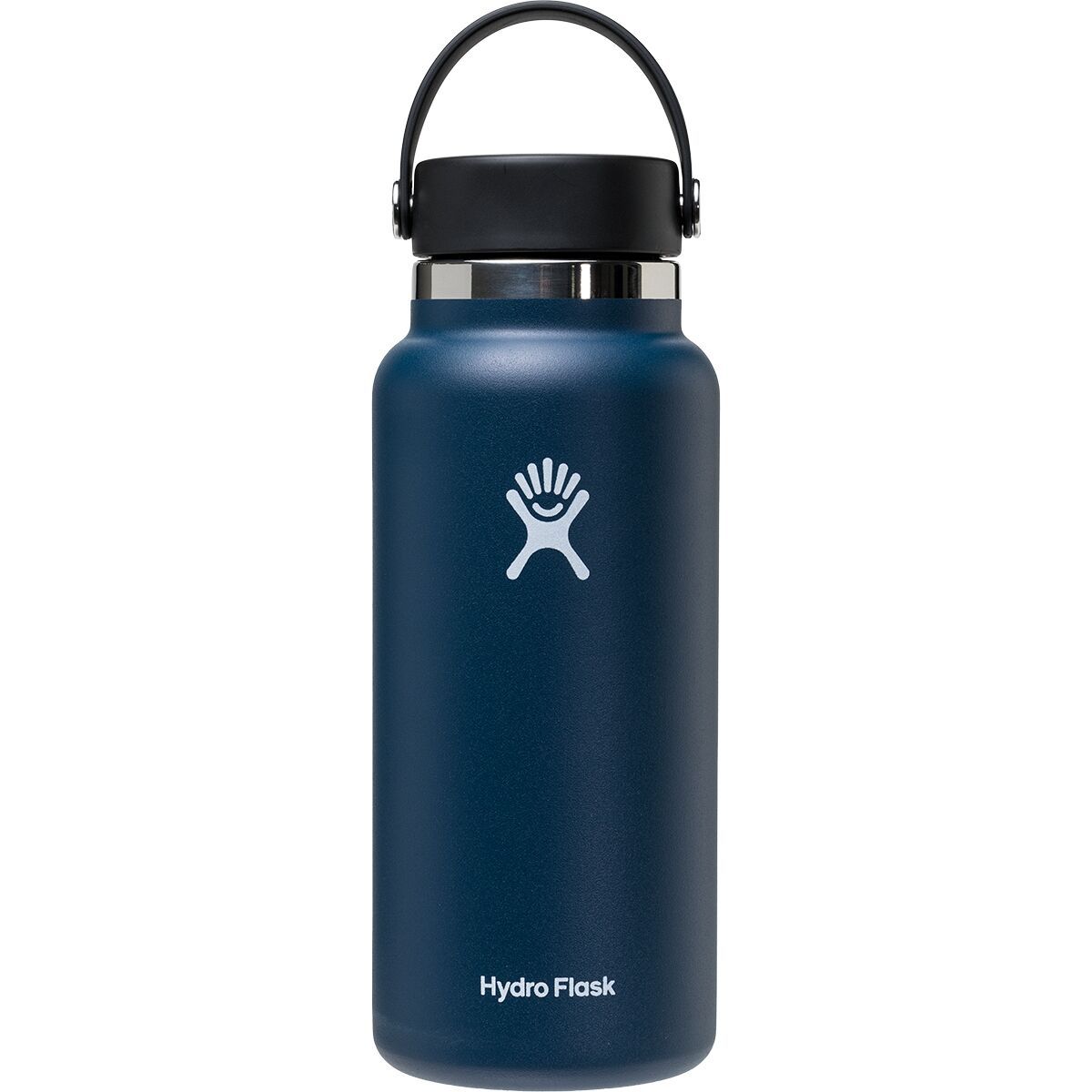
Hydro Flask 32oz Wide Mouth Flex Cap 2.0 Water Bottle
Keeps beverages at the perfect temperature - ice-cold for up to 24 hours or hot for up to 12. Made from pro-grade stainless steel, it resists flavor transfer and stands up to years of rough handling.
- 24-hour cold retention
- Leakproof Flex Cap
- Wide mouth opening
- Durable stainless steel
Packing Healthy Lunches Kids Will Actually Eat
A good lunch setup is more than just a container - it's about keeping food fresh, safe, and appealing so your child actually eats what you pack. The right lunch box and containers can make the difference between a meal that comes home untouched and one that fuels your child through the afternoon.
This guide covers everything from choosing the right type of lunch box for your child's needs to selecting safe materials, finding the right size for each age, and mastering temperature control to keep food safe and delicious.
Safety First
Choose BPA-free, phthalate-free materials. Stainless steel and silicone are the safest options.
Temperature Matters
Keep cold foods below 40F and hot foods above 140F to prevent bacterial growth.
Kid-Friendly Design
Containers should be easy for small hands to open independently at school.
Types of Lunch Boxes
Each type of lunch box has its strengths. Consider your child's age, preferences, and what foods you typically pack when choosing.
Bento Box
Ages 4+
Multi-compartment containers that keep foods separate. Perfect for variety and portion control.
Pros
- Keeps foods separated
- Built-in portion control
- Encourages variety
- Reduces waste from bags
Cons
- Can be harder to clean
- Some compartments may be too small
- Not always leak-proof
Best for: Kids who like variety and don't want foods touching
Traditional Insulated
All ages
Soft-sided lunch bags with insulated linings. The classic choice for most families.
Pros
- Keeps food cold for hours
- Flexible sizing
- Easy to clean
- Affordable options
Cons
- Foods may get squished
- Need separate containers
- Can develop odors over time
Best for: Everyday school lunches with an ice pack
Stainless Steel
Ages 5+
Durable, plastic-free containers made from food-grade stainless steel.
Pros
- Extremely durable
- No plastic chemicals
- Easy to clean
- Recyclable at end of life
Cons
- Heavier than plastic
- Not microwave safe
- Can dent if dropped
Best for: Eco-conscious families seeking plastic-free options
Thermos/Insulated Jar
Ages 5+
Vacuum-insulated containers that keep food hot or cold for hours.
Pros
- Keeps food hot 5+ hours
- Great for soups and hot meals
- Durable construction
- No microwave needed
Cons
- Only good for one food type
- Takes practice to use
- Need to preheat/prechill
Best for: Kids who want hot lunch at school
Best Materials for Kids' Food Containers
Not all materials are created equal when it comes to food safety. Here's what to look for and what to avoid.
Stainless Steel
Safety: Excellent
Food-grade 18/8 or 304 stainless steel is the safest option. No chemicals leach into food, even with hot items.
Advantages
- No chemical leaching
- Extremely durable
- Easy to clean
- Doesn't retain odors
Considerations
- Heavier
- Not microwave safe
- Can dent
Silicone
Safety: Very Good
Food-grade silicone is flexible, durable, and heat-resistant. Safe for dishwasher and microwave.
Advantages
- Flexible and collapsible
- Microwave safe
- Heat resistant
- Soft and quiet
Considerations
- Can absorb odors
- May stain over time
- Less rigid structure
BPA-Free Plastic
Safety: Good
Look for labels stating BPA-free, phthalate-free, and PVC-free. Avoid heating food in plastic containers.
Advantages
- Lightweight
- Affordable
- Many options
- Often microwave safe
Considerations
- May contain other chemicals
- Scratches over time
- Less durable
- Can stain
Glass
Safety: Excellent
Borosilicate or tempered glass is safe and doesn't leach chemicals. Best with protective silicone sleeves.
Advantages
- No chemical leaching
- Microwave safe
- Won't stain
- Easy to see contents
Considerations
- Breakable
- Heavy
- Not suitable for young kids
Materials to Avoid
- BPA (Bisphenol A) - Can mimic hormones
- Phthalates - Hormone disruptors
- PVC (Polyvinyl Chloride) - Contains harmful plasticizers
- Polystyrene (#6 plastic) - May leach styrene
- Lead-containing materials - Check vintage items
- Recycled plastics (#3, #7) - May contain contaminants
Size Recommendations by Age
Getting the right size ensures kids can finish their lunch without waste or still feeling hungry. Here's a guide based on typical appetite by age.
| Age Group | Lunch Box | Containers | Water Bottle |
|---|---|---|---|
| Preschool (3-4) | Small (under 4 cups) | 4-6 oz containers | 12-14 oz |
| Kindergarten (5-6) | Small-Medium (4-5 cups) | 6-8 oz containers | 14-16 oz |
| Early Elementary (6-8) | Medium (5-6 cups) | 8-12 oz containers | 16-20 oz |
| Late Elementary (9-11) | Medium-Large (6-7 cups) | 12-16 oz containers | 20-24 oz |
| Middle School (11-14) | Large (7+ cups) | 16-20 oz containers | 24-32 oz |
Preschool (3-4)
Focus on easy-open containers. Small portions they can finish.
Kindergarten (5-6)
Practice opening containers at home before school starts.
Early Elementary (6-8)
Can handle more complex containers. Add variety.
Late Elementary (9-11)
Appetite increases. May want hot food options.
Middle School (11-14)
Full-size portions. Consider style preferences.
Keeping Food Cold or Hot
Food safety is critical for school lunches that sit for hours before being eaten. Here's how to keep food at safe temperatures.
Keeping Food Cold
- Use frozen gel packs - Place on top of food (cold air sinks)
- Freeze water bottles - Acts as ice pack and provides cold drink
- Pre-chill containers - Put in fridge overnight before packing
- Use insulated lunch bags - Look for thick foam lining
- Pack frozen items - Yogurt tubes, sandwiches thaw by lunch
Target: Keep cold foods below 40F (4C) to prevent bacterial growth.
Keeping Food Hot
- Preheat the thermos - Fill with boiling water for 5 min, then empty
- Heat food extra hot - Pack at 180F+ so it stays above 140F
- Fill container completely - Less air means better heat retention
- Use wide-mouth containers - Easier to fill and clean
- Keep thermos separate - Hot items warm up cold foods
Target: Keep hot foods above 140F (60C) to prevent bacterial growth.
Best Foods for School Lunches
Keep Well Without Cooling
- Whole fruits (apples, oranges)
- Nut butter sandwiches
- Crackers and pretzels
- Dried fruit
- Granola bars
Need Ice Pack
- Deli meat sandwiches
- Cheese and yogurt
- Cut vegetables
- Hummus and dips
- Milk and juice boxes
Great Hot in Thermos
- Soup and chili
- Mac and cheese
- Pasta with sauce
- Rice and beans
- Oatmeal
Easy-to-Open Containers for Kids
Nothing is more frustrating for a child than a container they can't open. Here's what to look for and how to help your child succeed.
Features to Look For
- Single latch closures - One tab instead of multiple clips
- Large pull tabs - Easier for small fingers to grip
- Flip-top lids - Stays attached, won't get lost
- Push-button releases - No squeezing required
- Silicone lids - Flexible and forgiving
- Twist-off lids - Good for older kids (5+)
- Color-coded parts - Helps kids know what to do
- Lightweight materials - Less effort to manipulate
Practice Makes Perfect
Before the first day of school, practice at home with these tips:
- 1Let your child open and close containers during meals at home
- 2Practice with water bottles - opening and closing without spilling
- 3Do a full "mock lunch" - pack lunch and have child unpack independently
- 4Replace any containers they struggle with before school starts
Cleaning and Maintenance
Proper cleaning prevents odors, stains, and bacterial growth. Different materials require different care.
Daily Cleaning Routine
- 1Empty and rinse containers as soon as they come home
- 2Wash with warm soapy water and a bottle brush
- 3Pay extra attention to seals and grooves
- 4Air dry completely before storing (prevents mold)
- 5Store with lids off to allow air circulation
Weekly Deep Cleaning
- Baking soda paste - For stubborn odors and stains
- White vinegar soak - 15 min to sanitize and deodorize
- Bottle cleaning tablets - Great for water bottles
- Check gaskets/seals - Remove and clean separately
- Wipe down lunch bag - Inside and out with damp cloth
Material-Specific Care
Stainless Steel
- Dishwasher safe (top rack)
- Avoid bleach (can damage finish)
- Use non-abrasive sponges
- Dry immediately to prevent water spots
Silicone
- Dishwasher safe
- Can be boiled for deep sanitizing
- May absorb odors (baking soda helps)
- Turn inside out for thorough cleaning
Plastic
- Check dishwasher-safe symbol (top rack only)
- Never microwave if not labeled safe
- Replace when scratched or cloudy
- Lemon juice helps remove stains
Insulated Bags
- Wipe interior with soapy cloth
- Most are not machine washable
- Air dry completely before closing
- Sprinkle baking soda for odors
Recommended Products
Quality gear makes packing lunches easier and keeps food safer. Here are our top picks for keeping drinks and food at the right temperature.
Insulated Water Bottles
A good insulated bottle keeps drinks cold all day - essential for school when there's no refrigerator available.
Hydro Flask 32oz Wide Mouth Flex Cap 2.0 Water Bottle
Keeps beverages at the perfect temperature - ice-cold for up to 24 hours or hot for up to 12. Made from pro-grade stainless steel, it resists flavor transfer and stands up to years of rough handling.
- 24-hour cold retention
- Leakproof Flex Cap
- Wide mouth opening
- Durable stainless steel
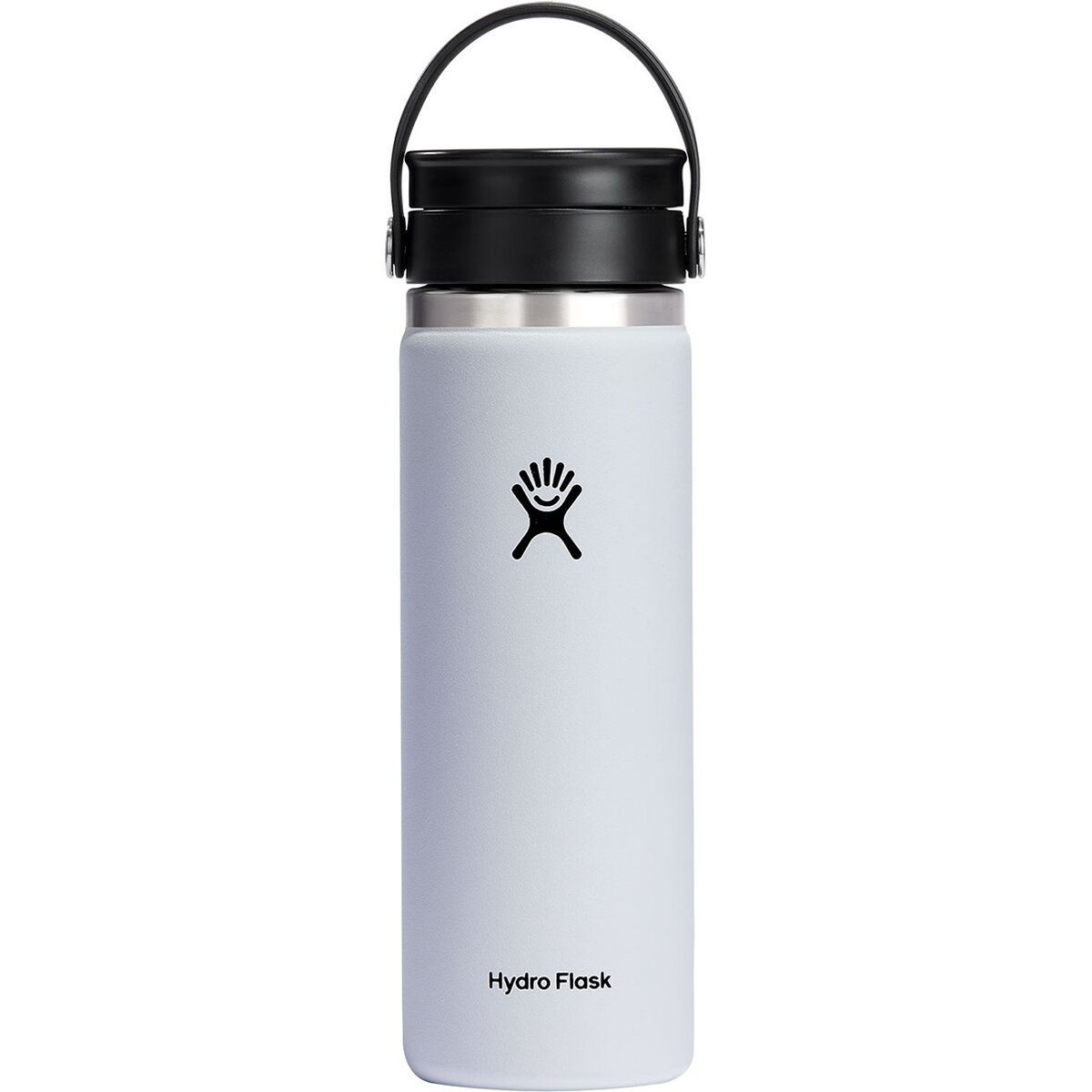
Hydro Flask 20oz Wide Mouth Flex Sip Coffee Mug
Perfect for keeping hot cocoa, soup, or tea warm. The Flex Sip Lid eliminates spills and prevents temperature exchange. Great for kids who enjoy warm beverages at lunch.
- TempShield insulation
- Spill-proof Flex Sip Lid
- 18/8 stainless steel
- BPA-free
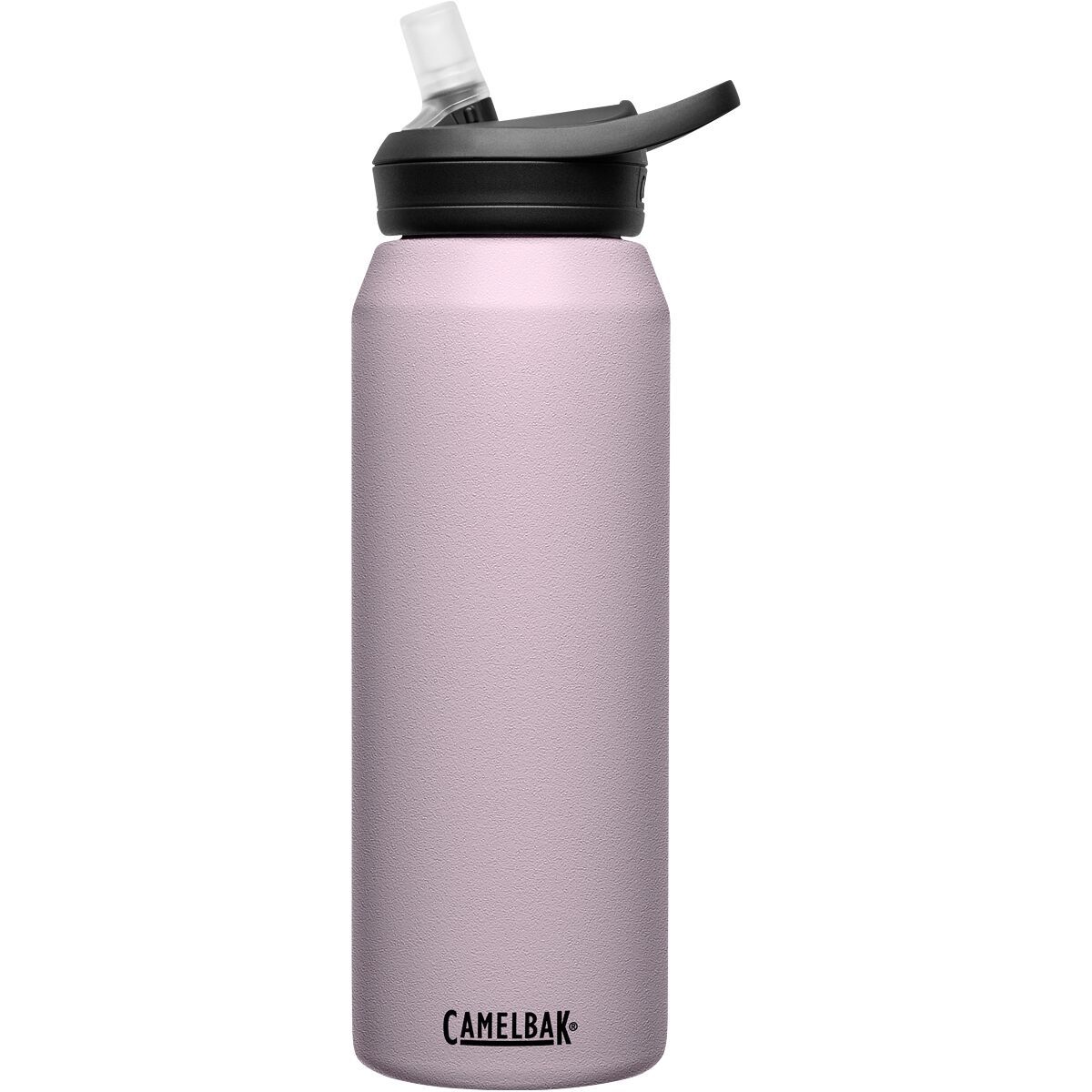
CamelBak Eddy+ Vacuum Stainless Water Bottle
Vacuum insulated stainless steel keeps drinks cold for hours. The Eddy+ bite valve is spill-proof and easy for kids to use. Dishwasher safe for easy cleaning.
- Vacuum insulation
- Spill-proof bite valve
- Dishwasher safe
- BPA-free
Cooler Totes
For field trips, picnics, or families who need to pack multiple lunches, a quality cooler tote keeps everything fresh.

Hydro Flask 26L Day Escape Soft Cooler Tote
With up to 36 hours of ice-cold insulation, this cooler tote keeps lunches and snacks perfectly chilled for the entire school day and beyond. Great for field trips and family outings.
- 36-hour ice retention
- Waterproof liner
- Comfortable carry
- Multiple pockets
Frequently Asked Questions
How long can a packed lunch sit out safely?
Without proper temperature control, perishable foods should not sit out for more than 2 hours (1 hour if the temperature is above 90F). With a good insulated lunch bag and frozen ice pack, cold foods can stay safe for 4-6 hours. Always pack an ice pack with items like deli meat, cheese, yogurt, and cut fruits or vegetables.
Are bento boxes leak-proof?
Not all bento boxes are leak-proof. Many have compartments that are great for dry foods but will allow liquids to migrate between sections. If you need to pack wet foods like applesauce, hummus, or yogurt, look for bento boxes specifically marketed as leak-proof or use small separate containers inside the bento box.
How do I get rid of smells in lunch boxes?
For fabric lunch bags, sprinkle baking soda inside and let sit overnight, then vacuum or shake out. For plastic or stainless steel containers, make a paste of baking soda and water, apply to the interior, let sit for several hours, then rinse. White vinegar is also effective - fill the container with a 1:1 vinegar-water solution and let soak for 30 minutes. For stubborn odors, leave crumpled newspaper inside overnight.
What's the best way to keep a thermos hot until lunch?
The key is preheating. Fill the thermos with boiling water, close the lid, and let it sit for 5-10 minutes while you prepare the food. Then empty the water and immediately fill with piping hot food (heated to at least 180F). The food will still be safely hot 5-6 hours later. Fill the thermos as full as possible - less air means better heat retention.
When should I replace lunch boxes and containers?
Replace plastic containers when they become scratched, cloudy, or stained, as scratches can harbor bacteria. Stainless steel containers last for years but should be replaced if they develop deep dents or rust spots. Replace insulated bags when the liner is torn or peeling, or when they no longer keep food cold effectively. Silicone containers should be replaced if they develop cracks or persistent odors that won't wash out.
Is it safe to put frozen foods in lunch boxes?
Yes, and it's actually a great strategy! Frozen items act as ice packs and thaw to eating temperature by lunchtime. Great options include yogurt tubes, juice boxes, grapes, sandwiches, and small containers of applesauce. Just make sure items are fully frozen when packed and that the lunch box is insulated. This works best for items eaten within 4-5 hours.
How can I make lunch packing faster in the morning?
Prep the night before: pack non-perishables in the lunch box and put perishables in the fridge in their containers. In the morning, just add the cold items and ice pack. Batch prep snacks on weekends - portion out crackers, cut vegetables, and prep fruit for the week. Keep a dedicated "lunch station" in your fridge and pantry with grab-and-go items. Having duplicates of lunch boxes and containers means clean ones are always ready.
Related Guides
Ready to Upgrade Your Lunch Game?
Find quality insulated bottles, coolers, and outdoor gear at Backcountry. New customers get 15% off their first order.
Shop Lunch GearAffiliate Disclosure: ParentCalc may earn a commission from purchases made through links on this page at no additional cost to you. We only recommend products we believe in. Prices and availability are subject to change.