Behavior Charts for KidsDo They Work? Complete Guide
Everything about behavior charts: types, how to use them effectively, common mistakes to avoid, and when to try something else.
Behavior Chart Essentials
The Honest Take
Behavior charts aren't magic. They work well for specific situations but aren't the answer for everything. They're one tool among many, not a replacement for connection, clear expectations, and understanding your child's needs.
Types of Behavior Charts
Sticker Chart
Ages 2-5
Child earns stickers for specific behaviors. After X stickers, they earn a reward.
Pros:
- Visual and tactile
- Immediate gratification
- Fun for young kids
Cons:
- May lose interest quickly
- Stickers can become expected
Token Economy
Ages 4-10
Tokens/points earned for behaviors, can be 'spent' on rewards from a menu.
Pros:
- Teaches delayed gratification
- Flexible reward options
- Can adjust point values
Cons:
- More complex to manage
- Requires consistent tracking
Behavior Bingo
Ages 4-8
Behaviors fill in bingo squares. Complete a row/board for reward.
Pros:
- Game-like and fun
- Variety of behaviors
- Builds excitement
Cons:
- May feel random
- Some behaviors harder to achieve
Marble Jar
Siblings/Family
Marbles added for positive behavior, family reward when jar is full.
Pros:
- Encourages teamwork
- Visible progress
- Whole family involved
Cons:
- Individual contributions unclear
- One child may carry others
Clip Chart (Levels)
Ages 4-7
Clip moves up/down based on behavior. Aim to stay in green/above.
Pros:
- Easy to understand
- Quick visual feedback
- Common in classrooms
Cons:
- Public shaming risk
- Moving down feels punitive
- Can be discouraging
How to Make Behavior Charts Work
Choose 2-3 specific behaviors
Too many goals overwhelm. Pick the most important behaviors to target first.
Be extremely specific
Not 'be good' but 'put toys away when asked' or 'speak in a calm voice.'
Catch them being good
Look for chances to reward positive behavior, not just absence of negative.
Give rewards immediately (for young kids)
A 3-year-old can't wait a week. Smaller, faster rewards work better at first.
Involve your child in creating it
Let them choose stickers, help decide rewards. Buy-in matters.
Fade it out over time
The goal is to build habits, not permanent dependency on rewards.
Never take away earned stickers
Once earned, it's earned. Removing rewards creates resentment and distrust.
Adjust when it's not working
If they're not earning stickers, the goal may be too hard. Modify for success.
Reward Ideas
Small/Daily Rewards
- Extra story at bedtime
- Choose dinner menu
- 15 extra minutes of play time
- Pick the movie
- Stay up 15 minutes later
- Small toy from dollar store
- Special snack
- Choose the park
Bigger/Weekly Rewards
- Trip to favorite place
- Sleepover with friend
- New book or small toy
- Ice cream outing
- Skip a chore day
- Special date with parent
- Choose family activity
- Screen time bonus
Pro tip: Experiences and privileges often work better than toys. They create memories AND are free!
When Charts Aren't Working
Problem: Child doesn't seem motivated
Solution: Rewards may not match their interests. Ask what they WANT to earn. Try smaller, faster rewards.
Problem: Works for a week, then stops
Solution: Novelty wore off. Refresh with new stickers, new rewards, or add a game element.
Problem: Child lies about completing behavior
Solution: Only reward what you personally observe. Be clear: 'I'll add a sticker when I see you do it.'
Problem: One sibling succeeds, one doesn't
Solution: Each child needs their own chart with age-appropriate goals. Don't compare.
Problem: Child only behaves for stickers
Solution: This is normal at first. Pair rewards with verbal praise. Slowly extend time between rewards.
Alternatives to Behavior Charts
Natural consequences
Let reality teach. Forgot lunch? You'll be hungry. Didn't put toys away? They go in time-out box.
When-then statements
'When you finish your vegetables, then you can have dessert.' No chart needed.
Connection and play
Sometimes 'misbehavior' is a bid for connection. More 1:1 time can reduce acting out.
Problem-solving together
'We keep having trouble with morning routines. What ideas do you have?'
Environmental changes
Make the right thing easy. Picture checklists, accessible hooks, timers instead of nagging.
Frequently Asked Questions
Free Online Parenting Class
Free Class: When the Sticker Chart Stops Working
Reward charts work, until they don't. If the motivation fizzled and the behavior came back, it's not you. This free online class from parenting expert Amy McCready explains why charts and consequences quietly backfire, and the Bucket Method that gets real, lasting cooperation.
Watch the Free ClassAffiliate partner. We may earn a commission if you enroll, at no extra cost to you.
Behavior Chart Products
Featured at Backcountry, 15% off first order
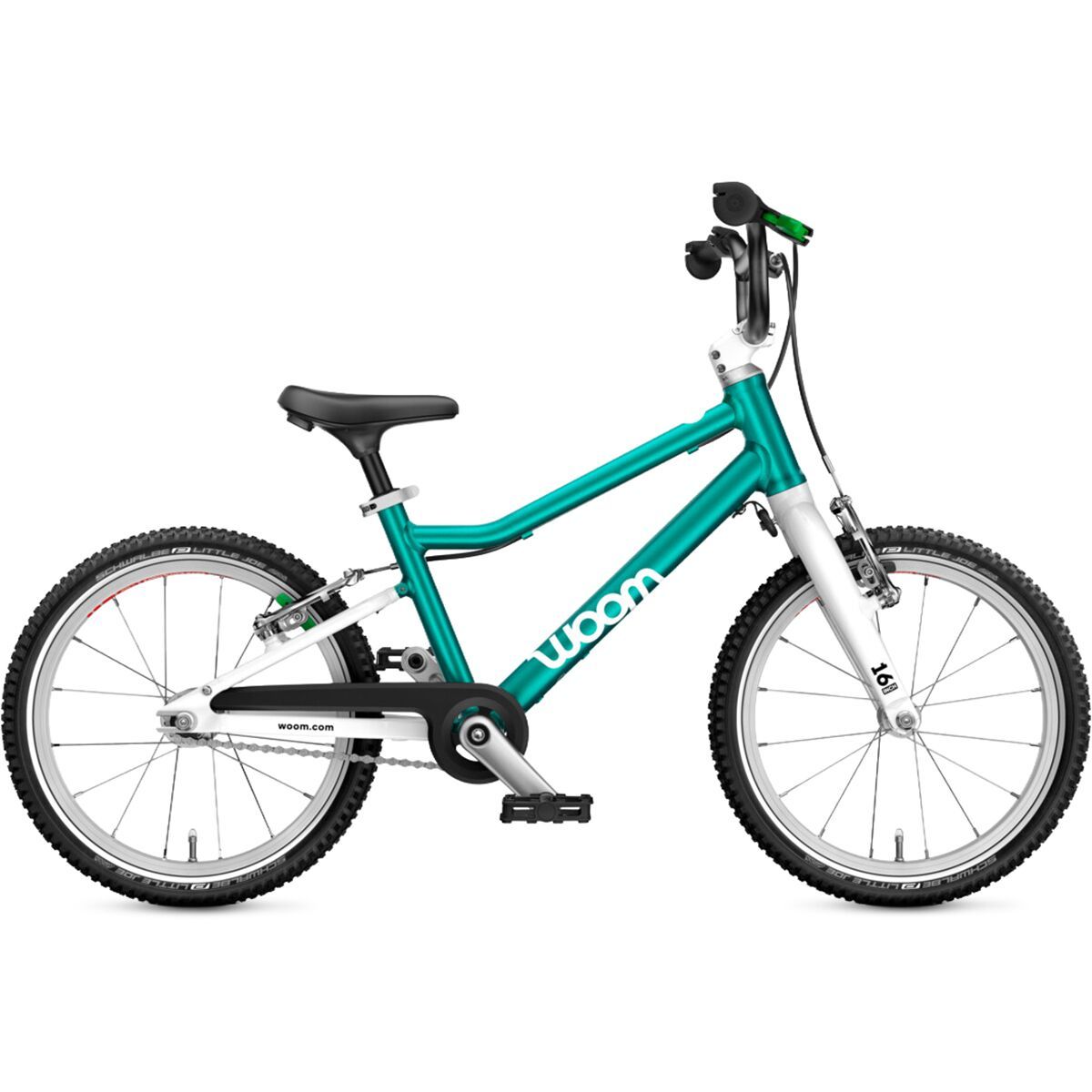
Woom GO 3 16in Bike, Kids
The premium kids bike that gets kids outdoors.