Cloth vs Disposable Diapers: Complete Cost & Impact Analysis 2026
Data-driven comparison of cloth and disposable diapers covering real costs (including time and utilities), environmental impact, and making the best choice for your lifestyle.
Cost Comparison at a Glance
Key Insight:
Cloth diapers save $300-$1,600 for one child, and the savings multiply with each additional child since you reuse the same diapers.
Detailed Cost Breakdown
Disposable Diapers Costs
Newborn to Potty Training (2.5 years average):
Cost Per Diaper:
Total Disposable Costs (2.5 years):
Additional Disposable Costs:
Cloth Diapers Costs
Upfront Investment:
Ongoing Costs (per year):
Cloth Diaper Savings with Multiple Kids:
Real Savings Comparison (One Child)
Top-Rated Disposable Diapers
If you're leaning toward disposables, these highly-rated options offer great performance across different price points:

Premium Plant-Based Diapers
Pampers Pure Protection Baby Diapers
Up to 100% leakproof protection with hypoallergenic, plant-based materials for your baby's delicate skin.
View on AmazonAs an Amazon Associate, we earn from qualifying purchases at no cost to you.

Best for Sensitive Skin & Eco-Conscious Parents
The Honest Company Clean Conscious Diapers
Organic, hypoallergenic diapers that are gentle on baby and the environment. Up to 100% leakproof with plant-based materials.
View on AmazonAs an Amazon Associate, we earn from qualifying purchases at no cost to you.
Budget-Friendly Reliable Protection
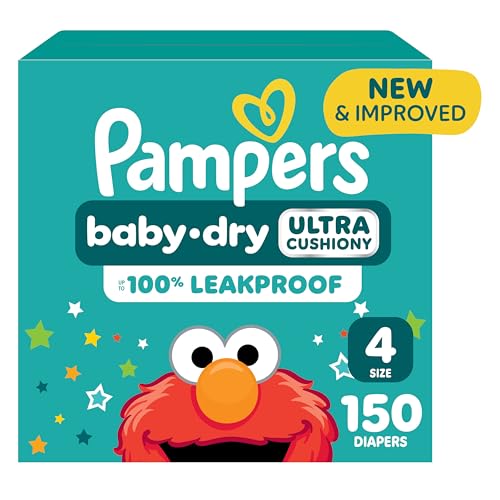
Pampers Baby Dry Diapers
Absorbent, reliable diapers at an affordable price for everyday use. Trusted by millions of parents.
View on AmazonAs an Amazon Associate, we earn from qualifying purchases at no cost to you.
As an Amazon Associate, we earn from qualifying purchases. These are genuine recommendations based on performance and value.
Top-Rated Cloth Diaper Systems
If you're leaning toward cloth, here's what experienced cloth-diapering parents actually buy. Skip the budget all-in-ones, they leak by 4 months. As an Amazon Associate, we earn from qualifying purchases.
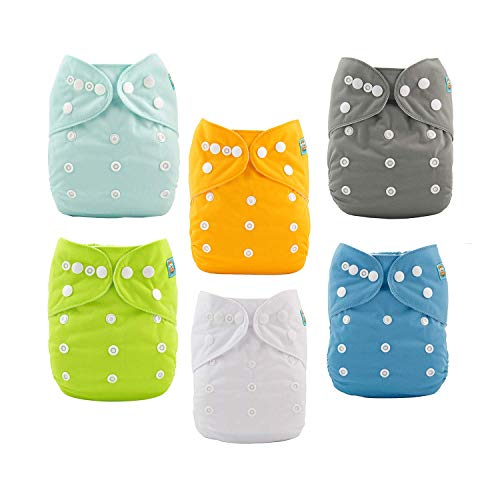 ALVABABY One-Size Cloth Diapers (6-Pack + 12 Inserts)Bestselling starter pocket-diaper set. Adjustable snap sizing fits newborn through potty training. Two sets cover a part-time cloth rotation. Under $50 for the 6-pack.View on Amazon
 Esembly Cloth Diaper Set (3 Inners + 1 Outer)The modern AI-2 system parents recommend for first-timers, just replace the inner, reuse the outer. Less to wash. Under $100 starter set.View on Amazon
 Charlie Banana Reusable Cloth Diaper (6-Pack)Bestselling pocket diaper bundle, adjustable elastic at legs/waist reduces blowouts. Comes with 12 inserts. Under $50.View on Amazon
 Large Wet Bag (with strap)Diaper bag essential for cloth, holds soiled diapers without smell until you can wash. Get 2 so one is always clean. Under $25 each.View on Amazon
Time & Convenience Comparison

Disposable: Time Investment
Cloth: Time Investment
Time vs Money Trade-Off
If you value your time at $20/hour, cloth diapers' 3-4 extra hours monthly = $60-$80 in time cost. Over 2.5 years, that's $1,800-$2,400 in time investment. For many families, the convenience of disposables is worth paying the premium.
Environmental Impact
Disposable Environmental Cost
Cloth Environmental Cost
Which is More Eco-Friendly?
Studies show a near tie when comparing full lifecycle impacts:
Eco-Friendly Cloth Diaper Tips
Pros and Cons Comparison
Disposable Diapers
Advantages
Disadvantages
Cloth Diapers
Advantages
Disadvantages
Real Parent Scenarios
Scenario 1: Budget-Conscious, Stay-at-Home Parent
Best Choice: Cloth Diapers
Sarah stays home with her baby and has time to manage cloth diaper laundry. With plans for 2-3 kids, cloth saves $3,000-$5,000 across all children. The upfront $600 investment pays off in 8 months with baby #1, and each subsequent child is nearly free for diapering.
Scenario 2: Dual Working Parents, Daycare
Best Choice: Disposable Diapers
Mike and Jennifer both work full-time and their daycare doesn't accept cloth diapers. With limited time at home, the convenience of disposables is worth the extra $1,000. They buy store brand in bulk and accept the cost as a time-saving expense during the busy baby years.
Scenario 3: Environmentally Conscious Family
Best Choice: Cloth Diapers (Line-Dried)
The Martinez family prioritizes environmental impact. They use cloth diapers, line dry them to minimize energy use, and love avoiding 6,000 diapers in the landfill. They accept the laundry time as part of their eco-friendly lifestyle and save money in the process.
Scenario 4: Hybrid Approach (Best of Both Worlds)
Best Choice: Combination
The Johnson family uses cloth diapers at home (80% of the time) and disposables for overnight, travel, and when grandparents babysit. This approach saves $800-$1,200 per child while maintaining convenience when needed. They buy fewer cloth diapers (18-24 instead of 36) and keep disposables on hand for situations where cloth isn't practical.
Decision Framework
Choose Disposable If:
Choose Cloth If:
Consider Hybrid If:
Getting Started with Cloth Diapers

Types of Cloth Diapers:
Cheapest ($200-$400 total), most laundry, longest learning curve
Mid-price ($400-$600), stuff absorbent insert into pocket, easy to use
Most expensive ($600-$900), easiest to use (like disposables), slowest to dry
Mid-price ($400-$600), snap-in insert, reuse cover if not soiled
Cloth Diaper Starter Kit (Budget-Friendly):
Tips for Success:
Common Myths Debunked
Myth: Cloth diapers are gross
Reality: Both diaper types involve poop. With cloth, you spray solids into toilet (just like flushing disposable liners). With disposables, you're supposed to shake solids into toilet too (most people don't). Cloth isn't any grosser than disposables, you're just washing them instead of throwing them away.
Myth: Cloth diapers leak more
Reality: Properly fitted cloth diapers leak LESS than disposables, especially for blowouts. The elastic leg and back openings contain poop better than disposables. However, cloth requires correct fit, a learning curve many skip.
Myth: Cloth diapers are way cheaper
Reality: Cloth saves $300-$1,600 for one child, significant but not life-changing. The big savings come with multiple kids ($3,000-$5,000+). If you only have one child and buy premium cloth diapers, savings may be minimal.
Myth: Cloth diapers are always eco-friendly
Reality: Cloth uses significant water and energy. If you wash in hot water and use a dryer on high heat, environmental impact is comparable to disposables. Line-drying and cold-water washing make cloth the winner.
Myth: You need 36+ cloth diapers
Reality: 24 diapers is enough if you wash every 2 days. More diapers = convenience (wash less often) but higher upfront cost. Start with 18-24 and add more if needed.
Conclusion: No Wrong Choice
The diaper debate often becomes contentious, but both options work:
Best choice depends on your priorities: If you value time and convenience, disposables are worth the cost. If you value savings and have time for laundry, cloth makes sense. Many families find a hybrid approach offers the best balance.
Use our Diaper Cost Calculator to estimate your specific costs for both options.
Related Articles
Best Diaper Brands 2026
Expert reviews and cost comparisons of top disposable diaper brands.
How to Potty Train: Complete Guide
When and how to transition out of diapers with proven methods.
The Real Cost of Raising a Child in 2026
Comprehensive breakdown including diaper costs in the bigger picture.
How to Prepare for Baby Financially
Budget planning including first-year supply costs.
Related Calculators
Calculate Your Diaper Costs
Compare cloth vs disposable costs for your family
Try Our Diaper Cost Calculator