Emotion Wheel for KidsTeaching Emotional Intelligence
Help your child identify, express, and manage emotions. Age-appropriate strategies for building emotional vocabulary and regulation skills.
Why Emotional Intelligence Matters
Kids who can identify and express emotions have better relationships, fewer behavior problems, stronger academic performance, and better mental health outcomes. It's one of the most important skills you can teach.
The Basic Emotions
Happy
Sad
Angry
Scared
Surprised
Disgusted
Teaching Emotions by Age
Toddlers (1-3)
- Name basic emotions: happy, sad, mad, scared
- Use picture books with emotion faces
- Label their emotions in the moment: 'You seem frustrated'
- Validate all feelings: 'It's okay to be sad'
- Model your own emotions: 'Mommy feels happy!'
Preschool (3-5)
- Expand vocabulary: worried, excited, lonely
- Use an emotion wheel chart at home
- Ask 'How does your body feel?' to connect physical sensations
- Read books about characters with big feelings
- Create an emotion check-in routine
School Age (5-8)
- Introduce nuanced emotions: jealous, embarrassed, disappointed
- Discuss emotion intensity (a little sad vs. very sad)
- Help identify triggers: 'What made you feel that way?'
- Teach coping strategies for difficult emotions
- Use journaling about feelings
Older Kids (8+)
- Discuss mixed emotions (feeling two things at once)
- Explore how thoughts affect feelings
- Practice empathy: 'How do you think they felt?'
- Encourage emotional expression through art, writing
- Discuss healthy vs. unhealthy ways to handle emotions
Coping Strategies for Big Feelings
When Feeling Angry:
- Take deep breaths
- Count to 10
- Squeeze a stress ball
- Walk away
- Draw your feelings
When Feeling Scared:
- Find a trusted adult
- Take slow breaths
- Use positive self-talk
- Hug a comfort item
- Name 5 things you see
When Feeling Sad:
- Get a hug
- Talk about it
- Cry if needed
- Do something kind for yourself
- Remember: sadness passes
When Feeling Frustrated:
- Take a break
- Try again later
- Ask for help
- Do something calming first
- Break task into smaller steps
Do's and Don'ts
Validate all emotions ('It's okay to feel angry')
Dismiss feelings ('You're fine, stop crying')
Help them name what they're feeling
Tell them what they should feel
Stay calm yourself when they're upset
Match their big emotions with your own
Teach that all feelings are okay, but not all behaviors
Punish them for having emotions
Give them time and space to calm down
Demand they explain themselves immediately
Praise emotional awareness ('You noticed you were getting frustrated!')
Only address emotions when they're negative
Frequently Asked Questions
Free Online Parenting Class
Free Class: When Big Feelings Become Big Meltdowns
Naming emotions is step one, but knowing the feeling doesn't stop the meltdown. This free online class from parenting expert Amy McCready gives you the calm, proven framework to move kids from explosion to cooperation, without bribes, punishment, or waiting it out.
Watch the Free ClassAffiliate partner. We may earn a commission if you enroll, at no extra cost to you.
Tools for Emotional Learning
Featured at Backcountry, 15% off first order
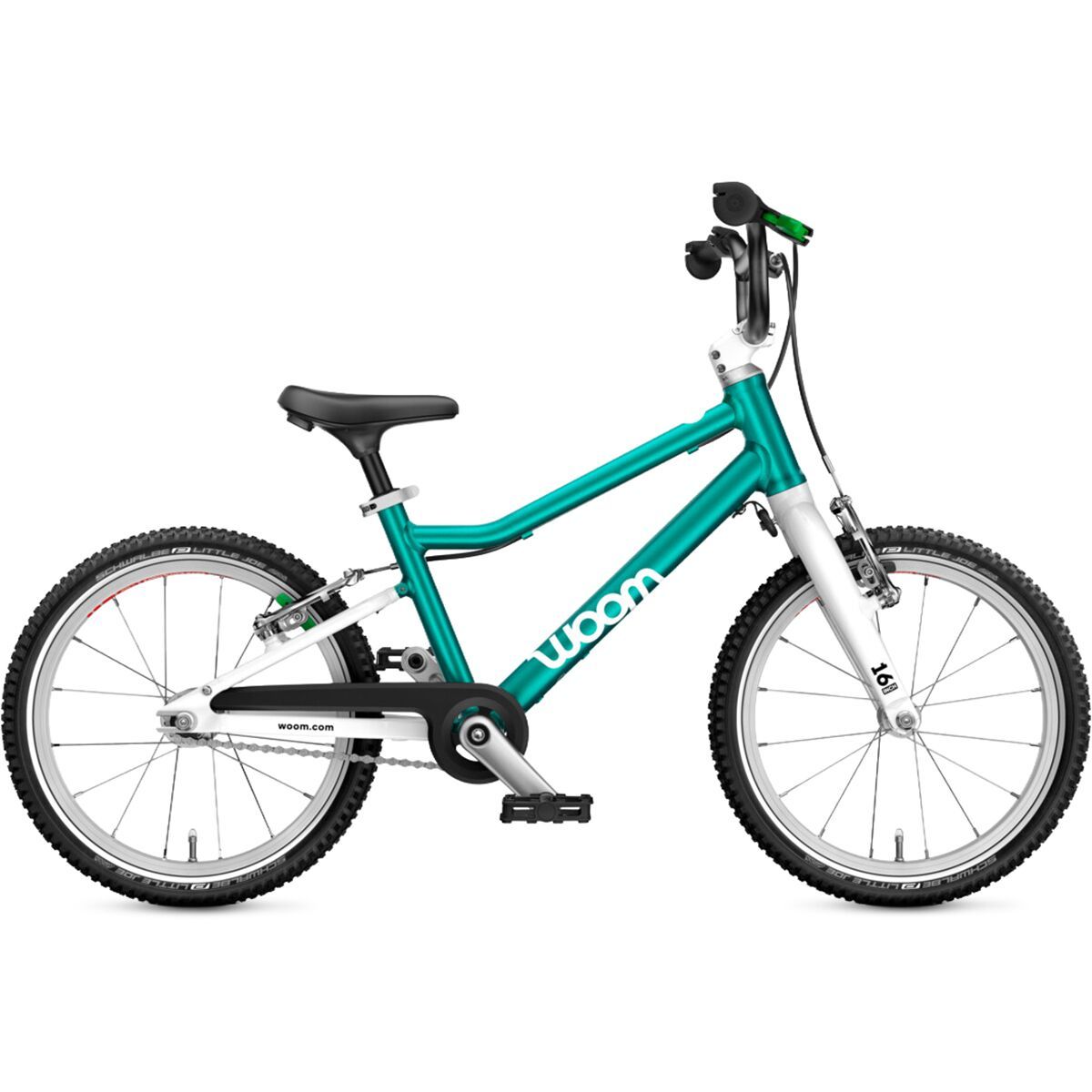
Woom GO 3 16in Bike, Kids
The premium kids bike that gets kids outdoors.