Formula Feeding Costs: A Complete Budget Breakdown for 2026
What formula actually costs from birth through age one, broken down by formula type, with strategies to reduce expenses without compromising nutrition.
Formula feeding costs range from about $1,200 to $4,000+ for the first year depending on the type of formula you use. Understanding these costs helps you budget accurately and make informed choices about which formula is right for your family, financially and nutritionally.
Formula Consumption by Age
Babies consume different amounts of formula as they grow:
Total first year: Approximately 9,000-10,000 oz of prepared formula
Recommended Formula & Feeding Supplies
Top-rated products for formula feeding families:

Similac 360 Total Care Infant Formula
Similac 360 Total Care Infant Formula
Pediatrician-recommended formula with iron for brain and eye development. Subscribe & Save for automatic delivery.
View on AmazonAs an Amazon Associate, we earn from qualifying purchases at no cost to you.
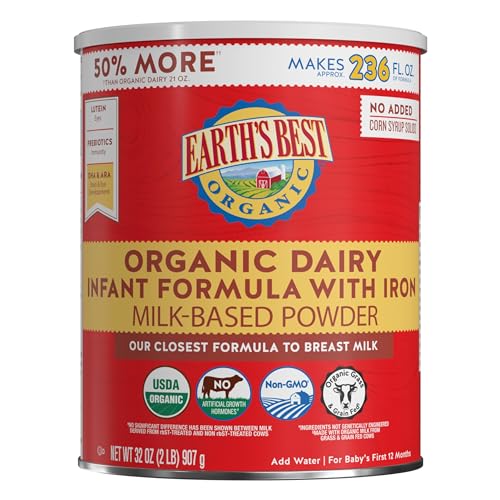
Organic Formula for Sensitive Tummies
Earth's Best Organic Baby Formula
USDA Organic formula with iron, Omega-3 DHA, and Omega-6 ARA for healthy development.
View on AmazonAs an Amazon Associate, we earn from qualifying purchases at no cost to you.

Best Anti-Colic Bottles for Gassy Babies
Dr. Brown's Anti-Colic Glass Baby Bottles
Clinically proven to reduce colic, spit-up, and gas with patented internal vent system.
View on AmazonAs an Amazon Associate, we earn from qualifying purchases at no cost to you.
Cost by Formula Type
Store Brand / Generic Formula
Most Affordable Option
$1,200-$1,600/yearCost per oz (powder): $0.12-$0.16
Monthly cost: $100-$135
Examples: Parent's Choice (Walmart), Up&Up (Target), Kirkland (Costco), Well Beginnings (Walgreens)
Store brand formulas must meet the same FDA nutritional requirements as name brands. They're manufactured by the same few companies that make name brands.
Name Brand Standard Formula
Popular Choice
$1,800-$2,400/yearCost per oz (powder): $0.18-$0.24
Monthly cost: $150-$200
Examples: Similac Advance, Enfamil NeuroPro, Gerber Good Start
Organic Formula
Organic Certified
$2,200-$3,200/yearCost per oz (powder): $0.22-$0.32
Monthly cost: $185-$265
Examples: Similac Organic, Enfamil Organic, Earth's Best Organic, Happy Baby Organic
Specialty Formulas
Medical/Sensitive Needs
$2,500-$4,000+/yearCost per oz (powder): $0.25-$0.50+
Monthly cost: $210-$350+
Types include:
- • Hypoallergenic (Nutramigen, Alimentum): $2,800-$3,500/year
- • Amino acid-based (Elecare, Neocate): $3,500-$5,000+/year
- • Sensitive/gentle (reduced lactose): $2,000-$2,600/year
- • AR (added rice starch for reflux): $2,200-$2,800/year
Note: Some specialty formulas may be covered by insurance if medically necessary. Ask your pediatrician and insurance provider.
European Formulas
Imported Options
$2,800-$4,500/yearMonthly cost: $230-$375
Examples: HiPP, Holle, Kendamil, Löwenzahn
European formulas are popular for different ingredient standards but aren't FDA-regulated. Factor in shipping costs and potential customs delays.
Additional Formula-Related Costs
Don't Forget These Expenses
Planning Considerations
Cash Flow Impact
Formula costs peak around months 3-6 when babies consume the most before solids begin. Budget $150-$250/month during peak consumption. Costs decrease after 6 months as solid foods partially replace formula calories.
Time Tradeoffs
Saving money on formula requires time: comparing prices across stores, buying in bulk, using coupons and rebate apps, and watching for sales. Premium convenience (ready-to-feed formula) costs 2-3x more than powder but saves preparation time.
Long-Term Impact
Formula is a temporary expense, costs end around 12 months when babies transition to whole milk (~$50/month). The savings from store brand vs. name brand ($600-1,200/year) can be redirected to college savings or other family priorities.
How to Save on Formula
- Try store brands: Same FDA nutrition requirements, 30-40% cheaper
- Sign up for manufacturer programs: Similac StrongMoms, Enfamil Family Beginnings offer coupons and samples
- Use rebate apps: Ibotta, Fetch, and store apps often have formula rebates
- Buy in bulk: Costco, Sam's Club, and Amazon Subscribe & Save offer savings
- Ask your pediatrician: Offices often have samples and coupons from reps
- Check WIC eligibility: WIC provides formula for qualifying families
- Use powder, not liquid: Ready-to-feed costs 2-3x more per ounce
Safety Warning
Never water down formula to save money, this is dangerous and can cause serious health problems. Always follow mixing instructions exactly. If you're struggling to afford formula, contact WIC, food banks, or pediatrician offices for assistance.
Frequently Asked Questions
Is store brand formula really as good as name brand?
Yes, all infant formula sold in the US must meet strict FDA nutritional requirements. Store brands are often made by the same manufacturers as name brands. The primary differences are marketing and some patented ingredient blends.
Why does specialty formula cost so much more?
Specialty formulas require more complex processing (breaking down proteins for hypoallergenic formulas, for example) and have smaller production runs. Some families get insurance coverage for medically necessary specialty formulas.
Can I switch formula brands to save money?
Most babies can switch between similar formula types without problems. Transition gradually if switching (mix old and new) and watch for any digestive issues. Consult your pediatrician if your baby is on specialty formula.
How long does an opened container of formula last?
Most powder formula should be used within 30 days of opening. Don't buy larger containers than you can use in time, even if the per-ounce price is better.
Calculate Your Formula Costs
Get a personalized estimate based on your baby's needs.
Use the Formula Calculator