Formula vs Breastfeeding: Complete Comparison 2026
Evidence-based analysis of formula feeding vs breastfeeding covering health outcomes, costs, lifestyle impact, and making the right choice for your family.
Most Important Truth: Fed is Best
Whether you choose formula, breastfeeding, or combination feeding, the healthiest baby is a well-fed baby. This comparison provides facts to help you make the best decision for YOUR family, free from judgment.
Quick Comparison
| Factor | Breastfeeding | Formula Feeding |
|---|---|---|
| First Year Cost | $300-$1,200 (pump, supplies) | $1,200-$2,500 |
| Convenience | Always available, no prep | Requires preparation, equipment |
| Flexibility | Mother must be available or pump | Anyone can feed baby |
| Feeding Visibility | Can't measure exact intake | Know exactly how much baby eats |
| Return to Work | Requires pumping schedule | No workplace accommodation needed |
Health Comparison

Breastfeeding Health Benefits
- Immune system boost: Antibodies from mother protect against infections
- Lower respiratory illness risk: 72% reduction in hospitalizations
- Reduced SIDS risk: 36% lower risk of sudden infant death syndrome
- Lower obesity risk: 15-30% reduced risk of childhood obesity
- Reduced diabetes risk: 30% lower Type 1, 40% lower Type 2 risk
- Better cognitive development: Small but measurable IQ advantages (2-5 points)
- Lower ear infection rates: 50% reduction in ear infections
- Faster postpartum recovery: Uterus returns to normal size faster
- Reduced breast cancer risk: 4.3% reduction per year of breastfeeding
- Lower ovarian cancer risk: 30% risk reduction
- Lower Type 2 diabetes risk: 15% reduction for each year breastfeeding
- Burns calories: 300-500 calories per day during breastfeeding
- Delayed menstruation: Natural birth spacing (though not reliable contraception)
Formula Feeding Considerations
- Nutritionally complete: Modern formulas meet all nutritional needs
- No antibodies: Doesn't provide maternal immune protection
- Slightly higher illness rates: More respiratory and GI infections than breastfed babies
- Digestion differences: Takes longer to digest than breastmilk
- No cognitive impact: IQ differences largely disappear when controlling for socioeconomic factors
Important Context
Most health benefit research compares exclusive breastfeeding for 6+ months to exclusive formula feeding. Real-world feeding is often a combination, and many benefits are dose-dependent (more breastfeeding = more benefit). The differences, while statistically significant, are often smaller than media headlines suggest.
Cost Comparison
Breastfeeding Costs
While breastmilk is free, breastfeeding has real costs:
- Breast pump$50-$400 (often covered by insurance)
- Pump supplies$20-$50/month
- Nursing bras/clothes$100-$300
- Lactation consultant$100-$300 (if needed)
- Nipple cream, pads$50-$100/year
- Extra calories for mother$300-$600/year
Total First Year: $300-$1,200
(not including time/opportunity costs)
Formula Feeding Costs
- Formula$100-$200/month ($1,200-$2,400/year)
- Bottles and nipples$50-$150
- Bottle warmer (optional)$20-$50
- Sterilizer (optional)$30-$80
- Formula dispenser$15-$30
- Extra water/utility costs$50-$100/year
Total First Year: $1,400-$2,800
Formula Cost by Type (Per Month)
Cost Winner: Breastfeeding
Saves $1,100-$1,600 in the first year compared to formula feeding.
Lifestyle and Convenience

Breastfeeding Lifestyle
- Always available, no bottles to prepare at 2 AM
- Perfect temperature, no warming needed
- Easier for travel (no equipment needed)
- Nighttime feeds easier (no prep time)
- Built-in bonding time with baby
- No washing bottles
- Mother must be available or pump regularly
- Difficulty in public (stigma, finding private space)
- Can't easily share feeding duties with partner
- Pumping at work requires time and private space
- Can be physically demanding and painful initially
- Mother's diet and medication restrictions
Formula Feeding Lifestyle
- Anyone can feed baby (partner, grandparents, caregivers)
- Know exactly how much baby is eating
- Mother has more flexibility (work, sleep, social life)
- No dietary restrictions for mother
- Easier to return to work (no pumping needed)
- Predictable feeding schedule easier to establish
- Nighttime prep takes time when exhausted
- Must always have supplies when leaving house
- Washing and sterilizing bottles daily
- Warming bottles (baby won't drink cold formula)
- Traveling requires bringing equipment and formula
- Running out of formula is stressful
Example Parent Scenarios
Scenario 1: Stay-at-Home Parent
Best Choice: Breastfeeding (if possible)
Maria is a stay-at-home mom with her first baby. She has time to establish breastfeeding and doesn't face work schedule pressures. Breastfeeding gives her the convenience of always-available food and saves $1,500 in the first year. She occasionally pumps so her partner can feed the baby and give her a break.
Scenario 2: Return to Work at 12 Weeks
Best Choice: Combination Feeding
Jessica returns to demanding office work at 12 weeks postpartum. She breastfeeds morning and evening but uses formula during work hours. This approach gives her baby some breastfeeding benefits without the stress of pumping at work. Her employer doesn't have great pumping accommodations, making this hybrid approach more sustainable.
Scenario 3: Supply Issues
Best Choice: Formula (with supplementation attempts)
After struggling with low milk supply for 6 weeks, working with a lactation consultant, and trying supplements, Amanda switched to formula. Her baby immediately started gaining weight properly. The mental health relief from eliminating breastfeeding stress improved her bonding with her baby more than continuing to struggle would have.
Scenario 4: Partner Involvement Priority
Best Choice: Formula
Chris and David adopted their daughter and both wanted to share feeding equally from day one. Formula feeding allowed both fathers to bond through feeding time and share the nighttime duties equally. For their family, the flexibility and shared responsibility outweighed the cost and preparation time.
Making Your Decision
Consider Breastfeeding If:
Consider Formula Feeding If:
Consider Combination Feeding If:
Financial Assistance for Formula
If cost is a barrier to formula feeding:
WIC (Women, Infants, and Children)
Provides free formula to eligible families
Formula company samples
Sign up for Similac/Enfamil programs for coupons and samples
Store brands
Nutritionally equivalent to name brands, 30-50% cheaper
Baby formula banks
Some communities have formula donation programs
Pediatrician samples
Ask your doctor for samples (they often have them)
Conclusion: There's No Wrong Choice
The "breast vs bottle" debate is often presented as a moral issue, but it's actually a practical family decision with many valid outcomes. Consider your health factors, financial situation, work demands, mental health, support system, and personal preferences.
The healthiest baby is a well-fed baby with a mentally healthy parent. Choose what works best for YOUR family, and ignore the judgment.
Recommended Products for Your Feeding Choice
For Formula Feeding Parents
If you've chosen formula feeding, these highly-rated products will help you get started:

Similac 360 Total Care Infant Formula
Similac 360 Total Care Infant Formula
Pediatrician-recommended formula with iron for brain and eye development. Subscribe & Save for automatic delivery.
View on AmazonAs an Amazon Associate, we earn from qualifying purchases at no cost to you.
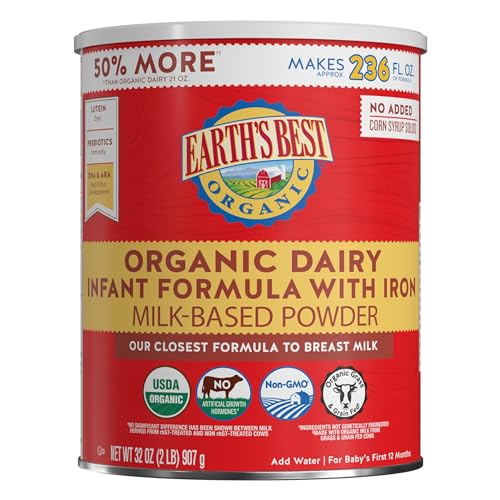
Organic Formula for Sensitive Tummies
Earth's Best Organic Baby Formula
USDA Organic formula with iron, Omega-3 DHA, and Omega-6 ARA for healthy development.
View on AmazonAs an Amazon Associate, we earn from qualifying purchases at no cost to you.

Best Anti-Colic Bottles for Gassy Babies
Dr. Brown's Anti-Colic Glass Baby Bottles
Clinically proven to reduce colic, spit-up, and gas with patented internal vent system.
View on AmazonAs an Amazon Associate, we earn from qualifying purchases at no cost to you.
For Breastfeeding Parents
If you're breastfeeding, especially if returning to work, these essential breast pumps and accessories come highly recommended:

Pump Hands-Free While Multitasking
Momcozy M5 Hands-Free Wearable Breast Pump
Wearable double breast pump with 3 modes and 9 suction levels for comfortable, efficient pumping anywhere.
View on AmazonAs an Amazon Associate, we earn from qualifying purchases at no cost to you.

Quiet, Portable Manual Pump
Medela Harmony Manual Breast Pump
Swiss-designed manual pump with 2-Phase Expression Technology. Perfect for occasional use or travel.
View on AmazonAs an Amazon Associate, we earn from qualifying purchases at no cost to you.

My Brest Friend Nursing Pillow
My Brest Friend Deluxe Nursing Pillow
Wraparound nursing pillow with an adjustable waist strap and a removable, washable cover.
View on AmazonAs an Amazon Associate, we earn from qualifying purchases at no cost to you.
As an Amazon Associate, we earn from qualifying purchases. These are genuine recommendations to support whichever feeding choice works best for your family.
Related Articles
Complete Guide to Formula Feeding
Everything you need to know about choosing formula, preparing bottles, and feeding schedules.
Best Diaper Brands 2026
Expert reviews and cost comparisons of the top diaper brands for every budget.
How to Pump at Work: Complete Guide
Practical strategies for maintaining milk supply while working, including legal rights and pump schedules.
Signs Your Baby is Growing Normally
Learn the key indicators that your baby is thriving, regardless of feeding method.
Related Calculators
Calculate Your Baby's Feeding Costs
Estimate formula costs or breastfeeding supply expenses
Try Our Formula Cost Calculator