Baby Feeding Schedule Guide
Understanding when and how much to feed your baby is one of the most common concerns for new parents. Our feeding schedule calculator helps you create a personalized plan based on your baby's age, whether you're breastfeeding, formula feeding, or using a combination approach.
Feeding needs change rapidly in the first year. Newborns eat frequently around the clock, while older babies gradually consolidate into fewer, larger feedings. This guide follows American Academy of Pediatrics (AAP) recommendations to help ensure your baby gets proper nutrition at every stage.
Newborn
8-12 feeds/day
Every 2-3 hours
3-6 Months
5-6 feeds/day
Every 3-4 hours
6-12 Months
3-4 feeds + solids
Every 4-5 hours
Top-Rated Feeding Products

Top-Rated Baby Bottles for Easy Feeding
Best OverallNatural Response nipples designed to mimic breastfeeding for easy bottle transition. Wide neck for easy cleaning.
View on Amazon
Best Hospital-Grade Pump
Best OverallClosed system, hospital-grade suction, and quiet enough to use at a desk. The pump most lactation consultants name first.
View on Amazon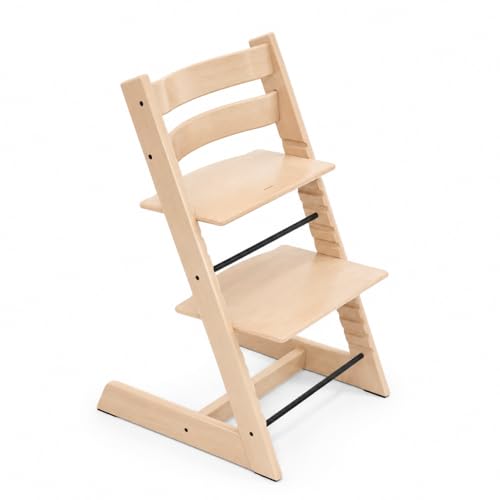
Stokke Tripp Trapp
Best Long-Term ValueThe chair the baby set attaches to. Height and depth both adjust, so it keeps fitting for years rather than months.
View on AmazonFeeding Schedule
Last updated: June 2026
Create Your Baby's Feeding Schedule
Personalized feeding times based on age and type
Common Questions
Related Tools
Based on AAP and WHO guidelines. Consult your pediatrician for personalized advice.
Feeding Guidelines by Age
Newborn to 1 Month
Breastfeeding
Feed on demand, typically 8-12 times/day (every 2-3 hours). Each session 10-20 minutes per breast. Watch for hunger cues: rooting, hand-to-mouth, fussiness.
Formula
1.5-3 oz per feeding, 8-10 times/day. Don't force baby to finish bottles. Total: 16-24 oz per day by end of first month.
1 to 3 Months
Breastfeeding
7-9 feedings per day, every 2.5-3.5 hours. Baby becomes more efficient, feedings may shorten. One longer sleep stretch at night (4-5 hours) is normal.
Formula
3-4 oz per feeding, 6-8 times/day. Total: 24-32 oz per day. Baby should seem satisfied between feedings.
3 to 6 Months
Breastfeeding
5-6 feedings per day, every 3-4 hours. Many babies drop night feeds. Feedings are efficient, often 10-15 minutes total.
Formula
5-6 oz per feeding, 5-6 times/day. Total: 28-32 oz per day. Don't exceed 32 oz, if baby seems hungry, it may be time for solids.
6 to 12 Months
Breastfeeding
4-6 feedings per day plus solid foods. Breast milk remains primary nutrition until 12 months. Offer breast before solids until 9 months.
Formula
6-8 oz per feeding, 3-4 times/day plus solids. Total: 24-32 oz per day. Gradually decrease as solid food intake increases.
Recognizing Hunger Cues
Early Hunger Signs (Feed Now)
- • Rooting (turning head, searching)
- • Putting hands to mouth
- • Smacking or licking lips
- • Opening and closing mouth
- • Sucking on hands or fingers
Late Hunger Signs (Baby is Overly Hungry)
- • Fussing or squirming
- • Frantic head movements
- • Crying (this is a late sign!)
- • Red face, clenched fists
- • May need calming before feeding
Tip: It's easier to feed a calm baby. Try to feed at early hunger signs before baby becomes frantic. An overly hungry baby may have trouble latching or feeding effectively.
Is Your Baby Getting Enough?
Wet Diapers
6-8 wet diapers per day after day 4 of life
Weight Gain
5-7 oz per week after regaining birth weight
Content Between Feeds
Baby seems satisfied for 2-3 hours after eating
Alert When Awake
Active and responsive during wake windows
Medical Disclaimer
This feeding guide provides general recommendations based on AAP guidelines. Every baby is different, some eat more or less than average. Premature babies, babies with medical conditions, or those with feeding difficulties may have different needs. Always consult your pediatrician if you're concerned about your baby's feeding or growth, or before making significant changes to feeding routines.
Top Parenting Essentials
Nature Made Prenatal with Folic Acid + DHA
Support your baby's development with complete prenatal vitamins including folic acid and DHA.
HelloBaby No WiFi Baby Monitor (5" Screen)
30-hour battery, night vision, 2-way talk, and 1000ft range. No WiFi or app required - completely private.
Pampers Pure Protection Baby Diapers
Up to 100% leakproof protection with hypoallergenic, plant-based materials for your baby's delicate skin.
Graco Slimfit 3-in-1 Convertible Car Seat
Ultra-space-saving 3-in-1 design: rear-facing, forward-facing, and highback booster. Safety-certified from birth to 100 lbs.
Momcozy U-Shaped Pregnancy Pillow (57")
Support your back, belly, and hips with this full-body pregnancy pillow designed for side sleepers. Includes cooling cover.
Philips Avent Natural Baby Bottles (4-Pack)
Natural Response nipples designed to mimic breastfeeding for easy bottle transition. Wide neck for easy cleaning.
As an Amazon Associate, we earn from qualifying purchases at no extra cost to you.