A step-by-step guide to mixing two names together to create a unique baby name. Learn proven techniques, see real-world examples, and discover how to blend parent names into something beautiful.

How to Mix Two Names to Make One Baby Name: Complete Guide 2026
Mixing two names together to create a unique baby name is a meaningful way to honor both parents or important family members while giving your child something truly special. Whether you're combining "Emma" and "Oliver" to create "Olivia," or blending "Michael" and "Sarah" into "Micah," the process of mixing names offers endless creative possibilities. This approach allows you to move beyond traditional name lists and craft something personal, unique, and deeply meaningful.
But successfully mixing two names requires more than random combination. The best blended names flow naturally, sound intentional rather than forced, and avoid awkward pronunciations. In this complete guide, you'll learn five proven methods for mixing names together, see step-by-step examples with real parent names, discover tips for testing whether your mixed name works, and get answers to common questions about the name-mixing process.
Key Takeaway
Successfully mixing two names involves choosing the right technique for your specific names, testing the flow and pronunciation, and ensuring the result sounds natural. The five main methods, first letter combinations, syllable blending, sound mixing, letter swapping, and portmanteau creation, each work best with different types of names.
What You'll Learn
Why Parents Choose to Mix Names Together
Mixing two names together has become increasingly popular among modern parents for several meaningful reasons:
Honoring Both Parents Equally
Traditional naming conventions often favor one parent's family heritage over the other. By mixing both parent names together, you create something that represents both of you equally. This is especially meaningful for couples who want to move beyond traditional patriarchal naming patterns.
Creating Something Truly Unique
With thousands of babies sharing popular names like Emma, Olivia, Liam, and Noah, many parents want something more distinctive. Mixing two names creates a unique combination that your child won't share with classmates, making their name feel special and personal.
Preserving Family Heritage
When blending names from different cultural backgrounds or honoring specific family members, mixing names allows you to preserve multiple family legacies in one name. This is particularly powerful for multicultural families or when wanting to honor grandparents on both sides.
Moving Beyond Gender Expectations
Mixed names often transcend traditional gender boundaries, creating options that work beautifully for any child. This appeals to parents who want their child to have flexibility and avoid limiting gender associations with names.
The Growing Trend
According to recent naming data, custom blended names have increased by over 40% in the past five years. Parents are increasingly viewing their child's name as a creative opportunity rather than just selecting from existing name lists.

Prepare for Baby's Arrival
While you're mixing names and preparing for your little one, make sure you have these pregnancy essentials:
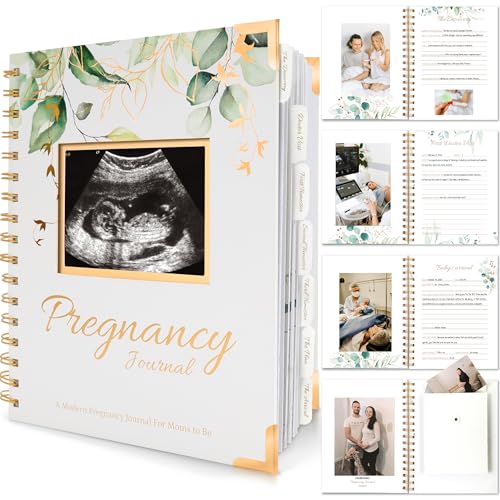
Document every milestone from your first positive test to baby's arrival with this beautifully designed 90-page hardcover journal.
View on Amazon
Beautiful modern baby book to document special moments, milestones, and growth from pregnancy through age 5.
View on Amazon
Essential Prenatal Nutrition
#1 Pharmacist RecommendedSupport your baby's development with complete prenatal vitamins including folic acid and DHA.
View on AmazonDocument Your Name Journey
A pregnancy journal is perfect for documenting your name-mixing process, tracking your favorite combinations, and recording family reactions. Years later, your child will love reading about how you chose their special name.
As an Amazon Associate, we earn from qualifying purchases.
5 Proven Methods to Mix Two Names Together
These five techniques form the foundation of successful name mixing. Each method works best with different types of names, so try multiple approaches to find what sounds best for your specific combination.
1First Letter + Full Name Method
Take the first letter(s) from one parent's name and combine it with the other parent's full name or a significant portion of it. This creates a name that clearly honors both parents while maintaining natural flow.
How It Works:
- Identify the first initial or first few letters of Parent 1's name
- Select the full or partial name of Parent 2
- Combine them, adjusting vowels/consonants for smooth flow
Real Examples:
Michael + Sarah
→ Mara or Micah
James + Elena
→ Jelena
Daniel + Mia
→ Damia
Ryan + Lily
→ Riley
Chris + Ariana
→ Cariana
Nathan + Olivia
→ Nora
Best for: When one parent has a longer, melodic name that works well as a base. This method typically produces the most natural-sounding results.
2Syllable Blending Method
Take syllables from each parent name and blend them together. This is one of the most popular methods because it clearly represents both names while creating something entirely new.
How It Works:
- Break both names into syllables (e.g., Ben-ja-min, Jes-si-ca)
- Take 1-2 syllables from the beginning of one name
- Add 1-2 syllables from the end of the other name
- Adjust spelling for natural appearance
Real Examples:
Brandon + Angela
→ Brangela
Christopher + Melissa
→ Chrissa
Lucas + Isabella
→ Luciana
Noah + Grace
→ Nora
Andrew + Emma
→ Andromeda
Jayson + Emily
→ Jayly
Best for: Multi-syllable names where you can create nice rhythm. Works especially well when combining names of similar length.
3Sound Combination Method
Extract key sounds or phonetic elements from both names and recombine them into something new. This method focuses on how the name sounds rather than how it's spelled.
How It Works:
- Identify the dominant sounds in each name (not just letters)
- Experiment with different sound combinations
- Choose spellings that match the sound naturally
- Test pronunciation from both names' sound patterns
Real Examples:
Ethan + Sophia
→ Thea (th + ea sounds)
William + Maya
→ Mila (M + ila sounds)
Benjamin + Leah
→ Bella (B + ella sounds)
Oliver + Ava
→ Olivia (perfect fusion)
Jackson + Lily
→ Jillian (J + illy sounds)
Samuel + Rose
→ Samrose
Best for: Creating shorter, punchier names from longer parent names. Great when you want something simple and easy to pronounce.
4Letter Swapping Method
Keep the structure of one name intact but swap out key letters or vowels from the other name. This creates familiarity while adding personal touches.
How It Works:
- Choose one name as your base structure
- Identify which letters/vowels to swap from the other name
- Replace strategic letters while maintaining pronounceability
- Adjust spelling for clarity
Real Examples:
John + Carla
→ Jana (swap o→a)
Mark + Kim
→ Mira (swap vowels)
Ross + Lisa
→ Risa (swap o→i)
Dan + Rose
→ Dona (swap vowels)
Tom + Lisa
→ Tola
Kevin + Mia
→ Kemia
Best for: Shorter names where small changes create significant impact. Works well with 1-2 syllable names.
5Portmanteau Method
Like the word "brunch" (breakfast + lunch), create a true portmanteau by overlapping the ending of one name with the beginning of another where they share similar sounds.
How It Works:
- Identify where the names have overlapping sounds
- Merge at the overlap point (e.g., Mark + Karl share "ar/ar")
- Blend the shared sounds into one smooth transition
- Create spelling that shows the fusion clearly
Real Examples:
Mark + Carla
→ Marla (merge at "ar")
Brian + Anna
→ Brianna (merge at "an")
Michelle + Elena
→ Michelena (merge at "el")
Sam + Amanda
→ Samanda (merge at "am")
Alexis + Isabella
→ Alexisabella
David + Ida
→ Davida (merge at "id")
Best for: Names that naturally share sounds. Creates the smoothest, most natural-sounding combinations when the overlap is clear.
Try All 5 Methods Instantly
Our free baby name combiner tool automatically applies all five mixing methods to your names and generates hundreds of creative combinations in seconds. See which technique works best for your specific names!
Open the Baby Name CombinerStep-by-Step Name Mixing Process
Follow this systematic approach to mix your two names successfully:
1Write Down Both Full Names
Start by clearly writing out both names you want to mix. Consider whether you're using first names only, or if middle names might offer additional options.
Example:
Parent 1: Alexander
Parent 2: Victoria
2Break Names into Components
Separate each name into syllables, initial letters, and key sounds. This helps you see all possible mixing points.
Example breakdown:
Alexander: Al-ex-an-der (initial: A)
Victoria: Vic-to-ri-a (initial: V)
3Try Each of the 5 Methods
Apply all five mixing methods to see which produces the best results for your specific name combination.
Method 1 (First Letter): Vander or Aloria
Method 2 (Syllable Blend): Alexia or Victander
Method 3 (Sound Combo): Xandria
Method 4 (Letter Swap): Alistoria
Method 5 (Portmanteau): Alessandra
4Create Multiple Variations
Don't stop at just one option. Create 5-10 different combinations using various techniques to compare.
Your shortlist might include:
- • Alessandra (elegant, Italian)
- • Alexia (modern, short)
- • Xandria (unique, exotic)
- • Aloria (melodic, fantasy)
5Test Each Option Thoroughly
Put each name through comprehensive tests before making your final decision (see Testing Tips section below).
Say it out loud, test with middle/last names, check pronunciation, research meanings, and get feedback from trusted friends and family.

30+ Real Name Mixing Examples
See how real parents have successfully mixed their names together across different styles and origins:
Successful Name Combinations by Category
Classic Name Combinations
William + Elizabeth
→ Wilabeth, Lizbeth, Eliam
James + Catherine
→ Jameson, Catherin, Jatherine
Thomas + Margaret
→ Thomaret, Margot, Thora
Henry + Charlotte
→ Harlotte, Charlton, Henri
Modern Name Combinations
Mason + Harper
→ Marper, Hasper, Mapson
Logan + Avery
→ Logery, Avran, Lory
Aiden + Aria
→ Aidaria, Ariden, Ada
Liam + Luna
→ Liana, Luma, Lina
Multicultural Name Combinations
Carlos + Jennifer
→ Carlota, Jenifer, Carjen
Raj + Emily
→ Rayna, Emraj, Remy
Kenji + Emma
→ Kenna, Emji, Kema
Omar + Grace
→ Omara, Gomar, Ora
Short Name Combinations
Max + Zoe
→ Maxie, Zax, Moe
Ian + Eve
→ Ivan, Evian, Iva
Leo + Mae
→ Lea, Malo, Milo
Sam + Joy
→ Samoy, Josa, Soy
Want More Techniques?
For even more name combining strategies including vowel swapping, anagram approaches, and cultural translation methods, check out our comprehensive guide.
Read Complete Baby Name Combiner GuideHow to Test If Your Mixed Name Works
Before committing to your mixed name, put it through these essential tests:
Essential Name Testing Checklist
Say It Out Loud Test
Say the full name (first + middle + last) out loud at least 10 times. Does it flow naturally? Any awkward sound combinations? Can you say it confidently without stumbling?
Spelling Clarity Test
Imagine spelling this name over the phone. Is it intuitive? Will people guess the spelling correctly? Consider whether unusual spellings will cause lifelong frustration.
Pronunciation Test
Show the written name to friends without telling them how to pronounce it. Do they say it correctly on the first try? If most people mispronounce it, consider simplifying.
Aging Test
Imagine this name on a 5-year-old, a teenager, a professional adult, and a senior citizen. Does it work at all life stages? Avoid names that might feel too cutesy or childish long-term.
Nickname Test
What natural nicknames emerge from this name? Are they acceptable to you? Can kids tease with them? Think about common abbreviations and what peers might call your child.
Initial Test
Write out the initials (First + Middle + Last). Do they spell anything unfortunate or inappropriate? This is crucial and non-negotiable to check.
Google Search Test
Search the full name online. What comes up? Any negative associations, famous people with the same name, or unintended meanings in other languages?
Professional Context Test
Imagine seeing this name on a business card, resume, or professional email signature. Does it command respect? Would you take this person seriously in a professional setting?
Gut Feeling Test
How do you feel when you say it? Does it bring you joy? Can you imagine calling your child this name every day for years? Trust your instincts, if something feels off, keep exploring.
Take Your Time
Don't rush the decision. Try living with your top 2-3 name choices for a few weeks. Use them in conversation, write them down frequently, and see which one feels most natural over time.

Frequently Asked Questions About Mixing Two Names
Can you legally mix two names for a baby?
Yes, absolutely. In most countries including the US, UK, Canada, and Australia, parents have broad freedom to choose their child's name. You can create any combination you want, as long as it doesn't include numbers, symbols, or offensive language. Mixed names are legally the same as any other name choice.
Which mixing method creates the most natural-sounding names?
The First Letter + Full Name method and the Portmanteau method typically produce the most natural-sounding results because they maintain recognizable name structures. However, the "best" method depends entirely on your specific names, some combinations work better with syllable blending while others shine with sound mixing.
Should both parent names be equally represented in the mix?
Not necessarily. While some parents prefer equal representation, the most important factor is creating a name that sounds good and flows well. Sometimes taking the first letter from one parent and most of the other parent's name creates the best result, even though it's not perfectly balanced.
How do I know if my mixed name is too unique?
A name is "too unique" if it regularly causes confusion, constant mispronunciation, or spelling difficulties. Test your name with friends and strangers, if most people can pronounce it correctly after hearing it once and spell it reasonably close after hearing it, you're in good shape. If everyone struggles, consider simplifying.
Can I mix more than two names together?
Yes, you can mix three or more names (both parents' first and middle names, grandparents' names, etc.), but this becomes exponentially more complex. The result often sounds forced or overly complicated. If you want to honor multiple people, consider using a mixed first name and traditional middle name instead.
What if we can't agree on which mixed name to use?
Create a shortlist of your top 3-5 mixed names and use the testing checklist above to evaluate each one objectively. Sometimes waiting until you meet your baby helps, one name might just "fit" better. Alternatively, save your favorite rejected names for potential middle names or future children.
Are there any names that don't mix well together?
Yes, certain name combinations are challenging: names with harsh consonant clusters (Brett + Gretchen), names that are too similar (Mary + Marie), names that are both very short (Max + Eve), or names from vastly different linguistic backgrounds where sounds don't blend smoothly. In these cases, you might need to be more creative or consider alternative approaches.
Should I explain the name's origin to my child?
Absolutely! The story behind a mixed name is beautiful and meaningful. Children love knowing they carry pieces of both parents in their name. This creates a strong sense of identity and belonging. Be prepared to share this story with your child, extended family, and teachers throughout their life.
Related Articles
Baby Name Combiner Guide: 7 Creative Techniques
Complete guide with advanced combination strategies
How to Prepare for Baby Financially
Complete budgeting guide for new parents
Signs Your Baby is Growing Normally
Development milestones to watch for
Best Age Gap Between Kids
Family planning and spacing considerations
Related Calculators
Baby Name Combiner
Due Date Calculator
Baby Budget Calculator
Baby Growth Calculator
Ovulation Calculator
Ready to Mix Your Names?
Try our free baby name combiner tool to instantly see hundreds of creative combinations using all five mixing methods. Enter your names and discover the perfect blend!
Mix Names Now - FreeNo signup required • Instant results • 100% free forever
Glen Meade
Founder of ParentCalc
Glen is a parent, data analyst, and creator of ParentCalc. He specializes in helping families discover unique, meaningful baby names through creative mixing techniques and data-driven name analysis.
Get More Baby Name Ideas
Get weekly name mixing tips, combination ideas, and parenting resources.