“A name carries identity, heritage, and hopes for the future. When you combine two names, you're weaving together two stories into one.”
The Art of Name Combining
Creating unique baby names by combining parent names has become increasingly popular among modern families. It's more than just blending sounds, it's creating a meaningful connection that honors multiple people while giving your child a distinctive identity.
Our name combiner uses four distinct methods: name blending mixes portions of each name at natural break points, syllable mixing recombines the rhythmic units of speech, initial-based creation uses first letters with classic name endings, and cultural syllables applies culture-specific naming patterns.
Cultural Naming Styles
- General/Western, Traditional English endings like -lyn, -elle, -son
- Hispanic/Latino, Spanish patterns with -a/-o gender endings
- East Asian, Japanese/Chinese/Korean syllable patterns
- South Asian, Sanskrit-derived Indian naming patterns
- Arabic, Middle Eastern phonetic traditions
- African, Pan-African vowel harmony patterns
Memory Keeping Essentials
The Baby Memory Book (First 5 Years)
Beautiful modern baby book to document special moments, milestones, and growth from pregnancy through age 5.
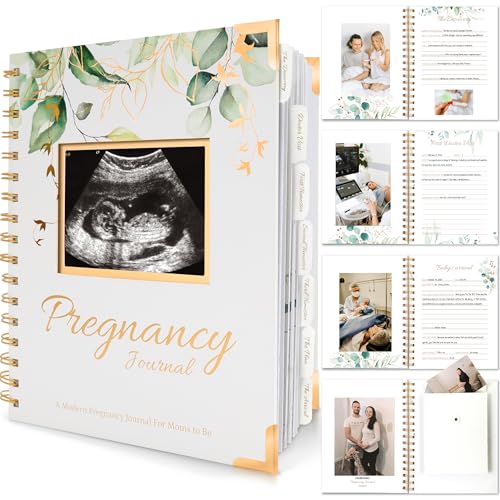
Pregnancy Journal for First Time Moms
Document every milestone from your first positive test to baby's arrival with this beautifully designed 90-page hardcover journal.
As an Amazon Associate, we earn from qualifying purchases at no extra cost to you.
Common Questions
Are combined names legally acceptable?
Absolutely. Combined names are completely legal for birth certificates as long as they use standard alphabet characters. Many families successfully use combined names to create meaningful connections to multiple family members.
How do I know if a combination sounds good?
The best test is simple: say it out loud, repeatedly. Try it with your last name, imagine calling it across a playground, and picture it on a resume. If it feels natural in all these contexts, you've found a winner.
Can I combine names from different cultures?
Yes! Cross-cultural combinations can be beautiful and honor diverse heritage. Just research pronunciation in both languages and ensure the combination respects both naming traditions.