Montessori at Home: Complete Setup Guide
Create a Montessori-inspired environment at home. Practical tips for every room and age - no expensive materials required.
What Is Montessori at Home?
Montessori at home means applying the principles developed by Dr. Maria Montessori to your family environment. It's not about expensive toys or a specific curriculum - it's a mindset that emphasizes independence, respect, and following your child's interests.
The goal is to create an environment where your child can do as much as possible for themselves, learn through hands-on experiences, and develop at their own pace.
Core Montessori Principles
Prepared Environment
Spaces designed for child's size and abilities. Everything has a place, and the child can access what they need independently.
Follow the Child
Observe your child's interests and developmental stage. Offer activities that match where they are, not where you think they 'should' be.
Hands-On Learning
Children learn best by doing, not watching. Real experiences with real materials trump screens and passive observation.
Practical Life
Everyday activities - cooking, cleaning, dressing, caring for self and environment - are central to Montessori, not afterthoughts.
Independence
'Help me do it myself.' Create opportunities for your child to do things independently, even if it takes longer or is messier.
Respect for the Child
Treat children as capable individuals. Speak to them with respect, give them real responsibilities, and trust their abilities.
Age-by-Age Guide
Infant (0-12 months)
Environment
- Floor bed or mattress on floor (allows freedom of movement)
- Low mirror secured to wall (self-discovery)
- High-contrast art at baby's eye level
- Mobile hung safely above (visual tracking)
- Open shelves with 3-4 simple toys
- Tummy time area with different textures
Activities
- Lots of tummy time and floor time
- Talk to baby constantly - narrate everything
- Offer wooden rattles and simple grasping toys
- Let them explore different textures
- Baby wearing for connection and exploration
- Mirror play for self-recognition
Toddler (1-3 years)
Environment
- Learning tower or step stool in kitchen
- Child-height coat hooks and shoe rack
- Low toy shelves with activities displayed in baskets
- Child-size table and chair
- Books displayed face-out on low shelf
- Art supplies accessible (crayons, paper)
- Child's sink or stool at bathroom sink
Activities
- Pouring (water, beans, rice)
- Transferring with spoons, tongs, tweezers
- Practical life: wiping tables, watering plants, folding
- Food prep: spreading, cutting soft foods (child-safe knife)
- Dressing self: putting on shoes, pulling up pants
- Sorting activities: colors, sizes, shapes
- Outdoor exploration: nature walks, mud play
Preschool (3-6 years)
Environment
- Organized art supplies they can access
- Book corner with comfortable seating
- Work mats for floor activities
- Clock at eye level (learning time)
- Calendar they can interact with
- Care of environment supplies (dustpan, spray bottle)
- Nature table with seasonal items
Activities
- More complex pouring and transferring
- Sewing, threading, lacing
- Writing practice with sandpaper letters
- Math with concrete materials (beads, rods)
- Science experiments and nature study
- Cooking entire simple recipes
- Full self-care routines
- Art exploration with various media
- Reading readiness activities
Room-by-Room Setup
Kitchen
- Learning tower or sturdy step stool at counter
- Child-safe drawer with their dishes, utensils, snacks
- Pitcher and cup they can pour their own water from
- Low shelf with healthy snacks they can choose from
- Child-safe knives and cutting board
- Small broom and dustpan they can access
- Step stool at sink for hand washing
Bedroom
- Floor bed or low bed they can get in/out of independently
- Clothes at their height in closet or low drawers
- Mirror at their level
- Books within reach
- Minimal, curated toys on low shelves
- Nightlight and simple lamp they can operate
- Blackout curtains for sleep
Bathroom
- Step stool at toilet and sink
- Towel hooks at their height
- Their own toothbrush and cup accessible
- Small potty at floor level during toilet learning
- Mirror at their height
- Clothes hamper they can reach
- Simple, child-friendly soap dispenser
Living/Play Area
- Low shelves with baskets of activities (rotate regularly)
- Child-size table and chairs
- Art easel or wall space for art
- Cozy reading corner with pillows and books
- Plants they help care for
- Basket for items they collect (rocks, leaves)
- Clear containers so they can see what's inside
Budget-Friendly Montessori Tips
Rotate, don't accumulate
Keep 6-8 activities out, store the rest. Rotate weekly for 'new' experiences
Thrift stores are your friend
Real glass, ceramic, and wood items can be found cheaply secondhand
Use what you have
Measuring cups, laundry baskets, cardboard boxes - everyday items are Montessori materials
DIY activities
Transfer activities with beans, water, pasta. Color sorting with items from around the house
Involve kids in real tasks
Real cooking, real cleaning, real errands. Free and educational!
Nature is the best classroom
Outdoor play, nature walks, gardening - no cost, endless learning
Common Montessori at Home Mistakes
Buying too much
Instead: Quality over quantity. A few well-chosen activities beat a cluttered shelf.
Over-scheduling activities
Instead: Montessori values unstructured time. Don't over-plan; let boredom spark creativity.
Expecting perfection
Instead: They will spill water. They will break dishes. It's part of learning.
Doing it for them
Instead: When they struggle, wait. Offer help only when truly needed. Struggle builds skill.
Comparing to others
Instead: Follow YOUR child, not Instagram. Every kid develops differently.
Ignoring your own needs
Instead: Montessori isn't martyrdom. You matter too. It's okay to set boundaries.
Starter Supplies Worth Buying
While you don't need to buy special Montessori materials, these investments pay off:
Learning tower
Safe counter access for years of cooking together
Child-size table and chairs
Their own workspace at their size
Low open shelving
Display activities accessibly
Step stools (multiple)
Independence at sink, toilet, counter
Child-safe knife set
Real cooking from toddler age
Small pitcher and glasses
Practice pouring, independence with drinks
Low hooks/hangers
Hang their own coat, bag, towel
Baskets and trays
Organize and present activities
Frequently Asked Questions
Related Guides
Track Your Child's Development
Use our Milestone Tracker to follow your child's progress and find age-appropriate activities.
Open Milestone Tracker→Montessori Essentials
Featured at Backcountry, 15% off first order
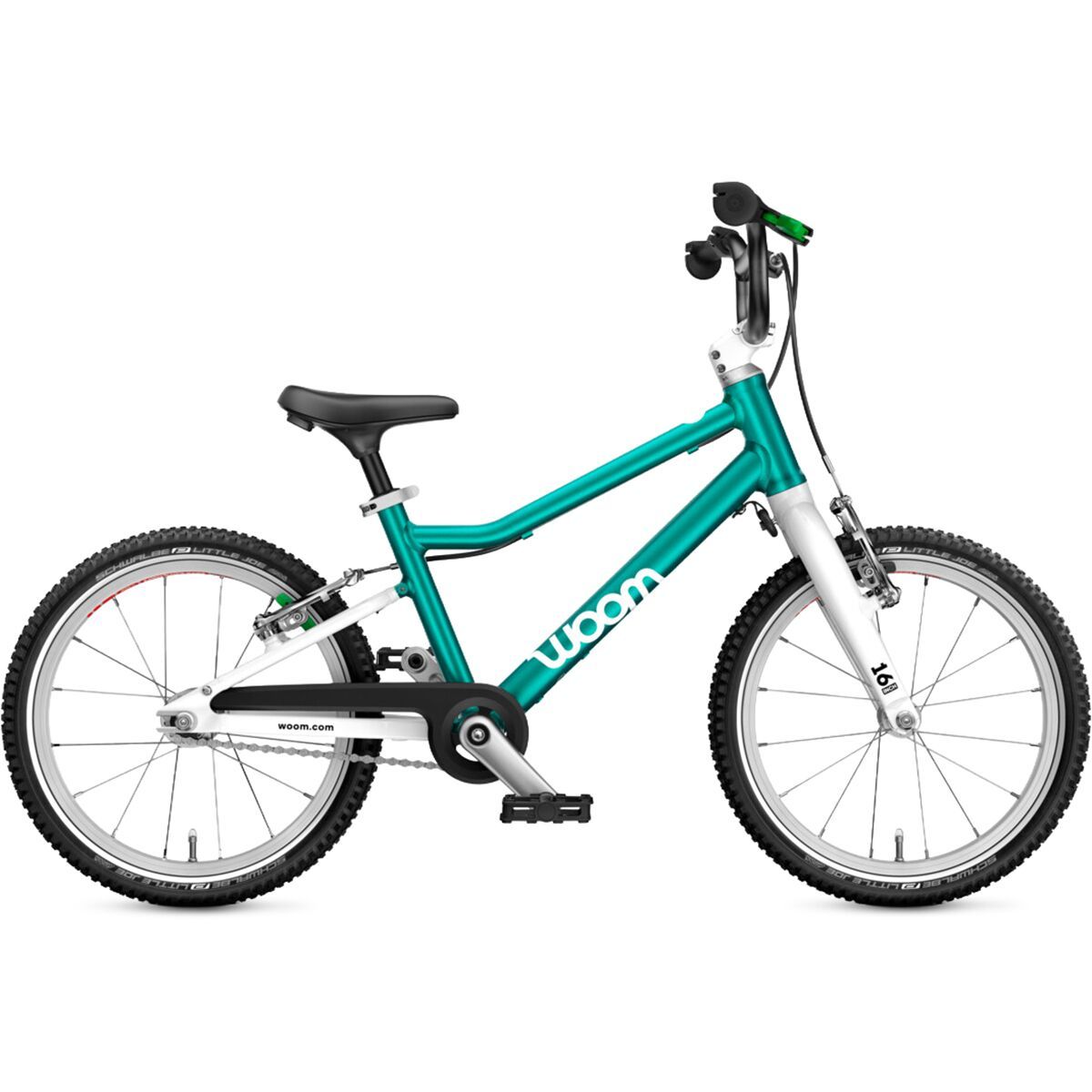
Woom GO 3 16in Bike, Kids
Self-directed outdoor play is Montessori-aligned. A kids bike scaled for their actual body supports independent movement.