A comprehensive, evidence-based comparison of pacifier use versus thumb sucking covering dental impacts, pros and cons of each, weaning difficulty, expert recommendations, and when to stop both habits.

Pacifier vs Thumb Sucking: Which is Better for Your Baby?
When your baby discovers their thumb or you introduce a pacifier, one of the most common parenting questions arises: which is better for my child? Both pacifiers and thumb sucking serve the same fundamental purpose, they satisfy your baby's natural sucking reflex and provide comfort. However, when it comes to dental health, weaning difficulty, and long-term impacts, there are significant differences between the two.
According to the American Academy of Pediatrics (AAP) and American Academy of Pediatric Dentistry (AAPD), both pacifier use and thumb sucking are normal self-soothing behaviors in infants and young children. The critical factors are how long the habit continues, how intensely the child sucks, and what age they stop. This comprehensive guide examines the research, compares the pros and cons of each, and provides clear recommendations to help you make the best decision for your family.
The Verdict (Spoiler Alert)
Pacifiers are generally the better choice because they're easier to control and eliminate. While both can affect dental development if continued past age 2-4, pacifiers can be taken away, while thumbs are permanently attached. However, if your child already prefers their thumb and is under 2 years old, there's no need to force a pacifier. The key is stopping either habit before age 3-4 to prevent dental problems.
What You'll Learn
Why Babies Suck on Pacifiers and Thumbs: The Science
Non-nutritive sucking (sucking not related to feeding) is one of the earliest self-soothing behaviors humans develop. Babies begin sucking their thumbs in utero as early as 15 weeks gestation. This reflex serves multiple developmental purposes:
Self-Regulation and Calming
Sucking activates the parasympathetic nervous system, which helps babies calm down when overstimulated, tired, or uncomfortable. It lowers heart rate and cortisol levels, creating a physiological calming effect.
Developmental Necessity
Infants have a biological need to suck that exceeds their nutritional feeding time. Even breastfed babies who nurse frequently may need additional sucking opportunities. This is completely normal and not a sign of hunger.
Sleep Association
Many babies use sucking to transition to sleep and return to sleep between sleep cycles. This creates a powerful association between sucking and sleep that can last for years.
Important Context
The sucking reflex is strongest in the first 6 months and naturally begins to decrease around 6-7 months as babies develop other self-soothing strategies. However, if sucking becomes a deeply ingrained habit, it can persist well into childhood. The question isn't whether babies should suck, it's which method has fewer long-term consequences.

Pacifier Use: Complete Pros and Cons
Advantages of Pacifiers
Reduced SIDS Risk (Most Important Benefit)
Research shows: Pacifier use during sleep is associated with a 50-60% reduction in SIDS (Sudden Infant Death Syndrome) risk. The AAP recommends offering a pacifier at naptime and bedtime throughout the first year for this reason. The protective effect works even if the pacifier falls out after the baby falls asleep.
You Can Take It Away
The biggest practical advantage: When it's time to stop, you control the pacifier. You can gradually limit use, implement "pacifier fairy" traditions, or go cold turkey. Your child can't reattach their thumb at will.
Easier to Limit Timing
You can restrict pacifier use to specific situations (sleep time, car rides, stressful events) more easily than controlling thumb sucking. Many parents successfully limit pacifiers to "crib only" by age 2.
Potentially Less Intense Sucking
Pacifiers may encourage less forceful sucking compared to thumbs. The dental damage from sucking habits correlates with intensity, harder, more frequent sucking causes more problems.
Orthodontic Options Available
Orthodontic pacifiers are designed to minimize dental impact with flatter nipples that put less pressure on developing teeth and palate. While research on their superiority is mixed, they may cause less damage than standard round pacifiers.
May Help with Pain Relief
Studies show non-nutritive sucking (including pacifiers) can help reduce pain response during minor medical procedures like heel sticks and vaccinations in infants.
Disadvantages of Pacifiers
Increased Ear Infection Risk (After 6 Months)
Research shows pacifier use beyond 6 months of age is associated with increased rates of acute otitis media (ear infections). The sucking motion may affect eustachian tube function. Risk increases with frequent all-day use. The AAP recommends limiting pacifier use after 6 months for this reason.
Can Interfere with Breastfeeding (First Month)
The AAP recommends waiting until breastfeeding is well-established (around 3-4 weeks) before introducing a pacifier. Early pacifier use may cause nipple confusion and reduce nursing frequency, potentially affecting milk supply. Once breastfeeding is established, this is less of a concern.
Requires Maintenance and Hygiene
Pacifiers need regular cleaning, replacement (every 2-3 months), and monitoring for damage. You need multiple backups because pacifiers get lost constantly. Thumbs are always attached and don't need washing (though hand hygiene matters).
Nighttime Disruption (The "Paci Pop-Out" Problem)
Many babies wake up crying when the pacifier falls out, requiring parents to reinsert it multiple times per night. This can create significant sleep disruption between 4-12 months until babies learn to replace it themselves. Thumb suckers don't have this problem.
Possible Speech Delay (With Overuse)
Constant all-day pacifier use may interfere with babbling and speech development by limiting mouth movement and vocalization practice. Risk is mainly with excessive use beyond 12 months. Limited use (sleep/stress only) doesn't typically cause speech issues.
Dental Problems (If Used Past Age 3-4)
Like thumb sucking, prolonged pacifier use can cause open bite, crossbite, and misaligned teeth. The risk increases significantly after age 2-3 when permanent teeth are developing. Most dental changes from pacifier use before age 2 self-correct after stopping.
Social Stigma (After Toddler Years)
Preschool-age children with pacifiers may face social judgment or teasing. Many daycares and preschools prohibit pacifiers. This social pressure often motivates parents to wean, which can be positive or stressful depending on approach.
Recommended Pacifiers and Weaning Tools
If you're choosing pacifiers or need help with weaning, these highly-rated products can help:
As an Amazon Associate, we earn from qualifying purchases. These are genuine parent-recommended products for pacifier use and weaning from both habits.
Thumb Sucking: Complete Pros and Cons
Advantages of Thumb Sucking
Always Available
The thumb is always attached and can't be lost, forgotten, or fall out during sleep. This provides consistent self-soothing without parent intervention. Thumb suckers typically sleep better because they can self-soothe during night wakings without crying for a pacifier.
No Maintenance Required
No washing, replacing, buying backups, or sterilizing. Regular hand-washing is important for overall hygiene, but thumbs don't require the specific maintenance pacifiers demand.
No Breastfeeding Interference
Thumb sucking doesn't create nipple confusion concerns. Babies can suck their thumbs between nursing sessions without affecting breastfeeding success or milk supply.
Lower Ear Infection Risk
Thumb sucking is not associated with increased ear infections the way pacifiers are. If your child is prone to ear infections, thumb sucking may be preferable to frequent pacifier use.
Better Sleep Independence
Thumb suckers develop independent sleep skills earlier because they don't need parent help to replace a pacifier. This often results in better sleep for the whole family during the infant period.
Free and Accessible
No cost for pacifiers, replacement pacifiers, or orthodontic versions. The thumb is built-in equipment.
Disadvantages of Thumb Sucking
Extremely Difficult to Stop (Biggest Drawback)
This is the critical difference: You cannot take away a thumb. Most children who suck their thumbs continue significantly longer than pacifier users. Studies show average thumb sucking duration is 3-5 years vs. 2-3 years for pacifiers. Breaking the habit requires the child's cooperation and motivation, which is difficult before age 4-5.
Harder to Limit Timing and Frequency
You can't restrict thumb sucking to sleep times or limit it to home. Children can (and do) suck their thumbs anywhere, anytime, during play, while watching TV, at school, in public. This constant availability often leads to more frequent, prolonged sucking.
Greater Dental Damage Risk (Due to Duration)
While the type of dental damage is similar to pacifiers (open bite, overbite, palate narrowing), thumb sucking typically continues longer, increasing the risk of permanent changes. Children who suck thumbs past age 5-6 have significantly higher rates of orthodontic problems requiring braces.
Often More Intense Sucking
Many thumb suckers develop very vigorous sucking habits. The intensity of sucking matters more than the object, harder, more forceful sucking causes more dental damage. Dentists report thumb suckers often suck more intensely than pacifier users.
Skin Problems on Thumb
Chronic thumb sucking can cause skin breakdown, calluses, and infection on the thumb. The constant moisture and friction can lead to chapped, cracked skin or even fungal infections around the nail bed.
No SIDS Protection
Unlike pacifiers, thumb sucking has not been shown to reduce SIDS risk. While it's not harmful regarding SIDS, it doesn't provide the protective benefit that pacifiers do.
Hygiene Challenges
Young children aren't good at hand hygiene. Thumb sucking means whatever germs are on their hands go directly in their mouth. While this isn't a major health risk, it can increase minor illness exposure.
Social Stigma (Lasts Longer)
Because thumb sucking persists longer, children face social consequences during school years. Kindergarteners and elementary students who suck thumbs may be teased, which can affect self-esteem but also creates motivation to stop.

Dental Impact Comparison: What Pediatric Dentists Say
According to the American Academy of Pediatric Dentistry (AAPD), both pacifier use and thumb sucking can affect dental development if continued beyond ages 3-4. The type of dental changes is similar between the two habits, but the severity depends on three key factors:
Three Factors That Determine Dental Damage
1. Duration (How Long)
The longer the habit continues, the greater the risk. Stopping before age 3 usually results in self-correction. Continuing past age 4-5 significantly increases permanent orthodontic problems.
2. Intensity (How Hard)
Passive, gentle sucking causes less damage than vigorous, forceful sucking. Intense suckers create more pressure on teeth and palate, causing more severe misalignment.
3. Frequency (How Often)
All-day sucking (24/7 habit) causes more damage than occasional sucking limited to sleep or stress. The more hours per day spent sucking, the greater the dental impact.
Common Dental Problems from Both Habits
| Dental Problem | Description | More Common With |
|---|---|---|
| Open Bite | Front teeth don't touch when mouth is closed, creating a gap | Equal risk |
| Overbite | Upper front teeth stick out excessively over lower teeth | Slightly more with thumb |
| Posterior Crossbite | Upper jaw is narrower than lower jaw, back teeth don't align | Equal risk |
| Narrow Palate | Roof of mouth becomes narrow and high-arched | Equal risk |
| Misaligned Teeth | Teeth grow in crooked or crowded | Equal risk |
| Speech Issues | Difficulty with certain sounds (s, z, t, d) due to tongue positioning | Equal risk (if prolonged) |
Timeline for Dental Changes
Before Age 2
Risk Level: Very Low
Minimal dental changes occur. Any changes that do develop typically self-correct after stopping. Dentists don't recommend intervention at this age.
Ages 2-4
Risk Level: Moderate (Transitional Period)
Some dental changes may appear but often self-correct within 6-12 months after stopping. This is the ideal window to begin weaning. Most dentists recommend stopping by age 3-4.
Ages 4-6
Risk Level: High
Dental changes become more pronounced and less likely to self-correct. Permanent teeth begin developing during this period. AAPD strongly recommends stopping all sucking habits by age 4.
After Age 6
Risk Level: Very High
Permanent teeth are erupting. Continued sucking almost certainly requires orthodontic intervention (braces, palate expanders). Dental changes at this stage rarely self-correct and become progressively worse.
The Bottom Line on Dental Impact
When stopped at the same age, pacifiers and thumbs cause similar dental problems. However, the reality is that thumb sucking almost always continues longer because it's harder to stop. This extended duration makes thumb sucking more likely to cause permanent dental damage requiring orthodontic treatment. If both habits stop by age 3, the dental impact is equivalent and minimal.
Which is Harder to Stop? Weaning Difficulty Comparison
This is where the most significant practical difference emerges. Parents consistently report that weaning from pacifiers is challenging but achievable, while stopping thumb sucking often requires years of struggle.
Pacifier Weaning
Effective Pacifier Weaning Strategies:
1. Gradual Restriction (Ages 18-24 months)
Limit pacifier to sleep times only. Keep pacifiers in the crib. This works well because you control access and can enforce boundaries consistently.
2. "Pacifier Fairy" or Trading Ritual (Ages 2.5-3)
Exchange pacifiers for a special toy or "big kid" item. This creates positive framing around giving up the pacifier. Success rate: 70-80% with minimal tears.
3. Cold Turkey Removal (Ages 2-3)
"Pacifiers are all gone!" Expect 2-5 difficult nights, then most children adjust. Works best after age 2.5 when child can understand the concept.
4. Slow Modification (Ages 2-3)
Cut the tip of the pacifier slightly every few days. As the pacifier becomes less satisfying, many children lose interest naturally. Less traumatic but takes longer.
Average Timeline for Pacifier Weaning:
Most children successfully wean from pacifiers between ages 2-3 years. With parental commitment, 90% of pacifier users are pacifier-free by age 3.
Thumb Sucking Cessation
Why Thumb Sucking is So Hard to Stop:
Unlike pacifiers, you cannot remove the thumb. All methods require the child's voluntary cooperation, which is developmentally difficult before age 4-5. Children under 5 generally lack the self-control and motivation to stop a deeply comforting habit.
Attempted Strategies (With Limited Success in Young Children):
1. Positive Reinforcement (Ages 4+)
Reward systems, sticker charts, special treats for not sucking thumb. Requires child awareness and motivation.
Success rate: 30-40% in children under 5; 60-70% in children 5-7 years old
2. Bitter-Tasting Nail Polish (Ages 4+)
Products like Mavala Stop or Thum create unpleasant taste. Only works if child wants to stop.
Success rate: 20-30% (many children suck through the taste or suck other fingers)
3. Thumb Guards/Covers (Ages 3+)
Physical barriers like TGuard or fabric thumb guards. Most effective method but requires consistent use.
Success rate: 50-60% (if child cooperates with wearing it; many children remove them)
4. Awareness and Reminders (Ages 5+)
Gentle reminders when child is sucking, helping child become aware of unconscious habit.
Success rate: Variable; works only with older children who want to stop
5. Dental Appliances (Ages 6+)
Orthodontist-placed palatal crib or rake prevents thumb from touching roof of mouth. Last resort option.
Success rate: 80-90% but expensive ($300-$800) and only used when habit persists past age 6-7
Average Timeline for Thumb Sucking Cessation:
Most thumb suckers continue until ages 4-6 years (sometimes longer). Only 40% of thumb suckers stop before age 4, compared to 90% of pacifier users. Many require professional intervention (dentist, orthodontist, or therapist) to successfully stop.
What Weaning Often Looks Like
Pacifier weaning: Often a few rough nights, then the habit fades. Usually manageable.
Thumb sucking cessation: Can drag on for years, sometimes until peer pressure at school, and long-term sucking raises the odds of orthodontic work.

When to Stop Each Habit: Age Guidelines
Pacifier Weaning Timeline
| Age | Recommendation | Reasoning |
|---|---|---|
| 0-6 months | Encouraged (for sleep) | SIDS protection benefit; minimal dental risk |
| 6-12 months | Acceptable | Continue for sleep; begin limiting daytime use to reduce ear infection risk |
| 12-18 months | Limit to sleep only | Restrict to naps and bedtime; remove from daytime activities |
| 18-24 months | Begin weaning process | Gradual reduction; prepare for elimination by age 2-3 |
| 2-3 years | Complete weaning | Ideal window for cessation; child old enough to understand but habit not deeply ingrained |
| 3-4 years | Must stop | Dental changes become harder to reverse; speech may be affected |
| After 4 years | Urgent intervention | High risk of permanent dental problems; consult pediatric dentist |
Thumb Sucking Cessation Timeline
| Age | Recommendation | Reasoning |
|---|---|---|
| 0-2 years | Normal behavior | No intervention needed; completely normal self-soothing |
| 2-3 years | Monitor and limit if possible | Begin gentle awareness; limit to sleep/stress only if child cooperates |
| 3-4 years | Active cessation attempts | Use positive reinforcement, reward systems; child developing motivation |
| 4-5 years | Must actively intervene | Dental development at risk; try multiple strategies (thumb guard, bitter polish) |
| 5-6 years | Professional consultation | Consult pediatric dentist; may need orthodontic appliance; permanent teeth erupting |
| After 6 years | Orthodontic intervention likely needed | Dental appliance or palatal crib usually required; braces likely needed later |
The Critical Window: Ages 2-4
Whether pacifier or thumb, the ideal cessation window is between ages 2-4 years. Before age 2, intervention is unnecessary and potentially counterproductive. After age 4, dental changes become increasingly difficult to reverse, and the habit becomes more psychologically entrenched. The sweet spot is ages 2.5-3.5 years when children are developmentally ready to understand but haven't yet formed permanent dental changes.
Expert Recommendations: What Medical Professionals Say
American Academy of Pediatrics (AAP)
On SIDS Prevention: "Consider offering a pacifier at nap time and bedtime throughout the first year of life. The pacifier should be used when placing the infant down for sleep and not be reinserted once the infant falls asleep. If the infant refuses the pacifier, he or she should not be forced to take it."
On Breastfeeding: "For breastfed infants, delay pacifier introduction until breastfeeding is firmly established, typically at 3-4 weeks of age."
On Discontinuation: "Pacifier use should be discontinued by 12-18 months to reduce the risk of ear infections and eliminated by age 2-4 to prevent dental problems."
American Academy of Pediatric Dentistry (AAPD)
On Both Habits: "Most children stop sucking habits on their own between ages 2-4 years. If the habit continues beyond age 4, particularly when permanent teeth start to erupt, there is greater potential for changes to jaw growth and tooth alignment."
On Intensity: "The intensity, duration, and frequency of the habit determine whether or not dental problems will occur. Children who rest their thumbs or pacifiers passively in their mouths are less likely to have problems than those who vigorously suck."
Pacifier vs Thumb Position: "While both can affect dental development similarly, pacifier habits are often easier to break than thumb sucking habits. A pacifier can be taken away, but the thumb is always present."
What Pediatric Dentists Recommend
Summary of Expert Consensus:
- 1.Pacifiers are preferred over thumb sucking because they're easier to control and eliminate when needed.
- 2.Use pacifiers strategically in the first year for SIDS protection during sleep.
- 3.Begin limiting pacifier use after 6 months to sleep-only to reduce ear infection risk.
- 4.Eliminate both habits by age 3-4 to prevent dental problems.
- 5.Don't forcibly stop thumb sucking before age 2-3; natural maturation often reduces the behavior.
- 6.If your child already prefers their thumb and is under 2 years old, don't force a pacifier switch. Focus on eventual cessation by age 3-4.
- 7.Consider orthodontic pacifiers if continuing past 18 months, though evidence of superiority is limited.
Final Verdict: Which is Better?
Pacifiers Win Overall
For newborns and infants (0-12 months): Pacifiers are the clear winner due to SIDS protection and control over weaning.
For toddlers (12+ months): Pacifiers remain preferable because you can eliminate them by age 2-3, while thumb sucking typically persists until ages 4-6 or longer.
The dealbreaker: You cannot remove a thumb, but you can remove a pacifier. This single factor makes pacifiers the better choice for long-term outcomes.
Decision Guide: Choose Pacifier If...
- Your baby hasn't yet developed a strong thumb sucking habit
- You want SIDS risk reduction (first year)
- You're willing to manage nighttime pacifier replacement temporarily
- You want control over when the habit ends
- You can commit to weaning by age 2-3
Accept Thumb Sucking If...
- Your baby already strongly prefers their thumb and refuses pacifiers
- Your baby is under 2 years old (still time to intervene later)
- Your child has frequent ear infections (thumb sucking doesn't increase risk)
- You value sleep independence (no pacifier reinsertion needed)
- You're committed to active cessation strategies by age 3-4
Important: If your child already sucks their thumb, forcing them to switch to a pacifier is usually ineffective and stressful. Instead, focus your energy on planning to help them stop thumb sucking by age 3-4.
Quick Comparison Summary
| Factor | Pacifier | Thumb Sucking | Winner |
|---|---|---|---|
| SIDS Protection | Yes (50-60% risk reduction) | No evidence | Pacifier |
| Ease of Weaning | Moderate (3-7 difficult days) | Very difficult (months to years) | Pacifier |
| Average Duration | 2-3 years | 4-6 years | Pacifier |
| Dental Impact (if stopped by age 3) | Minimal, self-corrects | Minimal, self-corrects | Tie |
| Dental Impact (if continues past age 4) | Moderate to high | High to very high | Pacifier (but both bad) |
| Ear Infection Risk | Increased (after 6 months) | No increase | Thumb |
| Sleep Independence | Poor (falls out, needs reinsertion) | Excellent (always available) | Thumb |
| Maintenance | High (cleaning, replacing) | None | Thumb |
| Breastfeeding Compatibility | Delayed introduction (wait 3-4 weeks) | No interference | Thumb |
| Cost | $50-150/year (pacifiers + replacements) | Free | Thumb |
| OVERALL WINNER | PACIFIER | Thumb Sucking | PACIFIER |
The Bottom Line
While both pacifiers and thumb sucking serve the same self-soothing purpose, pacifiers are the better choice for most families. They provide SIDS protection in the first year, allow you to control when the habit ends, and result in earlier cessation (ages 2-3 vs. 4-6 years for thumb sucking).
However, if your baby already prefers their thumb, don't stress. The key is ensuring either habit stops by age 3-4 to prevent permanent dental problems. Dental impact is similar for both when stopped at the same age, the problem is that thumb sucking almost always continues longer.
Choose pacifiers when possible. Limit to sleep-only after 12 months. Plan to wean by age 2-3. If your child sucks their thumb instead, focus on active cessation strategies starting around age 3. Either way, don't panic, with the right approach and timing, you can help your child develop healthy self-soothing without long-term consequences.
Related Articles
When Do Babies Sleep Through the Night?
Sleep development timeline and self-soothing strategies
Baby Sleep Regression Guide
Understanding and managing sleep regressions at every age
When to See a Pediatric Dentist
First dental visit timeline and what to expect
How to Potty Train
Complete potty training guide with methods and timeline
Related Calculators
Glen Meade
Founder of ParentCalc
Glen is a parent and creator of ParentCalc, combining research-backed pediatric health information with practical parenting advice. He believes in evidence-based decision making that empowers parents to make informed choices about their children's development and health without judgment.
Get Evidence-Based Parenting Tips
Get expert advice on baby development, health milestones, and parenting strategies.
Once they are moving, the house has to change
Every milestone on this page ends with a child who can reach something new. These are the four that matter first, roughly in the order you will need them.
 Dreambaby Newport Adapta Baby Gate
Rated for the top of stairs, which most pressure-fit gates are not. The one that matters once they can climb.
Check price on Amazon → Furniture Anchors, 10 Pack
Anti-tip straps for dressers and bookcases. Furniture tip-overs are the injury pulling-up creates.
Check price on Amazon → Self-Closing Outlet Covers, 6 Pack
Slide shut on their own, so they still work on the day someone forgets to put the plug back.
Check price on Amazon →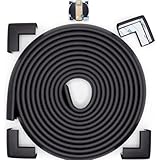 Roving Cove Corner and Edge Protector
Coffee-table corners sit at exactly head height for a child learning to walk.
Check price on Amazon →As an Amazon Associate we earn from qualifying purchases, at no extra cost to you.