How to Handle TantrumsComplete Parent Guide
Why tantrums happen, how to stay calm, and what actually helps. Research-backed strategies for surviving the toddler years.
Calm-Down Essentials
The Science
Tantrums are not manipulation. Toddlers' brains are genuinely overwhelmed. The prefrontal cortex (impulse control) won't fully develop until their mid-20s. They literally cannot "just calm down." Your job is to be their external regulator.
Why Tantrums Happen
They can't express themselves
Toddlers feel big emotions but lack the vocabulary to communicate. Frustration = meltdown.
They want independence
They want to do things themselves but don't have the skills yet. The gap is frustrating.
Physical needs aren't met
Hungry, tired, overstimulated, or sick. Their body is in distress.
They don't understand limits
Developmentally, they can't grasp why they can't have what they want RIGHT NOW.
Big feelings, small coping skills
The prefrontal cortex (self-regulation) isn't developed until mid-20s. They literally can't control it.
During a Tantrum: Do's and Don'ts
Stay calm yourself
Match their intensity
They're looking to you to co-regulate. Your calm helps them calm down.
Stay nearby and present
Walk away in anger
They need to know they're safe even when out of control.
Keep them safe
Let them hurt themselves or others
Gently move them or block dangerous actions without force.
Speak in short, calm phrases
Lecture or reason extensively
They can't process complex sentences when dysregulated.
Wait it out
Try to stop it immediately
Tantrums need to run their course. Fighting it extends it.
Offer comfort when ready
Punish or shame them after
They need connection, not consequences, for emotional dysregulation.
Preventing Tantrums
Prevent hunger and fatigue
Stick to routines. Snacks on hand. Naps protected. Tired + hungry = guaranteed meltdown.
Give warnings before transitions
'In 5 minutes, we're leaving the park.' Helps them mentally prepare.
Offer controlled choices
'Do you want the red cup or blue cup?' Meets their need for autonomy.
Acknowledge feelings before limits
'I know you want the cookie. We're eating dinner first.' Validation first.
Reduce overstimulation
Limit errands, crowds, noise. Know your child's limits.
Pick your battles
Is this worth a battle? Sometimes letting go prevents a tantrum.
Tantrums by Age
12-18 months
Just beginningEmerging independence meets limited communication. Frustration tantrums common.
Typical duration: 1-3 minutes typically
18-24 months
Peak tantrum zone beginsStrong will, few words, no impulse control. The 'terrible twos' start early.
Typical duration: 2-5 minutes typically
2-3 years
Most frequent tantrumsFull-blown terrible twos. Big emotions, strong opinions, poor regulation.
Typical duration: Up to 15-20 minutes possible
3-4 years
Starting to improveLanguage improves. Can start to use words instead of meltdowns. Still expect tantrums.
Typical duration: Usually shorter if addressed well
4-5 years
Much less frequentBetter emotional regulation. Still happens when tired/frustrated but less intense.
Typical duration: Should be briefer and less intense
Helpful Things to Say
"I'm here with you."
Reassures safety during chaos.
"I hear you. You're upset."
Validates without giving in.
"It's okay to feel mad."
Normalizes the emotion.
"I won't let you hurt yourself."
Sets safety boundary with care.
"I'll stay with you until you feel better."
Shows unconditional support.
"Do you want a hug or space?"
Gives them some control.
When to Seek Help
Consider talking to your pediatrician if you notice:
- •Tantrums lasting 25+ minutes regularly after age 2
- •Tantrums multiple times per day, every day, beyond age 3-4
- •Self-injury during tantrums (head banging, biting self)
- •Aggression that's dangerous to others consistently
- •Tantrums that seem 'out of nowhere' with no trigger
- •Inability to calm down even with comfort and time
- •Regression in other areas (sleep, eating, development)
Frequently Asked Questions
Free Online Parenting Class
Free Class: The 4-Week Family Fix
Tantrums, defiance, and back-talk don't have to run your house. This free online class shows you the calm, proven strategies to turn meltdowns into cooperation, without bribes or punishment.
Watch the Free ClassAffiliate partner. We may earn a commission if you enroll, at no extra cost to you.
Helpful Products for Toddler Behavior
Featured at Backcountry, 15% off first order
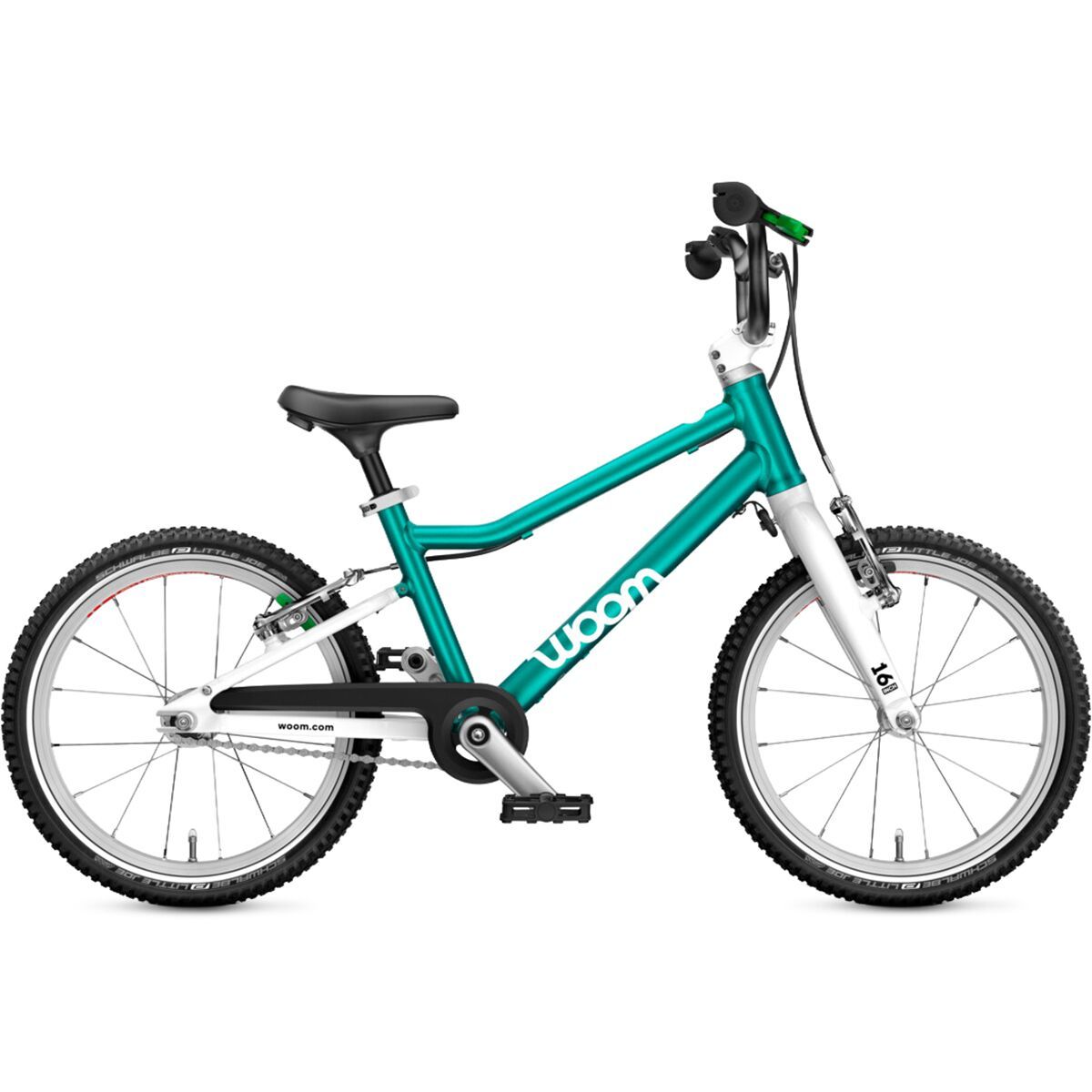
Woom GO 3 16in Bike, Kids
Outdoor energy burn prevents 80% of indoor tantrums. A quality kids bike is the single best tool for physical regulation.