Sharing Practice Toys
Teaching Kids to ShareAge-Appropriate Strategies
Realistic expectations by age, why forcing sharing backfires, and strategies that actually build generosity.
The Honest Truth About Sharing
True sharing is a developmental skill that emerges over years, not something you can force. Expecting a 2-year-old to share is like expecting them to do algebra, the brain isn't there yet. Patience and modeling work better than demands.
Sharing Expectations by Age
Under 2 years
Expectation: No real sharing. Parallel play is normal.
They don't understand ownership or others' feelings yet. 'Mine' is developmentally appropriate.
What Helps:
- Provide duplicates of popular toys
- Distraction works better than forcing
- Model sharing with them
- Avoid playdates centered on taking turns
2-3 years
Expectation: Beginning awareness but still struggles.
Starting to understand 'yours' and 'mine' but impulse control is weak. Sharing feels like losing.
What Helps:
- Use a timer for turns
- Praise when they share spontaneously
- Let them have 'special' toys that don't have to be shared
- Practice with low-stakes items first
3-4 years
Expectation: Can take turns with help and reminders.
Understanding improves but needs adult support. May share with friends more than siblings.
What Helps:
- Use visual timers
- Read books about sharing
- Role-play sharing scenarios
- Acknowledge when sharing is hard
4-5 years
Expectation: More consistent sharing with occasional struggles.
Can understand fairness and take others' perspectives. Still needs reminders.
What Helps:
- Explain the 'why' of sharing
- Problem-solve together
- Praise specific sharing behaviors
- Let natural consequences teach sometimes
5+ years
Expectation: Should share reasonably well with occasional guidance.
Understands social expectations. May still struggle with treasured items or siblings.
What Helps:
- Discuss sharing before playdates
- Respect their boundaries on special items
- Focus on generosity over forced sharing
- Address underlying issues (jealousy, etc.)
Do's and Don'ts
Use a timer for turn-taking
Force immediate sharing ('Give it to him NOW!')
Acknowledge that sharing is hard
Shame them ('Don't be selfish!')
Let them have some things that don't have to be shared
Expect them to share everything equally
Praise spontaneous sharing specifically
Over-praise every instance (becomes meaningless)
Model sharing yourself
Make sharing about your convenience
Problem-solve together
Always solve conflicts for them
Why Forcing Sharing Backfires
Creates resentment
Forced sharing feels like theft. It doesn't build generosity, it builds resentment toward the other child and adults.
Teaches wrong lesson
It teaches that if you cry or demand enough, you'll get what you want. The 'victim' is rewarded, not the sharer.
Doesn't build real skills
True sharing comes from empathy and generosity, not obedience. Forced sharing doesn't develop these internal motivations.
Ignores ownership rights
Adults don't share everything. Teaching kids that their things don't belong to them creates anxiety about possessions.
What to Say Instead
Wait for a turn
"'You can have it when she's done. Let's find something else while we wait.'"
Offer a trade
"'Would you like to trade? He could use the truck while you use the digger?'"
Set a timer
"'In 5 minutes, it will be your turn. Let's set a timer so we remember.'"
Acknowledge feelings
"'It's hard to wait. I understand you really want that toy.'"
Problem-solve
"'You both want the truck. What could we do so you both get a turn?'"
Frequently Asked Questions
Toys That Encourage Sharing
Featured at Backcountry, 15% off first order
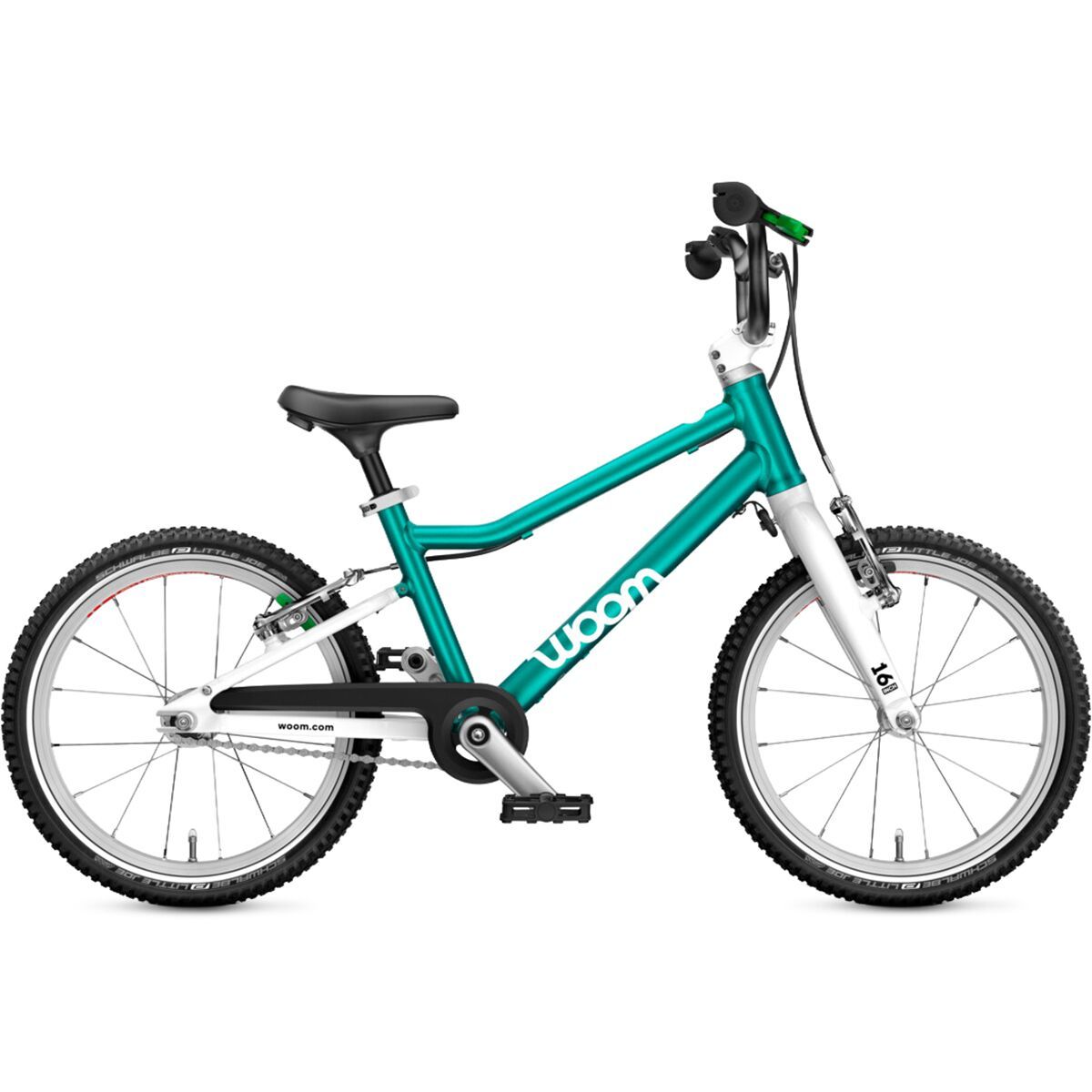
Woom GO 3 16in Bike, Kids
The premium kids bike that gets kids outdoors.