Best Ski Goggles for Families 2026: 11 Picks for Parents and Kids
Best ski goggles for parents: the Oakley Flight Deck Pro L for the widest field of view, or the POC Fovea Photochromic if you want one lens for every light. Best for kids: Smith Grom (ages 4-8) and Smith Rodeo Jr MIPS (6-12), paired at the bottom so a family can match lens tints. Oakley, Smith, Julbo, POC and more below, with photochromic and interchangeable-lens picks called out.
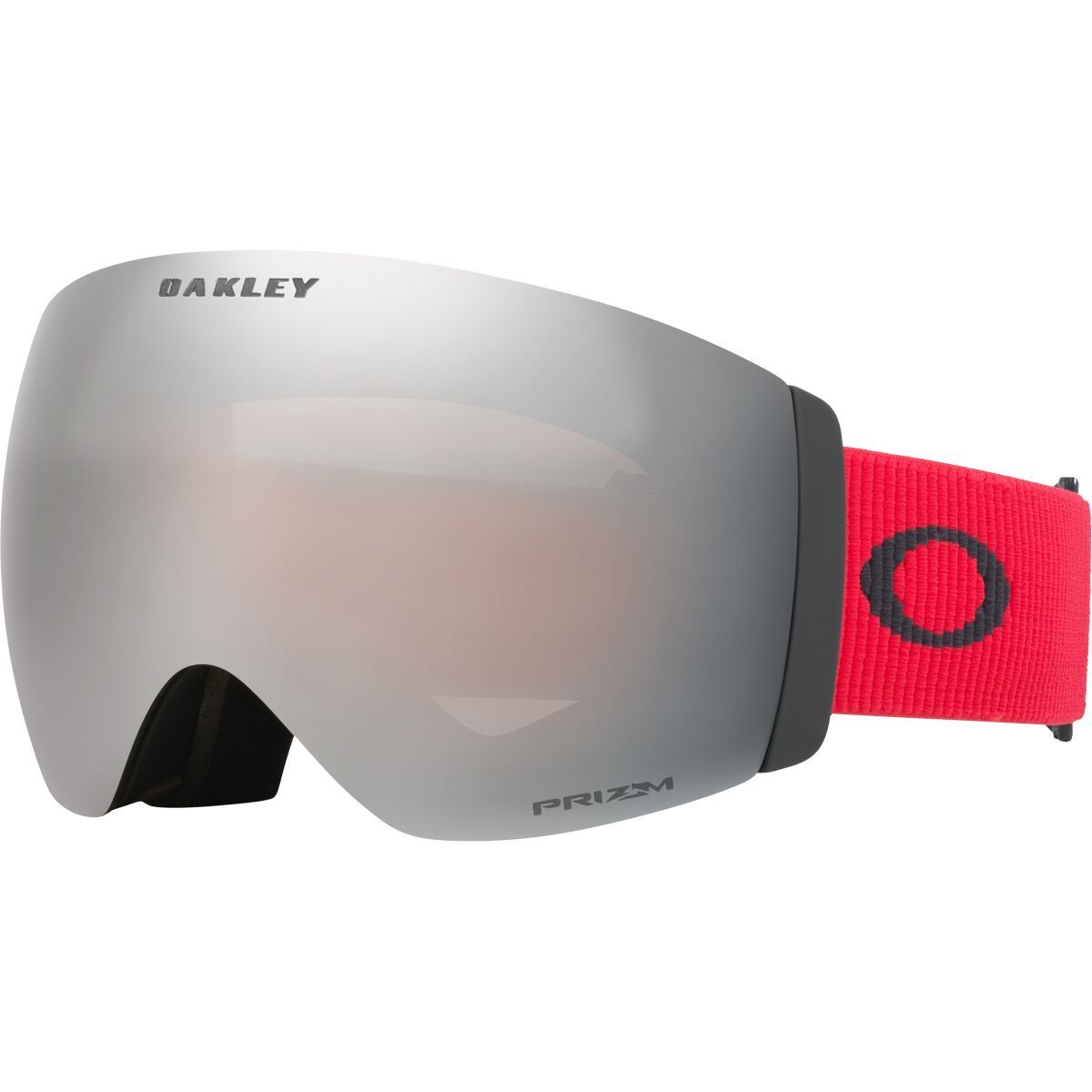
Oakley Flight Deck Pro L Prizm Goggles
Oakley's pilot-inspired Flight Deck in its Pro L package, huge cylindrical field of view, Prizm lens tech that actually makes terrain readable in flat light, and a rimless design that never catches your helmet. The pair that makes you notice how bad your old goggles were.
- Cylindrical Prizm lens
- Rimless design, helmet-compatible
- Massive peripheral vision
- Ridgelock quick-swap lens system
- Includes low-light spare lens
At-a-Glance Picks
Full Reviews
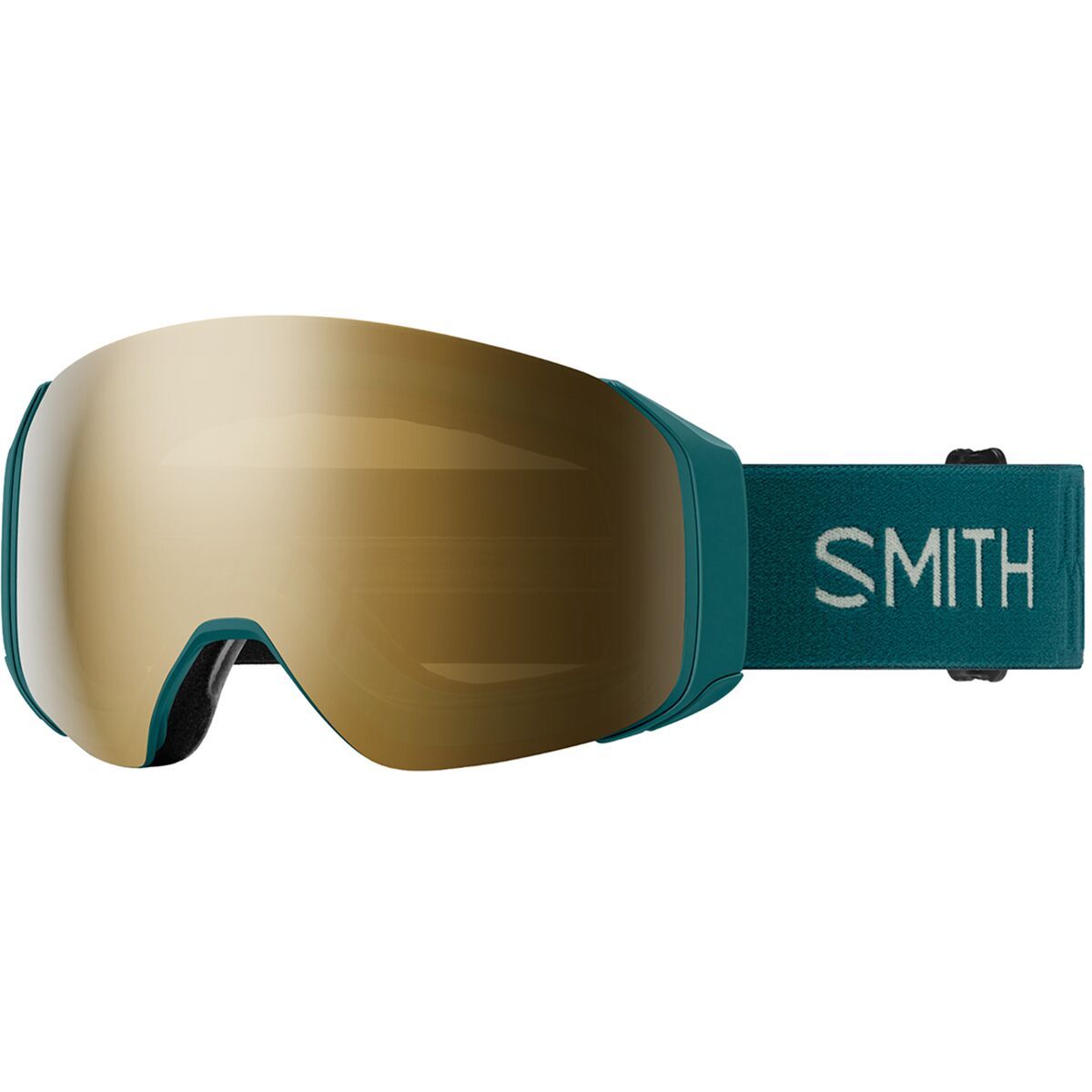
Smith 4D MAG S Low Bridge Fit Goggles
Smith's 4D MAG with a low-bridge fit for narrower or lower nose bridges. BirdsEye Vision gives downward peripheral vision that other spherical goggles can't match. ChromaPop lens clarity rivals Oakley Prizm.
- 4D spherical + extended downward vision
- Low-bridge fit
- ChromaPop lens
- MAG quick-swap system
- AirEvac anti-fog ventilation
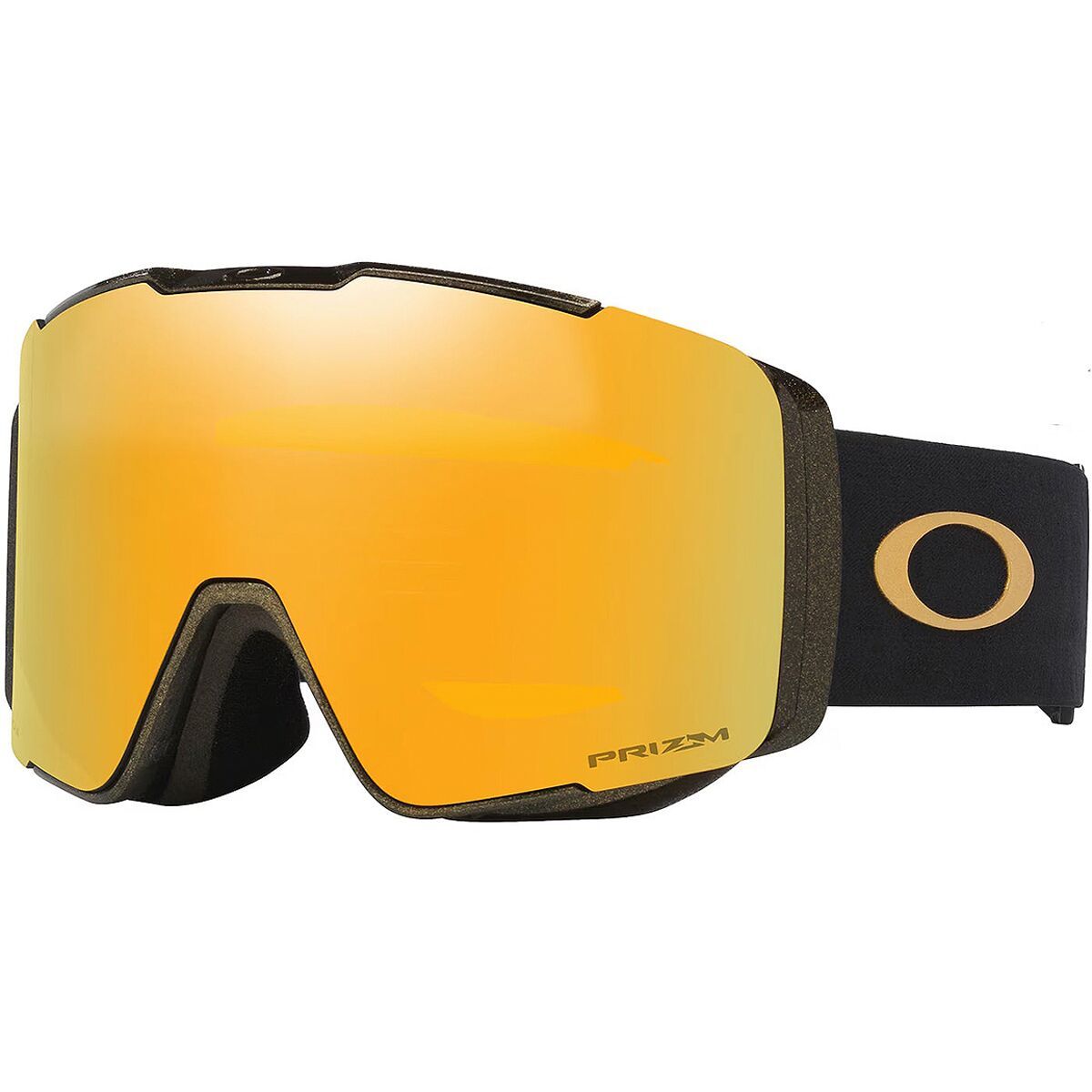
Oakley Line Miner Pro L Goggles
Park-and-style favorite with a flat cylindrical lens, the classic Line Miner silhouette in its Pro L package with Prizm lens and included spare. Wide field of view without the bug-eye look of the Flight Deck.
- Cylindrical Prizm lens
- Flat-lens aesthetic
- Includes second lens
- Triple-layer face foam
- OTG compatibility
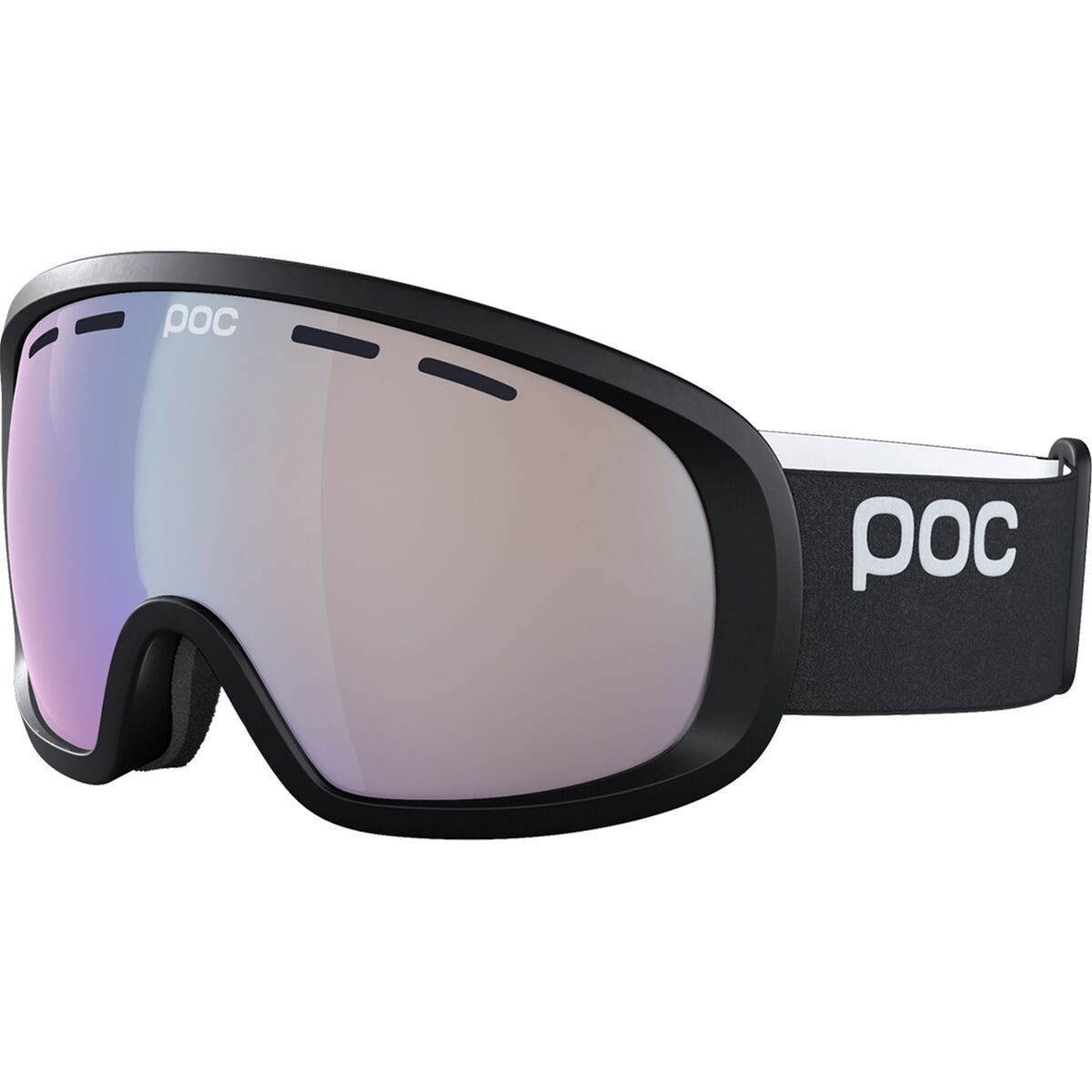
POC Fovea Photochromic Goggles
Single lens that auto-adjusts from flat-light storm to bluebird sun. If you ski in variable Pacific Northwest or Northeast weather, photochromic means you never swap a lens mid-run. POC builds bomber optics.
- Photochromic auto-tint lens
- Zeiss-level optical quality
- Low-profile frame
- Triple-density face foam
- Anti-fog inner coating
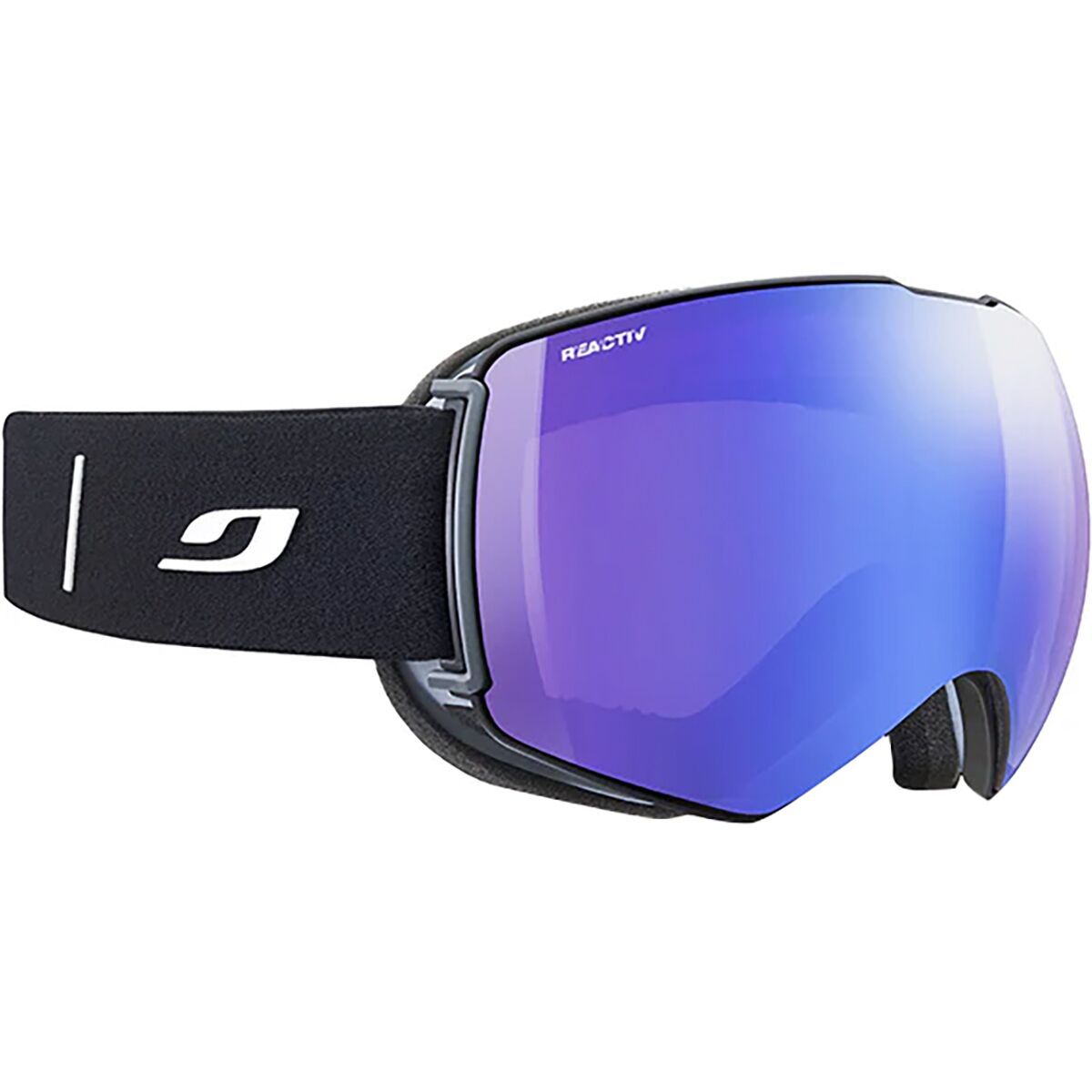
Julbo Lightyear OTG Goggles
Designed specifically to fit over prescription eyeglasses. If you can't ski contacts, a purpose-built OTG goggle is the difference between foggy misery and a normal day. Julbo's 1-3 category high-contrast REACTIV lens adapts automatically.
- Purpose-built OTG fit
- REACTIV photochromic lens
- Category 1-3 (flat light to bright)
- Triple-density face foam
- Anti-fog treatment
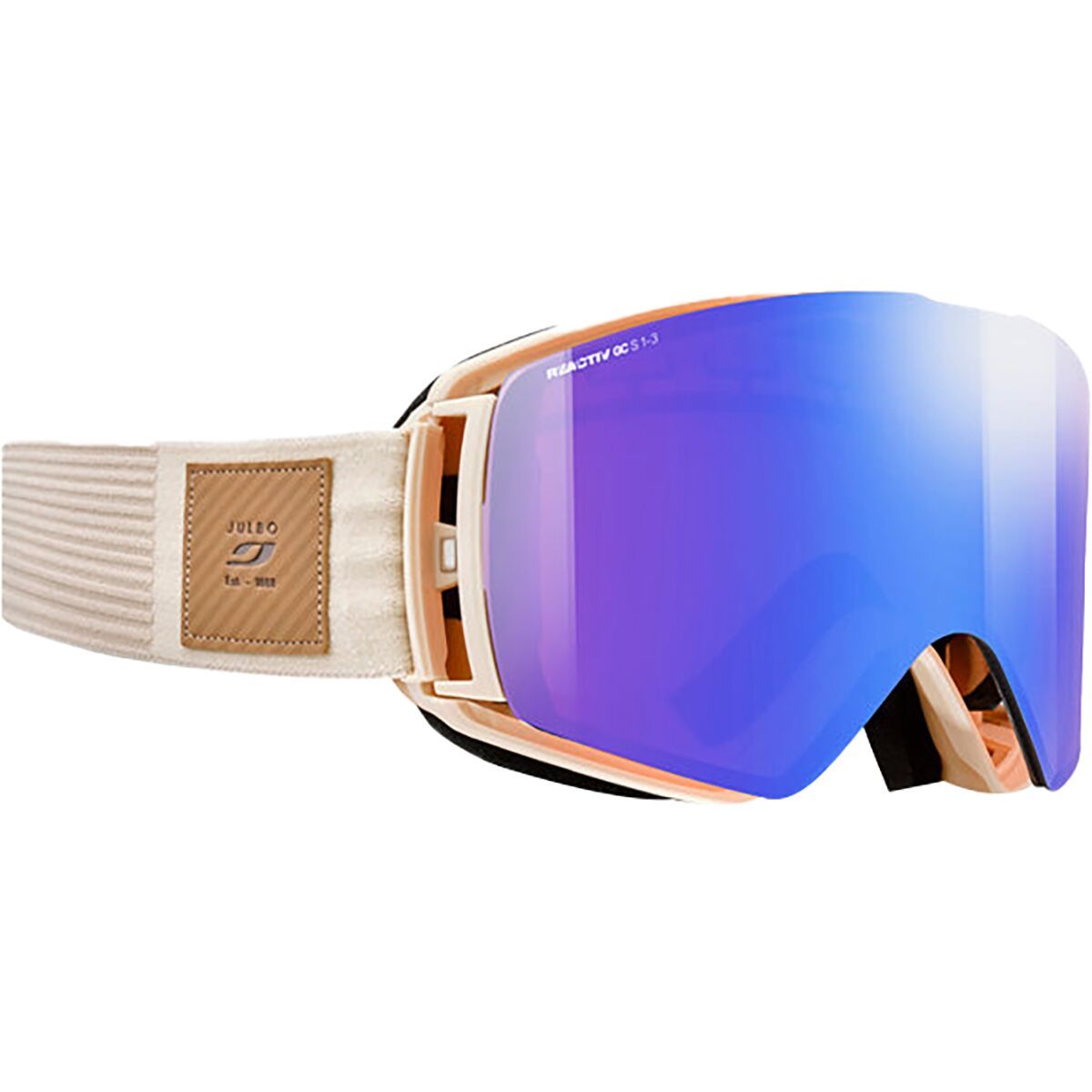
Julbo Launcher REACTIV Photochromic Goggles
The Launcher with REACTIV photochromic tech. Same one-lens-rules-all story as the Fovea but with a larger-volume frame, better for bigger faces or if you want maximum peripheral vision.
- REACTIV 1-3 photochromic
- Large spherical lens
- Premium Julbo optics
- Triple-density face foam
- Anti-fog coating
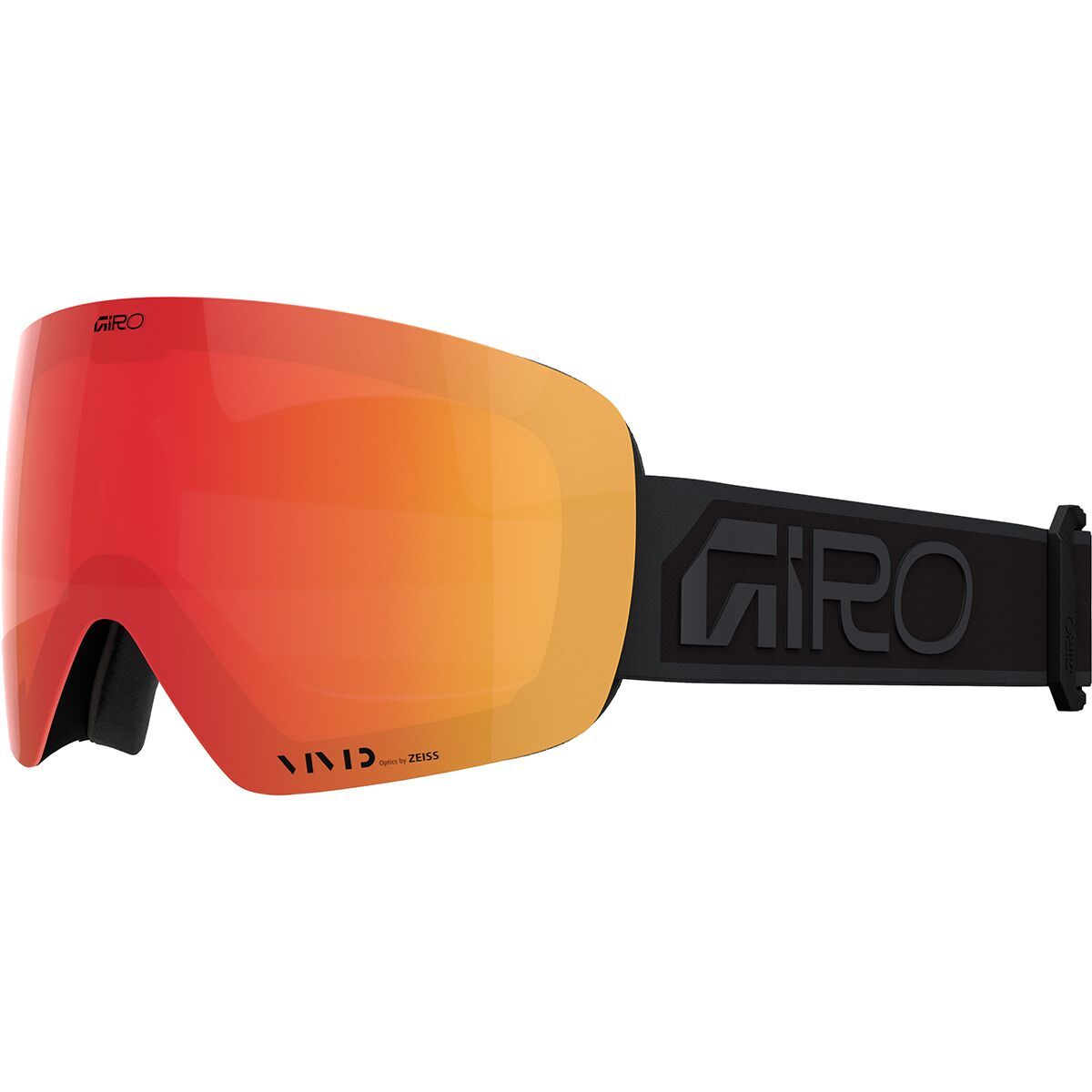
Giro Contour Goggles
Flat-lens design with Vivid Optics from Zeiss. Giro pairs this goggle seamlessly with their helmets for no gaps, great if you already own a Giro lid. Large-volume fit.
- Vivid Optics by Zeiss
- Magnetic quick-change lens
- Includes spare low-light lens
- Helmet-compatible fit
- Anti-fog + anti-scratch coating
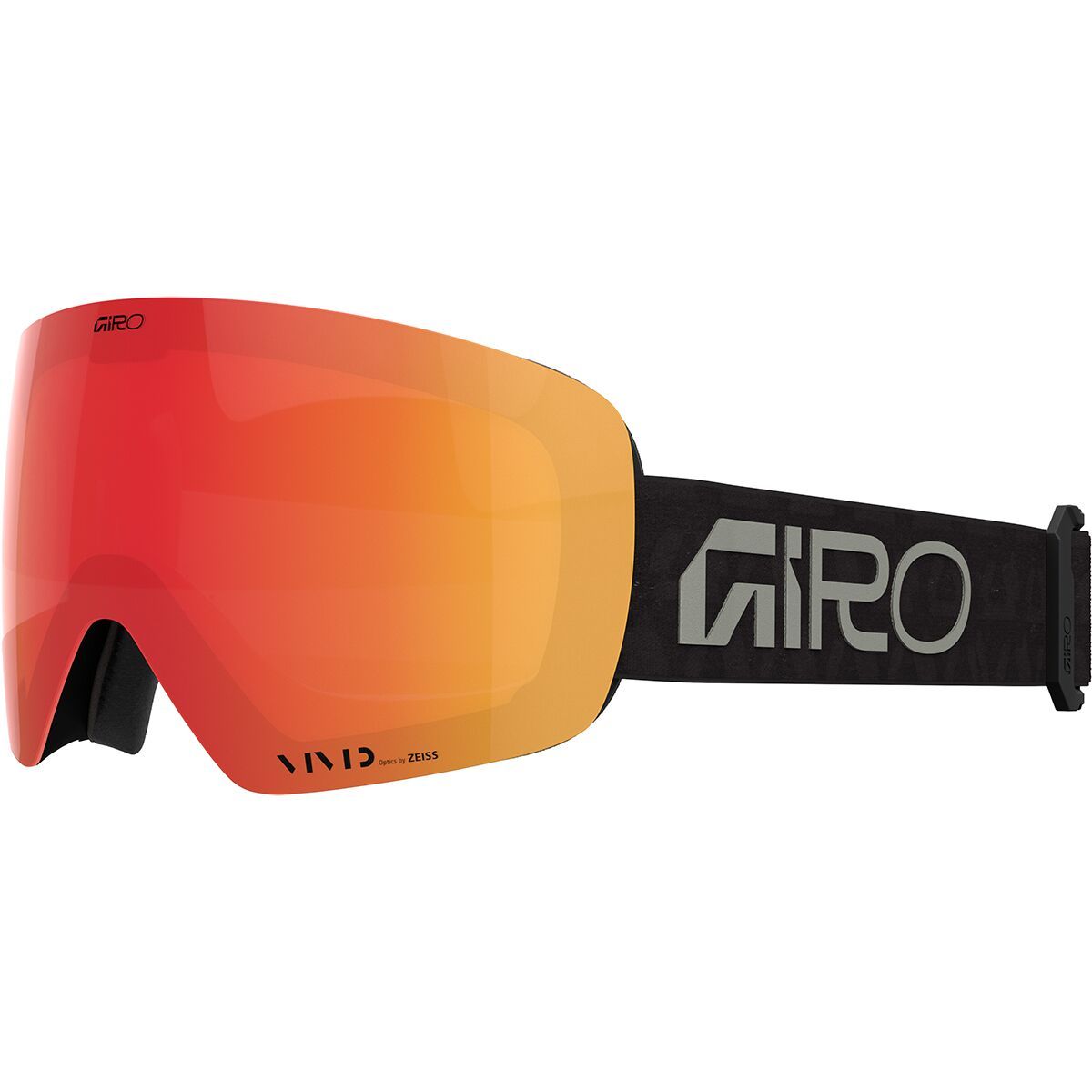
Giro Contour RS Goggles
Contour in a medium-volume frame for smaller to medium faces, including many women and teens. Same Vivid Optics and quick-change lens system.
- Medium frame fit
- Vivid Optics by Zeiss
- Magnetic quick-change
- Spare lens included
- Triple-layer face foam
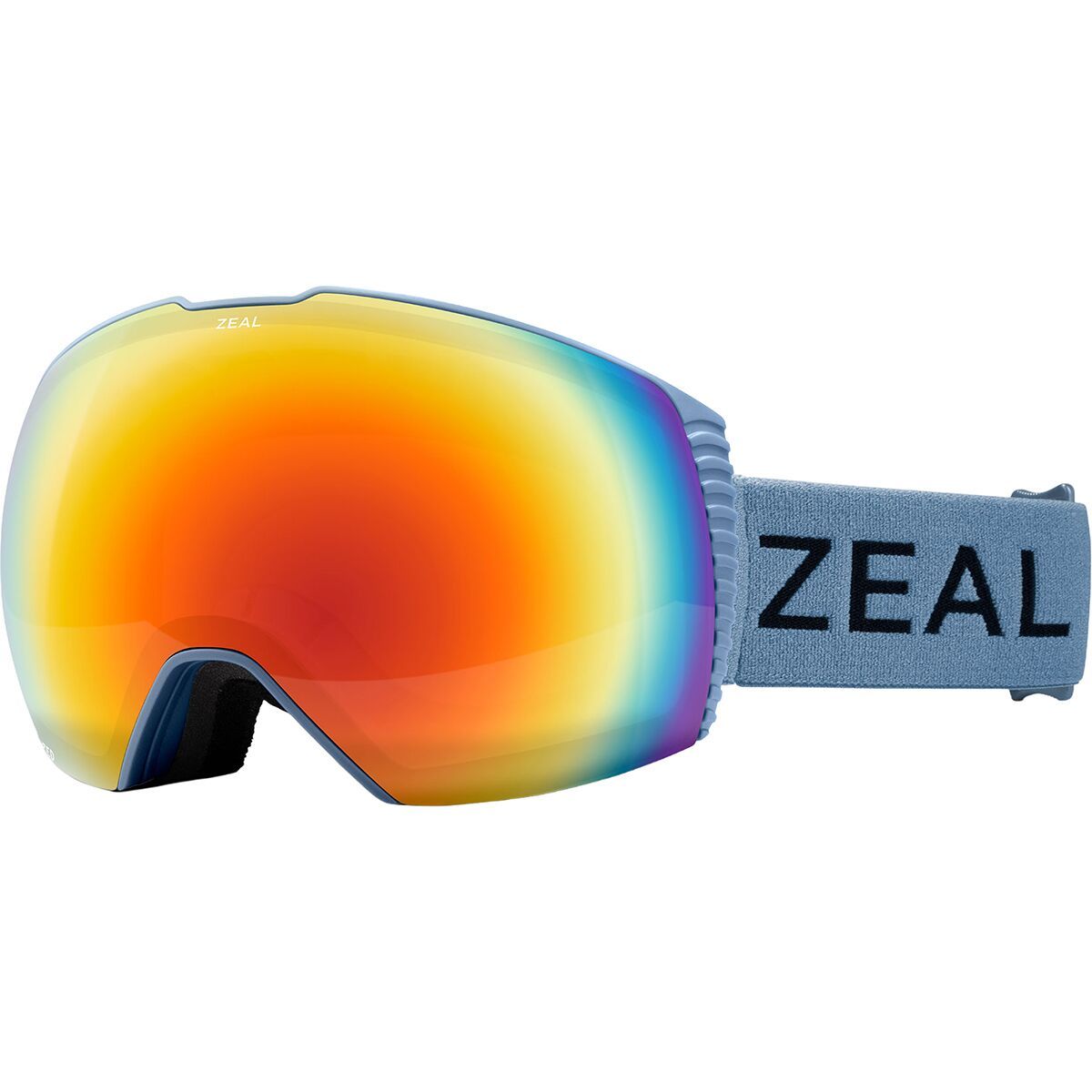
Zeal Cloudfall Polarized Goggles
Polarized lens cuts glare on icy Eastern groomers and midday corn. Not every goggle benefits from polarization, but Zeal nails the application, cleaner highlights, deeper contrast.
- Polarized lens
- Eco-friendly frame
- Spherical optical quality
- Quick-change magnetic lens
- Triple-density face foam
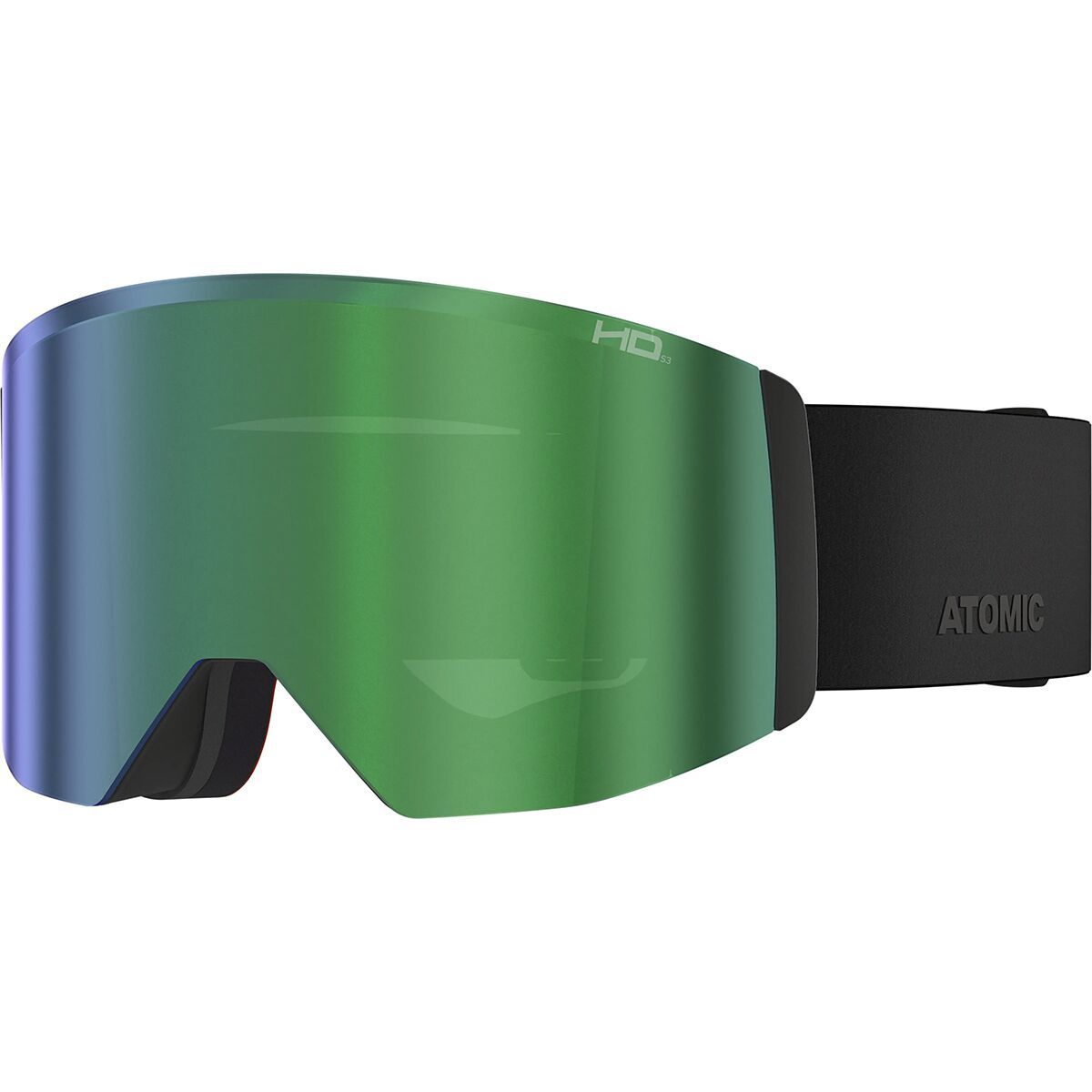
Atomic Four Q L HD Goggles
Atomic's Four Q at HD lens spec, high-contrast optics that punch above their price. Includes a second lens for low-light conditions.
- HD cylindrical lens
- Interchangeable lens system
- Includes spare lens
- Atomic anti-fog coating
- OTG compatible
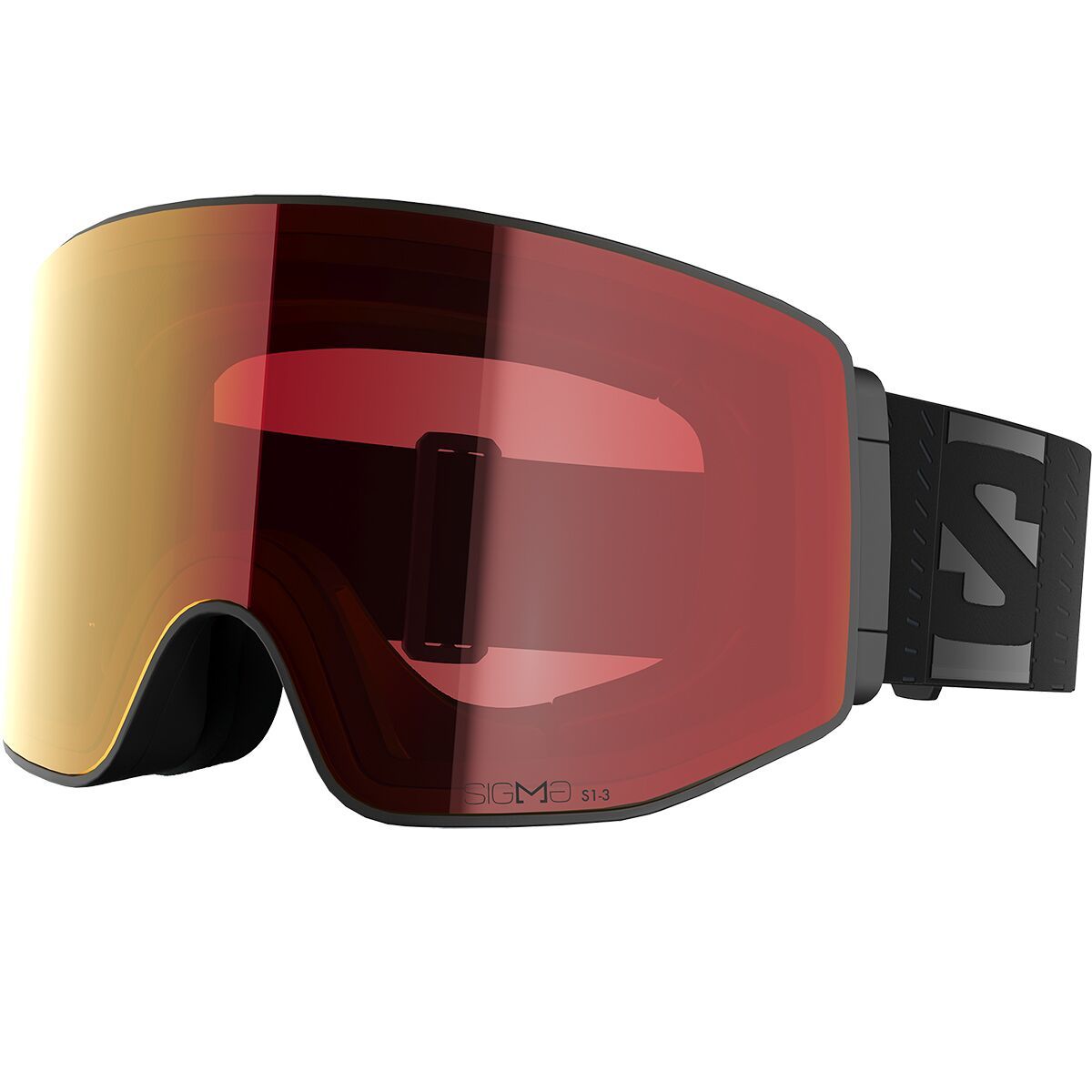
Salomon Sentry Prime Sigma Photochromic Goggles
Salomon Sentry with Sigma photochromic lens. Auto-adjusts through storm to sun without swapping. Asian-fit friendly shape.
- Sigma photochromic lens
- Large spherical lens
- Asian-fit friendly
- Anti-fog hydrophobic coating
- Triple-density face foam
Kids' Goggle Pairings
Matching kid-sized goggles from the same brand keeps lens-swap and strap compatibility simple:
- Ages 4-8: Smith Grom (~$70), Oakley O-Frame XS (~$70)
- Ages 6-12: Smith Rodeo Jr MIPS (~$105), Oakley Line Miner XS (~$100)
- Teens: The adult Smith Squad MAG or Oakley Line Miner Pro M often fits from age 12+
FAQ
What kid goggles pair with these adult models?
Smith makes kid-sized versions of everything, the Smith Grom (roughly $70, ages 4-8) and Smith Rodeo Jr MIPS (roughly $105, ages 6-12). Oakley kids' options are the O-Frame XS and Line Miner XS. All fit under kids' helmets and have anti-fog coatings scaled down. For a family buying in one order, matching Smith / Oakley to the parent's goggle makes lens-swap logistics easier if you share a spare.
How important are interchangeable lenses?
For a single-quiver goggle, you want either (a) a photochromic lens that auto-tints (POC Fovea, Julbo Launcher, Salomon Sentry) or (b) two lenses, one bright-light, one low-light/storm. Most goggles at $250+ include the spare; the Flight Deck and Line Miner Pro do. If you only ski bluebird days, skip the photochromic tax.
OTG vs contacts vs prescription insert?
If you tolerate contacts, that is cleanest, any goggle works. For glasses wearers who can't do contacts, Julbo Lightyear OTG is purpose-built. A third option: Rx inserts from Sport RX clip into Smith or Oakley goggles, more expensive upfront, but uses any goggle you already own.
I am buying one pair for me and one for my kid. What is the simplest combination?
Pick a parent goggle with a quick-swap lens (Oakley Flight Deck Pro L or Smith 4D MAG S) and the matching kid model from the same brand (Smith Grom for ages 4-8, Rodeo Jr for 6-12). Same brand means the kid lens tints line up with yours, so when you swap to a low-light lens for a cloudy day you know what to put on your child, and spare lenses are sold in the same places. For a single parent handling gear for everyone on the lift line, that is one fewer thing to think about.
What goggles work for a new dad or mom who has never skied?
Skip the two-lens systems and buy a photochromic goggle (POC Fovea Photochromic or Julbo Launcher REACTIV). It adjusts to the light on its own, so there is nothing to swap on a first-season trip. Pair it with a helmet from the same size family so the goggle frame seals against the helmet brim.
Polarized for ski goggles, is it worth it?
Polarization is great for eliminating glare off water and wet pavement (sunglasses) but less important for goggles, snow glare is diffuse, not specular. The Zeal Cloudfall Polarized is a good option if you ski in the East a lot where icy groomers produce lots of glare, but for most skiers, a regular high-contrast lens is fine.
How should goggles fit a helmet?
The goggle strap should sit OVER the helmet, not under it. The top of the goggle frame should seal against the helmet brim with no gap (a gap = "gaper gap" = cold forehead). Most modern goggle-helmet pairings from the same brand fit seamlessly; mixing brands sometimes leaves a gap.