Complete Guide to Kids Ski & Snow Clothing
Master the layering system and keep your kids warm, dry, and happy on the slopes all day long
2026 Product Picks
Our latest product roundups related to this guide:

The North Face Freedom Insulated Jacket - Girls
Waterproof, breathable, and warm with DryVent technology. Heatseeker insulation keeps kids toasty on the coldest days.
The secret to a successful ski day with kids? Proper clothing. A cold, wet, or uncomfortable child is a miserable child, and that means a short day on the slopes for everyone. This guide covers everything you need to know about dressing kids for skiing and snowboarding.
We'll walk you through the three-layer system that ski professionals use, explain what features to look for in each piece, and share our top product picks from Backcountry. Whether you're outfitting a toddler for ski school or gearing up a teenager for the terrain park, this guide has you covered.
The Three-Layer System Explained
The layering system is the foundation of staying warm and comfortable in cold weather. Each layer serves a specific purpose, and together they work to regulate temperature and manage moisture.
Base Layer
Purpose: Wicks moisture away from skin
- Synthetic or merino wool
- Snug fit against skin
- Never cotton!
Mid Layer
Purpose: Traps warmth and insulates
- Fleece or down
- Adjustable for temp
- Remove if too warm
Outer Layer
Purpose: Blocks wind, snow, and moisture
- Waterproof (10K+ rating)
- Breathable fabric
- Sealed seams
The Golden Rule: No Cotton!
Cotton absorbs moisture and loses all insulating properties when wet. This can lead to dangerous chilling. Always choose synthetic fabrics or merino wool for base and mid layers. "Cotton kills" is a common saying among outdoor enthusiasts for good reason.
Layering by Temperature
| Temperature | Base Layer | Mid Layer | Outer Layer |
|---|---|---|---|
| 25-32F (-4 to 0C) | Lightweight synthetic | Light fleece or none | Insulated jacket |
| 15-25F (-9 to -4C) | Midweight synthetic | Fleece jacket | Insulated jacket |
| 0-15F (-18 to -9C) | Midweight synthetic | Down or heavy fleece | Insulated jacket |
| Below 0F (-18C) | Heavyweight synthetic | Down + fleece | Heavy insulated jacket |
Note: Active kids generate more heat than adults. Start with fewer layers and add more if needed. It's easier to add a layer than to deal with an overheated, sweaty child.
Base Layers
Base layers are the foundation of warmth. They sit against the skin and their primary job is to wick moisture away from the body. When your child sweats (and they will), a good base layer moves that moisture outward where it can evaporate. Look for synthetic fabrics like polyester or natural merino wool.
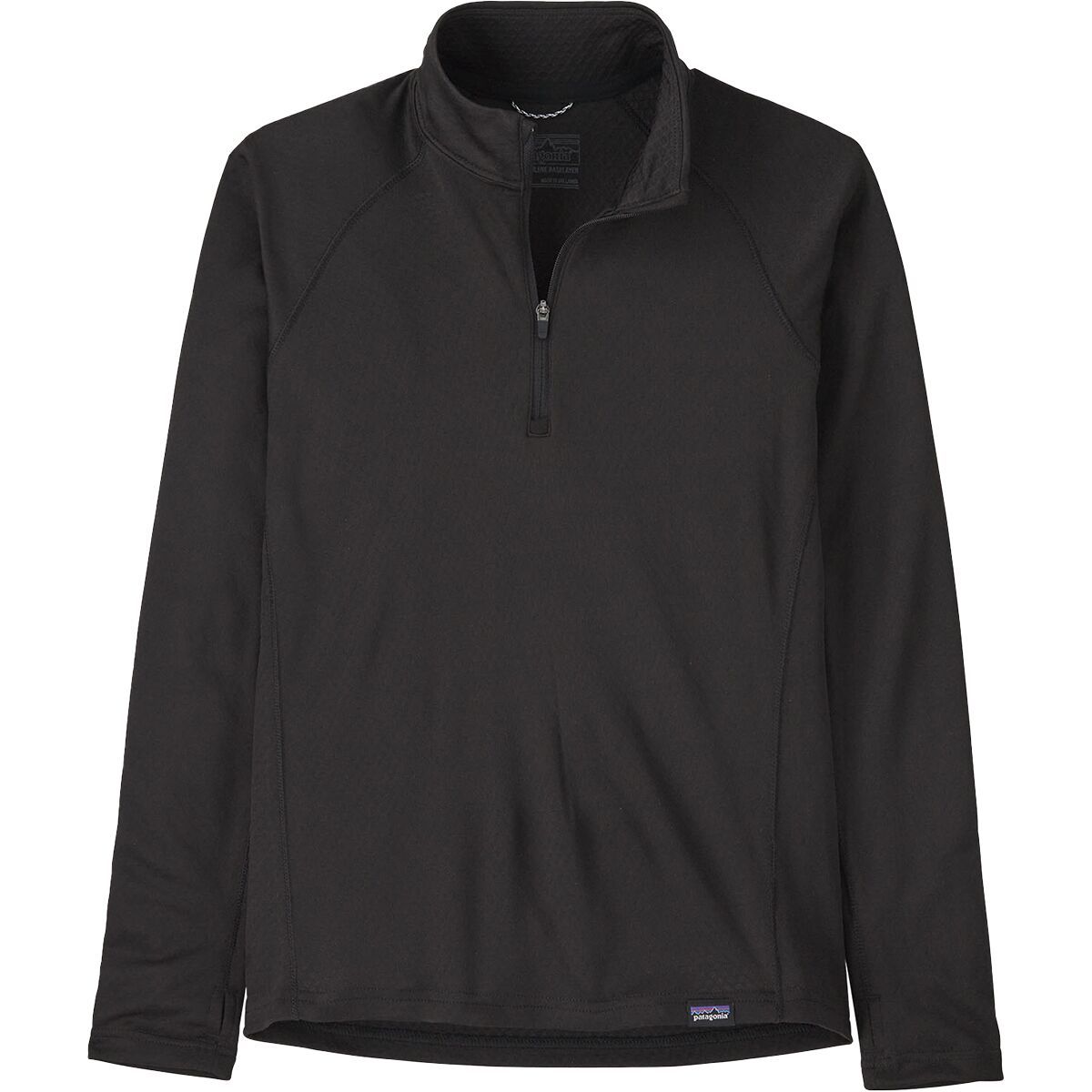
Patagonia Capilene Midweight Zip Neck Top - Kids'
The gold standard in kids base layers. Moisture-wicking recycled polyester with HeiQ Fresh odor control.
- Midweight warmth
- Moisture-wicking
- HeiQ odor control
- 1/4 zip ventilation
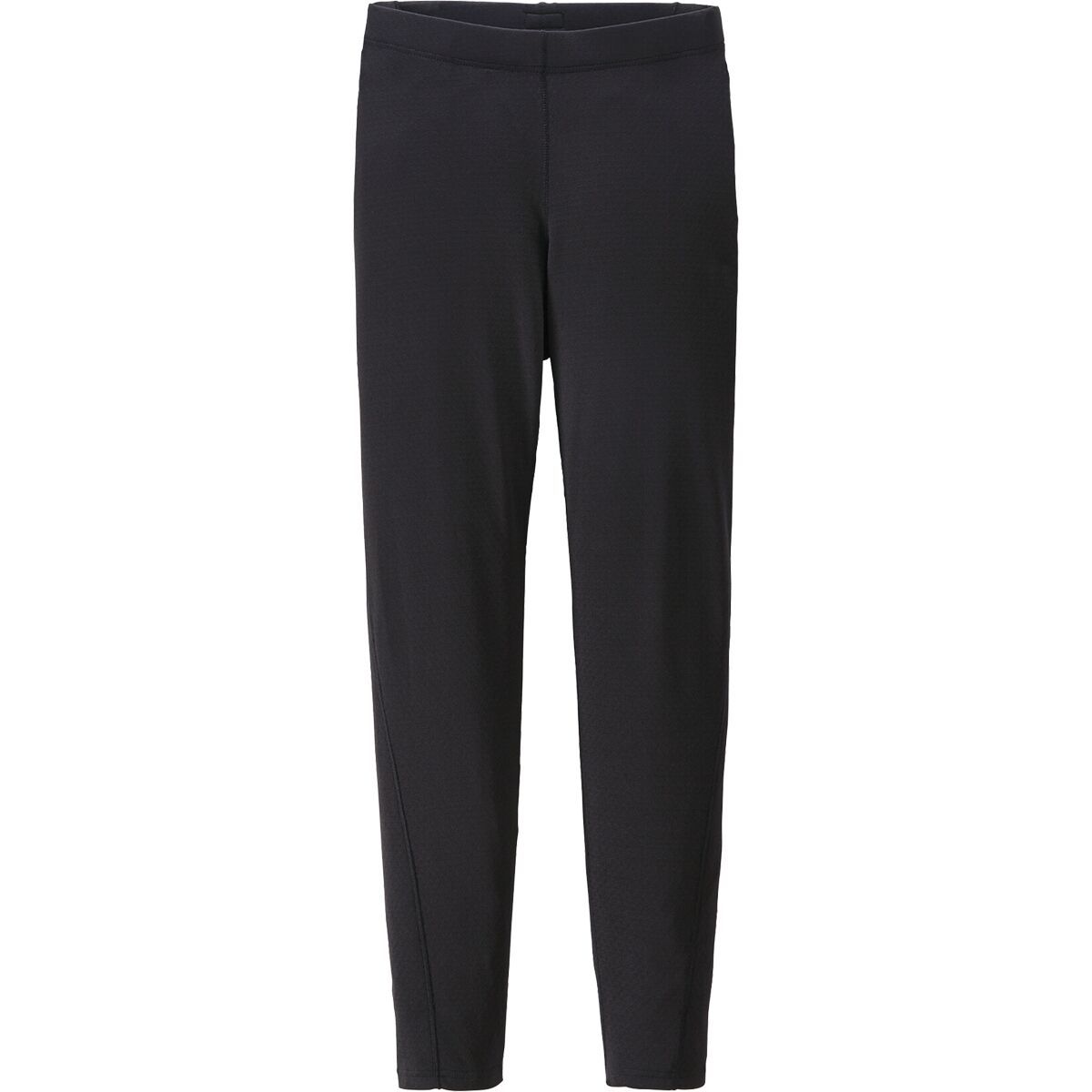
Patagonia Capilene Midweight Bottom - Kids'
Perfect partner to the Capilene top. Stretchy, comfortable, and wicks moisture all day long.
- Midweight warmth
- Four-way stretch
- Flat seams
- Slim fit layers well
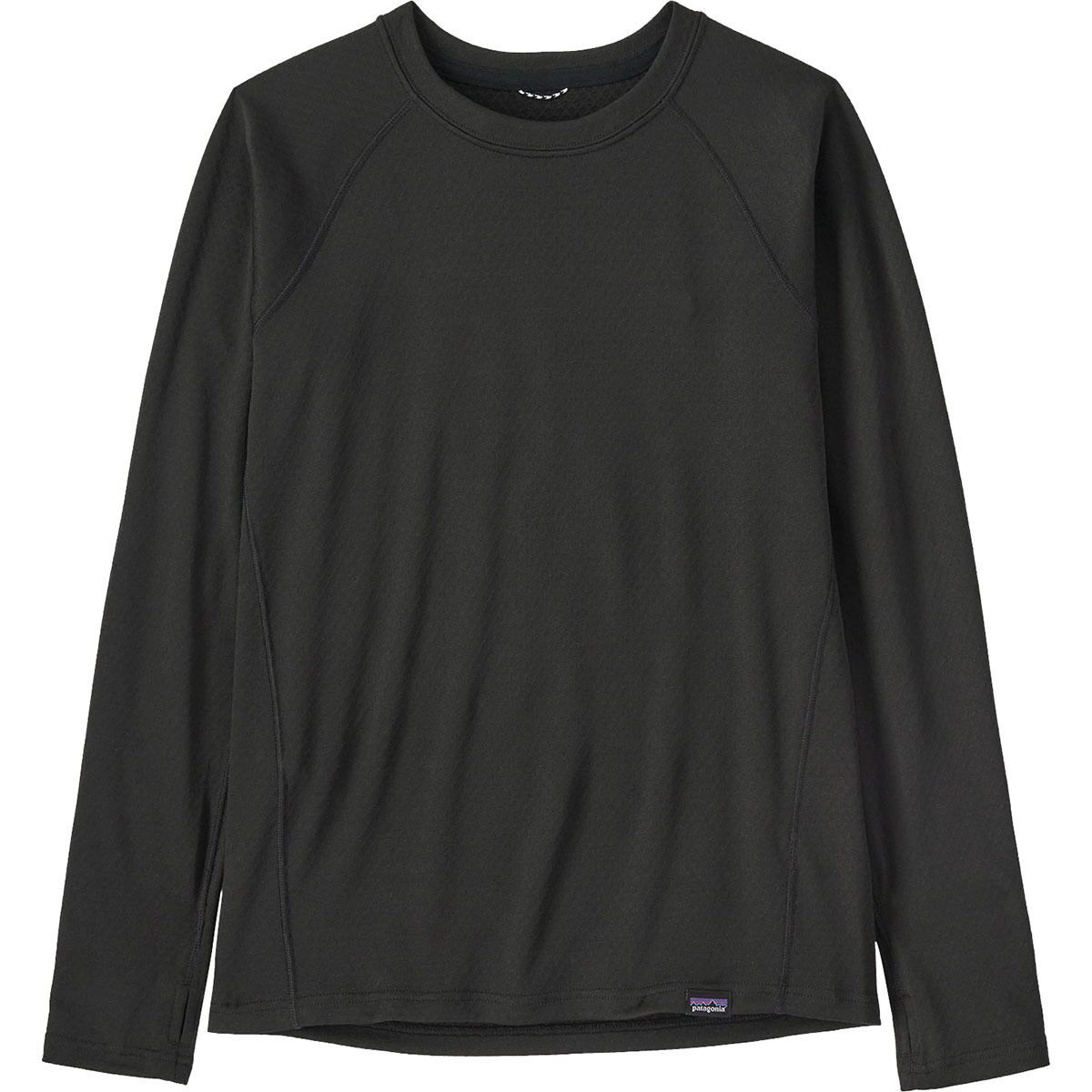
Patagonia Capilene Midweight Crew Top - Kids'
Simple crew neck design at an affordable price. All the performance of Capilene without the zipper.
- Recycled polyester
- Moisture management
- Odor resistant
- Crew neck style
Mid Layers
Mid layers provide insulation by trapping warm air close to the body. Fleece is the most popular choice for kids because it's warm, lightweight, and dries quickly. Down jackets offer exceptional warmth-to-weight ratio and pack small, making them ideal for lift rides and lunch breaks.

Patagonia Down Sweater Jacket - Kids'
Lightweight 600-fill recycled down packs serious warmth. Perfect under a shell or on its own for milder days.
- 600-fill recycled down
- Windproof shell
- Packs into pocket
- 100% recycled
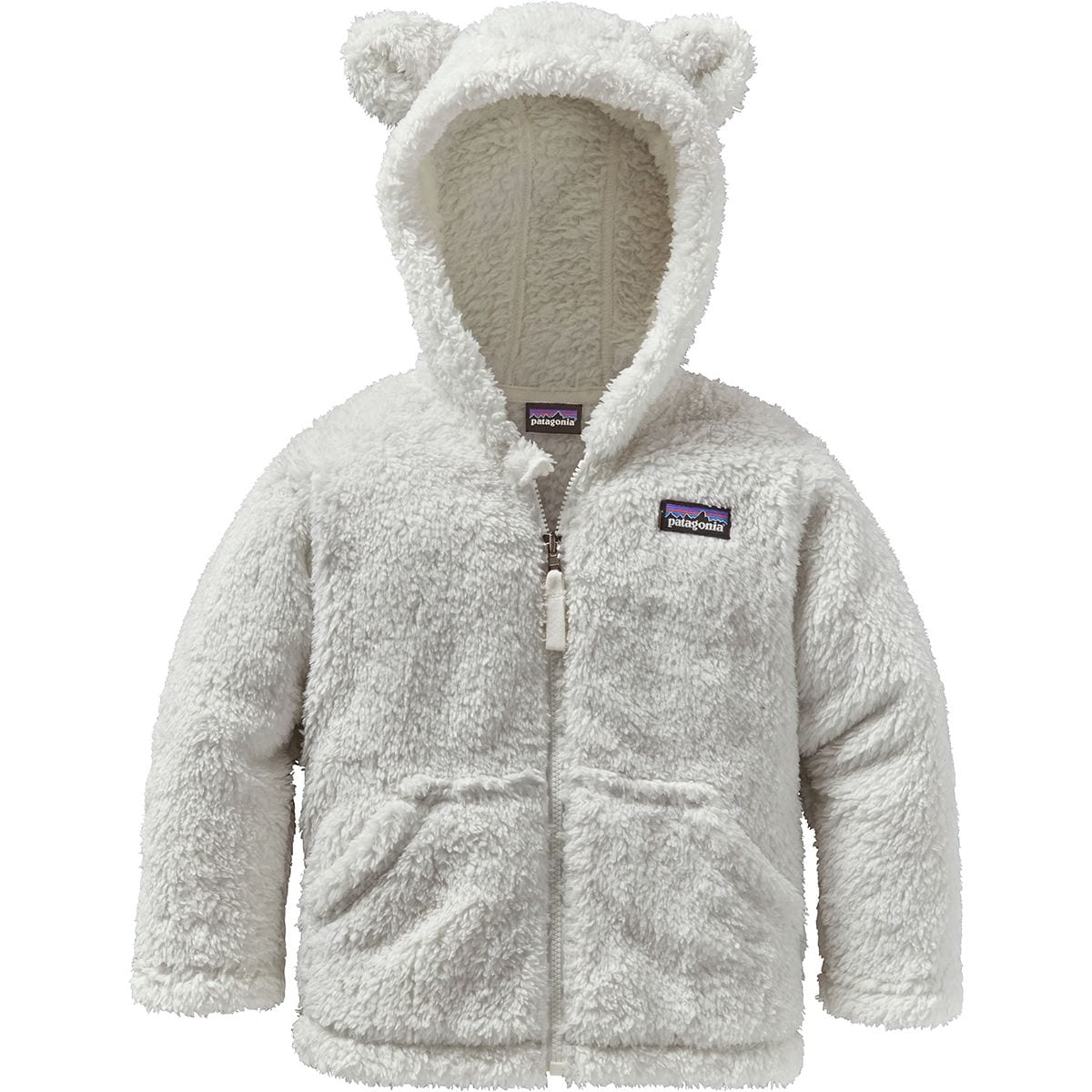
Patagonia Furry Friends Fleece Hooded Jacket - Toddlers'
Adorably soft fleece that keeps little ones warm. Full-zip hood protects tiny heads from the cold.
- Soft fleece pile
- Full-zip hood
- Hand pockets
- Sizes 2T-5T
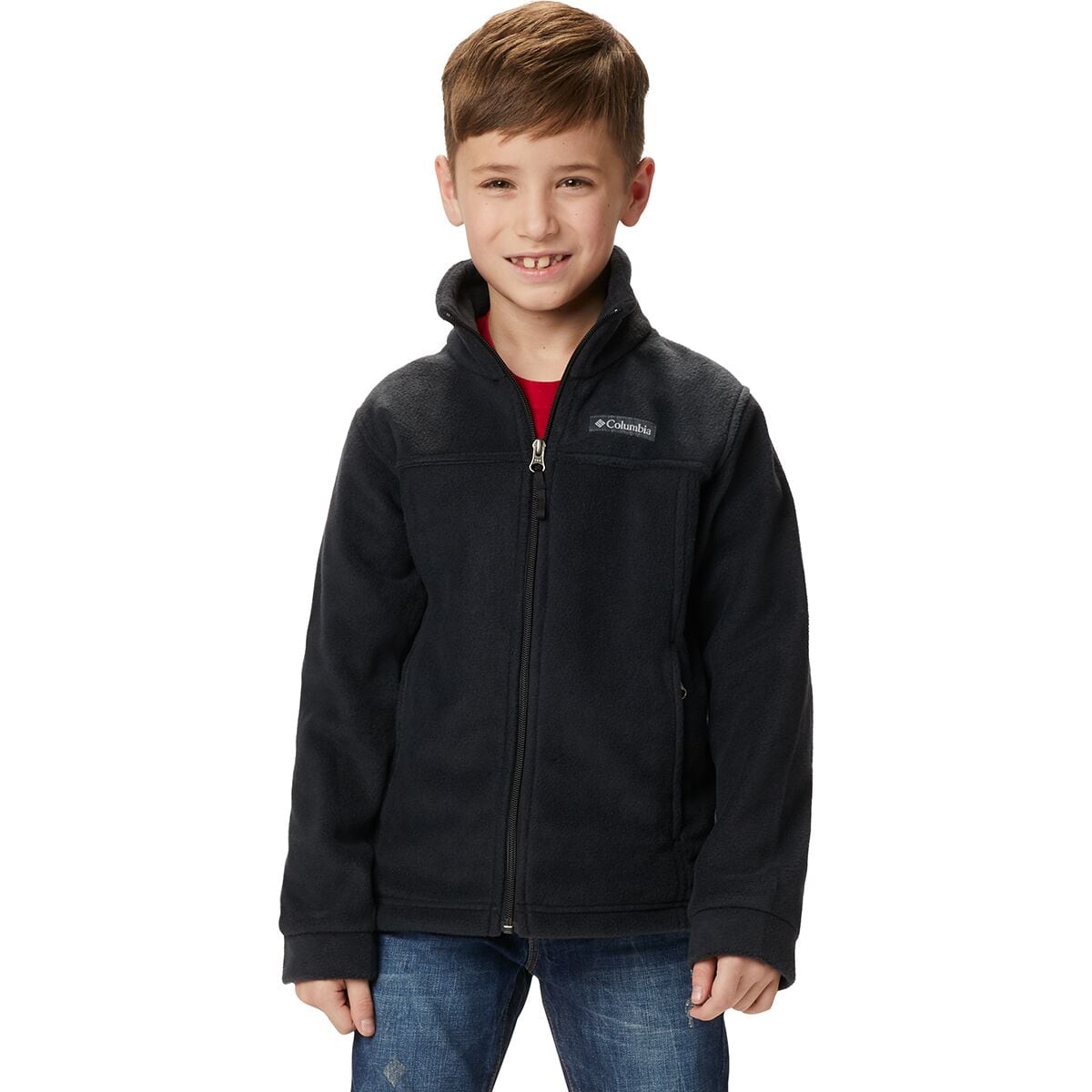
Columbia Steens Mountain II Fleece Jacket - Boys'
Affordable warmth that performs above its price point. Soft MTR fleece in multiple colors.
- MTR fleece
- Full zip front
- Hand pockets
- Great value
Ski Jackets
The outer layer is your child's armor against the elements. A good ski jacket is waterproof (look for 10,000mm+ rating), breathable, and often comes with built-in insulation. Many kids' jackets feature grow systems that extend sleeve length, getting you more than one season of use.
The North Face Freedom Insulated Jacket - Girls'
Waterproof, breathable, and warm with DryVent technology. Heatseeker insulation keeps kids toasty on the coldest days.
- DryVent waterproof
- Heatseeker insulation
- Grow cuffs
- Powder skirt
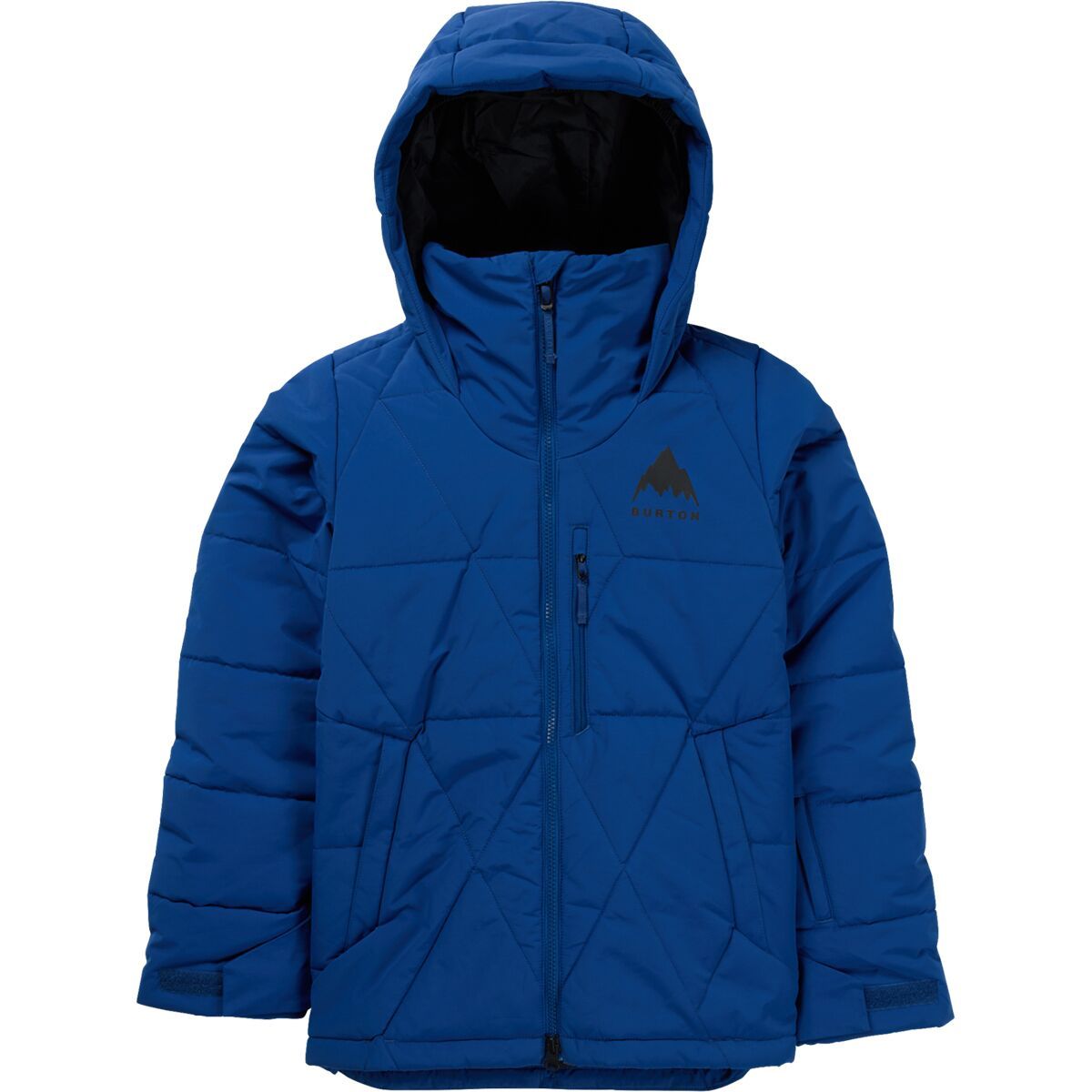
Burton Spindal Jacket - Kids'
Technical performance meets kid-friendly design. DRYRIDE 2L membrane and Thermacore insulation for all-day warmth.
- DRYRIDE 2L fabric
- Thermacore insulation
- Room-to-Grow system
- Living Lining
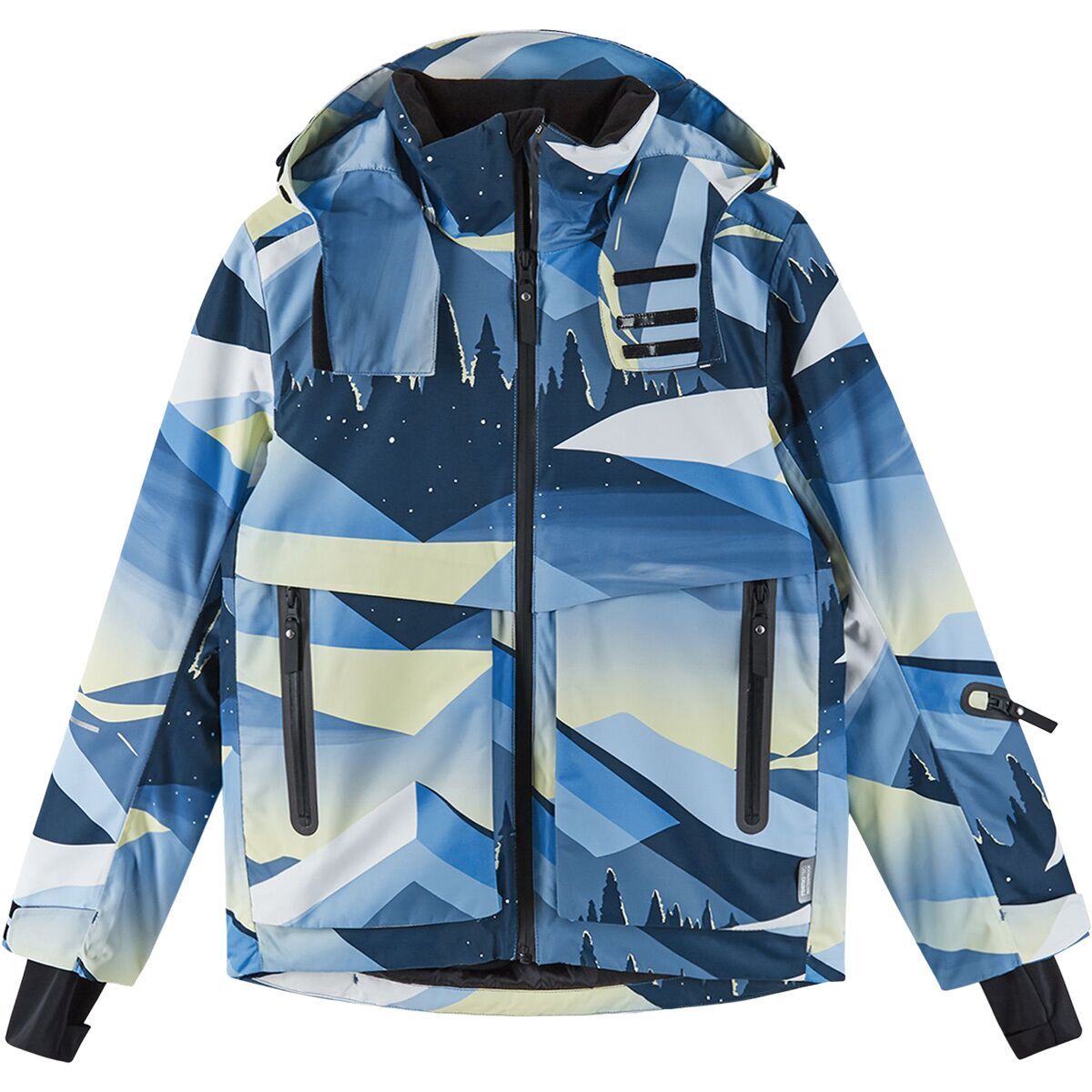
Reima Tirro Jacket - Kids'
Finnish engineering for extreme cold. Waterproof, windproof, and built to last season after season.
- Waterproof 10000mm
- Breathable fabric
- Reflective details
- Adjustable hood
Snow Pants & Bibs
For kids, we strongly recommend bibs over regular snow pants. Bibs provide full torso coverage that prevents snow from getting in during falls and eliminates the gap between jacket and pants. They stay up without a belt and are harder for kids to accidentally remove. Reinforced knees and seat areas extend durability.
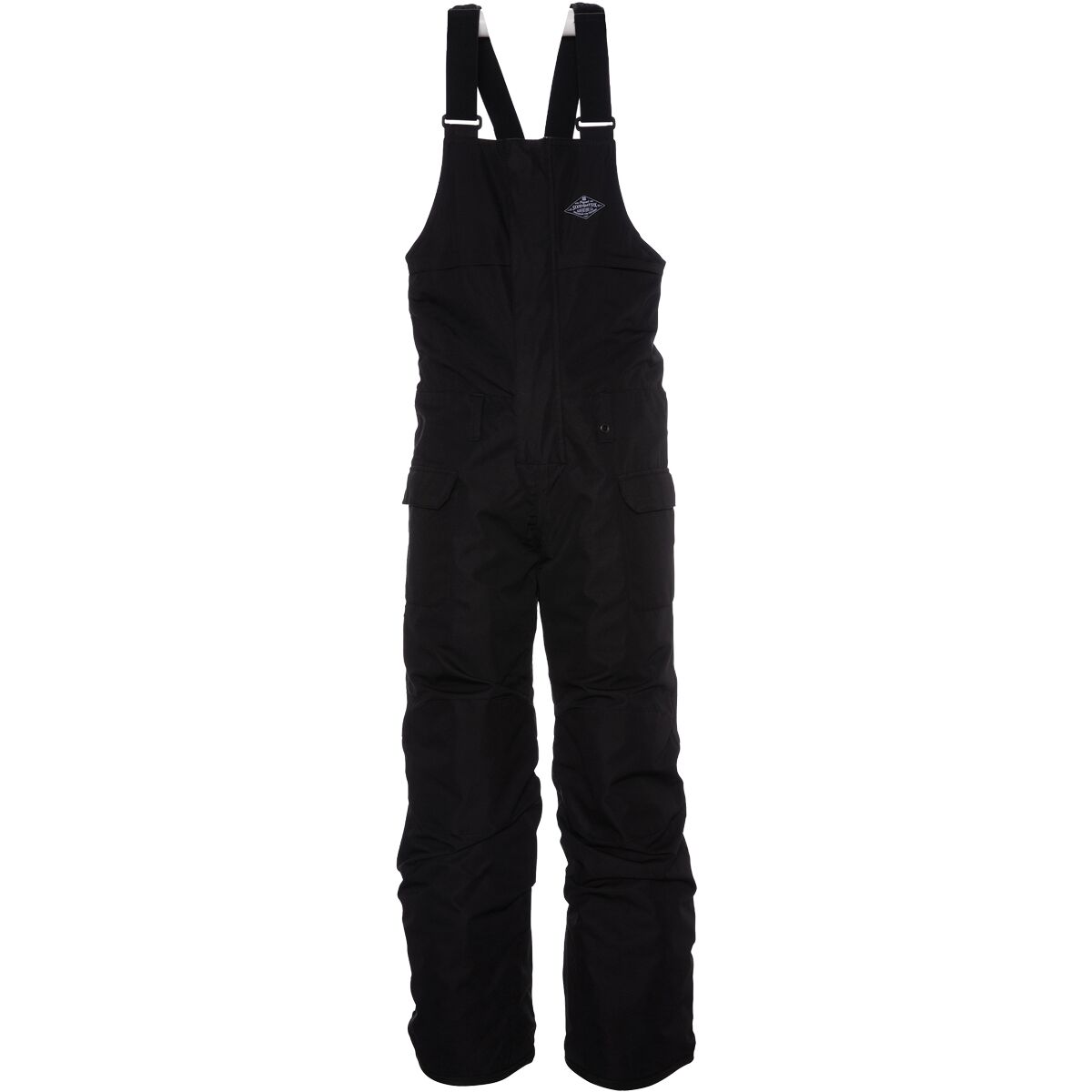
686 Frontier Insulated Bib - Boys'
Full coverage bib keeps snow out even during epic wipeouts. Adjustable straps grow with your child.
- InfiDry waterproof
- Adjustable suspenders
- Reinforced knees
- Snow gaiters
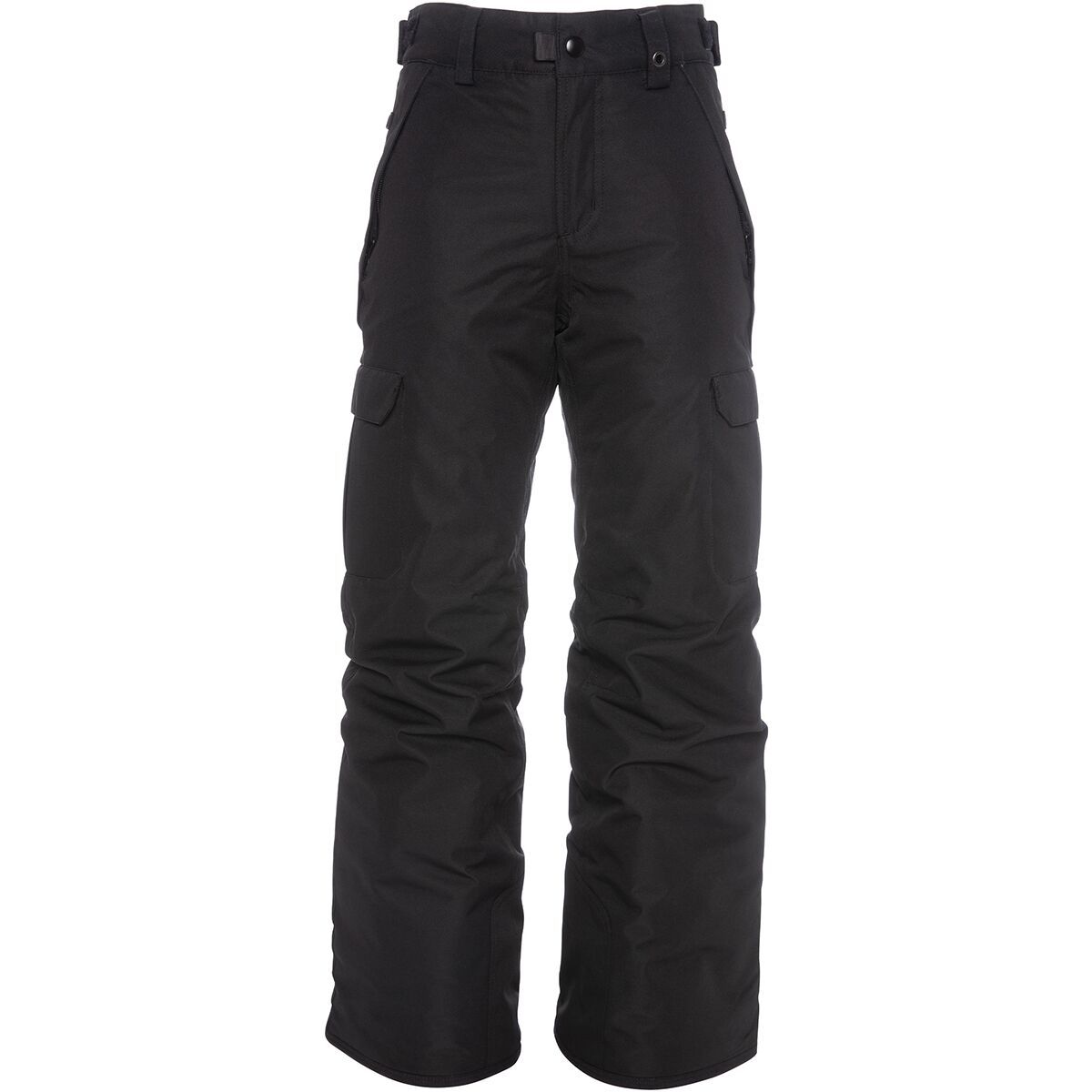
686 Infinity Cargo Insulated Pant - Boys'
Reliable warmth and waterproofing at a great price. Cargo pockets for snacks and hand warmers.
- InfiDry 10K waterproof
- Cargo pockets
- Boot gaiters
- Grow system
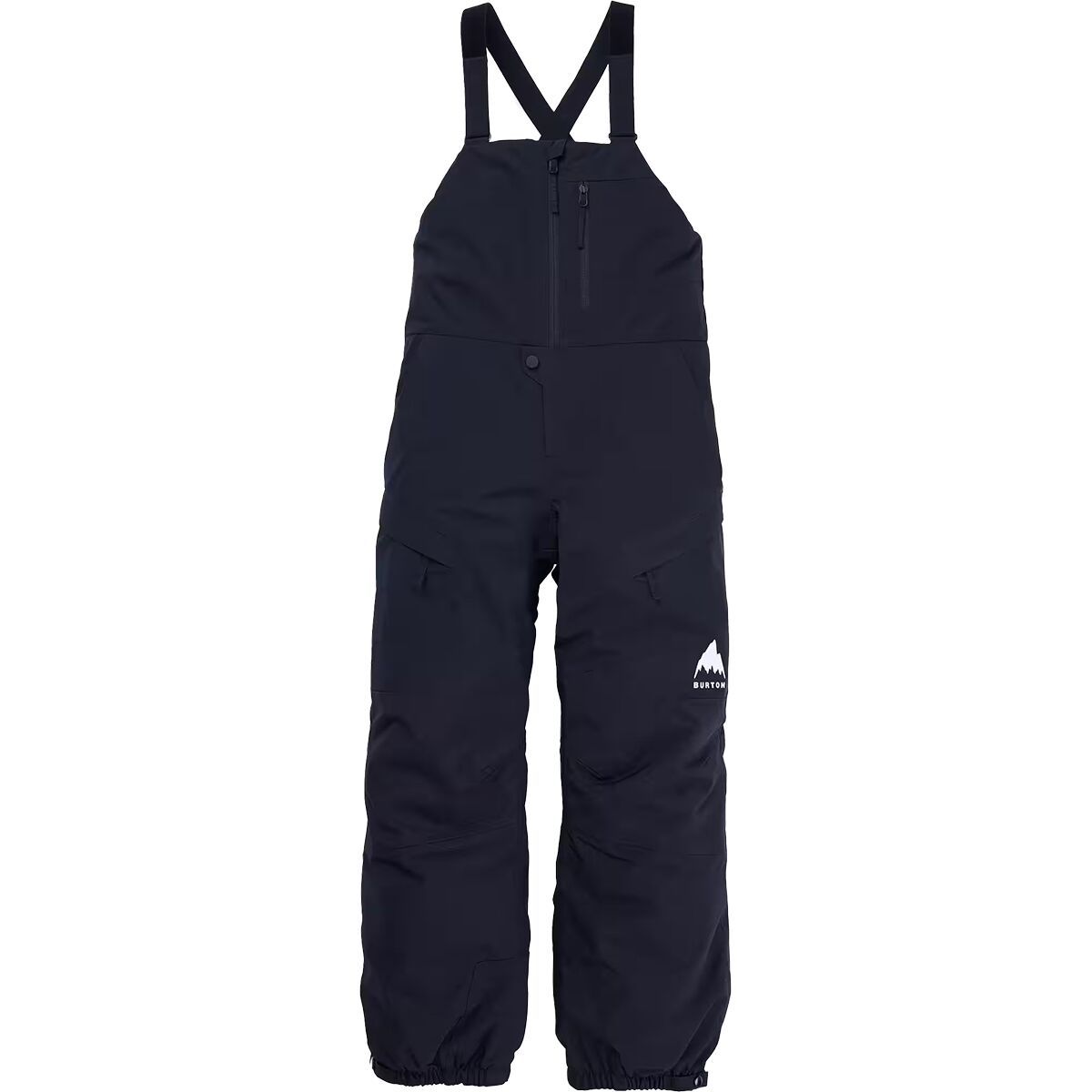
Burton Powline GORE-TEX Bib Pant - Kids'
GORE-TEX waterproofing for the most demanding conditions. When nothing less than the best will do.
- GORE-TEX 2L
- Living Lining
- Room-to-Grow
- Fully taped seams
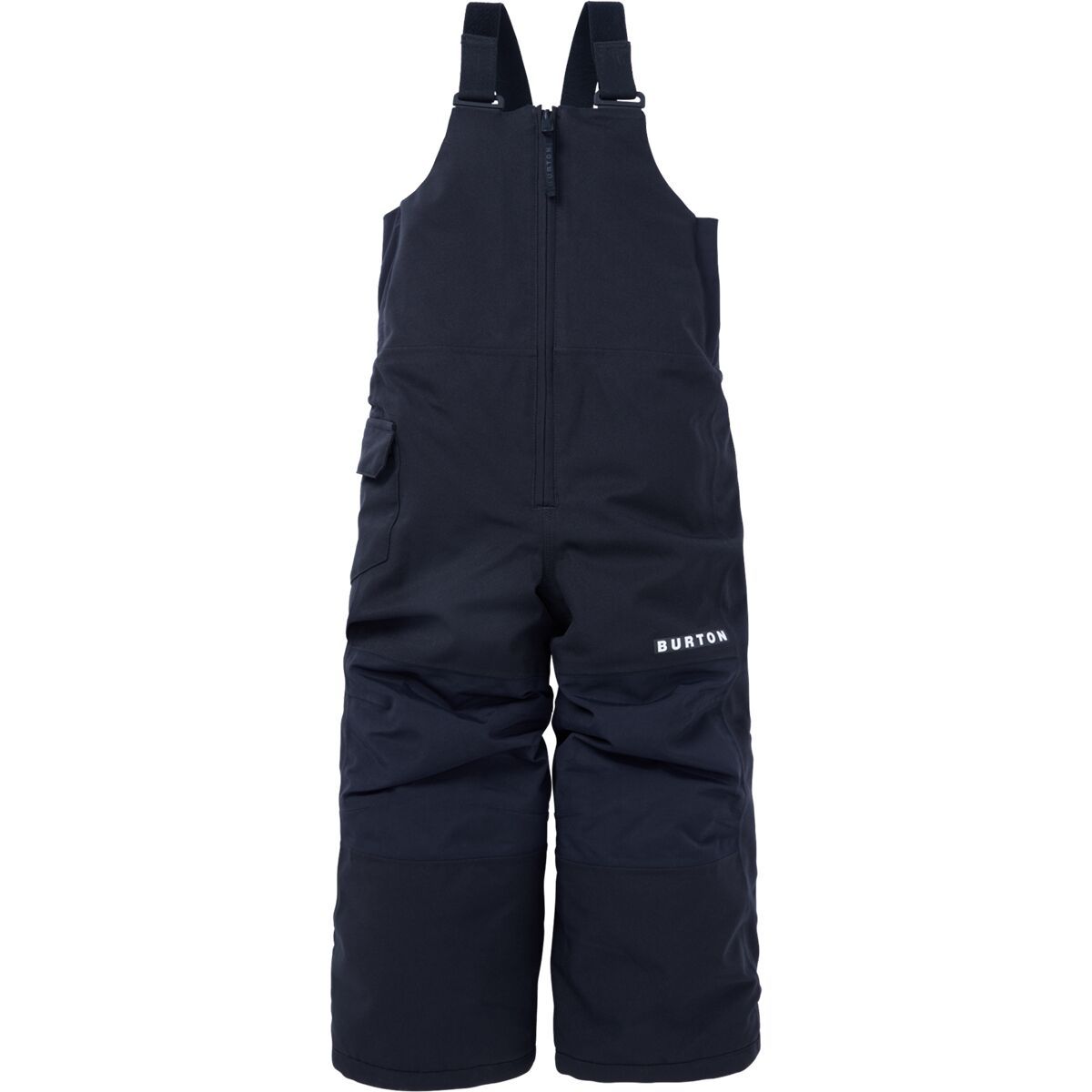
Burton Maven 2L Bib Pant - Toddlers'
Designed specifically for littlest skiers. Easy bathroom access and full coverage protection.
- DRYRIDE 2L
- Easy on/off
- Room-to-Grow
- Sizes 2T-5T
Why Bibs Beat Pants for Kids
Advantages of Bibs
- Snow stays out during falls and sitting in snow
- No gap between jacket and pants
- Straps keep them in place all day
- Extra warmth for core and back
When Pants Work
- Older kids (10+) who rarely fall
- Warm weather spring skiing
- Kids who need frequent bathroom breaks
- Budget constraints
Goggles & Eye Protection
Goggles protect young eyes from UV rays, wind, snow, and cold. At altitude, UV exposure is significantly higher, making eye protection essential. Look for goggles with anti-fog coatings, dual-pane lenses, and ensure they fit well with your child's helmet. For kids who wear glasses, OTG (Over The Glasses) models are a must.
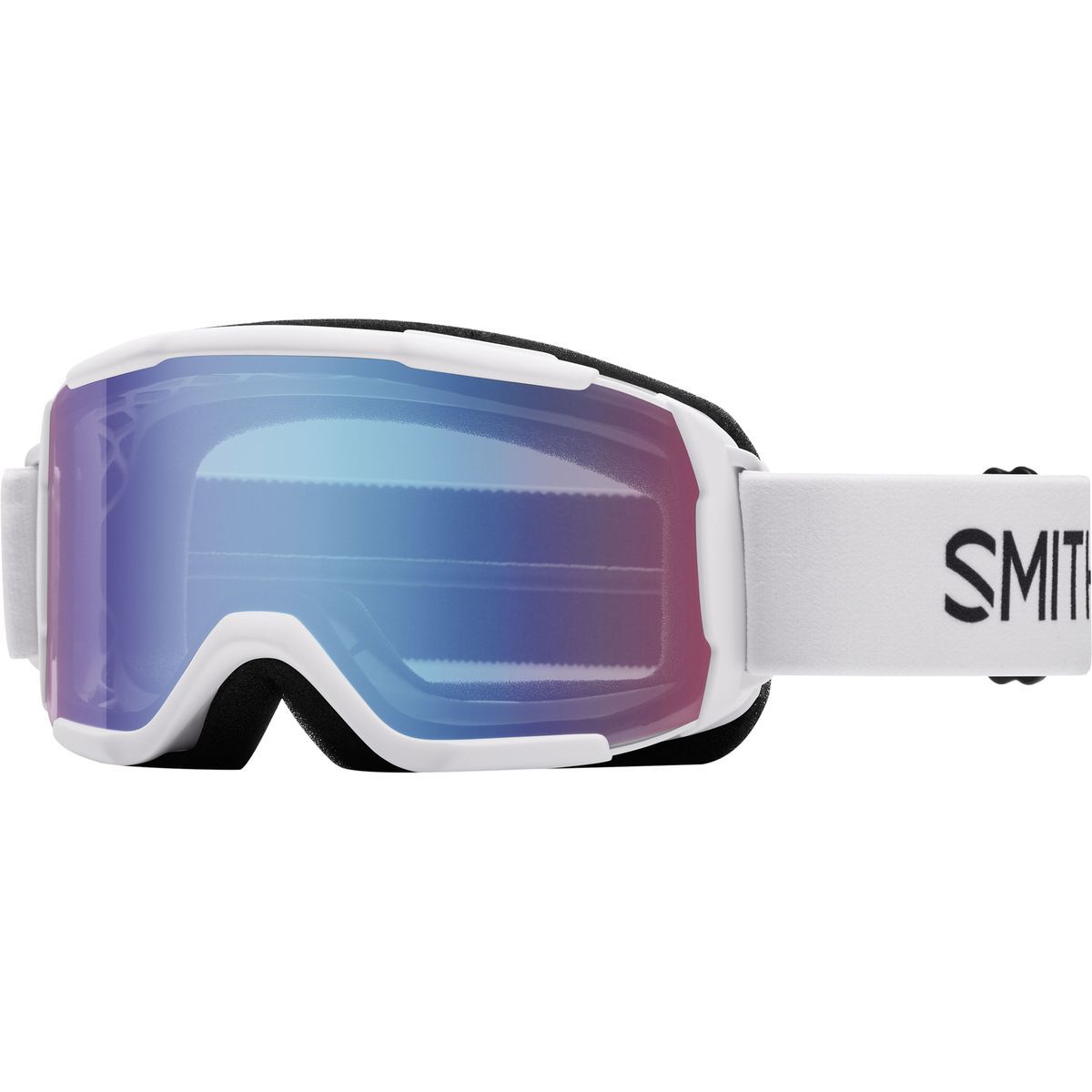
Smith Daredevil OTG Goggles - Kids'
OTG design fits over prescription glasses. Dual-pane lens with anti-fog coating keeps vision clear.
- Fits over glasses
- Anti-fog coating
- Dual-pane lens
- Helmet compatible
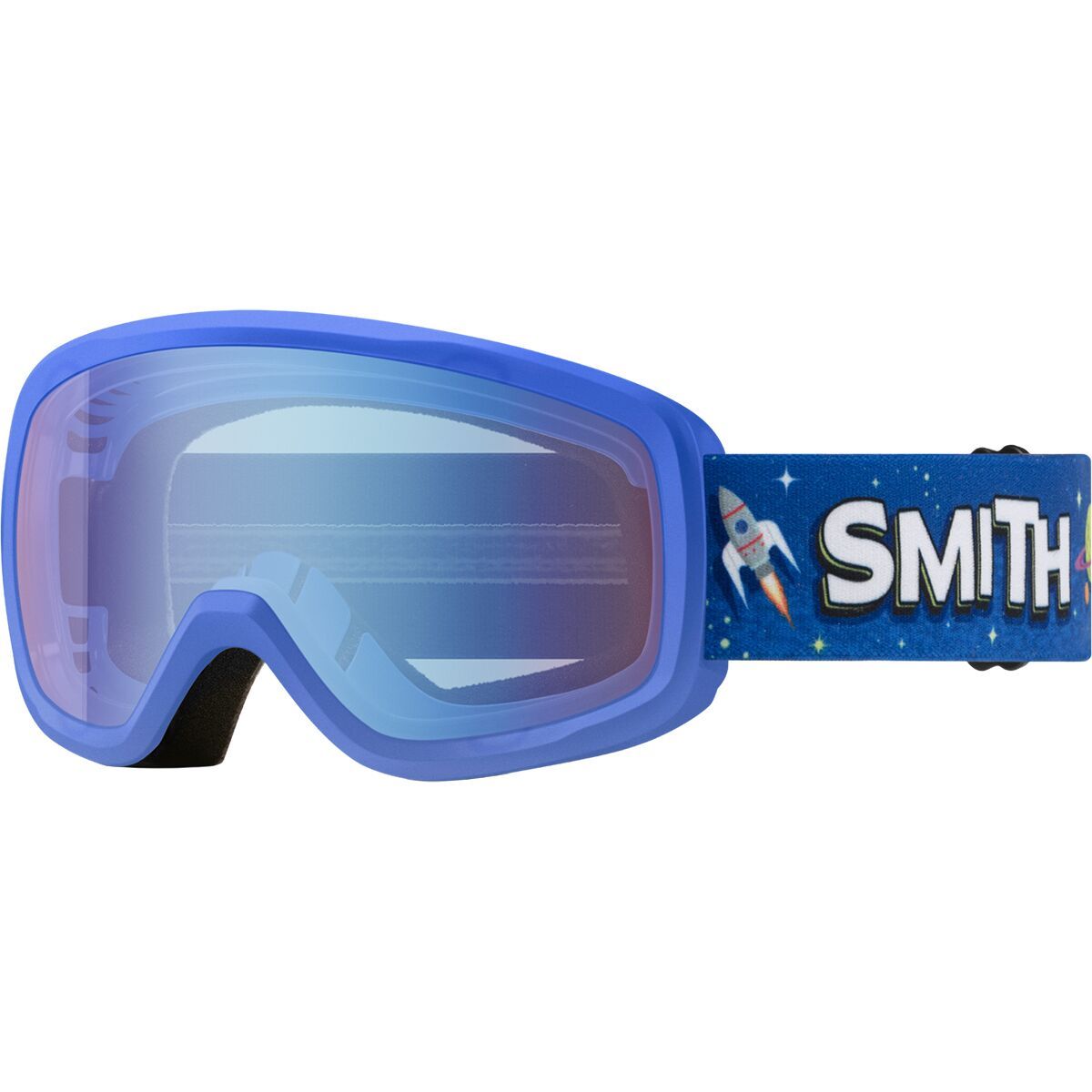
Smith Snowday Goggles - Kids'
Kid-sized fit with fun colors. Great optics at an accessible price for young skiers.
- Carbonic-X lens
- Anti-fog coating
- Fun kid prints
- Helmet compatible
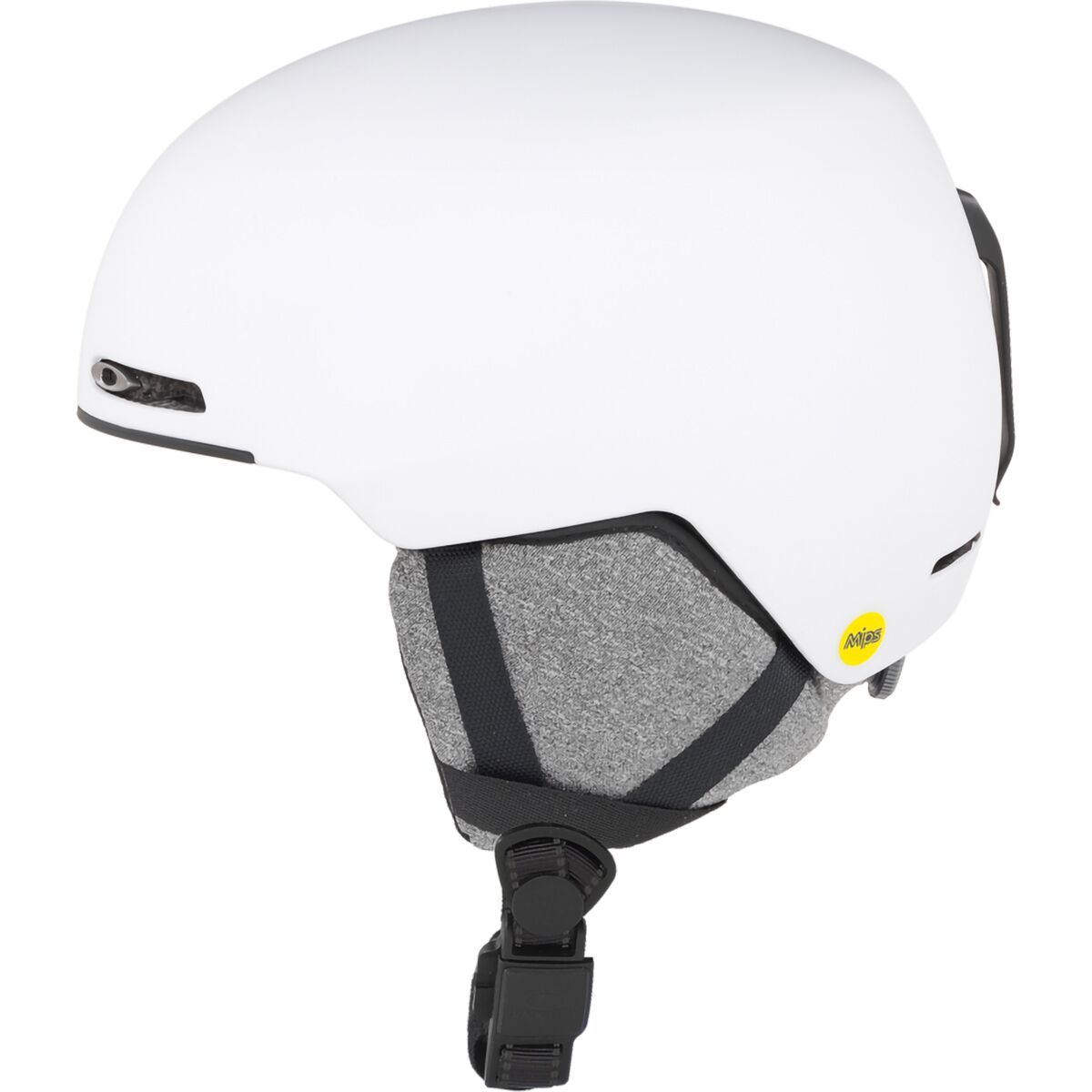
Oakley Mod1 MIPS Helmet - Kids'
MIPS-equipped helmet with seamless goggle integration. Exceptional protection and fit.
- MIPS protection
- Seamless goggle fit
- Adjustable fit
- Ventilation system
Balaclavas, Neck Gaiters & Socks
Face protection is often overlooked but crucial for kids' comfort. Balaclavas provide full head and face coverage, while neck gaiters offer versatility. Both prevent the dreaded 'frozen face' complaints. And never underestimate the importance of proper ski socks - merino wool or synthetic, never cotton, and always thin enough to fit properly in boots.
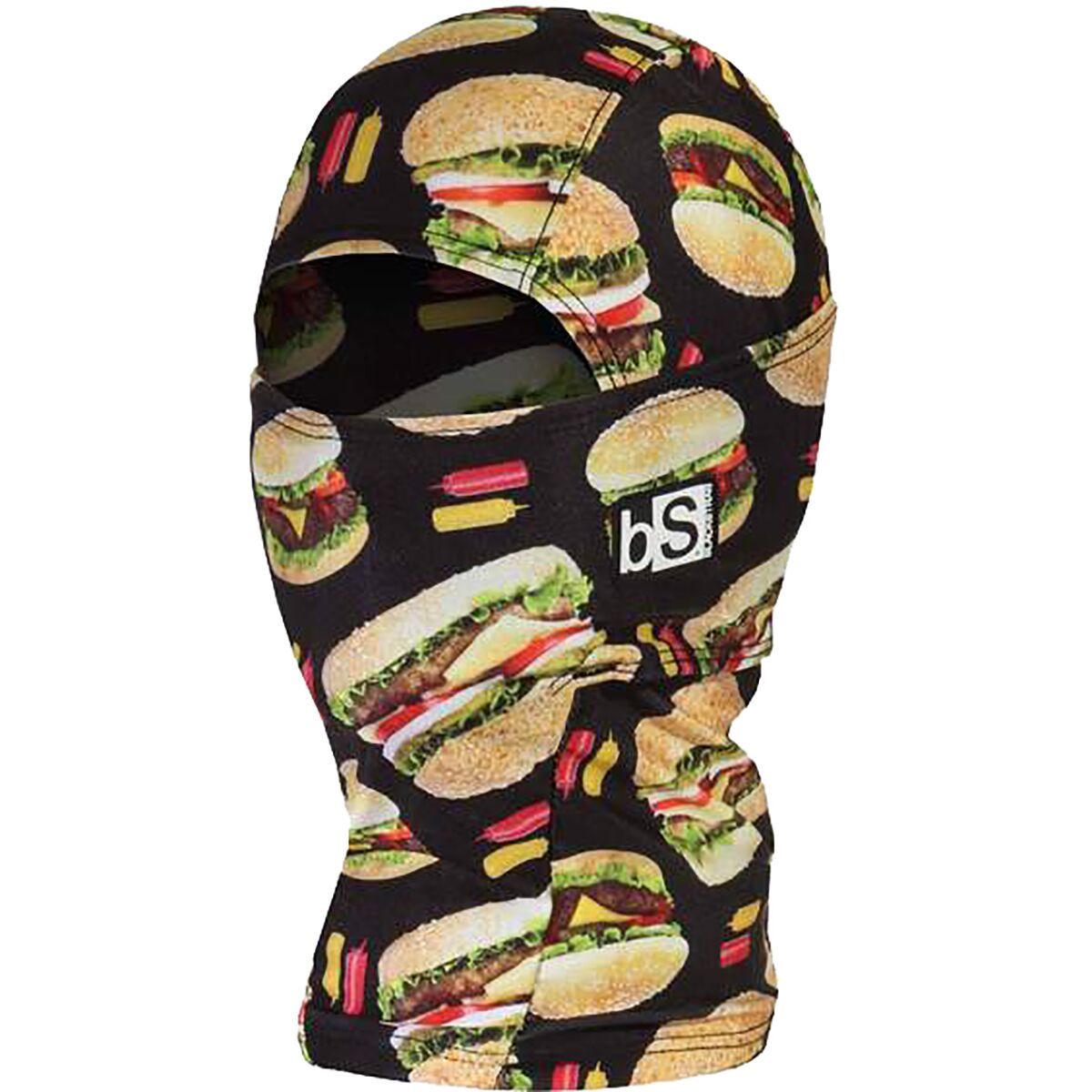
BlackStrap Print Hood Balaclava - Kids'
Full face and neck coverage in fun prints kids love. Moisture-wicking fabric keeps them comfortable.
- UPF 50+ protection
- Moisture-wicking
- Fun kid prints
- Machine washable
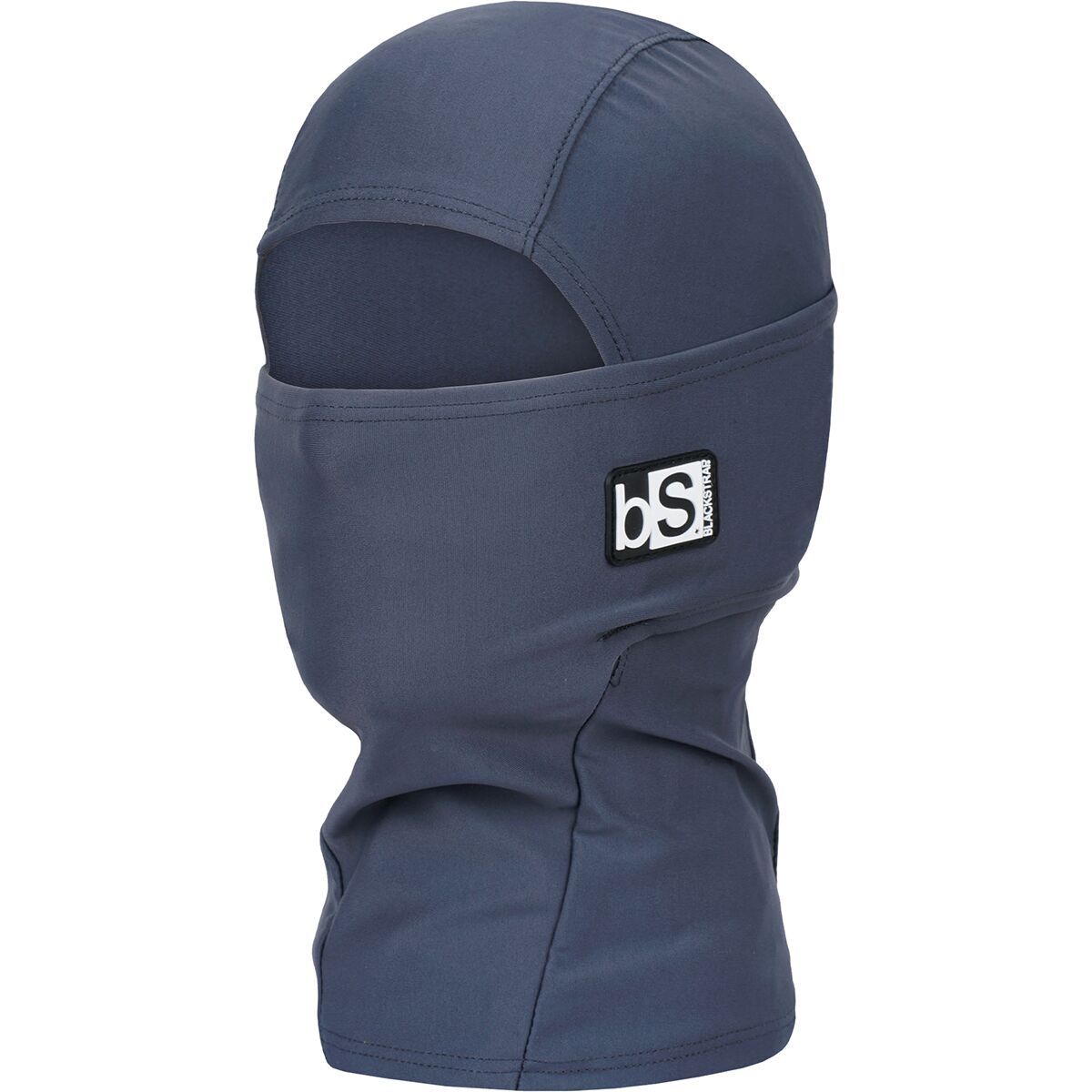
BlackStrap Solid JR Hood - Kids'
Simple solid colors for kids who prefer understated style. Same great protection and comfort.
- Single-layer fabric
- Soft & breathable
- Fits under helmet
- Multiple colors
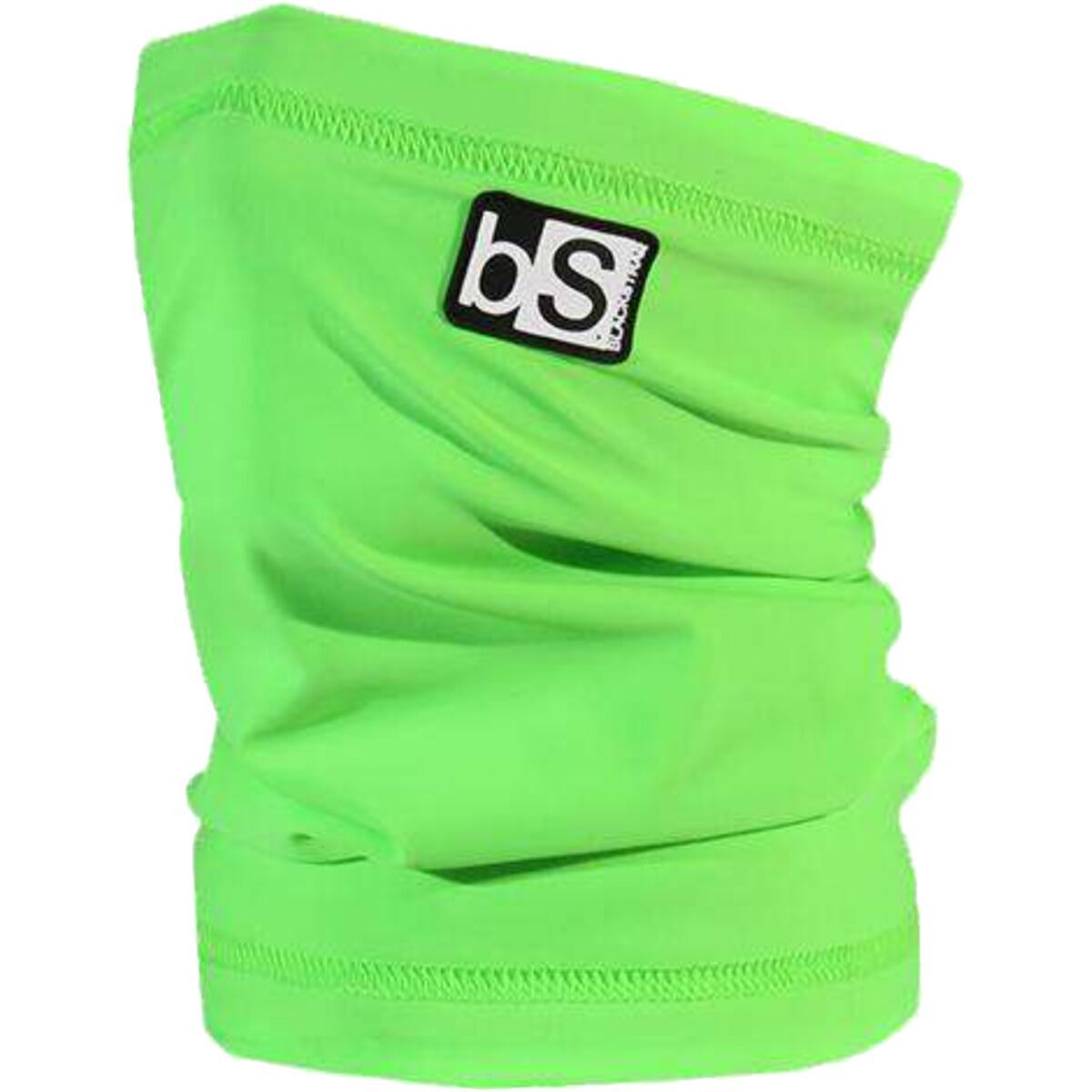
BlackStrap The Tube Dual Layer Facemask - Kids'
Versatile tube design can be worn multiple ways. Dual-layer warmth when temps drop.
- Dual-layer warmth
- Multiple wear styles
- Bright colors
- Easy breathing
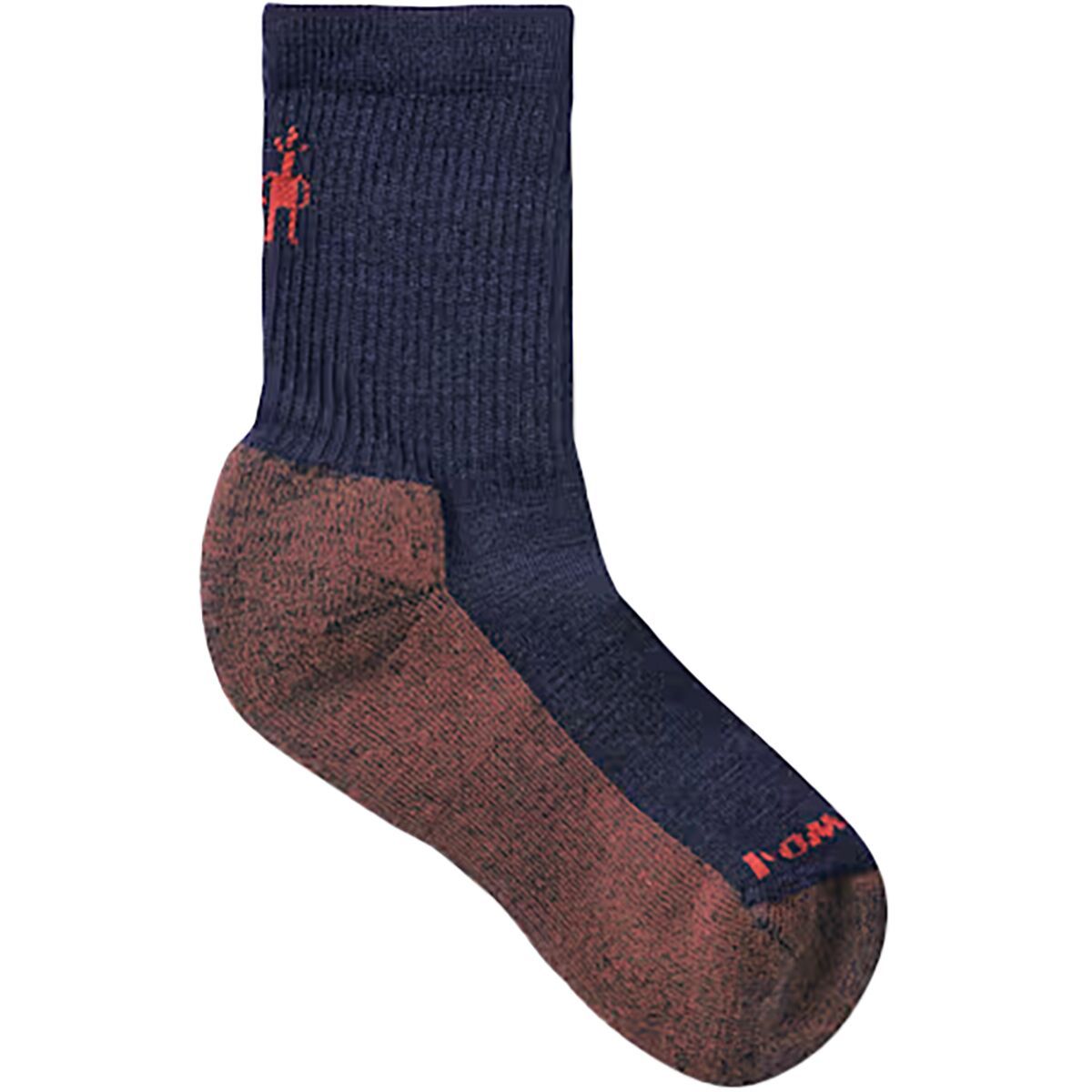
Smartwool Hike Light Cushion Crew Sock - Kids'
Merino wool keeps feet warm and dry all day. Light cushioning provides comfort in ski boots.
- Merino wool blend
- Moisture wicking
- Light cushioning
- Odor resistant
Complete Outfit Cost Breakdown
Budget Setup
- Base layer set$50-80
- Fleece mid layer$30-50
- Ski jacket$100-150
- Snow pants/bib$80-130
- Goggles$50-60
- Balaclava/gaiter$20-30
- Ski socks (2 pairs)$30-40
- Total$360-540
Premium Setup
- Base layer set (Patagonia)$80-100
- Down mid layer$100-150
- Premium ski jacket$180-250
- GORE-TEX bib$200-300
- Premium goggles$80-120
- Balaclava + gaiter$40-60
- Premium ski socks (2 pairs)$50-70
- Total$730-1,050
Pro tip: Focus your budget on the outer layers (jacket and pants) and goggles. These pieces take the most abuse and provide the most protection. Base and mid layers can be more affordable options.
Pro Tips for Dressing Kids for Skiing
Getting Ready
- Dress kids in layers at home before you leave
- Practice putting on all gear before ski day
- Label everything with your child's name
- Bring extra base layers and socks in your bag
On the Mountain
- Check in regularly - ask if they're too hot or cold
- Take breaks to add or remove layers as needed
- Use hand and toe warmers on very cold days
- Change wet base layers at lunch if needed
Common Mistakes to Avoid
- Cotton anything - socks, underwear, t-shirts
- Over-layering (leads to sweating and chills)
- Thick ski socks (cause cramped feet and cold toes)
- Goggles that don't fit the helmet
- Gear that's too big "to grow into"
- Forgetting sun protection (face and lips)
Related Guides
Affiliate Disclosure
ParentCalc is a Backcountry affiliate. We earn commissions from qualifying purchases at no additional cost to you. This helps support our free parenting resources. All product recommendations are based on our research and real parent feedback. We only recommend products we believe will genuinely help families enjoy the slopes safely.