Ultimate Guide to Camping with Kids
Everything families need to know about gear, safety, and making camping trips memorable for kids of all ages
2026 Product Picks
Our latest product roundups related to this guide:
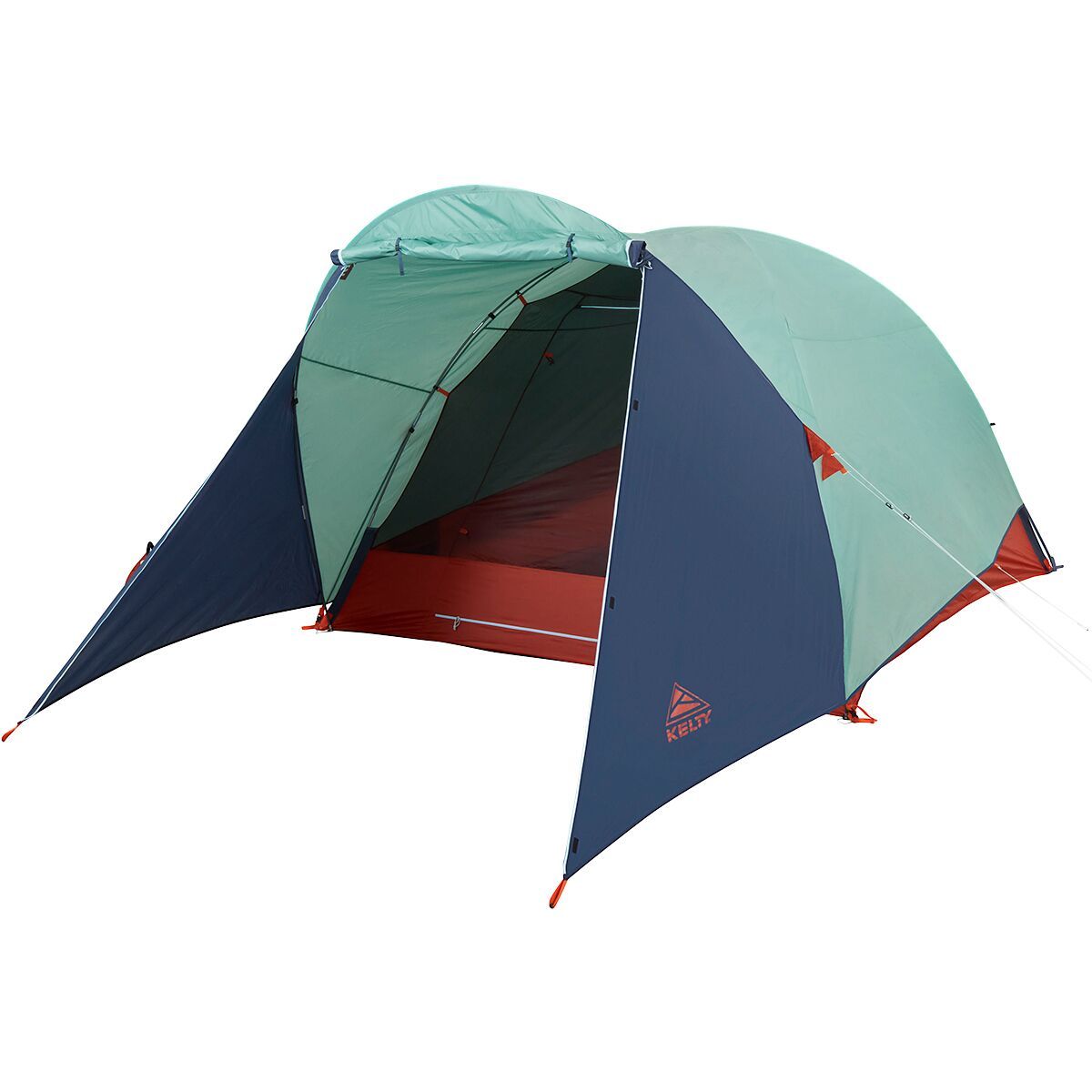
Kelty Rumpus 6P Tent: 6-Person 3-Season
Spacious 6-person tent perfect for family car camping. Easy setup, great ventilation, and room for the whole crew plus gear.
Why Camping with Kids is Worth Every Challenge
There is something magical about watching your child discover the wonder of the natural world for the first time. The crackle of a campfire, the symphony of crickets at dusk, the first glimpse of the Milky Way away from city lights - these experiences create memories that last a lifetime and shape how children view their place in the world.
Camping with kids offers benefits that extend far beyond a simple vacation. Research consistently shows that time spent in nature reduces stress and anxiety in children, improves attention spans, and fosters creativity. When families disconnect from screens and reconnect with each other around a campfire, something remarkable happens - conversations flow more naturally, relationships deepen, and children develop a sense of adventure and self-reliance that serves them throughout life.
Teaching kids outdoor skills is an investment in their future. Setting up a tent together becomes a lesson in problem-solving and teamwork. Cooking over a camp stove teaches patience and basic life skills. Navigating trails with a map develops spatial awareness and confidence. These are not just camping skills - they are life skills wrapped in adventure.
Many parents feel intimidated by the idea of camping with children, especially young ones. Questions swirl: Will they sleep? What if it rains? What do we even pack? This comprehensive guide addresses all these concerns and more, providing expert recommendations for gear, age-appropriate strategies, and practical tips that transform potential chaos into cherished family adventures.
The truth is that camping with kids does require more planning than adult-only trips. You need the right gear, realistic expectations, and a flexible attitude. But the rewards - watching your toddler discover pinecones, teaching your eight-year-old to build a proper campfire, sharing s'mores under the stars - make every bit of preparation worthwhile.
We have partnered with Backcountry to bring you expert-recommended equipment from trusted outdoor brands. Whether you are planning your family's first camping trip or looking to upgrade your gear for more comfortable adventures, this guide covers everything from choosing the right tent to keeping everyone fed, entertained, and safe in the great outdoors.
Key Benefits of Family Camping
- Reduced screen time and improved sleep quality
- Enhanced problem-solving and critical thinking skills
- Stronger family bonds through shared experiences
- Appreciation for nature and environmental awareness
- Physical activity and improved coordination
- Affordable family vacations with lasting memories
Choosing Your First Family Tent
Your tent is your family's home away from home, and choosing the right one makes all the difference between a comfortable adventure and a frustrating experience. For family camping, bigger is almost always better - kids need room to move, and you will want space for gear, diaper changes, and rainy-day activities.
As a general rule, choose a tent rated for two more people than your family size. A family of four should look at 6-person tents, which provides space for sleeping plus a gear vestibule or changing area. Look for tents with peak heights of at least 6 feet so adults can stand while getting dressed, and consider models with multiple doors so midnight bathroom trips do not require climbing over sleeping family members.
Tent Selection Tips
- - Practice setting up your tent at home before your first trip
- - Seam-sealed floors prevent water intrusion during rain
- - Color-coded poles make setup easier with helping hands
- - Consider a tent with a vestibule for muddy boots and wet gear
Kelty Rumpus 6P Tent: 6-Person 3-Season
Spacious 6-person tent perfect for family car camping. Easy setup, great ventilation, and room for the whole crew plus gear.
- 6-person capacity
- Quick setup poles
- Great ventilation
- Gear pockets
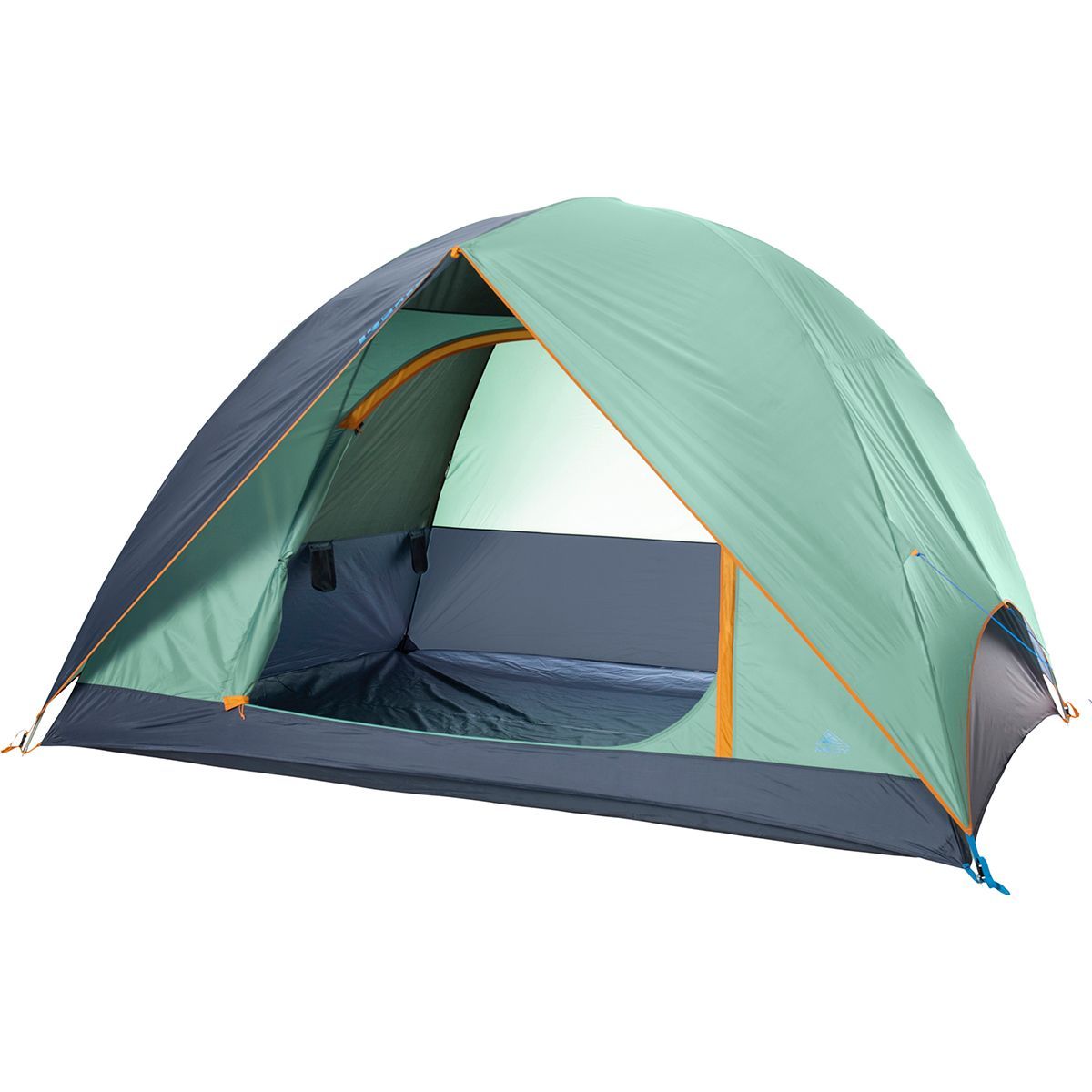
Kelty Tallboy 6 Tent: 6-Person 3-Season
Tall dome-style ceiling for plenty of headroom. Large door makes entry easy for kids and parents alike.
- Tall dome ceiling
- Easy X-pole setup
- Shark-mouth duffel
- Budget-friendly
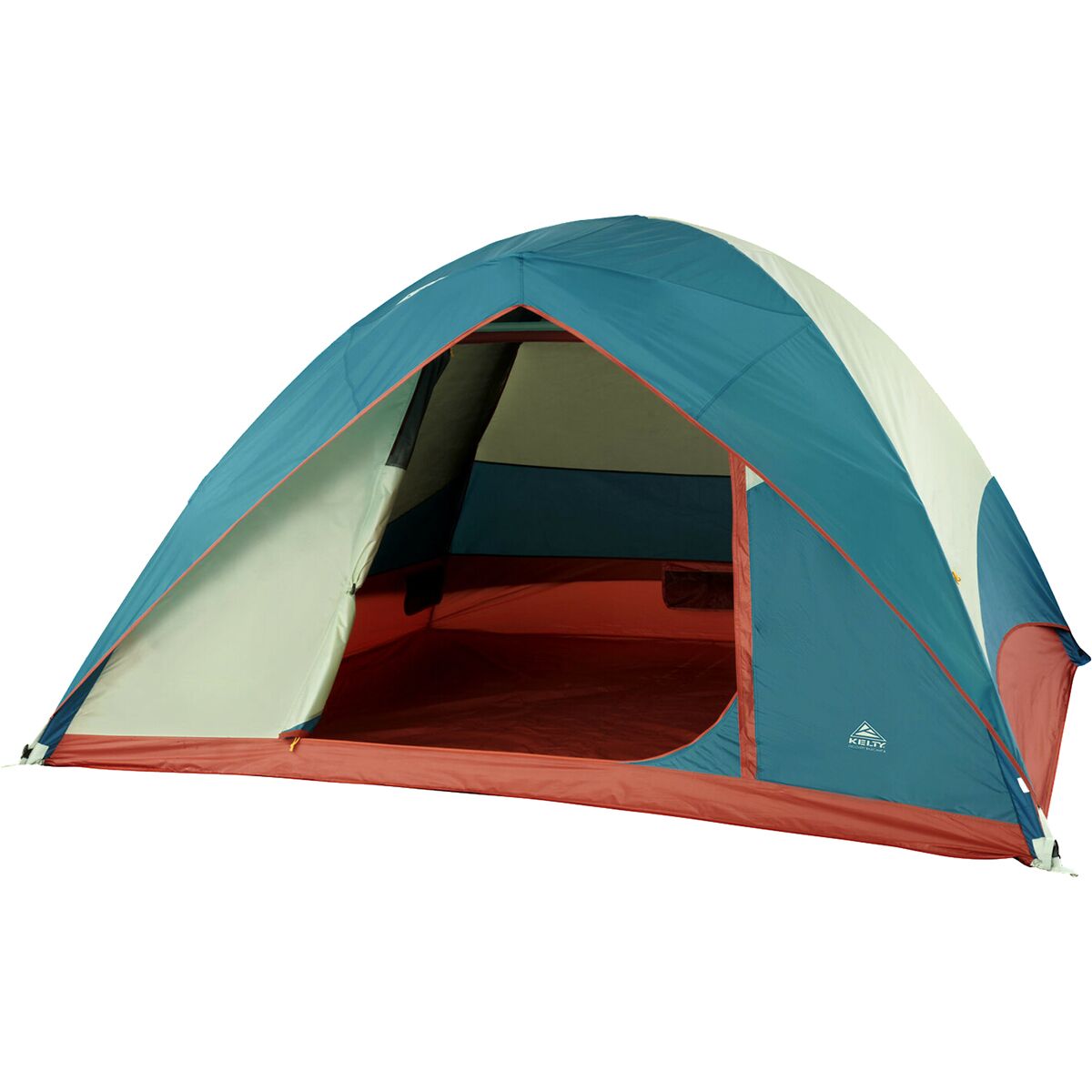
Kelty Discovery Basecamp 6 Tent: 6-Person 3-Season
Spacious and straightforward design makes this tent easy to setup and take down. Perfect for beginning campers.
- Beginner-friendly
- Quick setup
- Spacious interior
- Stress-free camping
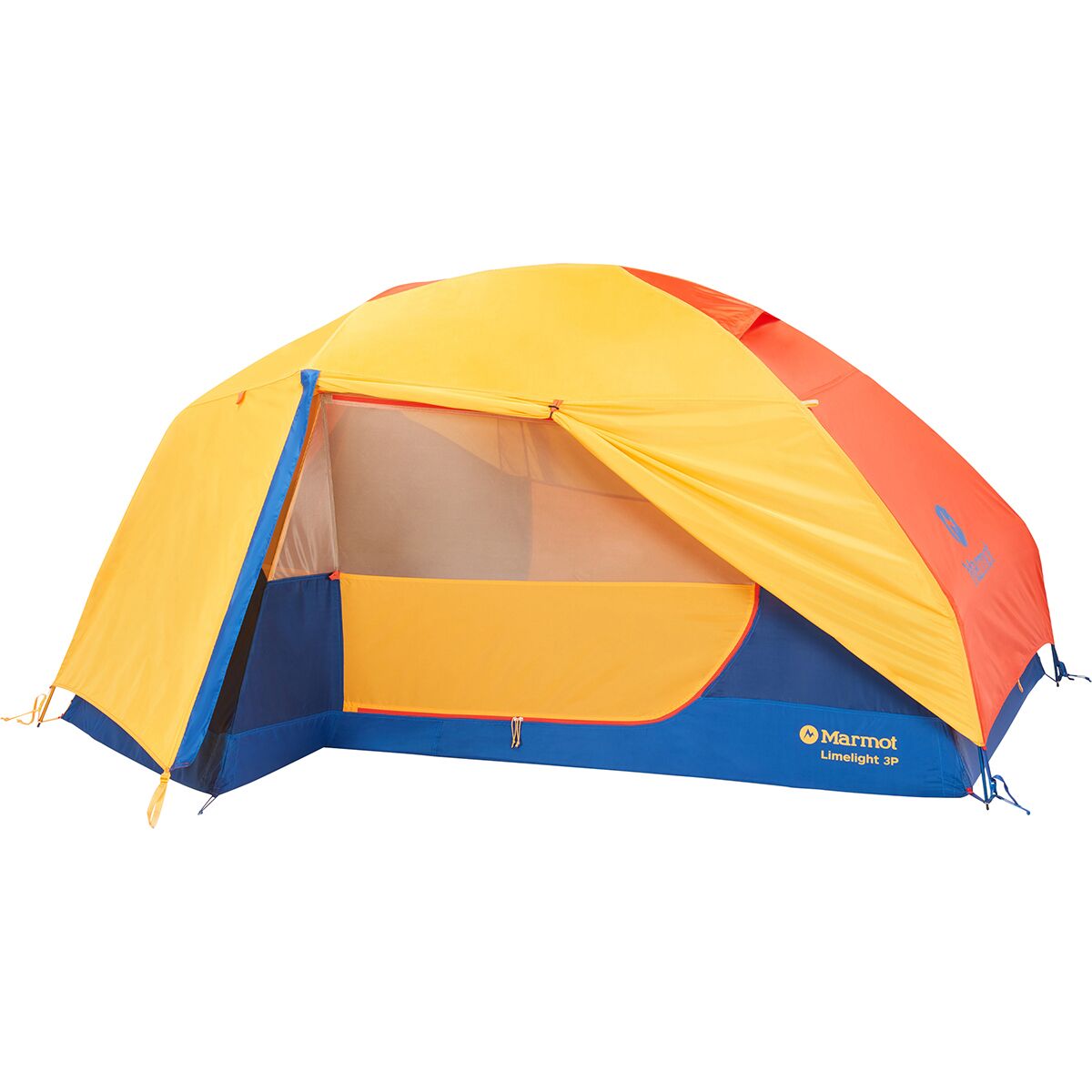
Marmot Limelight Tent: 3-Person 3-Season
Premium tent with painless pole system and double-walled design for excellent weather protection.
- Easy pole system
- Double-walled
- Mesh ventilation
- All-season ready
Sleep Systems for Kids
Getting kids to sleep outdoors is often parents' biggest concern, but with the right sleep system, children often sleep better in the fresh air than at home. The key is creating a comfortable, familiar sleep environment that keeps them warm throughout the night.
Temperature regulation is critical - kids lose body heat faster than adults, so err on the side of warmer sleeping bags. For children under six, consider sleeping bag options that allow zipping two bags together, letting a parent sleep alongside a nervous first-timer. Sleeping pads are equally important as insulation from the cold ground - even in summer, ground temperatures can sap body heat quickly.
Tips for Getting Kids to Sleep Outdoors
- Bring a favorite stuffed animal or blanket from home
- Maintain bedtime routines (stories, songs, etc.)
- Use a small nightlight or leave a lantern on low
- Dress kids in layers they can adjust themselves
- Position sleeping bags so kids are near parents
- Tire them out with activities during the day
Sleeping Bags
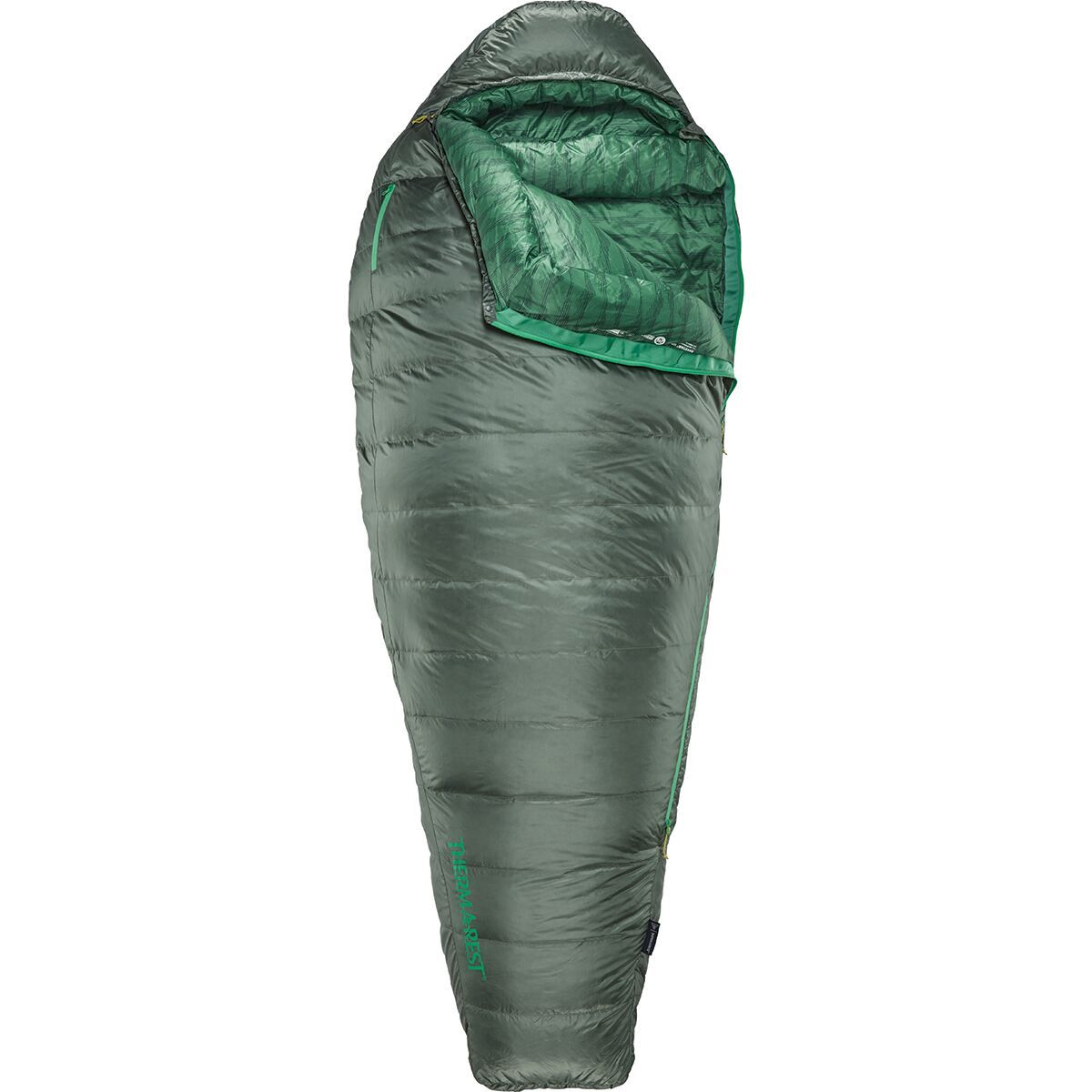
Therm-a-Rest Questar Sleeping Bag: 32F Down
Down-insulated mummy bag with extra room for multiple sleep positions. Insulated foot pocket keeps toes warm.
- Down insulation
- W.A.R.M. fit
- Toe-asis foot pocket
- Under 2 lbs
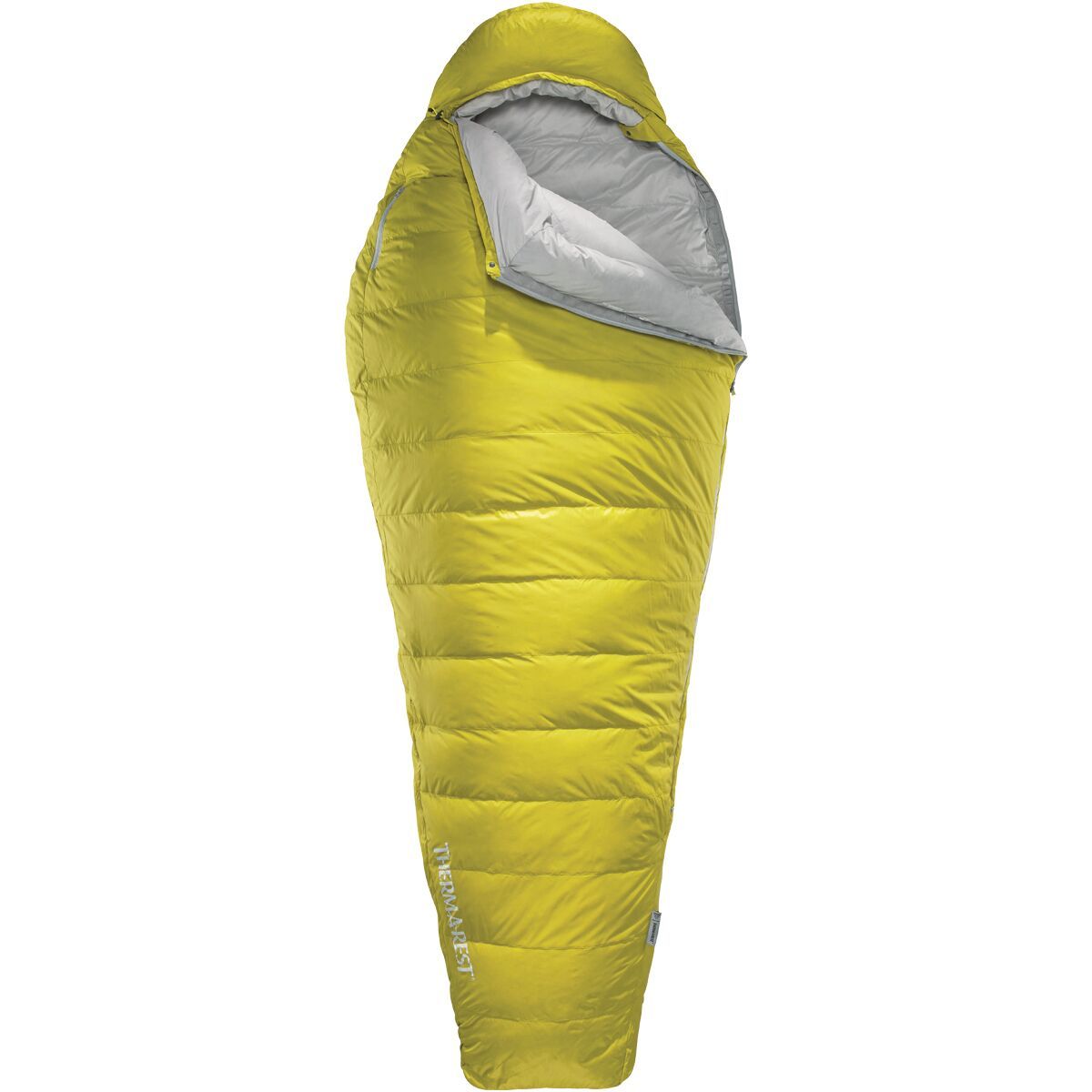
Therm-a-Rest Parsec Sleeping Bag: 32F Down
Lofty Nikwax Hydrophobic goose down provides 5-star sleeping comfort for weekend camping trips.
- Hydrophobic down
- Sleek nylon shell
- Excellent warmth
- Great for car camping
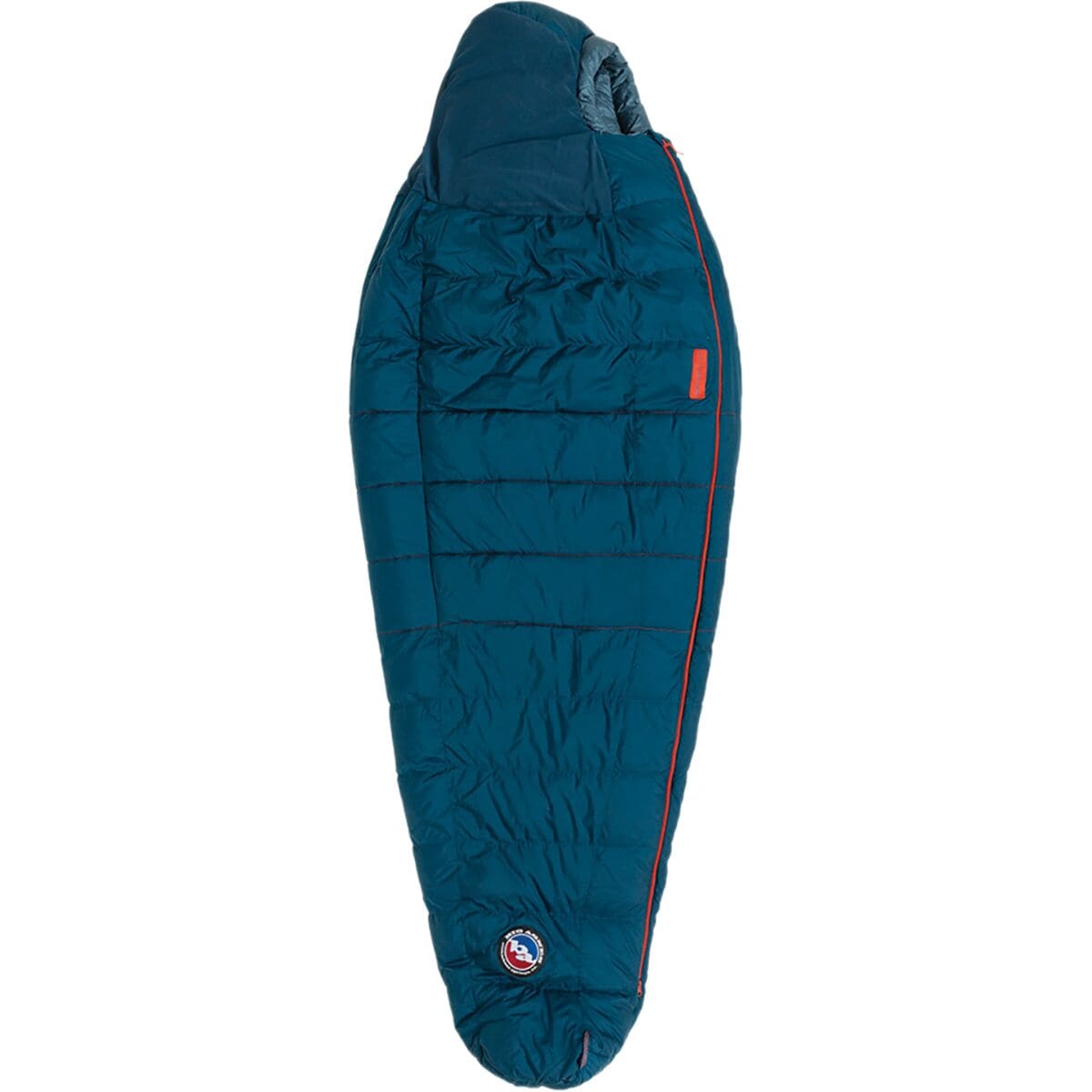
Big Agnes Sidewinder SL Sleeping Bag: 35F Down
Built specifically for side sleepers with added insulation on hip and feet for comfort.
- Side sleeper design
- Fireline synthetic
- Reduced pressure points
- Comfortable fit
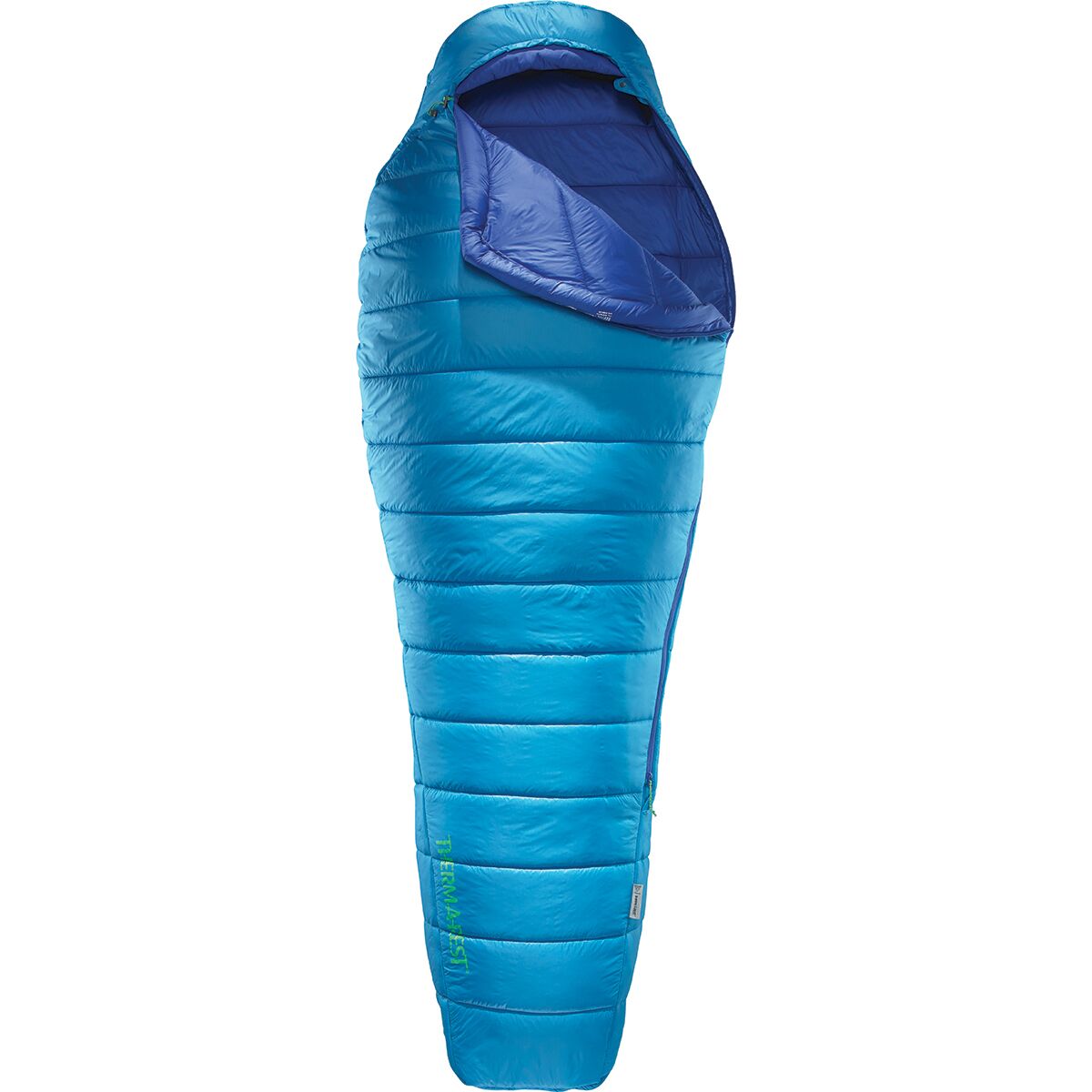
Therm-a-Rest Space Cowboy Sleeping Bag: 45F Synthetic
Synthetic insulation that performs even when damp. Perfect for summer camping or warm sleepers.
- Synthetic eraLoft
- Water-resistant
- Zoned insulation
- Budget-friendly
Sleeping Pads
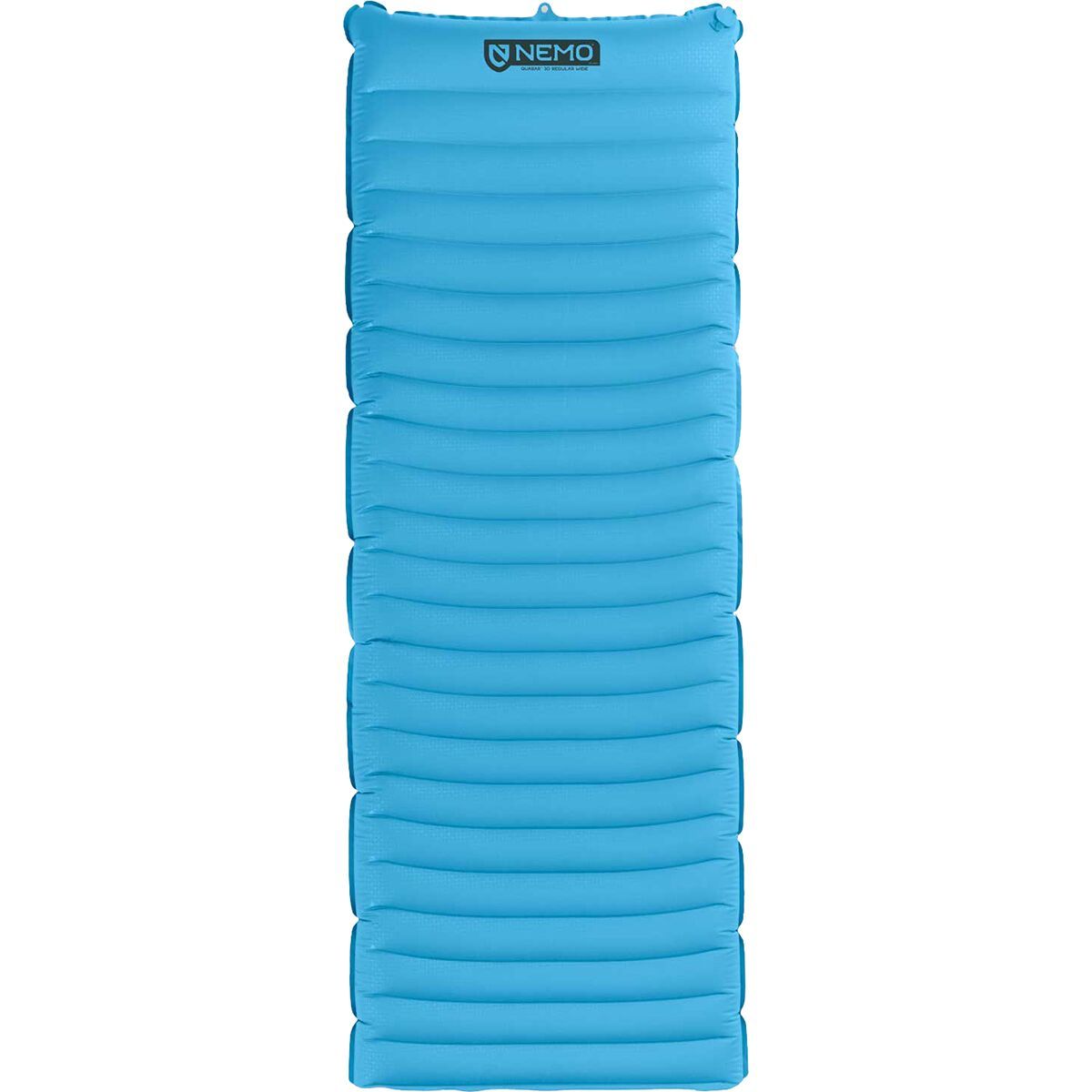
NEMO Equipment Quasar 3D Sleeping Pad
Rippled design keeps you centered on the pad even while tossing and turning. Quick twist valve for easy deflation.
- 3D rippled design
- Stay centered
- Twist valve
- Refreshing sleep

Therm-a-Rest Z Lite SOL Sleeping Pad
Ultralight closed-cell foam pad with heat-reflective layer. Bombproof and perfect for kids.
- Heat-reflective
- Ultralight
- Fast fold
- Indestructible
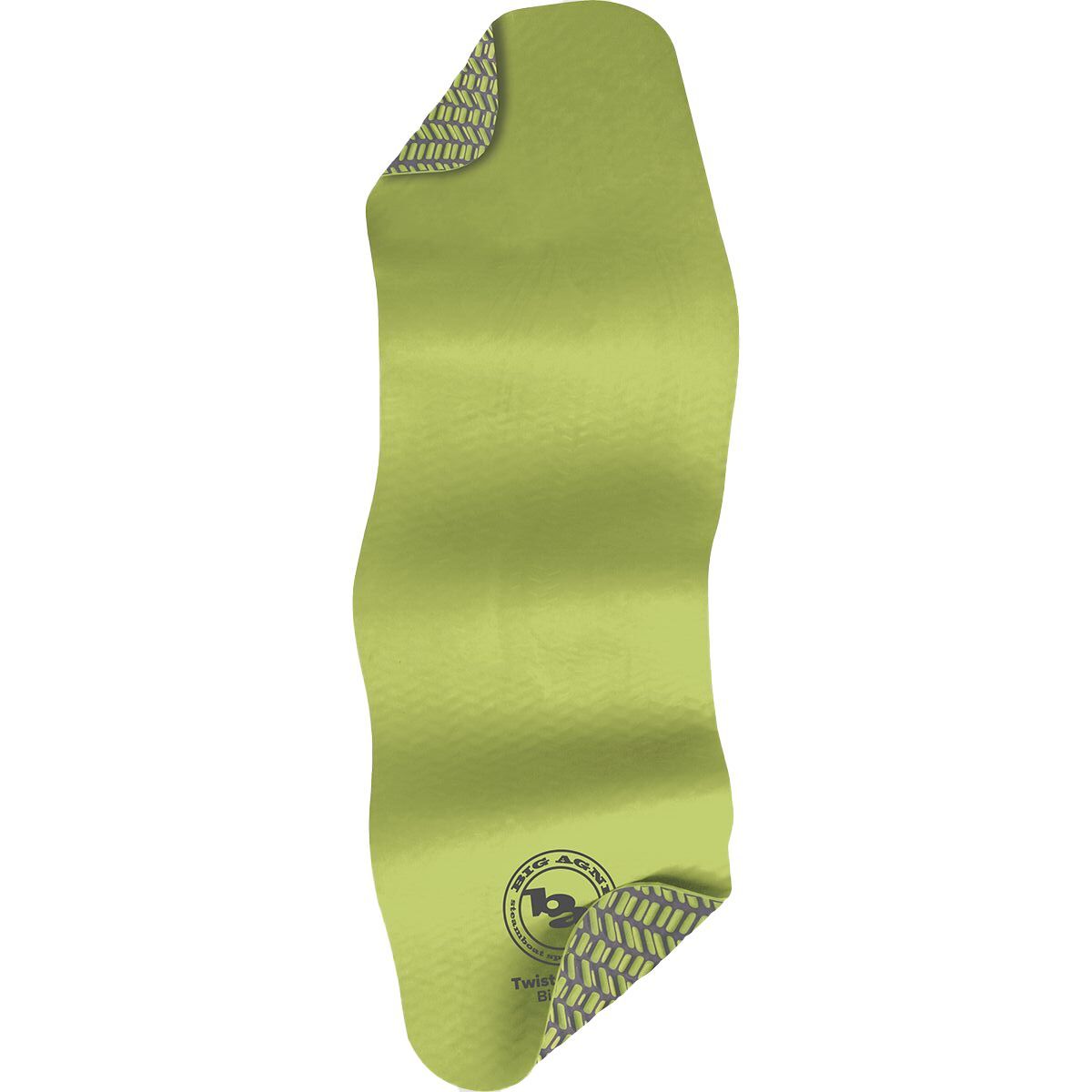
Big Agnes TwisterCane BioFoam Sleeping Pad
Lightweight, tight-rolling pad made from sugarcane-based foam. Carbon-negative construction.
- Sugarcane foam
- Carbon-negative
- Tight rolling
- Layer with inflatable
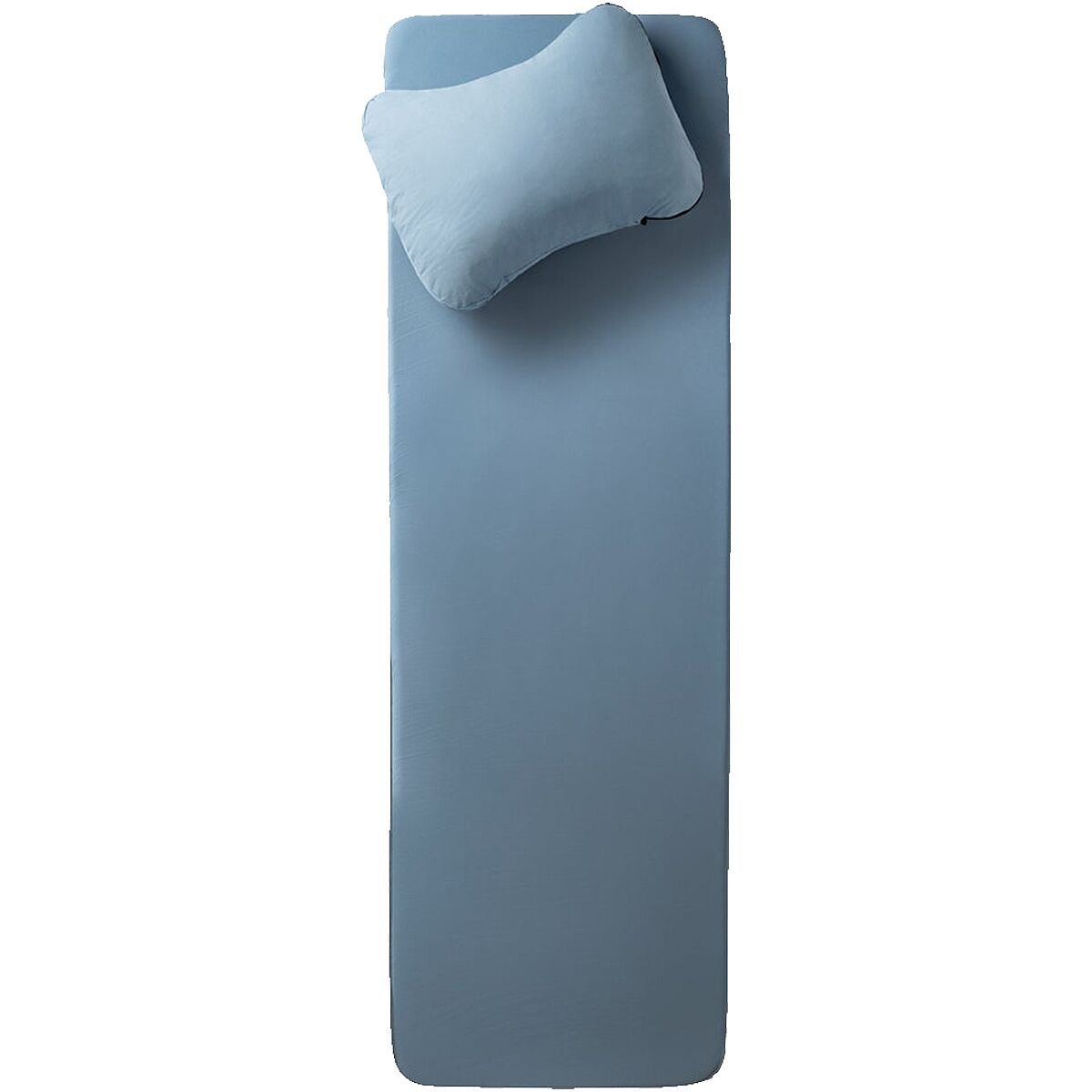
HEST Sleep System
Thick memory foam mattress for home-like sleep quality. Perfect for car camping families who prioritize rest.
- Memory foam
- Temperature controlled
- Truck bed compatible
- Home comfort
Camp Kitchen Essentials
Meal times at camp can be highlights of the trip or major stress points - the difference is preparation. Kids need regular meals and snacks to maintain energy and mood, so having a well-organized camp kitchen with the right equipment makes feeding the family outdoors almost as easy as at home.
For car camping families, a two-burner stove provides the versatility to cook pancakes while heating water for coffee. Bring familiar foods for the first few trips - camping is not the time to introduce new recipes to picky eaters. Pack plenty of easy snacks like trail mix, fruit, cheese sticks, and granola bars for hiking breaks and between-meal hunger.
Easy Camp Meals Kids Love
Breakfast
- - Pancakes & syrup
- - Scrambled eggs & toast
- - Oatmeal with fruit
- - Bagels & cream cheese
Lunch
- - PB&J sandwiches
- - Hot dogs on sticks
- - Quesadillas
- - Trail wraps
Dinner
- - Foil packet dinners
- - Campfire pizza
- - One-pot pasta
- - Grilled burgers
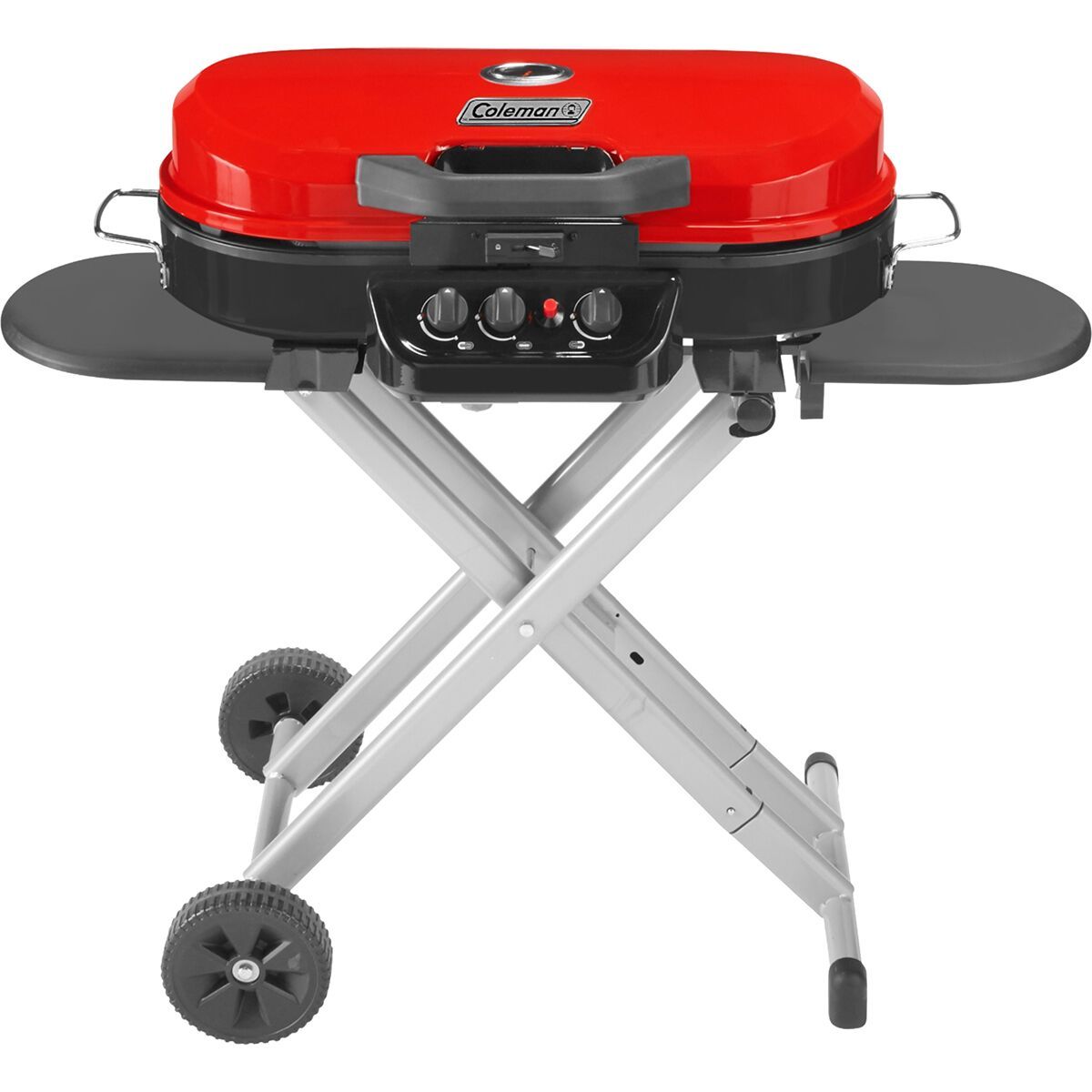
Coleman Roadtrip 285 SU Grill
Three independently adjustable burners with built-in thermometer. Rugged wheels and trolley handle.
- 3 burners
- Built-in thermometer
- Nesting side tables
- Trolley wheels
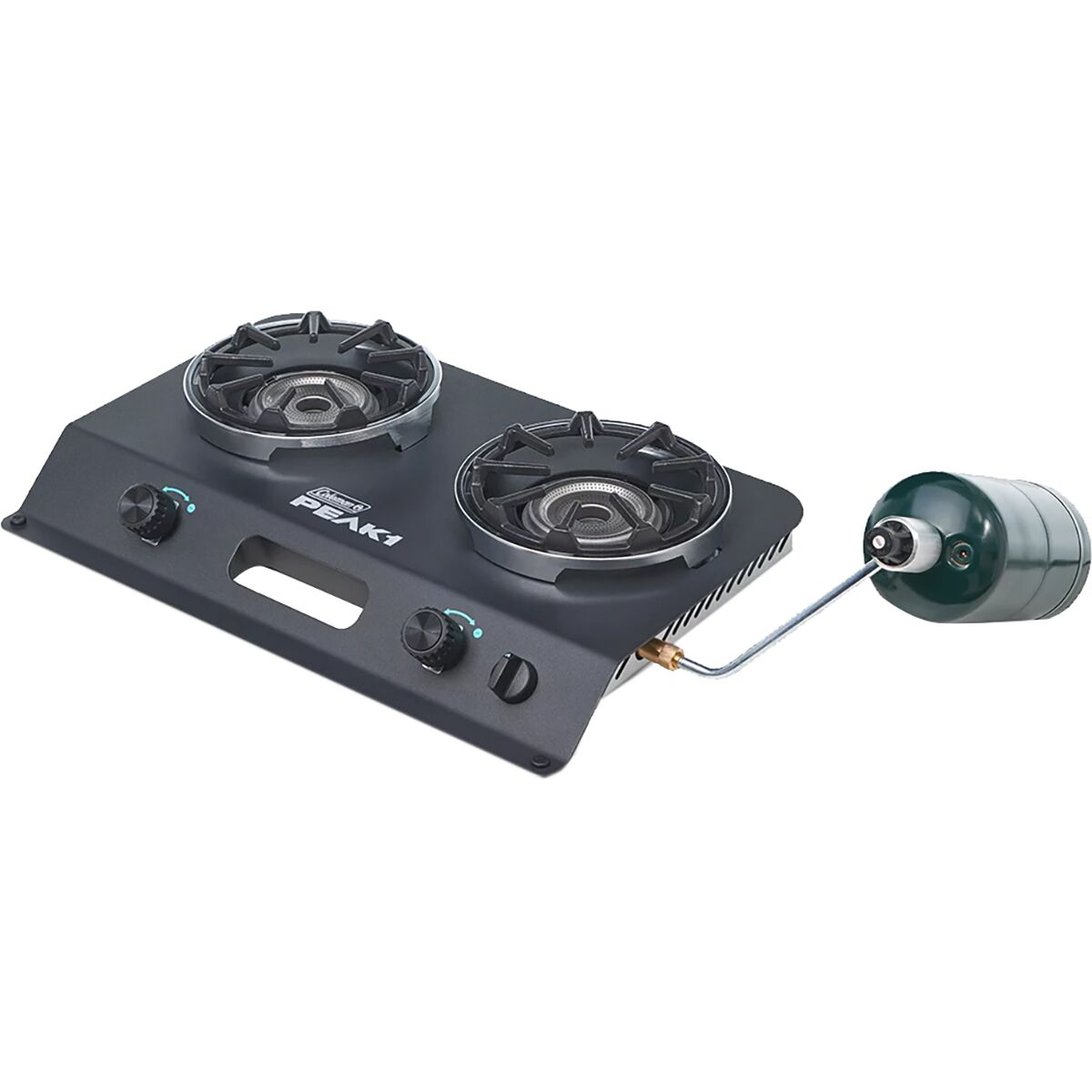
Coleman Peak1 2 Burner Stove
Compact two-burner with powerful output. Wind protection keeps things cooking in any conditions.
- 2 powerful burners
- Wind protection
- Compact size
- Individual adjustment
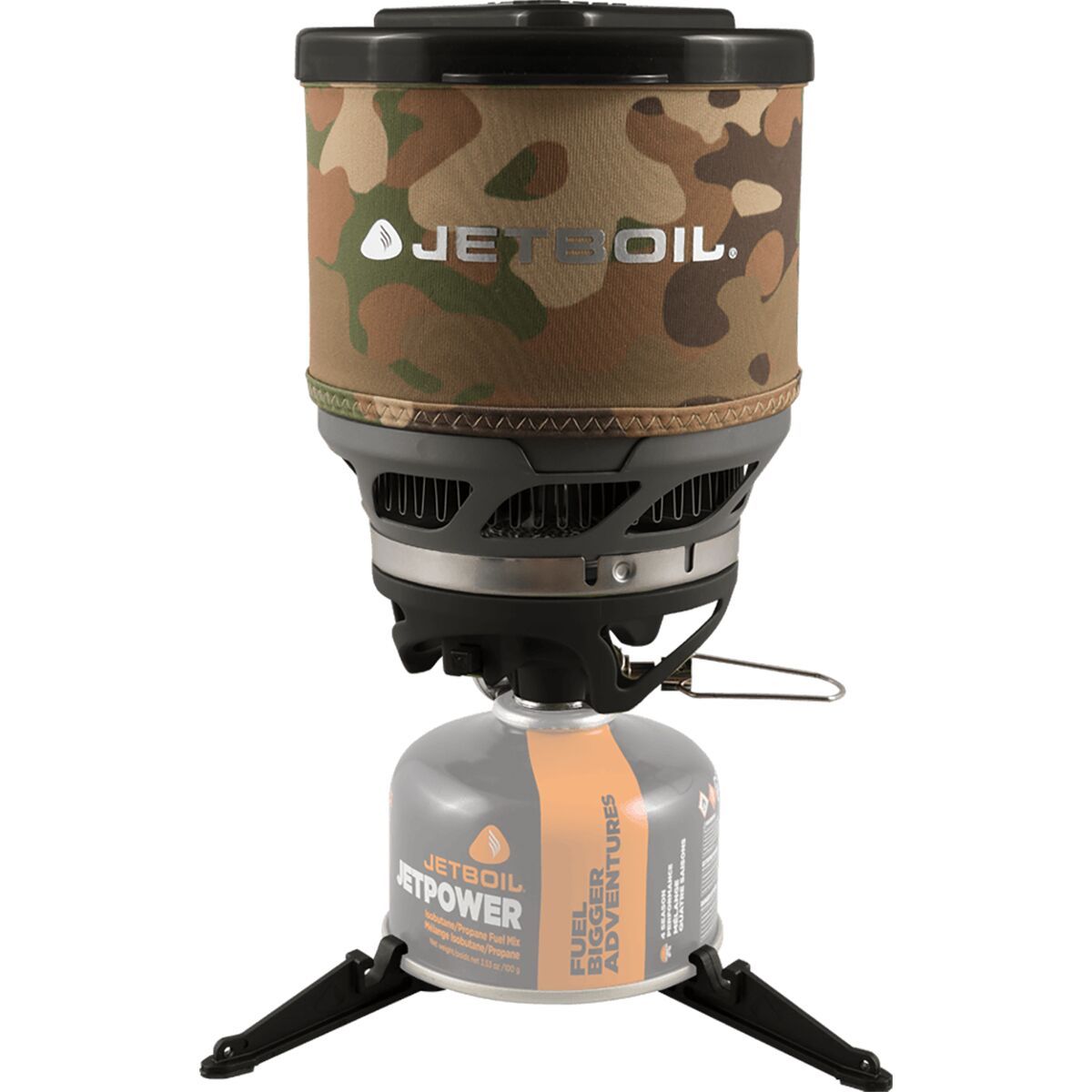
Jetboil MiniMo Stove
Efficient 1-liter cooking system perfect for quick boiling. Ideal for dehydrated meals.
- 1-liter capacity
- Fast boiling
- Compact design
- Efficient cooking

MSR Trail Mini Duo Cook Set
1.3-liter pot that nests fuel canister and stove. Perfect for couples or small families.
- 1.3L capacity
- Nesting design
- Space-saving
- Budget-friendly
Keeping Kids Entertained at Camp
One of the beautiful things about camping is that nature provides endless entertainment - but a few planned activities help fill slower moments and prevent boredom-related meltdowns. The best camp activities engage children with their surroundings while burning energy for better sleep.
Nature Exploration
- Scavenger hunts with nature lists (pinecone, smooth rock, etc.)
- Bug catching and observation (with magnifying glass)
- Bird watching with a simple field guide
- Leaf and bark rubbing art projects
- Star gazing and constellation identification
Campsite Games
- Flashlight tag after dark
- Card games and travel board games
- Campfire stories (age-appropriate!)
- Building fairy houses from natural materials
- Rock painting (bring washable paints)
Camp Chairs & Comfort
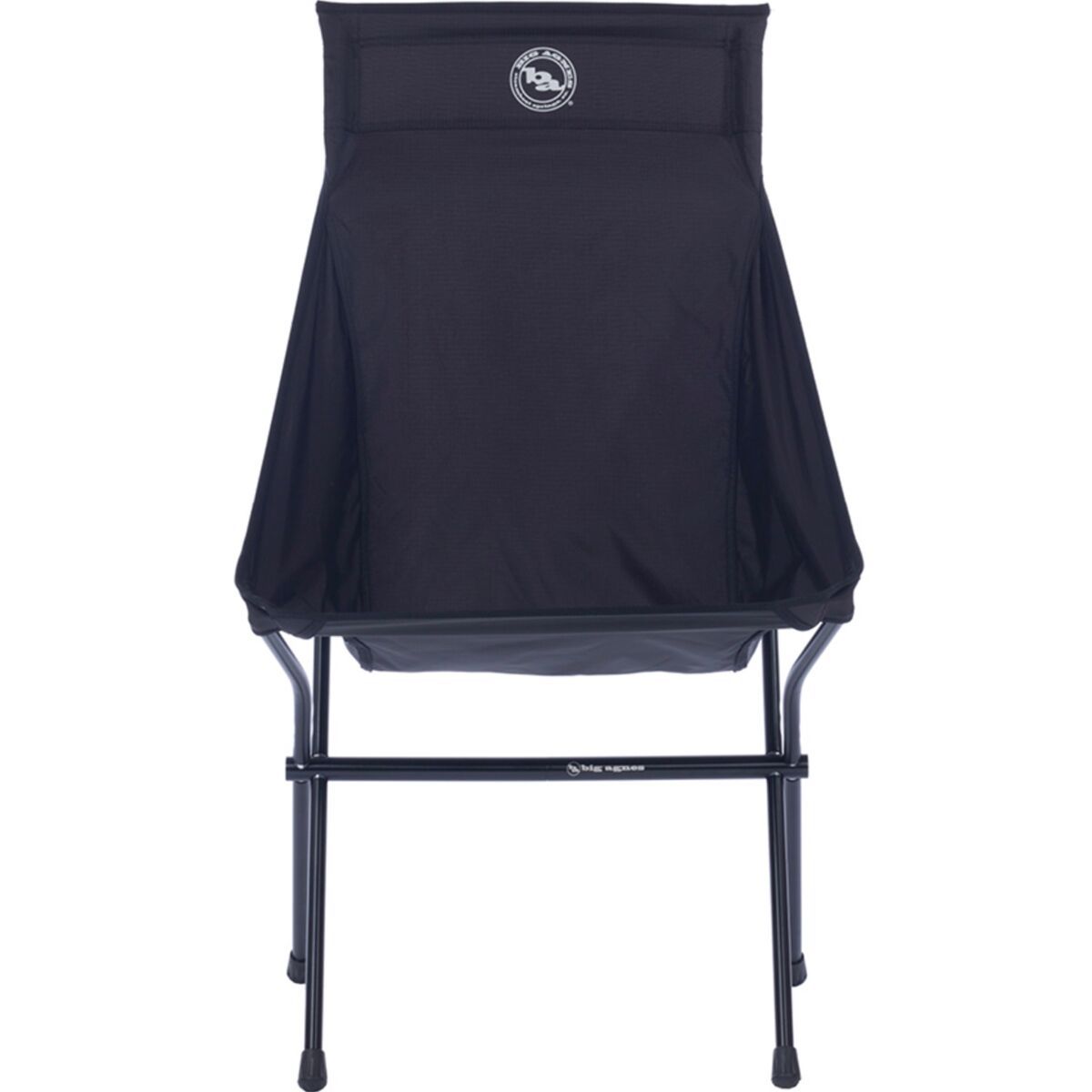
Big Agnes Big Six Camp Chair
Tall back and wide seat accommodates various body types. Packable design perfect for car camping.
- Tall back support
- Wide seat
- Packable design
- Comfortable camping
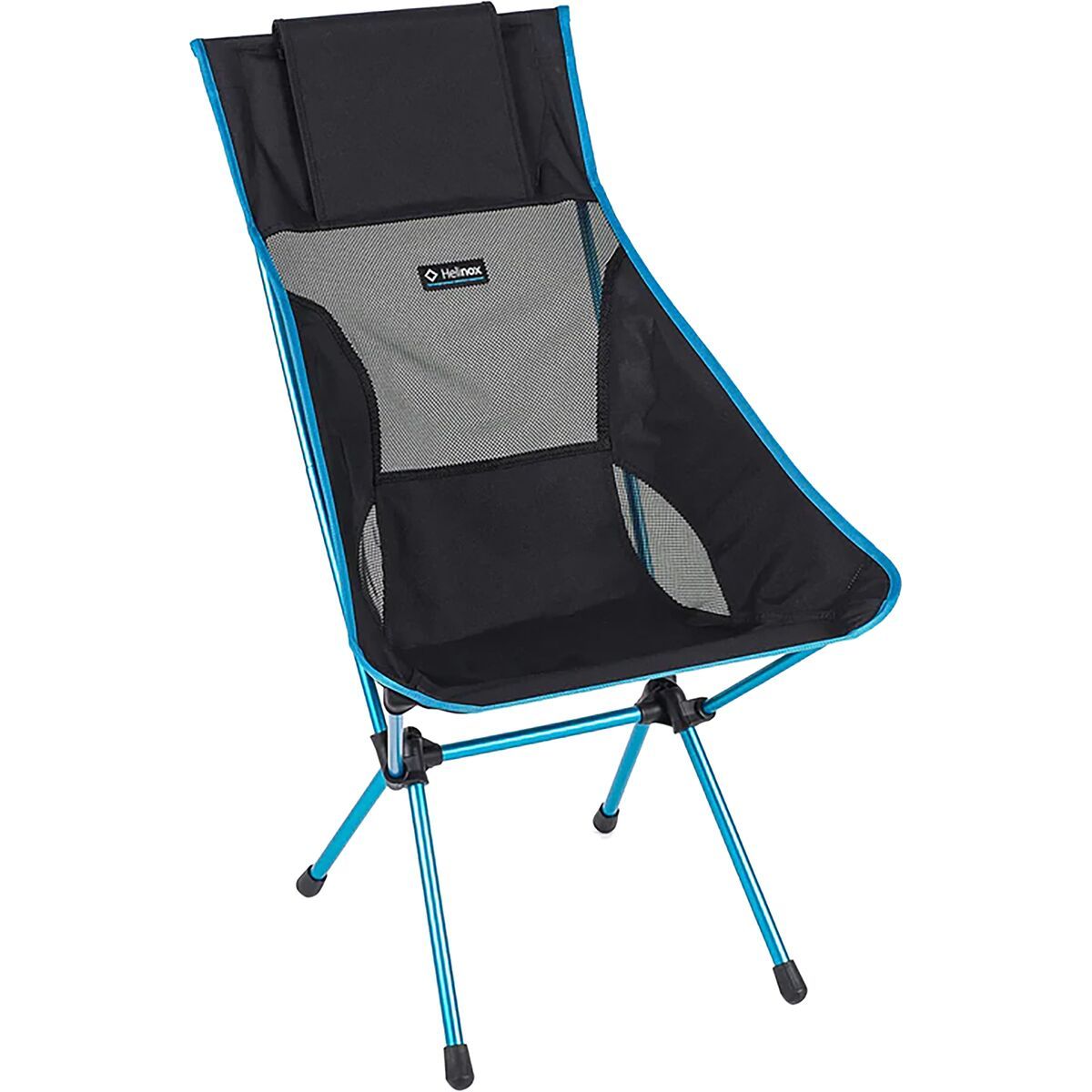
Helinox Sunset Camp Chair
Ultralight with neck support for long days. Stuff sack doubles as a pillow that straps to the chair.
- Neck support
- Stuff sack pillow
- Lightweight
- Concert & park ready
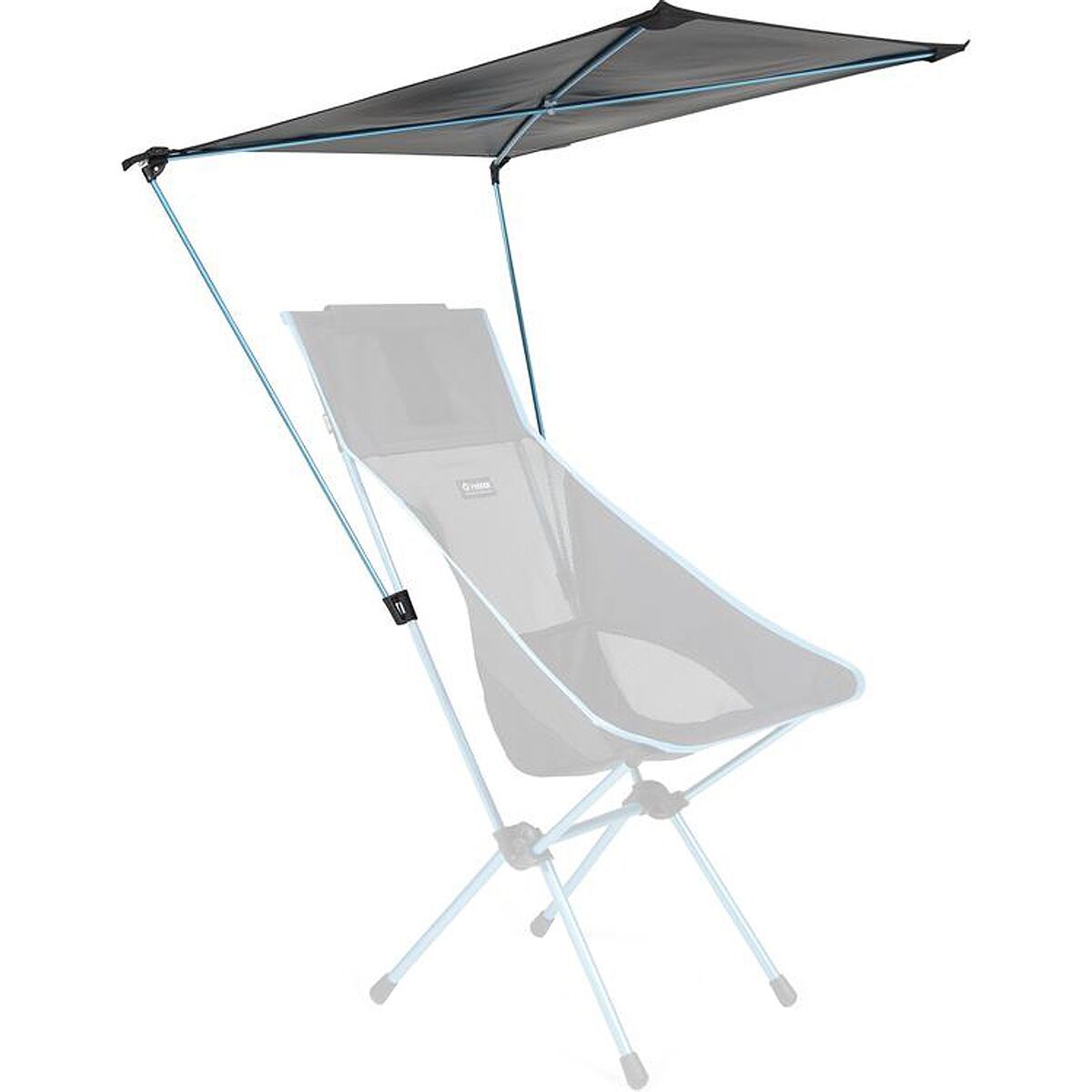
Helinox Personal Shade
Clip-on shade canopy for Helinox chairs. Adjustable design keeps the sun at bay.
- Sun protection
- Adjustable
- Easy clip-on
- Packable
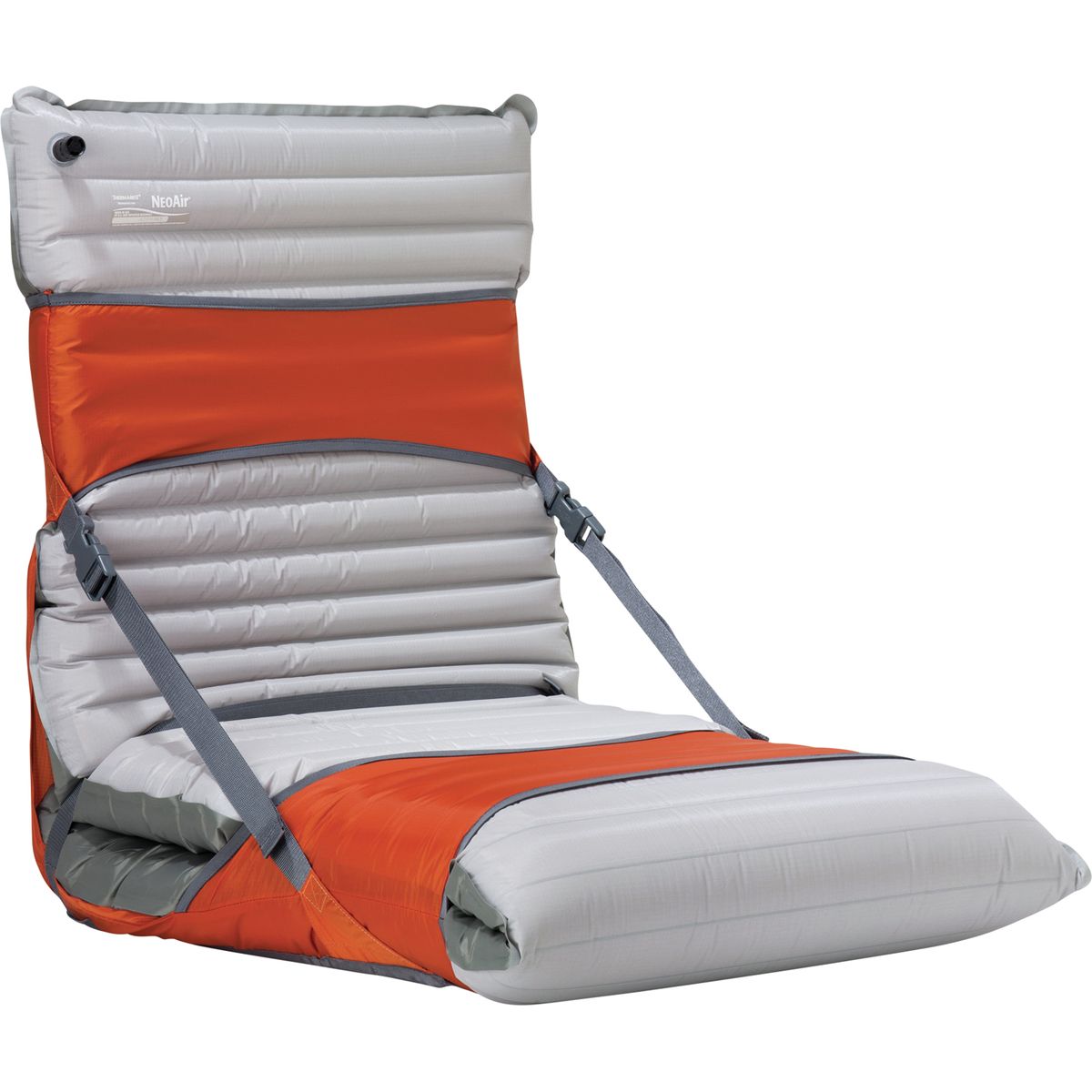
Therm-a-Rest Trekker Lounge Chair Kit
Converts your sleeping pad into a comfortable lounge chair. Perfect space-saving camp furniture.
- Uses sleeping pad
- Packs small
- Dual purpose
- Saves space
Lighting for Fun & Safety
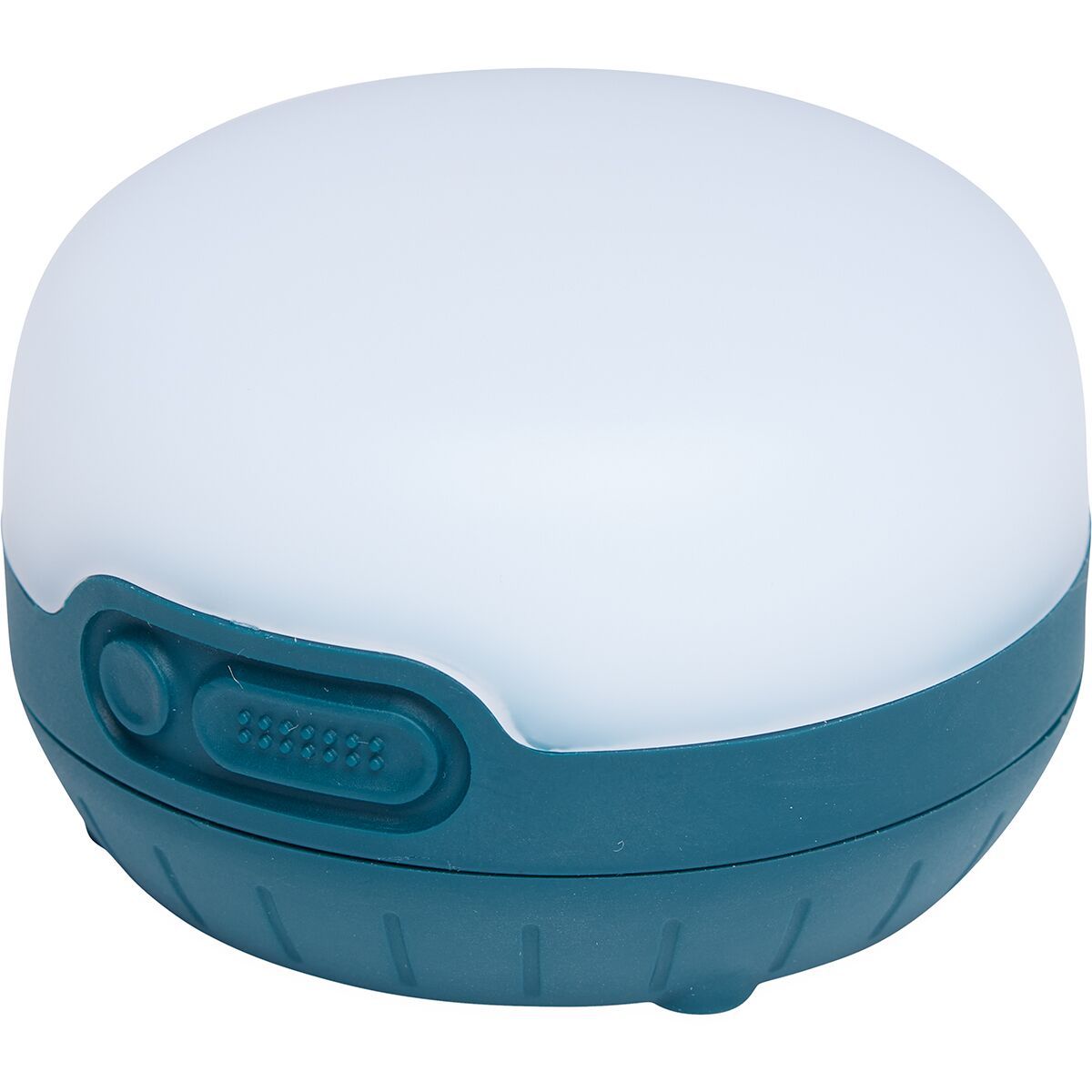
Black Diamond Moji+ Lantern
150 lumens with color-changing capability. Rainbow rotation mode for kids nighttime fun.
- 150 lumens
- Color-changing
- Rainbow mode
- Frosted globe
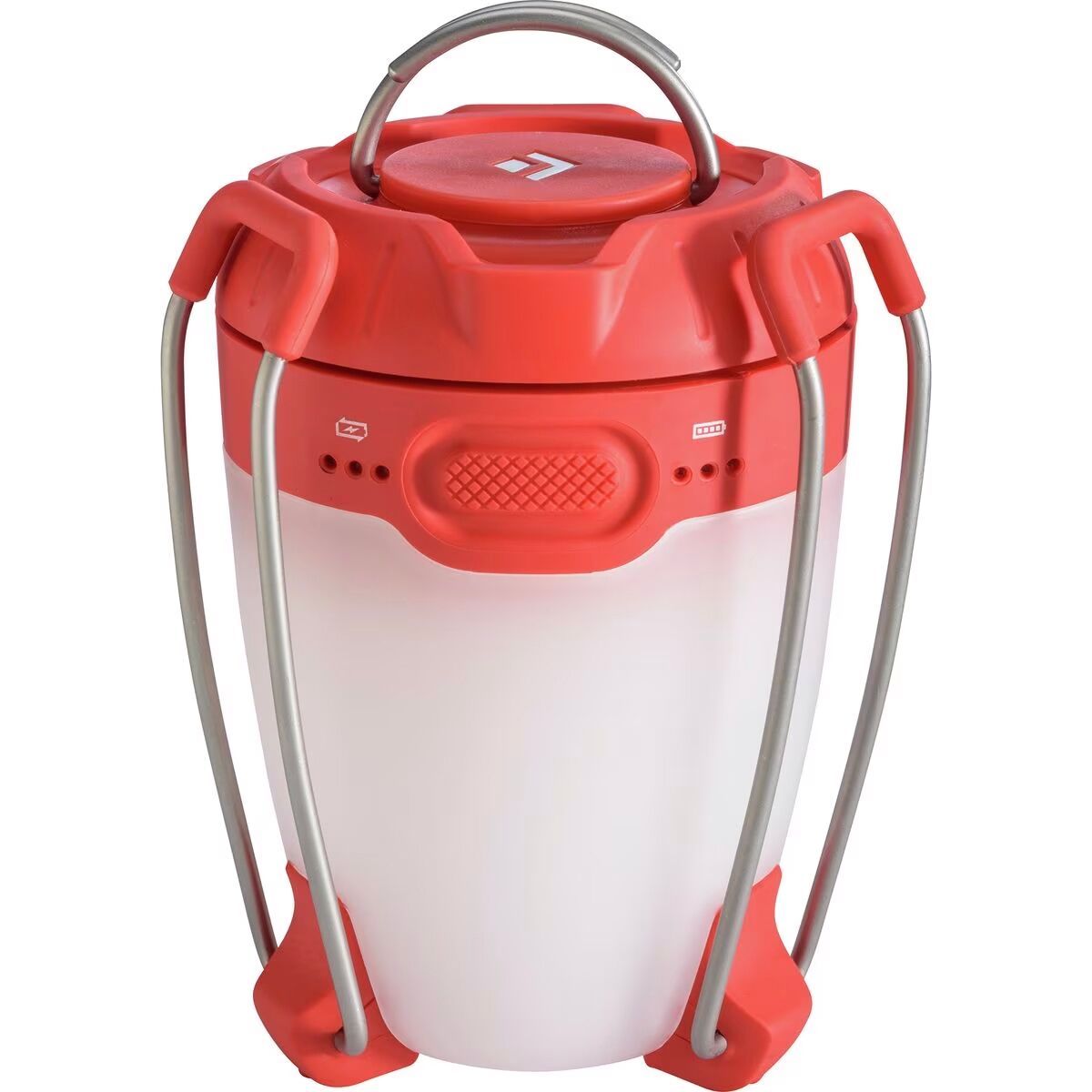
Black Diamond Apollo Lantern
250 lumens of non-glaring light. Fold-down legs for elevation and battery meter included.
- 250 lumens
- Fold-down legs
- Power meter
- Adjustable dimming
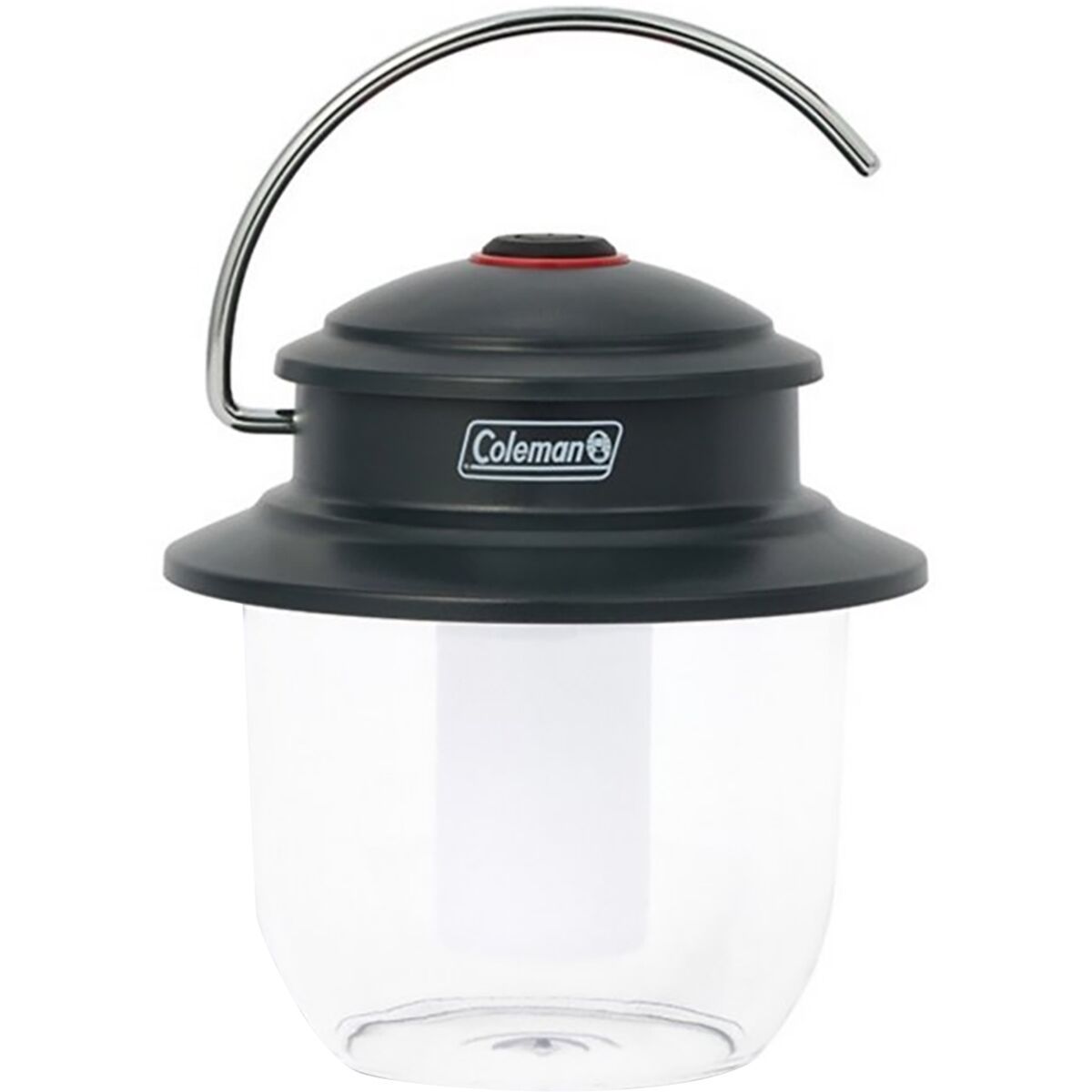
Coleman Classic Recharge 400 Lumen Lantern
Classic style with modern rechargeable battery. Impact-resistant and easy to hang or carry.
- 400 lumens
- Rechargeable Li-ion
- Impact-resistant
- Classic design
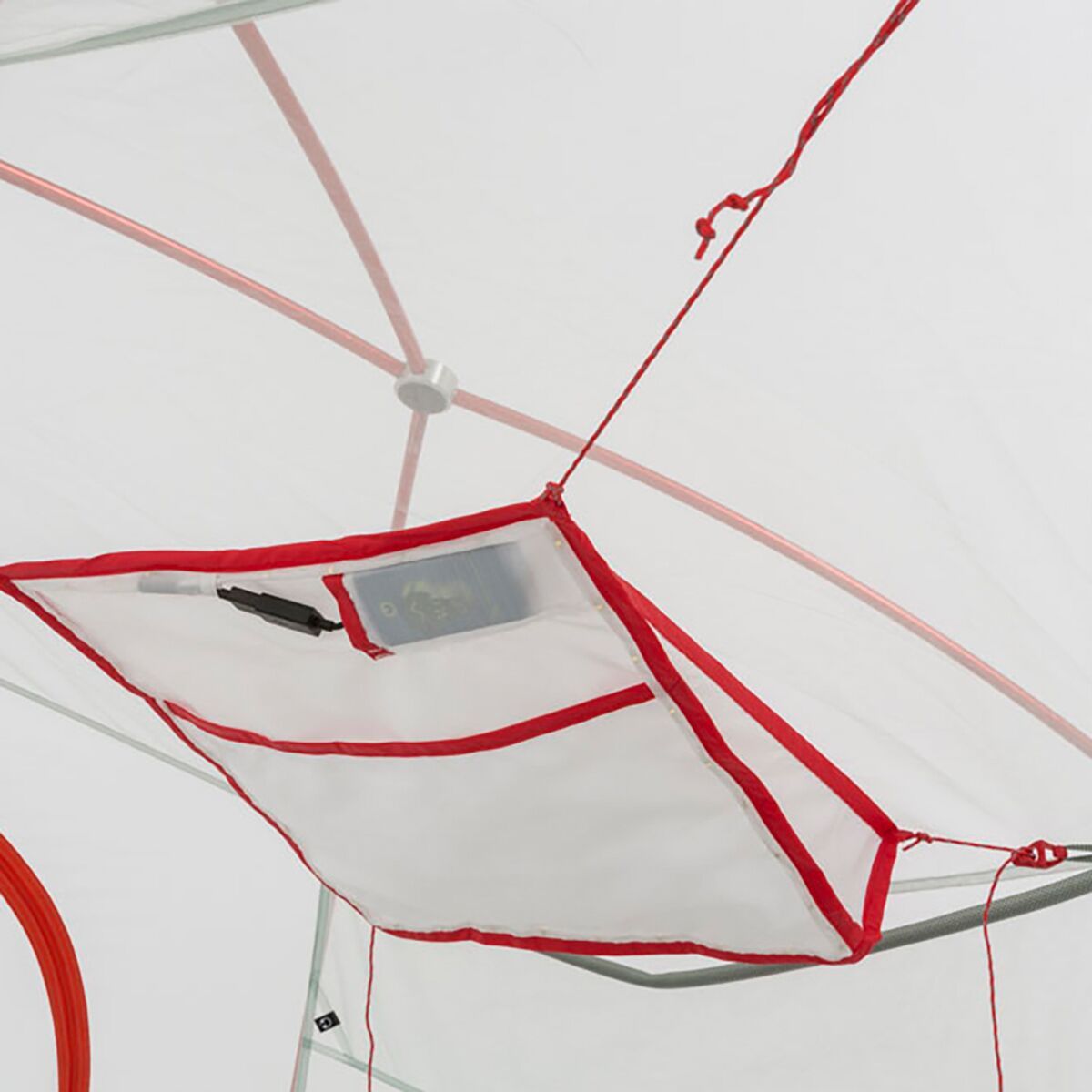
Big Agnes mtnGLO Gear Loft
Illuminated gear loft for tent interior. Soft glow for reading or card games without headlamps.
- Built-in lights
- Gear storage
- Soft glow
- No headlamp needed
Safety & First Aid Essentials
Safety should never be an afterthought when camping with children. Preparation and awareness prevent most incidents, and having the right supplies handles the rest. Every family camping trip should include a well-stocked first aid kit and knowledge of how to use it.
First Aid Kit Essentials
- Bandages in multiple sizes (lots of them!)
- Antiseptic wipes and antibiotic ointment
- Children's pain reliever and fever reducer
- Hydrocortisone cream for bug bites
- Tweezers for splinters and ticks
- Allergy medication (Benadryl)
- Sunscreen and lip balm with SPF
- Insect repellent (kid-safe formula)
Camp Safety Rules for Kids
- Stay within sight of adults at all times
- Never approach or feed wildlife
- Use the buddy system for bathroom trips
- Keep safe distance from fire (3 feet minimum)
- Know the campsite boundaries
- Wear closed-toe shoes around camp
- Never eat plants or berries found in nature
- Know what to do if separated (stay put)
Clothing & Layering for Camp
The key to comfortable camping is layering. Temperatures can swing dramatically from hot afternoons to chilly nights, and kids who are too hot or too cold will let you know about it loudly. Pack layers that can be easily added or removed as conditions change.
Always bring more clothes than you think you need - kids get dirty, wet, and muddy much faster outdoors. A good rule is one complete outfit per day, plus two extras. Do not forget rain gear even if the forecast looks clear; weather in camping areas can change quickly.
The Layering System
Base Layer
Moisture-wicking materials next to skin. Avoid cotton which stays wet and cold. Synthetic or merino wool works best.
Mid Layer
Insulating layer for warmth. Fleece jackets or down vests trap body heat while remaining breathable.
Outer Layer
Wind and water protection. Waterproof rain jacket and pants for wet weather or dewy mornings.
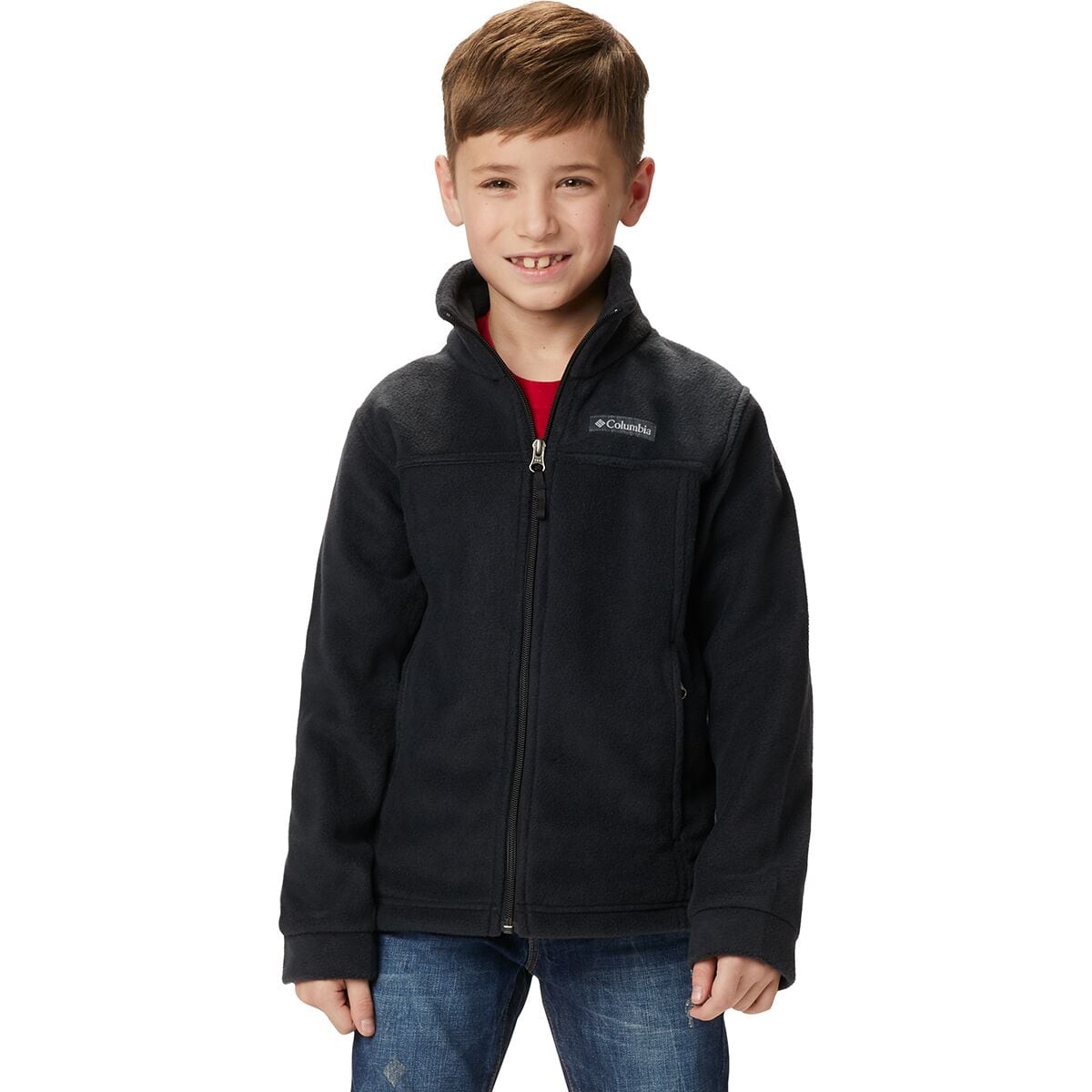
Columbia Steens Mountain II Fleece Jacket - Boys
Super soft MTR fleece perfect for campsite mornings. Durable for playground roughhousing too.
- MTR fleece
- Zippered pockets
- Machine washable
- Layers well
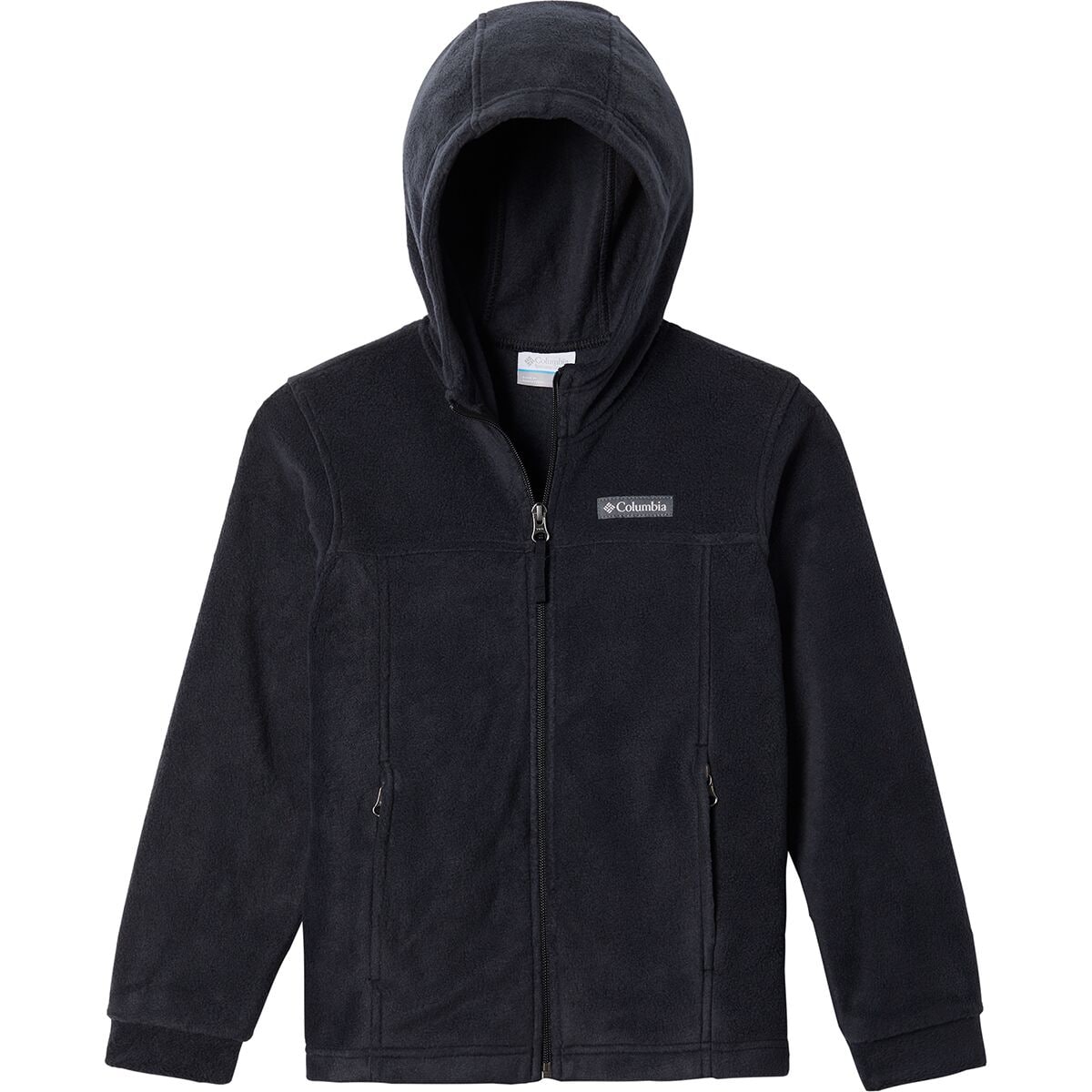
Columbia Steens II Hooded Fleece Jacket - Boys
Midweight fleece with hood for extra coverage. Soft feel kids love to wear all day.
- Hooded design
- Midweight warmth
- Tall collar
- Cozy feel
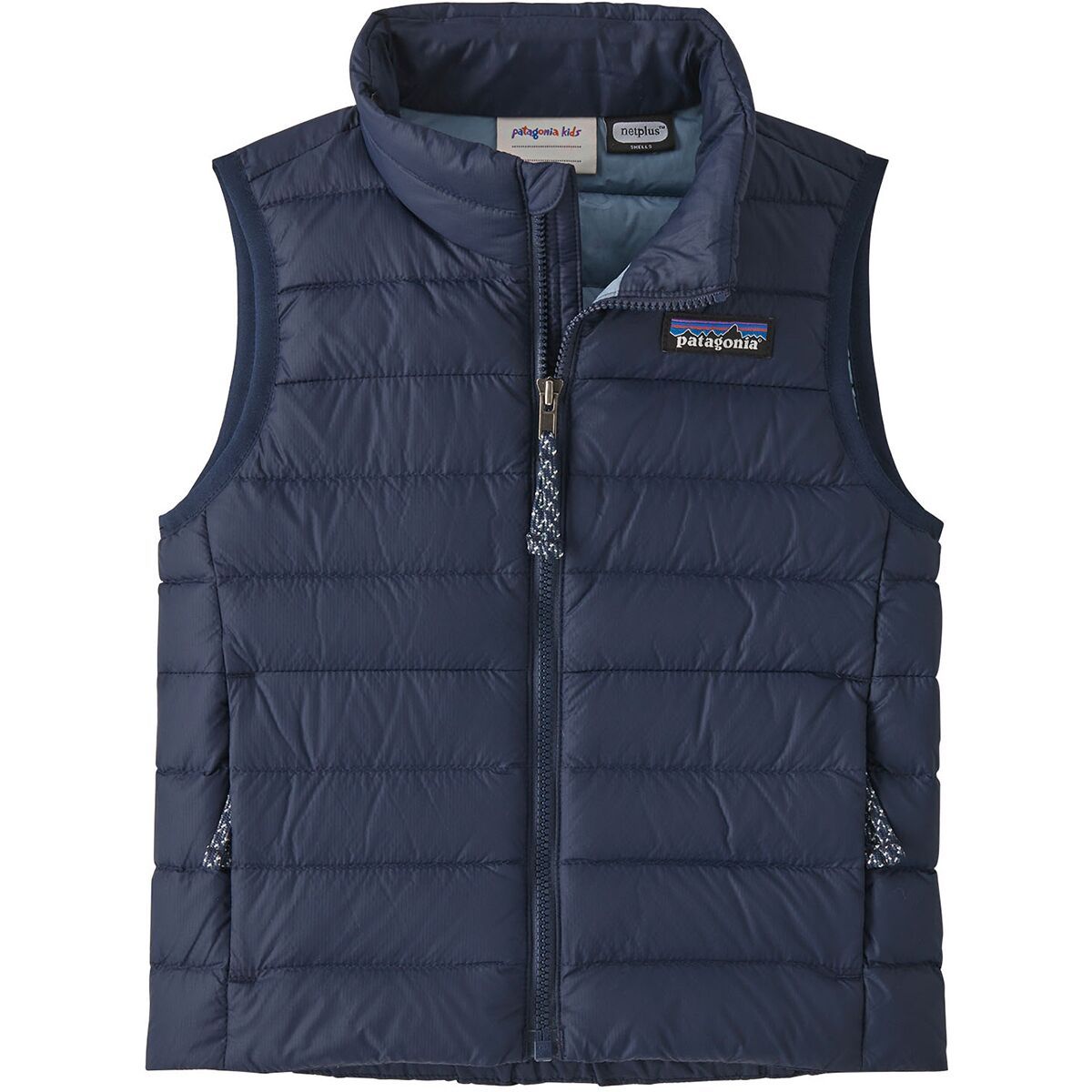
Patagonia Down Sweater Vest - Toddlers
700-fill recycled down for warmth without bulk. DWR coating sheds light moisture.
- 700-fill recycled down
- DWR coating
- Arms free
- Reflective pulls
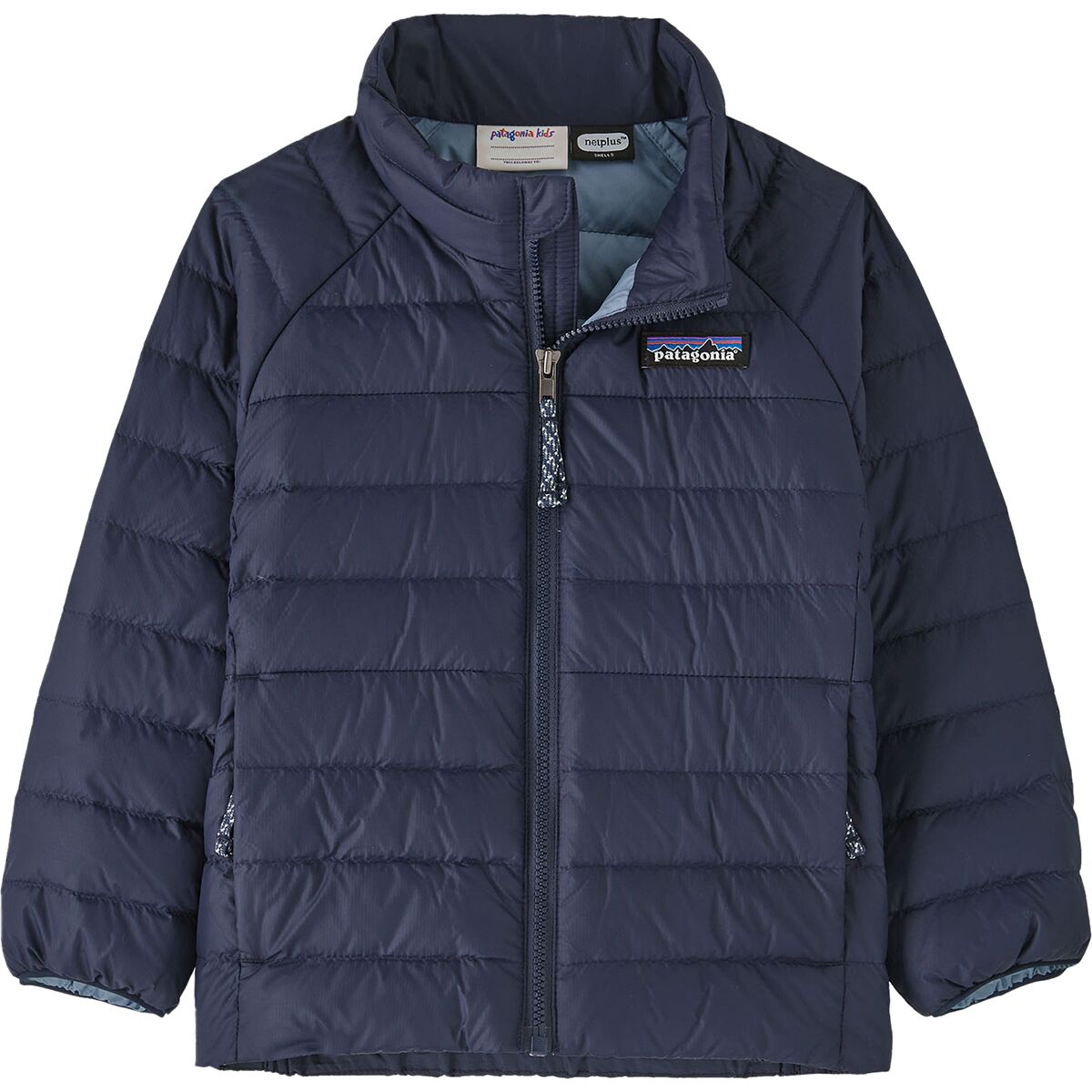
Patagonia Down Sweater Jacket - Toddlers
600-fill down for real warmth in a lightweight package. Perfect for cool camping mornings.
- 600-fill down
- Lightweight
- Raised collar
- Zippered pockets
Car Camping vs Backpacking with Kids
Car Camping
Perfect for beginners and families with young children. You can bring all the comforts of home since weight is not a concern.
Advantages:
- Bring comfort items (big tents, chairs, coolers)
- Easy access to vehicle if plans change
- Usually have bathroom facilities nearby
- Abundant food storage options
Best for: First-time campers, families with children under 5, those who value comfort
Backpacking
More adventurous option for families with older, experienced campers. Requires careful gear selection and physical fitness.
Considerations:
- Weight becomes critical - every ounce matters
- Kids need their own child-sized packs
- Limited food options (dehydrated meals)
- Access to more remote, pristine locations
Best for: Families with children 8+, experienced campers ready for adventure
Day Hiking & Child Carriers
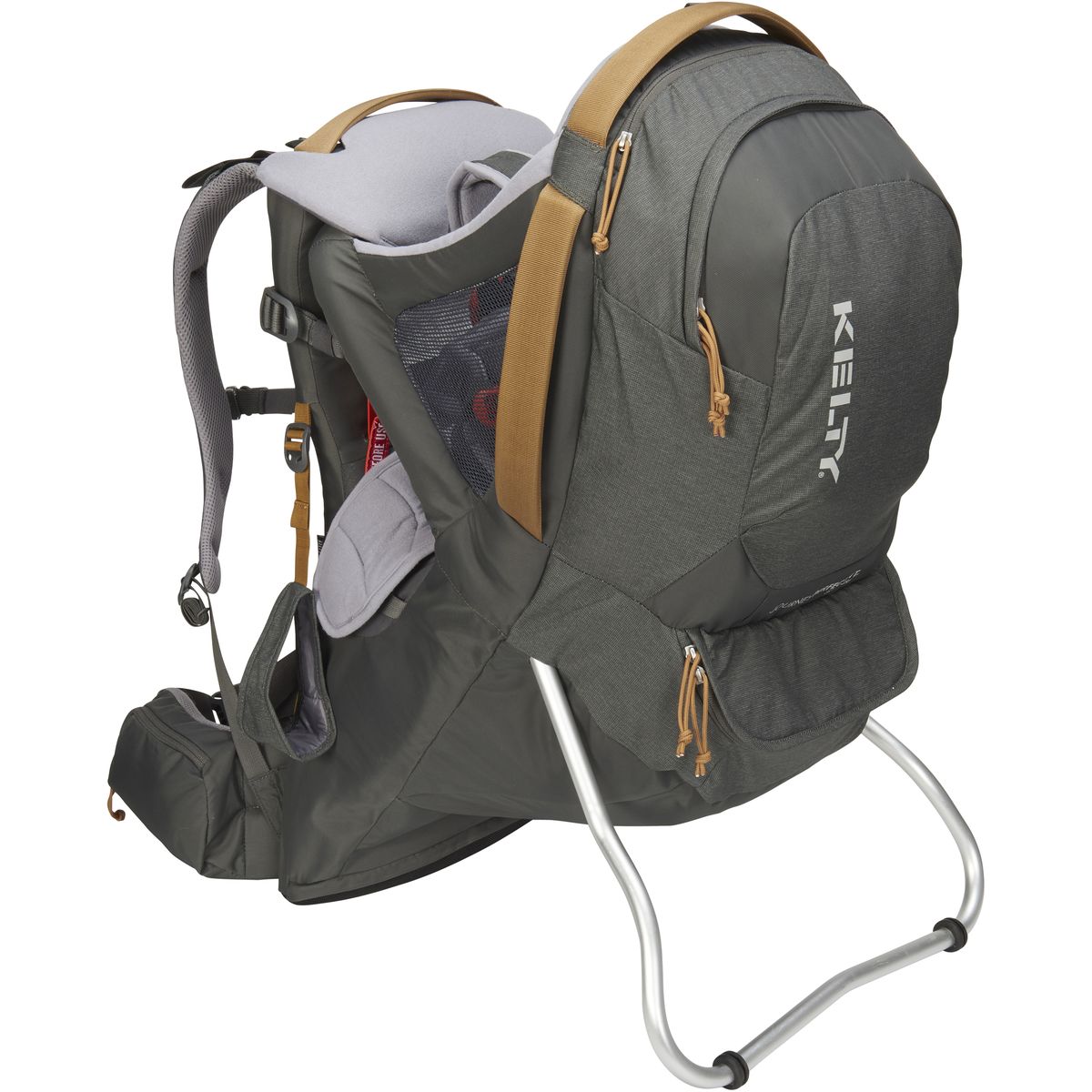
Kelty Journey PerfectFIT Signature 26L Backpack
Child carrier with adjustable PerfectFIT system for both parents. Wide seat with adjustable foot stirrups.
- PerfectFIT system
- Wide child seat
- Adjustable stirrups
- Share between parents

Kelty Journey PerfectFIT Elite 26L Backpack
Elite child carrier with sunshade included. Five-point harness and multiple handles.
- Integrated sunshade
- 5-point harness
- Multiple handles
- Storage pockets
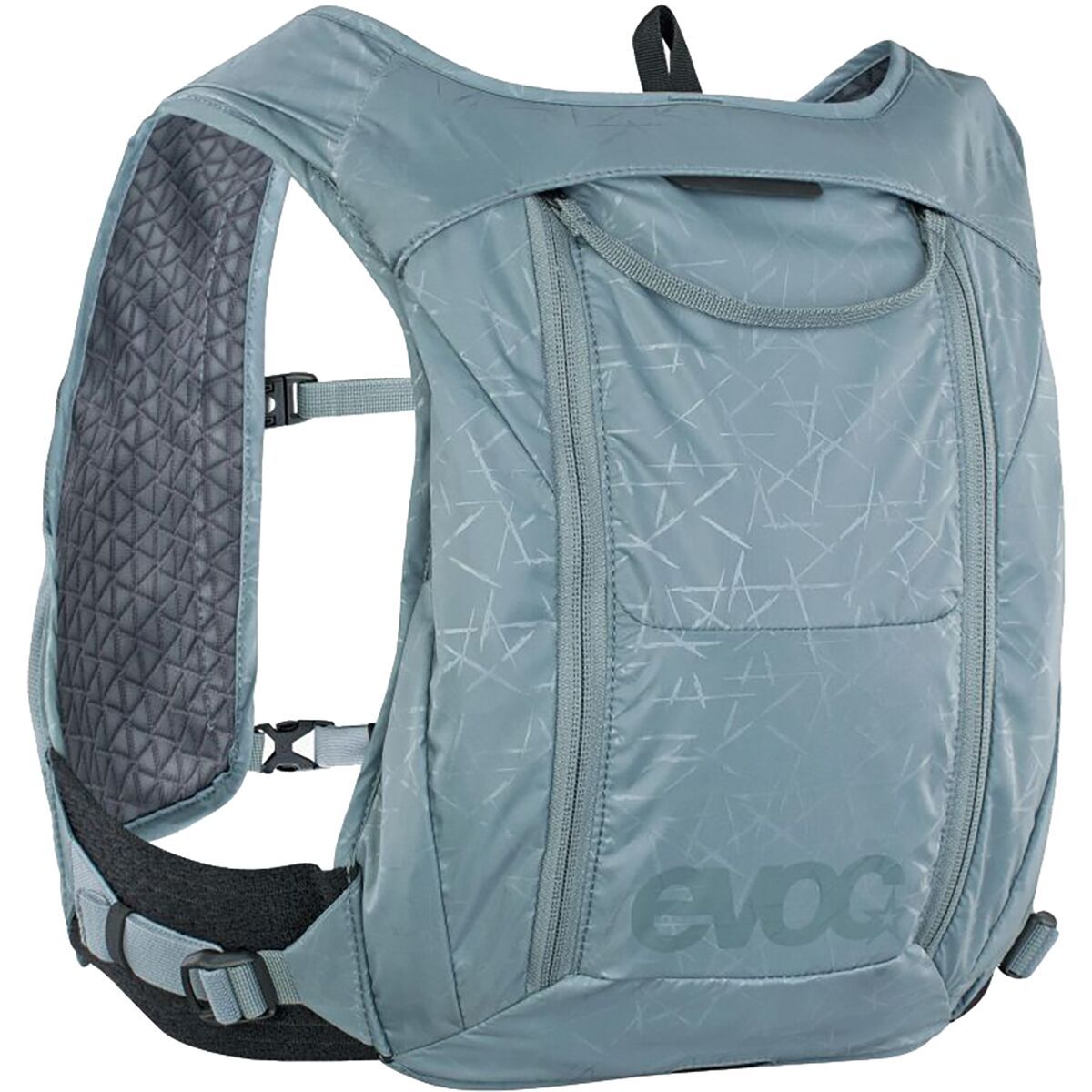
Evoc Hydro Pro Hydration 3L Backpack
Ergonomic hydration pack for day hikes. Flexible fit contours to back for comfort.
- Ergonomic fit
- Hydration compatible
- Chest & waist straps
- 3L capacity
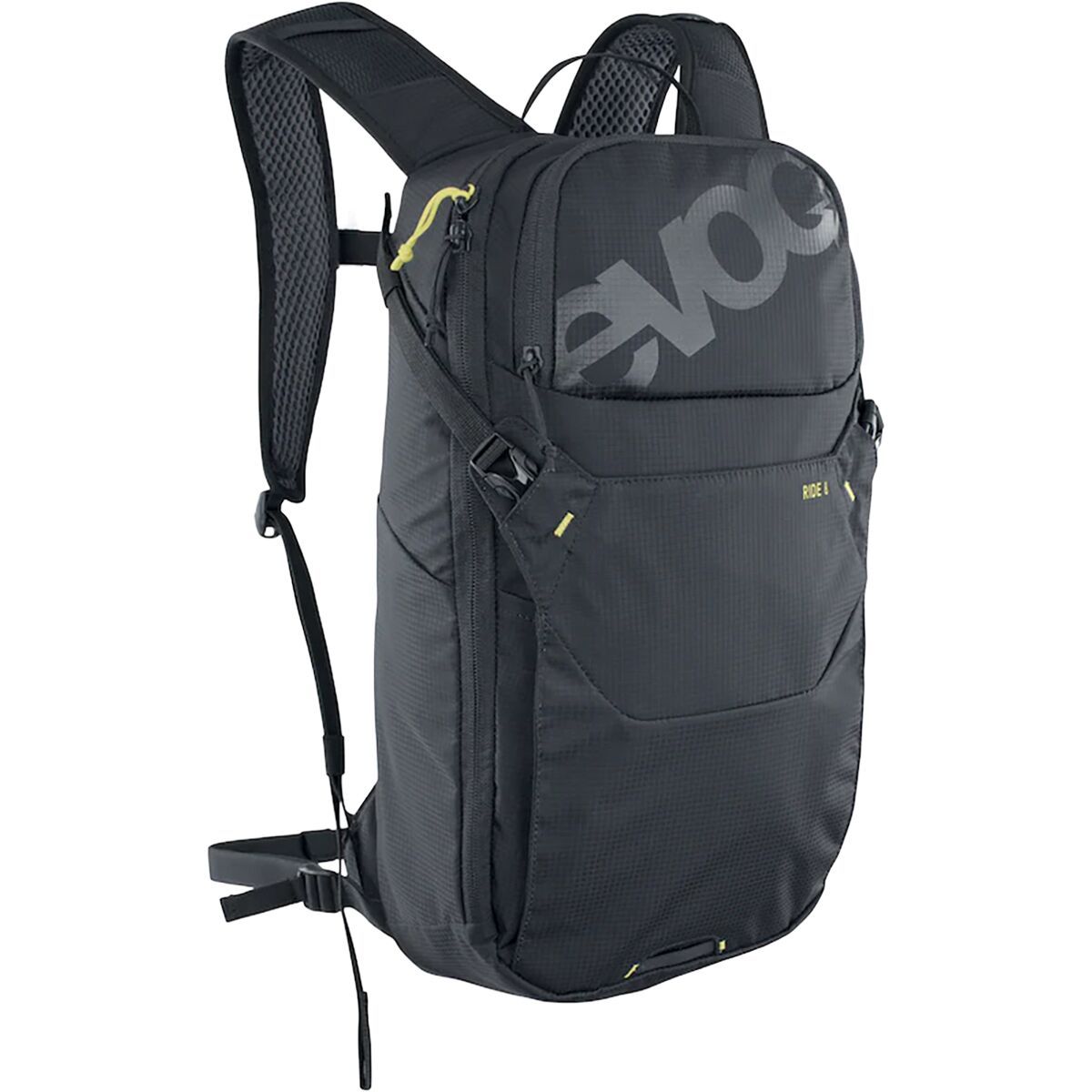
Evoc Ride 8L Backpack + 2L Bladder
Versatile backpack with 2L bladder included. Excellent ventilation and pocket organization.
- 2L bladder included
- AIR-PAD ventilation
- Smart pockets
- 8L capacity
Age-Appropriate Camping Guide
Infants & Toddlers (0-3 years)
Camping with babies and toddlers is absolutely possible with the right preparation. Keep trips short (one or two nights), choose campgrounds with facilities, and maintain nap schedules as much as possible.
Key Tips:
- - Pack portable cribs or co-sleeping arrangements
- - Bring familiar sleep items from home
- - Plan for frequent diaper changes (bring extra bags)
- - Baby-proof the campsite area
Activities:
- - Sensory play with sand, water, leaves
- - Short walks in carrier or stroller
- - Splashing in shallow water
- - Watching animals and insects
Preschool & Kindergarten (4-7 years)
This age group is ready for more active participation in camping activities. They can help with simple tasks like gathering kindling, setting up sleeping bags, and preparing simple foods.
Key Tips:
- - Assign age-appropriate camp chores
- - Bring bikes or scooters for campground exploring
- - Plan for bathroom accidents (bring changes)
- - Keep first trip distances short
Activities:
- - Nature scavenger hunts
- - Fishing with supervision
- - S'mores making
- - Simple hiking (1-2 miles)
School Age (8-12 years)
Older kids can be true camping partners. They are ready to learn real outdoor skills, can handle more challenging activities, and often become enthusiastic helpers around camp.
Key Tips:
- - Teach fire safety and proper fire building
- - Let them help plan meals and activities
- - Consider their own tent for independence
- - Introduce map and compass basics
Activities:
- - Longer day hikes (3-5 miles)
- - Fishing and basic fish cleaning
- - Campfire cooking responsibilities
- - Night hikes and stargazing
Campsite Selection Tips
Choosing the right campsite dramatically impacts your family camping experience. For trips with children, prioritize convenience and safety over scenic isolation, especially when starting out.
What to Look For in Family-Friendly Campgrounds
- Flush toilets and showers - Much easier with kids than pit toilets
- Flat tent pads - Easier setup and comfortable sleeping
- Shade trees - Protection from sun during hot afternoons
- Near water source - Lake or creek for water play
- Distance from road - Away from traffic noise and danger
- Cell service or ranger station - For emergencies
- Kid-friendly trails nearby - Easy hiking options
- Junior ranger programs - Many national parks offer these
Extra Camp Comforts
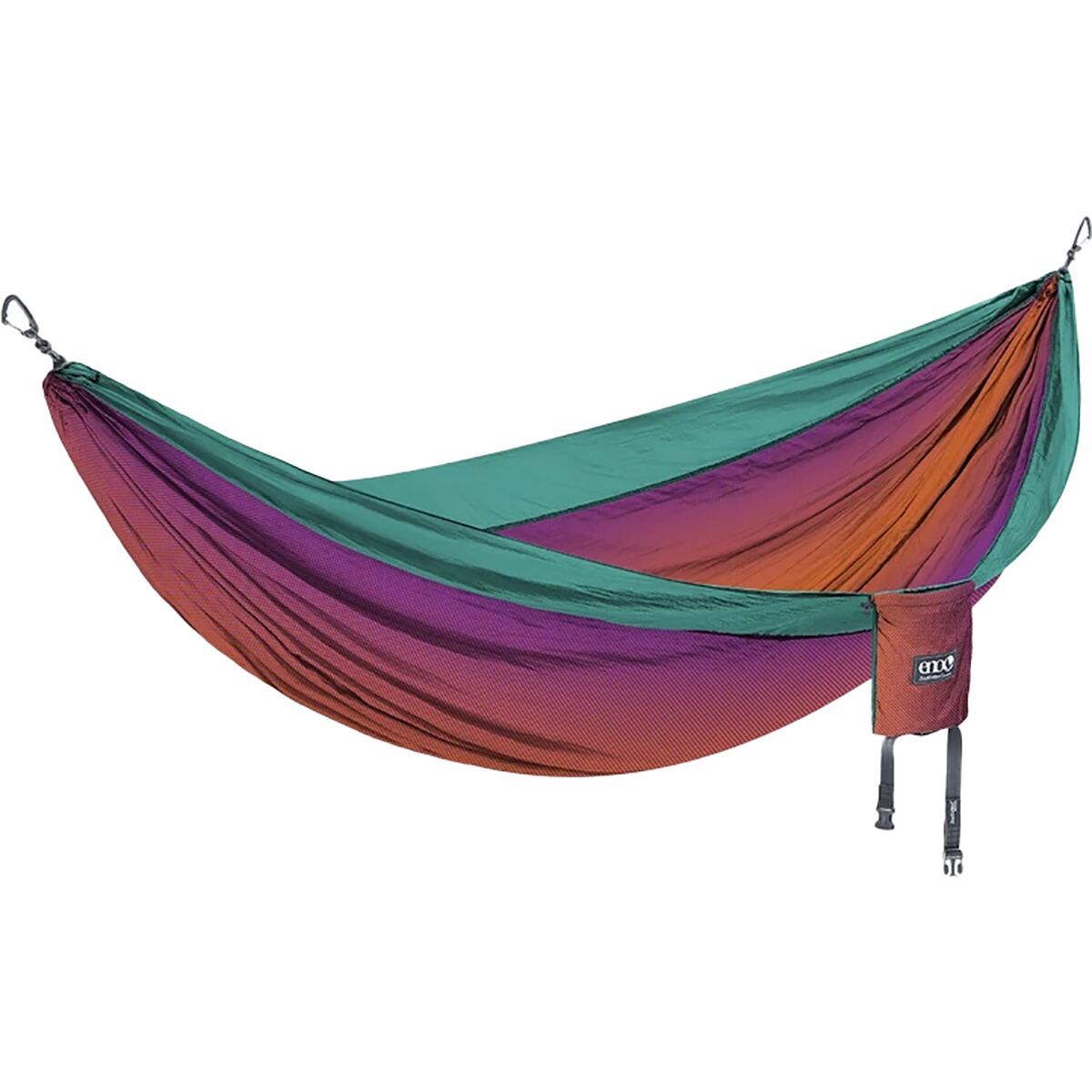
Eagles Nest Outfitters DoubleNest Print Hammock
Luxurious size for sharing with a friend or dog. Packs to grapefruit size.
- Fits 2 people
- Compact pack size
- Durable nylon
- Quick setup
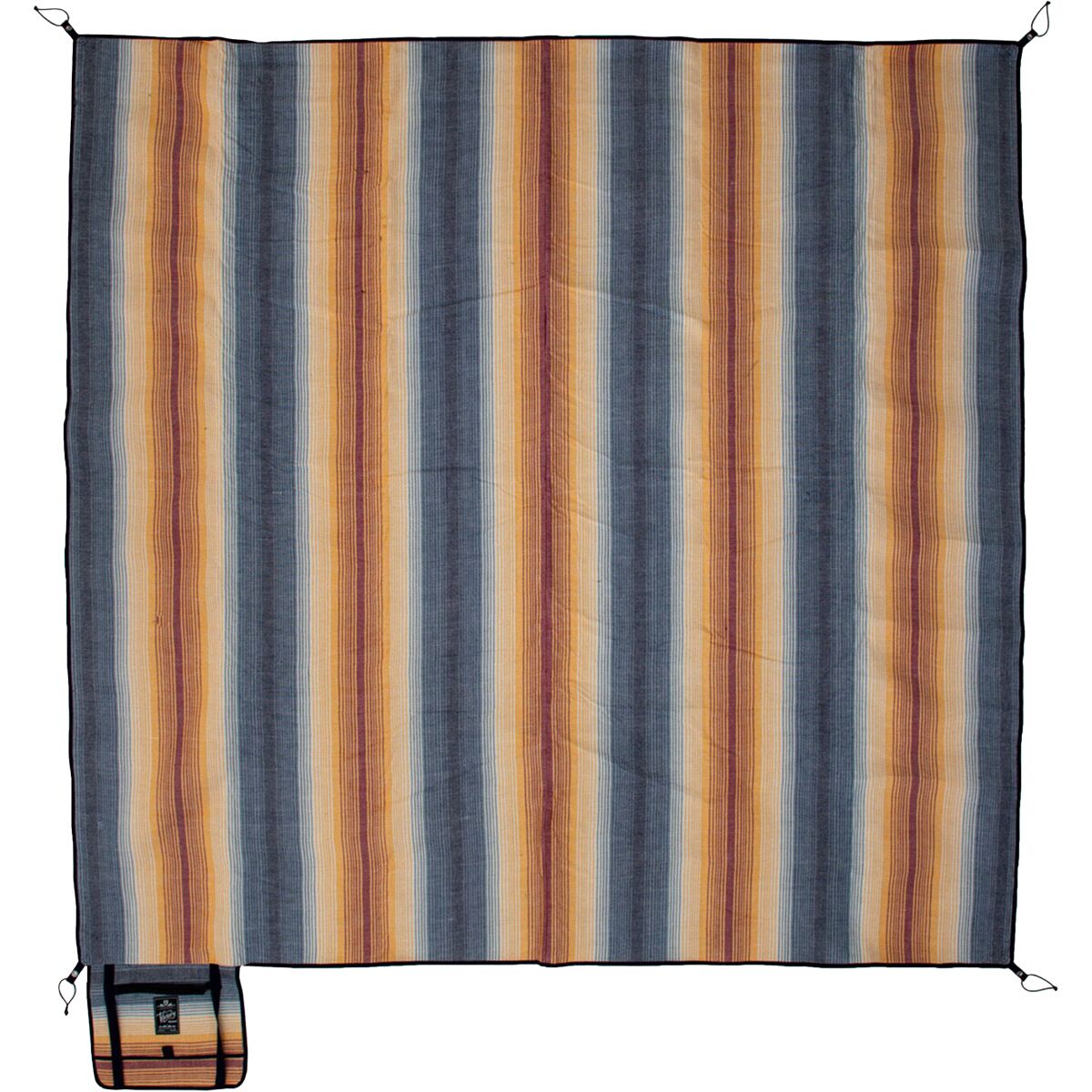
NEMO Equipment Victory Patio Blanket
Reinforced bottom protects from sand, wet grass, and dirt. Extra insulation for rooftop tents.
- Reinforced bottom
- Beach & campground
- Extra insulation
- XXL size
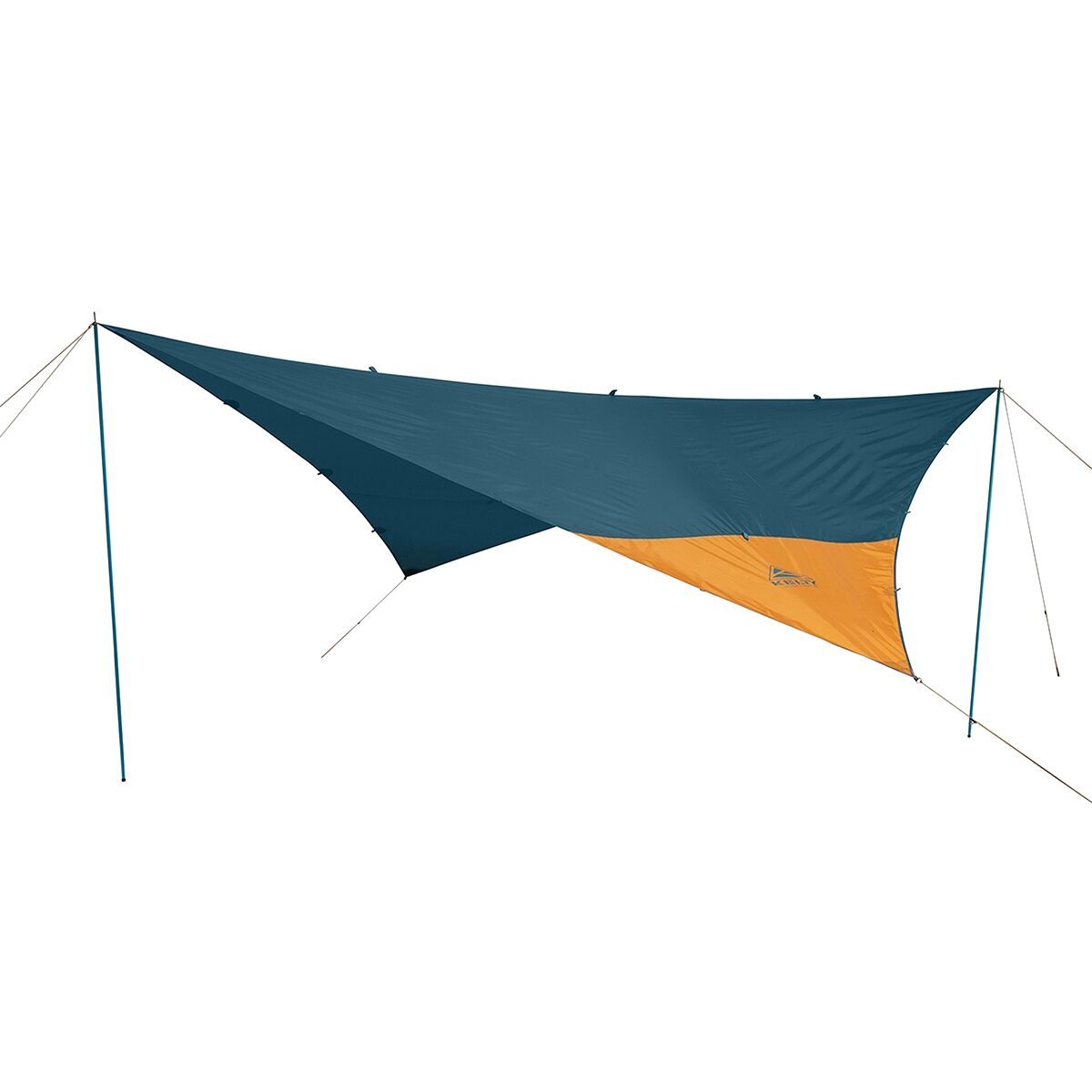
Kelty Noahs Tarp 9ft
Lightweight shade and weather protection. Multiple configuration options for any situation.
- Camp kitchen cover
- Beach shade
- Fast setup
- Multiple configs
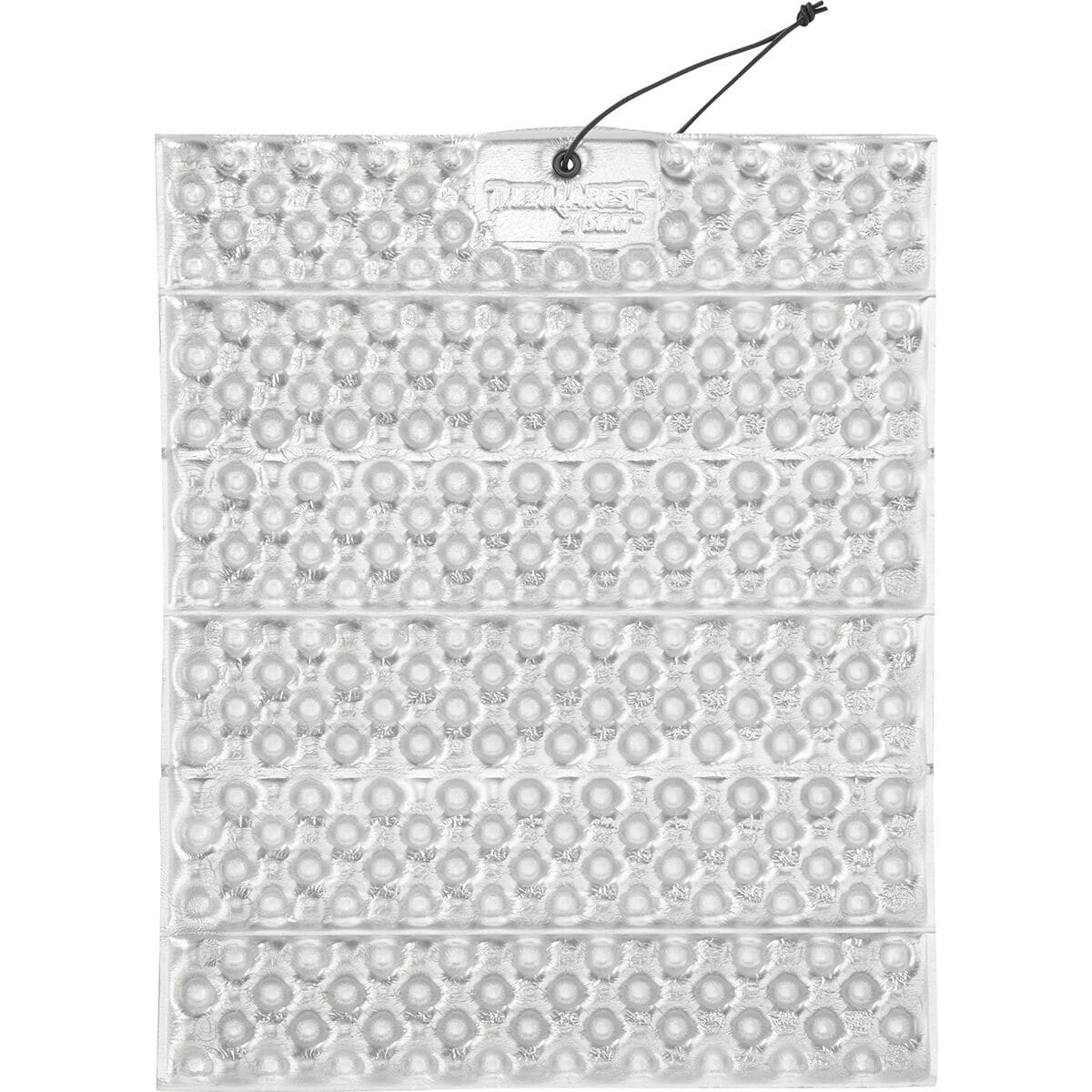
Therm-a-Rest Z Seat
Fold-up seat cushion weighing just 2 ounces. Comfortable cushion for lunch breaks.
- 2 ounces
- Closed-cell foam
- Folds flat
- Cold/wet protection
Comprehensive Family Camping Checklist
Shelter & Sleep
- Tent with footprint
- Sleeping bags for all
- Sleeping pads/mattresses
- Pillows
- Extra blankets
- Tent stakes & mallet
Kitchen
- Camp stove & fuel
- Cooler with ice
- Pots, pans, utensils
- Plates, bowls, cups
- Dish soap & sponge
- Trash bags
- Paper towels
- Water bottles
Clothing (per person)
- Underwear & socks (extra!)
- Base layers
- T-shirts & shorts
- Long pants
- Fleece or sweatshirt
- Rain jacket
- Hat & sunglasses
- Sturdy shoes & sandals
- Pajamas
Health & Safety
- First aid kit
- Prescription medications
- Sunscreen (SPF 30+)
- Insect repellent
- Hand sanitizer
- Wet wipes
- Toilet paper
Lighting & Tools
- Headlamps (for each person)
- Lantern
- Extra batteries
- Matches/lighter
- Multi-tool or knife
- Duct tape
- Rope or cord
Kids Essentials
- Favorite stuffed animal
- Books or coloring supplies
- Games and cards
- Toys for nature play
- Diapers/pull-ups (if needed)
- Swim gear
- Nightlight
- Snacks (lots of them!)
Frequently Asked Questions
What age can kids start camping?
Children can start camping at any age, even as infants. The key is adjusting expectations and preparations based on age. For first-time camping families, starting around ages 3-4 when children can communicate needs and walk independently often provides the best experience.
How do I get my child to sleep in a tent?
Maintain familiar bedtime routines, bring comfort items from home (stuffed animals, favorite blanket), use a small nightlight, and tire them out with activities during the day. Consider doing a practice night in the backyard first to familiarize them with tent sleeping.
What if it rains during our camping trip?
Rain does not have to ruin camping! Bring a tarp for a covered outdoor area, pack rain gear for everyone, have indoor tent activities ready (cards, books, games), and embrace puddle jumping. Some of the best camping memories come from weathering storms together.
How do I keep food cold without electricity?
Use a quality cooler (keep it in shade), pre-freeze meals before leaving, use block ice instead of cubes (lasts longer), pack cooler tightly, and keep it closed as much as possible. Consider having a separate drink cooler to reduce opening the food cooler.
What should I do about bears and wildlife?
Store all food and scented items in bear canisters or lockers provided by campgrounds. Never keep food in your tent. Teach children not to approach or feed wildlife. Make noise while hiking to avoid surprising animals.
Is camping safe for children with allergies?
Yes, with proper preparation. Pack all necessary medications including epinephrine if prescribed. Inform other adults about allergies and emergency procedures. Choose campsites with cell service or close to ranger stations. Consider medical alert bracelets.
How much should kids carry on hikes?
A general rule is children can carry about 10-15% of their body weight. Start light with snacks and water, and let them gradually carry more as they build strength and interest. Never force kids to carry more than is comfortable.
Should I rent or buy camping gear for family trips?
For your first few trips, renting makes sense to ensure your family enjoys camping before investing. Once committed, owning quality gear pays off through multiple trips and provides better fit and comfort than rental equipment.
What about screen time during camping trips?
Camping offers a natural break from screens. Set expectations before leaving that devices stay in the car except for emergencies. Bring alternatives like books, games, and nature guides. If needed for entertainment during travel or emergencies, keep devices charged.
How do I handle potty training at camp?
Choose campgrounds with bathrooms nearby, bring a portable potty for nighttime, pack extra underwear and clothing, and be patient with accidents. Nighttime pull-ups can provide peace of mind. Make bathroom trips part of the adventure.
What is the best tent size for a family of four?
A 6-person tent is ideal for a family of four. This provides sleeping space for everyone plus room for gear, changing clothes, and rainy-day activities. Tent capacity ratings assume adults sleeping in bags; families need extra space.
Related Resources
Recommended Gear
Best Family Camping Tent
Best Family Camping Tent
A spacious, easy-to-setup family tent that fits parents and kids comfortably. Look for features like room dividers, vestibules for gear, and good ventilation for warm summer nights.
View on AmazonAs an Amazon Associate, we earn from qualifying purchases at no cost to you.
Kids Camping Sleeping Bag
Kids Camping Sleeping Bag
Lightweight, warm sleeping bags sized specifically for children. Compact designs that are easy for kids to roll up themselves, with fun patterns they'll love.
View on AmazonAs an Amazon Associate, we earn from qualifying purchases at no cost to you.
Portable Kids Camp Chair
Portable Kids Camp Chair
Kid-sized camp chairs that fold up small for easy transport. Sturdy enough for active kids with cup holders and carry bags included.
View on AmazonAs an Amazon Associate, we earn from qualifying purchases at no cost to you.
As an Amazon Associate, we earn from qualifying purchases at no cost to you.
Affiliate Disclosure
ParentCalc is a Backcountry affiliate. We earn commissions from qualifying purchases at no additional cost to you. This helps support our free parenting resources. All product recommendations are based on our research and real parent feedback. We only recommend products we believe will genuinely help families enjoy the great outdoors safely.