Kids Hiking Boots Guide
Everything you need to know about hiking boots and trail shoes for kids - from ankle support and waterproofing to sizing and breaking in new boots
2026 Product Picks
Our latest product roundups related to this guide:

KEEN Newport H2 Sandal - Toddler Boys
Machine-washable sandal with toe protection and quick-drying upper. Perfect for creek crossings and wet trail conditions.
- Machine washable
- Toe protection
- Quick-dry upper
- Lace capture system
Why Proper Hiking Footwear Matters for Kids
The single most important piece of hiking gear for your child is what goes on their feet. Proper hiking footwear prevents blisters, protects growing feet from rocks and roots, and provides the grip and support kids need to stay safe and comfortable on the trail.
Unlike adults who can push through minor discomfort, kids will let you know immediately when something is wrong with their feet - usually through complaints, slowdowns, or complete trail meltdowns. The right footwear makes the difference between a magical family adventure and a miserable march back to the car.
This comprehensive guide covers everything parents need to know about kids hiking footwear: when to choose hiking boots over trail shoes, understanding ankle support needs, waterproof vs breathable options, proper break-in techniques, and age-appropriate sizing. We have partnered with Backcountry to bring you expert-recommended options from trusted outdoor brands including KEEN, Merrell, Adidas Terrex, and The North Face.
Key Features to Look for in Kids Hiking Footwear
- Rubber toe cap for protection from rocks and roots
- Grippy outsole with multi-directional lugs
- Cushioned midsole for comfort on long hikes
- Easy closure system for young kids
- Quick-dry materials for creek crossings
- Room to grow without being too loose
When Kids Need Hiking Boots vs Trail Shoes
One of the most common questions parents ask is whether their child needs actual hiking boots or if trail shoes will do. The answer depends on the type of terrain, hike length, your child's age, and the conditions you will encounter. Here is how to decide.
Hiking Boots
Pros:
- Better ankle support on rough terrain
- More protection from rocks and roots
- Better waterproofing options
- Warmer in cold weather
- More durable for heavy use
Cons:
- Heavier than trail shoes
- Longer break-in period
- Can be hot in summer
- More expensive
- Kids may outgrow before wearing out
Best for: Rocky trails, steep terrain, backpacking, cold or wet conditions
Trail Shoes
Pros:
- Lightweight and comfortable
- More breathable in hot weather
- Little to no break-in needed
- Often more affordable
- Versatile for everyday wear
Cons:
- Less ankle support
- Less protection on rough terrain
- May not handle wet conditions
- Less durable on rocky trails
- Feet can get cold in winter
Best for: Well-maintained trails, day hikes, summer hiking, active kids
Our Recommendation by Age
Lightweight trail shoes or hybrid sandals are usually best. Toddlers do not need heavy boots, and the weight can tire them out faster. Focus on grip, toe protection, and easy on/off closure.
Trail shoes work well for most kids this age on typical family hikes. Consider low-cut hiking boots if doing rocky trails or backpacking. Mid-cut options provide extra support without excess weight.
Match footwear to activity. Trail shoes for moderate hikes, hiking boots for challenging terrain or overnight trips. Kids this age can handle the extra weight of boots and benefit from the support on technical trails.
Ankle Support Considerations
Ankle support is one of the most debated topics in hiking footwear. Some experts argue that modern trail shoes provide enough support for most hikers, while others swear by the protection of high-cut boots. For kids, the answer lies somewhere in the middle.
Low-Cut Trail Shoes
- Maximum mobility and flexibility
- Lightest weight option
- Best breathability
Best for: Easy trails, warm weather, younger kids
Mid-Cut Hiking Shoes
- Good balance of support and weight
- Protects ankle from debris
- Versatile for various terrain
Best for: Most family hikes, moderate terrain, all ages
High-Cut Hiking Boots
- Maximum ankle support
- Best for heavy packs
- Excellent protection
Best for: Rocky terrain, backpacking, older kids
The Truth About Ankle Support
Research suggests that ankle support from boots primarily comes from the stiffness of the sole, not the height of the collar. For most kids on typical family trails, a well-fitted trail shoe with a sturdy sole provides adequate support. Save the high-cut boots for challenging terrain where extra protection is genuinely needed.
Waterproof vs Breathable
The waterproof question is another common dilemma for parents. Waterproof boots sound like a good idea - kids love splashing through puddles and streams. But waterproofing comes with tradeoffs that are worth understanding.
Waterproof Boots
When to Choose:
- - Hiking in rainy or wet conditions
- - Early morning hikes through dewy grass
- - Streams and creek crossings
- - Cold weather hiking
- - Spring hiking through snowmelt
Downsides:
- - Less breathable, feet sweat more
- - Once water gets inside, takes longer to dry
- - Usually heavier than non-waterproof
- - More expensive
Breathable (Non-Waterproof)
When to Choose:
- - Hot summer hiking
- - Well-maintained dry trails
- - Kids with sweaty feet
- - Budget-conscious families
- - Quick-drying needs (hybrid sandals)
Downsides:
- - Feet get wet in rain or puddles
- - Not ideal for cold weather
- - May need backup socks
- - Morning dew soaks through
Our Take
For most families, we recommend having two options: a pair of breathable trail shoes or hybrid sandals for summer hiking, and a waterproof option for wet conditions and cooler weather. If you can only have one pair, consider your local climate and typical trail conditions. Families in the Pacific Northwest probably need waterproof boots, while Arizona families can get by with breathable shoes year-round.
Breaking In New Boots
Nothing ruins a hiking trip faster than blisters from new boots. While modern hiking footwear requires less break-in time than traditional leather boots, some adjustment period is still recommended, especially for kids whose feet are sensitive to new sensations.
Break-In Timeline for Kids
Around the House
Wear new boots for 30-60 minutes at a time around the house. This lets the materials soften and mold to your child's feet without the risk of blisters on the trail.
Short Walks
Progress to short walks around the neighborhood or local park. Start with 20-30 minutes and gradually increase. Watch for any rubbing or hot spots.
Easy Trail Test
Take a short, easy hike (1-2 miles) close to the trailhead. This tests the boots on actual trail terrain while keeping bailout options available if problems arise.
Full Trail Use
If no hot spots or discomfort during the easy hike, the boots are ready for longer adventures. Always carry moleskin and extra socks just in case.
Break-In Tips
- Always wear the socks you will hike in
- Lace boots properly for each wear session
- Check for hot spots after each session
- Address any rubbing with moleskin early
- Trail shoes need less break-in than boots
Warning Signs
- Redness or hot spots on feet after wearing
- Heel slipping up and down while walking
- Toes hitting the front when going downhill
- Numbness or tingling in feet
- Pain that does not improve with time
Sizing by Age
Proper fit is crucial for kids hiking footwear. Too tight and you risk blisters and cramped toes; too loose and the foot slides around causing instability. Kids feet grow quickly, so finding the right balance between room to grow and proper fit takes some care.
| Age Range | US Size | EU Size | Foot Length |
|---|---|---|---|
| 1-2 years | 5-7 | 20-23 | 4.5-5.25" |
| 2-3 years | 7-9 | 23-25 | 5.25-6" |
| 3-4 years | 9-11 | 25-28 | 6-6.75" |
| 4-5 years | 11-12 | 28-30 | 6.75-7.25" |
| 5-6 years | 12-13 | 30-31 | 7.25-7.75" |
| 6-8 years | 13-3 | 31-35 | 7.75-8.75" |
| 8-10 years | 3-5 | 35-37 | 8.75-9.5" |
| 10-12 years | 5-7 | 37-39 | 9.5-10.25" |
How to Measure
- Have your child stand on a piece of paper
- Trace around the foot with a pencil held straight
- Measure from heel to longest toe
- Measure both feet - they are often different sizes
- Use the larger measurement
- Measure in the afternoon when feet are largest
Fit Tips
- Leave thumb-width of room at the toe
- Heel should not slip when walking
- Try on with hiking socks
- Walk around the store on inclines if possible
- Check fit at end of day when feet swell
Room to Grow vs Proper Fit
It is tempting to buy boots a size or two too big so kids can grow into them. Resist this urge. Boots that are too large cause blisters, tripping, and poor support. Instead, buy the right size now and plan to replace them as needed. Kids hiking footwear typically needs replacing every 6-12 months during growth spurts.
Top Picks by Age Group
We have curated the best hiking boots and trail shoes for each age group from trusted outdoor brands. All picks feature the key elements kids need: toe protection, grippy outsoles, and age-appropriate closure systems.
Toddler Hiking Shoes (Ages 1-3)
Lightweight options with easy closures and excellent grip for little ones just starting to explore trails.
KEEN Newport H2 Sandal - Toddler Boys
Machine-washable sandal with toe protection and quick-drying upper. Perfect for creek crossings and wet trail conditions.
- Machine washable
- Toe protection
- Quick-dry upper
- Lace capture system
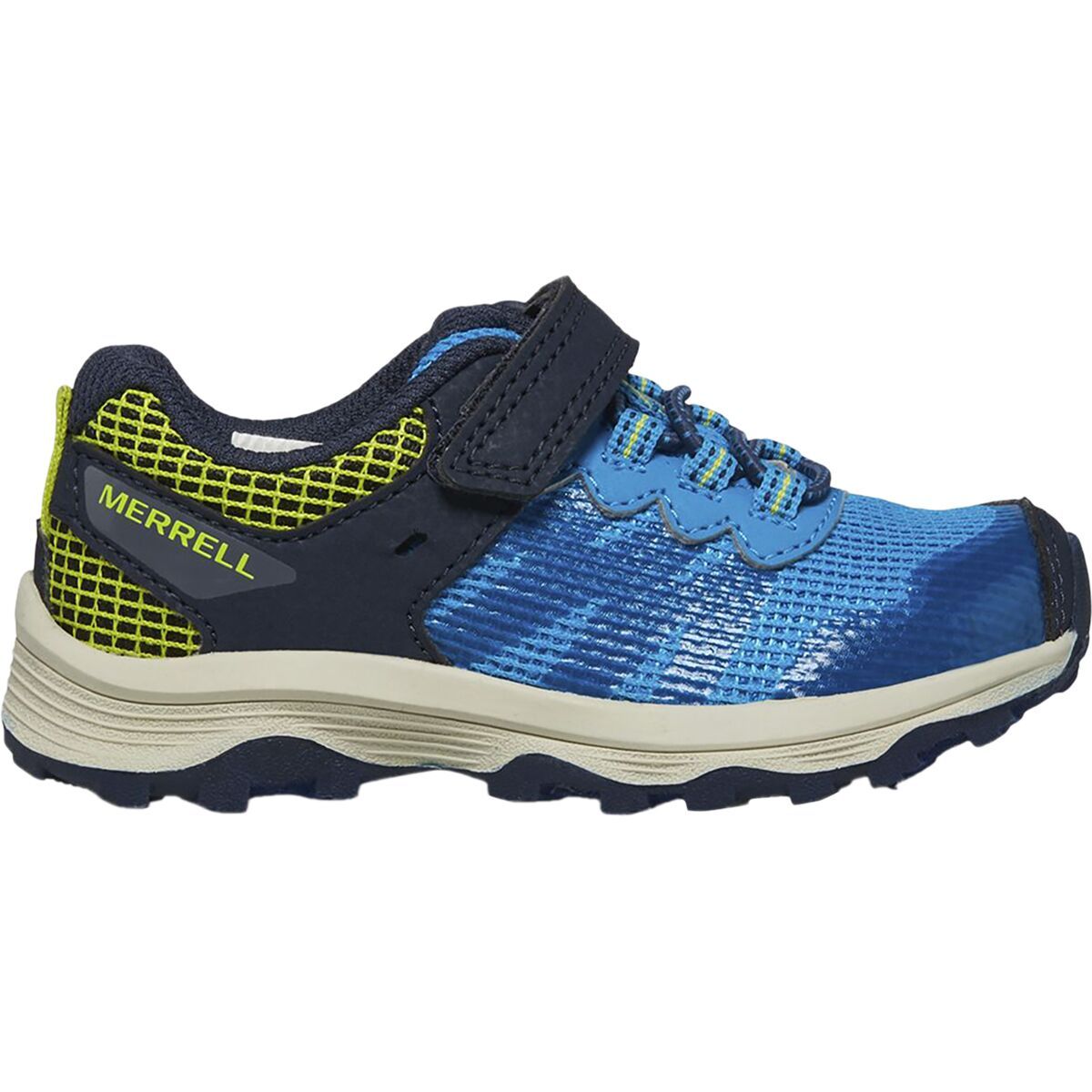
Merrell Nova 3 Sneaker - Toddlers
Trail-ready sneaker with anti-stink lining and reinforced toe. Alternative closure makes it easy for little ones to manage.
- Anti-stink lining
- Reinforced toe
- Easy closure
- Extra grippy outsole
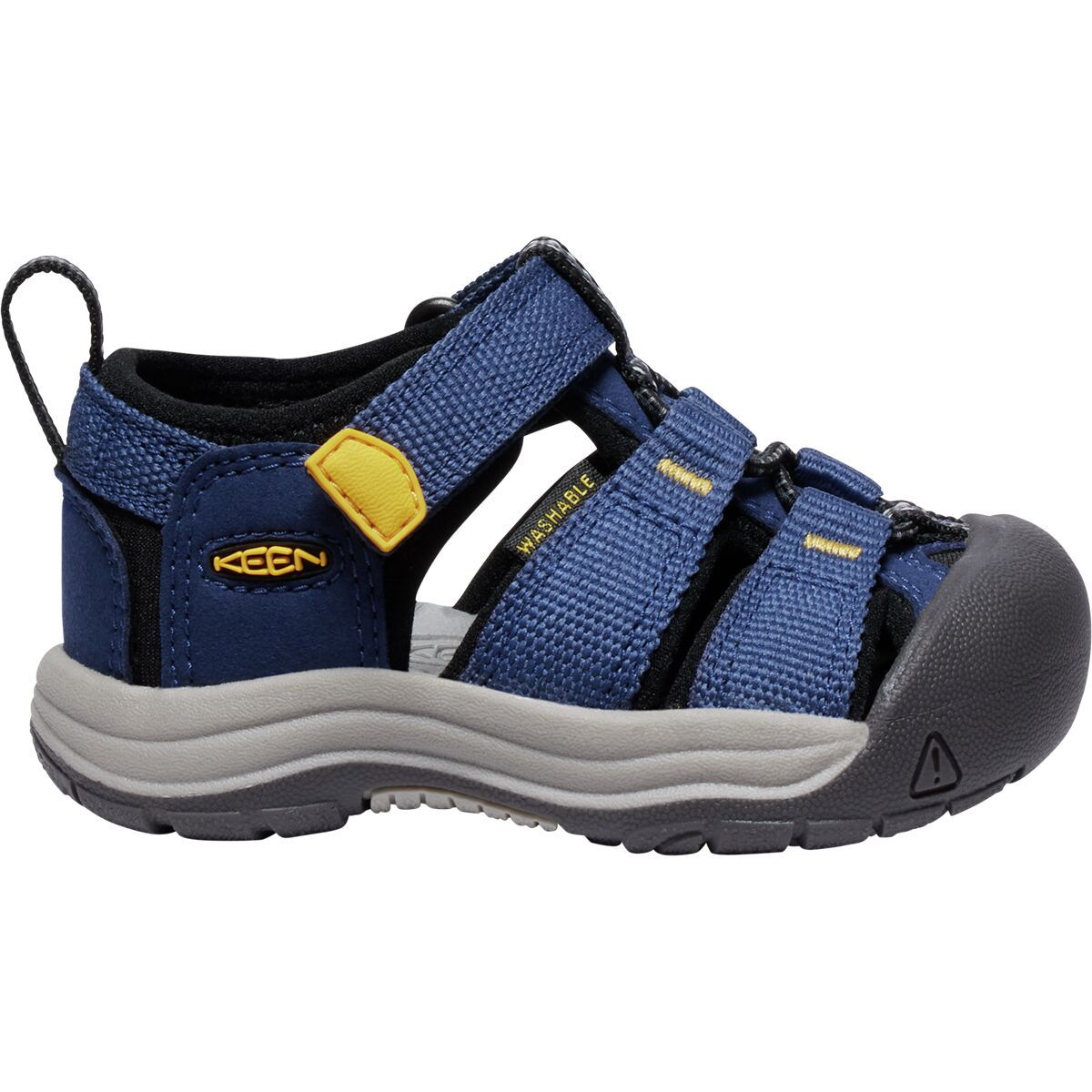
KEEN Newport H2 Sandal - Toddlers
Versatile hybrid sandal for playground, trails, and summer camp. Protective toe cap shields from rocks and roots.
- Metatomical footbed
- Secure lace system
- Non-marking sole
- Quick-drying
Little Kids Hiking Shoes (Ages 4-7)
More support and protection for active kids tackling longer trails and varied terrain.
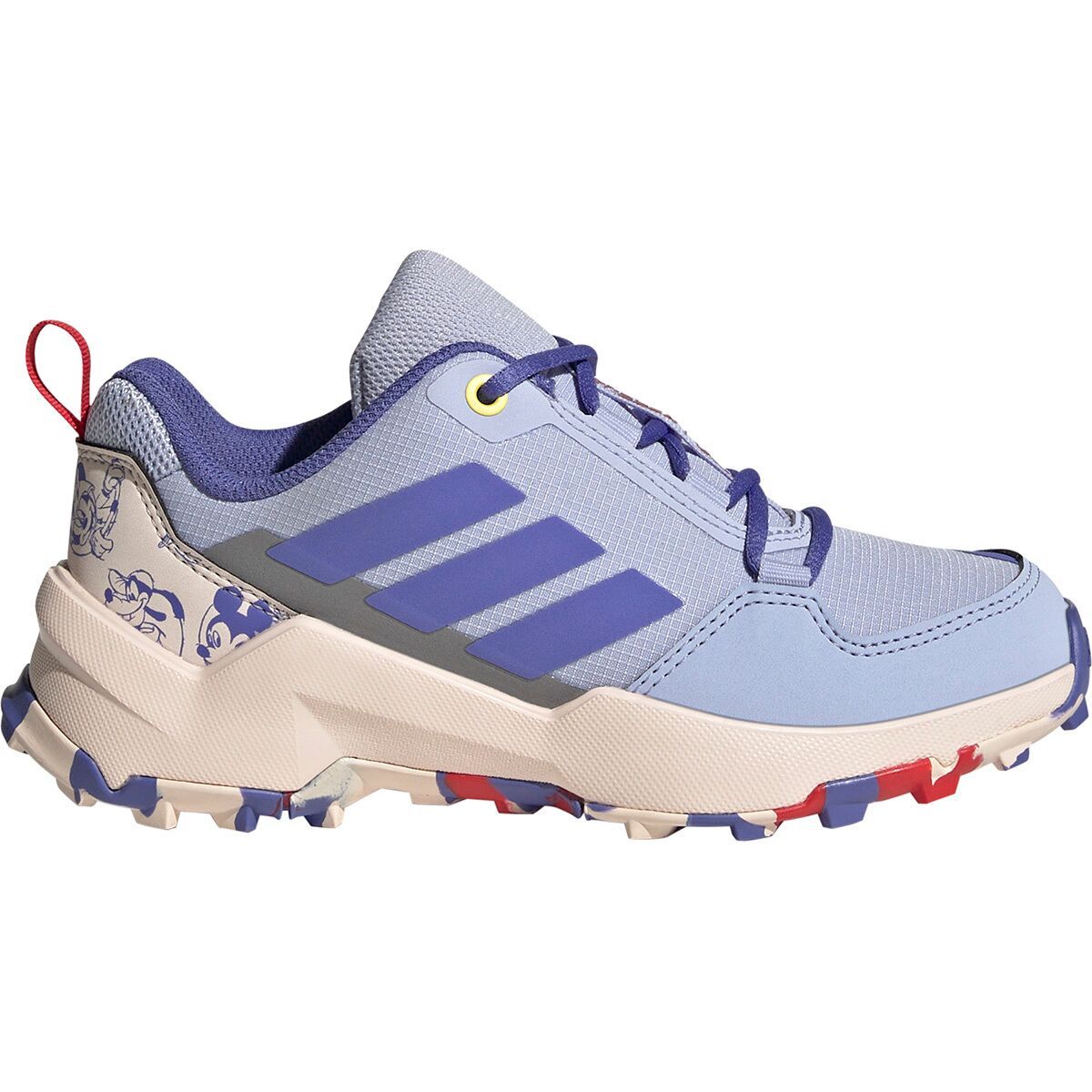
Adidas TERREX AX4R Disney Hiking Shoe - Little Kids
Disney-inspired design with grippy outsole and cushioned EVA midsole. Makes kids excited to hit the trail.
- Disney design
- Grippy outsole
- EVA midsole
- Lightweight build
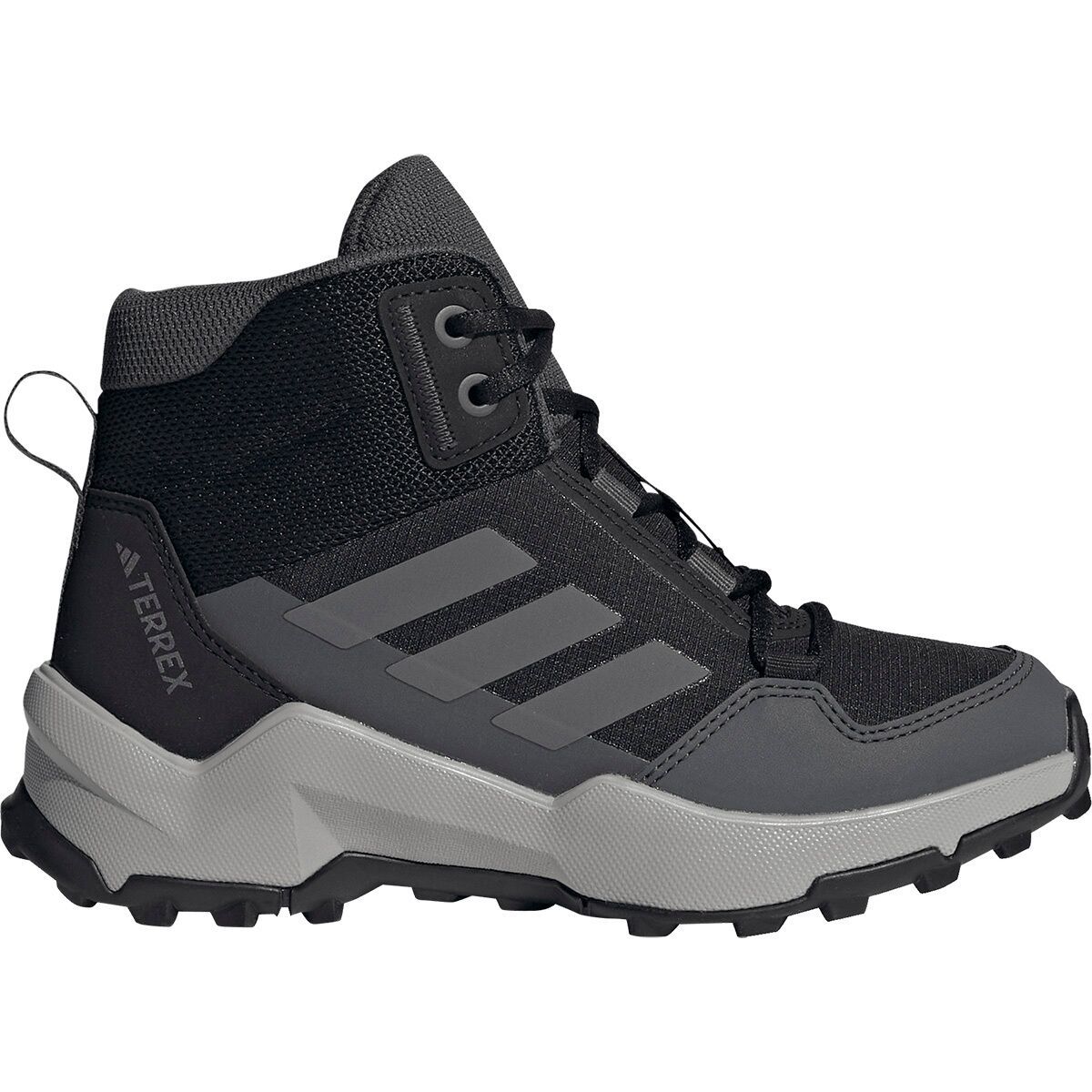
Adidas TERREX AX4R Mid Hiking Shoe - Little Kids
Mid-cut design provides extra ankle support for rocky trails. Durable construction handles active kids.
- Mid-cut ankle support
- Grippy outsole
- Cushioned midsole
- Durable upper
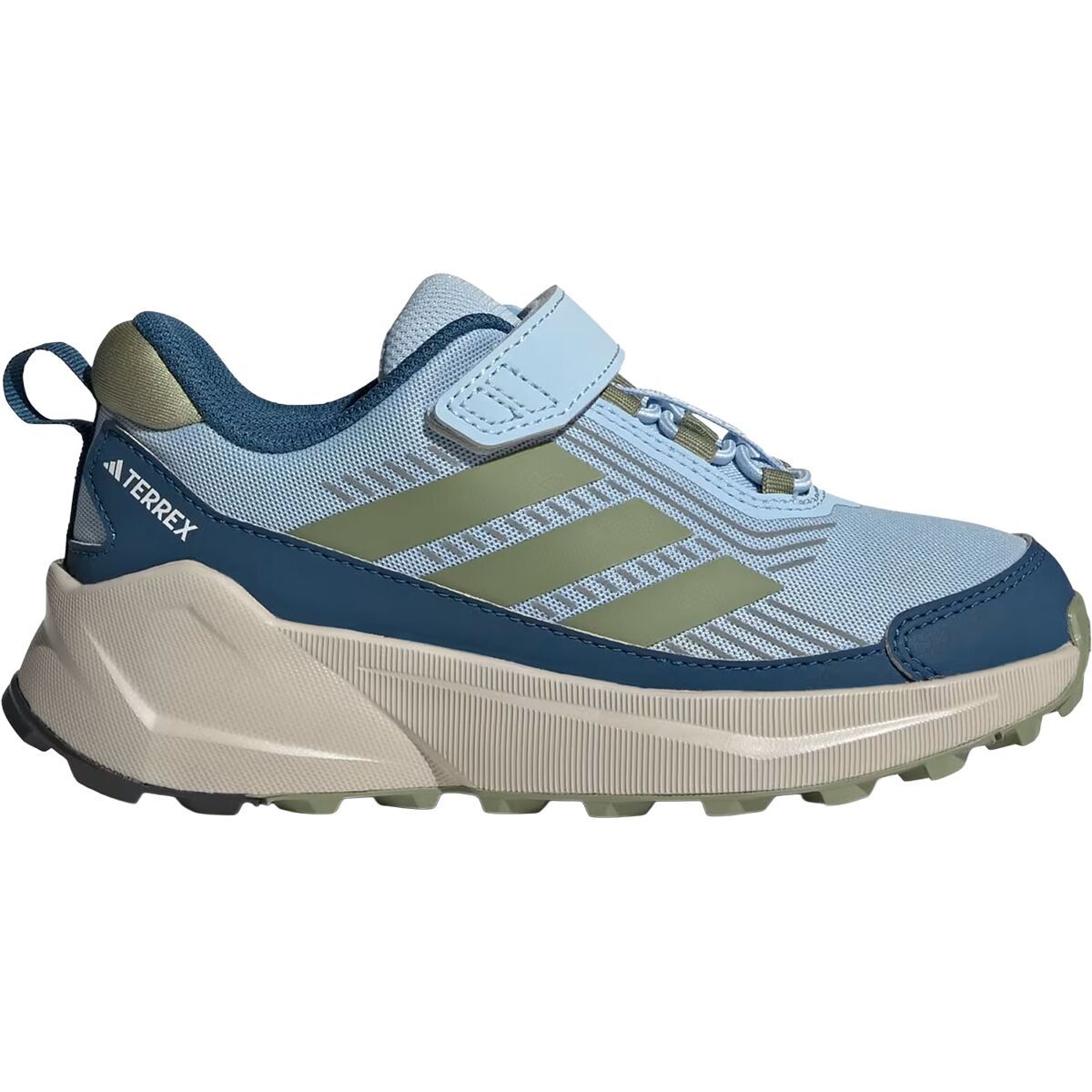
Adidas TERREX Trailmaker 2 CF Hiking Shoe - Little Kids
Lightweight trail shoe with hook-and-loop closure for easy on/off. Perfect for independent little hikers.
- Hook-and-loop closure
- Lightweight
- Trail-ready outsole
- Breathable upper
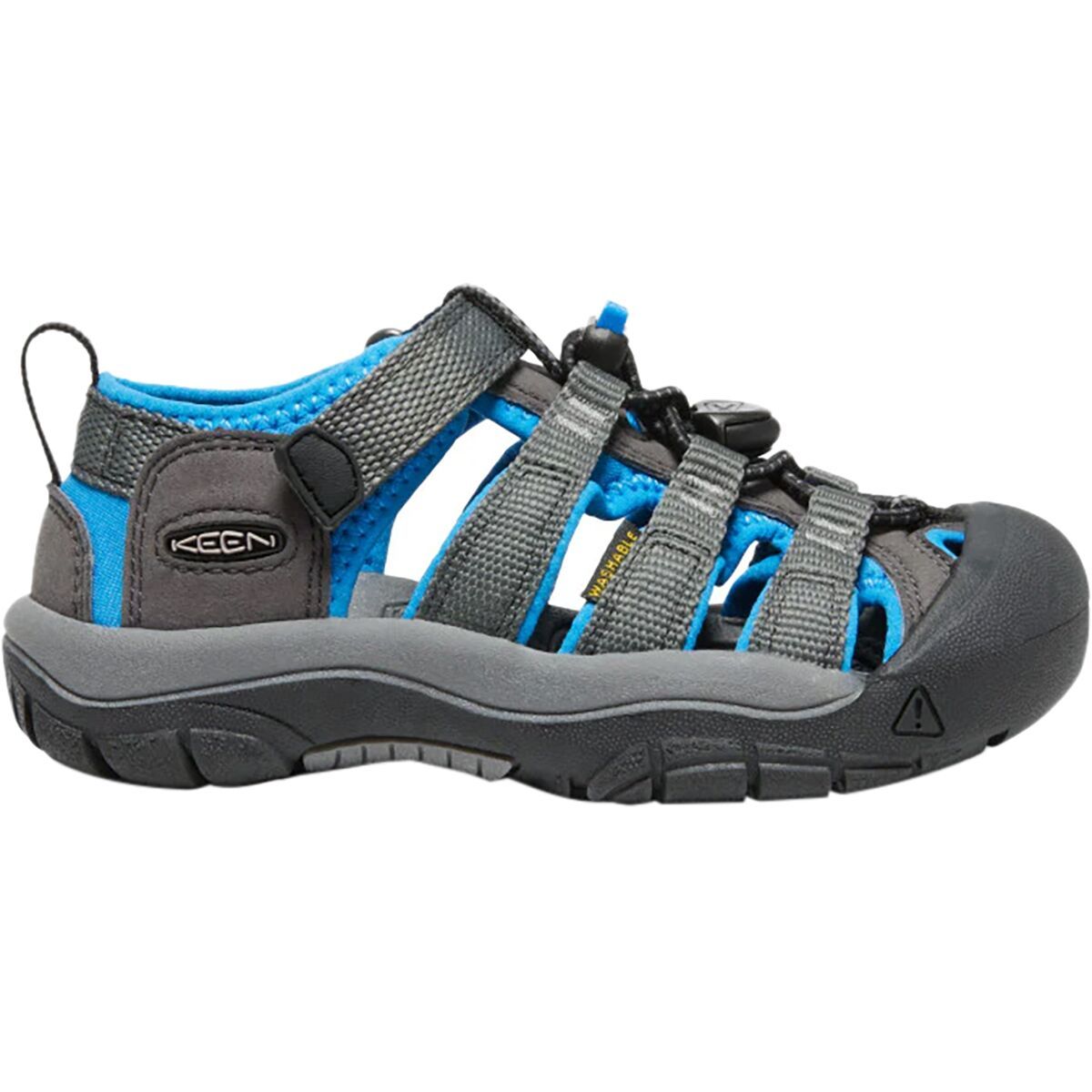
KEEN Newport H2 Sandal - Little Boys
Ultra-versatile adventure sandal for playground, trails, and summer camp. Protective toe cap shields from rocks and roots.
- Quick-drying
- Toe protection
- Metatomical footbed
- Multi-directional lugs

Merrell Moab Speed Low ZT Waterproof Hiking Shoe - Girls
Lightweight waterproof hiking shoe with breathable textile upper. Reinforced toe cap built for miles of adventures.
- Waterproof
- Breathable textile
- Reinforced toe
- Non-marking rubber

KEEN Newport H2 Sandal - Girls
Hybrid sandal perfect for water and trails. Aegis microbe shield keeps odors at bay during long adventure days.
- Quick-dry webbing
- Aegis microbe shield
- Secure lace system
- Non-marking sole
Big Kids Hiking Shoes (Ages 8+)
Serious hiking footwear for kids ready to tackle challenging trails and longer distances.
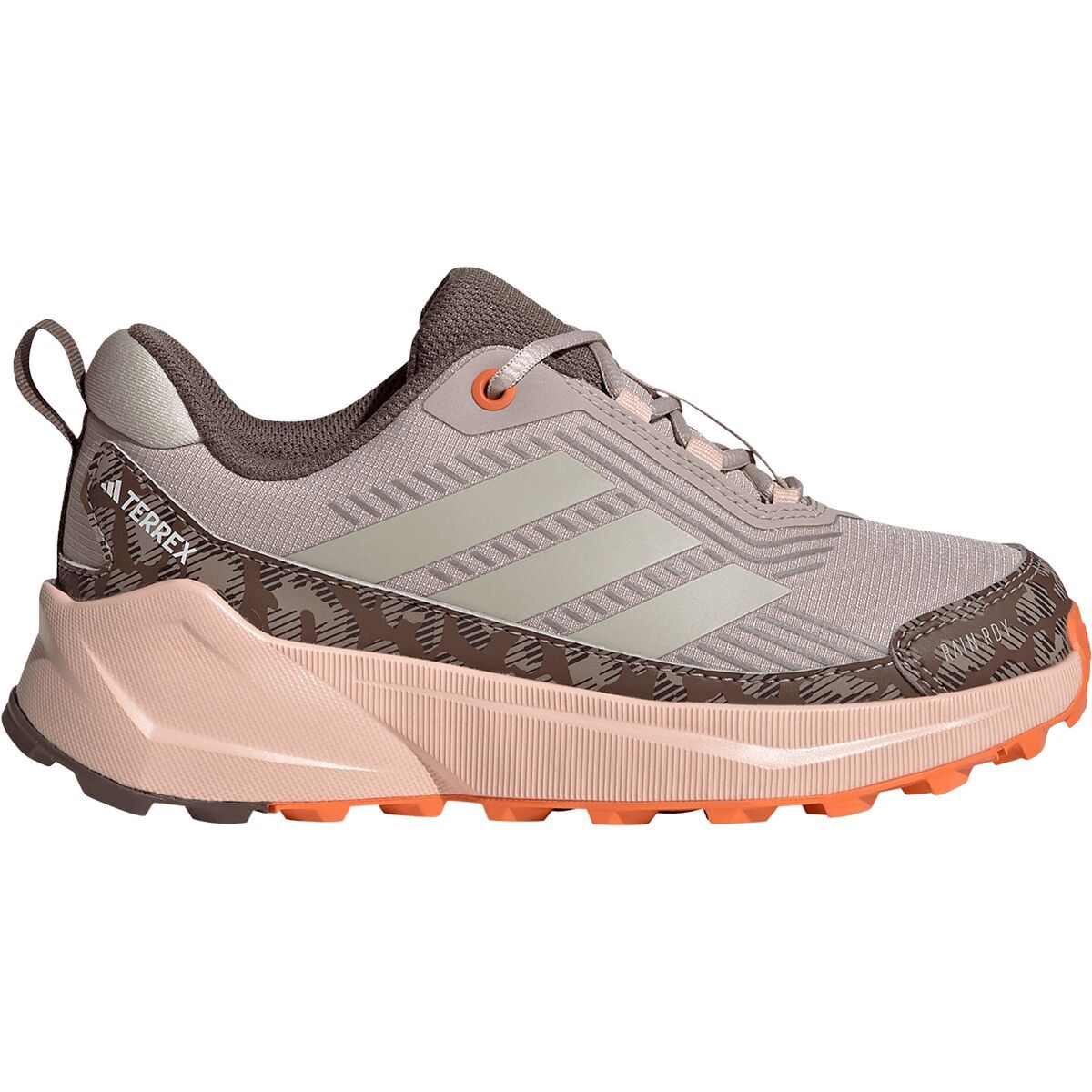
Adidas TERREX Trailmaker 2 CP Hiking Shoe - Kids
Versatile hiking shoe with rain-ready upper and grippy Continental rubber outsole. Perfect for all-season trail adventures.
- Continental rubber outsole
- Rain-ready upper
- Cushioned midsole
- Durable construction
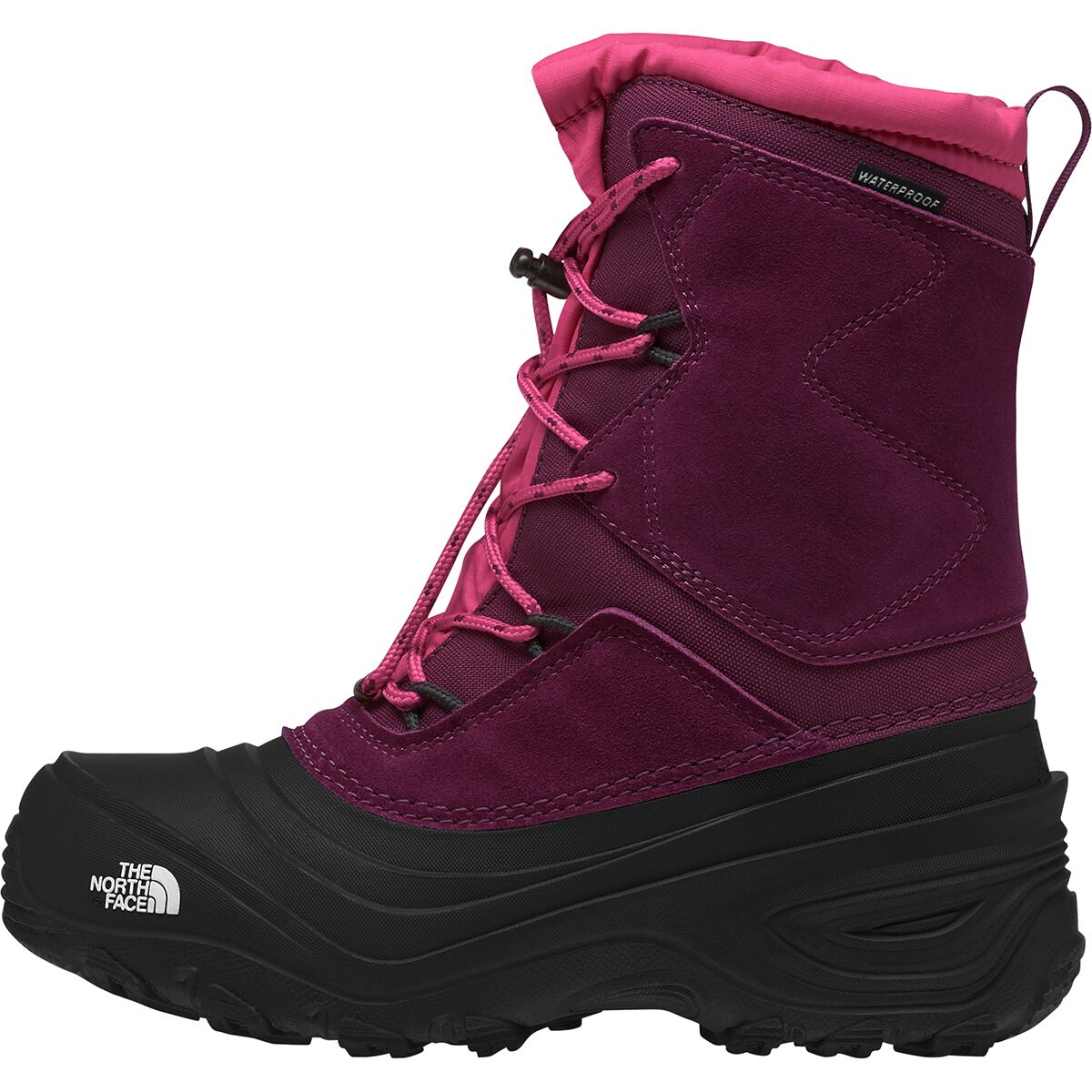
The North Face Alpenglow V Waterproof Boot - Kids
Warm waterproof boot with quick-lace system for independent kids. Removable liner dries overnight.
- Waterproof
- Thermafelt Plus liner
- Quick-lace system
- Winter Grip outsole
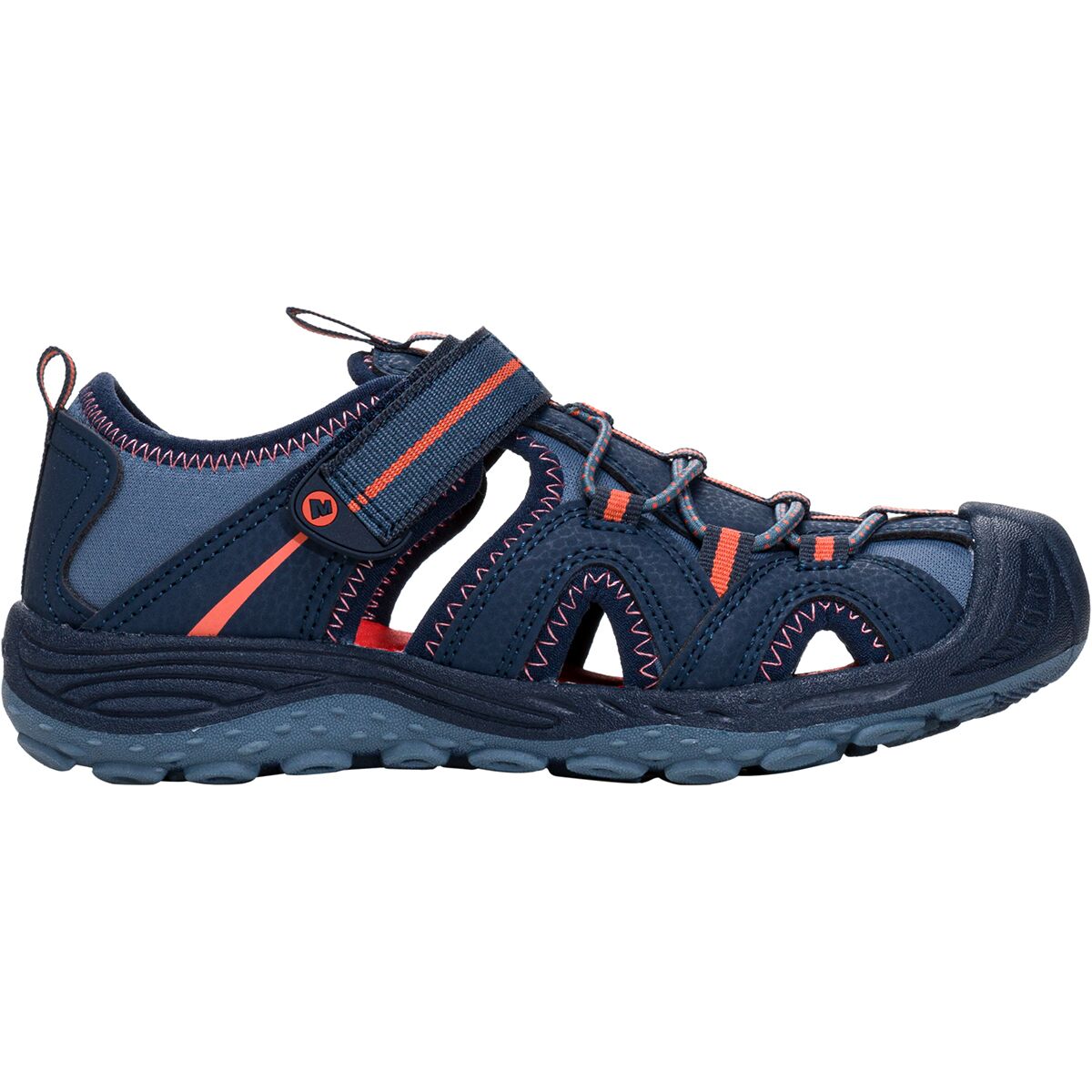
Merrell Hydro 2.0 Water Shoe - Kids
Quick-drying water shoe perfect for creek hikes and summer adventures. Rubber outsoles grip wet and dry surfaces.
- Quick-drying IMEVA
- Rubber outsoles
- Beach to trail
- Versatile summer shoe

KEEN Newport H2 Sandal - Kids
Classic hybrid sandal for trail and water adventures. Multi-directional lugs grip on varied terrain.
- Multi-directional lugs
- Toe protection
- Quick-dry upper
- Metatomical footbed
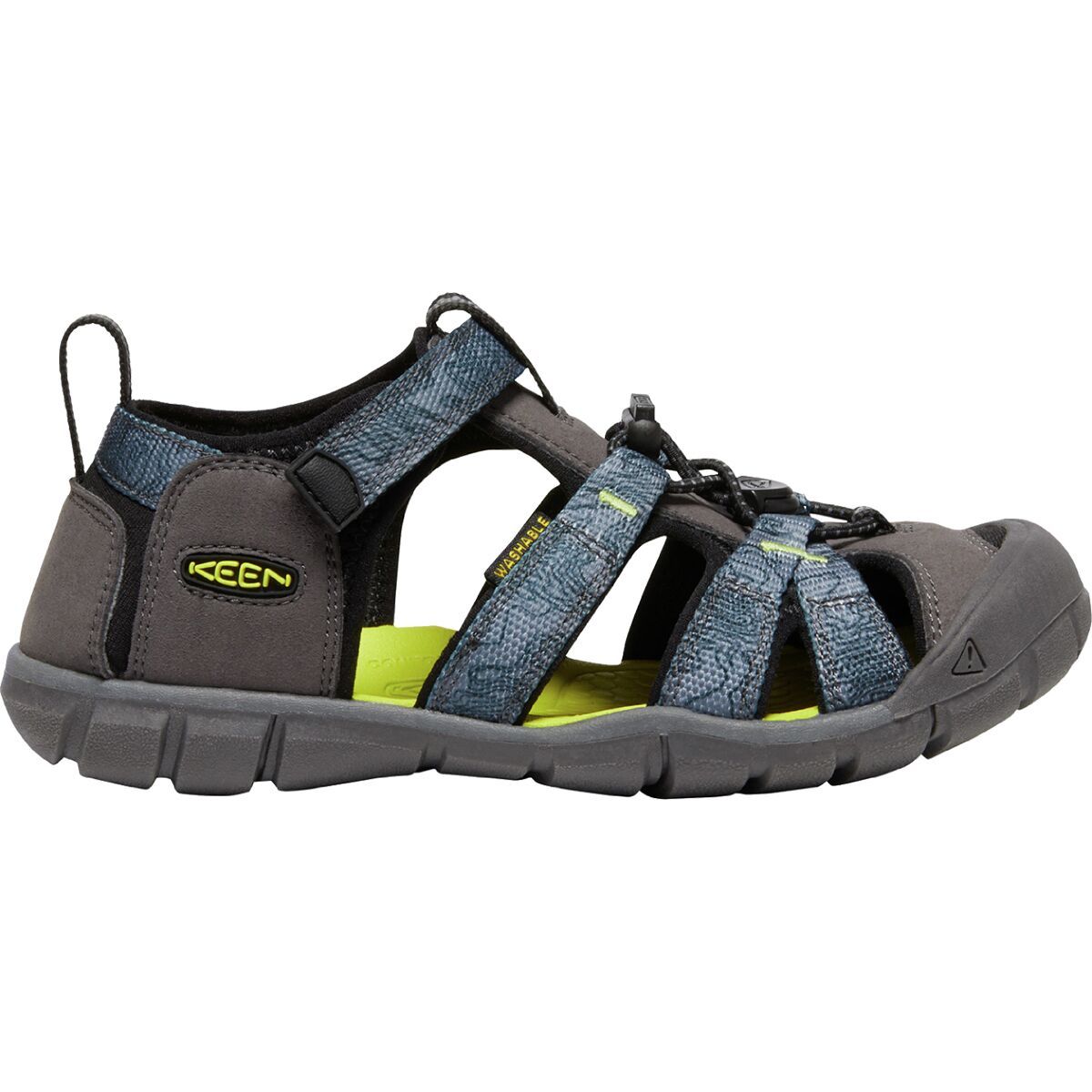
KEEN Seacamp II CNX Sandal - Kids
Ultra-lightweight CNX sandal with secure fit and excellent drainage. Perfect for summer trail adventures.
- CNX lightweight
- Secure bungee lacing
- Excellent drainage
- Toe protection
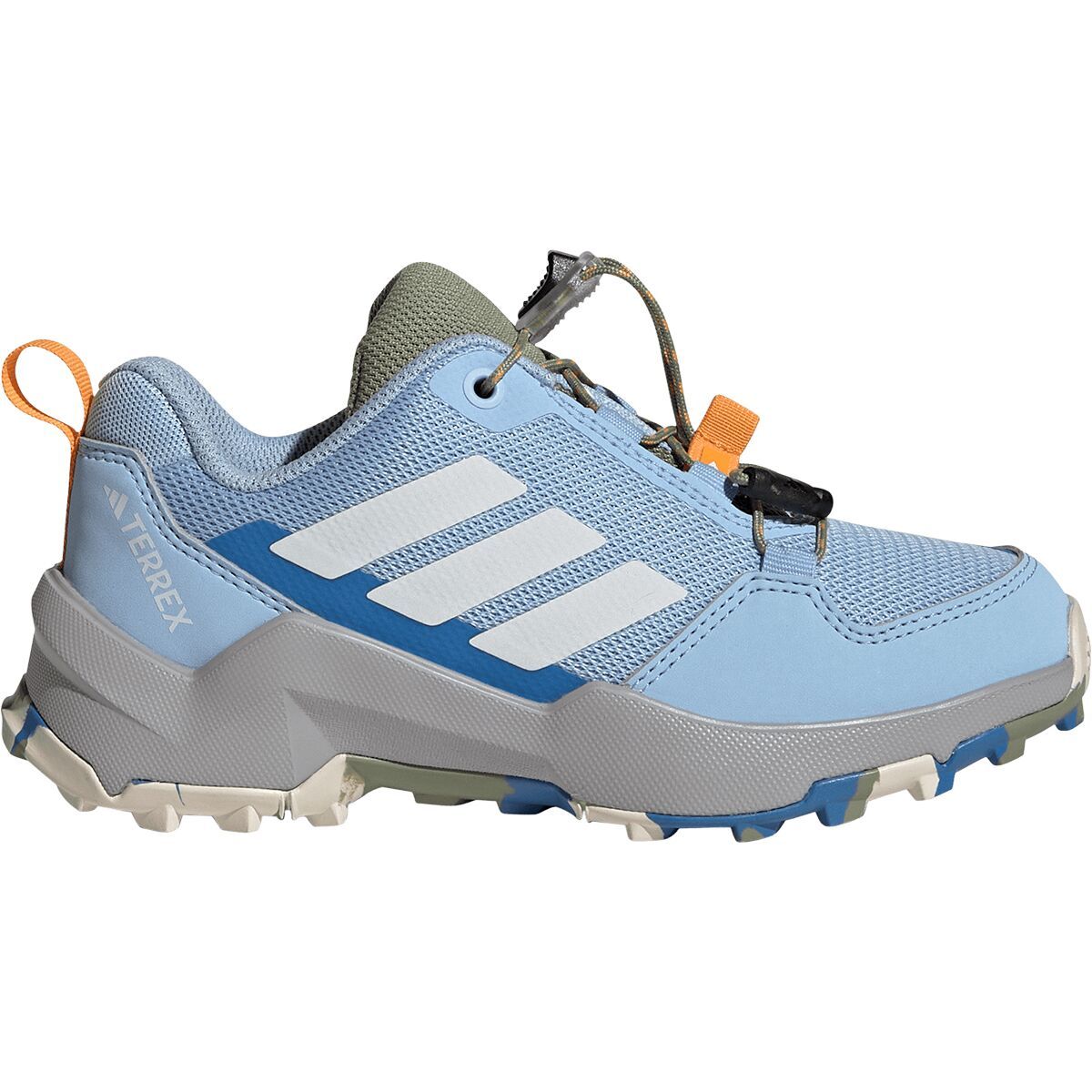
Adidas TERREX AX4S SL Shoe - Kids
Lightweight trail shoe designed for active kids who like to move fast on the trail. Slip-on design for easy use.
- Slip-on design
- Lightweight
- Grippy outsole
- Breathable mesh
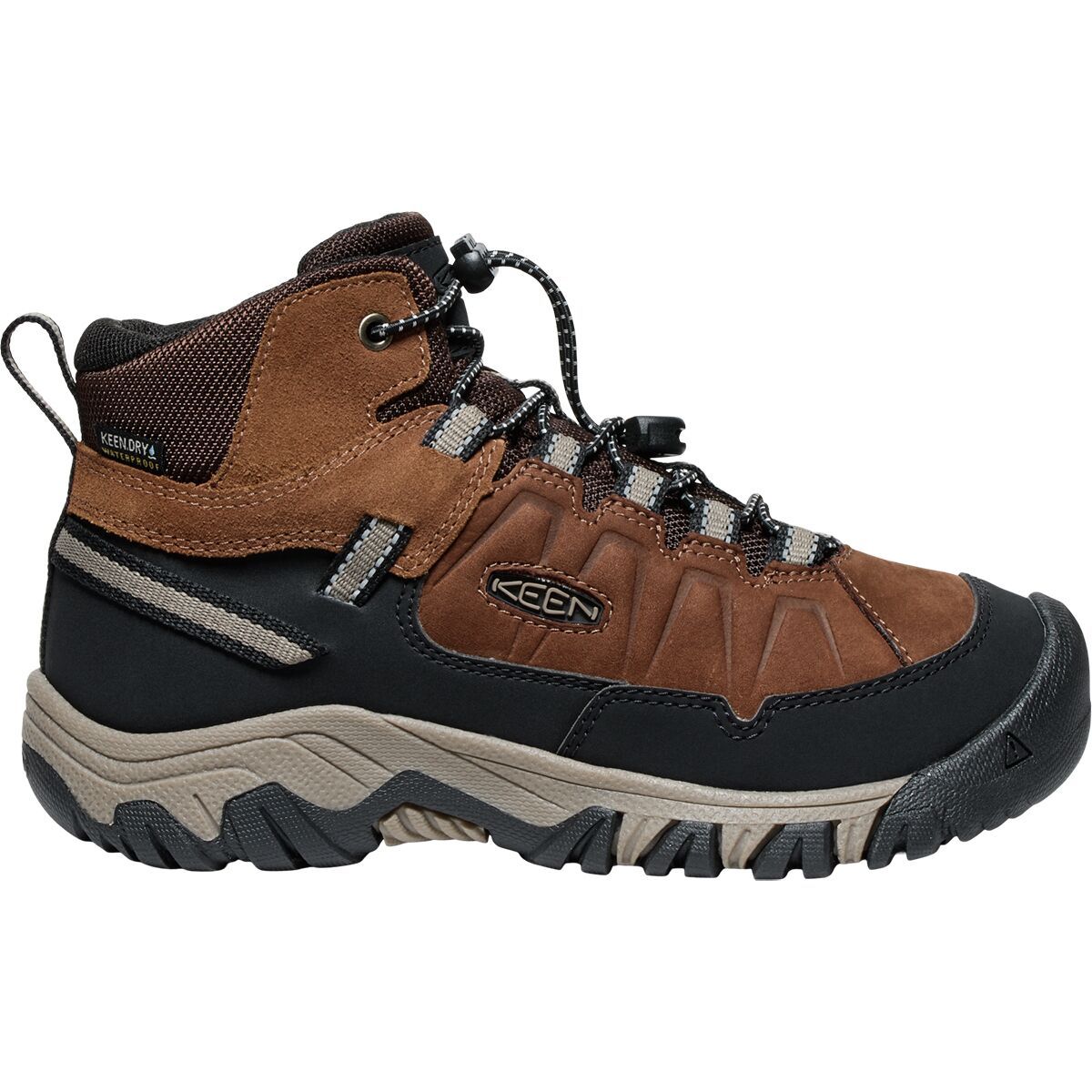
KEEN Targhee IV Mid WP Hiking Boot - Kids
Scaled-down version of KEEN's cult Targhee. Waterproof leather upper, supportive mid-cut ankle, aggressive lug outsole. The go-to boot for serious kid hikers who log real miles.
- Waterproof leather
- Mid-cut ankle support
- Aggressive lug outsole
- KEEN.Dry waterproof membrane
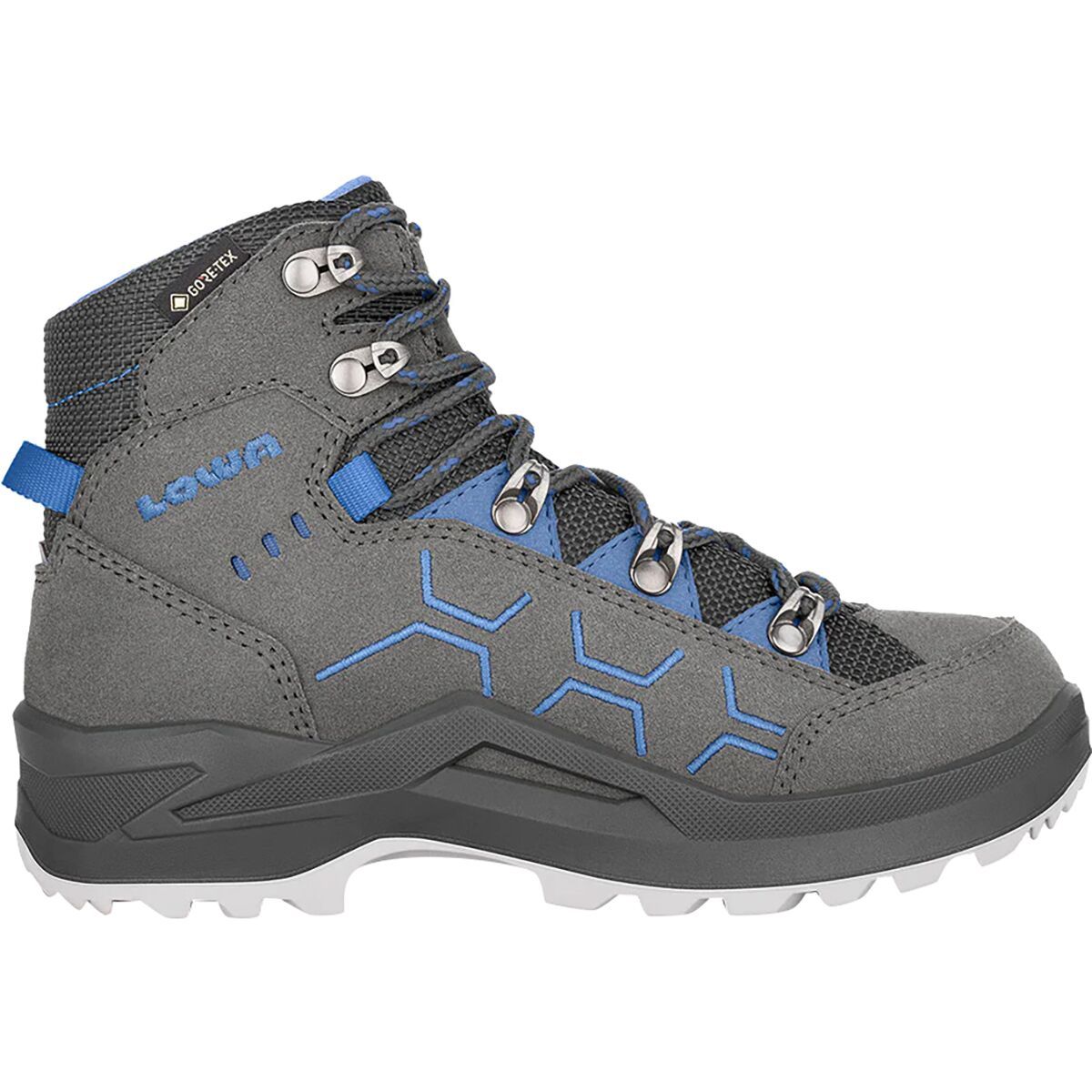
Lowa Kody Evo GTX Mid JR Hiking Boot - Kids
Real Gore-Tex waterproofing in a kids' boot. German-engineered fit, mid-cut ankle support, Vibram outsole. For the kid who actually hikes in the rain and snow.
- Gore-Tex waterproof
- Vibram outsole
- Mid-cut ankle
- Quick-lace system

Salomon Speedcross WP Shoe - Kids
Legendary Salomon Speedcross in kids' sizing. Aggressive chevron lugs, Quicklace, and Salomon ClimaSalomon waterproof membrane, ideal for muddy, technical trails.
- ClimaSalomon waterproof
- Chevron mud lugs
- Quicklace system
- EnergyCell midsole
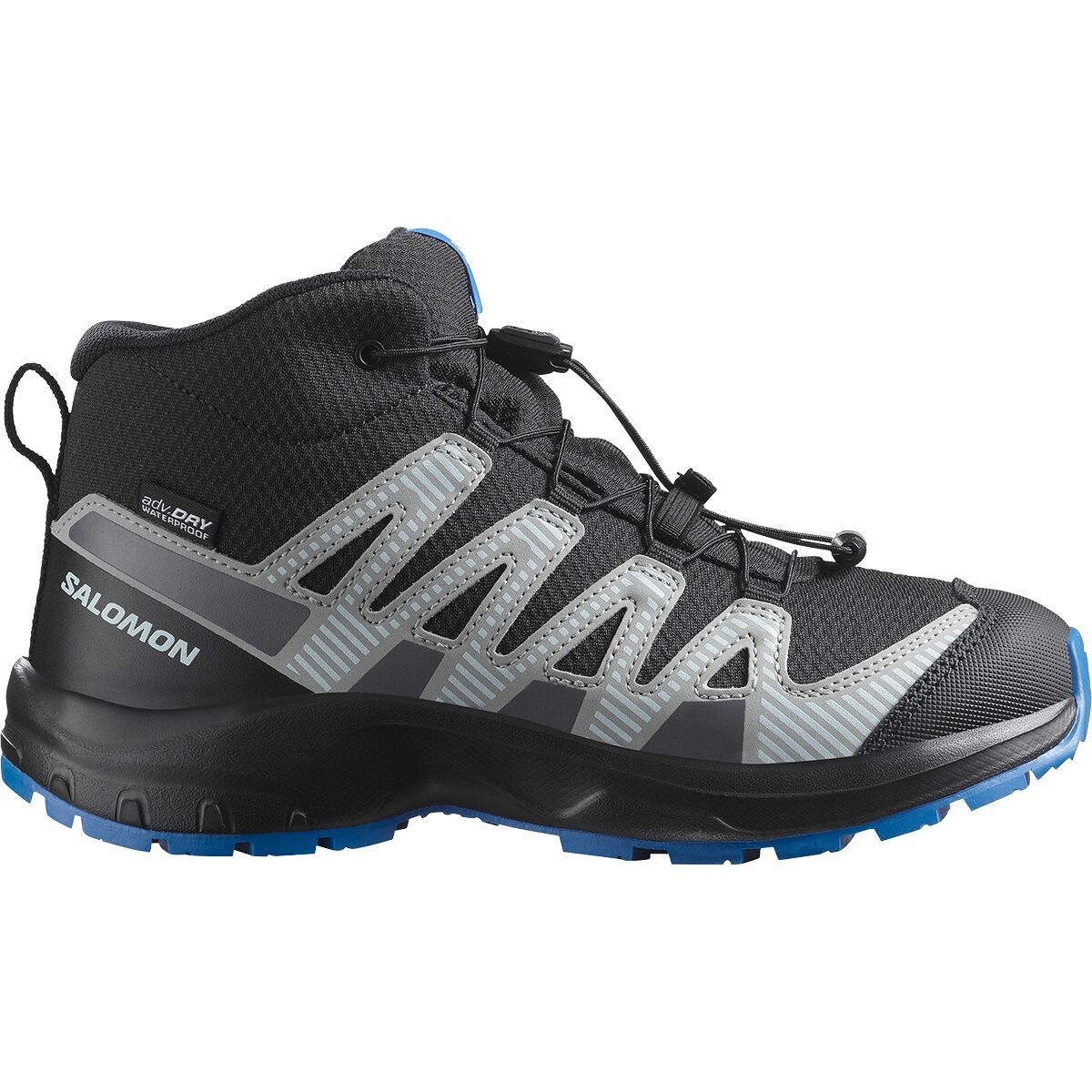
Salomon XA Pro V8 Mid WP Shoe - Kids
Salomon XA Pro with mid-cut ankle support and waterproof protection. Bridges the gap between trail runner and hiking boot, stable but still agile.
- Waterproof membrane
- Mid-cut ankle
- Quicklace
- Contagrip outsole
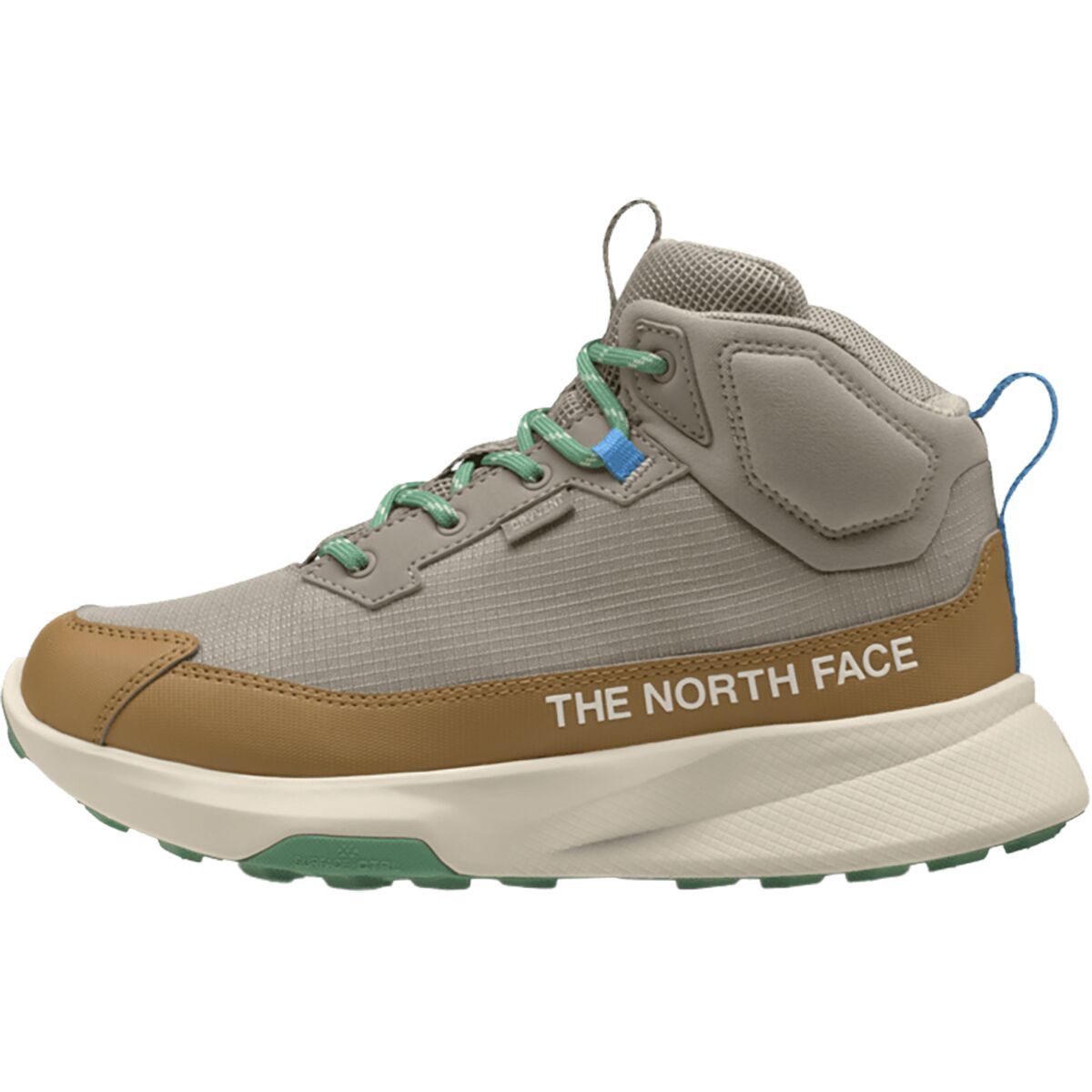
The North Face Fastpack II Mid Waterproof Hiking Boot - Kids
Lightweight waterproof mid boot from TNF. Good compromise between technical boot and everyday sneaker, kids will actually wear it without complaining.
- Waterproof DryVent
- Mid-cut support
- Lightweight EVA
- Grippy rubber outsole
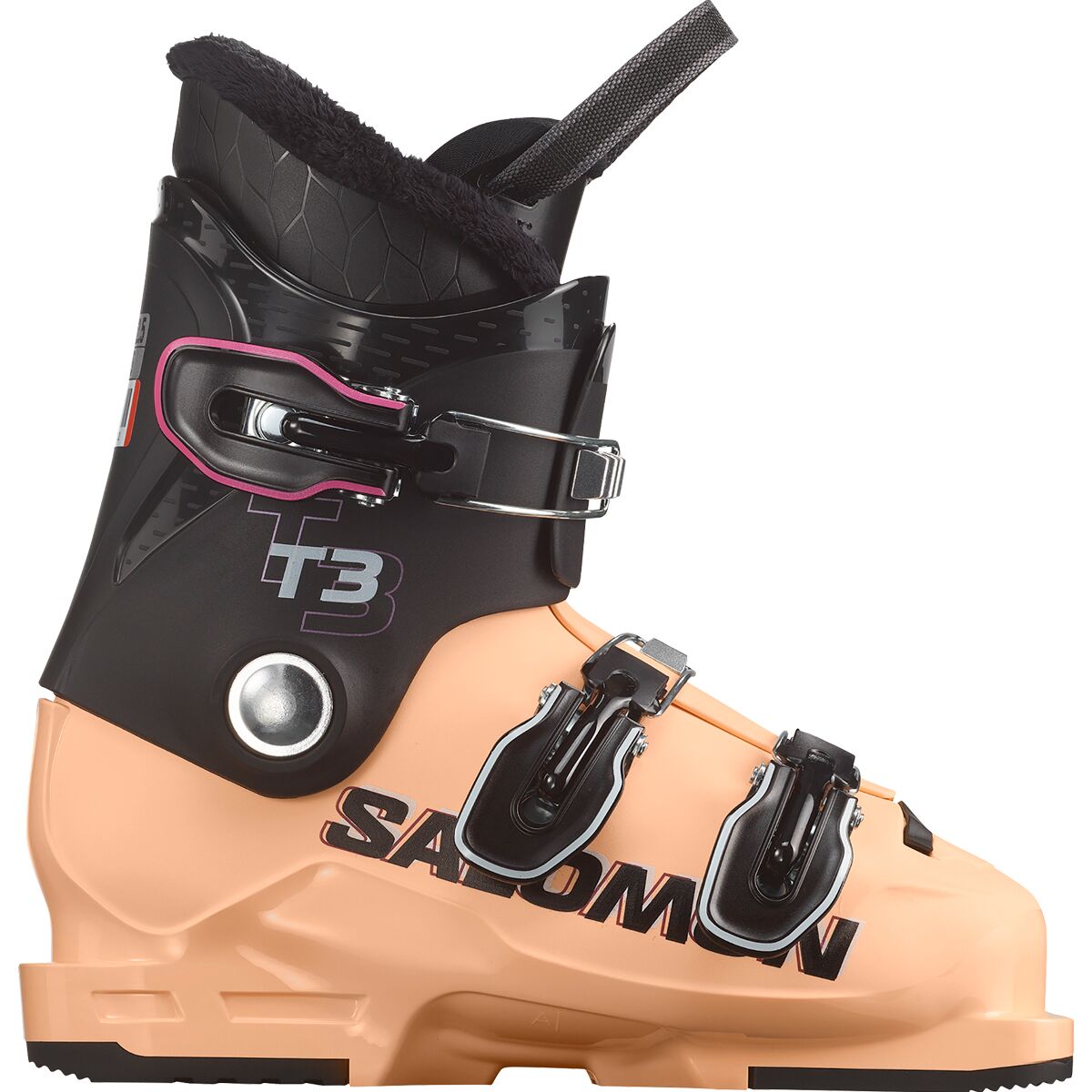
Salomon T3 RT Boot - Kids
Premium Salomon Toundra-lineage winter boot built for cold and deep snow. Insulated, waterproof, and burly, ideal for kids who spend real days in the snow.
- Insulated winter boot
- Fully waterproof
- Aggressive snow lugs
- Burly upper
Best Brands for Kids Hiking Footwear
Not all hiking boots are created equal, especially for kids. These brands have proven track records of making quality children's outdoor footwear that balances durability, comfort, and appropriate features for young hikers.
KEEN
Known for their iconic toe protection and versatile hybrid sandals. KEEN makes some of the most popular kids outdoor footwear, particularly the Newport H2 which works for water, trails, and everyday wear.
Best for: Versatility, water activities, toe protection
Price range: $40-$80
Top model: Newport H2 Sandal
Merrell
A trusted name in hiking footwear for decades. Merrell kids shoes feature the same quality construction as their adult lines, with features specifically designed for growing feet.
Best for: Serious hiking, waterproof options, durability
Price range: $35-$75
Top model: Moab Speed Low Waterproof
Adidas Terrex
Athletic-inspired hiking shoes that appeal to active kids. Terrex kids shoes combine trail performance with the style and comfort kids love from athletic footwear.
Best for: Active kids, trail running, modern style
Price range: $60-$90
Top model: Terrex Trailmaker 2
The North Face
Premium outdoor brand with excellent cold-weather options. TNF kids boots are particularly good for winter hiking and snowy conditions.
Best for: Cold weather, winter hiking, premium quality
Price range: $65-$100
Top model: Alpenglow V Waterproof Boot
Frequently Asked Questions
Can kids wear regular sneakers for hiking?
For short, easy trails, regular athletic shoes can work in a pinch. However, they lack the grip, protection, and support of proper hiking footwear. Smooth rubber soles slip on rocks and roots, thin uppers offer no protection, and the lack of toe caps leaves feet vulnerable. For anything beyond a paved nature walk, proper hiking shoes are worth the investment.
How often do kids need new hiking boots?
This depends on growth rate and usage. During rapid growth periods (typically ages 4-8), kids may need new footwear every 6 months. Older kids who are growing more slowly might get a year out of a pair. Check fit regularly - if there is less than a thumb's width of room at the toe, it is time to size up.
Should I buy hiking boots online or in-store?
In-store is ideal for first-time purchases so you can assess fit properly. Once you know your child's size in a particular brand, online shopping is convenient for replacements. Many online retailers (including Backcountry) offer free returns, making it easier to order multiple sizes and return what does not fit.
Are expensive hiking boots worth it for kids?
Not necessarily. Mid-range options from quality brands ($50-80) typically offer the best value for kids. Premium features found in expensive adult boots (advanced waterproofing, technical materials) are often wasted on children who will outgrow the boots before wearing them out. Focus on fit, grip, and protection rather than premium features.
What socks should kids wear with hiking boots?
Merino wool or synthetic hiking socks are best. Avoid cotton, which holds moisture and causes blisters. Kids hiking socks should fit snugly without bunching, reach above the boot collar, and provide light cushioning. Smartwool and Darn Tough make excellent kids hiking socks.
Can siblings share hiking boots?
Hand-me-down hiking boots can work if they have not been heavily worn. Footwear molds to the original wearer's feet over time, and heavily worn boots may not provide proper support for a new wearer. If the soles still have good tread and the uppers are not broken down, they are usually fine to pass along.
Ready to Hit the Trail?
The right hiking boots can transform your family's outdoor adventures. With properly fitted, trail-appropriate footwear, your kids will be ready to tackle miles of trails with comfort and confidence.
Affiliate Disclosure: ParentCalc is a participant in the Backcountry affiliate program. We may earn a commission when you click through our links and make a purchase. This helps support our site and allows us to continue providing free parenting resources. All product recommendations are based on our own research and experience.