Complete Guide to Hiking with Kids
Everything families need for successful trail adventures - from gear and safety to age-appropriate tips and the best trails for every age
2026 Product Picks
Our latest product roundups related to this guide:

KEEN Newport H2 Sandal - Toddler Boys
Machine-washable sandal with toe protection and quick-drying upper. Perfect for creek crossings and wet trail conditions.
- Machine washable
- Toe protection
- Quick-dry upper
- Lace capture system
Why Hiking with Kids is Worth the Effort
There is something transformative about watching your child discover a hidden waterfall, spot their first deer on the trail, or proudly summit their first peak. Hiking with kids builds resilience, curiosity, and a lifelong appreciation for the natural world that no classroom can replicate.
Research from the American Academy of Pediatrics confirms what outdoor families have always known: time in nature reduces stress, improves focus, and promotes physical health in children. Regular hiking strengthens developing muscles, improves coordination, and helps kids sleep better. Beyond the physical benefits, hiking teaches problem-solving, persistence, and the confidence that comes from conquering challenges together as a family.
The key to successful family hiking lies in proper preparation. The right boots prevent blisters and complaints. Appropriate layers keep everyone comfortable as conditions change. Smart snack planning maintains energy and moods. This comprehensive guide covers every aspect of hiking with kids, from choosing your first trail to equipping your family with gear that makes miles fly by.
We have partnered with Backcountry to bring you expert-recommended gear from trusted outdoor brands including KEEN, Merrell, The North Face, Smartwool, Columbia, Cotopaxi, and Dakine. Whether you are planning short nature walks with a toddler or training for a summit attempt with your tween, this guide will help you gear up and head out with confidence.
Benefits of Hiking with Kids
- Improved physical fitness and coordination
- Reduced anxiety and better sleep quality
- Enhanced problem-solving and resilience
- Stronger family bonds through shared challenges
- Environmental awareness and nature appreciation
- Screen-free quality time and lasting memories
Related Guides
When to Start Hiking with Kids
The good news? You can start hiking with kids at almost any age - the approach just looks different at each stage. Understanding age-appropriate expectations prevents frustration and builds positive associations with the outdoors that last a lifetime.
0-6 Months
Newborn Explorers
Key Tips:
- Use a front carrier for short, easy trails
- Choose shaded paths to protect sensitive skin
- Keep hikes under 30 minutes initially
- Bring extra layers - babies lose heat quickly
- Time hikes around feeding and nap schedules
Best Trail Types:
6-12 Months
Baby Hikers
Key Tips:
- Transition to structured hiking carrier
- Start with 1-2 mile trails
- Sun hat and sunscreen are essential
- Pack plenty of snacks and bottles
- Watch for signs of overheating or cold
Best Trail Types:
1-3 Years
Toddler Trekkers
Key Tips:
- Let them walk when safe, ride when tired
- Expect about 1 mile per hour of age
- Bring carrier for when legs give out
- Make it about exploration, not distance
- Celebrate small discoveries and milestones
Best Trail Types:
4-6 Years
Little Hikers
Key Tips:
- Can handle 2-4 miles on good trails
- Give them a small pack with water
- Nature scavenger hunts boost engagement
- Rest stops every 20-30 minutes
- Destination goals like waterfalls or viewpoints
Best Trail Types:
7-10 Years
Trail Kids
Key Tips:
- Can tackle 4-8 miles with training
- Start teaching map reading and navigation
- Let them lead sections of trail
- Introduce basic outdoor skills
- Build up to elevation gain gradually
Best Trail Types:
11-14 Years
Young Adventurers
Key Tips:
- Capable of adult-level distances
- Include them in trip planning
- Ready for overnight backpacking
- Challenge with navigation responsibilities
- Consider hiking with friends for motivation
Best Trail Types:
The Golden Rule of Hiking with Kids
A good rule of thumb: A child can hike approximately one mile per year of age on easy to moderate terrain. A 5-year-old might manage 5 miles on a flat trail, but steep terrain or hot weather can cut this significantly. Always start with shorter distances and build up gradually. Success breeds enthusiasm - a positive experience on a shorter hike is far better than a miserable death march.
The Framed Carriers That Make It All Possible
From about 6 months until your child hikes solo, a framed carrier is the single most important piece of family hiking gear. These two dominate the category:

Osprey Poco Child Carrier
The benchmark framed child carrier: adjustable torso, built-in sunshade, and Osprey's ventilated suspension so the adult stays comfortable on long miles. Carries kids from about 6 months up to a 48.5 lb max load.
- Built-in deployable sunshade
- Adjustable torso fits both parents
- Ventilated AirScape backpanel
- Large lower storage for snacks and layers

Deuter Kid Comfort Child Carrier
Deuter's take on the framed carrier, known for its plush, height-adjustable child seat and easy side-entry loading. VariSlide back system adjusts between adults in seconds for parents trading carry duty.
- Height-adjustable padded child seat
- Side-entry loading
- VariSlide adjustable back system
- Aircomfort ventilated backpanel
Kids Hiking Boots & Trail Shoes
Proper footwear is the single most important investment for family hiking. Blisters, sore feet, and slipping on rocks cause more trail meltdowns than anything else. Kids need footwear with good grip, proper support, and protection from rocks and roots. Here are our top picks from trusted outdoor brands including KEEN, Merrell, Adidas Terrex, and The North Face.
Choosing the Right Kids Hiking Footwear
- Toe protection - Rubber toe caps prevent stubbed toes on roots and rocks
- Grippy soles - Look for multi-directional lugs that grip on varied terrain
- Quick-dry materials - Creek crossings and puddles are irresistible to kids
- Proper fit - Leave thumb-width of room at toe for growth and downhill
- Easy closure - Velcro or bungee systems help young kids manage independently
- Break-in period - Wear new shoes around the house before hitting trails
Toddler Hiking Shoes (Ages 1-3)
KEEN Newport H2 Sandal - Toddler Boys
Machine-washable sandal with toe protection and quick-drying upper. Perfect for creek crossings and wet trail conditions.
- Machine washable
- Toe protection
- Quick-dry upper
- Lace capture system
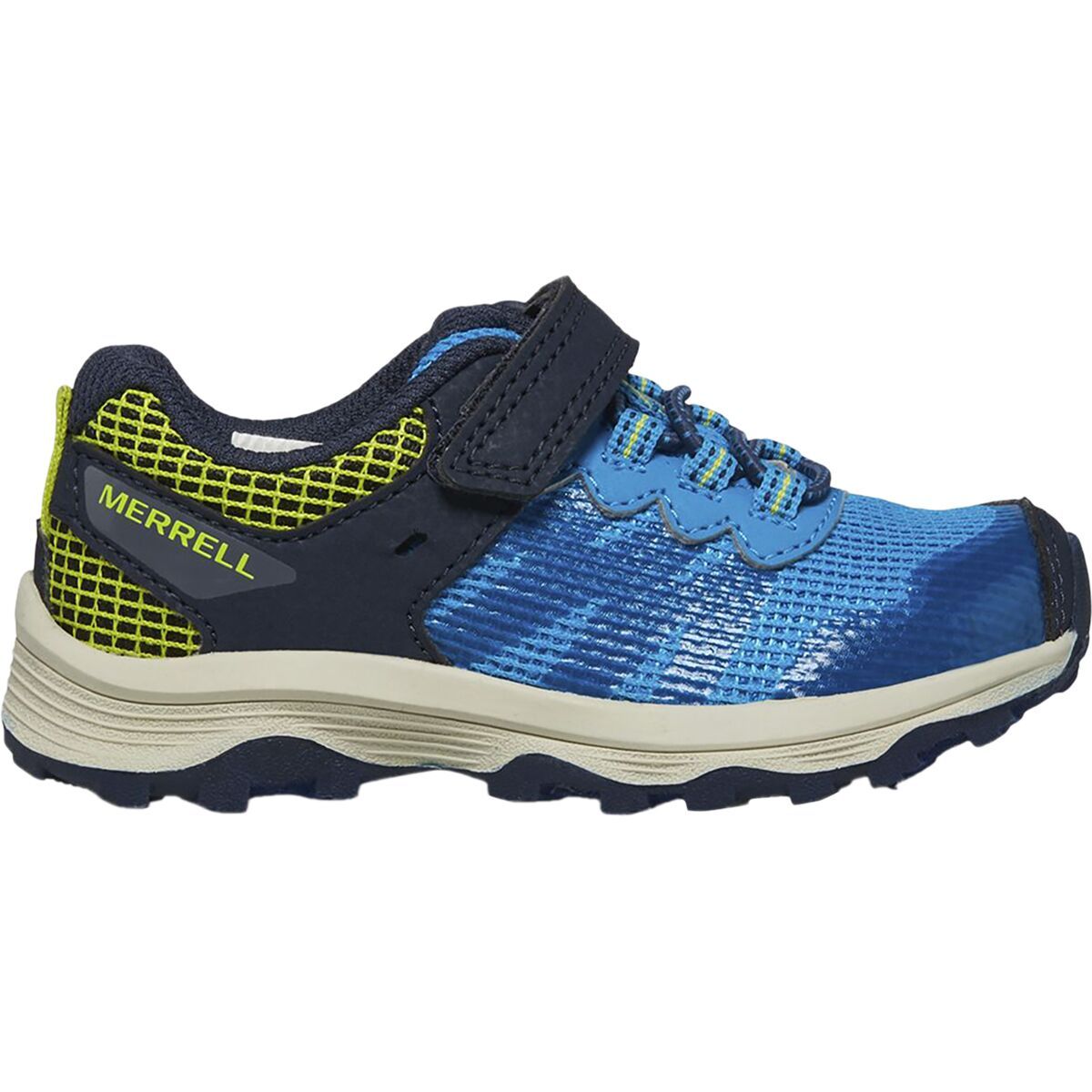
Merrell Nova 3 Sneaker - Toddlers
Trail-ready sneaker with anti-stink lining and reinforced toe. Alternative closure makes it easy for little ones to manage.
- Anti-stink lining
- Reinforced toe
- Easy closure
- Extra grippy outsole
Little Kids Hiking Shoes (Ages 4-7)
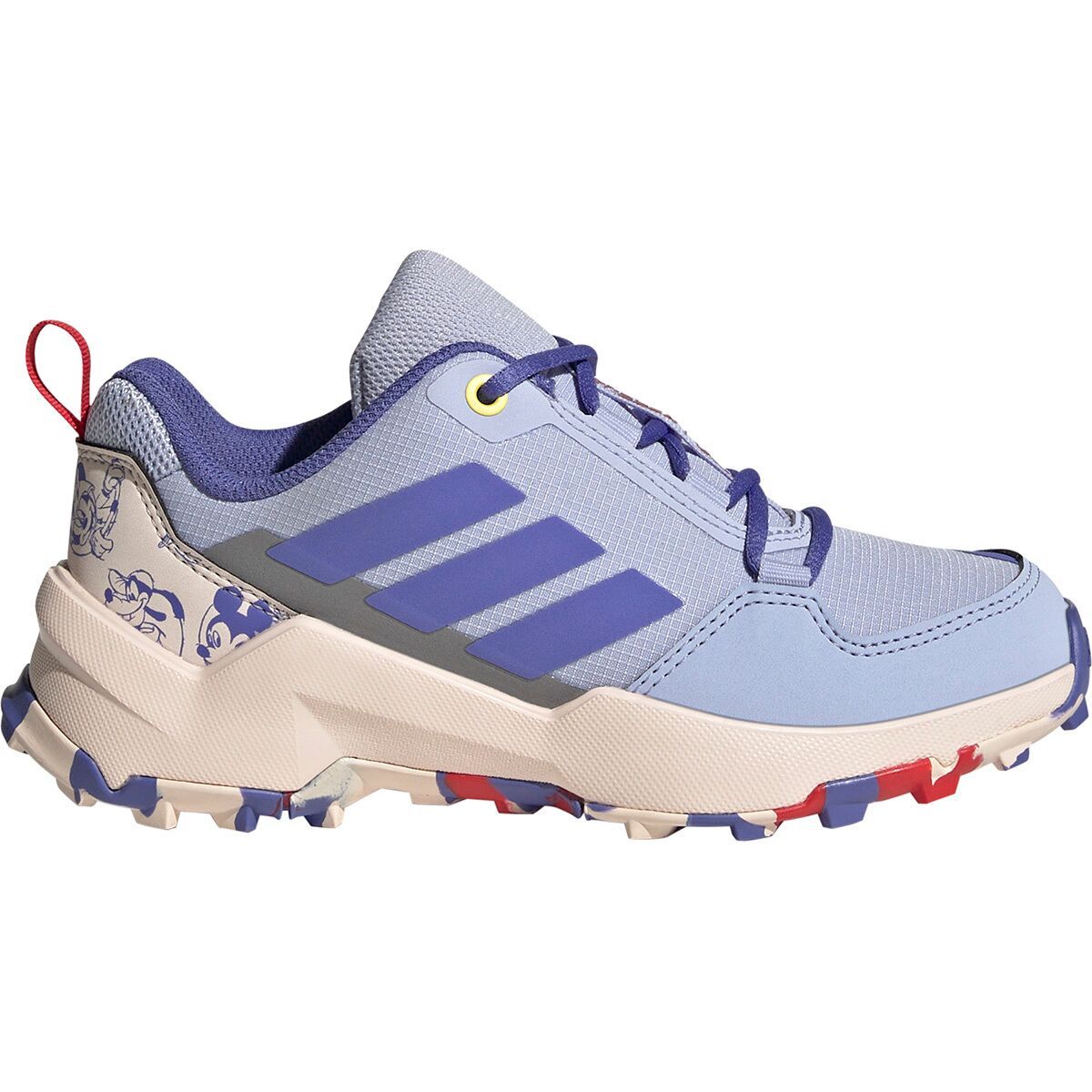
Adidas TERREX AX4R Disney Hiking Shoe - Little Kids
Disney-inspired design with grippy outsole and cushioned EVA midsole. Makes kids excited to hit the trail.
- Disney design
- Grippy outsole
- EVA midsole
- Lightweight build
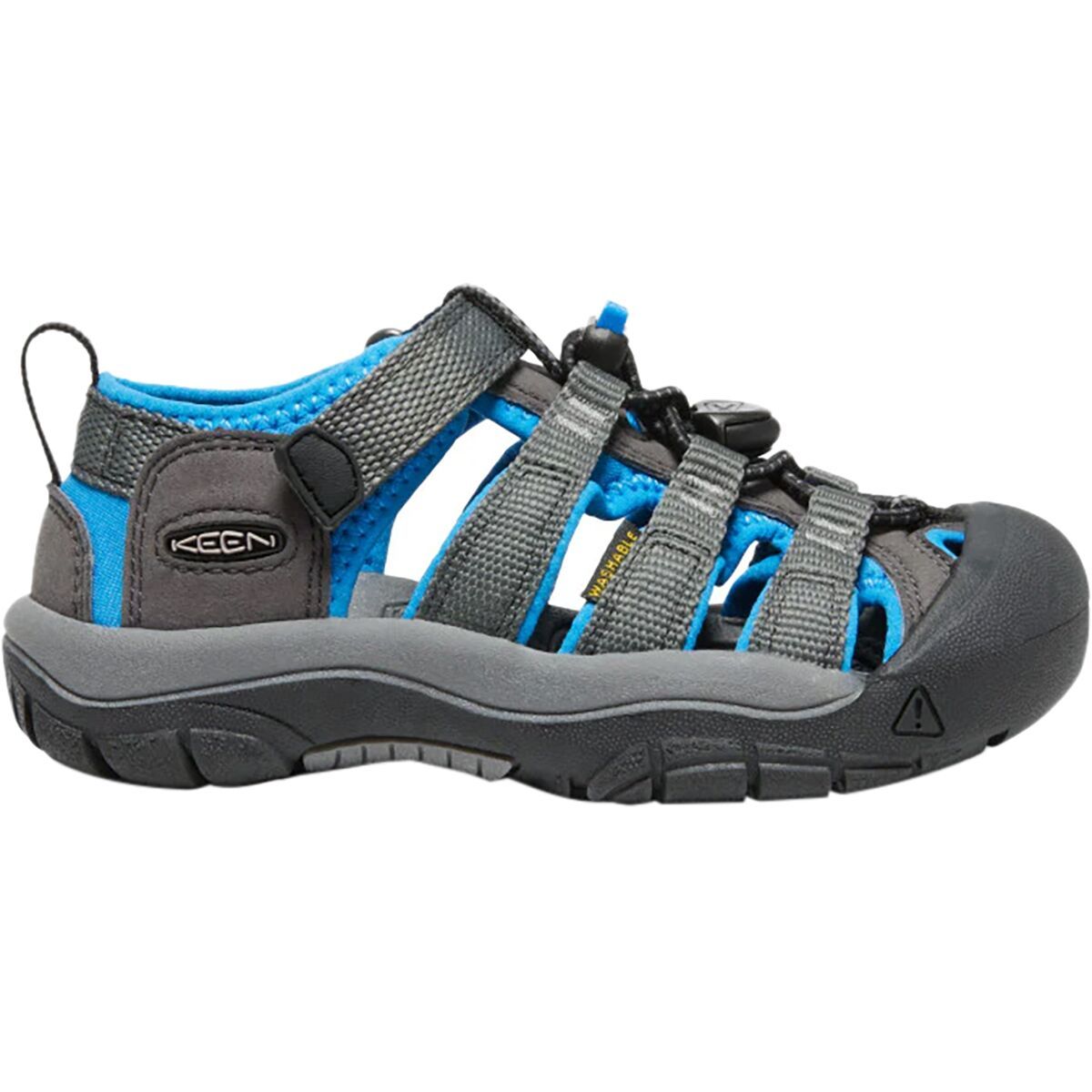
KEEN Newport H2 Sandal - Little Boys
Ultra-versatile adventure sandal for playground, trails, and summer camp. Protective toe cap shields from rocks and roots.
- Quick-drying
- Toe protection
- Metatomical footbed
- Multi-directional lugs

Merrell Moab Speed Low ZT Waterproof Hiking Shoe - Girls
Lightweight waterproof hiking shoe with breathable textile upper. Reinforced toe cap built for miles of adventures.
- Waterproof
- Breathable textile
- Reinforced toe
- Non-marking rubber

KEEN Newport H2 Sandal - Girls
Hybrid sandal perfect for water and trails. Aegis microbe shield keeps odors at bay during long adventure days.
- Quick-dry webbing
- Aegis microbe shield
- Secure lace system
- Non-marking sole
Big Kids Hiking Shoes (Ages 8+)
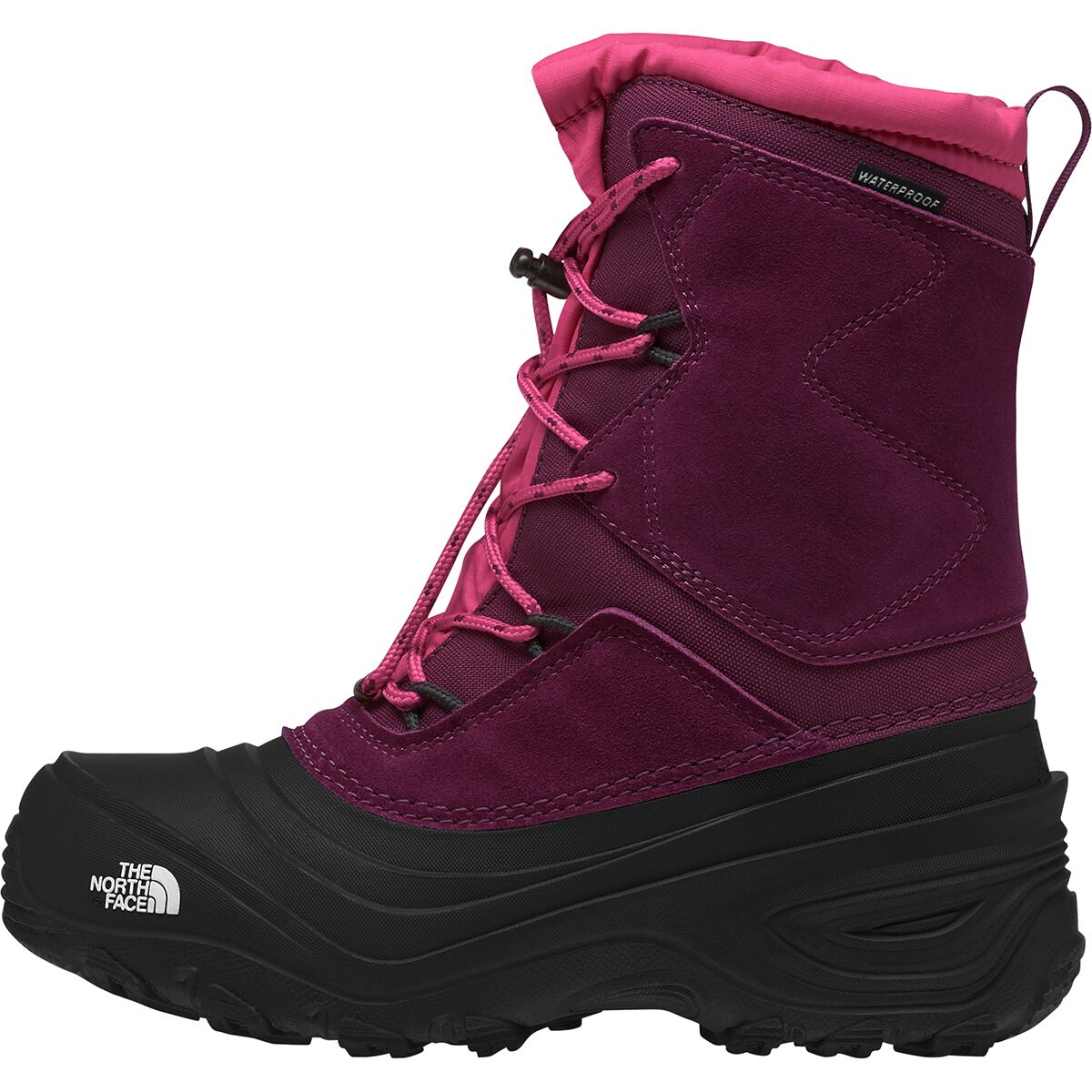
The North Face Alpenglow V Waterproof Boot - Kids
Warm waterproof boot with quick-lace system for independent kids. Removable liner dries overnight.
- Waterproof
- Thermafelt Plus liner
- Quick-lace system
- Winter Grip outsole
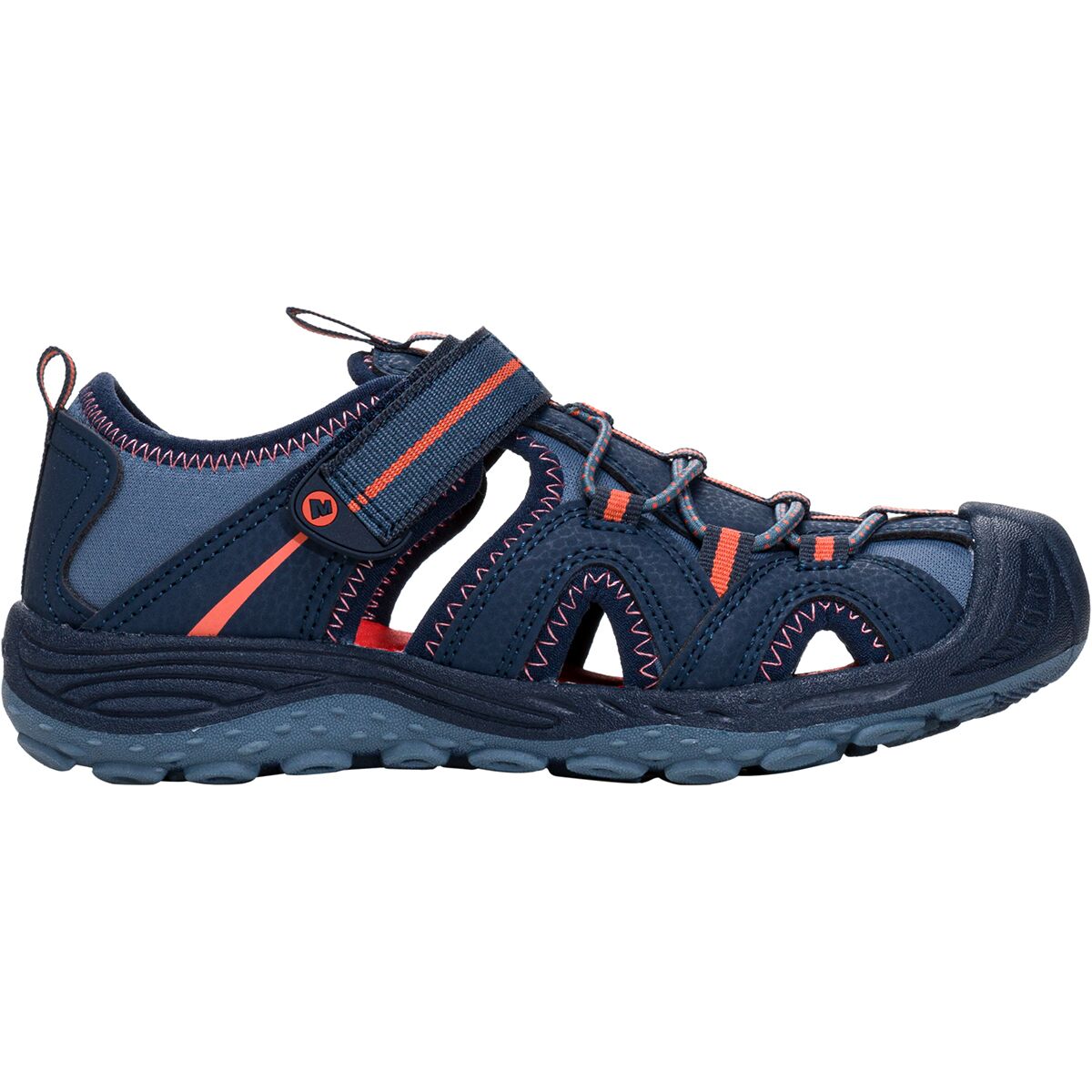
Merrell Hydro 2.0 Water Shoe - Kids
Quick-drying water shoe perfect for creek hikes and summer adventures. Rubber outsoles grip wet and dry surfaces.
- Quick-drying IMEVA
- Rubber outsoles
- Beach to trail
- Versatile summer shoe
Kids Hiking Backpacks
Giving kids their own backpack builds responsibility and engagement on the trail. Start small - a light pack with water, a snack, and a few treasures they collect along the way. As they grow, gradually increase pack weight (never more than 10-15% of body weight). These packs from The North Face, Cotopaxi, and Dakine are perfectly sized for young hikers.
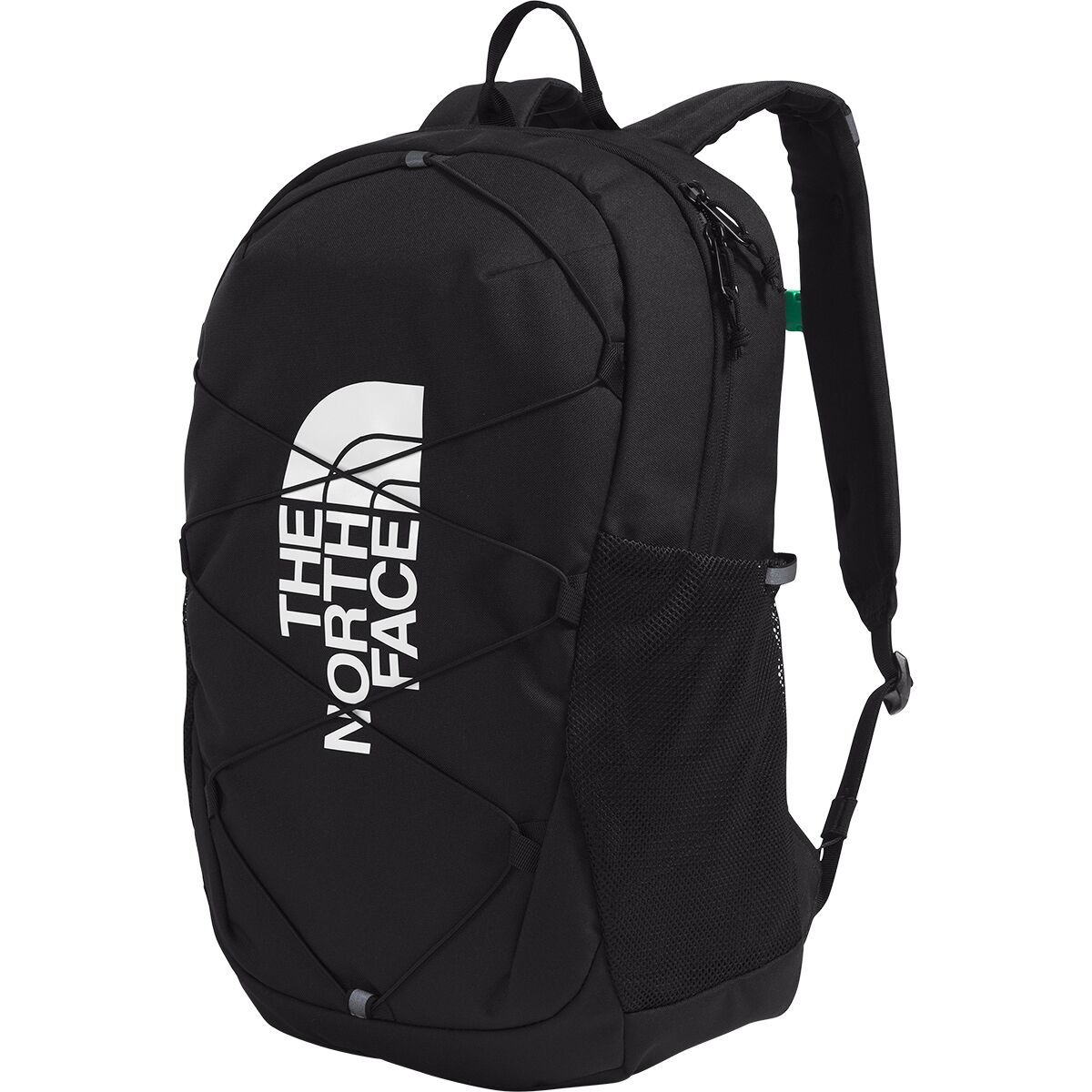
The North Face Court Jester 25L Backpack - Kids
Durable everyday pack perfect for school or trail. External bungee stashes jacket, padded straps for comfort.
- 25L capacity
- Padded back panel
- External bungee
- Reflective details

Cotopaxi Chiquillo Cada Dia 26L Backpack - Kids
Made from recycled fabrics with colorful design. Perfect for school and trail adventures alike.
- Recycled materials
- 26L capacity
- Multiple pockets
- Durable construction
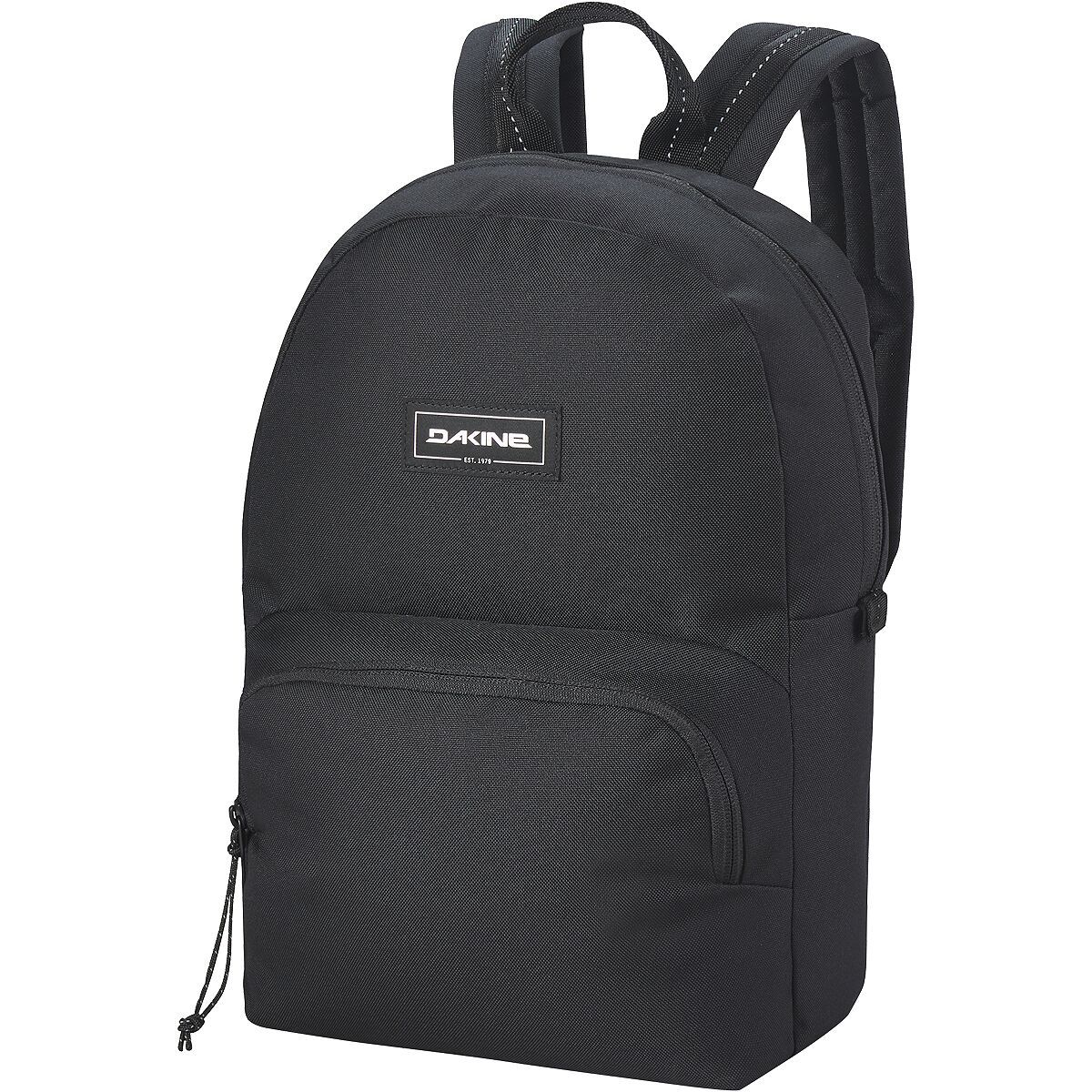
DAKINE Cubby 12L Backpack - Kids
Perfectly sized for young hikers. Made from recycled 600D fabric that stands up to playground and trail abuse.
- 12L capacity
- Recycled materials
- Kid-sized straps
- Playful design

The North Face Borealis Mini 10L Backpack
Compact pack for light loads and quick hikes. Front bungee system handles extra layer when temps change.
- 10L capacity
- Water-resistant
- Front bungee
- Tablet sleeve
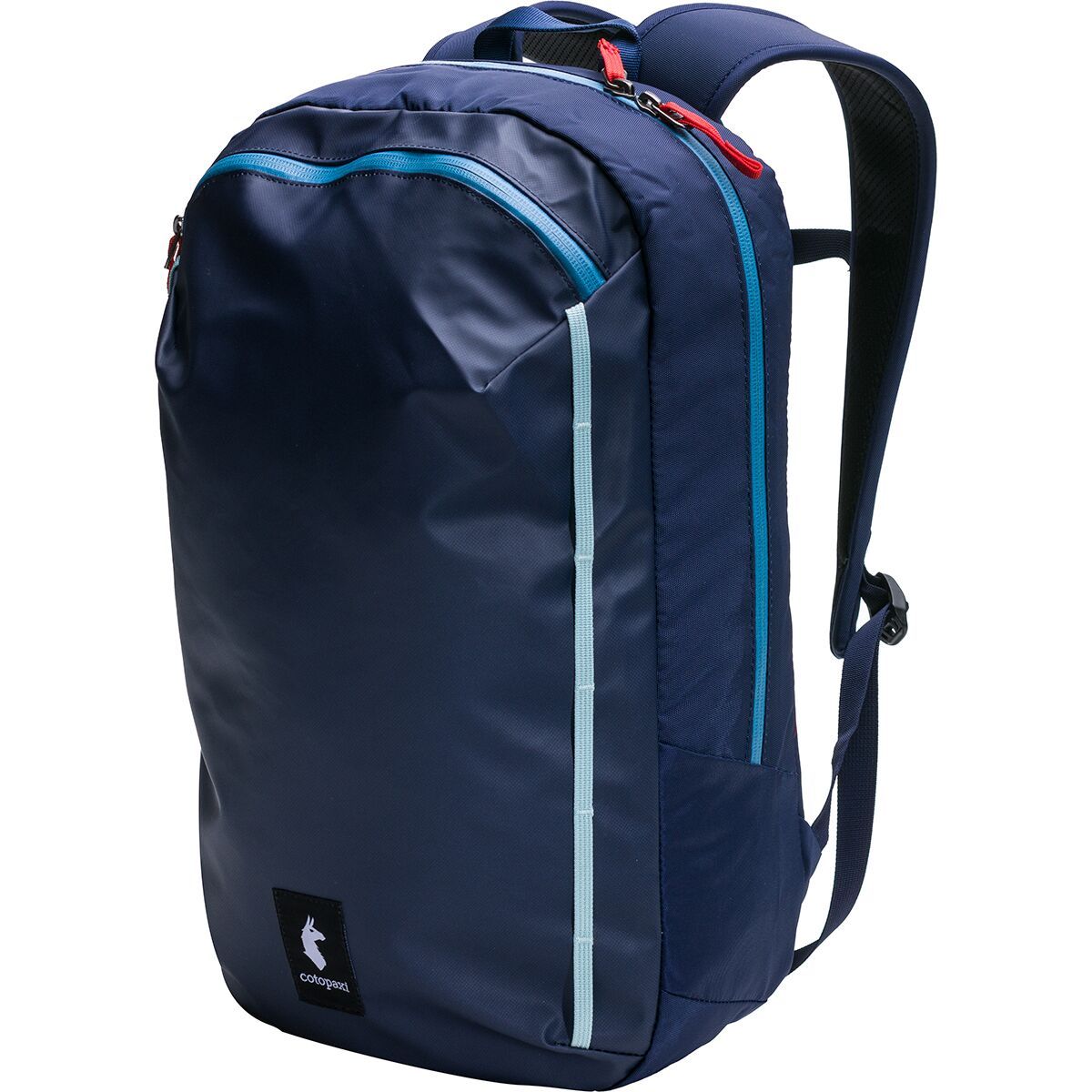
Cotopaxi Vaya 18L Backpack
B Corp Certified pack made from recycled materials. Ergonomic design with excellent organization.
- 18L capacity
- B Corp Certified
- Ergonomic design
- Recycled materials
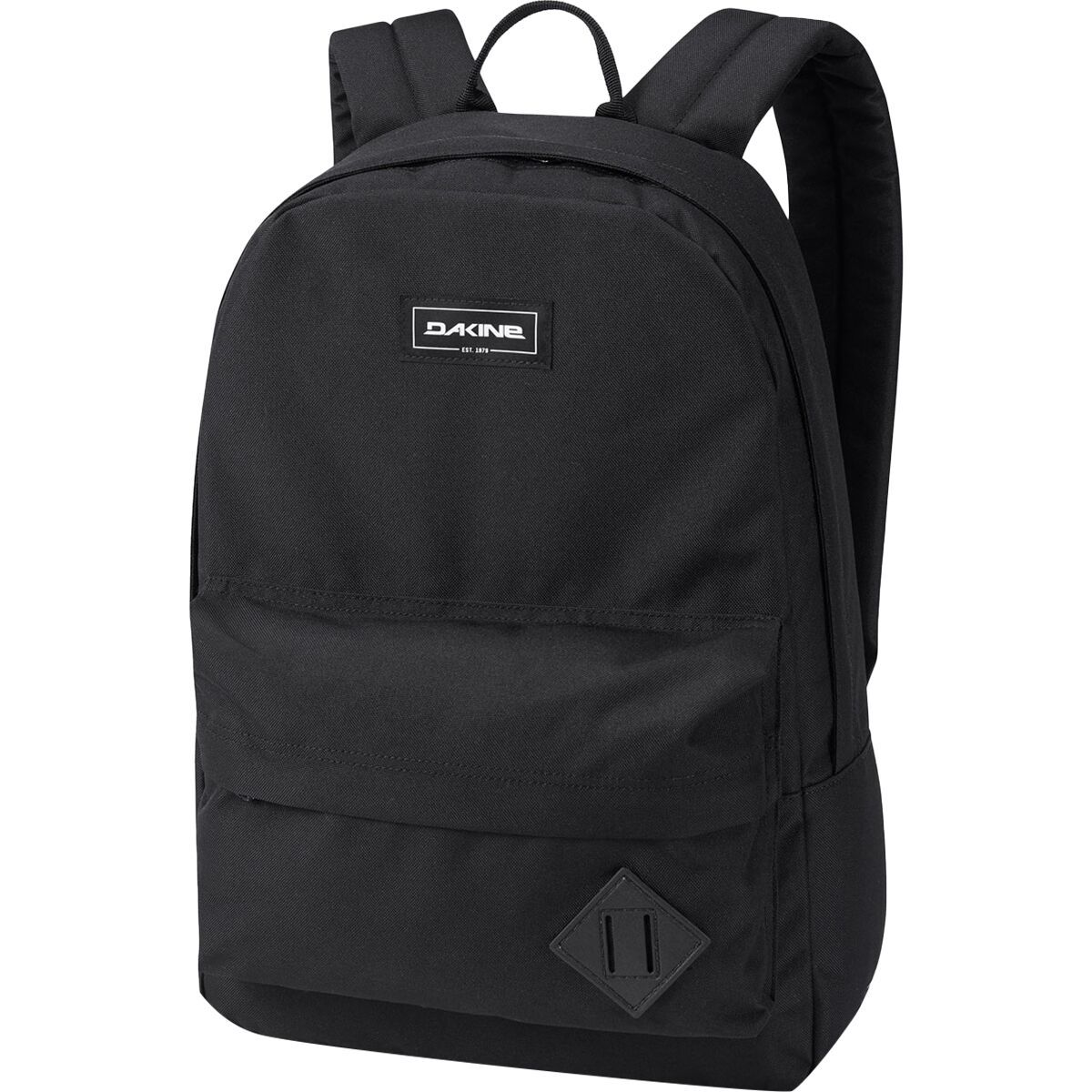
DAKINE 365 21L Backpack
Simple, stylish pack for tweens and teens. Padded bottom protects contents, lash tab for carabiner.
- 21L capacity
- Padded bottom
- Laptop sleeve
- Lash tab
Hiking Clothing for Kids
Layering is key for comfortable kids on the trail. Conditions change quickly - sunny meadows give way to shaded forests, and mountain weather can shift in minutes. The right clothing system keeps kids comfortable through it all. Focus on moisture-wicking base layers, insulating mid layers, and weather-protective outer layers.
The Three-Layer System for Kids
Base Layer
Moisture-wicking materials like merino wool or synthetic fabrics. Avoid cotton - it stays wet and causes chills.
Mid Layer
Insulating fleece or light puffy jacket. Easy to add or remove as temps change throughout the hike.
Outer Layer
Wind and water protection. A lightweight rain jacket should always be in the pack, even on sunny days.
Fleece & Mid Layers
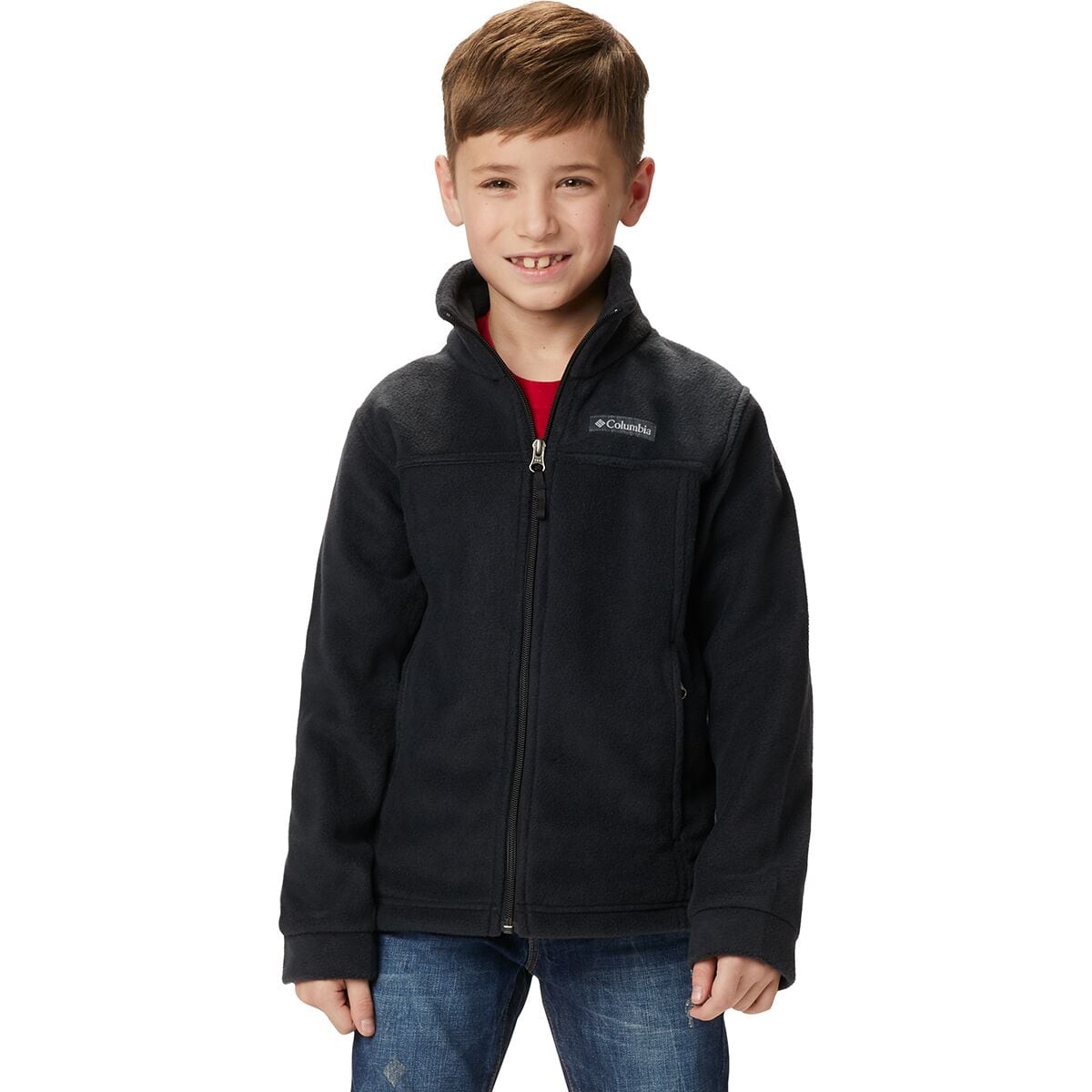
Columbia Steens Mountain II Fleece Jacket - Boys
Super soft MTR fleece perfect for campsite mornings and trail breaks. Durable enough for playground roughhousing.
- MTR fleece
- Zippered pockets
- Machine washable
- Layers well
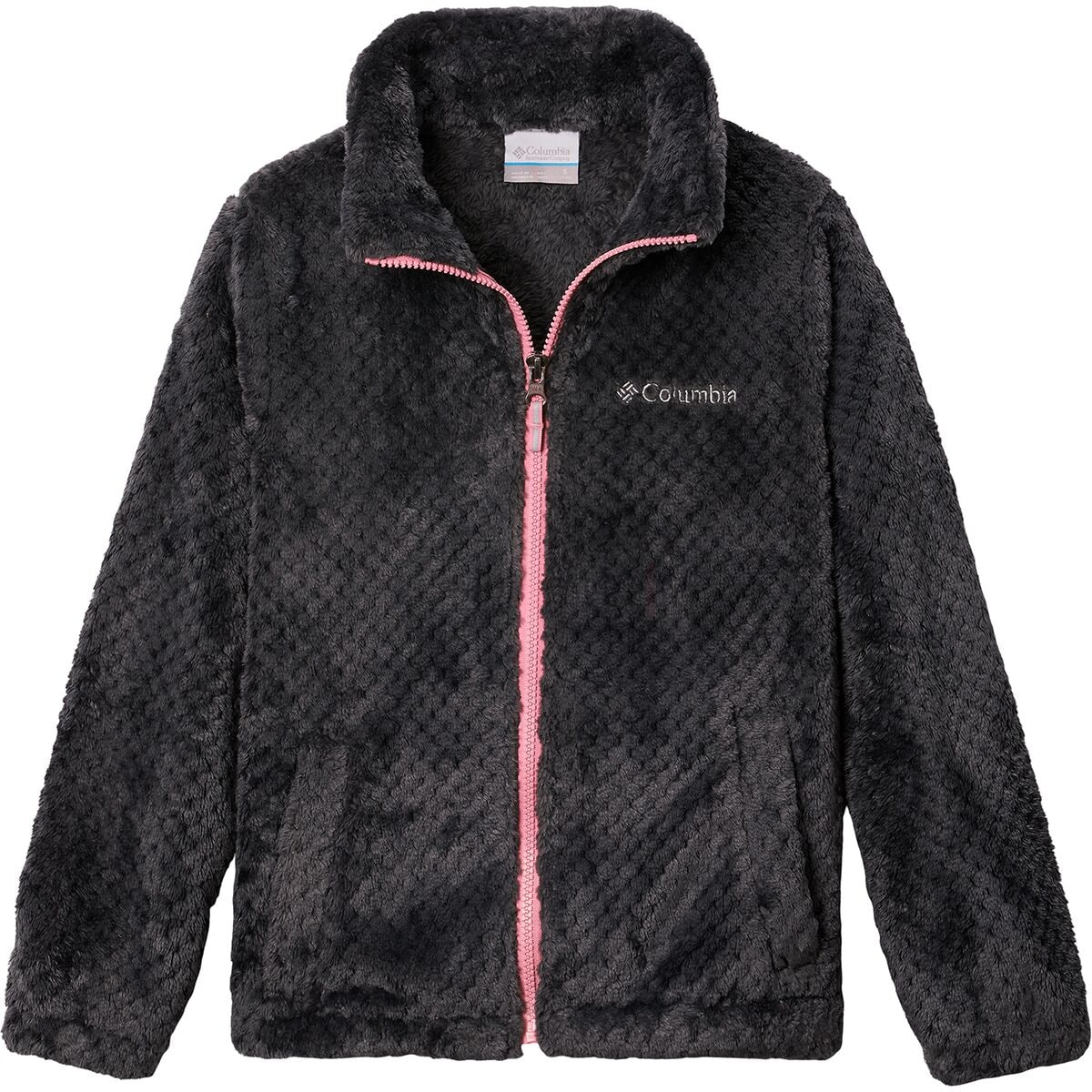
Columbia Fire Side Sherpa Hybrid Fleece Jacket - Girls
High-pile Sherpa fleece with hybrid panels. Perfect for chilly trail mornings or post-hike warmth.
- High-pile Sherpa
- Hybrid design
- Elastic cuffs
- Zippered pockets
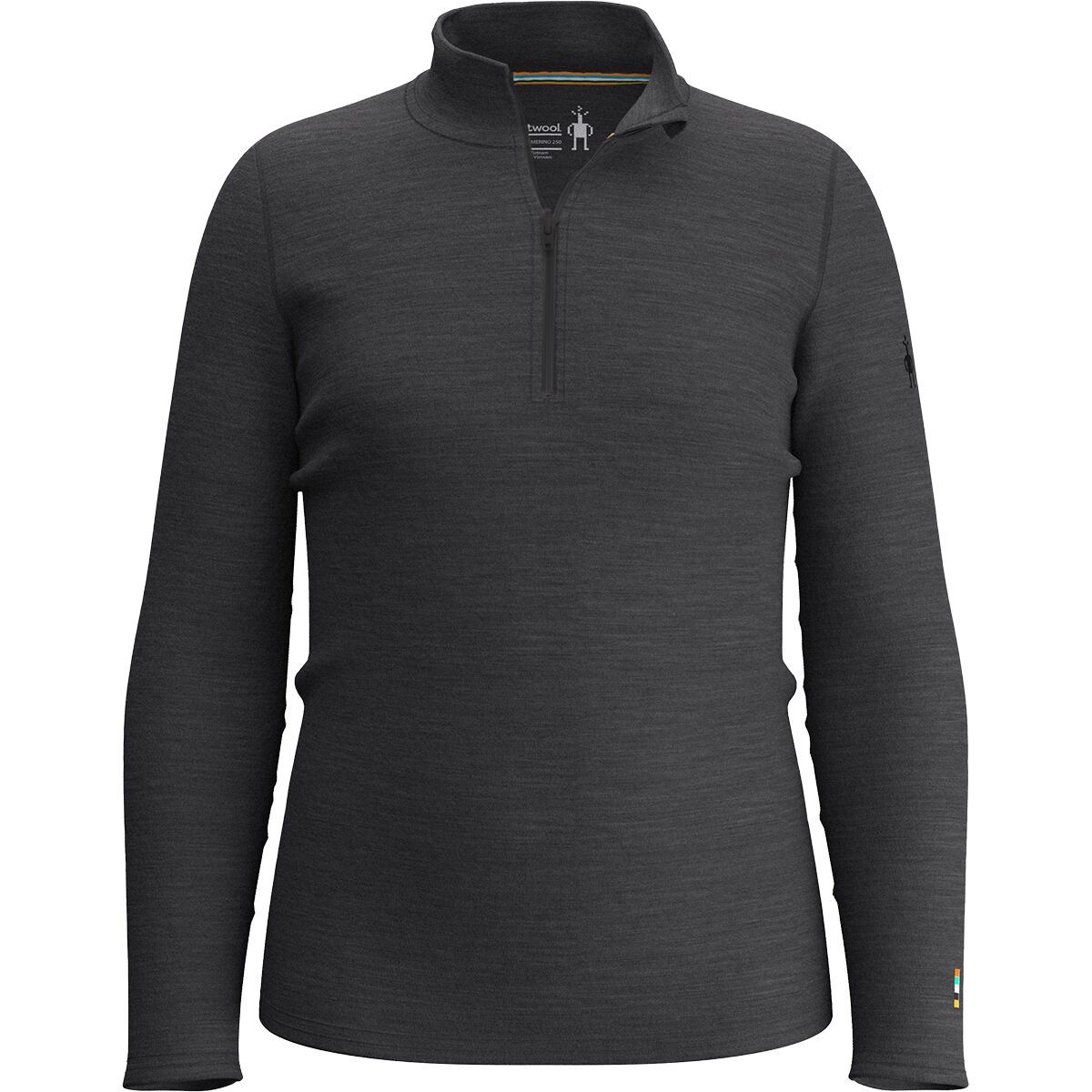
Smartwool Classic Thermal Merino 1/4-Zip Baselayer Top - Kids
Midweight merino base layer with zip neck for temperature control. Moisture-wicking and odor-resistant.
- Merino wool
- Moisture-wicking
- Odor-resistant
- 1/4 zip control
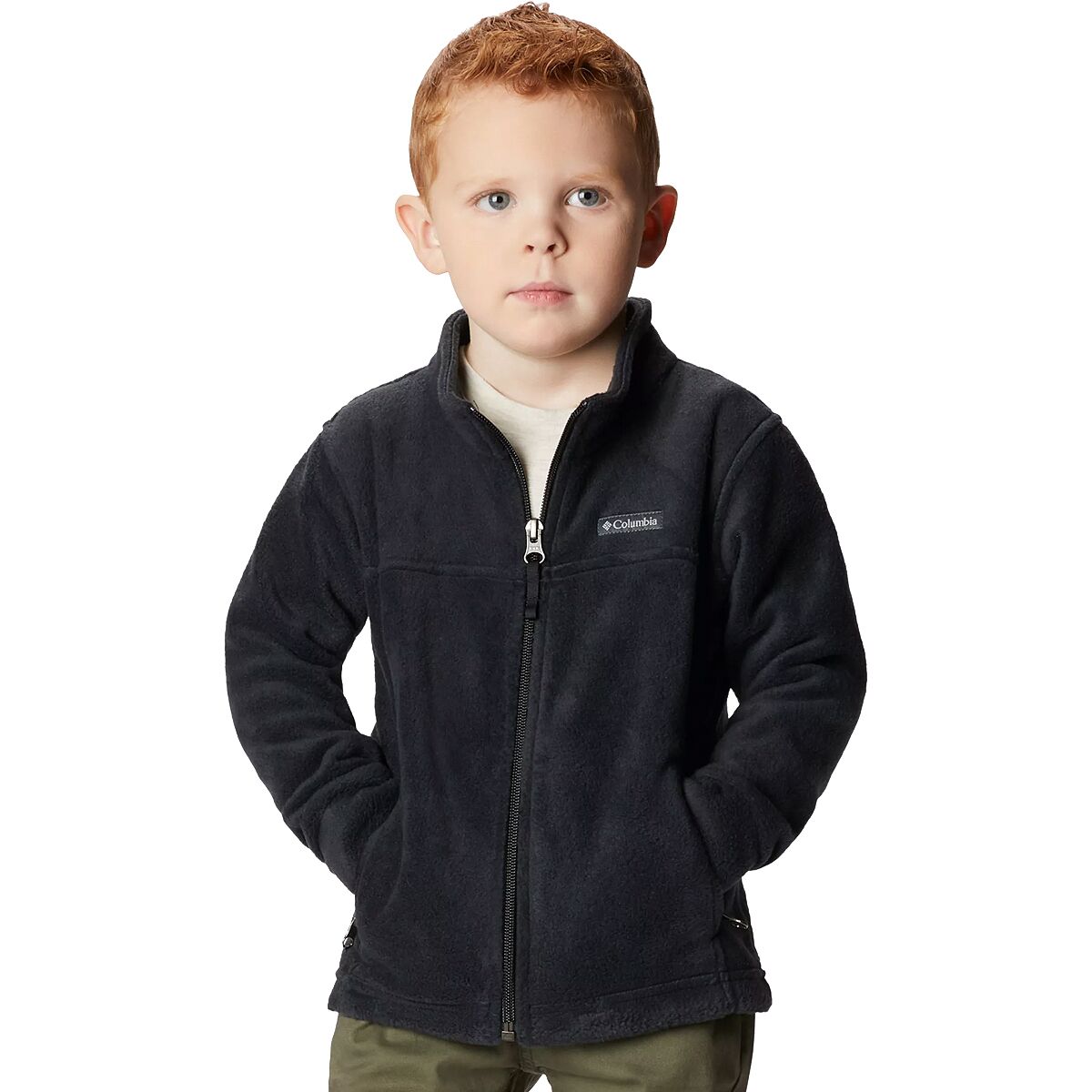
Columbia Steens Mountain II Fleece Jacket - Toddler Boys
Provides excellent warmth and mobility for chilly hikes and park play. MTR fleece for extra warmth.
- MTR fleece
- Toddler sizing
- Easy zipper
- Durable build
Hiking Socks & Base Layers
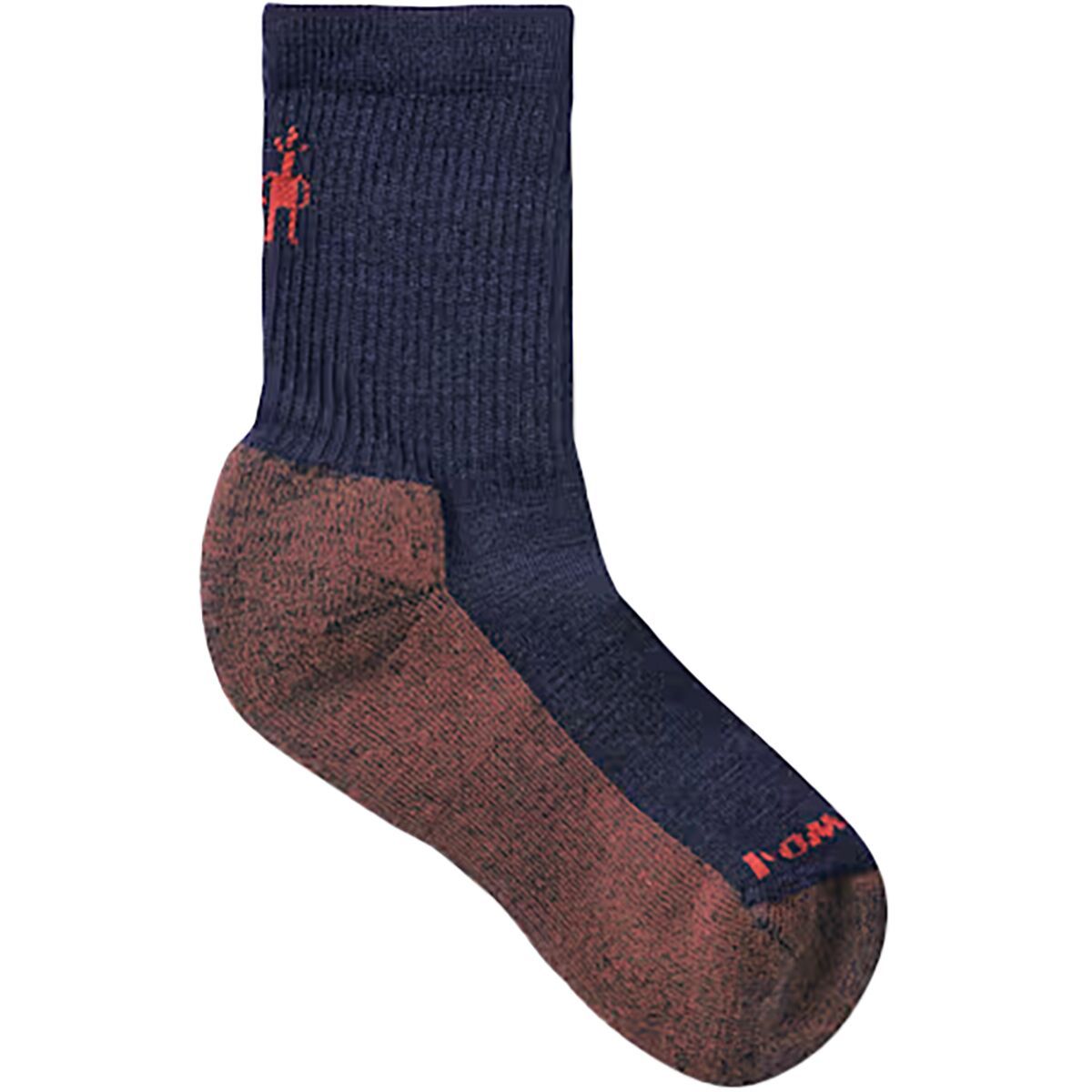
Smartwool Hike Light Cushion Crew Sock - Kids
100% merino wool for all-day comfort and freshness. Light cushioning perfect for trail miles.
- Merino wool
- Light cushion
- Odor-resistant
- Moisture-wicking
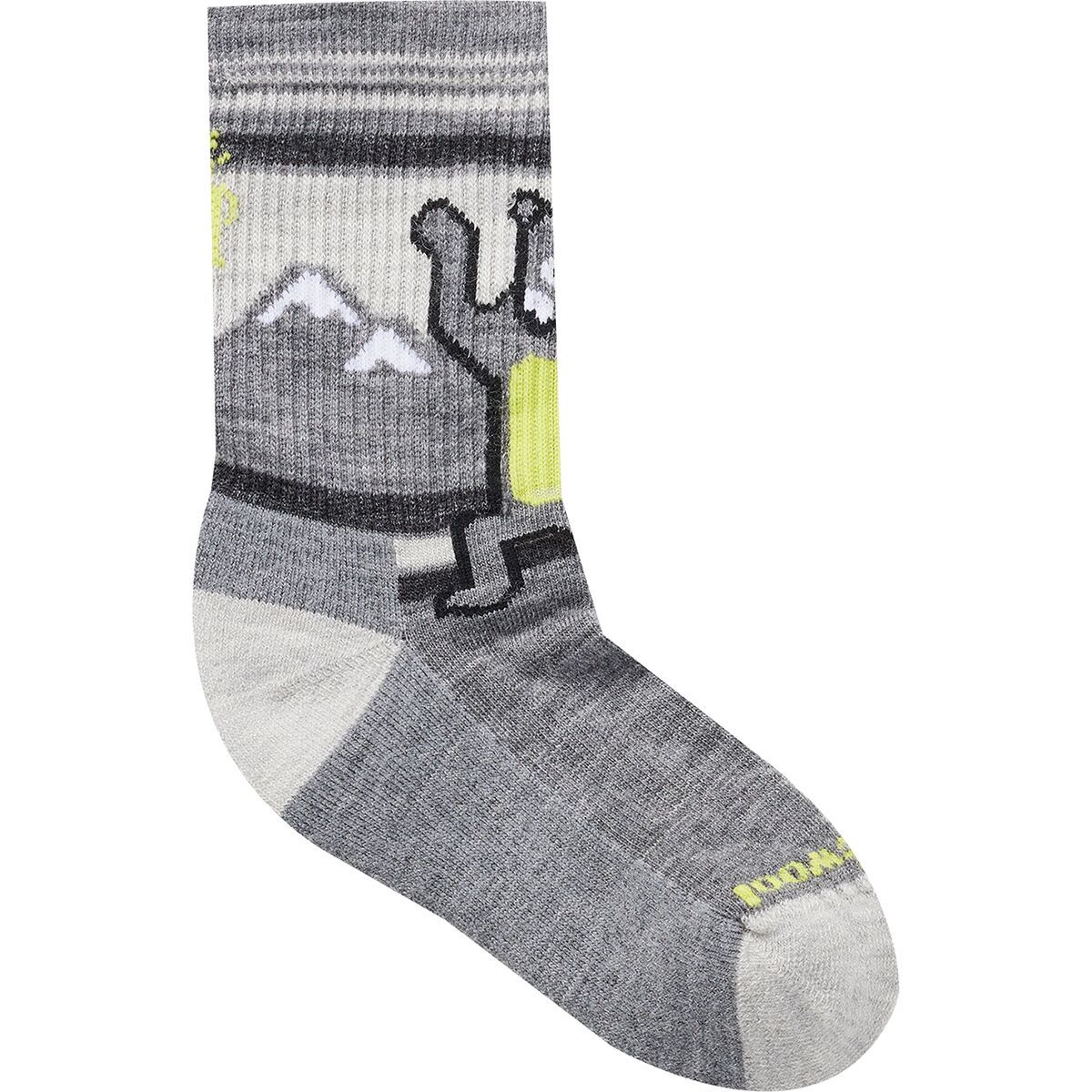
Smartwool Hike Light Cushion Hiking Bear Crew Sock - Kids
Technical hiking sock with cute bear print. All the moisture-wicking, odor-resistant magic kids need on trail.
- Bear print design
- Merino blend
- Quick-drying
- Odor-resistant
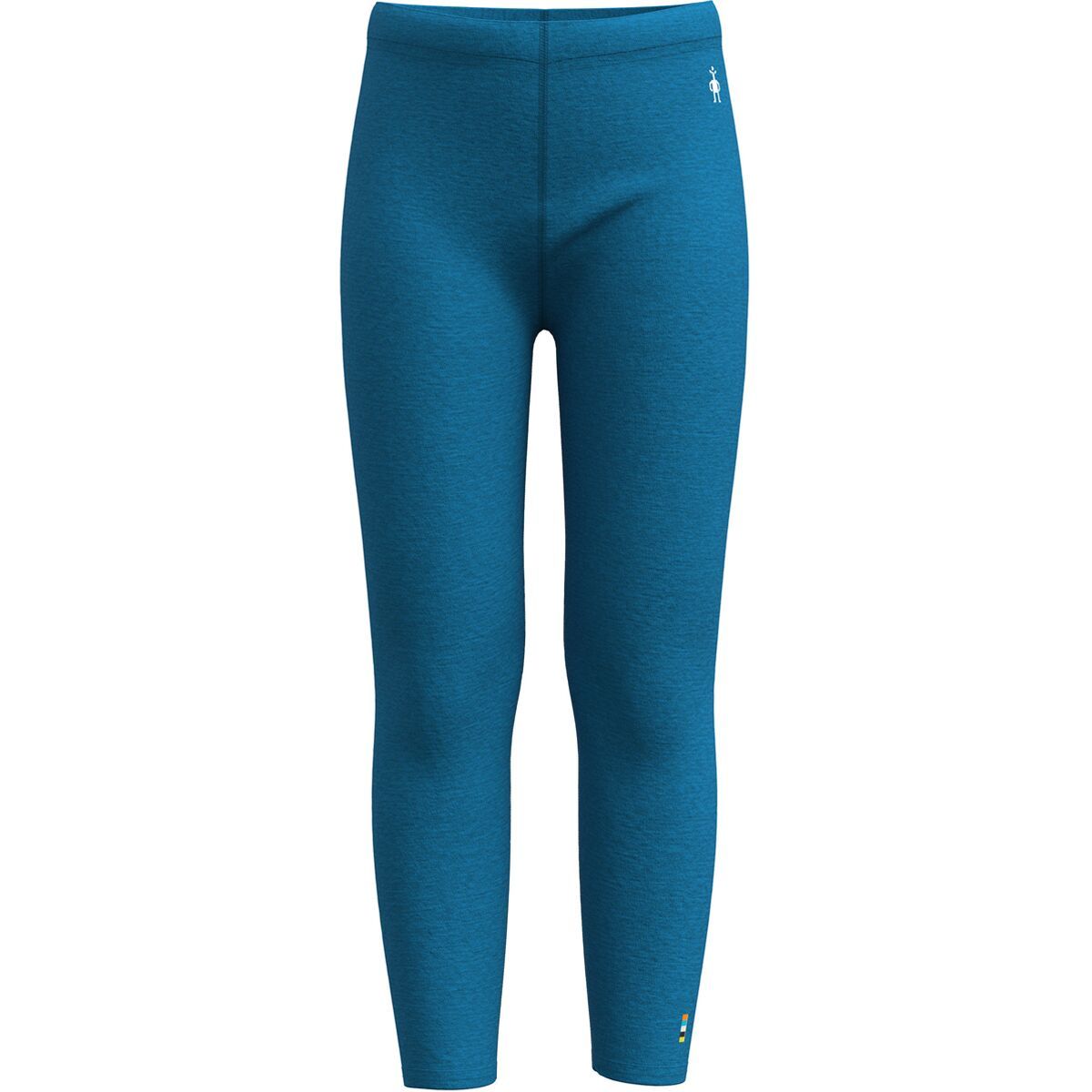
Smartwool Merino 250 Bottom - Kids
Midweight merino base layer pants for cold weather hiking. Temperature regulating and odor resistant.
- Merino wool
- Temperature regulating
- Odor-resistant
- Sweat-wicking
Hats & Accessories
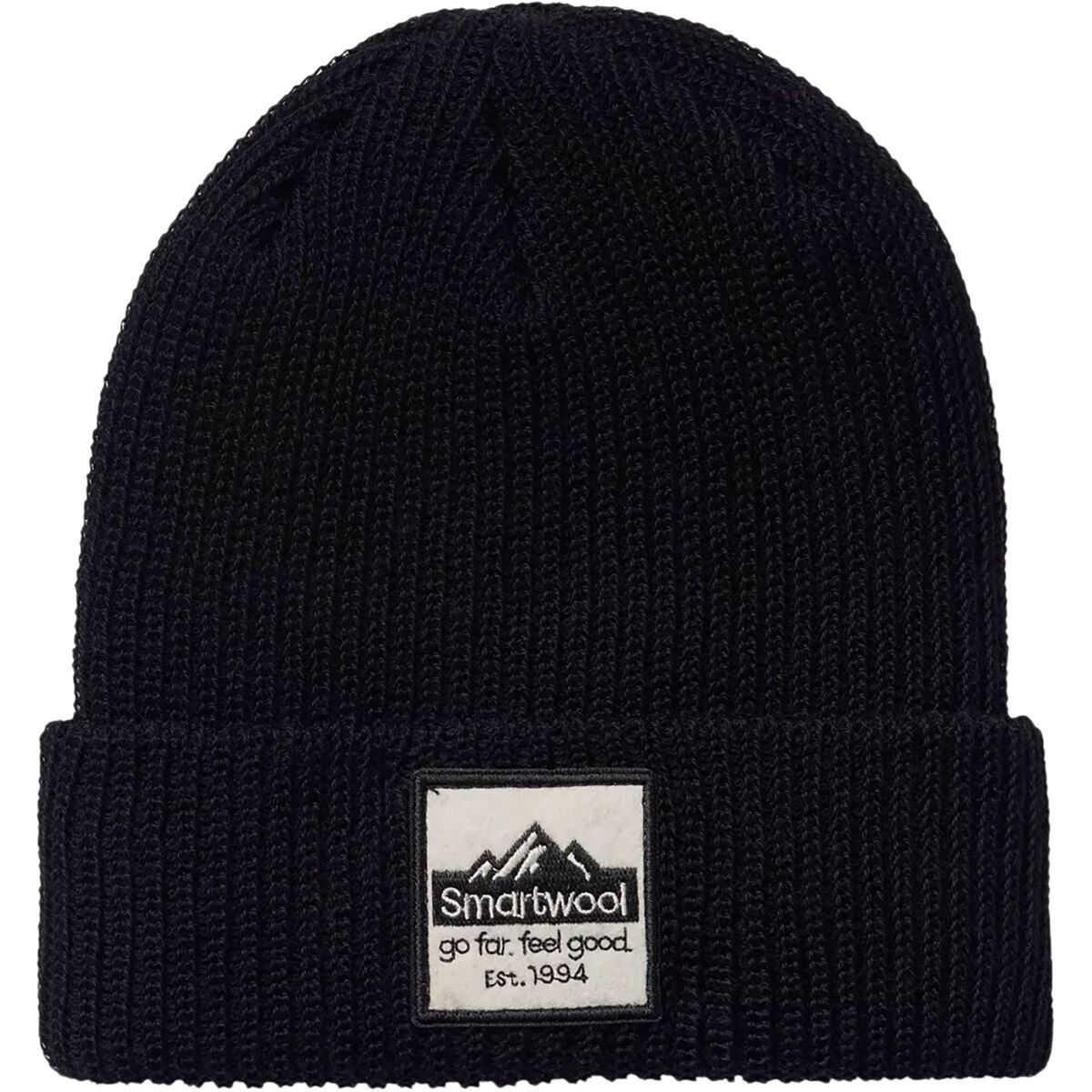
Smartwool Patch Beanie - Kids
Merino wool beanie that wicks moisture and resists odors. Recycled polyester yarns for durability.
- Merino wool
- Moisture-wicking
- Odor-resistant
- Recycled materials
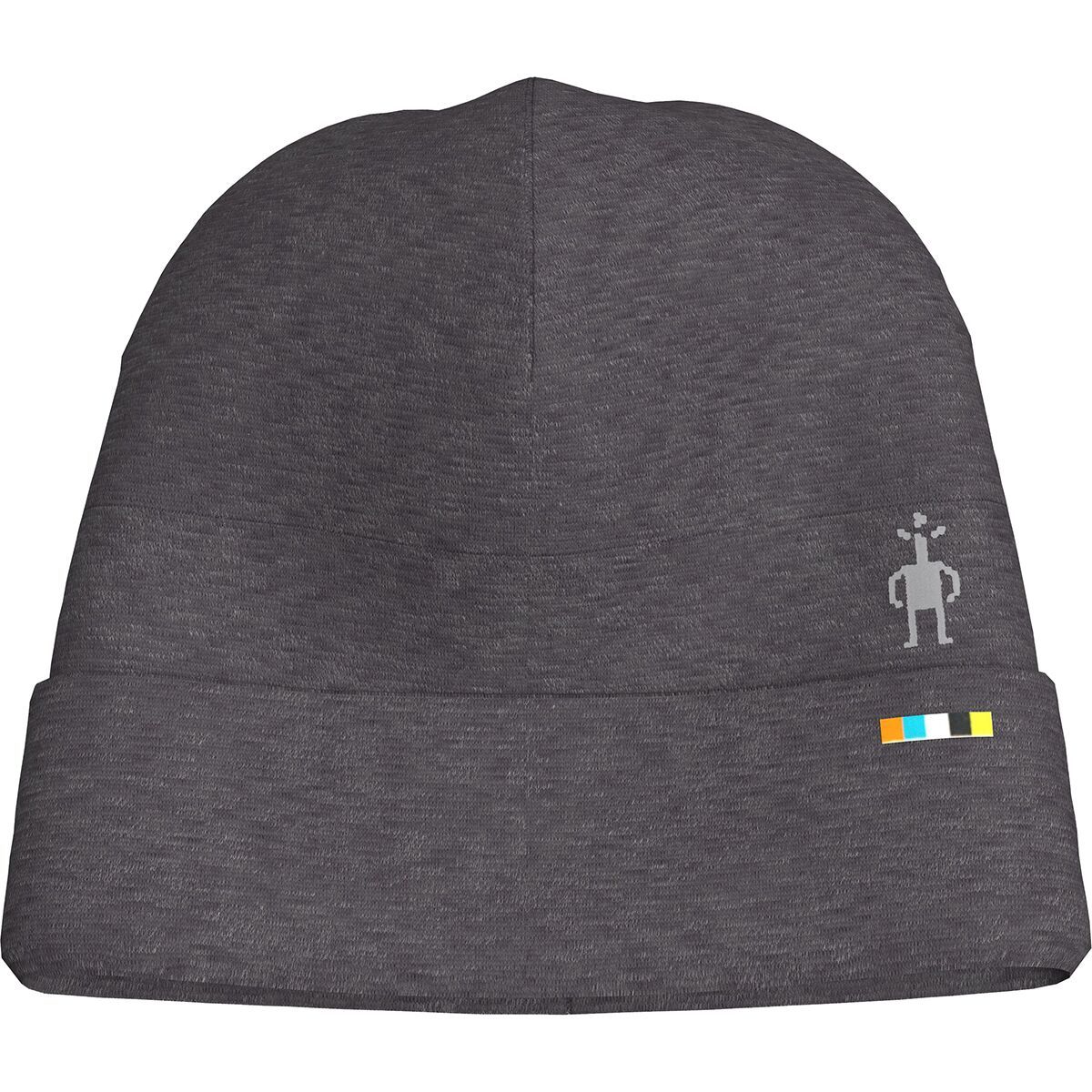
Smartwool Merino 250 Reversible Pattern Cuffed Beanie - Kids
Heavyweight merino beanie with reversible pattern. Low-profile seams comfortable under helmet.
- Heavyweight merino
- Reversible design
- Low-profile seams
- Helmet compatible
Looking for rain gear? Check out our upcoming Rain Gear for Kids Guide (coming soon) for waterproof jacket and pant recommendations. For more outdoor clothing options, see our Complete Kids Outdoor Gear Guide.
Trail Snacks & Hydration
Hungry, thirsty kids are unhappy hikers. Smart snack planning prevents meltdowns and maintains energy for those last miles back to the trailhead. The key is a mix of quick energy foods and sustaining snacks, plus reliable hydration that kids will actually use.
Best Trail Snacks for Kids
Quick Energy:
- - Dried fruit (raisins, apricots, mango)
- - Fruit leather or fruit snacks
- - Graham crackers or animal crackers
- - Small candies for summit celebrations
Sustaining Snacks:
- - Trail mix with nuts and chocolate
- - Cheese sticks or cheese and crackers
- - Peanut butter sandwiches (cut small)
- - Granola bars or protein bars
Fresh Options:
- - Apple slices (with lemon to prevent browning)
- - Baby carrots and snap peas
- - Grapes (freeze for hot days)
- - Orange segments or clementines
Hydration Guidelines
How Much Water:
- - Toddlers: 4-8 oz per hour of hiking
- - Ages 4-8: 8-12 oz per hour
- - Ages 9-12: 12-16 oz per hour
- - Double in hot weather or high altitude
Hydration Tips:
- - Set regular drink reminders (every 20 min)
- - Let kids pick their own water bottle
- - Add flavor packets for picky drinkers
- - Freeze bottles overnight for hot days
Signs of Dehydration:
- - Dark urine or infrequent bathroom breaks
- - Headache, dizziness, or fatigue
- - Crankiness or loss of enthusiasm
- - Dry lips or no tears when crying
Recommended Water Bottles
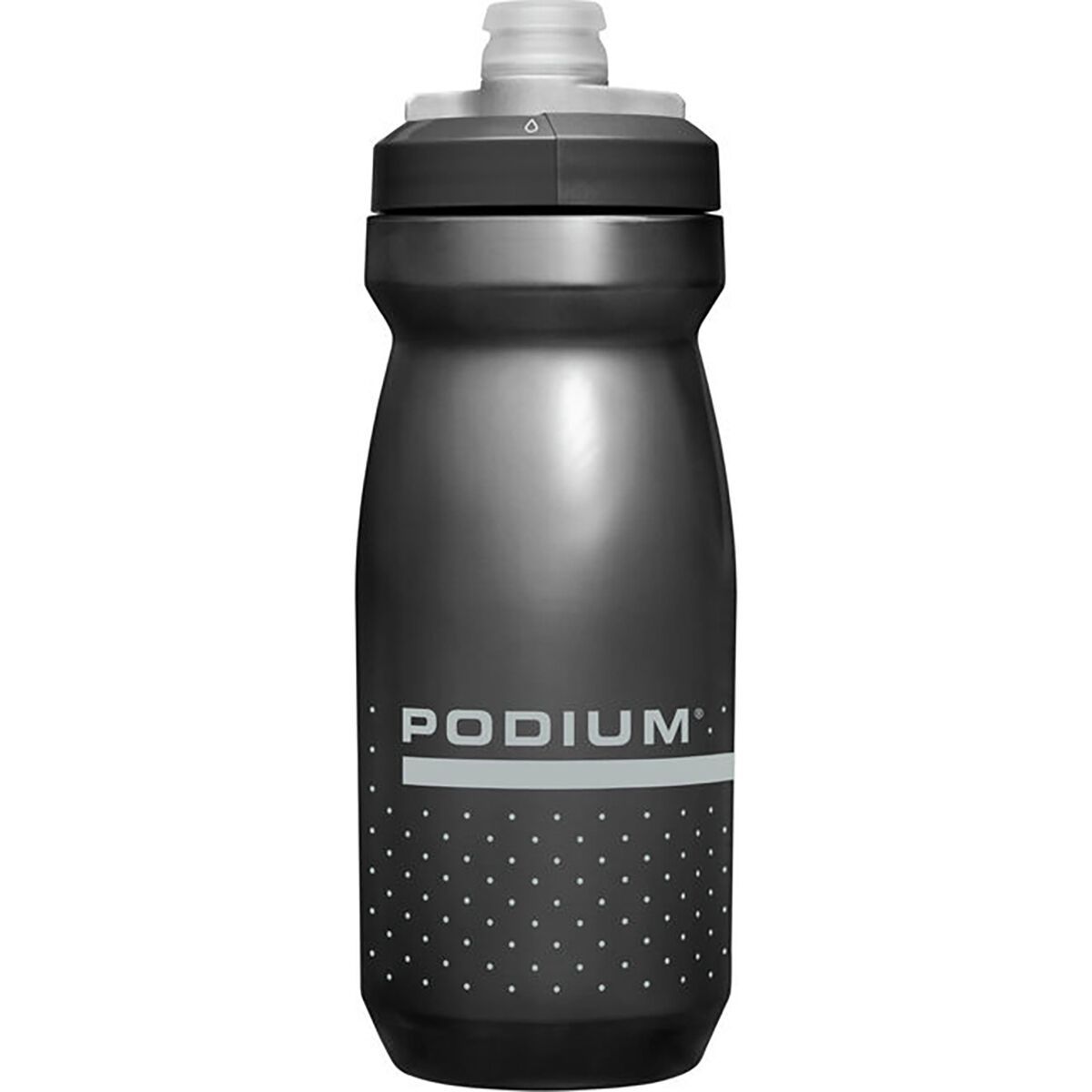
CamelBak Podium 21oz Water Bottle
Spill-proof, self-sealing Jet Valve perfect for kids. BPA-free TruTaste material won't distort water taste.
- Spill-proof valve
- BPA-free
- Easy squeeze
- Leakproof lockout
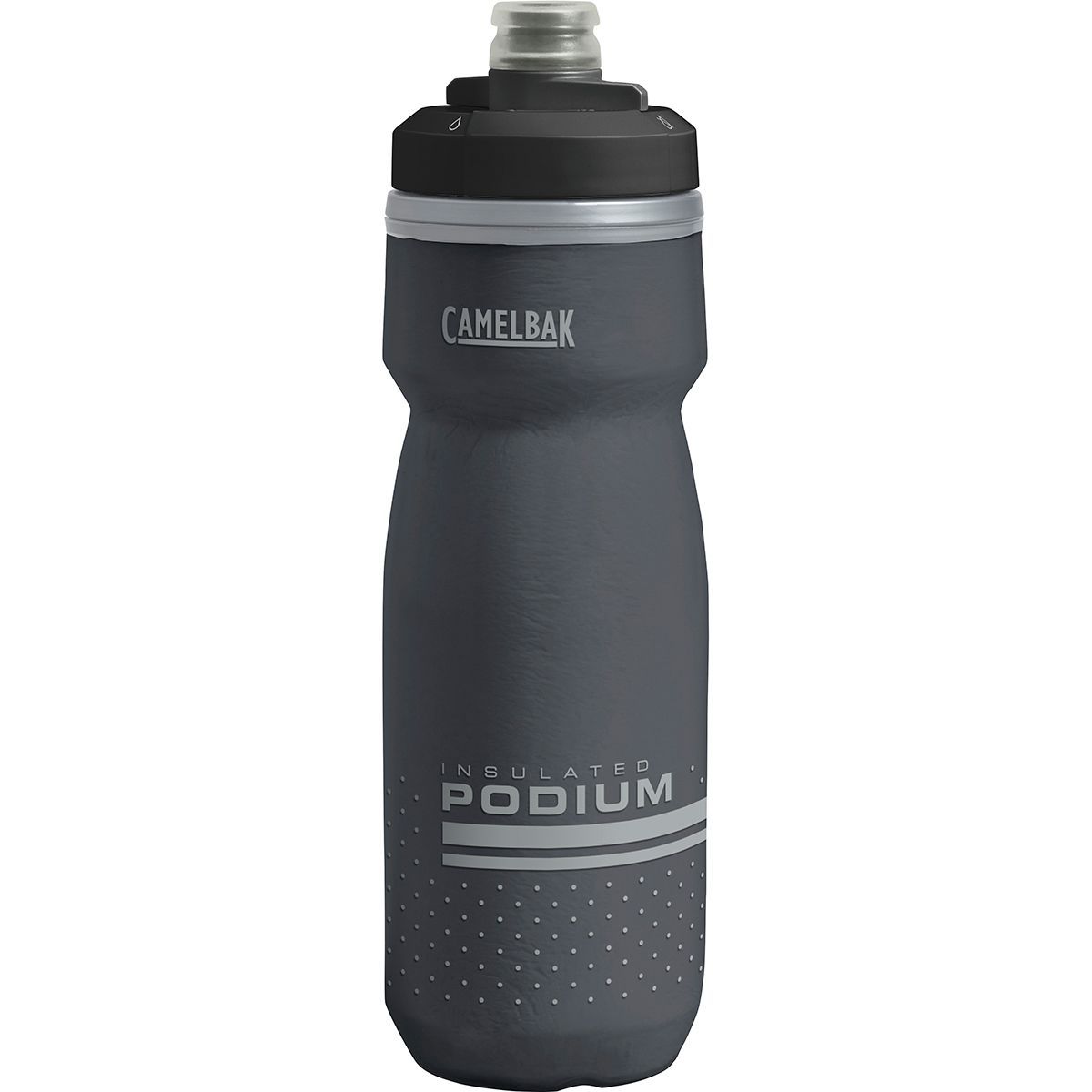
CamelBak Podium Chill Insulated 21oz Water Bottle
Keeps water cold twice as long as regular bottles. Perfect for hot weather hiking with kids.
- HydroGuard insulation
- Stays cold 2x longer
- Self-sealing valve
- BPA-free
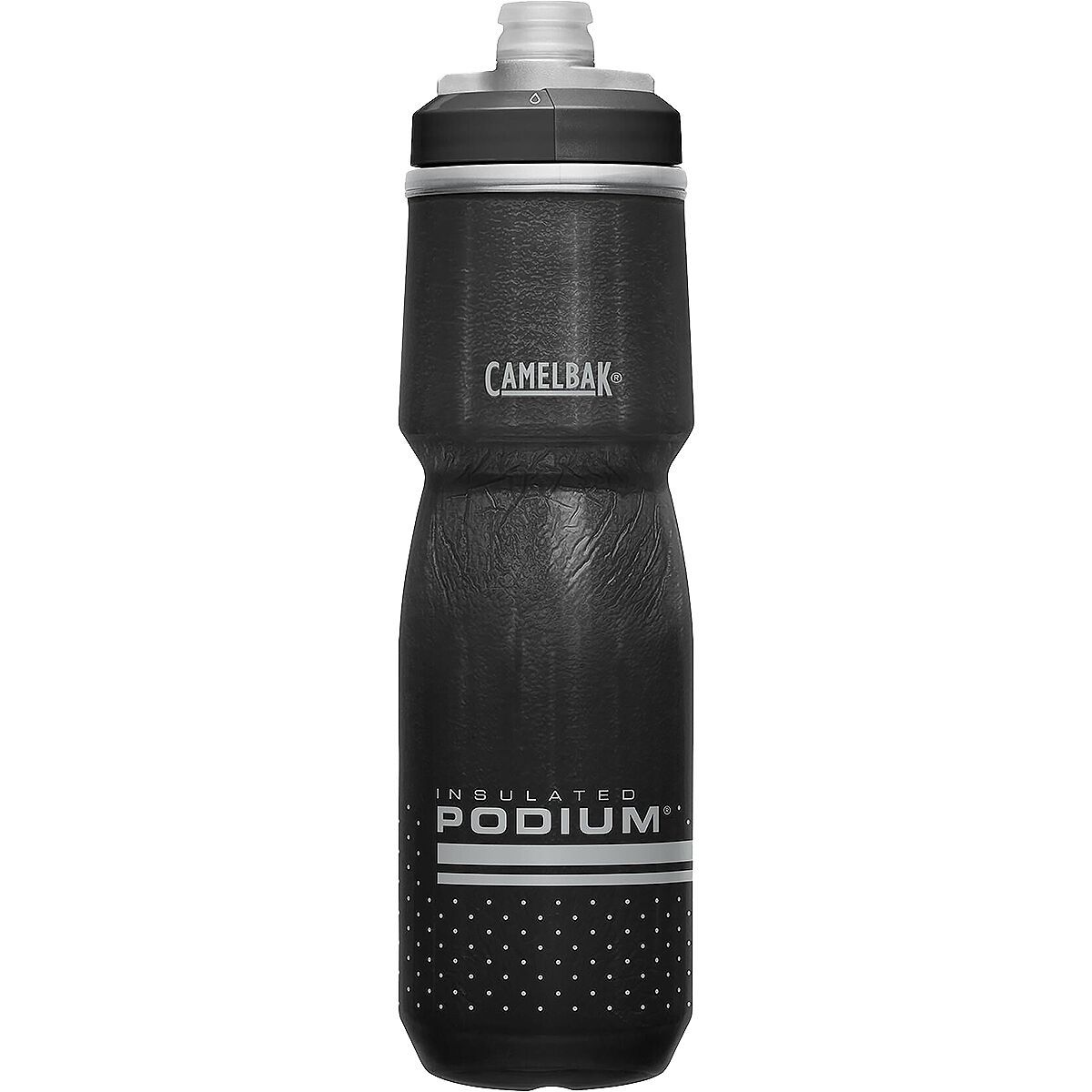
CamelBak Podium Chill 24oz Water Bottle
Larger capacity insulated bottle for longer hikes. Jet Valve cap makes drinking on the move easy.
- 24oz capacity
- Insulated
- Jet Valve cap
- Spill-proof
Safety Essentials for Family Hiking
Safety on the trail comes down to preparation, awareness, and knowing your limits. Most hiking emergencies are preventable with proper planning and the right gear. Here is what every family should know and carry.
The 10 Essentials (Family Edition)
- 1.Navigation - Map, compass, and know how to use them
- 2.Sun protection - Sunscreen, sunglasses, hats for everyone
- 3.Insulation - Extra layers for weather changes
- 4.Illumination - Headlamp with extra batteries
- 5.First aid kit - Include kids medications and bandages
- 6.Fire - Matches/lighter in waterproof container
- 7.Repair tools - Knife, duct tape, safety pins
- 8.Nutrition - Extra food beyond planned snacks
- 9.Hydration - Extra water and purification method
- 10.Emergency shelter - Space blanket or bivy
Trail Safety Rules for Kids
- Stay on the trail - Shortcuts cause erosion and getting lost
- Hug a tree if lost - Stop, stay put, and yell for help
- Buddy system - Always hike with a partner within sight
- Wildlife distance - Never approach, feed, or chase animals
- Water safety - No swimming without adult supervision
- Cliff edges - Stay back from dropoffs and ledges
- Weather awareness - Turn back if thunder or lightning
- Pack out trash - Leave no trace, take only photos
Common Hiking Hazards and Prevention
Sun and Heat
- - Apply sunscreen 30 min before starting
- - Reapply every 2 hours, especially after sweating
- - Hike early morning or late afternoon in summer
- - Watch for heat exhaustion signs
Blisters and Injuries
- - Break in new footwear before hitting trails
- - Stop at first sign of hot spot to apply moleskin
- - Carry extra socks for wet conditions
- - Kids-sized first aid supplies essential
Insects and Plants
- - Apply insect repellent to exposed skin
- - Teach kids to identify poison ivy/oak
- - Check for ticks after every hike
- - Know locations of bee sting kits
Getting Lost
- - Share trip plans with someone at home
- - Download offline maps before leaving service
- - Teach kids the "hug a tree" strategy
- - Consider GPS watches for older kids
Best Trail Types by Age
Choosing the right trail is crucial for positive hiking experiences. Match the trail to your youngest hiker's abilities, not your ambitions. A successful short hike builds confidence and enthusiasm for longer adventures later.
Babies & Toddlers (0-3 Years)
Ideal Trail Features:
- Flat or very gentle grade
- Wide, smooth paths
- Loop trails under 2 miles
- Shade available
- Close to parking/facilities
Great Options:
- - Nature center trails
- - Botanical garden paths
- - Paved riverside walks
- - State park interpretive trails
- - Urban greenway systems
Preschoolers (4-5 Years)
Ideal Trail Features:
- Gentle hills are OK
- 2-3 miles maximum
- Points of interest along the way
- Water features (creeks, ponds)
- Wildlife viewing areas
Great Options:
- - Waterfall trails (short ones)
- - Lake loop trails
- - Forest discovery trails
- - Wildlife refuge paths
- - Historic sites with trails
Elementary Age (6-10 Years)
Ideal Trail Features:
- Moderate elevation gain
- 3-6 miles range
- Destination goals (summit, waterfall)
- Some scrambling opportunities
- Varied terrain for interest
Great Options:
- - Viewpoint hikes
- - Waterfall chains
- - Easy peak summits
- - Cave explorations (guided)
- - Multi-use trail systems
Tweens & Teens (11+ Years)
Ideal Trail Features:
- Challenging terrain welcome
- 6-12+ miles possible
- Technical sections for challenge
- Overnight backpacking potential
- Navigation practice opportunities
Great Options:
- - Peak bagging adventures
- - Through-hiking sections
- - Backcountry camping trips
- - Technical scrambles
- - Multi-day adventures
Frequently Asked Questions
At what age can kids start hiking?
Kids can start hiking from birth when carried in appropriate carriers. Newborns can join on short, easy walks in front carriers. Around 6 months, babies can transition to structured hiking carriers. Toddlers (1-3) can walk portions of easy trails while riding in carriers when tired. By age 4-5, most kids can hike 2-3 miles independently on appropriate terrain. The key is matching expectations to developmental stage and building positive associations early.
How do I keep my kids motivated on the trail?
Motivation comes from engagement, not just destination. Try nature scavenger hunts, letting kids lead sections, frequent snack breaks, and celebrating small milestones. Give older kids responsibilities like map reading or photography. Choose trails with interesting features - waterfalls, wildlife, cool rock formations. Games like "I Spy" and collecting treasures (pinecones, interesting rocks) keep younger kids moving. Most importantly, keep the pace kid-friendly and be willing to turn around early if energy fades.
What should I do if my child gets tired mid-hike?
First, take a proper break with snacks and water - tired kids are often just hungry or dehydrated. For younger children, having a carrier as backup is essential. For older kids, try setting small goals: "Let's just make it to that big tree, then rest again." Distraction techniques like games, songs, or storytelling can provide second winds. If fatigue persists, turning back is always an option - forcing an exhausted child onward creates negative associations with hiking.
How much weight should kids carry in their backpacks?
A child's pack should never exceed 10-15% of their body weight. Start very light - maybe just a water bottle and a snack. A 50-pound child can carry 5-7 pounds comfortably. Focus on building positive associations first, then gradually add responsibility. Contents should be appropriate: their own water, a snack, maybe a small first aid kit or their own rain layer. Heavy items should stay in the parent's pack.
Do kids really need hiking boots or are sneakers OK?
For paved paths and easy nature trails, sturdy sneakers with good grip are often fine. However, proper hiking footwear becomes important on uneven terrain, rocky trails, or when hiking longer distances. Key features to look for: toe protection (rubber toe caps), grippy outsoles with lugs, ankle support for older kids on steep terrain, and quick-dry materials. The investment pays off in fewer complaints, better traction, and protected feet.
How do I handle bathroom breaks on the trail?
Preparation is key. Have kids use the restroom at the trailhead before starting. Pack toilet paper and hand sanitizer in a ziplock bag. Teach proper Leave No Trace bathroom practices: go at least 200 feet from water and trails, bury waste 6-8 inches deep or pack it out. For younger kids, bring pull-ups as backup even if they're potty trained - the trail is no place for accidents. Some parents bring portable potty chairs for toddlers.
What time of day is best for hiking with kids?
Early morning is generally ideal - cooler temperatures, fewer crowds, and kids are well-rested. Avoid midday in summer when heat peaks. Late afternoon can work but watch for afternoon thunderstorms in mountain areas. Consider your child's schedule: plan around nap times for toddlers, avoid hungry hours. Wildlife is often more active at dawn and dusk, which can add excitement. Allow plenty of time - rushing leads to meltdowns.
Should I let my kids run ahead on the trail?
This depends on the trail, the child's age, and conditions. On easy, well-marked trails with good visibility, letting kids run ahead to the next bend (within sight/earshot) can burn energy and build independence. Establish rules: stop at all trail junctions, stay on the trail, wait if you can't see a parent. Never allow running ahead near cliffs, water, or on trails with hazards. Younger children and challenging terrain require closer supervision.
How do I choose a family-friendly trail?
Research is essential. Check trail apps and websites for difficulty ratings, elevation gain, and recent conditions. Look for loop trails (more interesting than out-and-back for kids). Check for features that engage kids: waterfalls, bridges, wildlife viewing, interesting rock formations. Read recent reviews from families. Consider facilities: trailhead bathrooms, nearby towns for post-hike rewards. Start easier than you think necessary - success builds enthusiasm for bigger adventures.
What if my kid says they hate hiking?
Don't force it - negative experiences stick. Instead, reframe the activity. Instead of "hiking," go on a "treasure hunt" or "animal safari." Choose trails with clear rewards: a swimming hole, waterfall, or ice cream shop at the end. Bring a friend their age. Let them have more control: choosing the trail, setting the pace, picking snacks. Start with very short, very easy trails to rebuild positive associations. Sometimes taking a break from hiking for a few months helps reset attitudes.
Continue Your Outdoor Family Adventure
Choosing a framed carrier? Read Thule Sapling vs Deuter Kid Comfort or the full best child hiking carriers 2026 roundup.
Recommended Gear
Kids Hiking Boots
Kids Hiking Boots
Waterproof hiking boots designed for growing feet. Ankle support, grippy soles, and durable construction to handle rocky trails and creek crossings.
View on AmazonAs an Amazon Associate, we earn from qualifying purchases at no cost to you.
Child Carrier Hiking Backpack
Child Carrier Hiking Backpack
Ergonomic child carrier backpacks for hiking with toddlers and young children. Adjustable harness, sun shade, and storage compartments for snacks and gear.
View on AmazonAs an Amazon Associate, we earn from qualifying purchases at no cost to you.
Kids Hydration Backpack
Kids Hydration Backpack
Kid-sized hydration packs that make staying hydrated on the trail fun and easy. Lightweight designs with bite valves that little hands can operate independently.
View on AmazonAs an Amazon Associate, we earn from qualifying purchases at no cost to you.
As an Amazon Associate, we earn from qualifying purchases at no cost to you.
Affiliate Disclosure: ParentCalc earns a commission from qualifying purchases made through the links on this page. This helps support our mission to provide free parenting resources. We only recommend products we trust and believe will help families get outside and explore together. Prices and availability are subject to change.