Best Kids Running Shoes Guide 2026
The complete parent's guide to running shoes for kids: when they need them, sizing and fit, key features, best brands, and when to replace worn shoes
2026 Product Picks
Our latest product roundups related to this guide:
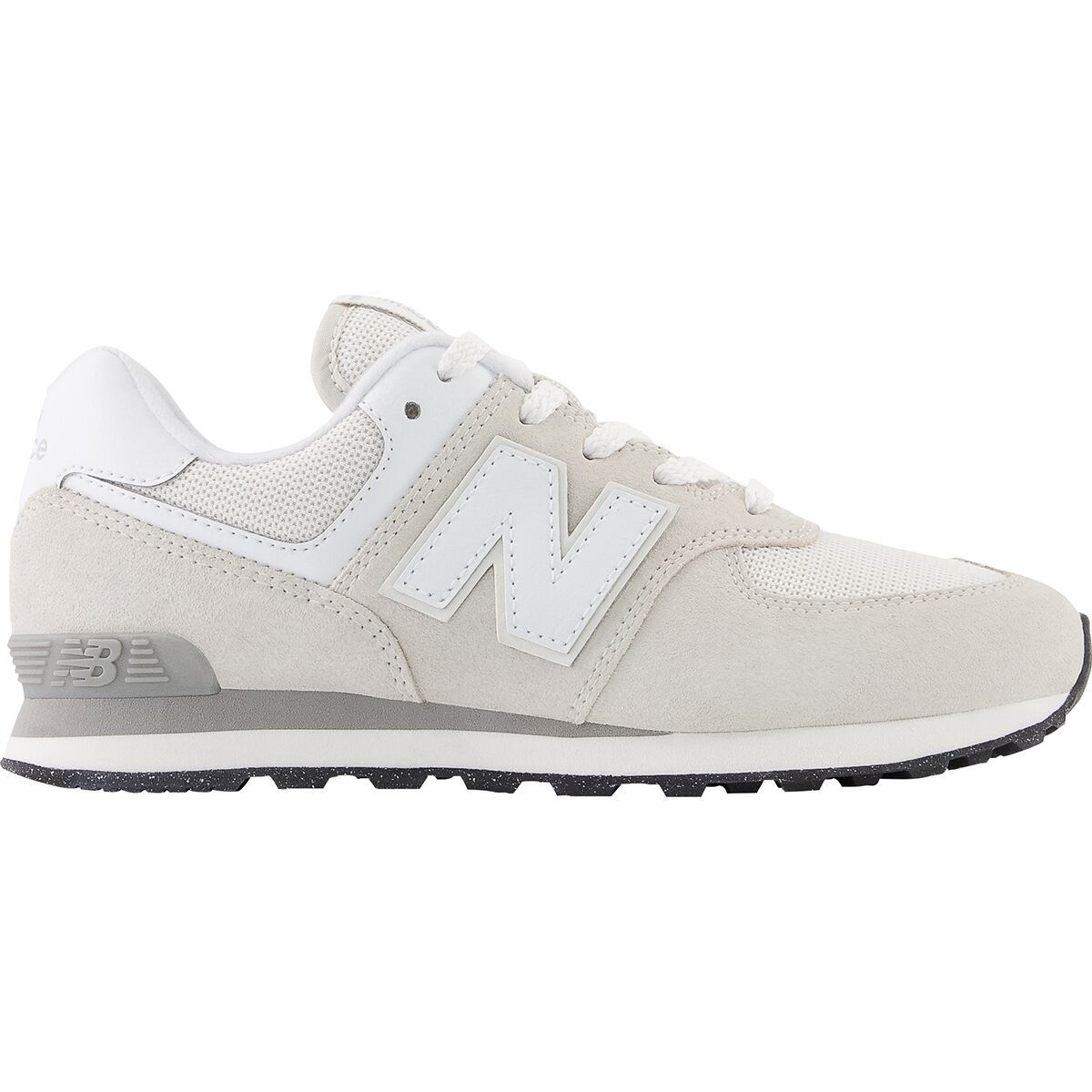
New Balance 574 Shoe - Kids
As iconic as it gets, the New Balance 574 Shoe gives kids the ideal combination of active-ready comfort and heritage style. Durable, breathable uppers and lightweight EVA cushioning combine for consta...
- EVA cushioned midsole
- Breathable mesh upper
- Durable rubber outsole
- Classic athletic style
When Do Kids Need Proper Running Shoes?
Not every active kid needs dedicated running shoes. Understanding when your child is ready helps ensure you invest in the right footwear at the right time, and avoid unnecessary purchases when regular sneakers will do.
For most children under age 6, quality athletic sneakers are sufficient for general play and activity. Young children are still developing their gait and foot mechanics, and overly structured shoes can actually interfere with natural development.
Signs They Need Running Shoes
- Joining organized running activities (track, cross country)
- Running more than 1-2 miles regularly
- Complaining of foot, ankle, or shin pain after running
- Expressing serious interest in running as a sport
- Age 8+ and regularly active in running sports
When Regular Sneakers Are Fine
- Under age 6 (feet still developing)
- General playground and school PE activities
- Occasional running during other sports
- Short distances (under 1 mile)
- No pain or discomfort during activity
Age-Appropriate Recommendations
Sizing & Fit Guide for Kids Running Shoes
Proper fit is crucial for comfort, performance, and injury prevention. Kids' feet grow rapidly, expect to replace running shoes every 4-6 months during growth spurts.
How to Measure at Home
- 1Measure at end of day when feet are largest
- 2Have child stand on paper in athletic socks
- 3Trace around both feet (they're often different sizes)
- 4Measure from heel to longest toe on each foot
- 5Use the larger measurement to find their size
- 6Add 0.5" (about 1 thumb width) for running room
The Perfect Fit Checklist
- Thumb width between longest toe and front of shoe
- Snug heel with no slipping when walking
- Wide toe box allowing natural toe spread
- Flexible midfoot that bends at the ball
- No pressure points or pinching anywhere
- Child can tie/velcro them independently
Kids Running Shoe Size Chart by Age (US Sizes)
| Age | US Size | Foot Length | EU Size |
|---|---|---|---|
| 4-5 years | 10-11 | 6.5-7" | 27-28 |
| 5-6 years | 11-12 | 7-7.5" | 28-30 |
| 6-7 years | 12-13 | 7.5-8" | 30-31 |
| 7-8 years | 1-2Y | 8-8.5" | 32-33 |
| 8-10 years | 2-4Y | 8.5-9.5" | 33-36 |
| 10-12 years | 4-6Y | 9.5-10.5" | 36-39 |
| 12+ years | 6Y+ (Adult sizing) | 10.5"+ | 39+ |
Note: Sizes vary by brand. New Balance runs true to size; ASICS often runs narrow; Saucony runs slightly wide. Always try on with running socks.
Key Features in Kids Running Shoes
Kids' running shoes need specific features that differ from adult shoes. Here's what matters most for growing feet.
Cushioning
Kids are lighter than adults and don't need maximum cushioning. Look for moderate, responsive cushioning that protects without adding weight.
- EVA foam midsoles offer good cushion-to-weight ratio
- Avoid overly soft cushioning that reduces stability
- Heel-to-toe drop of 8-10mm is appropriate for kids
Weight
Heavy shoes tire kids out faster and can alter their natural running form. Lighter is generally better for young runners.
- Target 5-8oz for elementary schoolers
- 8-10oz acceptable for middle schoolers
- Mesh uppers reduce weight vs. leather
Flexibility
Kids' feet are still developing. Shoes need to flex naturally, allowing proper foot mechanics during running.
- Should bend easily at the ball of the foot
- Avoid stiff motion-control shoes unless prescribed
- Natural flexibility supports healthy foot development
Durability
Kids are hard on shoes. Look for reinforced areas that withstand playground use beyond just running.
- Reinforced toe cap for kicking and dragging
- Rubber outsole that grips various surfaces
- Quality stitching at stress points
Best Kids Athletic Shoes
These versatile athletic shoes work great for kids who are active but not yet committed to dedicated running. Perfect for PE class, playground adventures, light running, and everyday wear.
New Balance 574 Shoe - Kids
As iconic as it gets, the New Balance 574 Shoe gives kids the ideal combination of active-ready comfort and heritage style. Durable, breathable uppers and lightweight EVA cushioning combine for constant comfort when playing in the backyard or at school.
- EVA cushioned midsole
- Breathable mesh upper
- Durable rubber outsole
- Classic athletic style

KEEN Newport H2 Sandal - Boys
Perfect for active kids who love the outdoors. Quick-drying upper handles swimming and streams, protective rubber toe cap shields from impacts. Multi-directional lugged sole ensures traction on any surface.
- Protective toe cap
- Quick-dry upper
- Arch support footbed
- Machine washable
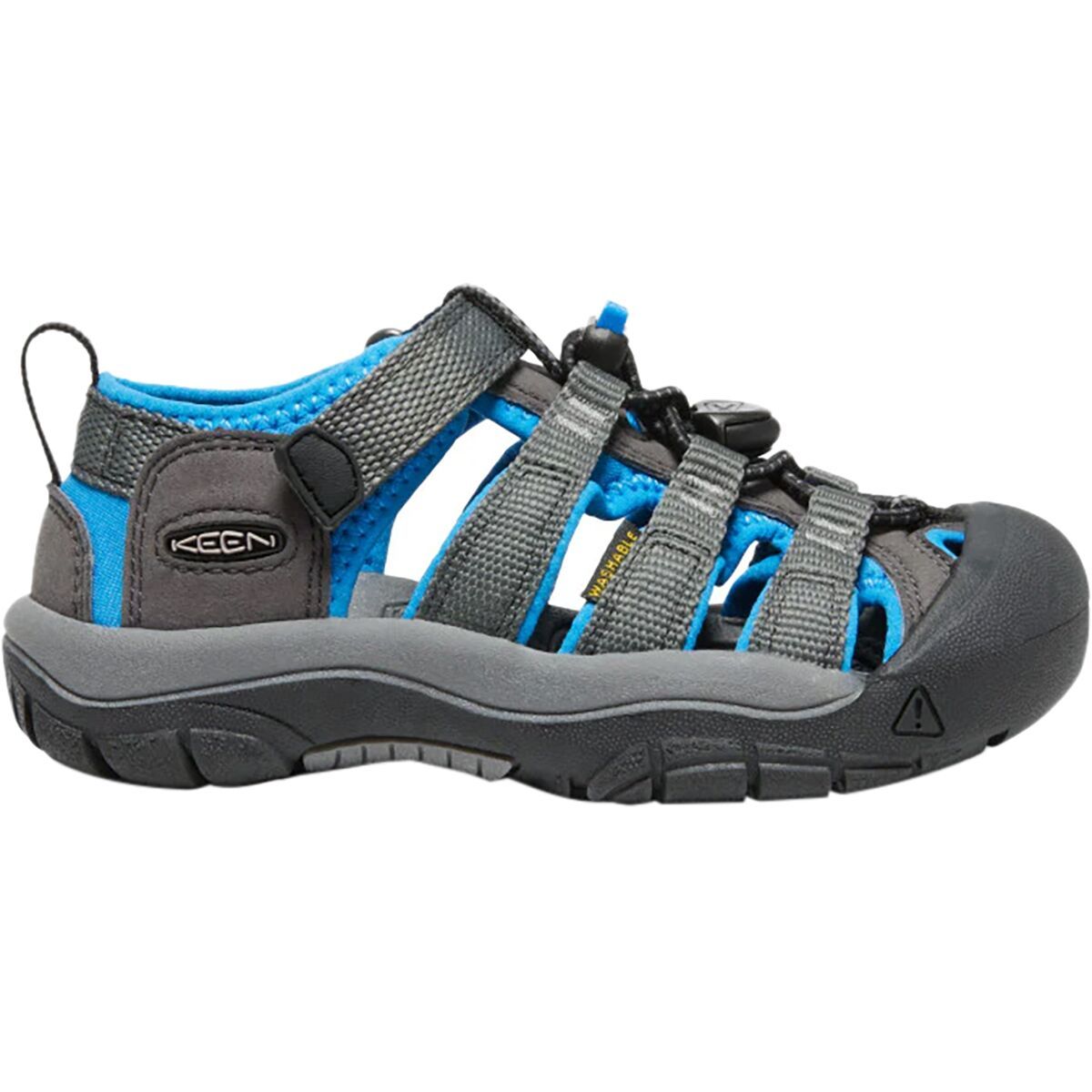
KEEN Newport H2 Sandal - Little Boys
Ultra-versatile adventure sandal equipped to handle playground adventures, hiking, summer camp, and beach vacations. Quick-drying upper with protective rubber toe cap and Metatomical footbed for all-day comfort.
- Contoured arch support
- Quick-dry lining
- Lugged rubber sole
- Secure lace system
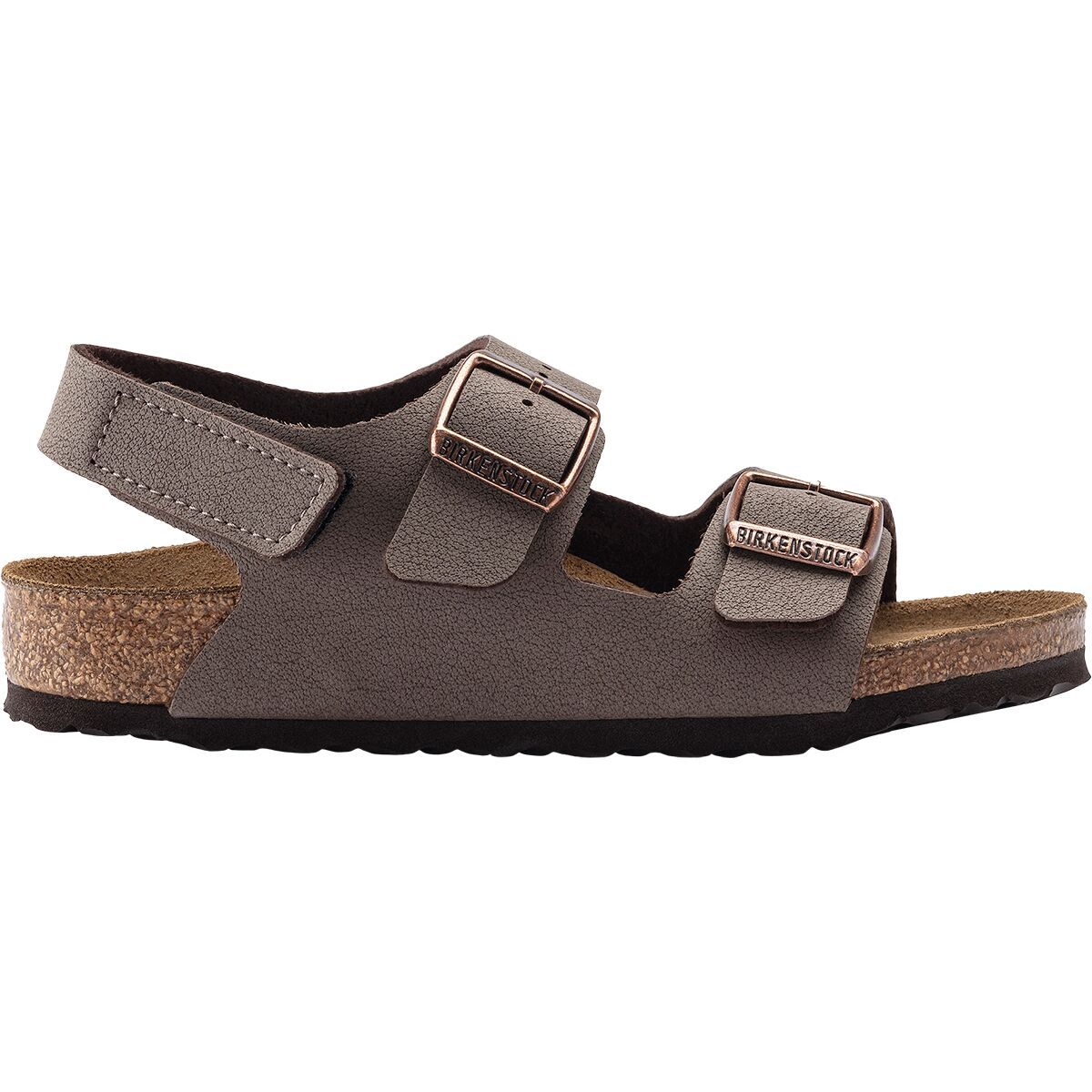
Birkenstock Milano HL Sandal - Kids
The Milano HL Sandal offers all the style points of legendary Birkenstock design with an ankle strap that keeps them on during active play. Lightweight Birkibuc upper with supportive contoured footbed.
- Contoured footbed
- Secure ankle strap
- Lightweight design
- Classic Birkenstock support
Best Brands for Kids Running Shoes
These established brands offer purpose-built kids' running shoes with proper sizing, support, and durability. Each has different strengths depending on your child's needs.
New Balance
Best for: Wide feet, serious young runners, exceptional durability. Known for width options (narrow to extra-wide) that other brands lack.
- - Width options from B to 2E
- - Excellent cushioning systems
- - True-to-size fit
- - Outstanding durability
- - Higher price point
- - Less trendy styling
- - Heavier than some competitors
Top Picks: Fresh Foam 680v7, FuelCell Rebel
ASICS
Best for: Neutral runners, kids transitioning from adult shoes, excellent gel cushioning technology.
- - GEL cushioning technology
- - Great for neutral gait
- - Excellent heel counter
- - Good value for quality
- - Runs narrow
- - Limited youth sizes in some models
- - Can be stiff initially
Top Picks: GT-1000, Gel-Contend, Jolt
Saucony
Best for: Budget-conscious families, first-time runners, kids with wider feet. Known for youth-friendly fit and fun colors.
- - Affordable options
- - Runs slightly wide
- - Fun colors kids love
- - Good starter shoes
- - Less premium materials
- - May wear faster
- - Limited performance models
Top Picks: Kinvara, Ride, Cohesion
Nike
Best for: Style-conscious kids, lightweight options, brand appeal. Great for casual runners who want trendy looks.
- - Kids love the brand
- - Lightweight designs
- - Trendy styling
- - Wide availability
- - Runs narrow
- - Premium pricing
- - Some models less durable
Top Picks: Revolution, Air Zoom, Downshifter
Cross-Training vs. Running Shoes
Should your child have dedicated running shoes, or will cross-trainers work? Here's how to decide based on their activities.
Running Shoes
Designed for forward motion with cushioning focused on heel-to-toe transitions.
- More heel and forefoot cushioning
- Lighter weight for efficiency
- Flexible for natural gait
Best For:
Track, cross country, distance running, running clubs
Cross-Training Shoes
Built for multi-directional movement with lateral stability and versatile grip.
- Lateral support for side-to-side movement
- Stable base for varied activities
- Durable for multiple sports
Best For:
PE class, soccer, basketball, gym, general athletics
Our Recommendation
For most kids, one good pair of cross-trainers is sufficient until they specialize in a running-focused sport. Cross-trainers handle PE, recess, casual running, and multiple sports effectively.
Consider adding dedicated running shoes when your child:
- Joins track or cross country team
- Runs more than 3 miles at a time regularly
- Experiences discomfort running in cross-trainers
- Shows serious interest in running performance
Kids Cross-Training & Recovery Shoes
These versatile shoes work great for kids who participate in multiple sports and activities. Perfect for gym class, after-school sports, and all-around athletic use.
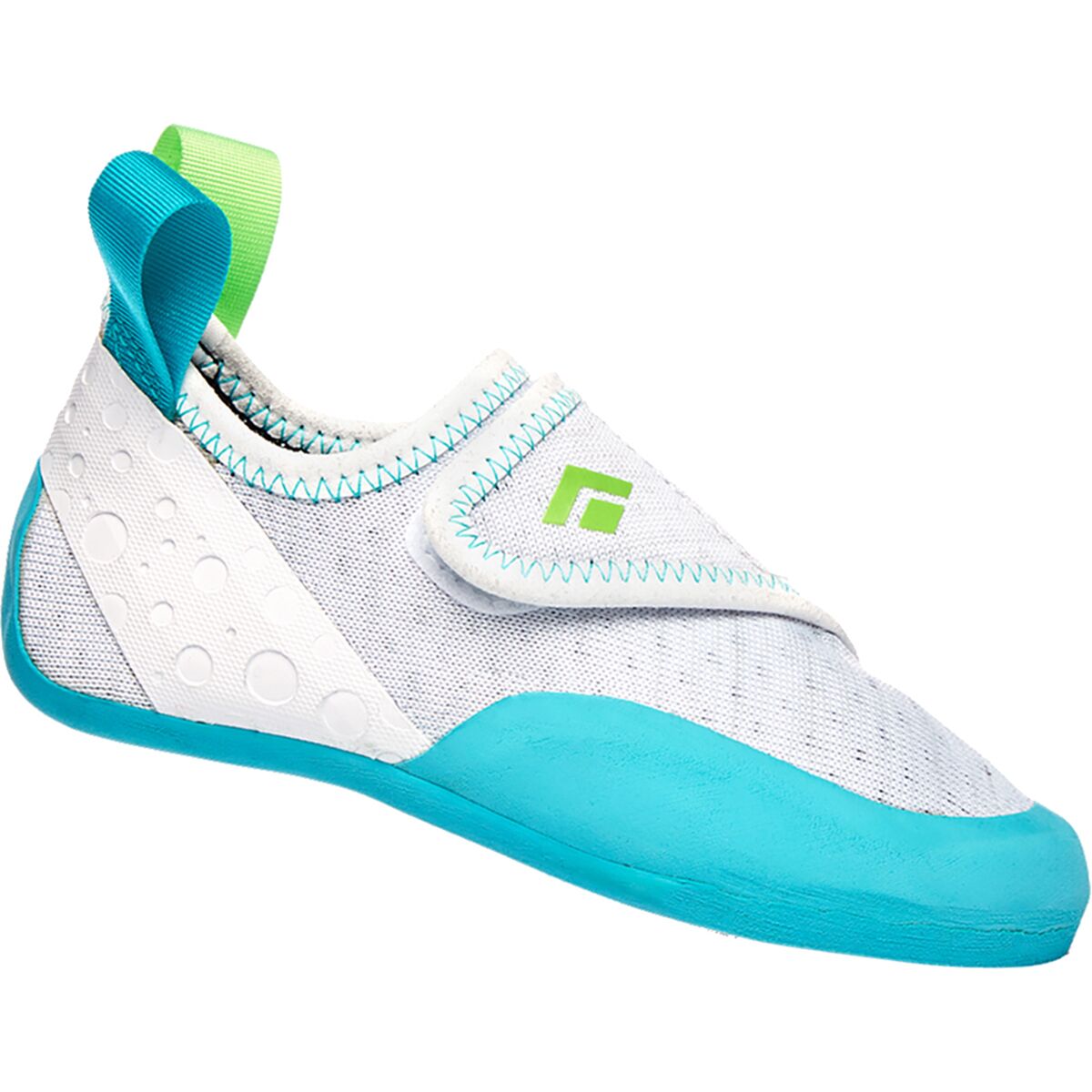
Black Diamond Momentum Climbing Shoe - Kids
Perfect for young climbers at the gym or outdoor crag. Breathable knit upper, NeoFriction rubber sole for excellent grip, and hook-and-loop closure for easy on/off. Sized like their street shoes.
- Breathable knit upper
- NeoFriction rubber
- Hook-and-loop closure
- Comfortable fit

Crocs Classic Clog - Kids
The perfect quick-pick shoe for active kids between activities. Lightweight Croslite foam construction, ventilated design, and easy slip-on style. Great for pre and post-practice recovery.
- Lightweight Croslite foam
- Ventilated design
- Easy slip-on
- Customizable with Jibbitz
Kids Running Socks
Quality socks make a big difference in comfort and blister prevention. Merino wool socks regulate temperature, wick moisture, and resist odors even during intense activity.
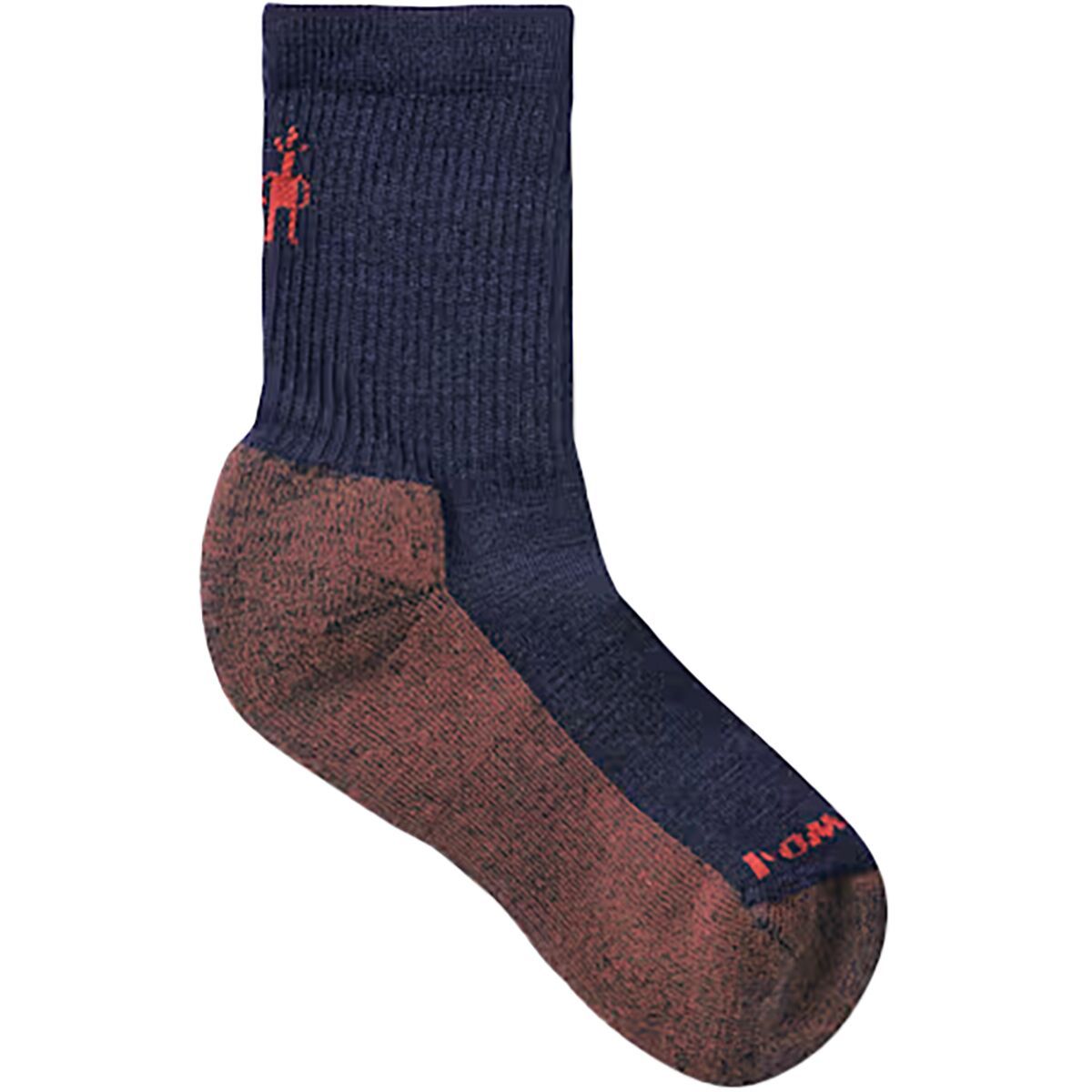
Smartwool Hike Light Cushion Crew Sock - Kids
Perfect for active kids who love running and outdoor adventures. Made with 100% merino wool for all-day comfort, odor resistance, and temperature regulation. Cushioned sole for impact absorption.
- 100% merino wool
- Odor resistant
- Light cushioning
- Temperature regulating
When to Replace Kids Running Shoes
Kids outgrow shoes before wearing them out, but active runners can wear through shoes quickly. Know the signs to prevent injury and discomfort.
Replace Due to Wear When:
- Midsole compression: Shoe feels flat or less bouncy
- Uneven outsole wear: Tread worn smooth or tilted
- Upper damage: Holes, separation, or stretched mesh
- Heel counter breakdown: Back of shoe no longer cups heel
- Creasing in midsole: Visible wrinkles in foam
Replace Due to Fit When:
- Less than thumb-width space at toe
- Toes hitting the front of shoe during running
- Heel slipping out during activity
- Complaints of discomfort or red marks after running
- Child resisting wearing them
Replacement Timeline Guidelines
Light Use
(PE, casual play)
Every 6-8 months or when outgrown
Moderate Use
(Sports practice, regular running)
Every 4-6 months or 200-300 miles
Heavy Use
(Competitive running, daily training)
Every 3-4 months or 300-400 miles
Frequently Asked Questions
At what age should kids start wearing running shoes?
Most kids don't need dedicated running shoes until age 8-10 when they may join organized running activities. Before that, quality athletic sneakers with good cushioning and flexibility are sufficient. The exception is if a child shows serious interest in running earlier or experiences foot pain during activity.
How much room should kids have in running shoes?
There should be about one thumb's width (roughly half an inch) between the longest toe and the front of the shoe. This allows for natural foot movement and slight swelling during activity. The heel should fit snugly without slipping, and toes should be able to wiggle freely.
Do kids need motion control or stability shoes?
Most kids do NOT need motion control shoes. Children's feet are still developing, and overly corrective shoes can interfere with natural development. Neutral, flexible shoes are generally recommended unless a pediatric podiatrist specifically prescribes stability features for a diagnosed condition like severe overpronation.
Can kids share or hand down running shoes?
It's generally not recommended to pass down running shoes. Shoes mold to the original wearer's foot shape and gait patterns, which can cause discomfort and potentially affect the new wearer's foot development. If shoes are barely worn and show no wear patterns, they may be acceptable for short-term use.
How do I know if my child needs running shoes vs. cross-trainers?
If your child runs more than 2-3 miles regularly, participates in track or cross country, or experiences discomfort in regular sneakers during running, it's time for dedicated running shoes. For general sports, PE class, and mixed activities, quality cross-trainers work well. Many kids do fine with just one versatile pair until they specialize.
Should kids wear the same socks with running shoes?
Yes, it's important to try on and wear running shoes with the same type of socks your child will use for running. Athletic socks (not cotton) that wick moisture help prevent blisters. Merino wool or synthetic athletic socks are ideal. Avoid thin dress socks or thick winter socks as they change the fit.
Are expensive running shoes worth it for kids?
For casual young runners, mid-priced shoes ($50-80) from reputable brands offer the best value. Kids outgrow shoes quickly, so expensive premium models may not be worth it. However, for serious competitive runners training regularly, investing in quality shoes ($80-120) can help prevent injury and improve performance.
Related Guides
Ready to Find the Right Running Shoes?
Shop quality kids athletic shoes from New Balance, KEEN, and more at Backcountry. New customers get 15% off their first order.
Shop Kids Athletic ShoesAffiliate Disclosure: ParentCalc may earn a commission from purchases made through links on this page at no additional cost to you. We only recommend products we believe in. Prices and availability are subject to change.