Kids Sports Gear Guide
Complete guide to sports equipment for young athletes: soccer, baseball, basketball, and athletic wear with age-appropriate recommendations
2026 Product Picks
Our latest product roundups related to this guide:
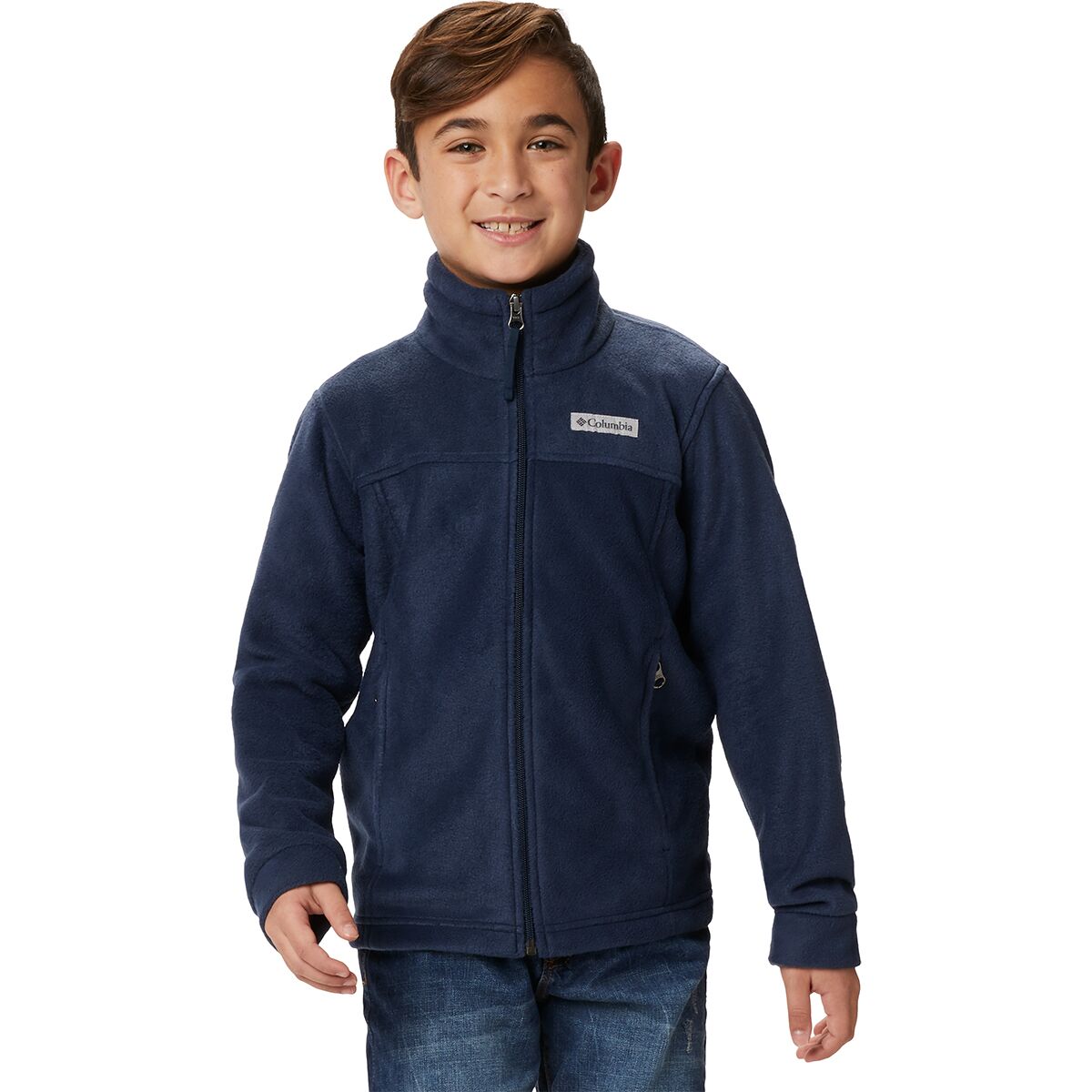
Columbia Steens Mountain II Fleece Jacket - Boys
This jacket is a staple for every season - super soft fleece, lightweight enough for layering, and tough enough for playground roughhousing. Perfect for before and after practice.
- MTR filament fleece
- Zippered hand pockets
- Classic regular fit
- Hand-me-down durable
Getting kids involved in sports is one of the best investments in their physical and emotional development. But navigating the world of youth sports equipment can be overwhelming - from sizing soccer cleats to choosing the right baseball glove, parents face countless decisions.
This comprehensive guide covers everything from age-appropriate sport selection to specific gear recommendations for soccer, baseball, basketball, and general athletics. We focus on quality, safety, and value to help you make smart choices that support your young athlete without breaking the bank.
Sports by Age: What to Expect
Understanding age-appropriate expectations helps you choose the right sports and gear for your child's developmental stage.
Recommended Sports
Gear Needs
Minimal - focus on soft balls, comfortable clothes
Tip: Keep sessions short (15-20 min), emphasize play over competition
Recommended Sports
Gear Needs
Sport-specific basics - proper footwear, protective gear
Tip: Introduce rules gradually, celebrate effort over outcomes
Recommended Sports
Gear Needs
Quality equipment sized correctly, position-specific gear
Tip: Allow multi-sport participation, avoid early specialization
Recommended Sports
Gear Needs
Performance-level equipment, proper protective gear
Tip: Support their interests, watch for burnout signs
Soccer Gear Guide
Soccer is one of the most popular youth sports, requiring minimal equipment to get started but proper sizing is essential for safety and performance.
Soccer Ball Size Guide
Soccer Cleats by Age
Pro Tip: Buy cleats with about a thumb's width of room at the toe. Kids' feet grow fast - consider buying slightly larger and using thicker socks initially.
Shin Guard Size Chart
| Player Height | Guard Size |
|---|---|
| Under 3'6" | XS (6-8") |
| 3'6" - 4' | S (8-10") |
| 4' - 4'6" | M (10-12") |
| 4'6" - 5' | L (12-14") |
| Over 5' | XL (14"+) |
Shin guards should cover from just below the knee to above the ankle bone. Measure from 2 inches below the knee to the top of the shoe.
Essential Soccer Gear Checklist
Required
- Soccer cleats (sized correctly)
- Shin guards with socks
- Soccer ball (correct size)
- Water bottle
Recommended
- Soccer shorts
- Moisture-wicking jersey
- Goalkeeper gloves (if applicable)
- Athletic bag
Baseball & Softball Gear Guide
Baseball and softball require more equipment investment than soccer, but many leagues provide bats and helmets. Focus on gloves and cleats for starters.
Baseball/Softball Glove Size Guide
By Age (T-Ball & Youth)
By Position
Note: Softball gloves are typically 1-2 inches larger than baseball gloves at each age level to accommodate the larger ball.
Baseball/Softball Gear Checklist
Essential
- Baseball/softball glove
- Cleats (molded for youth)
- Athletic cup (boys)
League-Provided
- Batting helmet
- Team bat (often)
- Catcher's gear
Optional
- Personal bat
- Batting gloves
- Sliding shorts
Breaking In a New Glove
A new glove needs to be broken in before game use. Apply glove oil, play catch regularly, and store with a ball in the pocket. Avoid microwaving or soaking in water - these damage the leather.
Basketball Gear Guide
Basketball requires minimal equipment but proper footwear is crucial for ankle support and court grip. Focus on quality shoes and comfortable athletic wear.
Basketball Size Guide
Basketball Shoe Selection
Low-Top
Lightweight, more freedom of movement
Best for: Guards, quick players
Mid-Top
Balance of support and mobility
Best for: All-around players
High-Top
Maximum ankle support
Best for: Post players, injury prevention
Fit Tip: Basketball shoes should fit snugly with about a thumb's width at the toe. Shop later in the day when feet are slightly swollen - similar to post-game conditions.
General Athletic Wear
Quality athletic wear keeps young athletes comfortable during practice and games. Look for moisture-wicking fabrics, durable construction, and freedom of movement.
Columbia Steens Mountain II Fleece Jacket - Boys'
This jacket is a staple for every season - super soft fleece, lightweight enough for layering, and tough enough for playground roughhousing. Perfect for before and after practice.
- MTR filament fleece
- Zippered hand pockets
- Classic regular fit
- Hand-me-down durable
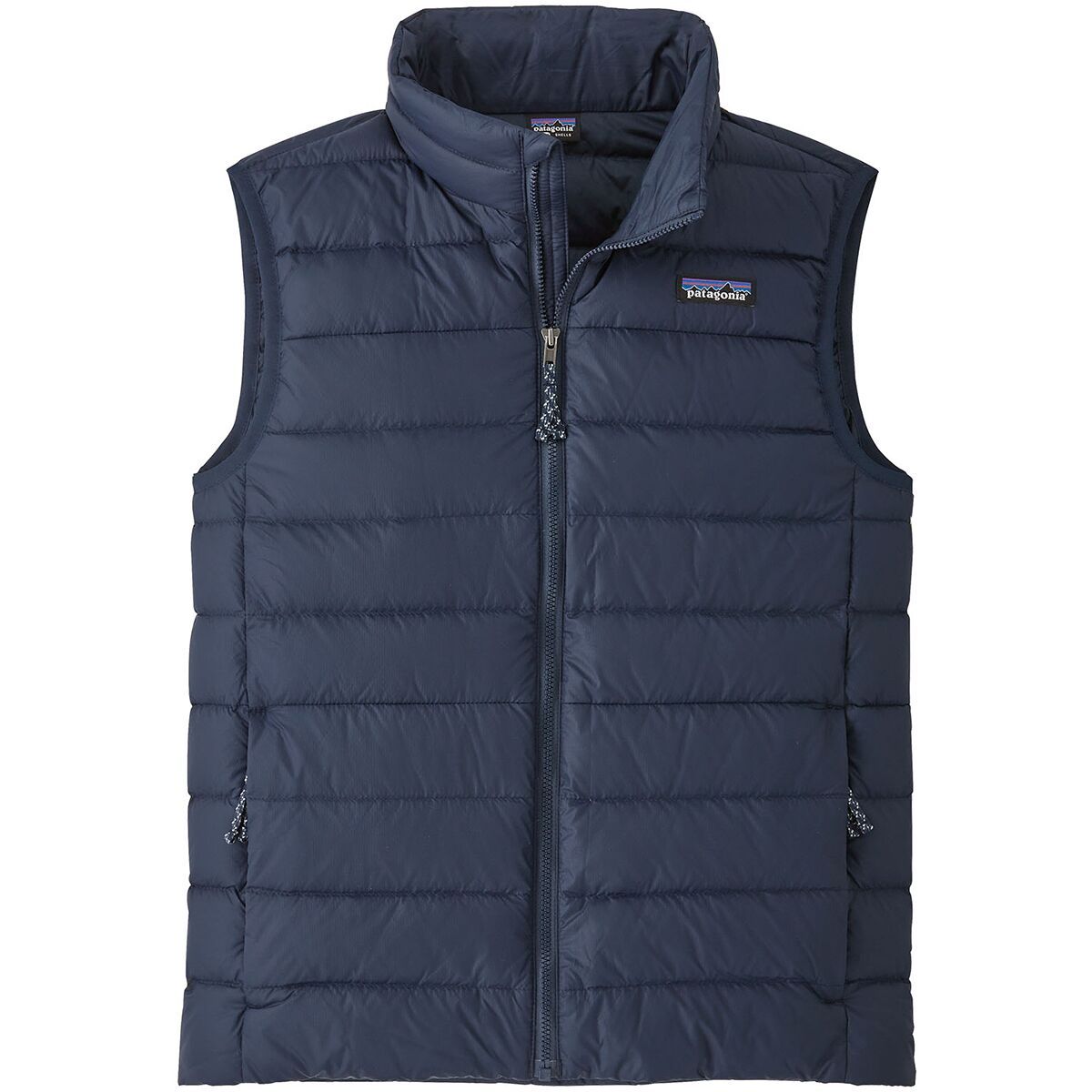
Patagonia Down Sweater Vest - Kids'
The Down Sweater Vest adds warmth without restricting arm movement - perfect for sideline warmth between plays. Recycled down traps heat efficiently.
- 600-fill recycled down
- NetPlus recycled nylon shell
- Multiple pockets
- Compressible for bag storage
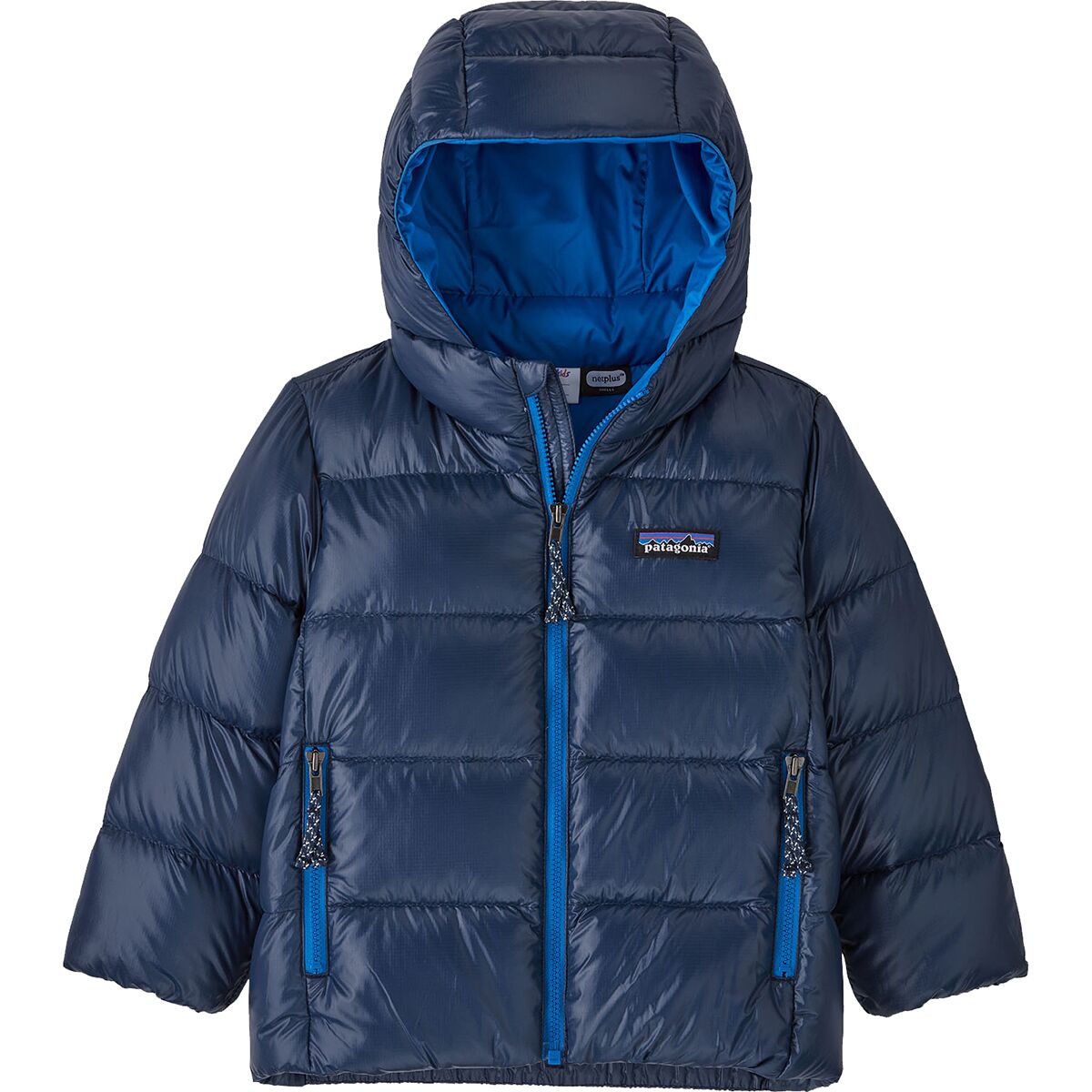
Patagonia Hi-Loft Down Sweater Hoodie - Toddlers'
The tiny version of Patagonia's classic puffy, every bit as warm and durable. Perfect for layering under a snowsuit or wearing alone for winter sports.
- 700-fill recycled down
- Pertex Quantum Eco shell
- Elastic binding
- Built for hand-me-downs
Toddler & Beginner Athletic Gear
For the youngest athletes, comfort and warmth come first. These pieces work great for early sports programs, playground time, and active play.
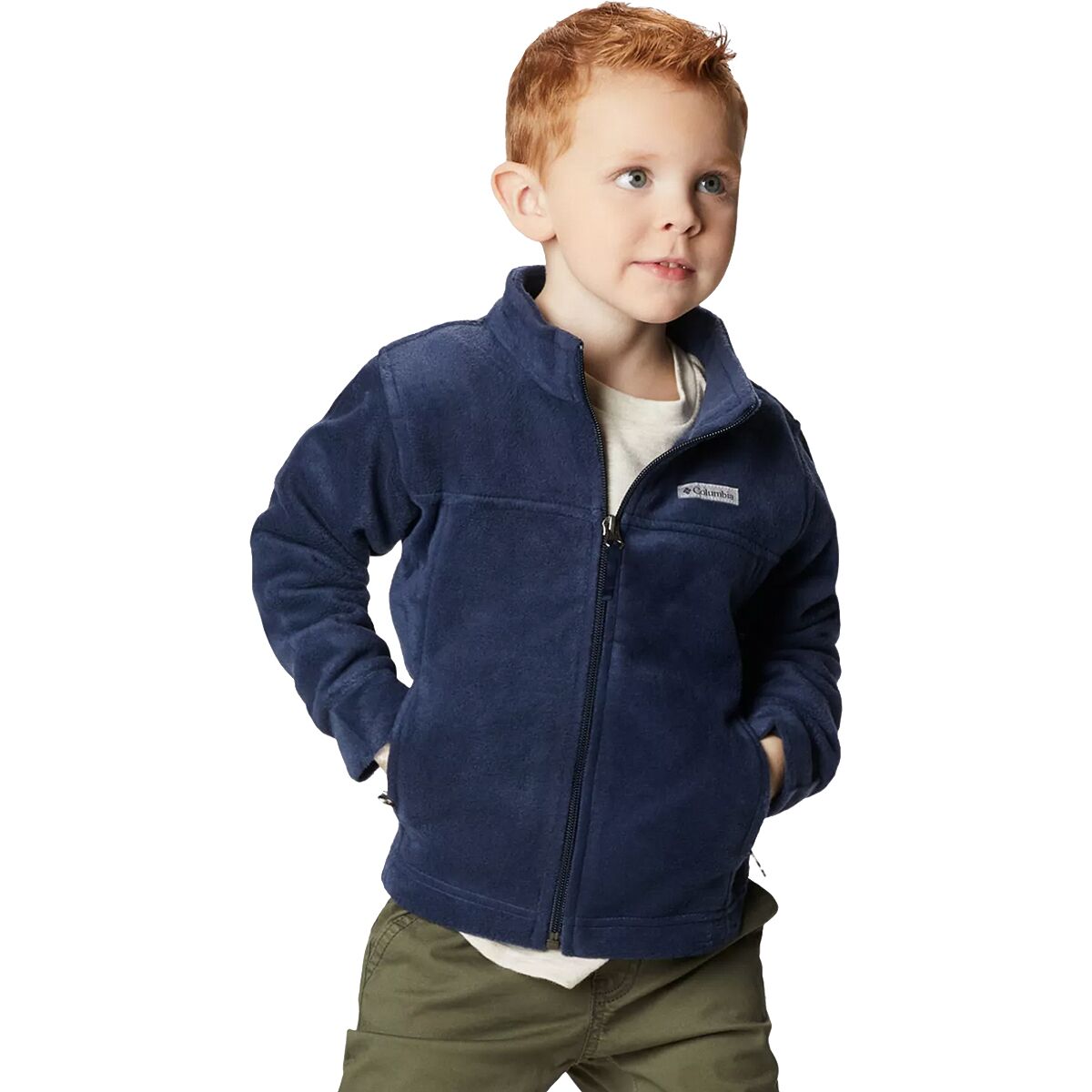
Columbia Steens Mountain II Fleece - Toddler Boys'
Provides excellent warmth and mobility for chilly play dates at the park, brisk camping trips, and early sports practice sessions.
- MTR filament fleece
- Soft and durable
- Easy front zip
- Machine washable
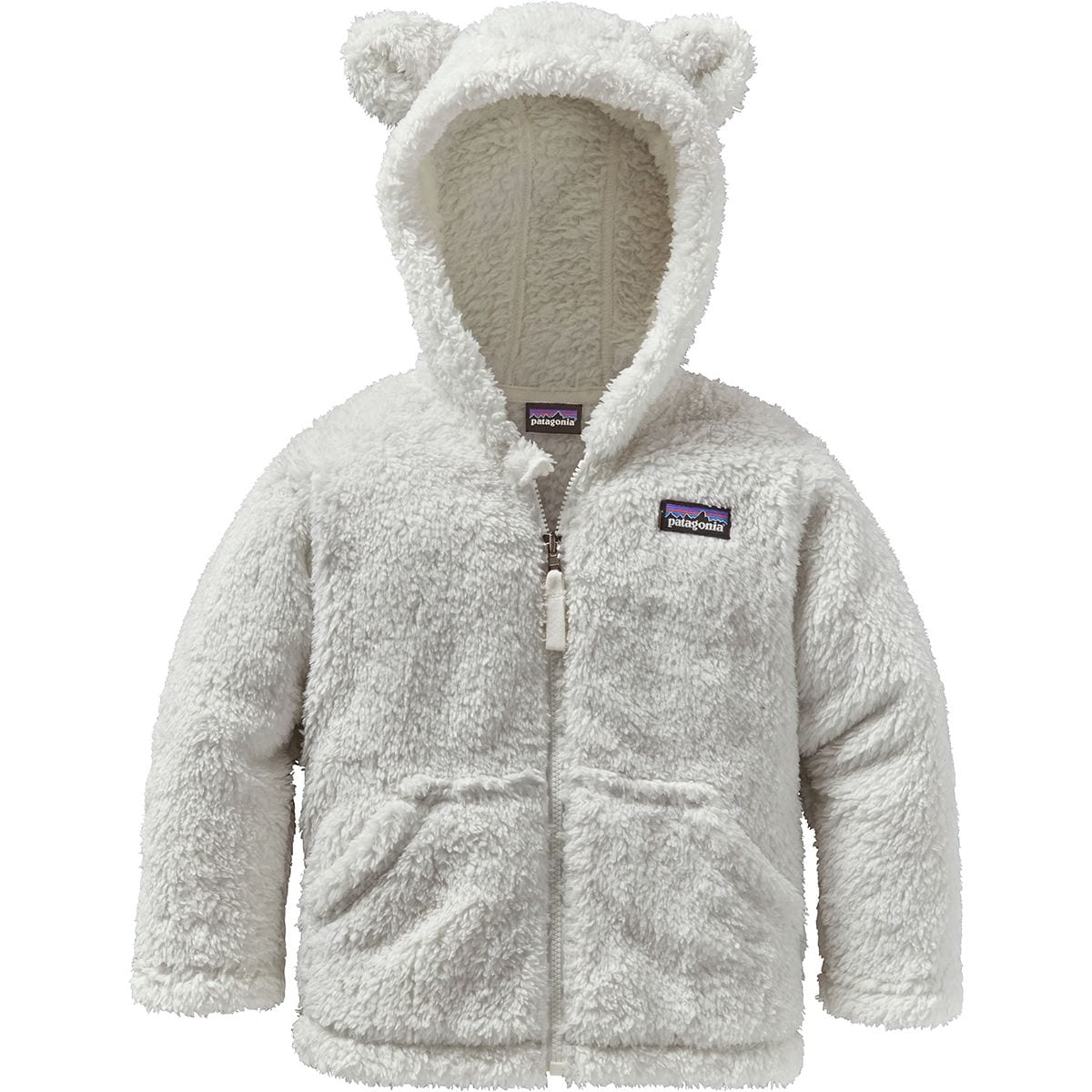
Patagonia Furry Friends Fleece Hooded Jacket - Toddlers'
From playground adventures to backyard campouts, keeps little ones cozy and smiling. Made from soft, 100% recycled polyester fleece with adorable animal-inspired design.
- Recycled polyester fleece
- Hood with fuzzy ears
- Hand pockets
- Soft cotton-twill tape seams
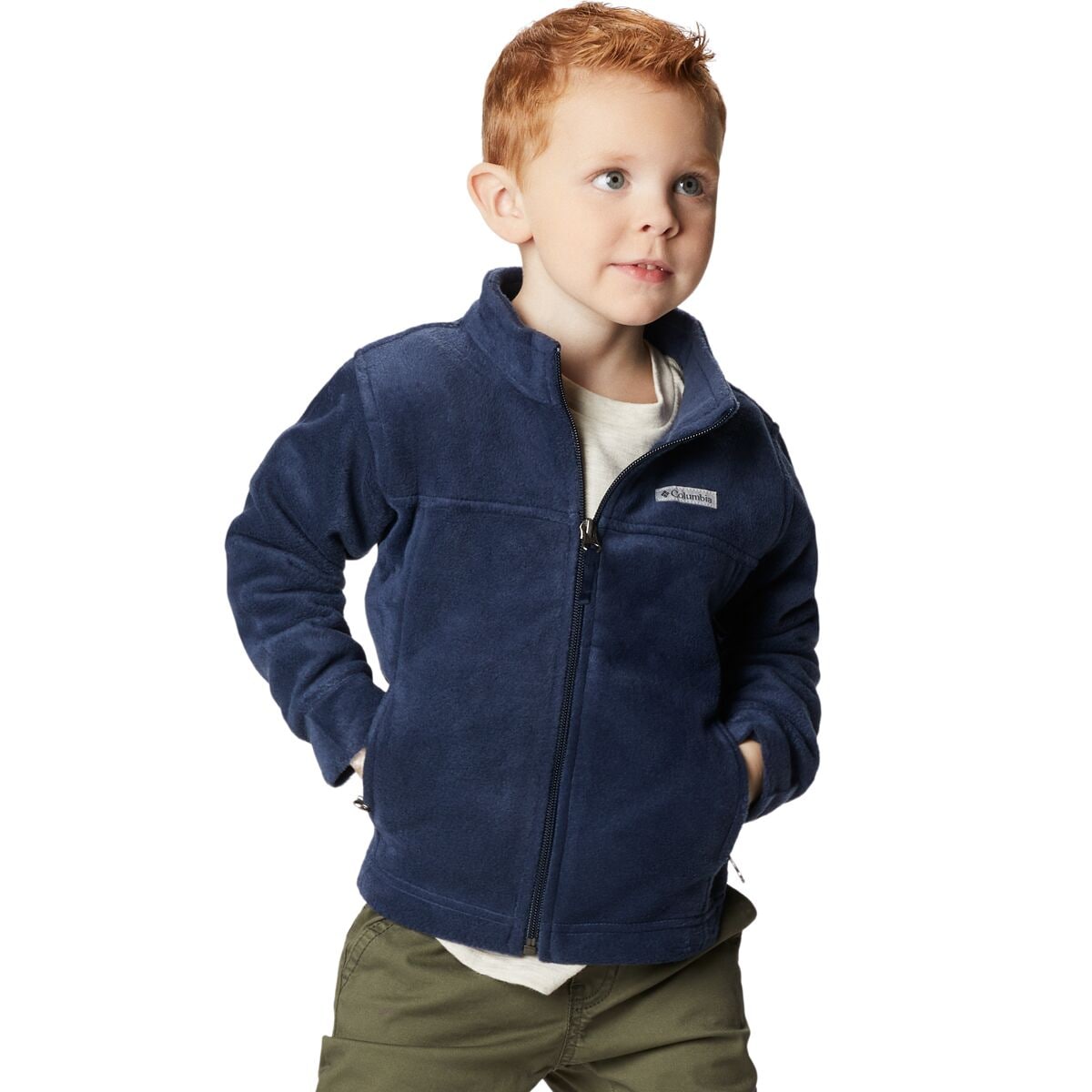
Columbia Steens II Mountain Fleece - Infant Boys'
Simple design for warmth on walks around the neighborhood or layering for cross-town trips. More durable for protection during crawling practice sessions.
- MTR filament fleece
- Modern classic fit
- Extra durable construction
- Easy care
Winter Sports Accessories
For skiing, snowboarding, ice skating, and winter outdoor sports, quality gloves and mittens are essential for keeping little hands warm and protected.
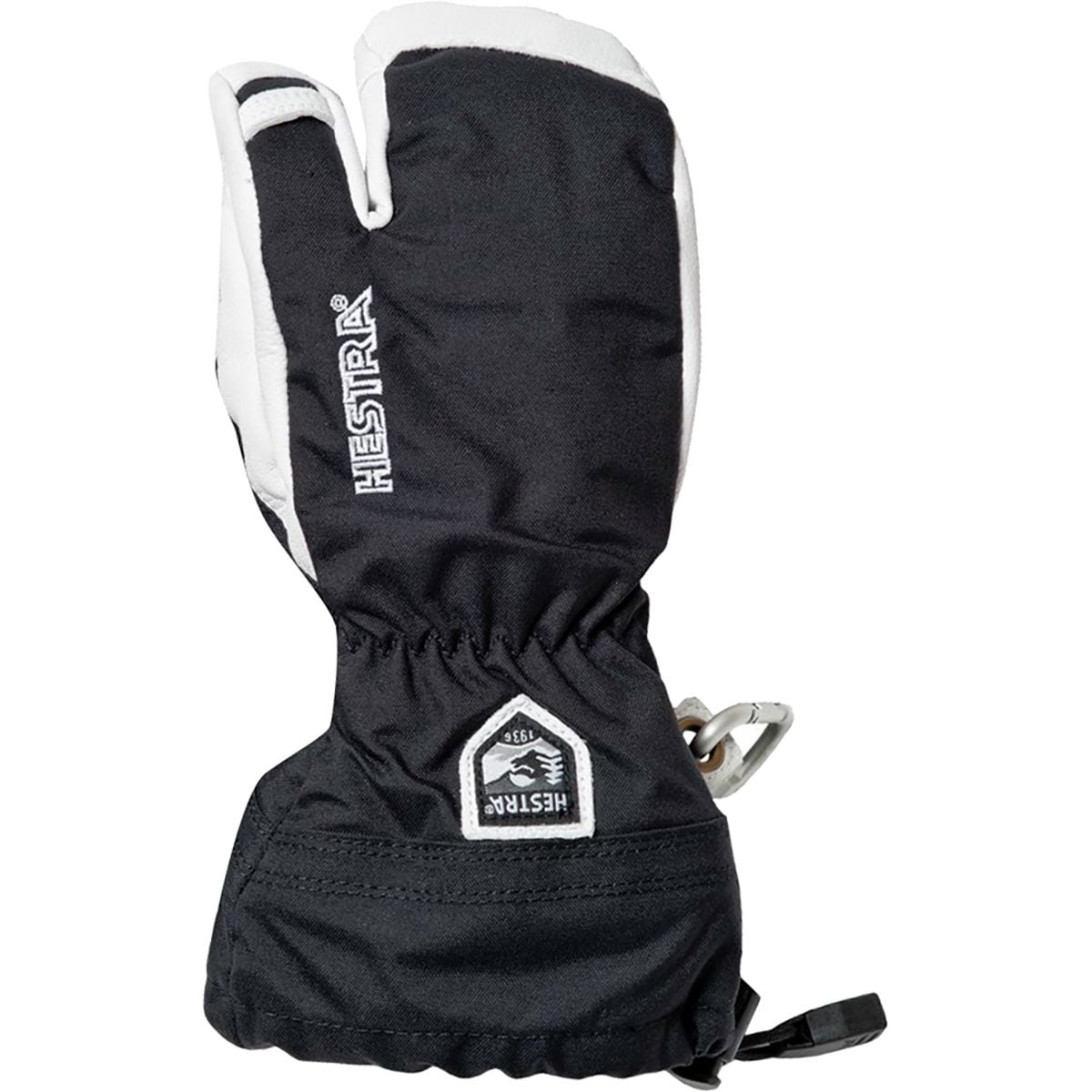
Hestra Heli Ski Junior 3-Finger Glove - Kids'
Mini versions of Hestra's legendary Heli gloves. The 3-finger design gives extra dexterity for gripping poles or adjusting gear. Removable liners for easy drying.
- Triton 3-layer shell
- Goat leather palm
- Removable liner
- Carabiner storage loop

Hestra Baby Zip Long Mitten - Toddlers'
Side zipper makes getting wriggling fingers in easier. Synthetic insulation and weather-resistant materials protect from cold and wet. Textured palm grip for solid hold.
- Side zip entry
- Adjustable wrist strap
- Elasticated gauntlet
- Textured palm grip
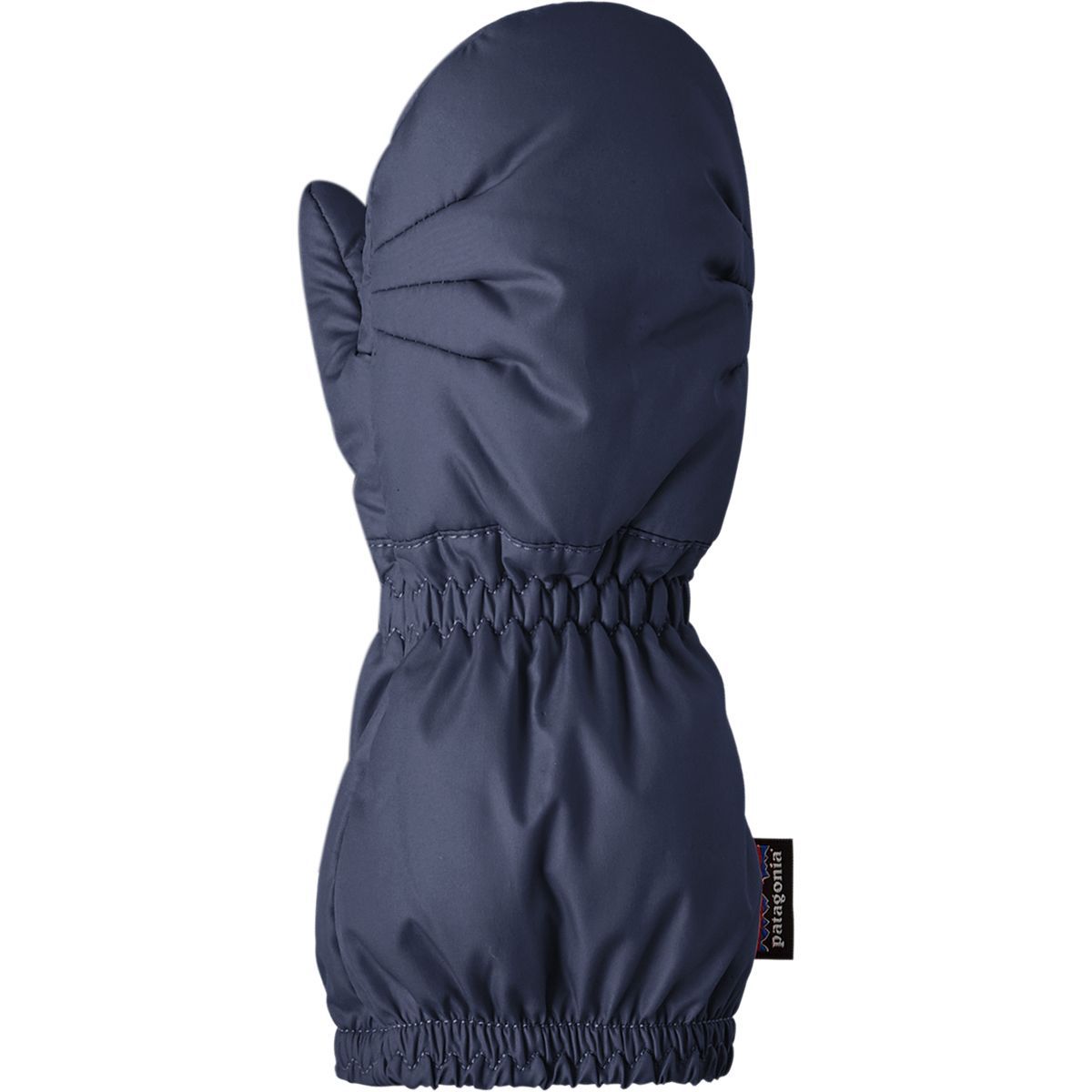
Patagonia Baby Puff Mitten - Infants'
Help your kiddo love their first winter with these mitts that keep snow out and warmth in. Built with high quality insulation and a fleece liner for cozy hands all season.
- Quality insulation
- Fleece liner
- Snow-blocking design
- Secure fit
Helmets & Protective Gear
Safety comes first in youth sports. Quality protective gear can prevent injuries and give both kids and parents peace of mind.
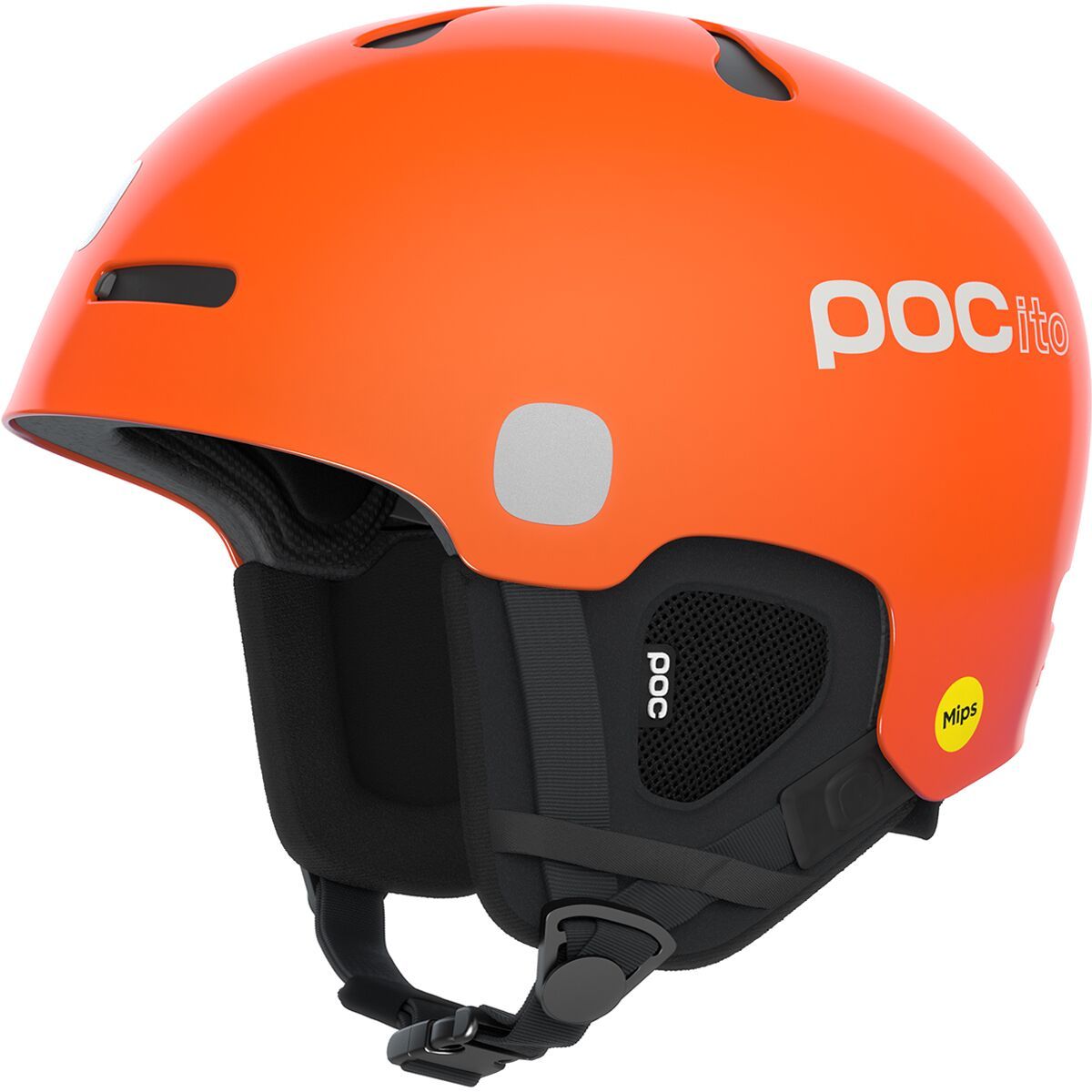
POC Pocito Auric Cut MIPS Helmet - Kids'
Same advanced protection as POC's pro-level adult helmets, enhancing safety when skiing or riding. EPP liner offers protection against multiple impacts over the course of a season.
- MIPS protection
- EPP multi-impact liner
- High visibility color
- Adjustable fit
Brand Recommendations by Sport
Soccer
Cleats
Nike, Adidas, Puma - all offer quality youth lines
Shin Guards
Nike, Adidas, Franklin for budget options
Balls
Select, Mikasa, Nike - avoid very cheap balls
Baseball/Softball
Gloves
Rawlings, Wilson, Mizuno - worth investing in quality
Bats
Easton, Louisville Slugger, DeMarini
Cleats
New Balance, Under Armour, Mizuno
Basketball
Shoes
Nike, Adidas, Under Armour - prioritize fit over brand
Balls
Spalding, Wilson, Nike - indoor vs outdoor matters
General Athletic Wear
Budget-Friendly
Columbia, Champion, C9 (Target), All in Motion
Premium
Patagonia, The North Face, Nike, Under Armour
Youth Sports Safety Tips
Essential Safety Guidelines
- Proper hydration - bring water to every practice and game
- Warm-up and cool-down - 5-10 minutes before and after activity
- Age-appropriate equipment - don't use adult-sized gear
- Required protective gear - always use helmets, guards, cups
- Rest days - at least 1-2 days off per week
- Listen to pain - playing through injury causes more damage
Preventing Burnout
The American Academy of Pediatrics recommends kids play multiple sports and avoid specializing in one sport before age 12. Early specialization increases injury risk and burnout. Let kids have fun and explore different activities.
Signs of Good Youth Sports Programs
- Equal playing time for all kids (especially ages 4-10)
- Focus on skill development over winning
- Coaches emphasize sportsmanship
- Background-checked coaches
- Appropriate practice lengths for age
- Positive, encouraging environment
Frequently Asked Questions
How much should I spend on youth sports equipment?
For beginners, start with mid-range gear. Kids grow fast and may lose interest, so avoid premium equipment until they show commitment. Budget $50-150 for essential soccer gear, $75-200 for baseball/softball basics, and $75-150 for basketball shoes and basics.
Can my child use hand-me-down sports equipment?
Cleats, jerseys, and gloves can be handed down if they fit properly and are in good condition. Never reuse helmets after a crash, and check that protective gear (shin guards, batting helmets) isn't cracked or damaged. Shoes should have good tread and sole support remaining.
What age should kids start organized sports?
Most kids are ready for introductory sports programs around age 4-5. T-ball, soccer, and swimming are great starters. However, focus should be on fun and basic motor skills, not competition. Competitive leagues typically become appropriate around ages 8-10.
How often should I replace sports equipment?
Replace cleats when they no longer fit or when tread is worn smooth. Gloves should be replaced when padding is compressed or leather is cracking. Helmets should be replaced after any impact or every 3-5 years. Basketball shoes typically last 6-12 months of regular use.
Should I buy equipment before my child joins a league?
Wait until your child is registered before buying sport-specific gear. Many leagues have equipment requirements and some provide equipment. You'll also know the specific needs (indoor vs outdoor, turf vs grass) once you're enrolled.
What's the most important piece of equipment to invest in?
Footwear is the most important investment across all sports. Proper shoes prevent injuries, improve performance, and make the activity more comfortable. For baseball/softball, a quality glove is also worth the investment as it can last for years.
How do I know if my child's cleats fit correctly?
There should be about a thumb's width of space at the toe when standing. The heel should fit snugly without slipping. The widest part of the foot should align with the widest part of the cleat. Try on with the socks they'll wear during games.
Related Resources
Ready to Gear Up Your Young Athlete?
Shop quality athletic wear and outdoor gear at Backcountry - free shipping on orders over $50, easy returns, and expert advice.
Shop Kids Athletic GearAffiliate Disclosure
ParentCalc is a Backcountry affiliate. We earn commissions from qualifying purchases at no additional cost to you. This helps support our free parenting resources. All product recommendations are based on our research and real parent feedback. We only recommend products we believe will genuinely help young athletes succeed in their sports journey.