Complete Guide to Snowshoeing with Kids
Everything you need to know about gear, sizing, teaching techniques, and the best trails for family winter adventures
2026 Product Picks
Our latest product roundups related to this guide:
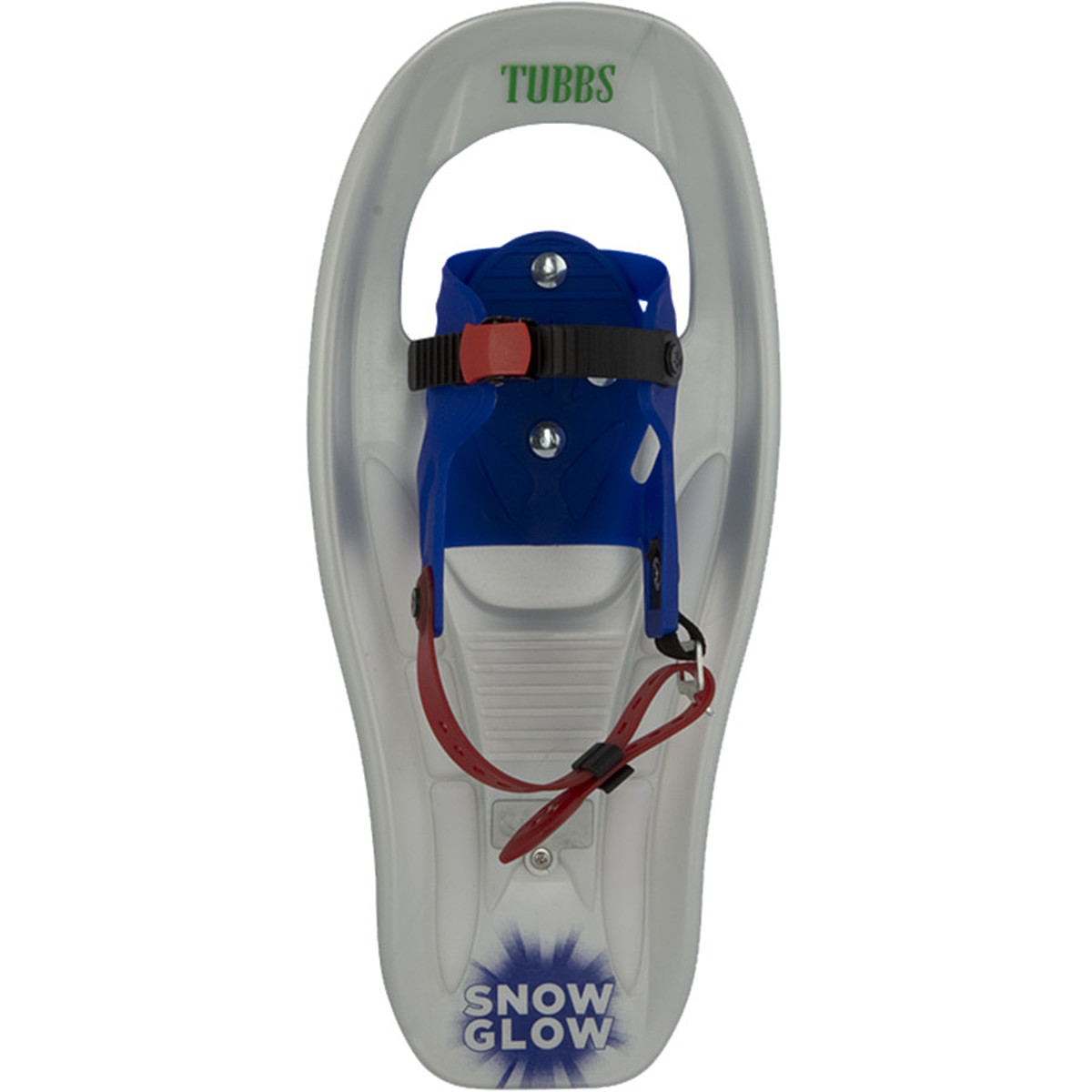
Tubbs Snowglow Snowshoe - Kids
Features fun MotionBright LED lighting that lights up with each step. QuickLock 2 binding system makes getting in and out super easy.
Snowshoeing is one of the best winter activities to share with your kids. Unlike skiing or snowboarding, there's no expensive lift ticket, no steep learning curve, and no waiting in line. Just strap on snowshoes and walk into a winter wonderland. Kids as young as 4 can start snowshoeing with the right gear and expectations.
This comprehensive guide covers everything from when kids can start snowshoeing to how to choose the right size snowshoes. We've partnered with Backcountry to bring you expert-recommended equipment from trusted brands like Tubbs, Atlas, Patagonia, and Kamik.
When Can Kids Start Snowshoeing?
Ages 4-6: First Steps
Most kids can start snowshoeing around age 4. Keep trips short (30-60 minutes), flat, and fun. Choose snowshoes with simple bindings and consider LED-lit models to boost excitement.
Ages 7-10: Building Confidence
Kids this age can handle 1-2 hour outings on gentle terrain. They can learn to navigate small hills and varied snow conditions. Great age to establish a love for winter hiking.
Ages 11+: Real Adventures
Older kids can join longer family expeditions, handle steeper terrain, and carry their own small pack. Consider graduating to youth or small adult snowshoes.
Key Success Factors
Success depends more on mindset than age. Keep expectations realistic, bring plenty of snacks, make it feel like an adventure (not exercise), and always be willing to turn back early. A positive first experience creates lifelong outdoor enthusiasts.
Kids Snowshoe Sizing Guide
Unlike shoes, snowshoes are sized by the user's weight, not age or foot size. The heavier the person, the larger the snowshoe needed to "float" on top of the snow. Here's how to choose the right size for your child:
| Child's Weight | Snowshoe Size | Typical Age |
|---|---|---|
| Up to 50 lbs | 17-19 inches | 4-8 years |
| 40-80 lbs | 17-20 inches | 6-10 years |
| 50-90 lbs | 20-22 inches | 8-12 years |
| 80-120 lbs | 22-25 inches | 10-14 years |
| 120+ lbs | 25+ inches (adult) | 14+ years |
Right Size Indicators
- Child floats on top of snow (not sinking more than a few inches)
- Can lift feet without excessive effort
- Snowshoes don't overlap or catch each other
Wrong Size Indicators
- Sinking deep with each step (too small)
- Tripping over snowshoes (too large)
- Snowshoes banging together when walking
Kids' Snowshoes
Kids' snowshoes are specifically designed with lighter frames, simpler bindings, and fun features. Look for easy-on/easy-off bindings since kids will need bathroom breaks and snack stops. Many kids' snowshoes have traction features scaled down for smaller feet and lighter weights.
Tubbs Snowglow Snowshoe - Kids'
Features fun MotionBright LED lighting that lights up with each step. QuickLock 2 binding system makes getting in and out super easy.
- LED lights with each step
- QuickLock 2 binding
- Molded traction rails
- Ages 4-8, up to 50 lbs
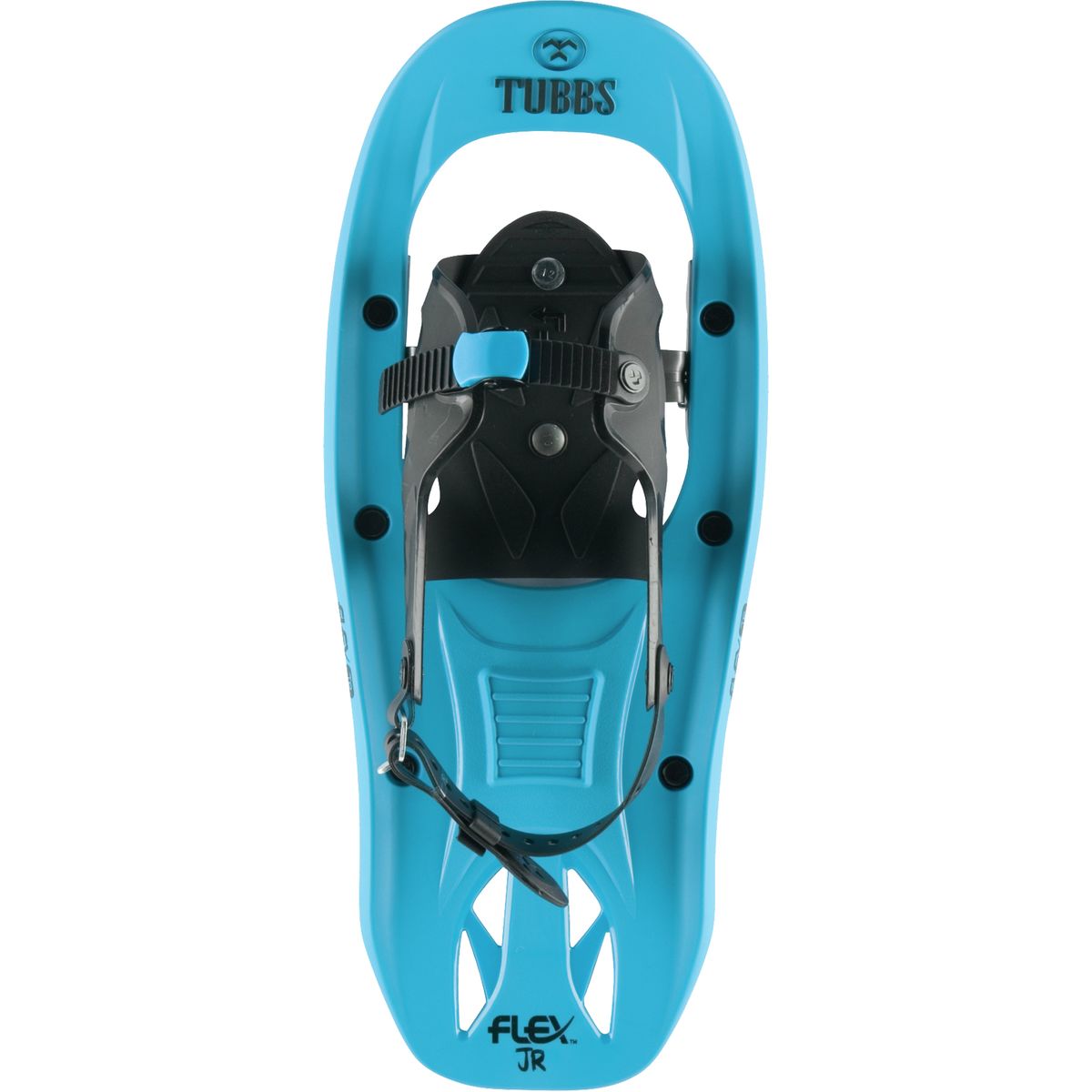
Tubbs Flex Jr. Snowshoe - Kids'
Designed for kids 6-10 years old. Torsion Deck adapts to variable snow conditions and keeps traction elements in contact with snow.
- Torsion Deck design
- QuickLock binding system
- Side-mounted traction rails
- Ages 6-10, 40-80 lbs

Atlas Mini Snowshoe - Kids'
Easy to use snowshoes with simple EVA foam Grom binding that cradles the foot for comfort without pinching. Perfect for first-time snowshoers.
- EVA foam Grom binding
- Lightweight design
- Easy on/off
- Ages 4-8, up to 50 lbs

Atlas Spark Snowshoe - Kids'
Great for bigger kids ready for longer adventures. Heel and toe cleats assist with traction on icy terrain. Rockered, elliptical toe for deep snow.
- Heel & toe cleats
- Rockered elliptical toe
- Grom binding system
- Ages 8-12, 50-90 lbs
Parent Snowshoes
Don't forget gear for yourself! If you're new to snowshoeing, consider a kit that includes snowshoes, poles, and gaiters. Trekking poles are highly recommended for balance and reducing leg fatigue, especially when you're also keeping an eye on kids.

Tubbs Xplore Snowshoe Kit - Men's
Complete kit with snowshoes, adjustable poles, and full-length gaiters. Perfect for parents just getting into snowshoeing with their kids.
- Snowshoes, poles & gaiters included
- Quickpull binding system
- Bio-mechanical upturned tails
- Reduces joint stress by 10%

Atlas Access Snowshoe
Light-Ride Suspension allows natural foot articulation and cushions impact. Flexible Nytex decking stays quiet in cold conditions.
- Light-Ride Suspension
- Quiet Nytex decking
- Natural stride feel
- Up to 200 lbs
Essential Clothing & Gear
Proper clothing is just as important as the snowshoes themselves. Kids lose heat faster than adults and have less ability to regulate their temperature. Dress in layers and always pack extras.
Layering System
Base Layer
Moisture-wicking synthetic or merino wool. Avoid cotton, it holds moisture and gets cold.
Insulating Layer
Fleece or down jacket for warmth. Should be easy to add/remove as activity levels change.
Outer Layer
Waterproof, breathable shell to block wind and snow. Snow pants are essential.
Gear Checklist
- Waterproof winter boots (snowshoe compatible)
- Warm, waterproof mittens or gloves
- Warm hat that covers ears
- Neck gaiter or balaclava
- Sunglasses or goggles
- Sunscreen (snow reflects UV)
- Gaiters (keeps snow out of boots)
- Small backpack for snacks/water
Winter Boots
Snowshoes work with most winter boots. The key requirements are: waterproof, insulated, and a relatively flat sole that fits securely in the snowshoe binding.

Kamik Rocket Boot - Boys'
Removable liner keeps feet warm and dry. Easy to air out after long days in the snow. Waterproof and insulated for cold weather.
- Removable liner
- Waterproof construction
- Insulated for warmth
- Easy on/off

Kamik Rocket Boot - Girls'
Same great features as the boys' version in fun colors. Removable liner for warmth and easy drying.
- Removable liner
- Waterproof construction
- Fun colors
- Insulated warmth
Insulating Jackets

Patagonia Down Sweater Jacket - Kids'
Warm, durable, and lightweight. Made from recycled down and fabric. Layers easily under a shell when temps drop.
- 600-fill recycled down
- Windproof ripstop shell
- Elastic cuffs & adjustable hem
- 100% recycled materials

Swix Mayen Quilted Jacket - Kids'
Keeps kids warm and comfortable without being bulky or restrictive. Perfect for active outdoor play.
- Quilted insulation
- Unrestricted movement
- Lightweight warmth
- Multiple sizes
Accessories
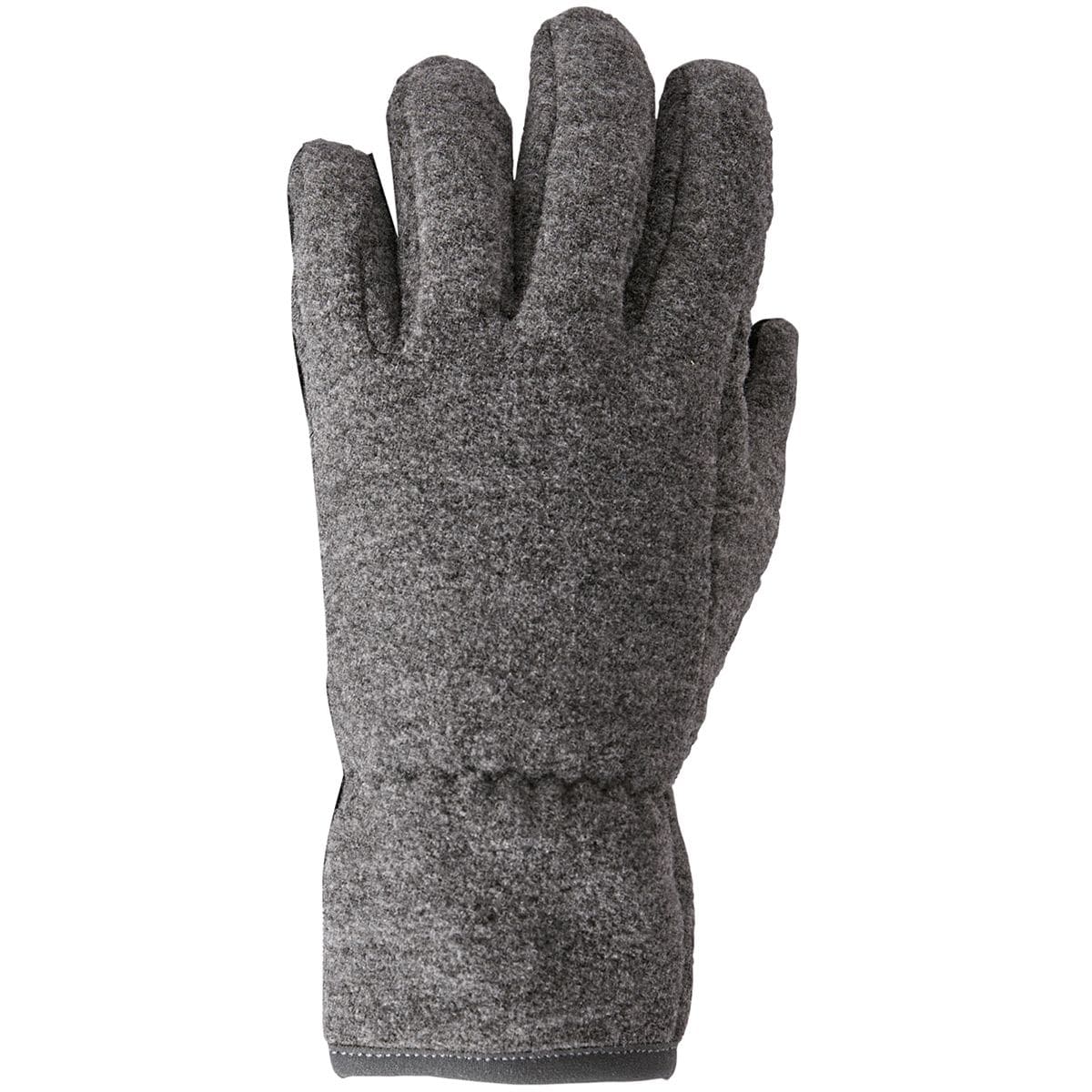
Patagonia Synchilla Glove - Kids'
Recycled polyester fleece keeps hands cozy. Touchscreen-compatible E-tips technology for staying connected.
- Recycled polyester fleece
- Touchscreen compatible
- Comfortable fit
- Multiple sizes
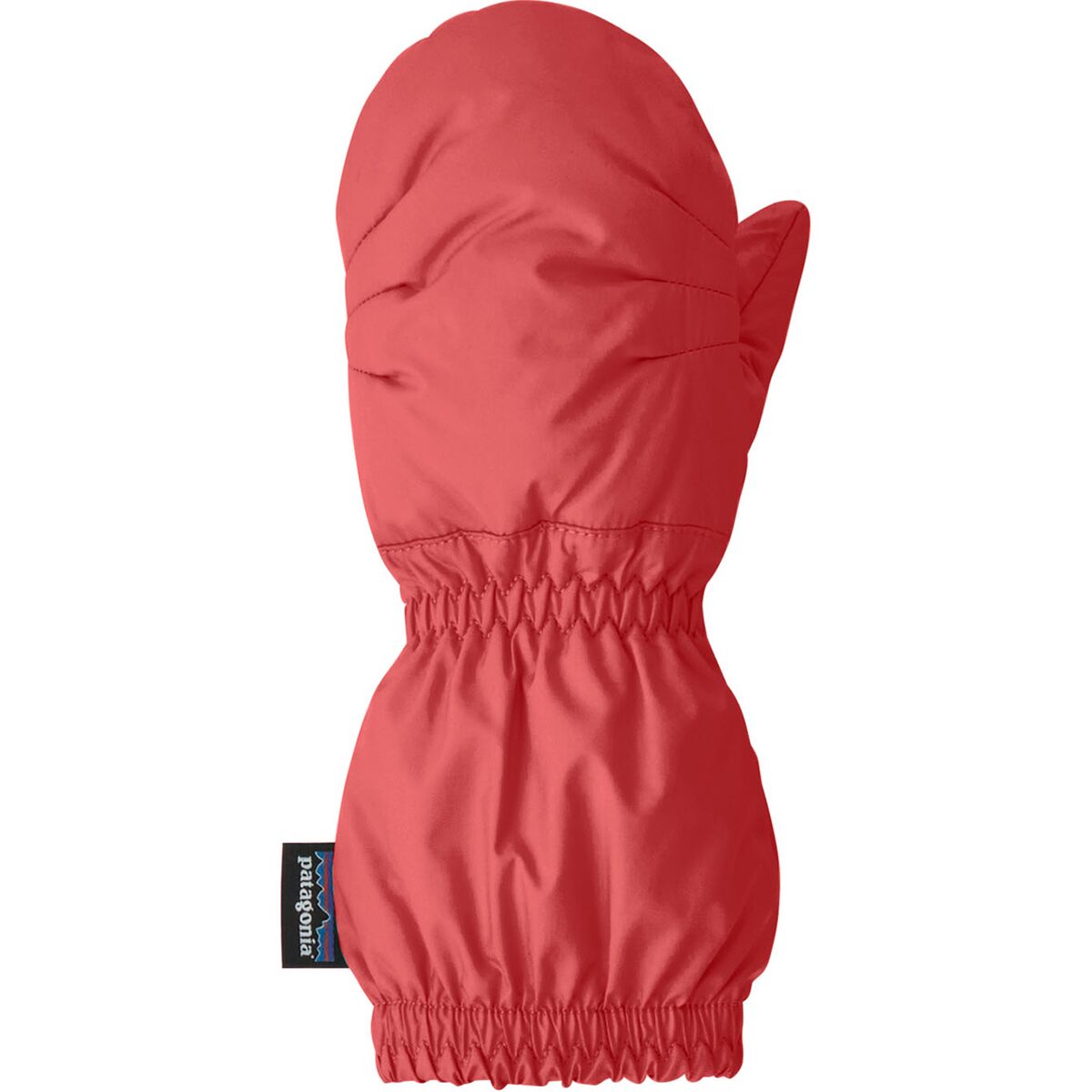
Patagonia Baby Puff Mitten - Infants'
Keeps snow out and warmth in. Built with high quality insulation and a fleece liner for maximum comfort.
- Insulated warmth
- Fleece liner
- Snow-proof design
- Secure fit
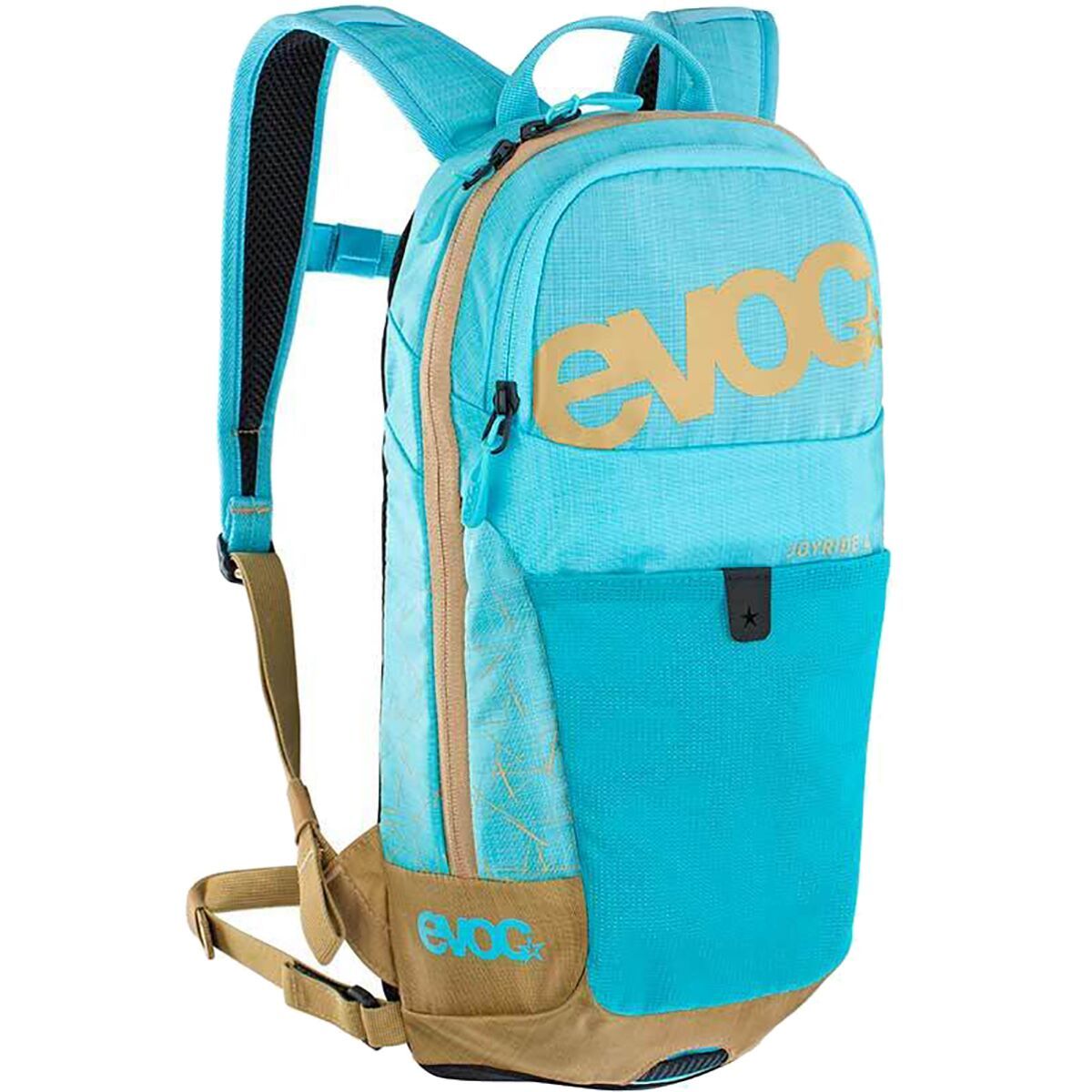
Evoc Joyride 5L Hydration Backpack - Kids'
Lightweight performance kids backpack with outstanding carrying comfort and same features as adult models.
- Hydration compatible
- Lightweight design
- Kid-sized fit
- Snack pocket
Teaching Kids to Snowshoe
Getting Started
- 1Practice at home first. Put on snowshoes in the yard or driveway before hitting the trail so the newness wears off.
- 2Start on flat, packed snow. A snowy park or groomed trail is ideal for first outings. Avoid deep powder until they're comfortable.
- 3Teach the "duck walk." Kids naturally want to walk normally, but snowshoes require a wider stance. Have them waddle like a duck.
- 4Pick up your feet. Remind them to lift their feet rather than drag the snowshoes through the snow.
Keeping It Fun
- Set a fun destination. "Let's snowshoe to the frozen creek!" beats "Let's walk for 30 minutes."
- Bring hot cocoa. A thermos of warm drinks at the turnaround point makes it an event.
- Look for animal tracks. Turn it into a nature scavenger hunt for wildlife signs.
- Let them lead. Kids love being the "trail breaker" in fresh snow.
- Build in play time. Plan to stop for snow angels, snowball fights, or fort building.
How to Handle Falls
Falls are inevitable and usually no big deal in soft snow. Teach kids to:
Try to fall sideways or sit down rather than face-planting. Keep poles clear.
Roll to hands and knees, get snowshoes underneath, then stand. Use poles for balance.
Laugh it off! Falls in fluffy snow are part of the fun. Keep the mood light.
Finding Beginner-Friendly Trails
You don't need a designated snowshoe trail to go snowshoeing. Any snow-covered path, park, or forest service road works. For families just starting out, here's what to look for:
Ideal Trail Features
- Flat to gentle terrain - Avoid steep climbs for beginners
- Short distance - 1-2 miles round trip for young kids
- Looped or out-and-back - Easy to gauge halfway point
- Packed or groomed trail - Easier than breaking trail
- Near parking/facilities - Quick access to car for emergencies
Where to Find Trails
- State and local parks - Often have designated snowshoe trails
- Nordic ski centers - Many allow snowshoeing on separate trails
- National forests - Forest roads make great snowshoe routes
- Golf courses - Many open for winter recreation
- AllTrails app - Filter for snowshoeing and kid-friendly
Trail Etiquette
Don't walk on cross-country ski tracks, your snowshoe prints ruin the groomed tracks. Stay to the side or use designated snowshoe trails. If sharing a trail, yield to skiers and step aside to let them pass.
What to Expect to Spend
Kids' Gear
- Kids' snowshoes$60-90
- Winter boots$50-80
- Snow pants$40-80
- Insulated jacket$70-150
- Mittens/gloves$20-40
- Hat & accessories$15-30
- Kids Total$255-470
Parent Gear
- Adult snowshoes$150-300
- Trekking poles$30-80
- Gaiters$25-50
- Snowshoe kit (if bundled)$180-250
- Per Parent Total$180-430
Tip: Many outdoor shops and REI locations rent snowshoes for $15-25/day. Try before you buy to make sure your kids enjoy the activity.
Safety Considerations
- Watch for hypothermia signs: Shivering, confusion, drowsiness, slurred speech
- Check conditions: Avoid snowshoeing during storms or extreme cold
- Tell someone your plans: Leave an itinerary with a friend or family member
- Bring emergency supplies: Extra layers, fire starter, first aid kit, phone
- Be avalanche aware: Avoid steep slopes in backcountry terrain
- Turn back early: If anyone is cold, tired, or unhappy, head home
Related Resources
Affiliate Disclosure
ParentCalc is a Backcountry affiliate. We earn commissions from qualifying purchases at no additional cost to you. This helps support our free parenting resources. All product recommendations are based on our research and real parent feedback. We only recommend products we believe will genuinely help families enjoy winter adventures safely.