Kids Sun Protection Guide 2026
The complete parent's guide to sunscreen, UPF clothing, sun hats, and sunglasses for safe summer adventures
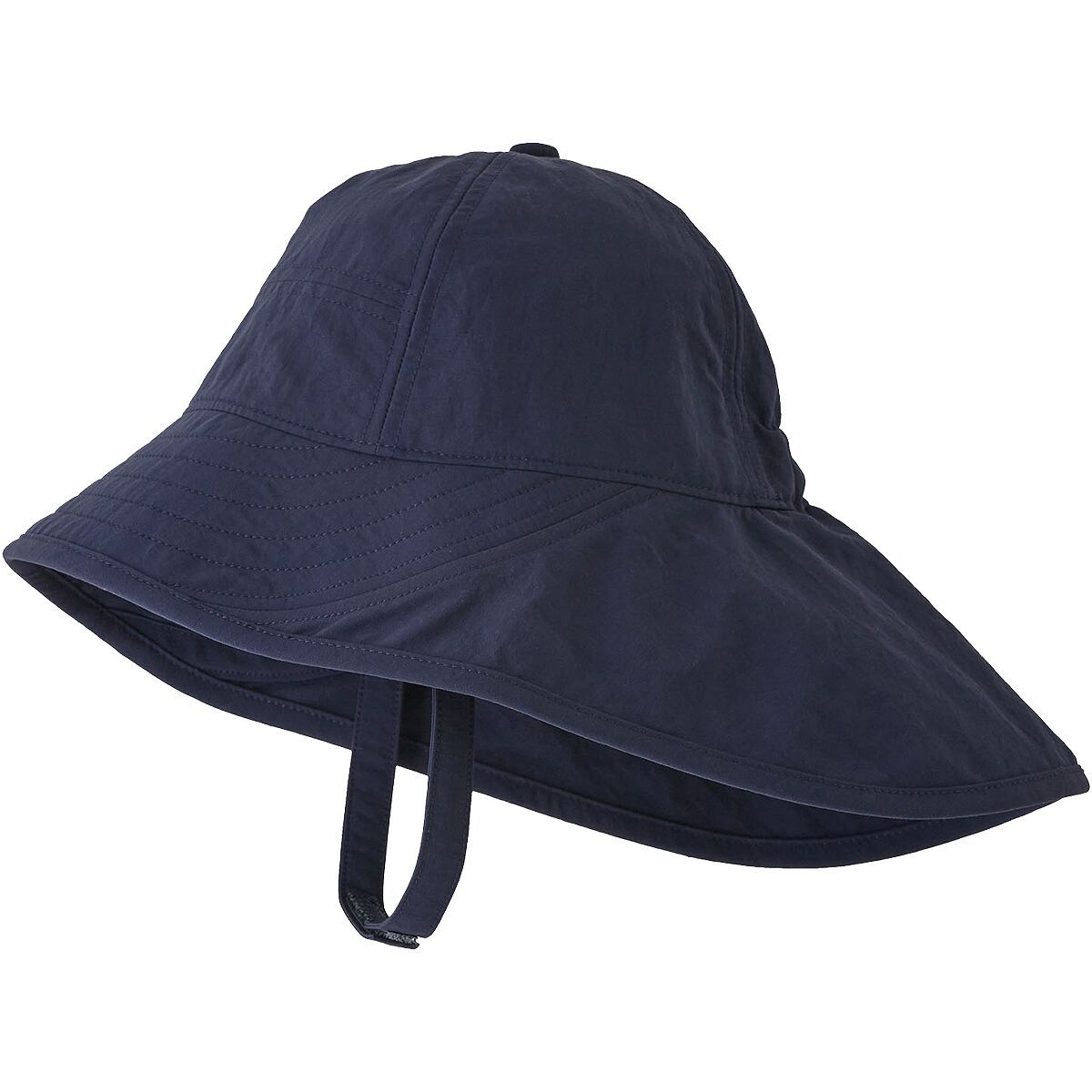
Patagonia Baby Block-the-Sun Hat
Wide brim and extended back flap provide confidence-inspiring coverage from harsh rays. Recycled nylon fabric is light and breathable. Secure chin strap keeps hat in place on breezy days. UPF 50 prote...
Why Sun Protection Matters for Kids
Children's skin is significantly more sensitive to UV radiation than adult skin. In fact, just one blistering sunburn during childhood can more than double the risk of developing melanoma later in life. The good news? With the right protection strategies, you can keep your kids safe while they enjoy every sunny adventure.
The American Academy of Dermatology estimates that 80% of a person's lifetime sun exposure occurs before age 18. This makes childhood the most critical time for establishing good sun protection habits. UV damage is cumulative and irreversible, but it's also almost entirely preventable with the right approach.
More Vulnerable
Kids' skin is thinner and has less melanin, making them more susceptible to UV damage and sunburn than adults.
Long-Term Impact
UV damage accumulates over a lifetime. Protecting children now reduces their risk of skin cancer and premature aging decades later.
Eye Protection
Children's eyes are also more sensitive to UV rays. Quality sunglasses protect against cataracts and macular degeneration.
The most effective sun protection combines multiple strategies: sunscreen, protective clothing, hats, sunglasses, and seeking shade during peak UV hours (10am-4pm). No single method provides complete protection, but together they create a comprehensive shield against harmful rays.
Important Warning Signs
Seek medical attention if your child experiences severe sunburn with blistering, fever, chills, nausea, or confusion after sun exposure. These symptoms may indicate sun poisoning and require immediate care.
Sunscreen Guide for Kids
Choosing the right sunscreen for children can be overwhelming with so many options available. Here's what parents need to know about selecting safe, effective sunscreen for kids.
Mineral vs. Chemical Sunscreens
Mineral (Recommended for Kids)
- Active ingredients: zinc oxide, titanium dioxide
- Sits on skin surface and reflects UV rays
- Works immediately upon application
- Less likely to cause irritation
- Reef-safe options available
Chemical
- -Active ingredients: avobenzone, oxybenzone, etc.
- -Absorbs into skin and converts UV to heat
- -Requires 15-20 min to become effective
- -May cause skin/eye irritation in children
What to Look For
- 1SPF 30 or higher
SPF 30 blocks 97% of UVB rays. Higher isn't significantly better.
- 2Broad Spectrum
Protects against both UVA (aging) and UVB (burning) rays.
- 3Water Resistant
Look for 40-80 minute water resistance for swimming.
- 4Fragrance-Free
Reduces risk of irritation on sensitive skin.
- 5Reef-Safe (for beach/ocean)
Free of oxybenzone and octinoxate that harm coral reefs.
Sunscreen for Sensitive Skin & Eczema
Children with eczema, sensitive skin, or allergies need extra care when choosing sunscreen:
- Choose mineral sunscreens with zinc oxide
- Avoid fragrances, dyes, and parabens
- Look for "hypoallergenic" labels
- Test on a small area first
- Apply after moisturizer, before other creams
- Stick formulas work well around eyes
Kids Sun Hats
A quality sun hat is one of the most important pieces of sun protection gear. Wide brims protect the face, ears, and neck where sunburn is most common. Look for UPF 50+ rated hats with chin straps to keep them in place during active play.
Patagonia Baby Block-the-Sun Hat
Wide brim and extended back flap provide confidence-inspiring coverage from harsh rays. Recycled nylon fabric is light and breathable. Secure chin strap keeps hat in place on breezy days. UPF 50 protection.
- UPF 50 protection
- Wide brim + neck flap
- Chin strap
- Recycled nylon

Sunday Afternoons Play Hat - Kids'
Wide brim, neck cape, and UPF 50+ fabric provide ample coverage from harmful UV rays. Mesh ventilated side panels keep heads cool. ShieldTek DWR treatment sheds moisture and stains. Smart Strap breaks off when snagged.
- UPF 50+ rated
- Neck cape protection
- Mesh ventilation
- Safety breakaway strap
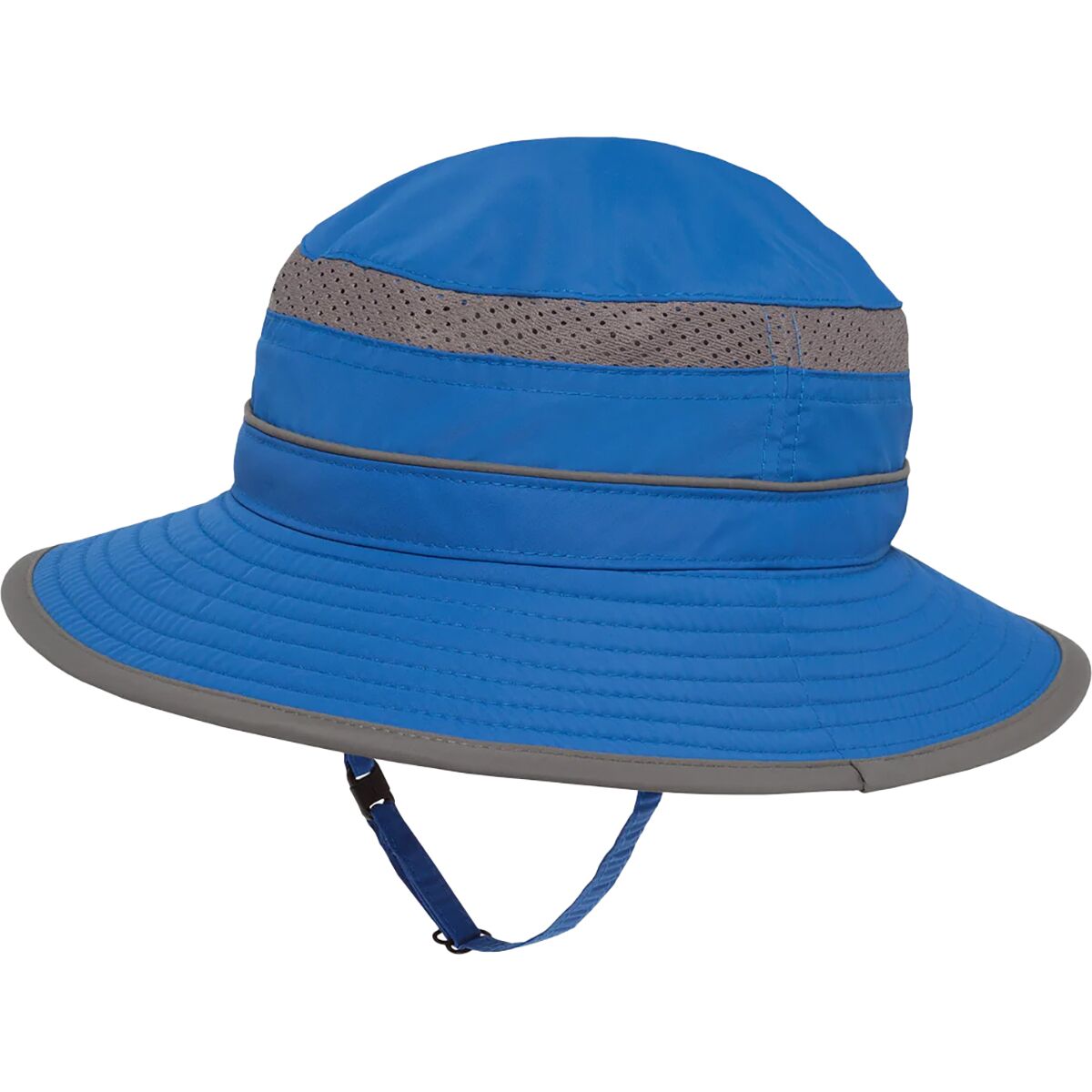
Sunday Afternoons Fun Bucket Hat - Kids'
UPF 50+ protection in a classic bucket hat style. Flexible 2.5-inch brim shields their face, and mesh panels on top keep heads cool. Adjustable, breakaway chin strap eliminates choking hazards.
- UPF 50+ protection
- 2.5" flexible brim
- Mesh ventilation
- Breakaway chin strap
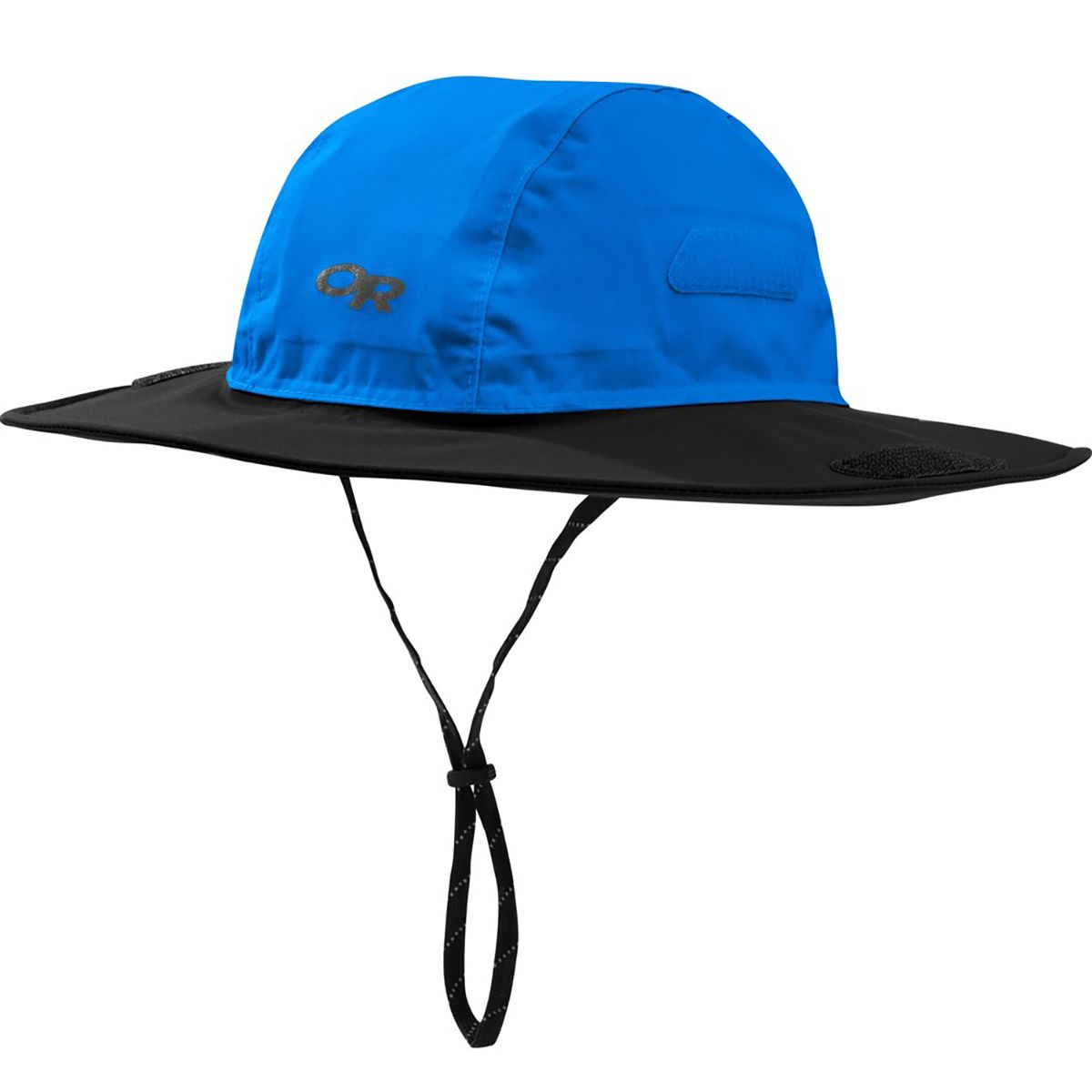
Outdoor Research Seattle Rain Hat - Kids'
Wide-brimmed hat designed for extreme weather. Tested in hearty downpour and designed with UPF sun protection. Perfect for beach days and rainy adventures alike.
- UPF sun protection
- Wide brim
- Rain-ready
- Durable construction
What Makes a Great Kids Sun Hat
Essential Features:
- Wide brim (3"+): Protects face, ears, and neck
- UPF 50+ fabric: Blocks 98% of UV rays
- Chin strap: Keeps hat secure during play
- Neck flap: Extra coverage for back of neck
- Lightweight, breathable: Kids will actually wear it
Safety Considerations:
- Breakaway chin straps: Release if caught to prevent choking
- Mesh ventilation: Prevents overheating
- Quick-dry fabric: Comfortable after water play
- Adjustable sizing: Ensures secure, comfortable fit
UPF Clothing: Rash Guards & Swimwear
UPF (Ultraviolet Protection Factor) clothing provides reliable, reapplication-free sun protection. A UPF 50 garment allows only 1/50th of UV radiation to reach the skin. Perfect for water activities, beach days, and outdoor adventures where reapplying sunscreen is challenging.
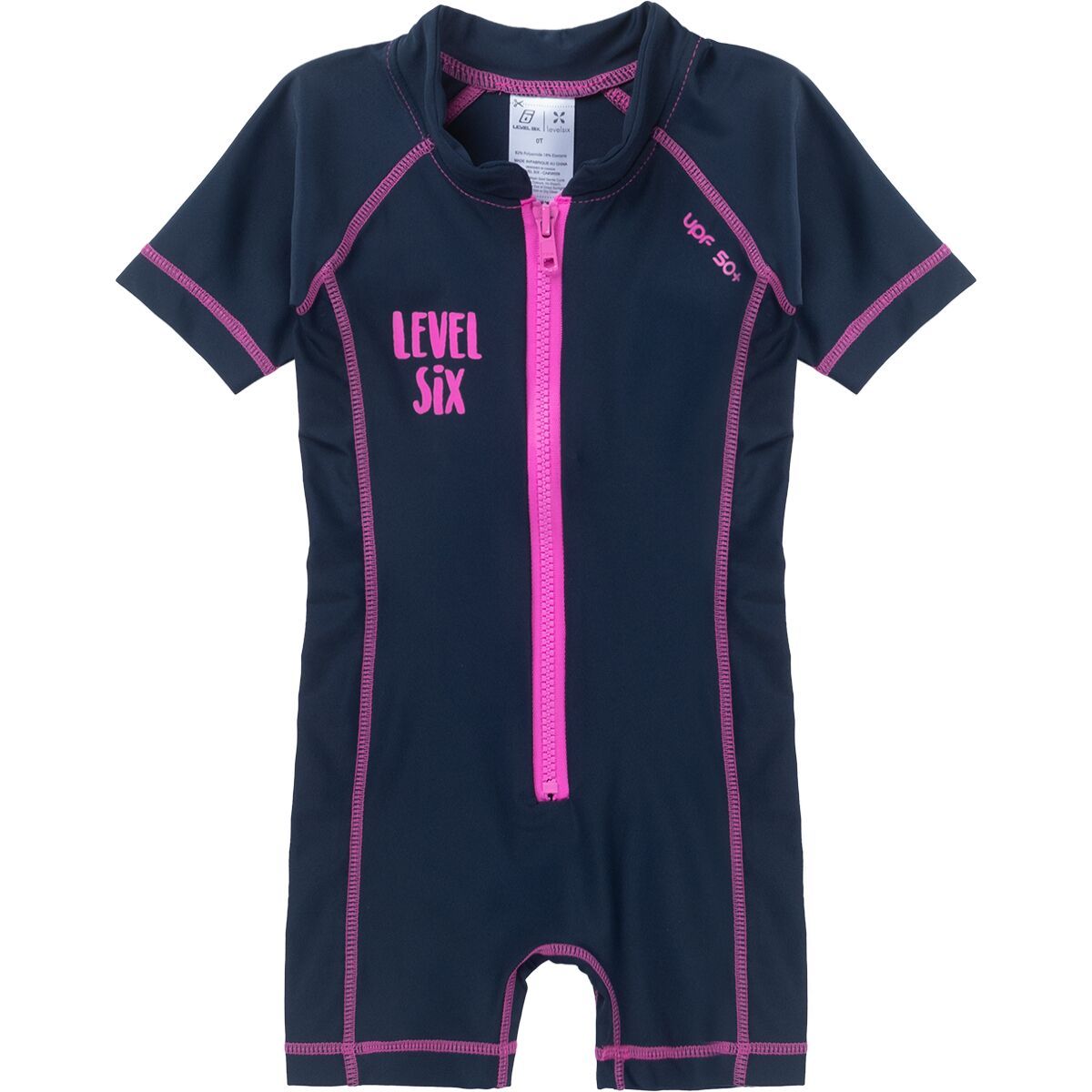
Level Six Aurora Sun Suit - Toddler Girls'
UPF 50+ sun protection in a full-coverage sun suit. Soft lycra/elastane blend is quick-dry for all-day comfort in and out of water. Front side-winder zipper prevents chafing and makes diaper changes easy.
- UPF 50+ protection
- Quick-dry fabric
- No-chafe zipper
- Easy diaper changes
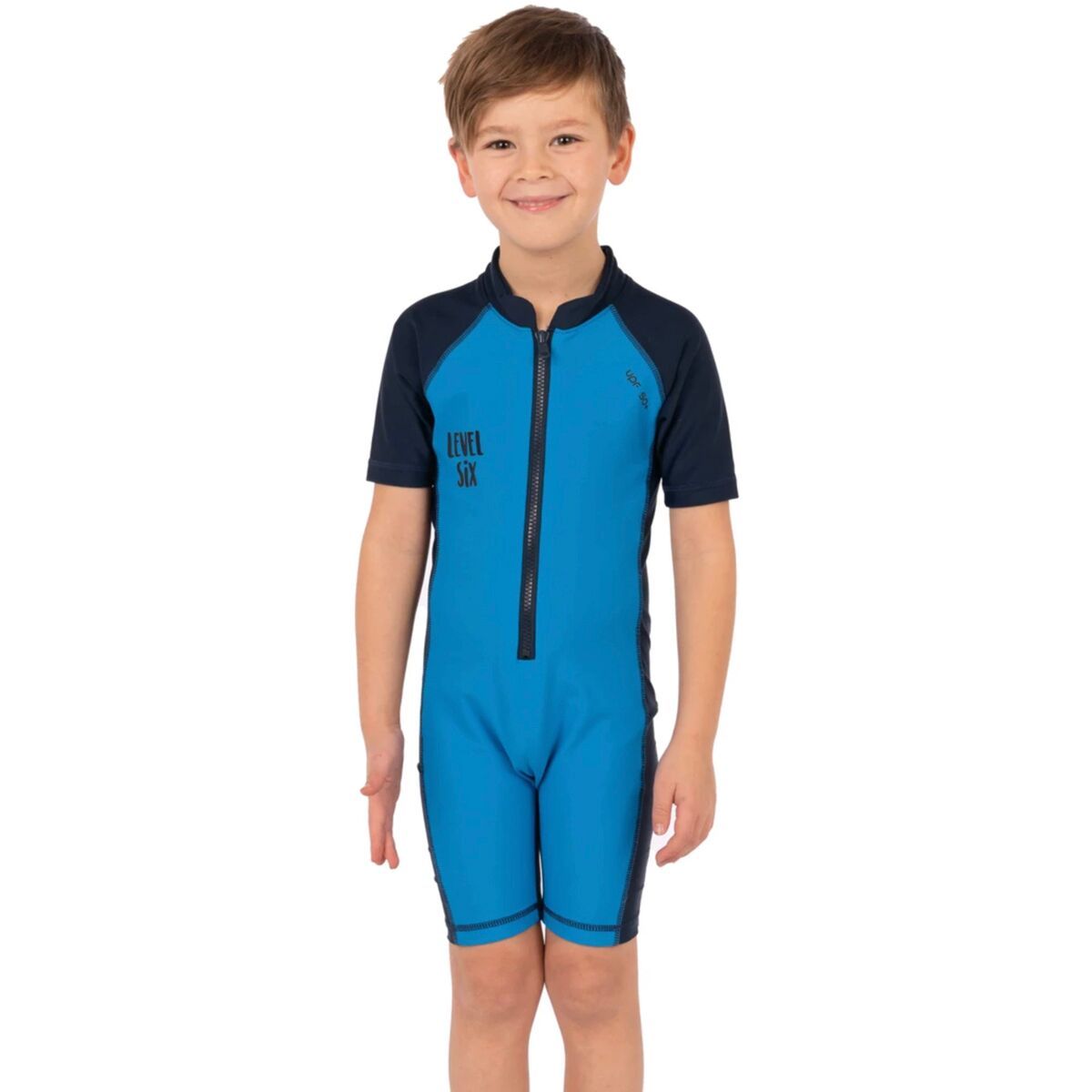
Level Six Apollo Sun Suit - Toddler Boys'
Keeps your little one the best-protected child from the sun on the beach. Front side-winder zipper designed so they can crawl, play, and roll without chafing. Long front zipper makes for easy diaper changes.
- Full body coverage
- No-chafe design
- Quick-dry fabric
- UPF sun protection
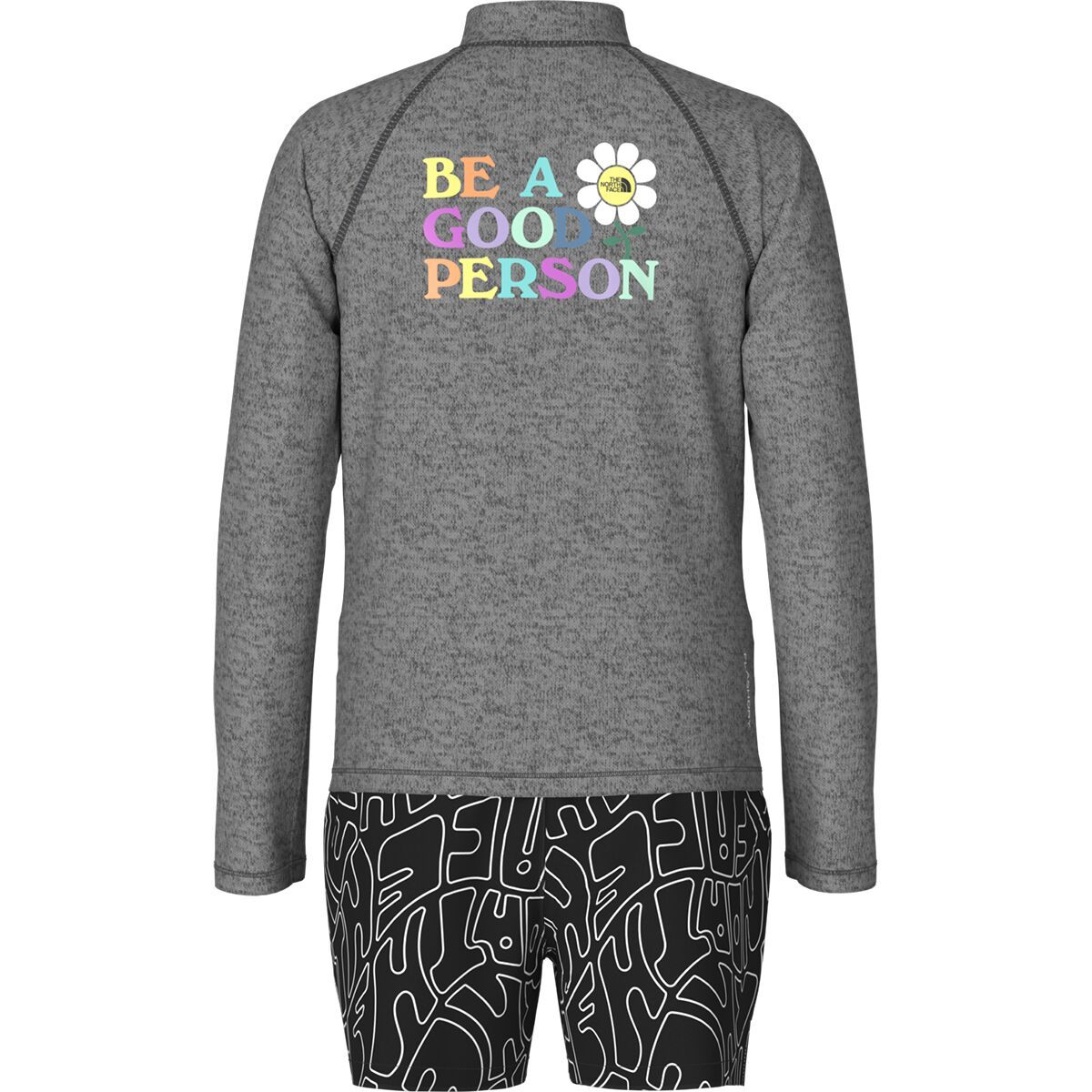
The North Face Amphibious Sun Set - Toddlers'
Complete rash guard and shorts set for long summer days in the sun or water. FlashDry technology and UPF 40+ protection lets kids make the most of any warm weather adventure.
- UPF 40+ protection
- FlashDry technology
- Rash guard + shorts
- Quick-dry fabric
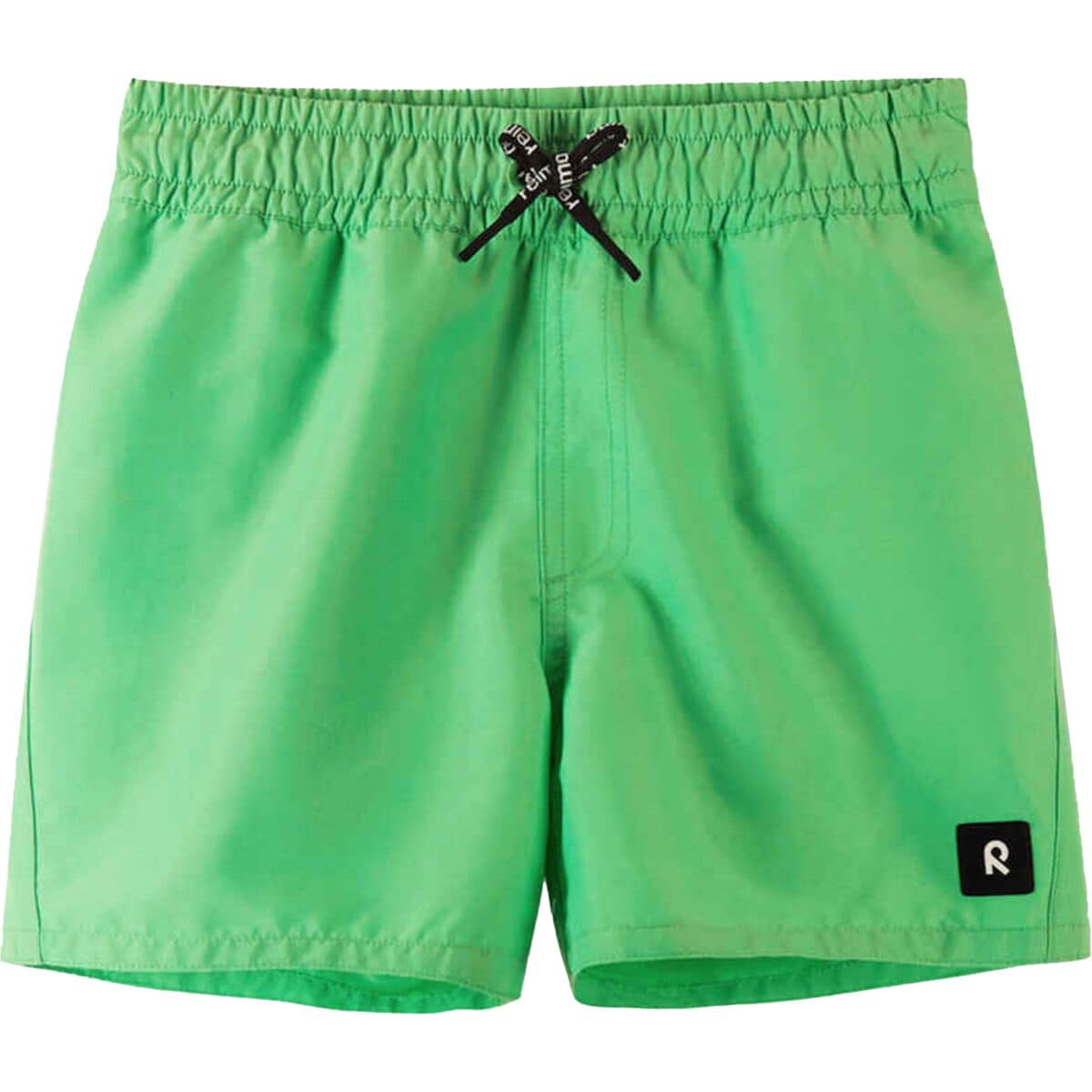
Reima Somero Swim Shorts - Toddler Boys'
Casual kids swim shorts for summer with high UV protection. Perfect for sunny days at the beach, pool, or water park. Quick-dry fabric keeps kids comfortable all day.
- High UV protection
- Quick-dry fabric
- Comfortable fit
- Bright colors
Understanding UPF Ratings
| UPF Rating | UV Blocked | Protection Level | Best For |
|---|---|---|---|
| UPF 15-24 | 93-96% | Good | Light outdoor activities |
| UPF 25-39 | 96-97% | Very Good | General outdoor use |
| UPF 40-50+ | 97-98%+ | Excellent | Beach, water, extended sun |
For maximum protection, choose UPF 50+ clothing for beach days and water activities. This blocks 98% of UV radiation.
Kids Sunglasses
Children's eyes are more susceptible to UV damage than adults because their pupils are larger and their lenses clearer. Quality sunglasses protect against cataracts, macular degeneration, and growths on the eye. Look for 100% UV protection and durable, kid-friendly frames.
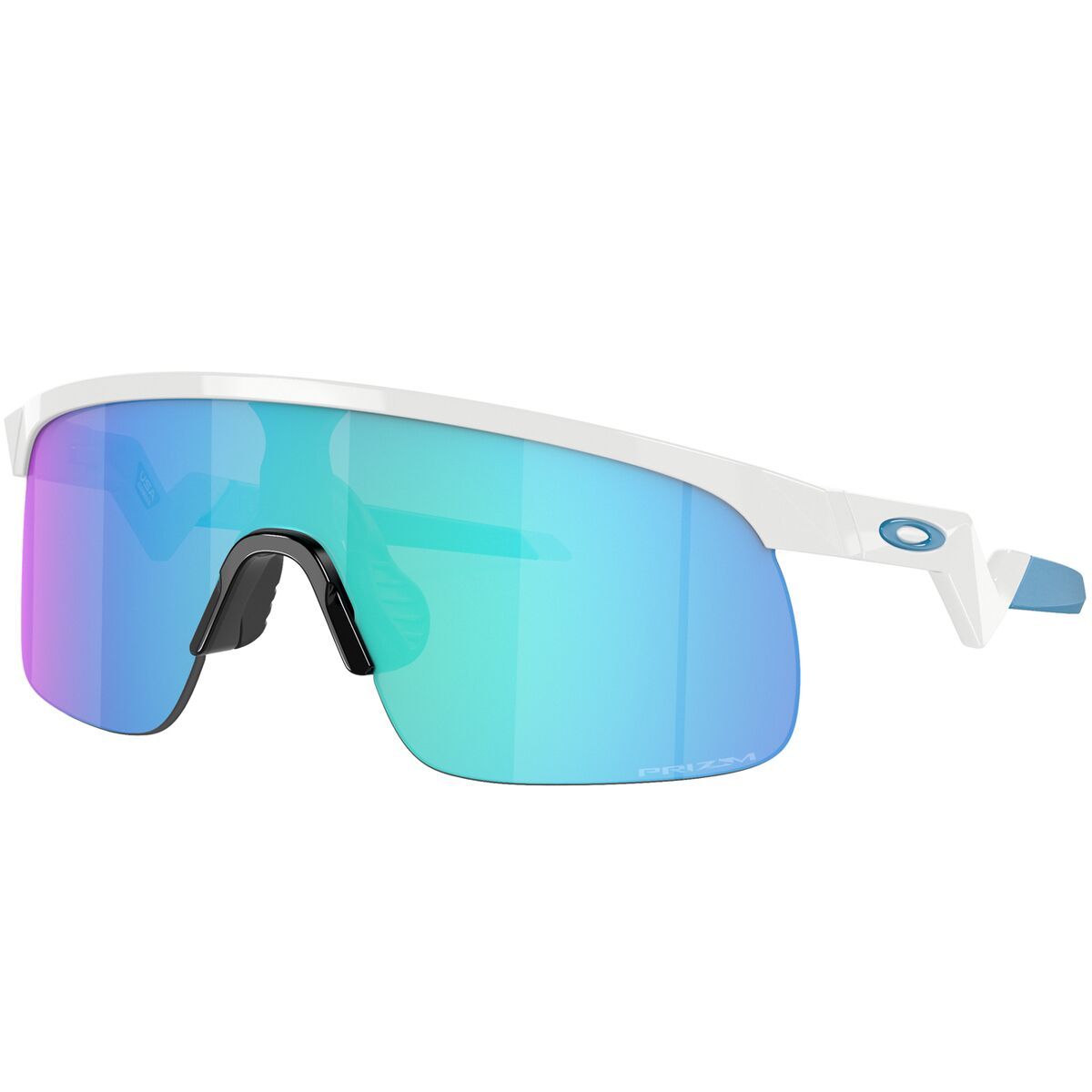
Oakley Resistor Prizm Sunglasses - Kids'
Built for young athletes with Prizm lens technology that enhances contrast and color for clearer vision. Lightweight frame with Unobtainium grips that increase hold when kids sweat. High-wrap design for full coverage.
- Prizm lens technology
- Unobtainium grips
- High-wrap coverage
- Youth-specific fit
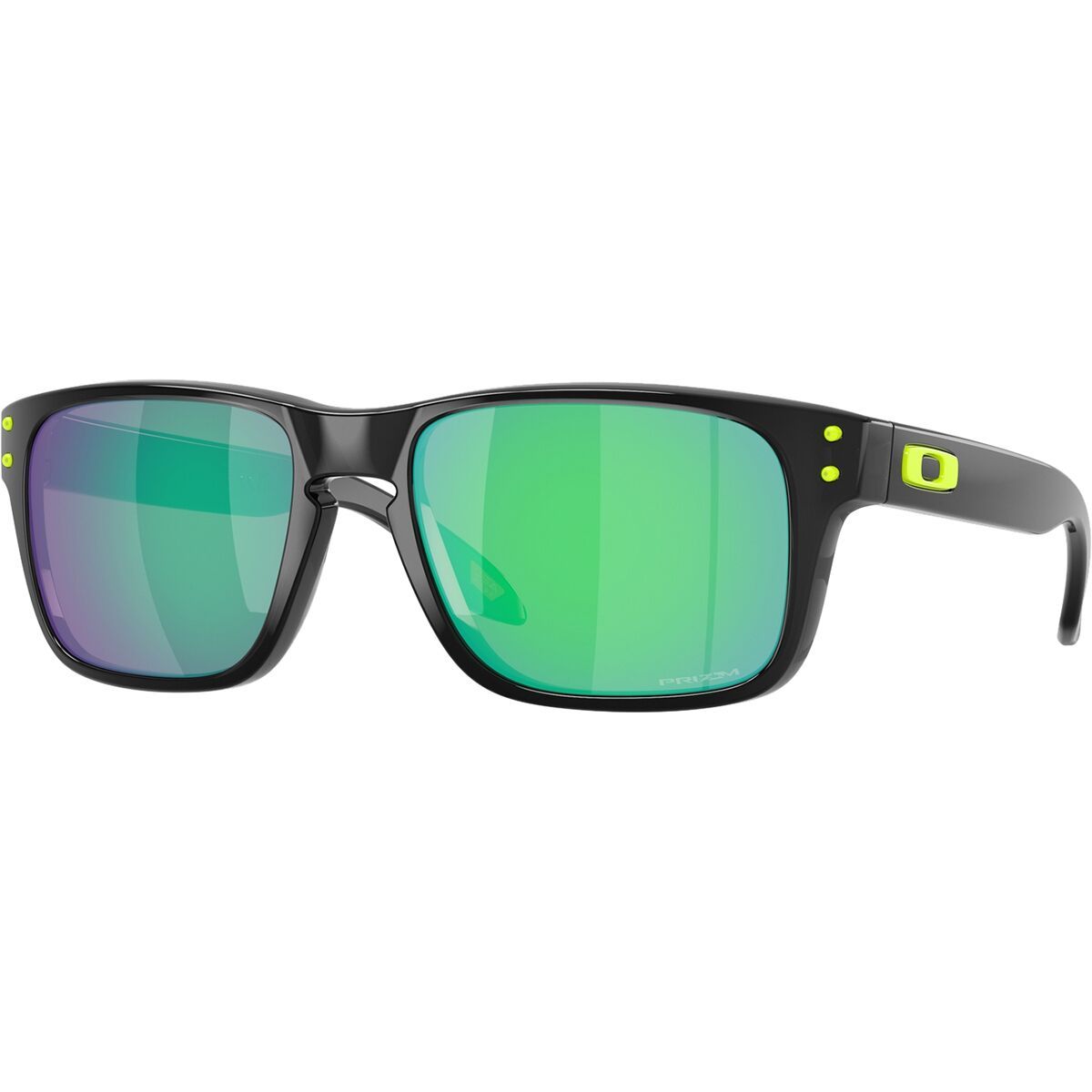
Oakley Holbrook XXS Prizm Sunglasses - Kids'
Iconic Holbrook design scaled down for youngest explorers. Lightweight BiO-Matter for durability and comfort. Prizm lens technology enhances color and contrast. Sleek metal rivets and keyhole bridge.
- Prizm lenses
- BiO-Matter frame
- Classic Holbrook style
- Small face fit
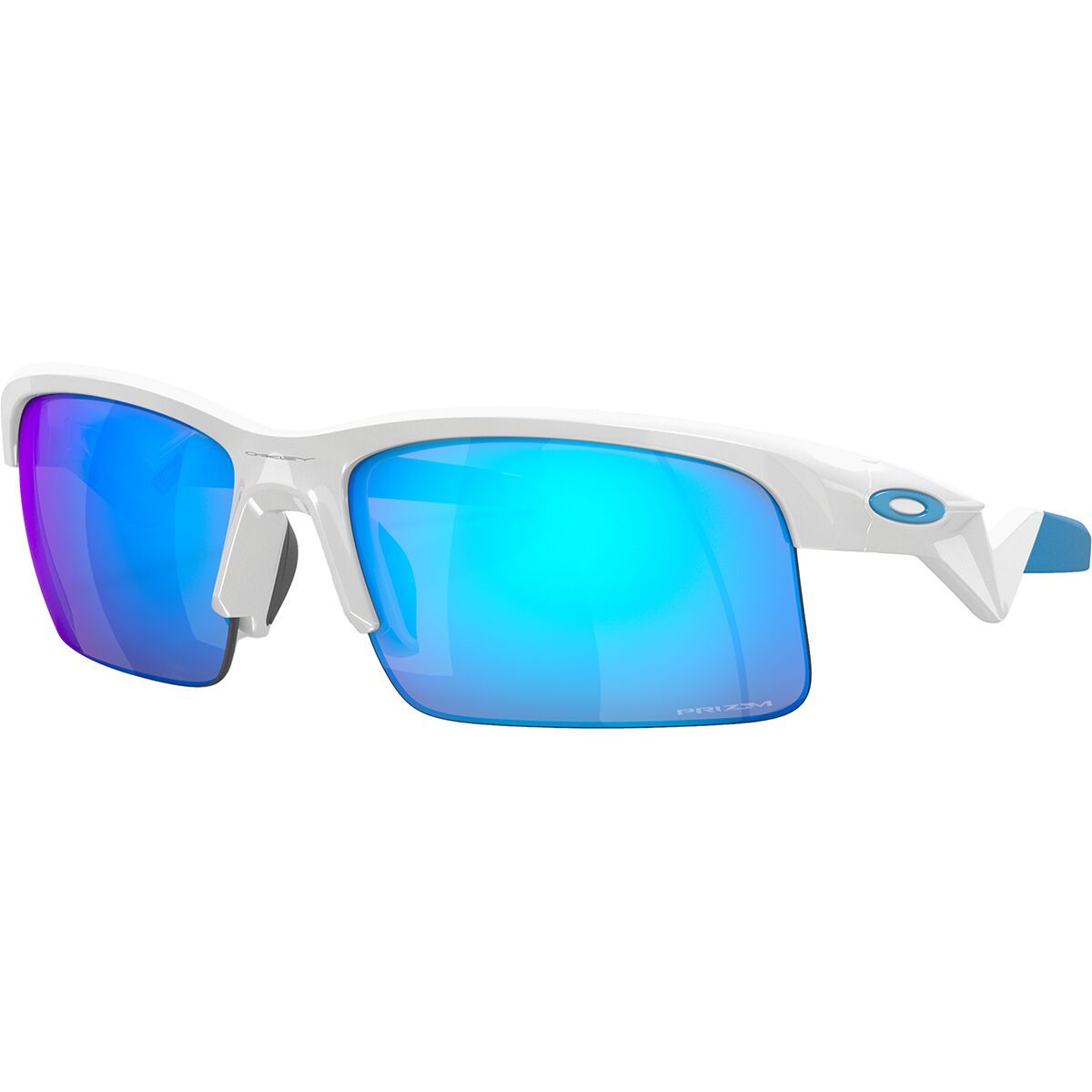
Oakley Capacitor Prizm Sunglasses - Kids'
Semi-rimless design with O Matter frame sits comfortably with minimal weight. Dual-lens design with Prizm Lens Technology enhances color and contrast. Perfect for little league games to lake days.
- Semi-rimless design
- Prizm lenses
- Lightweight O Matter
- Full UV protection
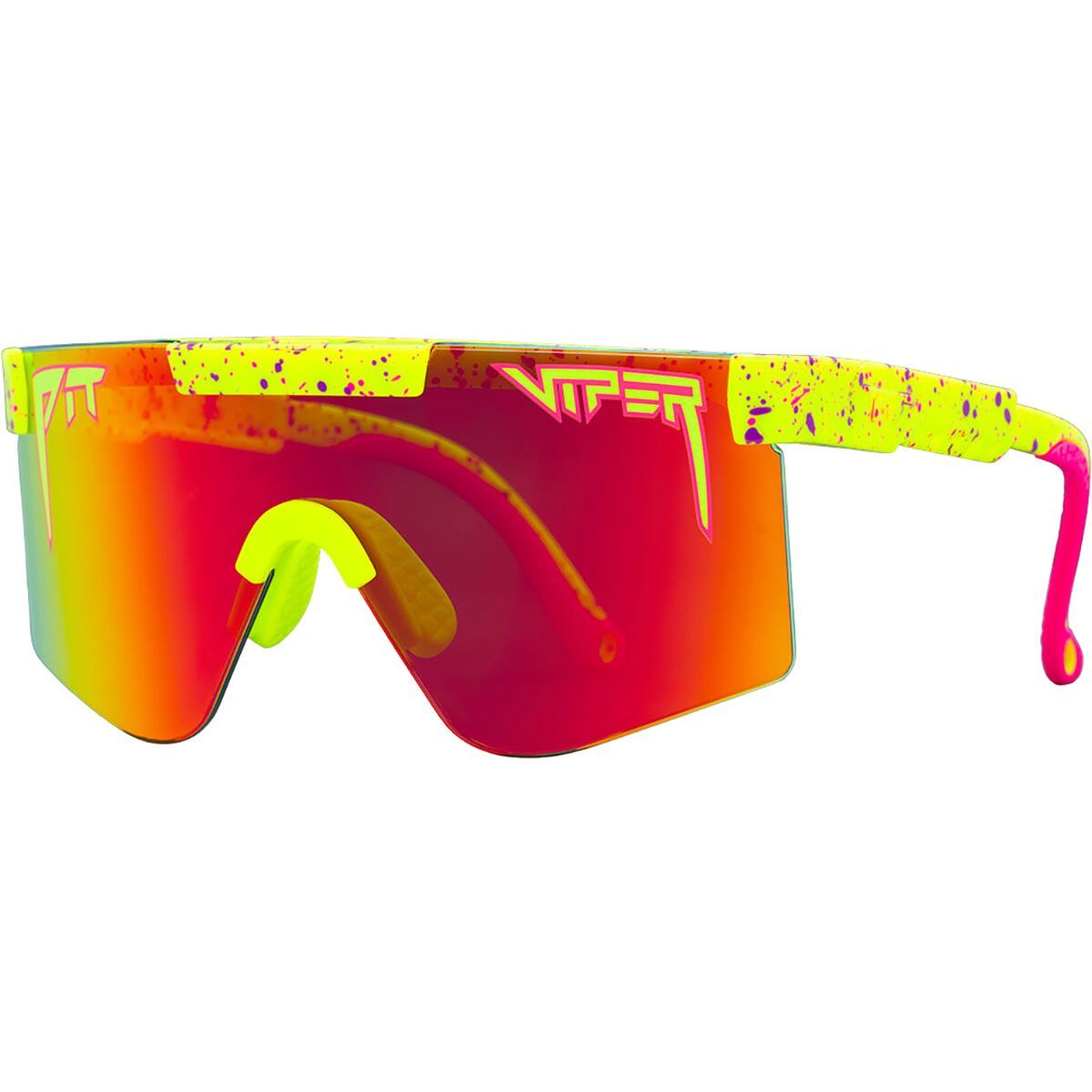
Pit Viper The XS Sunglasses
Full UV protection with legendary Pit Viper durability in a smaller frame. Rubberized no-slip grip and impact-resistant frame survive playground wipeouts. Adjustable fit for little faces.
- Full UV protection
- Impact-resistant
- Adjustable fit
- Ages 2-6
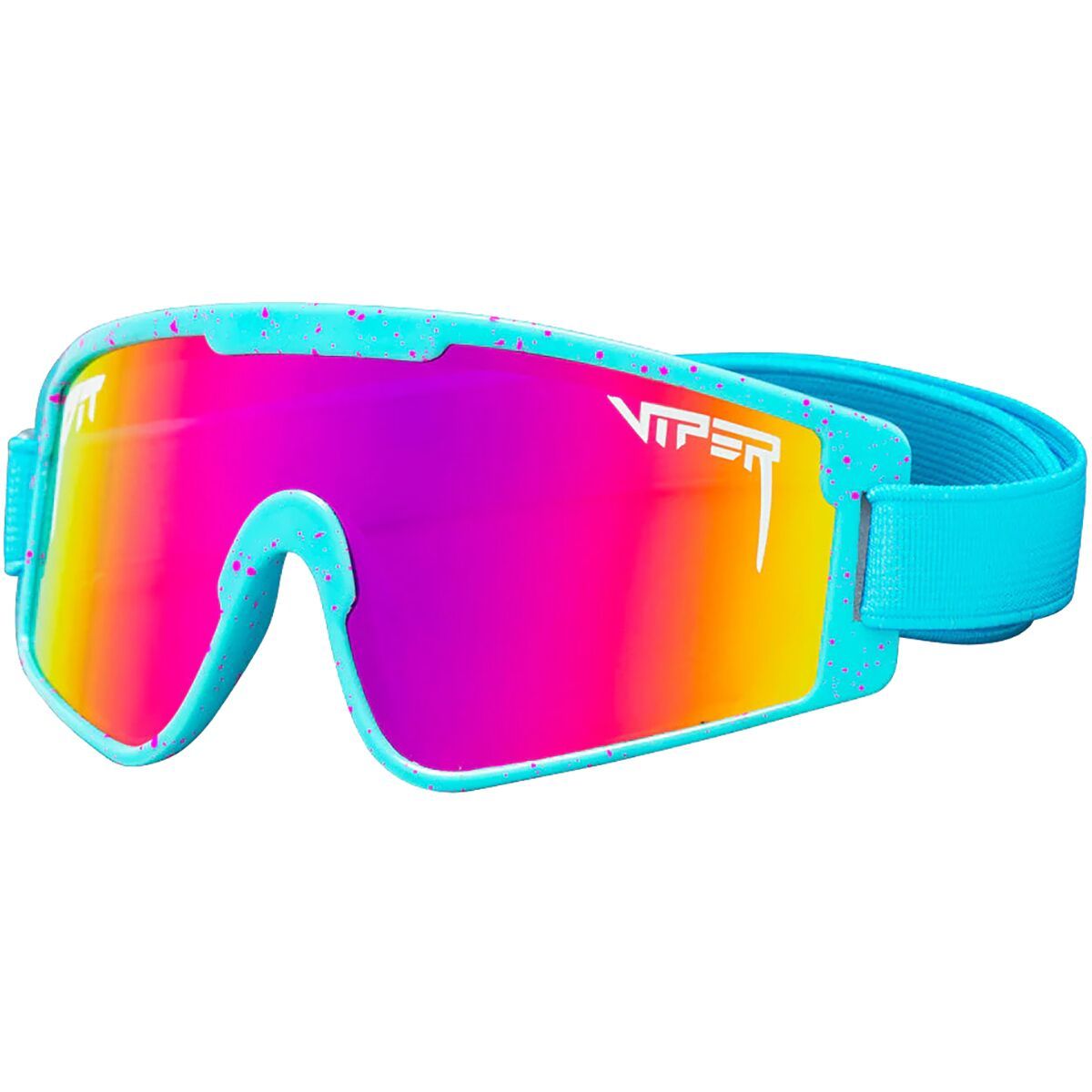
Pit Viper Baby Vipes Polarized - Infants'
Polarized lenses cut glare for baby-sized adventures. Impact-resistant design survives drops and tosses. Adjustable elastic strap keeps them snug on wiggly heads. Swallow-proof design for safety.
- Polarized lenses
- Adjustable strap
- Swallow-proof design
- Impact-resistant
Choosing Kids Sunglasses
Must-Have Features:
- 100% UV protection (blocks UVA and UVB)
- Impact-resistant lenses (polycarbonate)
- Comfortable, kid-sized frames
- Wrap-around style for full coverage
- Flexible, durable frame material
By Age Group:
- Babies (6M+): Strap-on styles with flexible frames
- Toddlers (1-3): Rubber frames, adjustable straps
- Preschool (3-5): Sports styles, grip materials
- School Age (6+): Adult-quality lenses, style options
Sun Safety by Age
Sun protection needs change as children grow. Here's an age-by-age guide to keeping kids safe from UV damage.
Babies Under 6 Months
Avoid direct sun exposure whenever possible
Protection Strategies:
- Keep in shade under stroller canopy
- Use lightweight, long clothing
- Wide-brim hat with chin strap
- Avoid peak UV hours (10am-4pm)
Sunscreen Guidelines:
- AAP says small amounts of mineral sunscreen OK on exposed areas if shade unavailable
- Use only zinc oxide or titanium dioxide
- Apply to face and backs of hands only
Babies 6-12 Months
Recommended Approach:
- Mineral sunscreen is safe to use
- Apply to all exposed skin
- Combine with UPF clothing and hats
- Baby sunglasses with strap
Tips:
- Apply 15-30 min before going outside
- Reapply every 2 hours
- Stick sunscreen works well on face
- Don't forget ears, neck, feet
Toddlers (1-3 Years)
Key Strategies:
- Full-coverage swim suits/sun suits
- Wide-brim hat with neck flap
- Sunscreen on exposed skin
- Sunglasses during outdoor play
Toddler Challenges:
- Make sunscreen routine fun
- Let them "help" apply
- Choose hats they love wearing
- Build habits through consistency
School Age (4-12 Years)
Teaching Independence:
- Teach self-application by age 5-6
- Send sunscreen for reapplication
- Pack sun hat for recess/field trips
- Explain why sun protection matters
For Sports & Activities:
- Sport sunscreens for sweat resistance
- UPF athletic wear
- Sport sunglasses with secure fit
- Lip balm with SPF 30+
Sunscreen Reapplication Schedule
Proper reapplication is just as important as the initial application. No sunscreen provides all-day protection. Here's when and how to reapply.
When to Reapply Sunscreen
Standard Rule
Every 2 Hours
When outdoors in the sun, even on cloudy days (80% of UV rays penetrate clouds)
After Swimming
Immediately
Even with water-resistant sunscreen. Towel drying removes protection.
After Sweating
After Heavy Activity
Sports, running, hiking, or any activity causing sweating
Peak UV Hours
10am - 4pm
Seek shade when possible. Reapply more frequently during these hours.
How Much Sunscreen to Apply
1 oz
Shot glass amount for full body (adult)
1/2 oz
For school-age children (6-12)
1/4 oz
For toddlers and small children
Most people apply only 25-50% of the recommended amount. When in doubt, use more!
Commonly Missed Spots
- Ears (front & back)
- Back of neck
- Tops of feet
- Behind knees
- Scalp (part line)
- Lips
- Under swimsuit straps
- Eyelids (stick formula)
Beach & Outdoor Hydration
Staying hydrated is essential for sun safety. Dehydration increases the risk of heat exhaustion and sunstroke. These insulated bottles and lunch boxes keep drinks cold for hours, even on the hottest beach days.
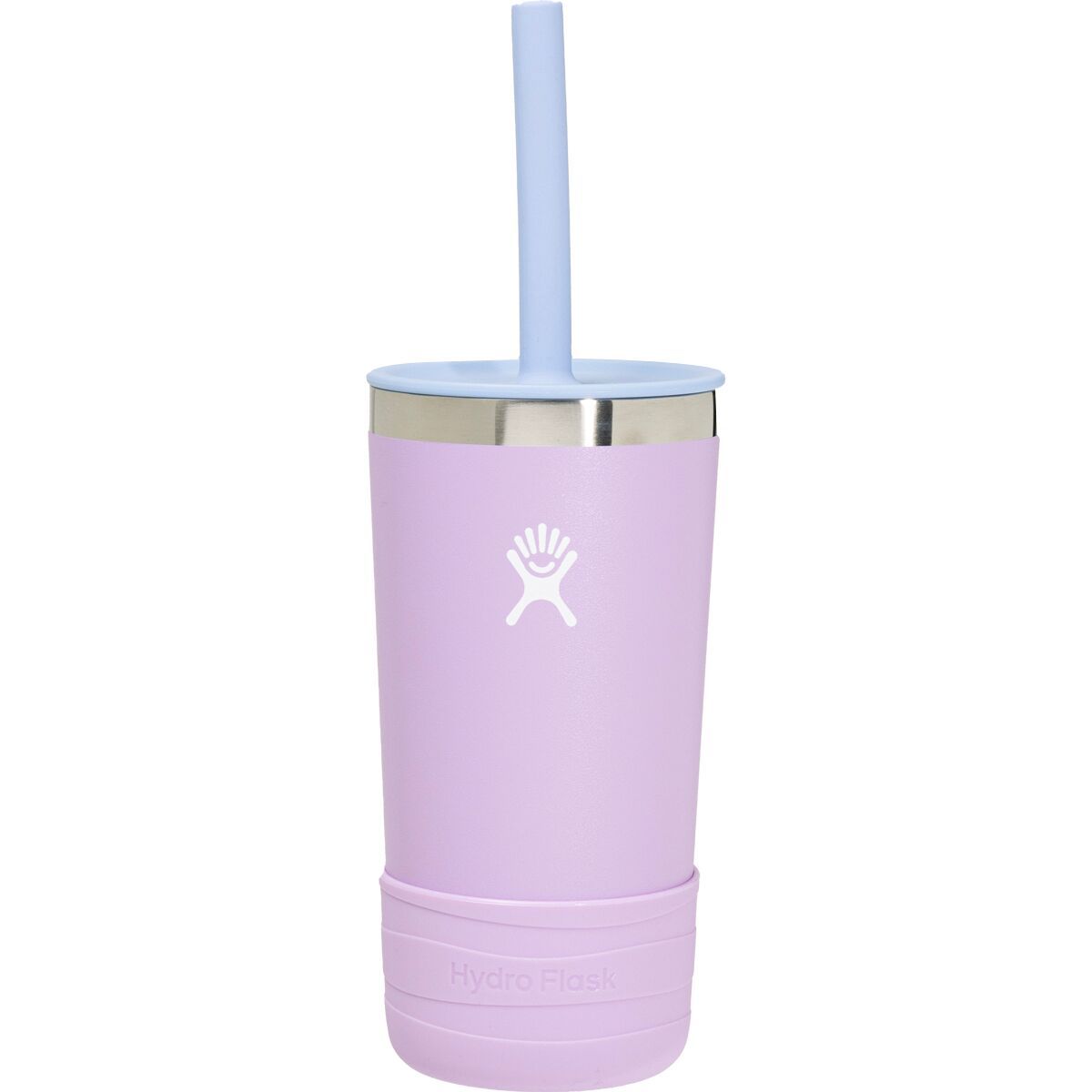
Hydro Flask 12oz Tumbler + Straw & Boot - Kids'
Award-winning insulation keeps drinks cold for hours at the beach. Press-In Straw Lid with soft flexible straw. Colorful Tumbler Boot protects against bumps and adds stability. Dishwasher safe.
- TempShield insulation
- Press-In Straw Lid
- Protective boot
- Dishwasher safe
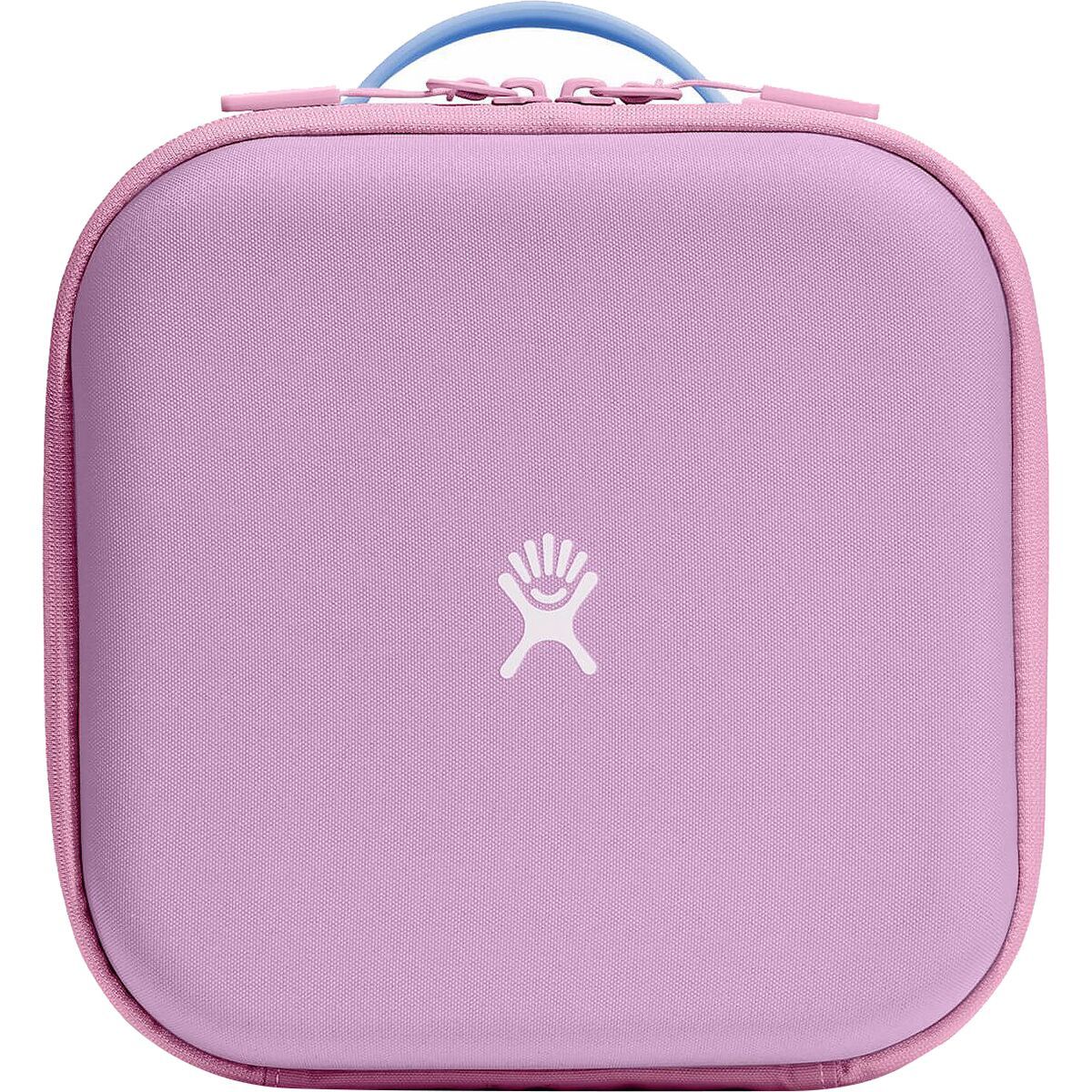
Hydro Flask Small Insulated Lunch Box - Kids'
Keep snacks and lunch cool on hot beach days. Reliable insulation the brand is known for. Vibrant and durable design that kids love. Perfect for day trips and beach adventures.
- Reliable insulation
- Durable design
- Easy to clean
- Kid-friendly size
Beach & Outdoor Sun Protection Tips
Beach Day Essentials
- Beach tent or umbrella for shade breaks
- UPF rash guard and swim shorts
- Wide-brim sun hat with chin strap
- Water-resistant sunscreen SPF 50+
- Sunglasses with strap
- Plenty of water and snacks
- Timer for reapplication reminders
Heat Safety Tips
- Take breaks in shade every 30-60 minutes
- Offer water every 20 minutes
- Watch for flushed cheeks and fatigue
- Avoid peak UV hours (10am-4pm)
- Light-colored clothing reflects heat
- Wet hats/bandanas cool naturally
- Know signs of heat exhaustion
High UV Environments
UV exposure is intensified in certain environments. Take extra precautions in these settings:
Water & Beach
- Water reflects 25% of UV rays
- Sand reflects 15% of UV rays
- UV penetrates water to 3+ feet
- Use water-resistant SPF 50+
Snow & Mountains
- Snow reflects 80% of UV rays
- UV increases 4% per 1,000 ft elevation
- Thin air provides less UV filtering
- Use SPF 50+ and goggles
Tropical/Southern
- UV strongest near equator
- Year-round intense sun exposure
- Clouds don't block UV effectively
- Seek shade and limit midday exposure
Frequently Asked Questions
Is spray sunscreen safe for kids?
Spray sunscreens are convenient but come with caveats. Never spray directly on the face (spray on hands first). Avoid inhaling the spray. Apply in a well-ventilated area. Rub in thoroughly after spraying for even coverage. For young children, lotion or stick formulas are generally recommended over sprays.
What does "reef-safe" sunscreen mean?
Reef-safe sunscreens are formulated without oxybenzone and octinoxate, chemicals shown to contribute to coral bleaching and harm marine ecosystems. Look for mineral sunscreens with zinc oxide or titanium dioxide as active ingredients. Note: There's no official "reef-safe" certification, so read ingredients carefully.
Does sunscreen expire?
Yes! Sunscreen typically expires 3 years from manufacture. Check the expiration date and discard expired products. Sunscreen that has been exposed to high heat (like sitting in a hot car) may degrade faster. If the consistency, color, or smell has changed, replace it even if not expired.
Can kids get enough vitamin D with sun protection?
Yes. Studies show that regular sunscreen use does not lead to vitamin D deficiency. Brief, incidental sun exposure during daily activities typically provides sufficient vitamin D. If concerned, discuss vitamin D supplementation with your pediatrician rather than foregoing sun protection.
Do darker-skinned children need sunscreen?
Yes. While melanin provides some natural protection, children of all skin tones can experience sunburn and UV damage. Darker-skinned children have lower rates of skin cancer but still need protection, especially from UVA rays that penetrate deeper and cause long-term damage.
What's the difference between UPF and SPF?
SPF (Sun Protection Factor) measures sunscreen's ability to block UVB rays. UPF (Ultraviolet Protection Factor) measures fabric's ability to block both UVA and UVB rays. UPF 50 fabric blocks 98% of UV radiation. UPF clothing provides more consistent protection than sunscreen since it doesn't wear off or need reapplication.
Can sunscreen cause allergic reactions?
Some children may have reactions to sunscreen ingredients, especially chemical filters, fragrances, or preservatives. If your child has sensitive skin, choose mineral sunscreens with zinc oxide, which is less likely to cause irritation. Always test new sunscreen on a small patch of skin before full application.
Is higher SPF always better?
Not necessarily. SPF 30 blocks 97% of UVB rays, while SPF 50 blocks 98%. The difference is minimal, and higher SPF can give a false sense of security, leading to less frequent reapplication. SPF 30-50 is sufficient when applied properly and reapplied every 2 hours.
Related Guides
Ready for Safe, Sunny Adventures?
Shop the best kids sun protection gear at Backcountry. New customers get 15% off their first order.
Shop Kids Sun ProtectionAffiliate Disclosure: ParentCalc may earn a commission from purchases made through links on this page at no additional cost to you. We only recommend products we believe in. Prices and availability are subject to change.