Beach Vacation with Kids: Complete Guide 2026
Everything you need for a stress-free family beach trip, from toddler beach essentials to kids beach equipment and safety tips
2026 Product Picks
Our latest product roundups related to this guide:
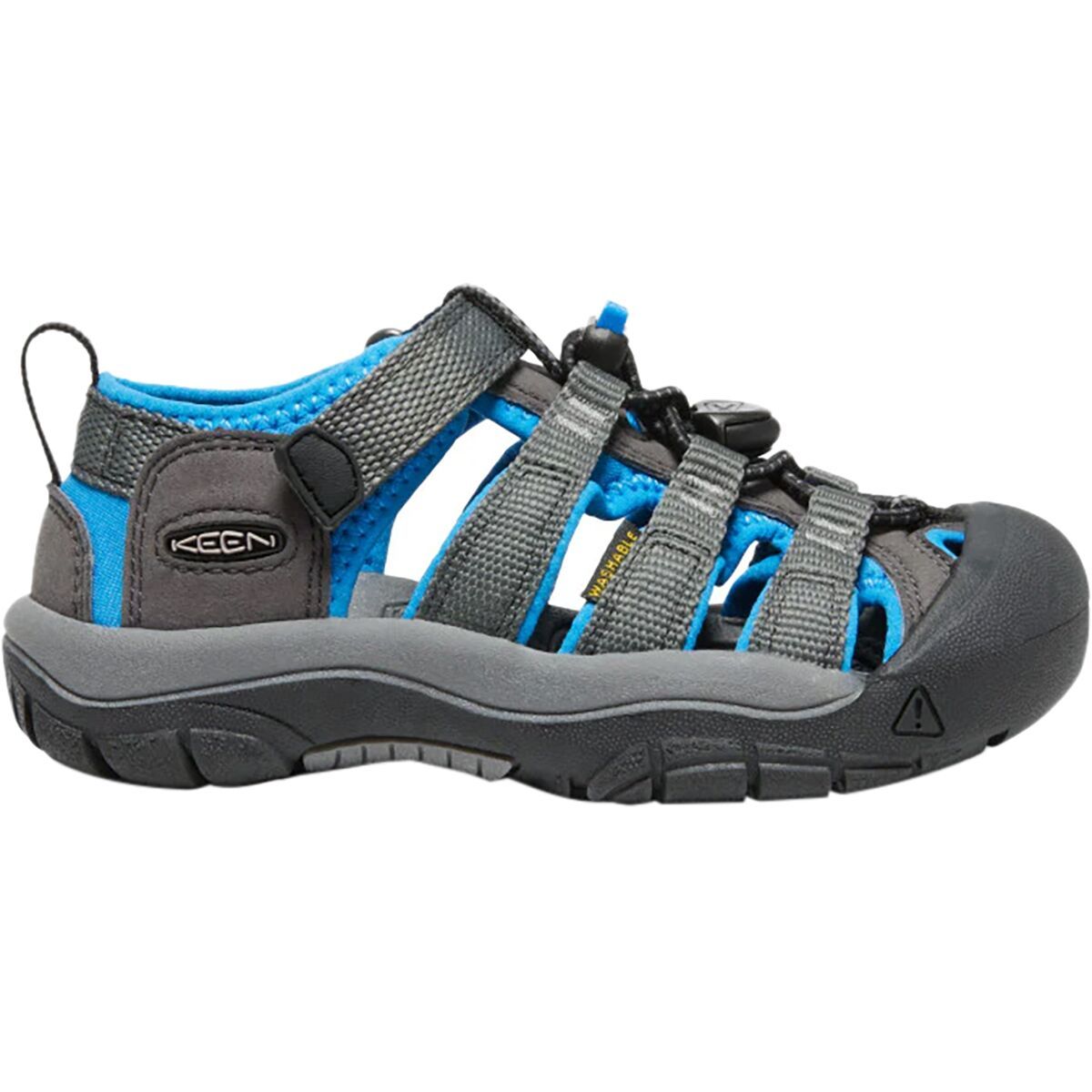
KEEN Newport H2 Sandal - Little Boys
The iconic kids beach sandal. Quick-drying polyester upper, protective rubber toe cap, and multi-directional lugged sole. Perfect for hot sand, rocky shores, and water play. Machine washable.
- Quick-dry upper
- Protective toe cap
- Metatomical footbed
- Sizes 8-13 Little Kids
Why Proper Beach Gear Matters for Kids
A beach vacation with kids can be one of the most magical family experiences, or one of the most stressful. The difference often comes down to preparation. With the right beach gear for kids, you'll spend less time managing meltdowns and more time building sandcastles together.
Hot sand burns little feet, the sun is far more intense near water (up to 80% of UV rays reflect off sand and water), and dehydration sneaks up on active children faster than you'd think. Having the proper toddler beach essentials and kids beach equipment transforms potential hazards into non-issues, letting everyone actually enjoy the vacation.
Sun Protection
Kids under 6 months shouldn't be in direct sun at all. Older children need UPF clothing, hats, and sunscreen reapplied every 2 hours, more often if swimming.
Foot Protection
Sand can reach 150°F on hot days. Sharp shells, broken glass, and rocks hide under the surface. Water shoes protect while draining and drying rapidly.
Hydration
Kids playing in the sun can become dehydrated in 30 minutes. Insulated bottles keep water cold for hours, making kids more likely to drink regularly.
The good news? You don't need to buy everything new. Quality brands like KEEN, Chaco, and Patagonia build products that last multiple seasons and multiple kids. This guide focuses on family beach trip packing essentials that deliver real value, gear that works hard so you don't have to.
The Investment That Pays Off
Parents who invest in proper beach gear report significantly less stress and longer, more enjoyable beach sessions. A $60 pair of KEEN sandals that lasts two summers and gets passed to a sibling is actually cheaper than buying $20 sandals that fall apart every few months.
Beach Footwear: Water Shoes & Sandals
The foundation of any beach day. Quality water shoes protect little feet from hot sand, sharp shells, and slippery rocks while draining and drying in minutes. KEEN Newport H2 sandals are the gold standard for families, but we've included excellent alternatives from Chaco for different needs and budgets.
KEEN Newport H2 Sandal - Little Boys'
The iconic kids beach sandal. Quick-drying polyester upper, protective rubber toe cap, and multi-directional lugged sole. Perfect for hot sand, rocky shores, and water play. Machine washable.
- Quick-dry upper
- Protective toe cap
- Metatomical footbed
- Sizes 8-13 Little Kids

KEEN Newport H2 Sandal - Toddler Boys'
Tough sandal designed for active toddlers with secure Lace Capture System for quick on/off. Rubber toe protection and contoured arch support. Fully machine washable for post-beach cleaning.
- Lace Capture System
- Rubber toe protection
- Machine washable
- Sizes 4-7 Toddler

KEEN Newport H2 Sandal - Boys' (Youth)
Youth version for older kids with quick-drying upper and multi-directional lugged rubber sole. Perfect for beach vacations, day hikes, and camp trips. Rainbow Tie Dye colorway kids love.
- Youth sizing 1-7
- Secure lace system
- Rapid-dry lining
- Multi-terrain outsole
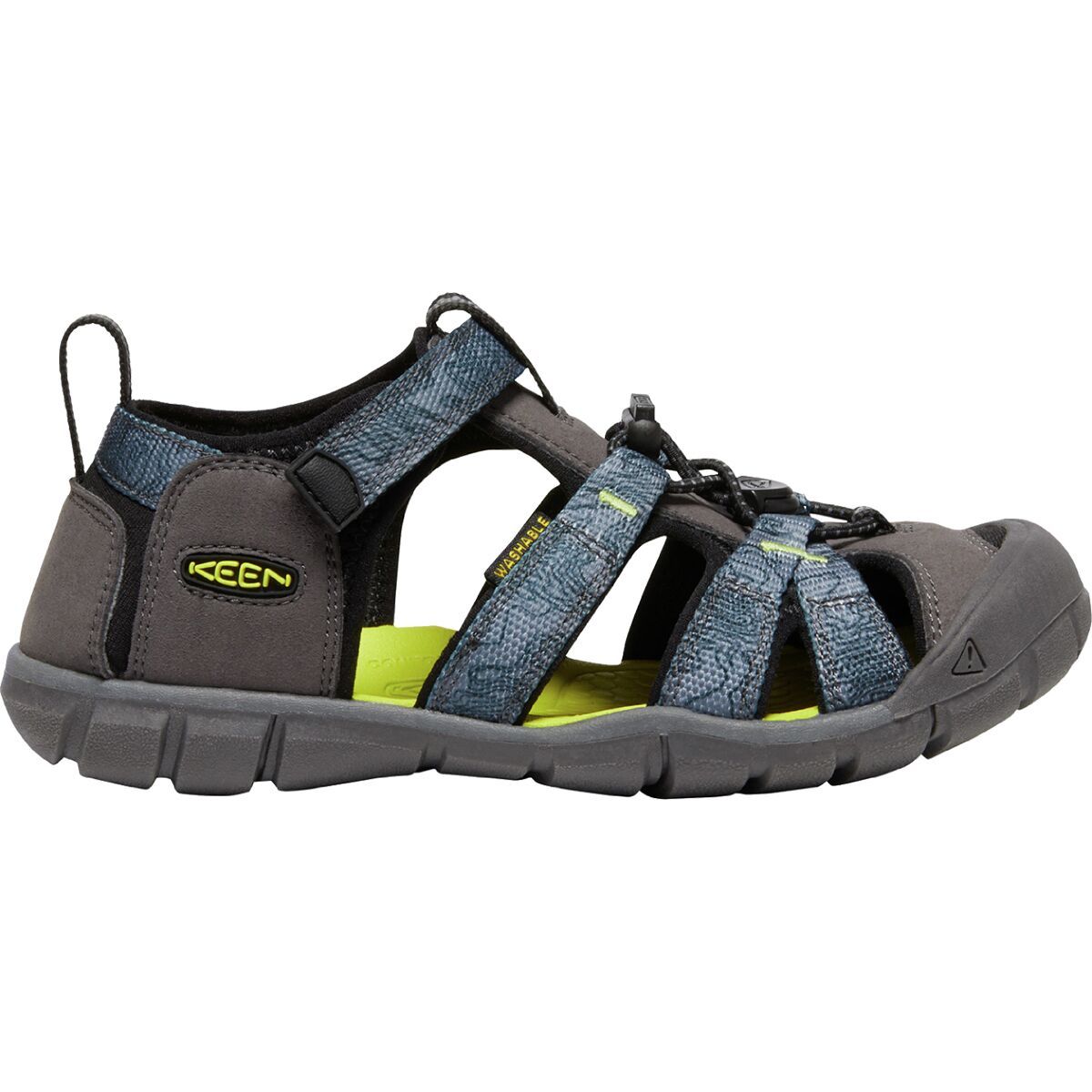
KEEN Seacamp II CNX Sandal - Kids'
Ultra-lightweight CNX design perfect for beach days. Grippy rubber sole and protective toe cap handle sharp rocks and slippery surfaces. Fast-drying upper keeps kids comfortable.
- Lightweight CNX tech
- Grippy rubber sole
- Fast-drying upper
- Youth sizes 2-6
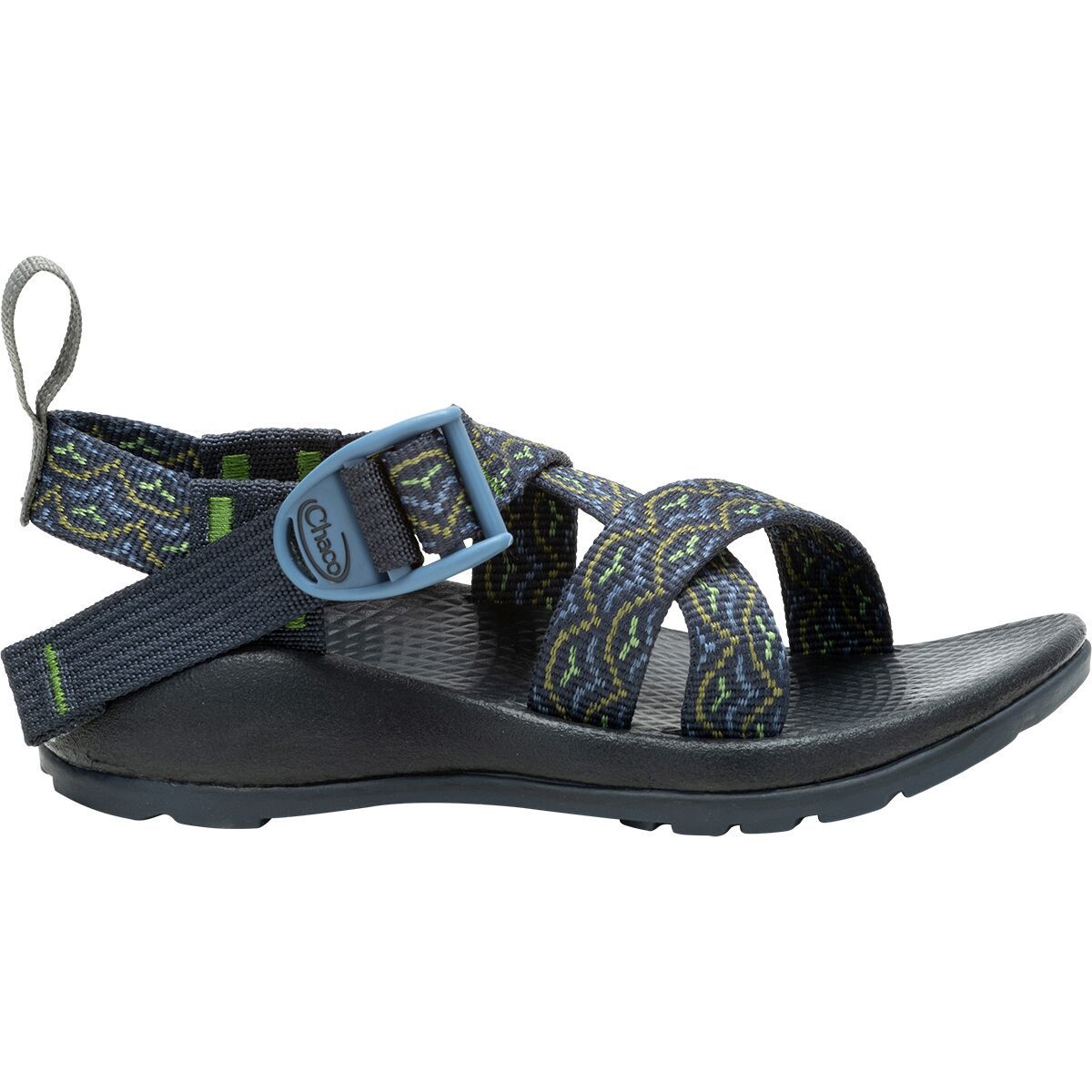
Chaco Z/1 EcoTread Sandal - Kids'
Machine washable and incredibly durable. LUVSEAT platform promotes healthy body alignment while Custom Adjust'em straps provide easy on/off. Made with recycled EcoTread outsole.
- LUVSEAT footbed
- EcoTread recycled outsole
- Adjustable straps
- Machine washable
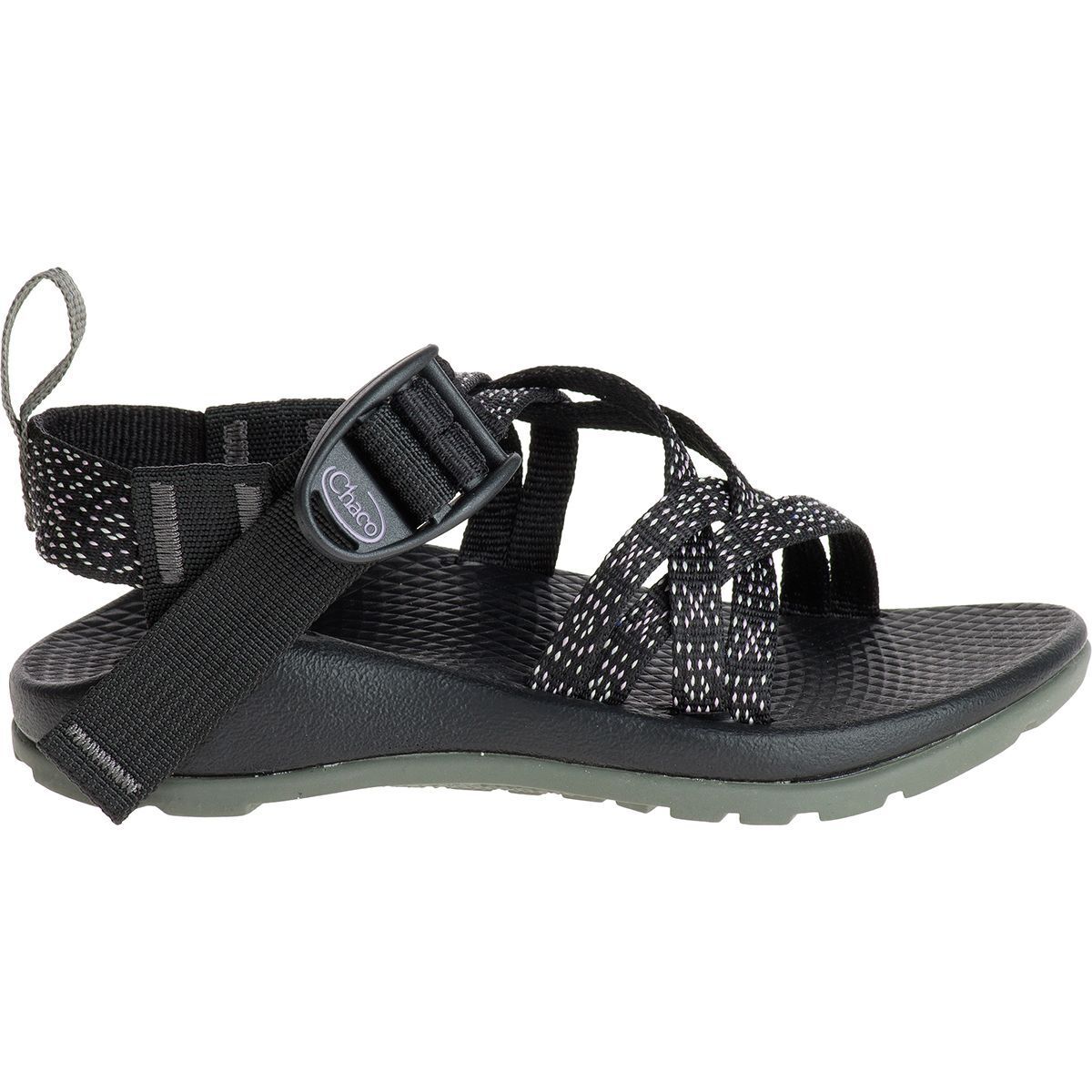
Chaco ZX/1 EcoTread Sandal - Kids'
Twin polyester straps for comfortable, foot-conforming fit. Arch-supporting Addstride footbed keeps kids comfortable mile after mile. Perfect for beach-to-trail adventures.
- Twin strap design
- Addstride footbed
- EcoTread outsole
- Sizes 10-6
Beach Footwear Buying Guide
Must-Have Features:
- Quick-dry materials: Synthetic mesh or webbing that drains and dries fast
- Toe protection: Rubber toe cap prevents painful stubs on rocks
- Non-slip outsole: Rubber with siping grips wet rocks and pool decks
- Secure closure: Velcro, bungee, or adjustable straps that stay on in waves
- Arch support: Contoured footbed for all-day comfort
Avoid These Mistakes:
- Flip-flops for active play: They fall off in water and offer no protection
- Bare feet: Hot sand can burn in seconds; shells and glass cause injuries
- Wrong size: Too big = blisters; too small = discomfort. Size up slightly for wet feet
- Cheap knockoffs: Materials that hold water, straps that break, soles that slip
Sun Protection Gear
UV exposure is intense at the beach. Beyond sunscreen, kids need physical sun protection: wide-brim hats, rash guards (see our kids-sun-protection guide for full coverage options), and quality sunglasses. UPF-rated clothing blocks 98% of UV rays without the need for constant reapplication.
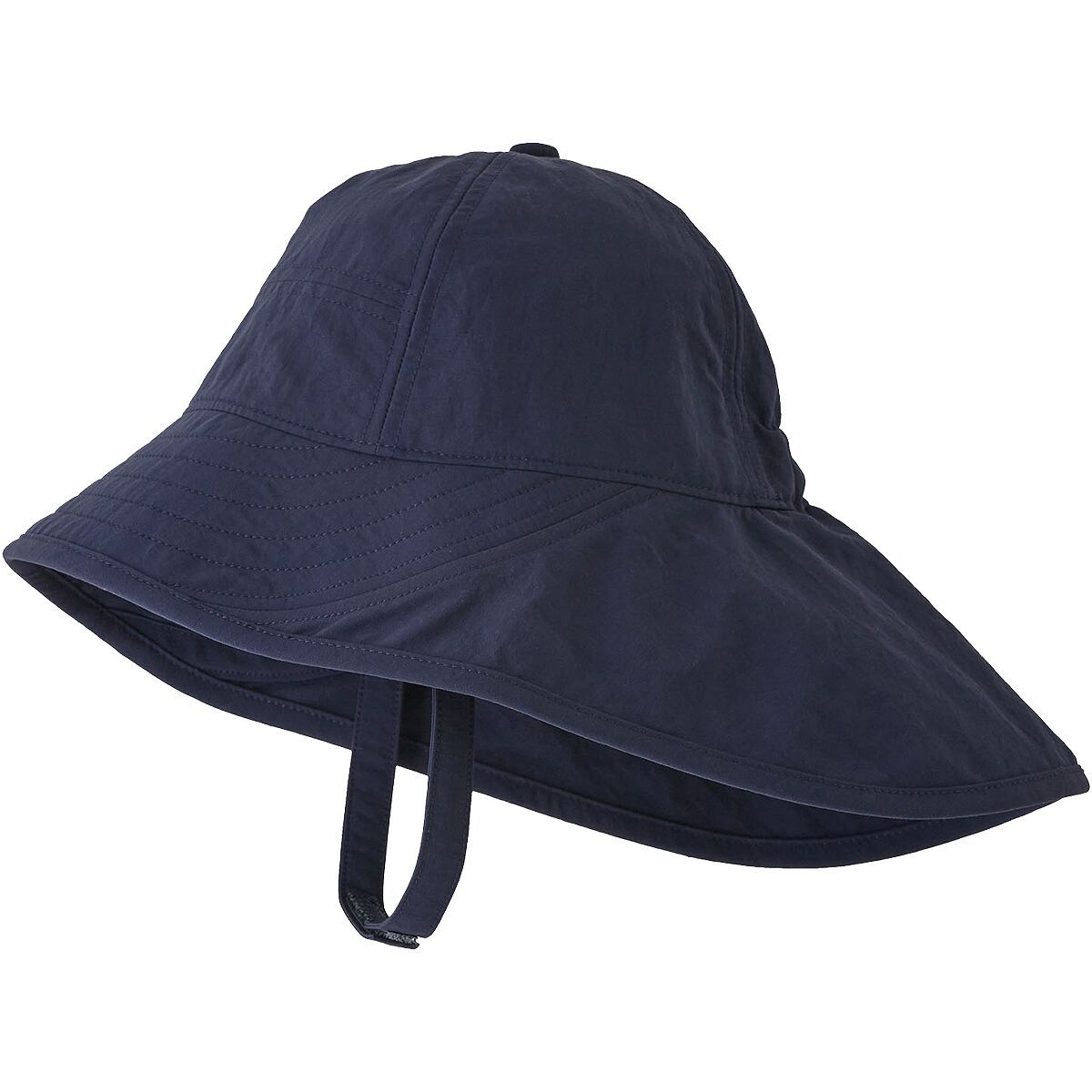
Patagonia Baby Block-the-Sun Hat - Kids'
UPF 50+ rated recycled nylon with oversized brim and extended back flap for complete sun coverage. Secure chin strap stays put on windy beach days. Lightweight and breathable.
- UPF 50+ protection
- Wide brim + back flap
- Secure chin strap
- Recycled nylon

Outdoor Research Rambler Sun Hat - Kids'
UPF 50+ rated fabric with full wrap-around brim shades little hikers from all angles. External drawcord ensures a close fit that won't blow away in ocean breezes.
- UPF 50+ protection
- Wrap-around brim
- Adjustable drawcord
- Fun patterns
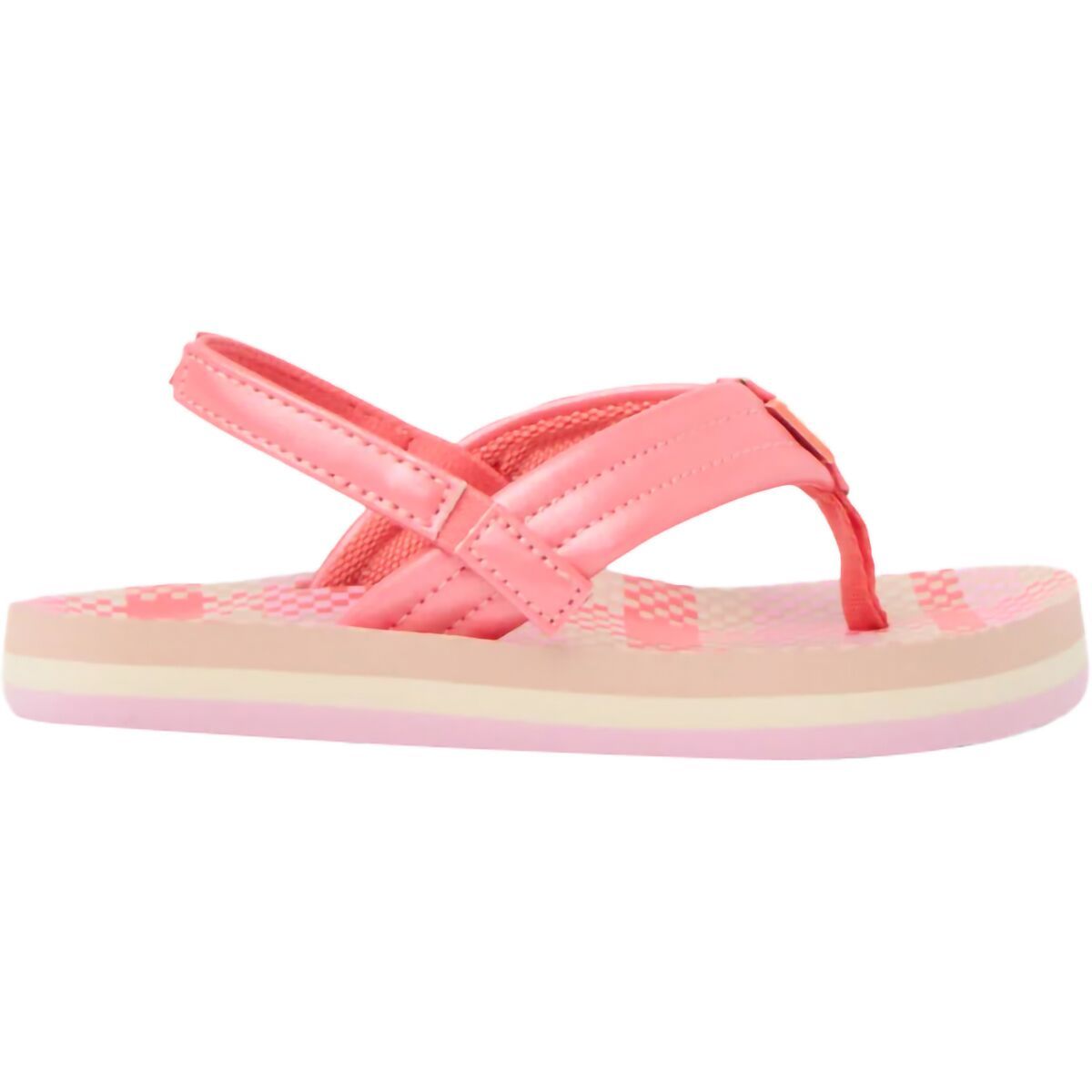
Reef Little Ahi Sandal - Toddler Girls'
Lightweight flip-flop style for casual beach days and boardwalks. Soft, comfortable footbed and fun plaid pattern. Great for post-swim relaxation.
- Lightweight design
- Soft footbed
- Fun patterns
- Easy on/off
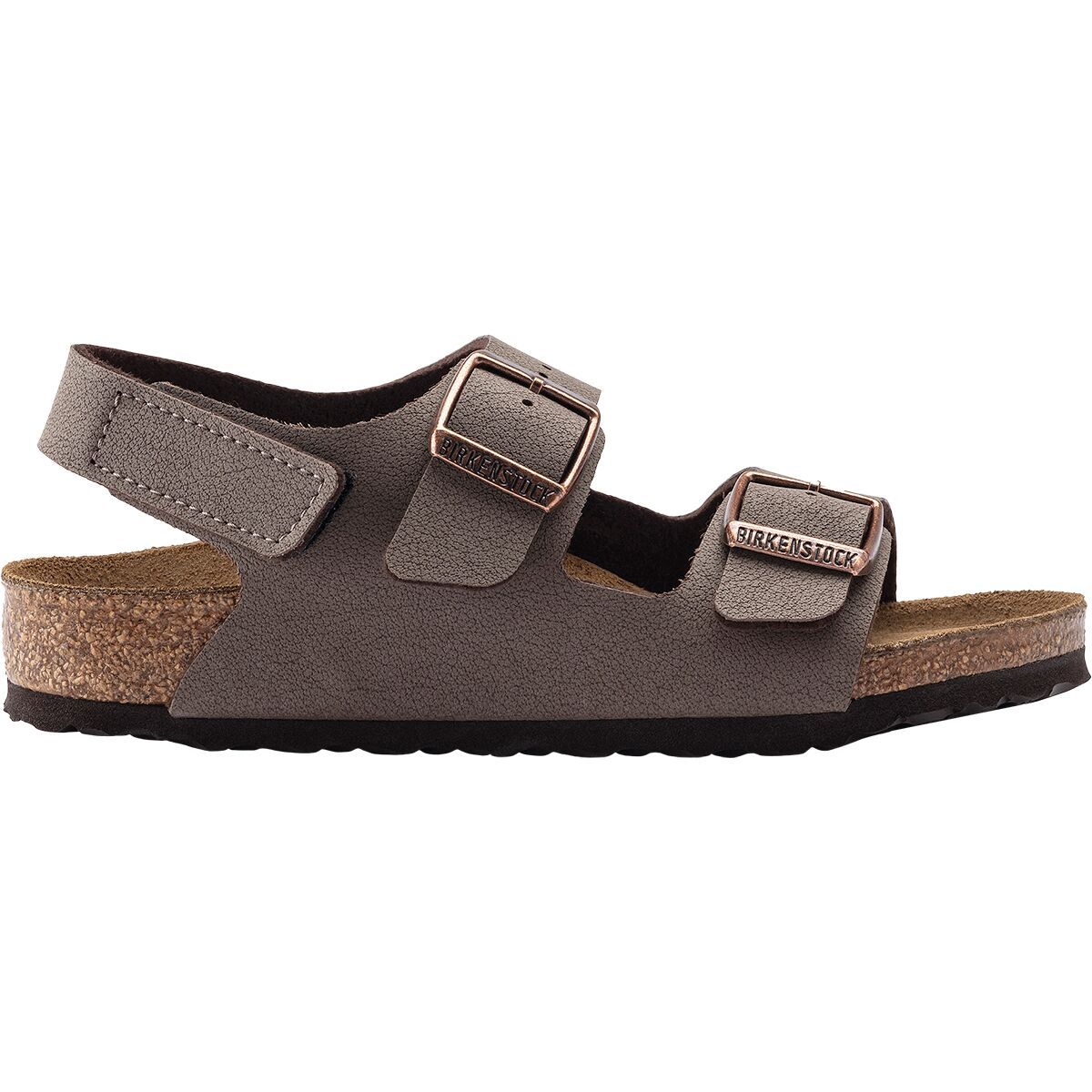
Birkenstock Milano HL Sandal - Kids'
Classic Birkenstock design with ankle strap for secure fit during beach adventures. Lightweight Birkibuc upper and supportive contoured footbed that molds to little feet.
- Contoured footbed
- Ankle strap security
- Lightweight Birkibuc
- Molds to feet
Complete Sun Safety Protocol
Sunscreen Basics
- SPF 30+ broad spectrum minimum
- Water-resistant (80 minutes)
- Apply 15-30 min before sun exposure
- Reapply every 2 hours
- Reapply immediately after swimming
- Don't forget ears, feet, back of knees
Physical Protection
- UPF 50+ rash guards/swim shirts
- Wide-brim hats with neck flap
- UV-blocking sunglasses (kids too!)
- Beach tent or umbrella for breaks
- Cover up between 10am-4pm
- Seek shade when possible
Warning Signs
- Red, warm skin = time for shade
- Excessive thirst = dehydration starting
- Irritability/fatigue = heat exhaustion
- Headache = overheating
- Not sweating = heat stroke risk
- When in doubt, head indoors
Beach Accessories & Essentials
Complete your beach kit with these family essentials. Insulated water bottles keep drinks cold for hours (crucial for hydration), while kids' backpacks let little ones carry their own towels and toys. Quality accessories make the difference between a good beach day and a great one.
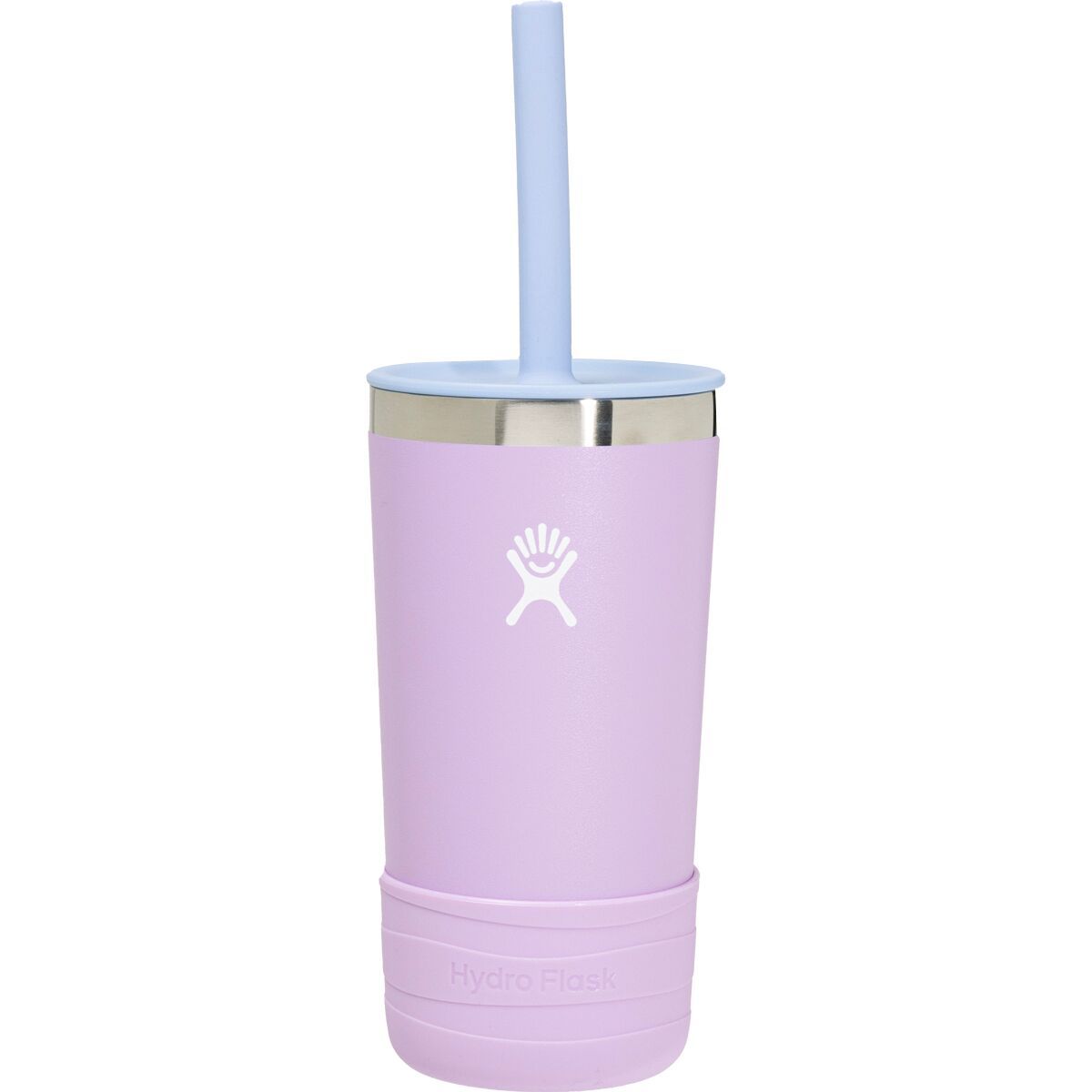
Hydro Flask 12oz Tumbler + Straw & Boot - Kids'
Award-winning insulation keeps drinks cold for hours at the beach. Press-In Straw Lid with soft flexible straw. Colorful boot protects against drops. Dishwasher safe.
- TempShield insulation
- Press-In Straw Lid
- Protective boot
- Dishwasher safe
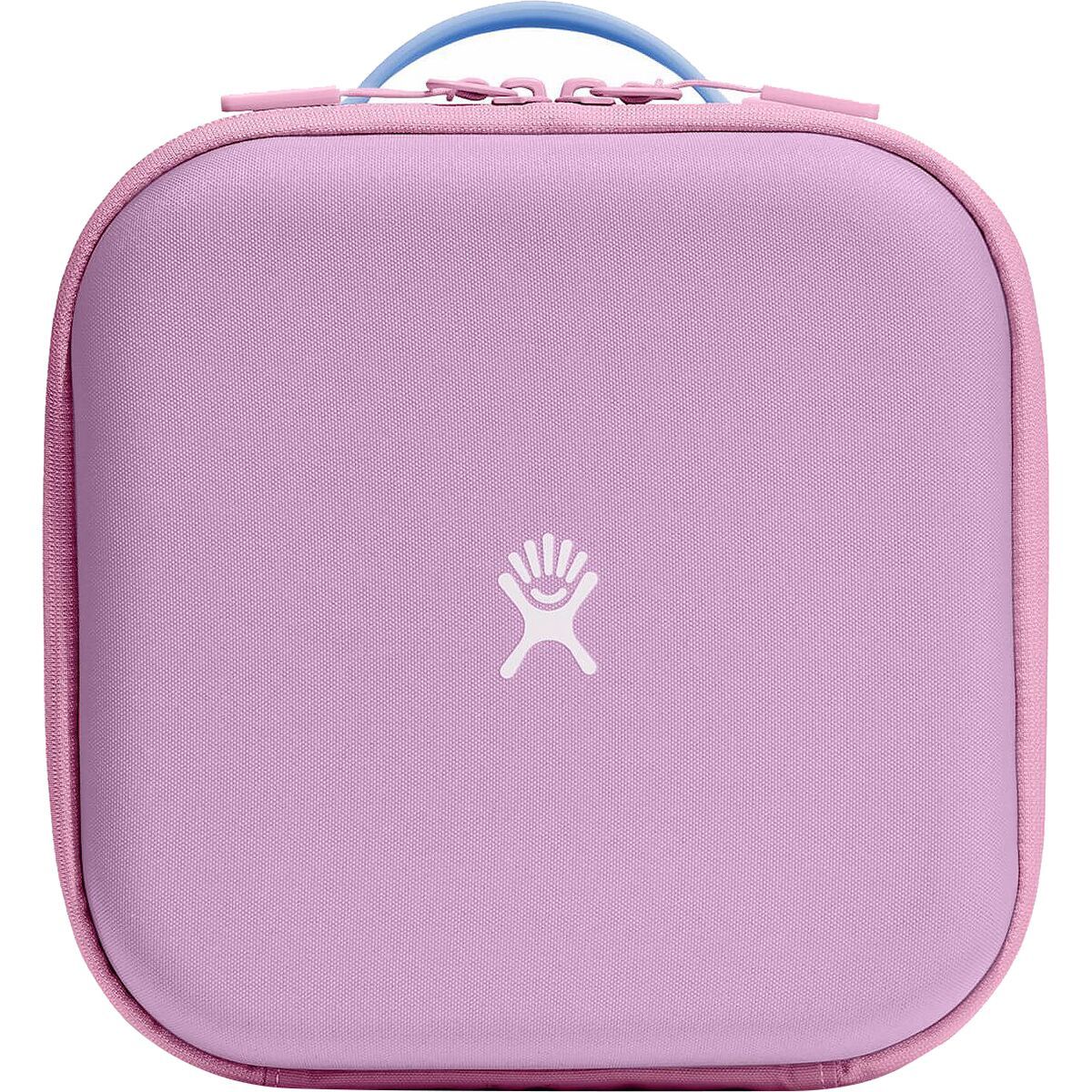
Hydro Flask Small Insulated Lunch Box - Kids'
Keep snacks cool on hot beach days with reliable insulation. Vibrant, durable pack is easy to clean. Perfect for sandwiches, fruit, and juice boxes.
- Reliable insulation
- Durable construction
- Easy clean interior
- Bright colors
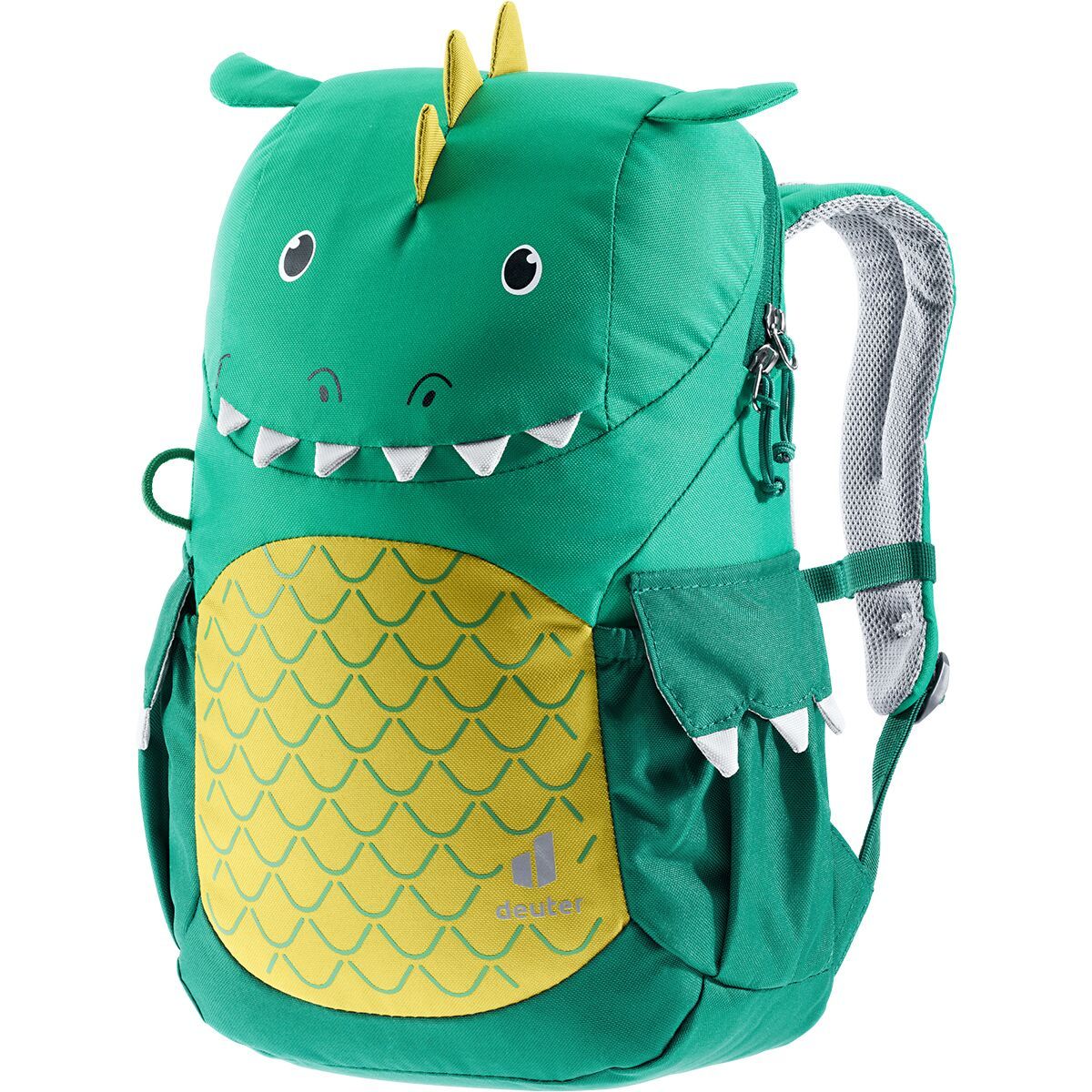
Deuter Kikki 8L Backpack - Kids'
Adorable animal-themed backpack from recycled materials. Perfect for carrying towels, sunscreen, and toys to the beach. S-shaped shoulder straps for all-day comfort.
- Recycled materials
- S-shaped straps
- PFC-free finish
- Animal design
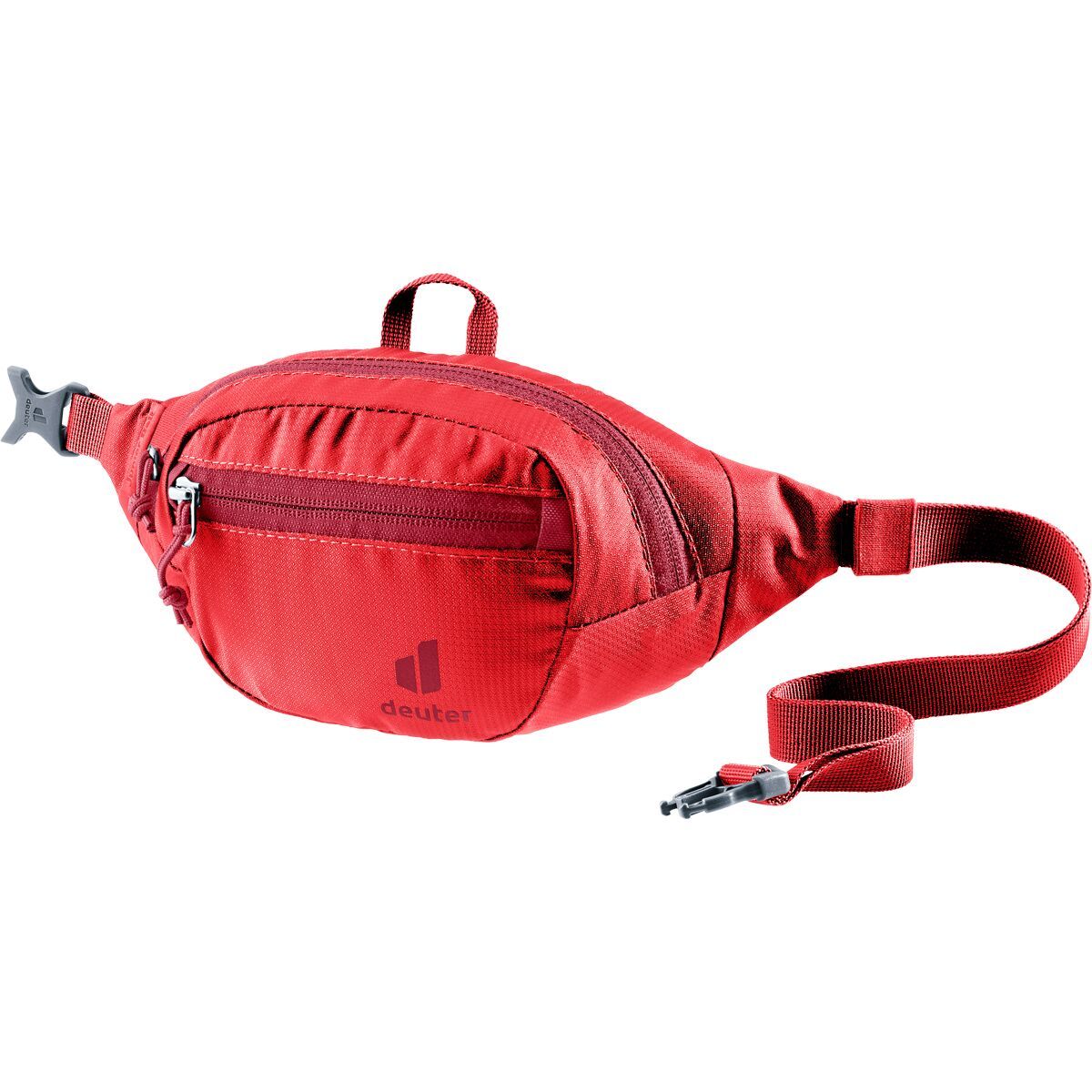
Deuter Junior 0.7L Belt - Kids'
Perfect belt pack for snacks, shells, and small treasures. Durable 210D nylon shrugs off sand and water. Adjustable waist fits kids of all sizes.
- 210D nylon
- Adjustable waist
- Multiple pockets
- Lightweight
For the Parents
Don't forget yourselves! Quality water sandals for parents mean you can chase kids across hot sand and rocky tide pools without worrying about your own feet.

KEEN Whisper Sandal - Women's
Water-ready sandal with heel strap and quickdraw elastic cord. Polyester webbing with anti-odor treatment. KEEN toe protection and EVA footbed for all-day comfort.
- Quickdraw elastic
- Anti-odor treatment
- Toe protection
- EVA footbed
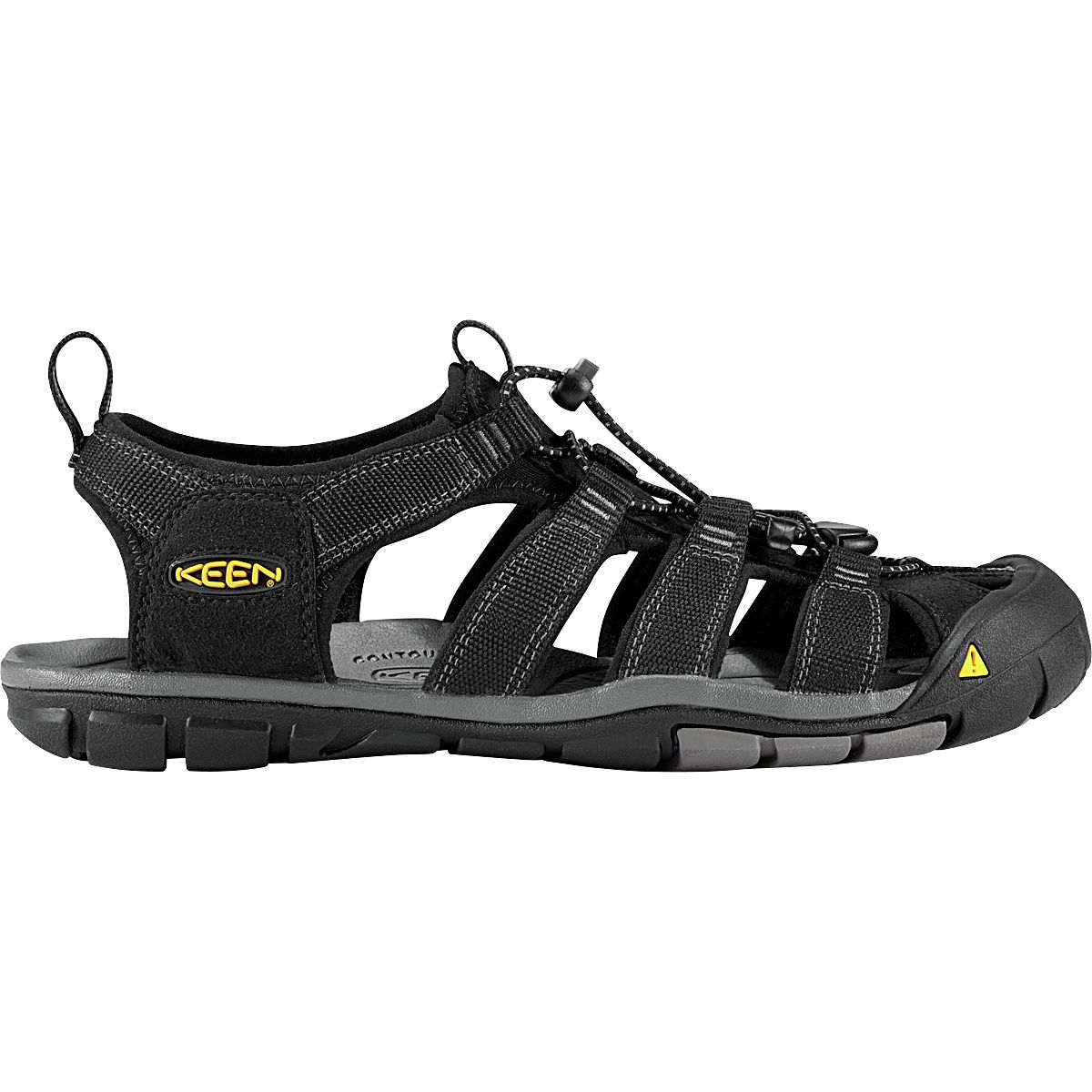
KEEN Clearwater CNX Sandal - Men's
Lightweight CNX technology with supportive, foot-protecting features. Perfect for chasing kids on the beach or setting up camp. Bungee lacing system for secure fit.
- CNX technology
- Lightweight design
- Bungee lacing
- Foot protection
Complete Beach Packing Checklist
Print this family beach trip packing list before your next vacation. We've organized it by category so nothing gets forgotten.
Sun Protection
- Sunscreen SPF 30+ (multiple bottles)
- UPF rash guards/swim shirts
- Wide-brim sun hats
- Sunglasses with UV protection
- Beach tent/umbrella
- Lip balm with SPF
Footwear & Clothing
- Water shoes/sandals for each child
- Multiple swimsuits (2+ each)
- Cover-ups for walks to/from beach
- Lightweight warm layer (evening)
- Dry change of clothes
- Swim diapers (if applicable)
Hydration & Snacks
- Insulated water bottles (each child)
- Cooler with ice packs
- Non-melting snacks (crackers, pretzels)
- Cut fruit in containers
- Sandwiches/wraps
- Electrolyte drinks for hot days
Toys & Entertainment
- Sand toys (buckets, shovels, molds)
- Beach balls
- Boogie boards (age appropriate)
- Waterproof books/tablets for shade time
- Mesh bag for shell collecting
- Kite (for windy days)
Safety Essentials
- Coast Guard approved life jacket/PFD
- First aid kit
- After-sun/aloe vera gel
- Waterproof phone case
- Emergency contact card
- Bright-colored swimwear (easy to spot)
Comfort & Convenience
- Beach towels (quick-dry microfiber)
- Beach blanket/mat
- Beach chairs (portable)
- Wet bag for swimsuits
- Baby powder (removes sand)
- Ziploc bags for electronics
Beach Safety Tips by Age
Water safety rules change as children develop. Here's what to focus on at each stage to keep your family safe while building positive beach memories.
Infants (0-12 months)
Babies should have minimal direct sun exposure. Beach trips with infants are best during early morning or late afternoon when UV is lowest.
Safety Rules:
- Keep in shade at all times
- No sunscreen under 6 months, use clothing/shade
- Never near water unattended, even inches deep
- Watch for overheating, babies can't regulate temp well
Beach Activities:
- Sensory sand play under umbrella
- Brief foot dips in calm water (supervised)
- Watching waves from shade
- Family photos in morning light
Toddlers (1-3 years)
Toddlers are mobile, curious, and have zero fear, a challenging combination near water. Arm's reach supervision is critical. They tire quickly but resist breaks.
Safety Rules:
- Always within arm's reach near water
- Coast Guard approved PFD for any water play
- Bright swimwear for easy spotting
- Establish clear boundary (towel line)
Beach Activities:
- Digging and sand castles
- Chasing waves (holding hands)
- Collecting shells in bucket
- Splash play in shallow water with parent
Preschoolers (3-5 years)
Can follow simple rules and are often starting swim lessons, but still need constant supervision. Capable of more extended play but prone to running off.
Safety Rules:
- Teach "ask before entering water" rule
- PFD required near open water
- Practice identifying lifeguards
- Establish meeting spot if separated
Beach Activities:
- Building elaborate sand structures
- Learning to jump small waves
- Tide pool exploration
- Simple beach games (catch, Frisbee)
School Age (6-12 years)
Many can swim, but overconfidence is dangerous. Teach respect for ocean conditions. This age can learn about rip currents, flag systems, and when to get help.
Safety Rules:
- Buddy system, never swim alone
- Teach rip current escape (swim parallel)
- Understand beach flag warnings
- No diving in unknown water
Beach Activities:
- Boogie boarding/body surfing
- Snorkeling in calm areas
- Beach volleyball/soccer
- Paddleboarding (with PFD)
Best Beach Activities by Age
| Activity | 0-2 yrs | 3-5 yrs | 6-8 yrs | 9-12 yrs |
|---|---|---|---|---|
| Sand castle building | With help | Great | Great | Elaborate |
| Wave jumping | In arms | Holding hands | Great | Great |
| Shell collecting | Supervised | Great | Great | Great |
| Boogie boarding | No | Intro | Great | Great |
| Tide pool exploring | Carried | With help | Great | Great |
| Snorkeling | No | No | Intro | Great |
| Beach volleyball | No | Modified | Great | Great |
| Kite flying | Watch | With help | Great | Great |
Frequently Asked Questions
What age is best for a first beach vacation?
Most families find that 6-12 months is a good age for a first beach trip, old enough that parents have some routines established, but young enough that the baby is still relatively portable. That said, beach vacations can work at any age with proper preparation. The key is adjusting expectations: shorter beach sessions for babies, lots of shade breaks, and focus on the experience rather than checking boxes.
How long should kids stay at the beach?
Toddlers typically max out at 1-2 hours before getting overtired or overheated. Preschoolers can handle 2-3 hours with breaks for shade, snacks, and rest. School-age kids may want to stay all day, but building in lunch breaks and shade time is still important. Watch for signs of fatigue, irritability, or excessive thirst, these signal it's time to head back.
What's the best time of day to take kids to the beach?
Early morning (8-10am) and late afternoon (4-6pm) are ideal. UV rays are less intense, sand is cooler, and crowds are typically smaller. Avoid the midday sun (10am-4pm) when possible, especially with young children. If you must be out midday, maximize shade use and limit water exposure to prevent rapid sunburn.
How do I keep sand out of everything?
Baby powder is the secret weapon, sprinkle it on sandy skin and the sand falls right off. Keep a mesh bag for toys (sand falls through), bring a separate "clean zone" blanket away from the main play area, and use a wet bag for sandy swimsuits. Rinse feet before getting in the car and shake out towels at the beach, not at home.
Do kids really need water shoes at the beach?
Yes, for most beaches. Sand can reach 150°F on hot days, enough to cause burns in seconds. Hidden shells, broken glass, and sharp rocks are common on even "clean" beaches. Water shoes also provide traction on slippery rocks and pool decks. The exception might be pristine resort beaches with consistently cool, soft sand, but even then, water shoes are useful for tide pool exploration.
What if my child is scared of waves?
Fear of waves is common and healthy, it shows awareness of something powerful. Don't push. Start with dry sand play, then progress to wet sand where waves barely lap. Let them hold your hand and approach at their pace. Watch waves together from a safe distance and talk about how they work. Consider visiting a calmer lake or pool first if ocean waves are too intense. Many kids who are initially afraid become wave-jumping enthusiasts by the end of a vacation.
How much sunscreen do kids actually need?
More than you think. An adult needs about 1 ounce (shot glass full) for a full-body application; kids need proportionally less based on size, but most parents significantly under-apply. A good rule: if you're not going through at least one bottle per child per week at the beach, you're probably not applying enough. Don't forget easy-to-miss spots: ears, tops of feet, back of neck, and behind knees.
Related Guides
Kids Water Shoes
In-depth guide to water shoes, life jackets, and swim gear for summer adventures.
Kids Sandals Guide
Complete guide to finding the perfect sandals for summer adventures and everyday wear.
Kids Sun Protection
UPF clothing, rash guards, sun hats, and sunscreen recommendations for outdoor families.
Ready for Your Beach Vacation?
Shop the best beach gear for kids at Backcountry. New customers get 15% off their first order on quality brands like KEEN, Chaco, Patagonia, and Hydro Flask.
Shop Beach Gear for KidsAffiliate Disclosure: ParentCalc may earn a commission from purchases made through links on this page at no additional cost to you. We only recommend products we believe in. Prices and availability are subject to change.