Kids Sunglasses Guide 2026
The complete parent's guide to UV protection eyewear for babies, toddlers, and kids of all ages
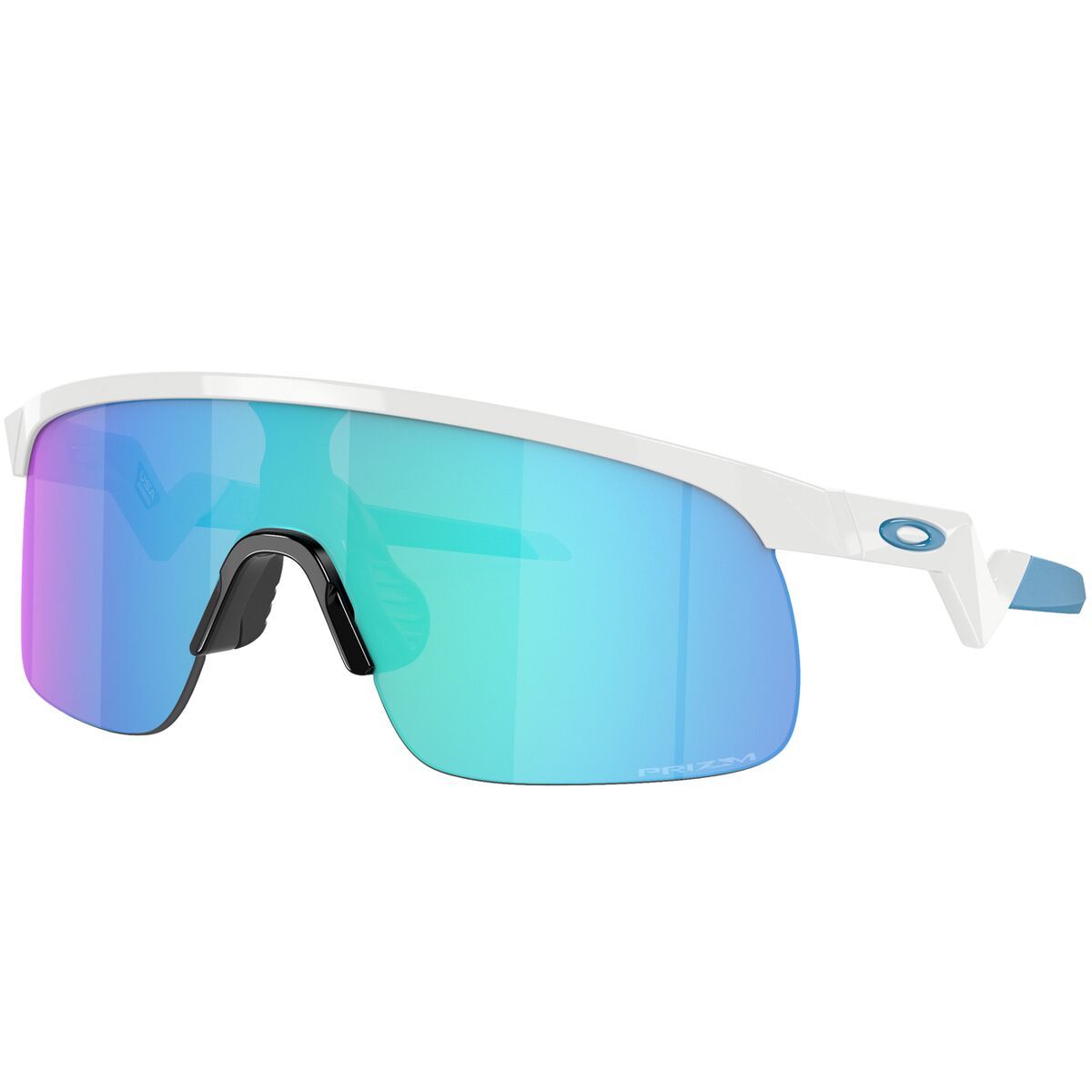
Oakley Resistor Prizm Sunglasses - Kids
Built for young athletes with Prizm lens technology that enhances contrast and color for clearer vision. Lightweight frame with Unobtainium grips that increase hold when kids sweat. High-wrap design f...
- Prizm lens technology
- Unobtainium sweat grips
- High-wrap coverage
- Youth-specific fit
Why Kids Need Quality Sunglasses
Children's eyes are more vulnerable to UV damage than adult eyes. Before age 10, the lens of a child's eye transmits more UV light than an adult's, allowing harmful rays to reach the retina. Quality sunglasses aren't just a fashion accessory for kids; they're essential protective gear.
The World Health Organization estimates that up to 80% of a person's lifetime UV exposure to the eyes occurs before age 18. UV damage to the eyes is cumulative and irreversible, potentially leading to cataracts, macular degeneration, and growths on the eye later in life.
More Vulnerable Eyes
Kids' pupils are larger and their lenses clearer, letting more UV radiation reach the retina than adult eyes.
More Time Outdoors
Kids spend 3x more time outdoors than adults on average, dramatically increasing their UV exposure.
Long-Term Protection
Starting sun protection early reduces risk of cataracts, macular degeneration, and eye cancer later in life.
Beyond UV protection, quality sunglasses help kids see better outdoors by reducing glare and eye strain. This improves their performance in sports and outdoor activities while keeping their eyes comfortable during long days in the sun.
Important Warning
Dark lenses without UV protection are actually MORE dangerous than no sunglasses at all. The dark tint causes pupils to dilate, allowing more harmful UV rays to enter the eye. Always verify sunglasses provide 100% UV protection.
UV Protection Explained
Understanding UV protection ratings helps you choose sunglasses that truly protect your child's eyes. Here's what the labels mean and what to look for.
Types of UV Radiation
UVA Rays (320-400nm)
- -Penetrate deep into the eye
- -Contribute to cataracts and macular degeneration
- -Present all day, even through clouds
UVB Rays (280-320nm)
- -Cause surface damage to the eye
- -Lead to photokeratitis (sunburned eyes)
- -Strongest 10am-4pm
What to Look For on Labels
- 1"100% UV Protection"
Blocks both UVA and UVB rays completely.
- 2"UV400"
Blocks all light rays up to 400nm - same as 100% UV protection.
- 3"Meets ANSI Z80.3"
American standard for UV protection in eyewear.
- !Avoid: "Blocks Most UV"
Vague claims don't guarantee adequate protection.
Lens Category Ratings (European Standard)
| Category | Light Transmission | Best For |
|---|---|---|
| CAT 0 | 80-100% | Indoors, overcast days (fashion only) |
| CAT 1 | 43-80% | Cloudy days, low light conditions |
| CAT 2 | 18-43% | Medium sunlight, everyday outdoor use |
| CAT 3 | 8-18% | Bright sunlight (Most common, recommended) |
| CAT 4 | 3-8% | Extreme sun (mountains, snow, water) - NOT for driving |
For most kids' outdoor activities, Category 3 lenses provide optimal protection and visibility.
Polarized vs. Non-Polarized Lenses
Polarized Lenses
- Reduce glare from water, snow, and roads
- Improve visual clarity and comfort
- Reduce eye strain during outdoor activities
- Ideal for water sports, beach, skiing
- -Higher cost
Non-Polarized Lenses
- Still provide full UV protection
- Better for reading screens/displays
- Good for general everyday use
- More affordable options
- -Don't reduce glare as effectively
Frame Materials & Durability
Kids are tough on gear. The right frame material can mean the difference between sunglasses that last all summer and ones that break in a week. Here's what to look for based on your child's age and activity level.
Best Frame Materials for Kids
TR-90 / O-Matter
Lightweight, flexible thermoplastic. Extremely durable and comfortable. Used by Oakley and premium sport brands. Best for active kids.
Polycarbonate
Impact-resistant and lightweight. Good balance of durability and affordability. Common in youth sport sunglasses.
Rubber/Silicone
Ultra-flexible and virtually unbreakable. Ideal for babies and toddlers. Often includes adjustable straps.
Grilamid
Nylon-based polymer that's lightweight and flexible. Temperature resistant. Used in high-end sport sunglasses.
Features That Improve Durability
- Flexible Hinges
Spring hinges allow arms to flex outward without breaking.
- One-Piece Frame
No screws or separate parts to lose or break.
- Impact-Resistant Lenses
Polycarbonate lenses resist shattering if dropped.
- Scratch-Resistant Coating
Protects lenses from everyday wear and tear.
- Rubberized Grips
Non-slip nose pads and temples keep sunglasses in place.
Materials to Avoid for Kids
Glass Lenses
Can shatter on impact, creating a safety hazard.
Thin Plastic Frames
Snap easily and don't withstand typical kid wear.
Metal Frames (Young Kids)
Can bend out of shape and have sharp edges.
Sizing by Age
Proper fit is essential for both protection and comfort. Sunglasses that don't fit correctly won't stay on and allow UV rays to enter around the edges. Use this guide to find the right size for your child.
Infants (0-2 Years)
Sizing Needs:
- Lens width: 35-42mm
- Temple length: 90-100mm
- Adjustable elastic strap essential
- Soft, flexible frames only
Key Features:
- Wrap-around design to block side light
- Swallow-proof design (no small parts)
- Unbreakable rubber frames
- Polarized lenses reduce glare
Toddlers (2-4 Years)
Sizing Needs:
- Lens width: 42-48mm
- Temple length: 100-110mm
- Strap optional but helpful
- Flexible, impact-resistant frames
Key Features:
- Rubberized grips for active play
- Fun colors and designs they'll want to wear
- Impact-resistant polycarbonate lenses
- Curved frames for better coverage
Kids (4-8 Years)
Sizing Needs:
- Lens width: 48-52mm
- Temple length: 110-120mm
- Bridge width: 14-16mm
- "XXS" or "XS" adult frames may fit
Key Features:
- Sport-specific options available
- Classic styles scaled for small faces
- Adjustable nose pads helpful
- Durable enough for sports
Tweens (8-12 Years)
Sizing Needs:
- Lens width: 50-54mm
- Temple length: 120-135mm
- May transition to small adult frames
- "Youth" or "Small" sizes fit well
Key Features:
- Style becomes more important
- Performance sport frames available
- Interchangeable lens options
- Prescription-ready frames
How to Check for Proper Fit
- Lenses should cover the eyebrows
- Frame shouldn't extend past the temples
- Nose pads should rest comfortably without pinching
- Arms should hook behind ears without pressure
- Sunglasses stay in place when they shake their head
- No gaps at sides or bottom allowing light in
Sport Sunglasses for Kids
Sport sunglasses are designed to stay in place during active play, resist impact, and enhance vision for specific activities. These are ideal for soccer, baseball, biking, skiing, and other outdoor sports where standard sunglasses might fall off or break.
Oakley Resistor Prizm Sunglasses - Kids'
Built for young athletes with Prizm lens technology that enhances contrast and color for clearer vision. Lightweight frame with Unobtainium grips that increase hold when kids sweat. High-wrap design for full coverage and protection.
- Prizm lens technology
- Unobtainium sweat grips
- High-wrap coverage
- Youth-specific fit
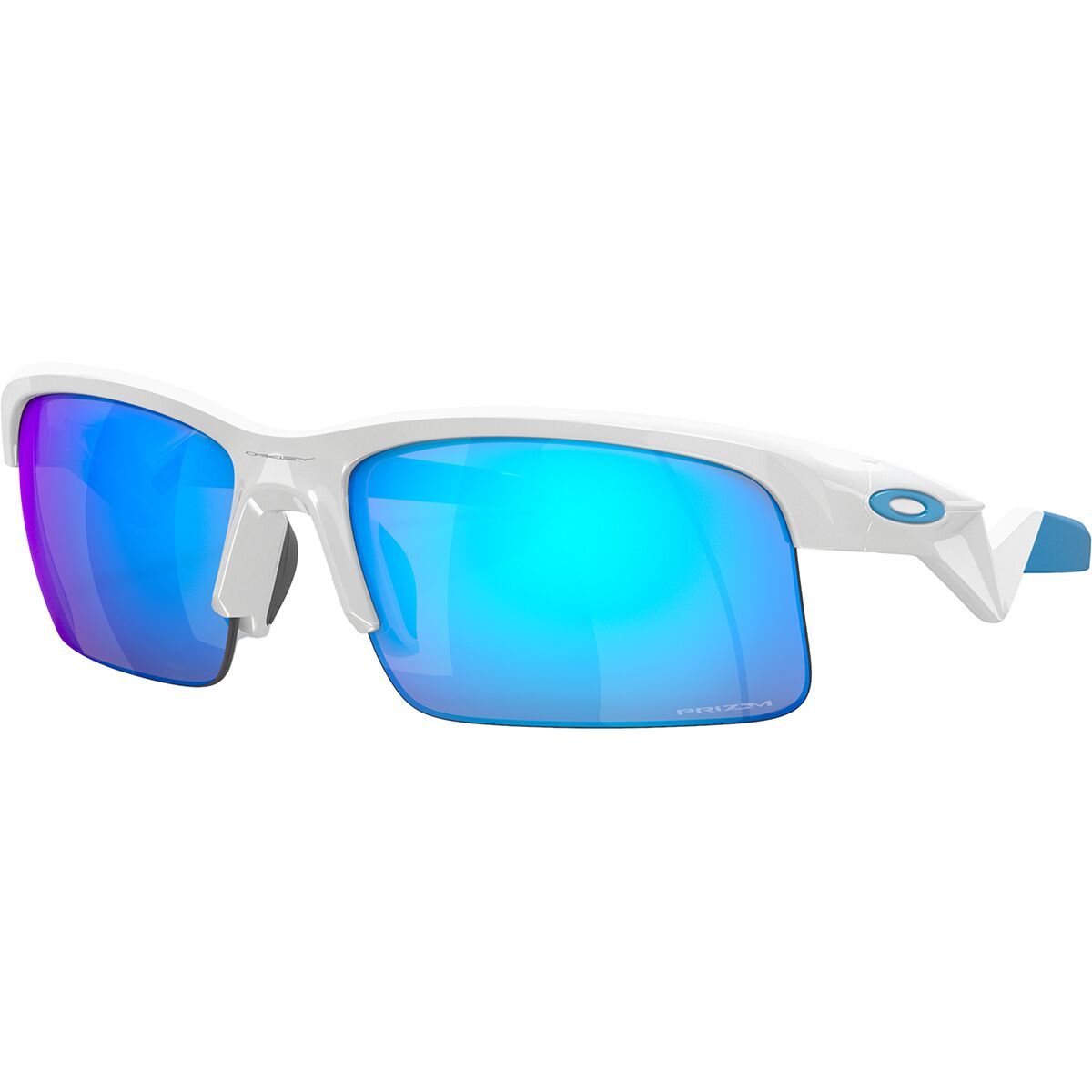
Oakley Capacitor Prizm Sunglasses - Kids'
Semi-rimless design with O Matter frame sits comfortably with minimal weight. Dual-lens design with Prizm Lens Technology enhances color and contrast. Perfect for little league games to lake days.
- Semi-rimless design
- Prizm lenses
- Lightweight O Matter
- Full UV protection

100% Speedcraft XS Sunglasses
Sized for small faces and young athletes with signature 100% cylindrical shield lens for 360-degree visibility. Ultra HD polycarbonate lenses resist water, dirt, oil, and scratches. Ventilated design for active pursuits.
- 360-degree visibility
- Ultra HD lenses
- Scratch resistant
- Ventilated design
Sport Sunglasses Features to Look For
Essential Features:
- Grip-enhancing materials: Stay in place when sweating
- Wrap-around design: Blocks peripheral light and debris
- Ventilation: Prevents fogging during activity
- Impact resistance: Survives falls and collisions
Sport-Specific Lenses:
- Baseball/Tennis: Rose or amber lenses enhance ball visibility
- Water Sports: Polarized blue or gray reduce glare
- Skiing: Yellow/orange lenses for flat light conditions
- Cycling: Photochromic lenses adapt to changing light
Everyday Kids Sunglasses
Everyday sunglasses balance style, durability, and protection for daily wear. These work great for school, playground time, family outings, and casual outdoor activities. Look for classic styles that kids will actually want to wear.
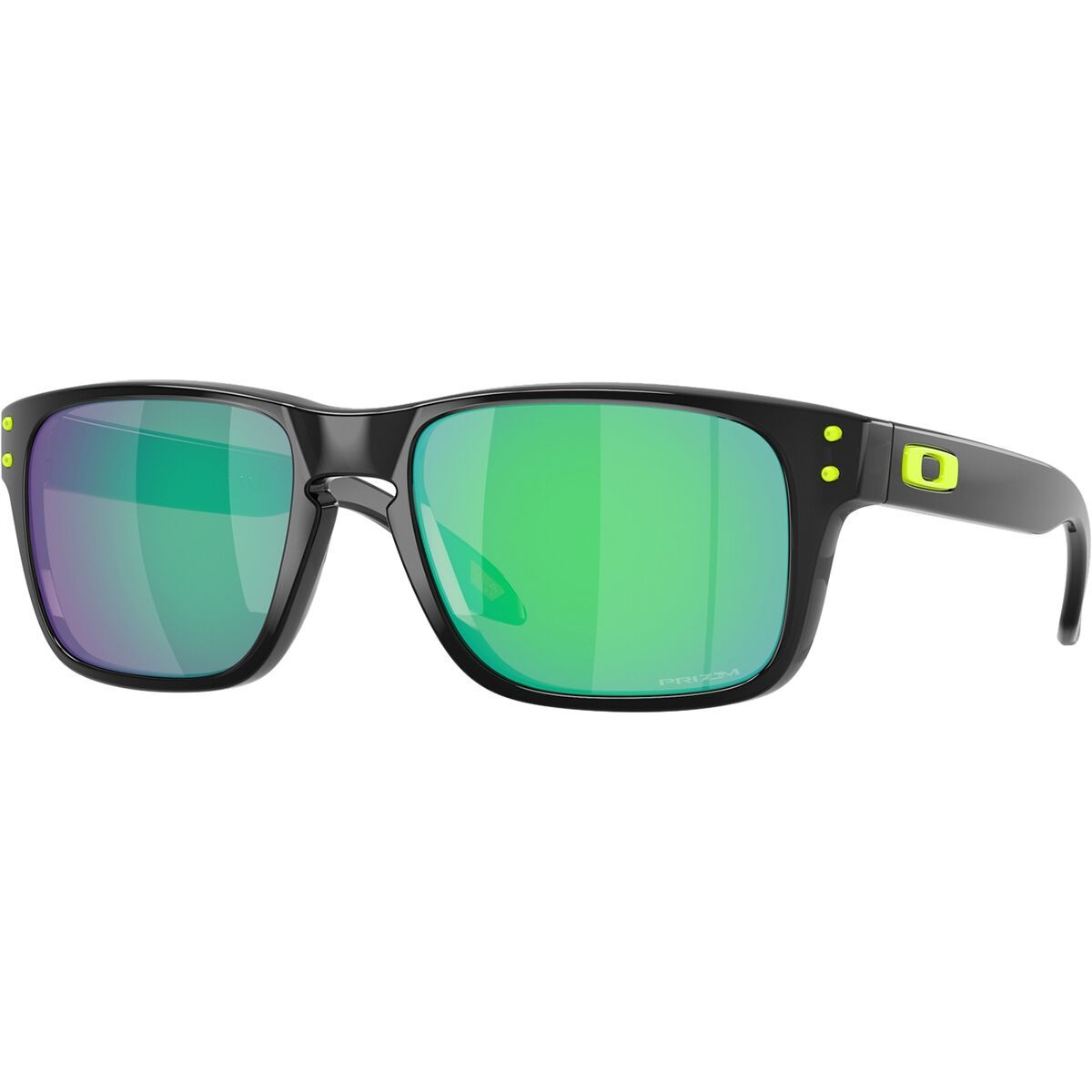
Oakley Holbrook XXS Prizm Sunglasses - Kids'
Iconic Holbrook design scaled down for youngest explorers. Lightweight BiO-Matter for durability and comfort. Prizm lens technology enhances color and contrast. Sleek metal rivets and keyhole bridge for timeless style.
- Prizm lenses
- BiO-Matter frame
- Classic Holbrook style
- Small face fit
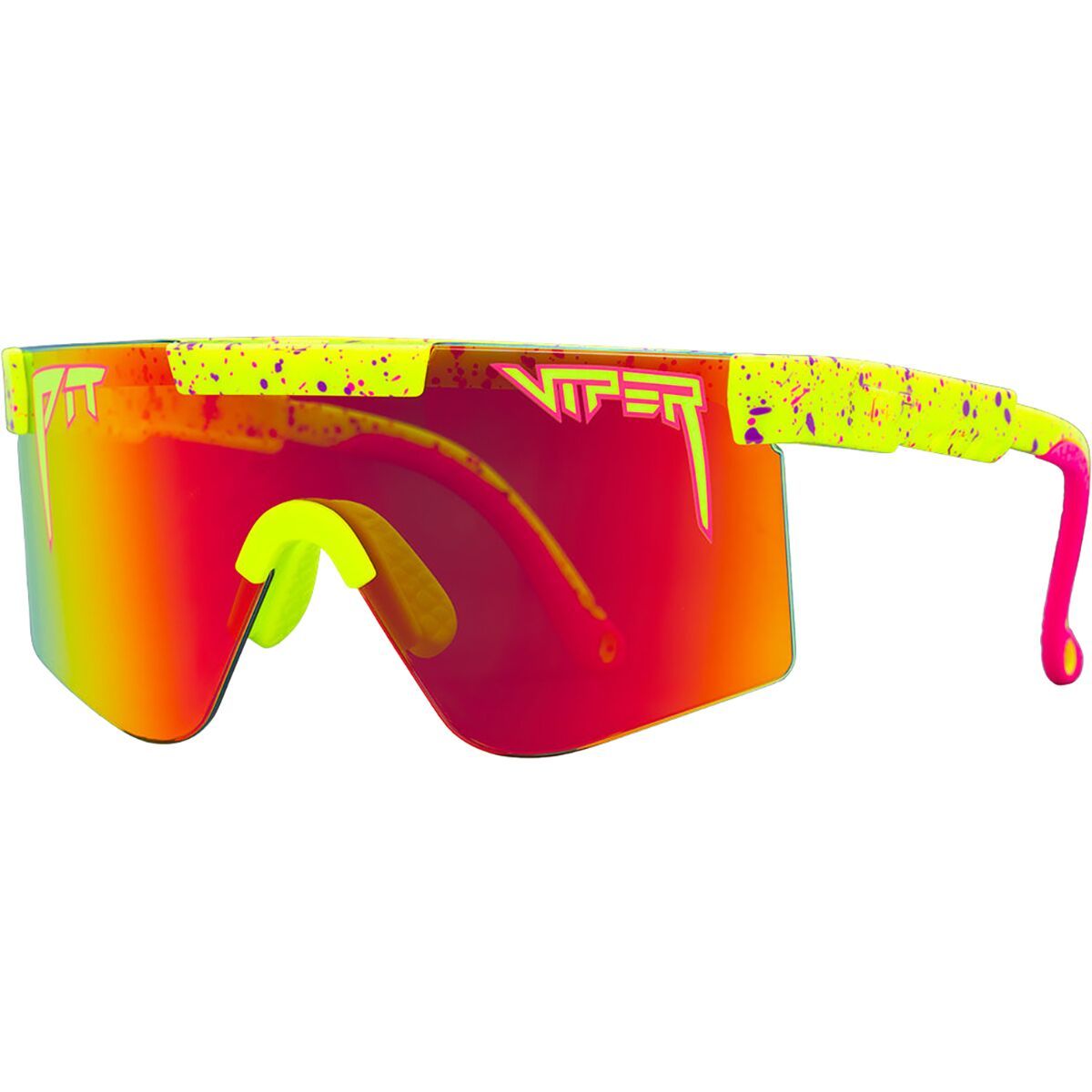
Pit Viper The XS Sunglasses
Full UV protection with legendary Pit Viper durability in a smaller frame. Rubberized no-slip grip and impact-resistant frame survive playground wipeouts and bike park laps. Adjustable fit for little faces.
- Full UV protection
- Impact-resistant
- Adjustable fit
- Rubberized grip
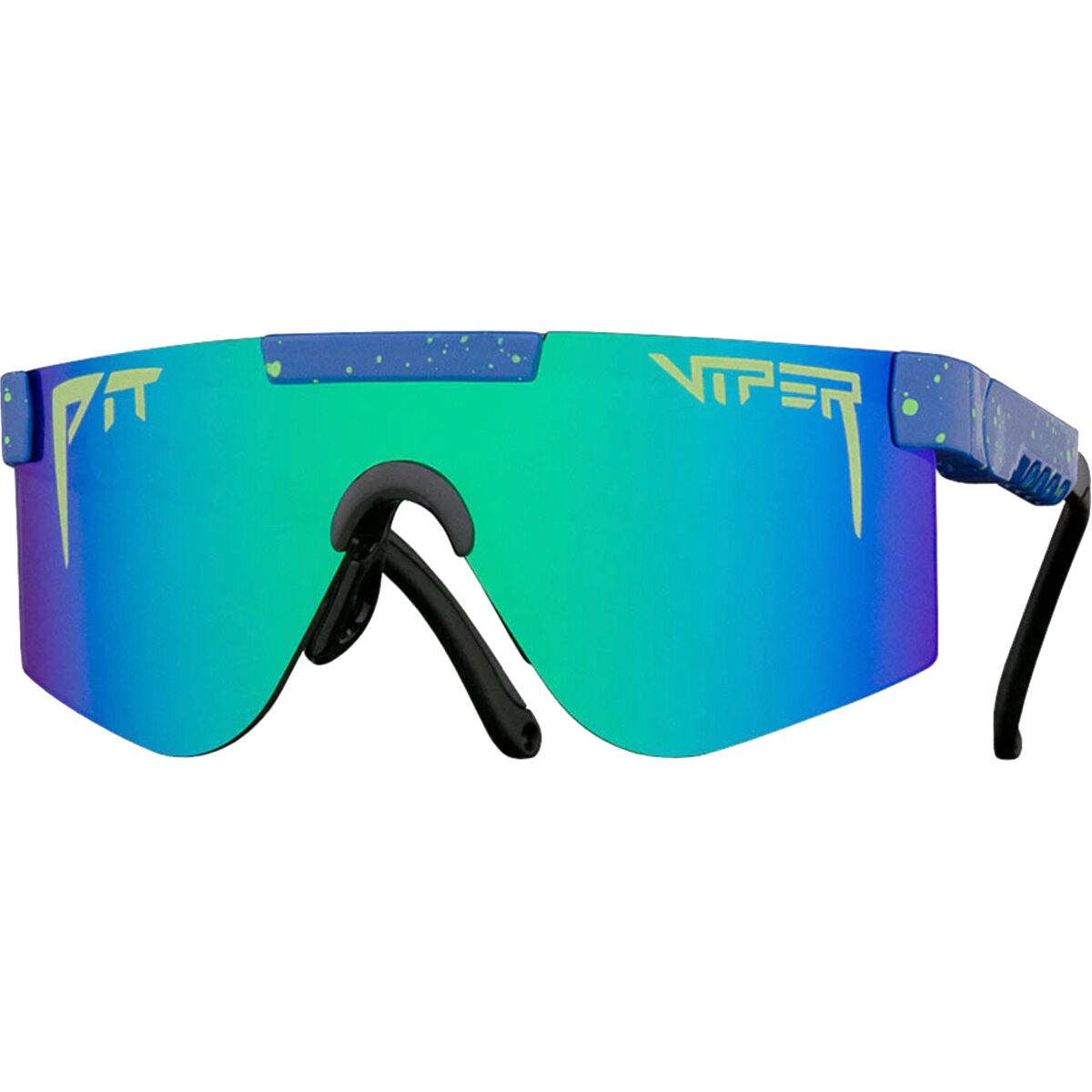
Pit Viper The XS Leonardo
Same legendary Pit Viper durability at a lower price point. Full UV protection, rubberized no-slip grip, and impact-resistant frame. Perfect for kids who are tough on gear.
- Full UV protection
- Impact-resistant
- Fun colors
- Great value
Baby & Infant Sunglasses
Babies 6 months and older can and should wear sunglasses outdoors. Look for sunglasses specifically designed for infants with adjustable straps, soft flexible frames, and swallow-proof designs. The elastic strap is essential to keep sunglasses on wiggly little heads.
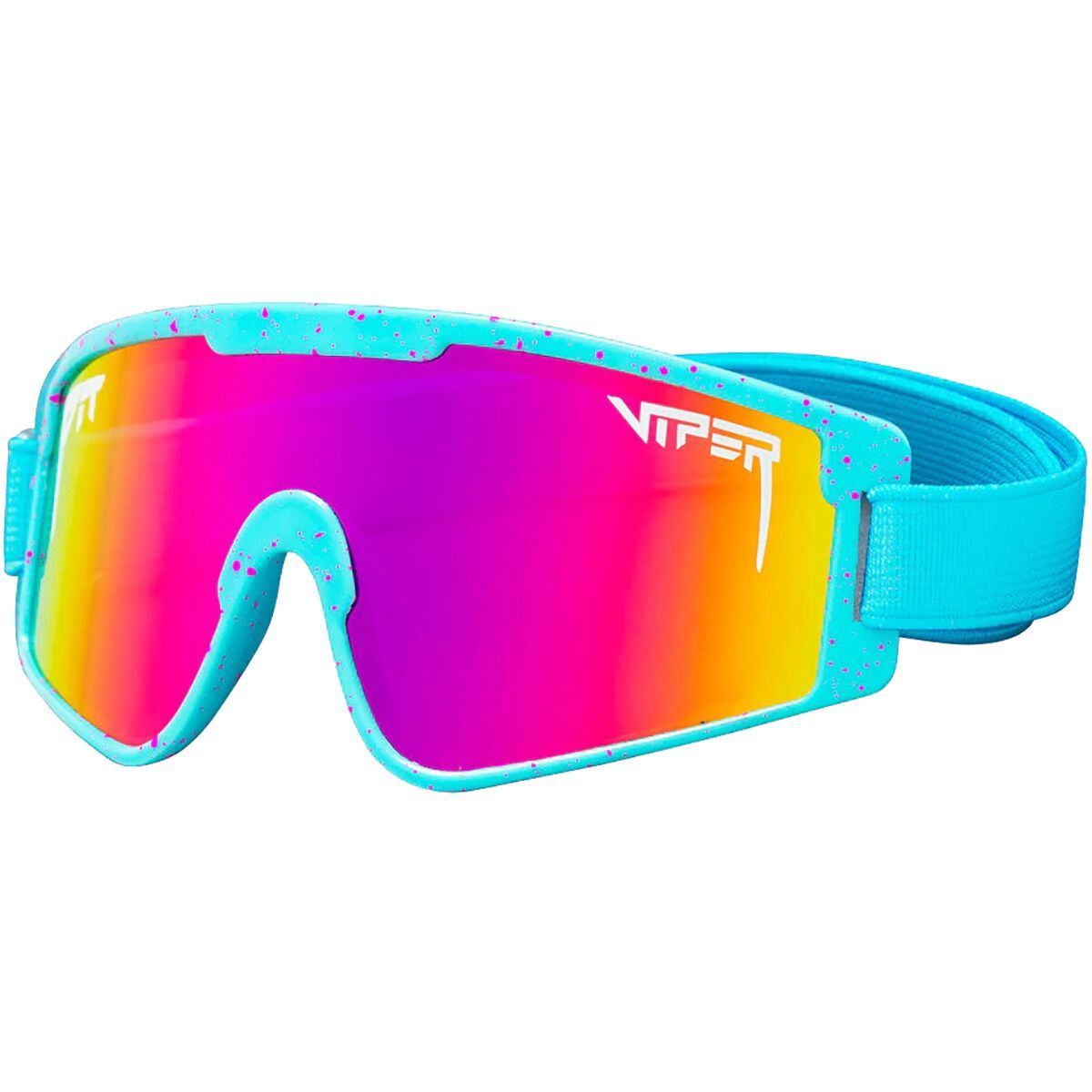
Pit Viper Baby Vipes Polarized - The Gobby
Polarized lenses cut glare for baby-sized adventures. Impact-resistant design survives drops and tosses. Adjustable elastic strap keeps them snug on wiggly heads. Swallow-proof design for safety.
- Polarized lenses
- Adjustable strap
- Swallow-proof design
- Impact-resistant
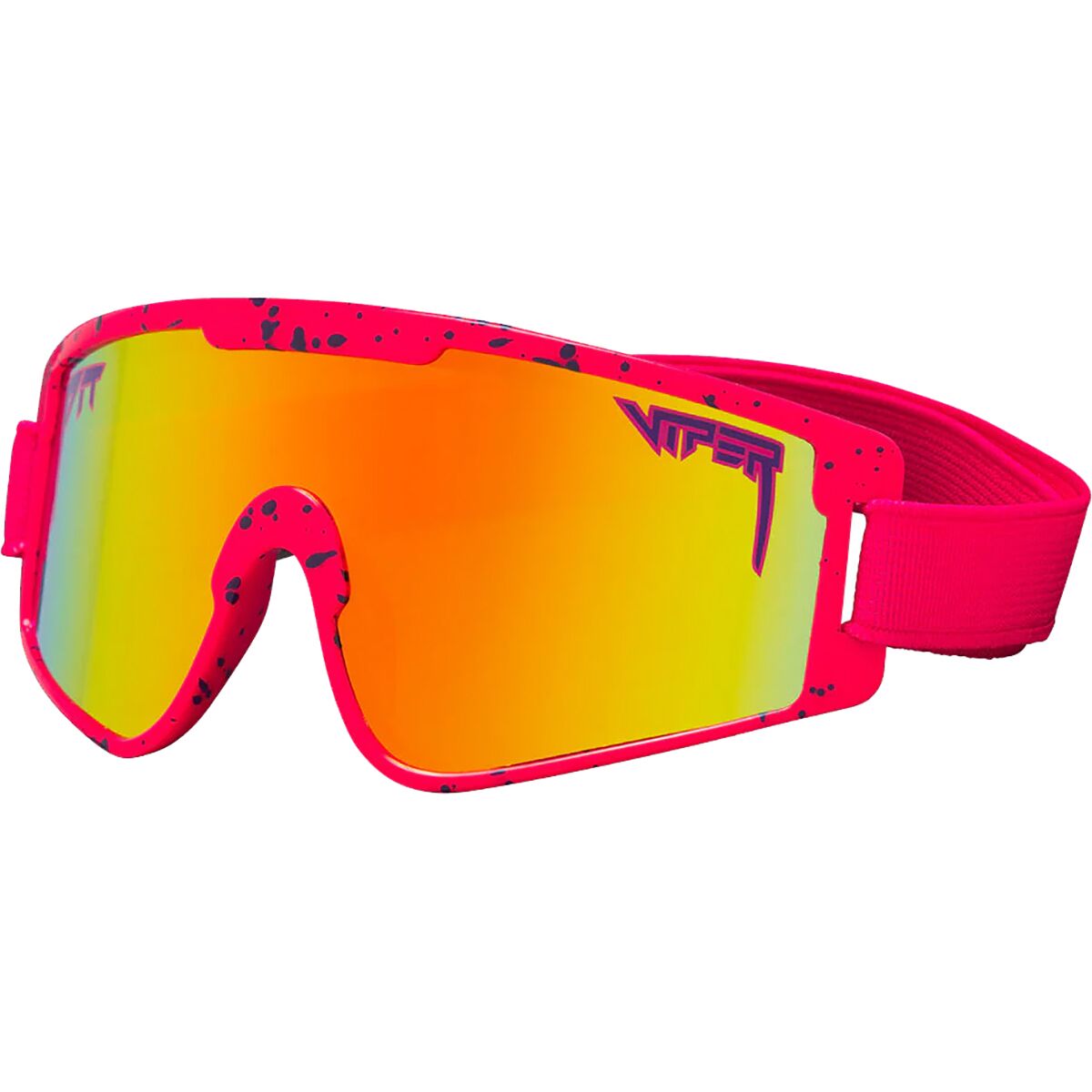
Pit Viper Baby Vipes Polarized - The Radical
Same great polarized protection in a bold colorway. Glare-cutting lenses for crystal-clear vision. Impact-resistant frame survives drops, tosses, and occasional chew tests.
- Polarized lenses
- Secure strap
- Baby-safe design
- Fun colors
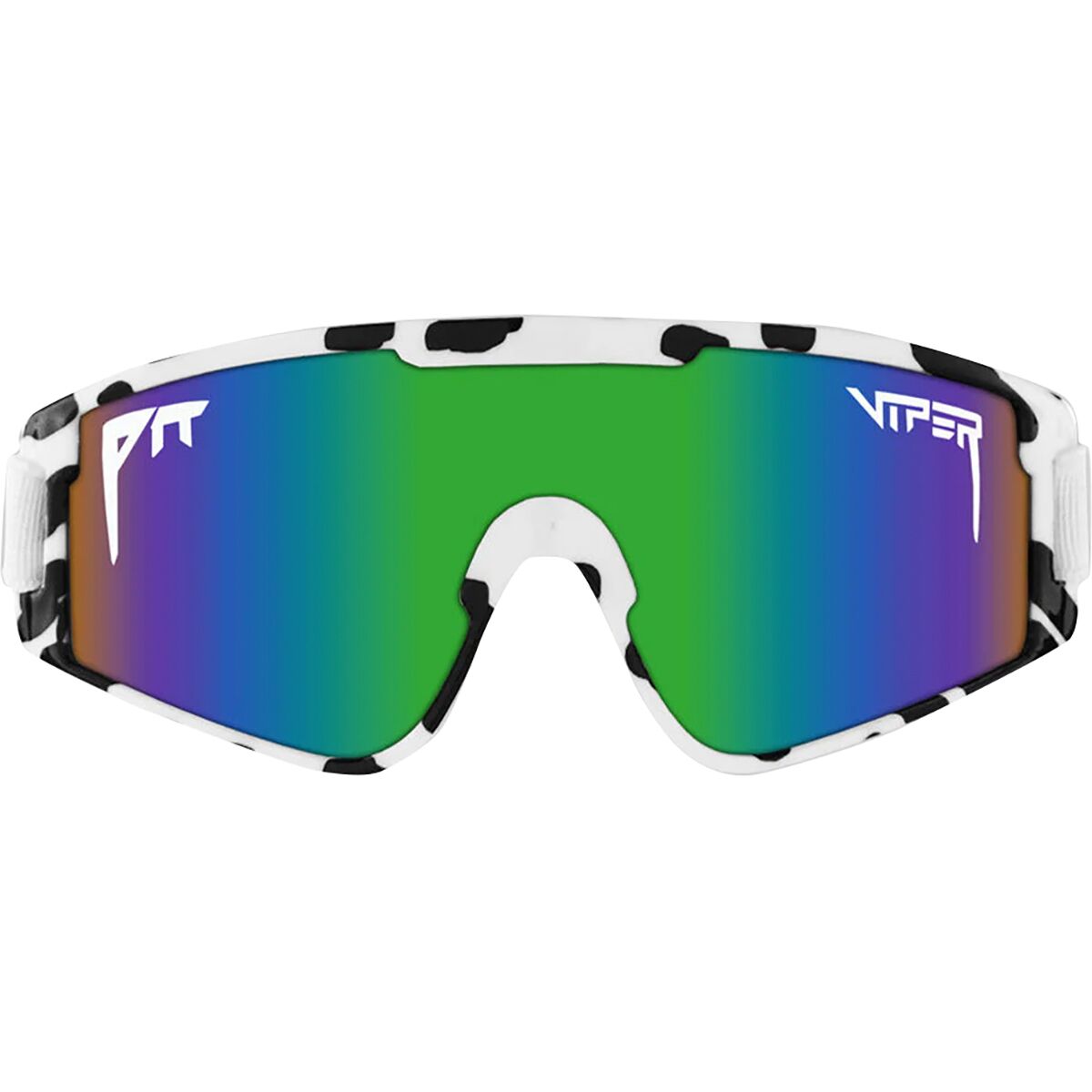
Pit Viper Baby Vipes Polarized - The Cowabunga
Retro-inspired colorway with all the safety features parents need. Polarized lenses, elastic strap, and swallow-proof design. Built for the chaos of baby life.
- Polarized lenses
- Adjustable elastic strap
- Impact-resistant
- Swallow-proof
Tips for Getting Babies to Wear Sunglasses
- Start early - babies adapt faster than toddlers
- Put sunglasses on indoors first to let them adjust
- Use adjustable straps to ensure a snug fit
- Wear your sunglasses too - babies mimic parents
- Distract them right after putting sunglasses on
- Be consistent - keep putting them back on if removed
- Make it part of the outdoor routine
- Choose lightweight, comfortable frames
Prescription Sunglasses Options
Kids who wear glasses need sun protection too. Here are the options for children who require vision correction while outdoors.
Prescription Sunglasses
- Single pair combines vision correction and sun protection
- Available in sport and everyday styles
- Many kids' frames are prescription-ready
- -More expensive upfront
- -Need to update as prescription changes
Photochromic (Transition) Lenses
- One pair for indoors and outdoors
- Lenses darken automatically in sunlight
- Kids won't forget or lose separate sunglasses
- -Don't darken fully inside cars (UV blocked by windshield)
- -May not get as dark as dedicated sunglasses
Clip-On/Magnetic Sunglasses
- Attach to existing prescription glasses
- Easy to switch between indoor and outdoor
- Most affordable option
- -Can be lost easily
- -May not fit all frame styles
Fit-Over Sunglasses
- Wear over existing prescription glasses
- Full coverage including side protection
- Works with any glasses frame
- -Bulkier look
- -Some kids don't like the style
Ask Your Eye Doctor About
- UV protection coatings for regular glasses
- Blue light filtering options
- Impact-resistant lens materials for active kids
- Sport-specific prescription options
Frequently Asked Questions
At what age should kids start wearing sunglasses?
Children should wear sunglasses whenever they're outdoors in bright conditions, starting from about 6 months of age. Before 6 months, keep babies in shade as much as possible since infant sunglasses may not fit properly. The earlier you establish the habit, the more likely kids will continue wearing sunglasses throughout life.
Are cheap sunglasses safe for kids?
Price alone doesn't determine UV protection. However, very cheap sunglasses from unknown brands may have dark tints without actual UV protection, which is worse than no sunglasses at all. Look for labels stating "100% UV protection" or "UV400." When in doubt, buy from reputable brands or have lenses tested by an optometrist.
How do I know if my child's sunglasses have real UV protection?
Look for labels stating "100% UV protection," "UV400," or "Meets ANSI Z80.3 standards." If you're unsure, many optical shops can test lenses with a UV meter. Reputable brands clearly state their UV protection levels. Avoid sunglasses that only mention "Blocks some UV" or have no UV information.
Does lens color affect UV protection?
No, lens color has no impact on UV protection. UV protection comes from a chemical coating or the lens material itself, not the tint. A clear lens can provide 100% UV protection while a very dark lens might provide none. Choose lens color based on comfort and intended use, not protection level.
How often should I replace my child's sunglasses?
Replace sunglasses when they no longer fit properly (usually every 1-2 years as kids grow), when lenses become scratched enough to impair vision, or if the frame is damaged. UV protection coatings can degrade over time with heavy use, so consider replacing sunglasses every 2-3 years even if they still fit.
Do kids need sunglasses on cloudy days?
Yes! Up to 80% of UV rays penetrate cloud cover. Kids should wear sunglasses whenever they're outdoors during daylight hours, regardless of cloud cover. UV exposure can actually be higher on partly cloudy days due to reflection and scattering of rays by clouds.
Are polarized lenses worth the extra cost for kids?
Polarized lenses are particularly valuable for water sports, beach activities, and snow sports where glare is intense. They reduce eye strain and improve visual comfort. For everyday use, they're a nice-to-have but not essential. The most important factor is 100% UV protection, which non-polarized lenses can provide equally well.
Can sunglasses damage my child's eyesight?
Quality sunglasses with proper UV protection do not damage eyesight and actually protect against long-term UV damage. However, dark lenses without UV protection can be harmful because they cause pupils to dilate while letting UV rays through. Always verify UV protection before purchasing.
Related Guides
Protect Your Kids' Eyes This Season
Shop quality kids sunglasses at Backcountry. New customers get 15% off their first order.
Shop Kids SunglassesAffiliate Disclosure: ParentCalc may earn a commission from purchases made through links on this page at no additional cost to you. We only recommend products we believe in. Prices and availability are subject to change.