Kids Water Bottles Guide
Everything you need to keep kids hydrated at school, sports, and outdoor adventures - from choosing the right bottle type to finding leak-proof, kid-friendly options
2026 Product Picks
Our latest product roundups related to this guide:
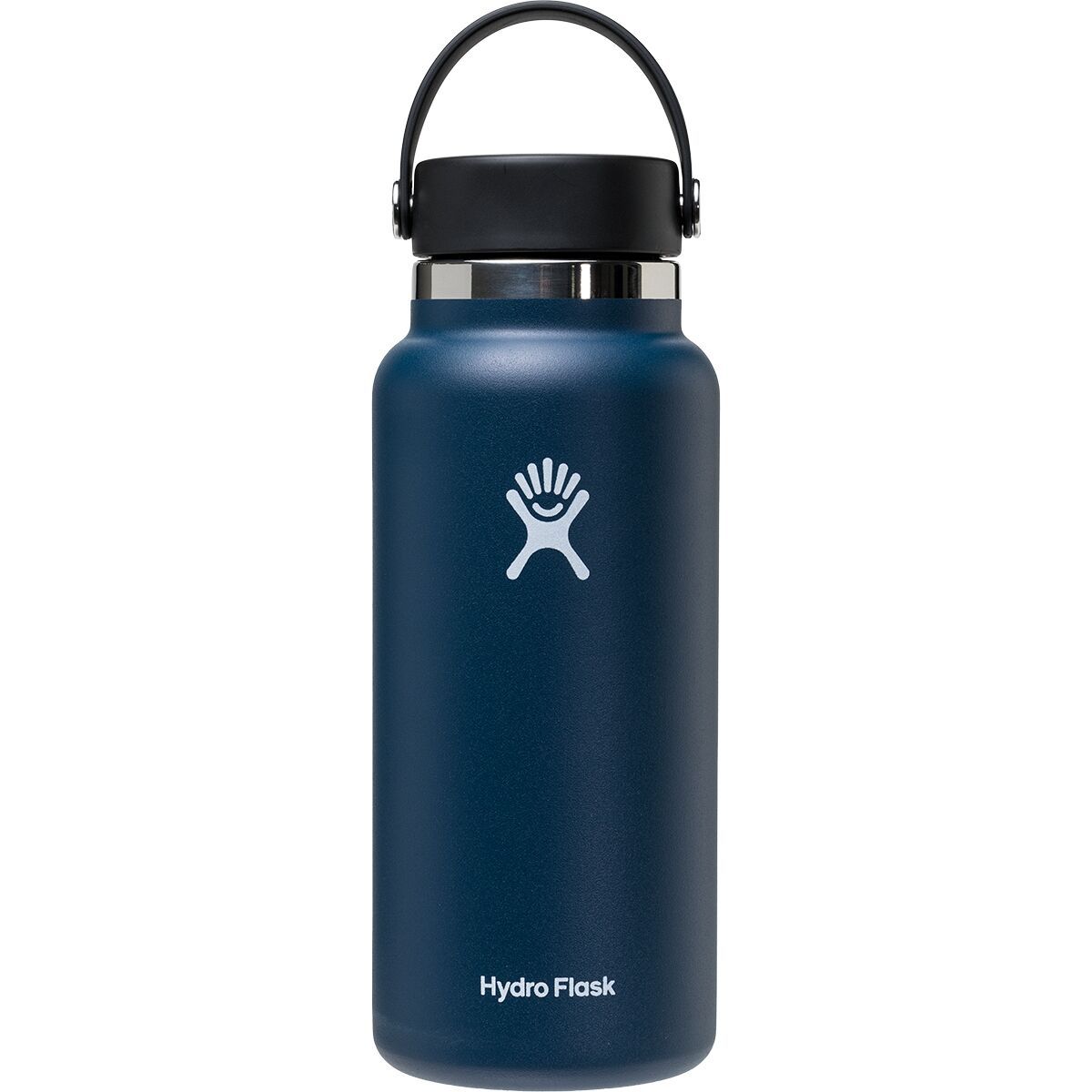
Hydro Flask 32oz Wide Mouth Flex Cap 2.0 Water Bottle
Keeps beverages at the perfect temperature - ice-cold for up to 24 hours or hot for up to 12. Made from pro-grade stainless steel, it resists flavor transfer and stands up to years of rough handling.
- 24-hour cold retention
- Leakproof Flex Cap
- Wide mouth opening
- Durable stainless steel
Keeping Kids Hydrated All Day
A quality water bottle is one of the most important items you can send with your child. Proper hydration helps with concentration, energy levels, and overall health - but kids will only drink from a bottle that's easy to use and doesn't leak all over their backpack.
This guide covers everything from choosing the right type of water bottle for your child's age and activities to selecting safe materials, finding truly leak-proof options, and mastering the art of keeping bottles clean and odor-free.
Safe Materials
Choose BPA-free, phthalate-free materials. Stainless steel and Tritan plastic are top choices for kids.
Leak-Proof Design
Nothing ruins a school day like a wet backpack. Look for tested leak-proof lids and seals.
Easy to Use
Kids should be able to open and close their bottle independently. Test before school!
Types of Kids Water Bottles
Each bottle type has its strengths. Consider your child's age, activities, and how they'll be using the bottle when choosing.
Insulated Stainless Steel
Ages 5+
Double-wall vacuum insulation keeps drinks cold for 24+ hours or hot for 12+ hours. The gold standard for temperature retention.
Pros
- Best temperature retention
- Durable and long-lasting
- No flavor transfer
- Eco-friendly
Cons
- Heavier than plastic
- Higher price point
- Can dent if dropped
Best for: School days, sports, and outdoor adventures
Straw Bottles
Ages 2-6
Built-in straw lets kids drink without tilting the bottle. Great for younger children and car rides.
Pros
- Easy for young kids to use
- No tilting required
- Spill-resistant
- Good for car seats
Cons
- Straws harder to clean
- Straws can wear out
- Some leak if tipped
Best for: Toddlers and preschoolers, car rides
Flip-Top/Pop-Up
Ages 5+
One-handed operation with a flip-up spout. Popular for school and sports because of easy access.
Pros
- Easy one-handed use
- Quick access
- Often dishwasher safe
- Lid stays attached
Cons
- Spout exposed when open
- Can be fiddly for young kids
- May leak if not closed properly
Best for: Elementary and middle school, sports
Sport/Squeeze Bottles
Ages 5+
Soft, squeezable plastic for quick hydration during sports. Self-sealing valves prevent spills.
Pros
- Easy to squeeze and drink
- Fits bike cages
- Lightweight
- Affordable
Cons
- Not as durable
- Limited insulation
- Plastic may absorb odors
Best for: Sports, biking, soccer practice
Best Materials for Kids' Water Bottles
Safety is the top priority. Here's what to look for and what to avoid when choosing materials.
Stainless Steel (18/8 or 304)
Safety: Excellent
Food-grade stainless steel is the safest option. No chemicals leach into water, even with temperature changes. Naturally BPA-free.
Advantages
- No chemical leaching
- Extremely durable
- Easy to clean
- Doesn't retain odors
- Recyclable
Considerations
- Heavier than plastic
- Can dent
- Higher cost
BPA-Free Plastic (Tritan)
Safety: Very Good
Tritan and similar BPA-free plastics are safe, lightweight, and shatter-resistant. Look for labels stating BPA-free, phthalate-free, and PVC-free.
Advantages
- Lightweight
- Shatter-resistant
- Affordable
- See-through options
Considerations
- May absorb odors over time
- Can scratch
- Not as eco-friendly
Silicone
Safety: Very Good
Food-grade silicone is flexible, collapsible, and heat-resistant. Great for kids because it's soft and won't hurt if they drop it on themselves.
Advantages
- Flexible and soft
- Collapsible for storage
- Heat resistant
- Safe
Considerations
- Can absorb odors
- Not as durable long-term
- May feel different
Glass with Silicone Sleeve
Safety: Excellent
Glass doesn't leach chemicals and is easy to clean. Silicone sleeves provide protection. Best for older, responsible kids.
Advantages
- No chemical leaching
- Easy to clean
- Eco-friendly
- No flavor transfer
Considerations
- Can break
- Heavy
- Not for young kids
Materials to Avoid
- BPA (Bisphenol A) - Hormone-disrupting chemical
- BPS/BPF - BPA alternatives that may be just as harmful
- Phthalates - Plasticizers linked to health issues
- PVC (#3 plastic) - Contains harmful chemicals
- Polystyrene (#6) - May leach styrene
- Polycarbonate (#7) - Often contains BPA
Size Recommendations by Age
The right size bottle depends on your child's age, activities, and how long they'll be away from refill options. A bottle that's too big is heavy and hard to handle; too small means running out of water.
| Age Group | Bottle Size | Best Type |
|---|---|---|
| Toddlers (1-3) | 8-12 oz | Straw or sippy-style |
| Preschool (3-5) | 12-14 oz | Straw or flip-top |
| Early Elementary (5-8) | 14-18 oz | Flip-top or wide mouth |
| Late Elementary (8-11) | 18-24 oz | Insulated or sport |
| Middle School (11-14) | 24-32 oz | Insulated stainless steel |
Toddlers (1-3)
8-12 oz
Look for handles, spill-proof lids, and lightweight construction. Easy grip is essential.
Preschool (3-5)
12-14 oz
Practice opening and closing at home. Choose bottles they can operate independently.
Early Elementary (5-8)
14-18 oz
Can handle most lid types. Consider insulated options to keep water cold.
Late Elementary (8-11)
18-24 oz
Appetite for water increases with activity. Good time for first stainless steel bottle.
Middle School (11-14)
24-32 oz
Full-size bottles appropriate. Consider style preferences - they'll want to use it!
Finding Truly Leak-Proof Bottles
A wet backpack can ruin a school day. Here's what makes a bottle truly leak-proof and how to test before trusting it with books and electronics.
Features That Prevent Leaks
- Screw-top lids - More secure than snap-on options
- Silicone gaskets - Creates airtight seal
- Locking mechanisms - Prevents accidental opening
- Self-sealing valves - Closes automatically (sport bottles)
- One-piece lids - Fewer parts means fewer leak points
How to Test for Leaks
- 1Fill with water and close securely
- 2Turn completely upside down for 30 seconds
- 3Shake vigorously in all directions
- 4Squeeze (if plastic) to test pressure seal
- 5Leave in backpack pocket overnight with paper towel
Common Leak Causes
- Worn gaskets - Replace seals every 6-12 months
- Cracked lids - Inspect after drops
- Improper closing - Teach kids to check the seal
- Temperature changes - Cold water can create pressure
- Overfilling - Leave some room, especially for ice
- Debris in seal - Clean threads regularly
Easy Cleaning Tips
Regular cleaning prevents odors, stains, and bacterial growth. Different bottle types require different care.
Daily Cleaning
- Rinse bottle and lid after each use
- Wash with warm soapy water and bottle brush
- Pay extra attention to lid mechanisms and straws
- Air dry completely with lid off
Weekly Deep Clean
- Soak in warm water with baking soda (1 tbsp per cup)
- Use a straw brush for straws and spouts
- White vinegar soak (1:4 ratio) to remove odors
- Check gaskets and seals for mold
Problem Solving
- Smelly bottle: Soak overnight with baking soda and warm water
- Stained bottle: Use denture tablets or bottle cleaning tablets
- Moldy straw: Replace or soak in diluted bleach (rinse thoroughly)
- Sticky residue: White vinegar or rubbing alcohol
Material-Specific Care
Stainless Steel
- Hand wash recommended (dishwasher can damage insulation)
- Avoid bleach (can damage finish)
- Use bottle brush to reach bottom
- Dry immediately to prevent water spots
Plastic Bottles
- Usually dishwasher safe (top rack)
- Don't use with hot beverages
- Replace when scratched or cloudy
- Lemon juice helps remove stains
Straws & Spouts
- Use straw cleaning brushes
- Soak in warm soapy water weekly
- Replace straws every 3-6 months
- Check for mold in valve mechanisms
Lids & Gaskets
- Remove and wash separately
- Check for wear and cracks
- Let air dry completely
- Replace gaskets when they lose elasticity
Best Water Bottle Brands for Kids
These brands have proven track records for quality, safety, and durability. Each has its strengths depending on your needs.
Hydro Flask
Premium InsulatedKnown for exceptional temperature retention and durability. Pro-grade stainless steel with powder-coated finish. Lifetime warranty.
CamelBak
Sport & HydrationPioneers of the bite-valve system. Excellent for sports with their squeezable designs and leak-proof technology. Great for active kids.
Nalgene
Durable PlasticVirtually indestructible Tritan plastic bottles. Simple, reliable, and affordable. Measurement marks helpful for tracking intake.
Klean Kanteen
Eco-FriendlyClimate Neutral certified with commitment to sustainability. Quality stainless steel with interchangeable lids. Kid-specific designs available.
Contigo
Spill-ProofAUTOSEAL and AUTOSPOUT technology makes these extremely leak-proof. One-handed operation. Great value for the features.
Thermos
Classic InsulationThe original vacuum insulation brand. Reliable temperature retention and time-tested durability. FUNtainer line designed for kids.
Recommended Products
Quality water bottles that stand up to daily use and keep kids hydrated. These options combine durability, safety, and kid-friendly features.
Insulated Stainless Steel Bottles
The best for keeping water cold all day. Durable enough to last years with proper care.
Hydro Flask 32oz Wide Mouth Flex Cap 2.0 Water Bottle
Keeps beverages at the perfect temperature - ice-cold for up to 24 hours or hot for up to 12. Made from pro-grade stainless steel, it resists flavor transfer and stands up to years of rough handling.
- 24-hour cold retention
- Leakproof Flex Cap
- Wide mouth opening
- Durable stainless steel
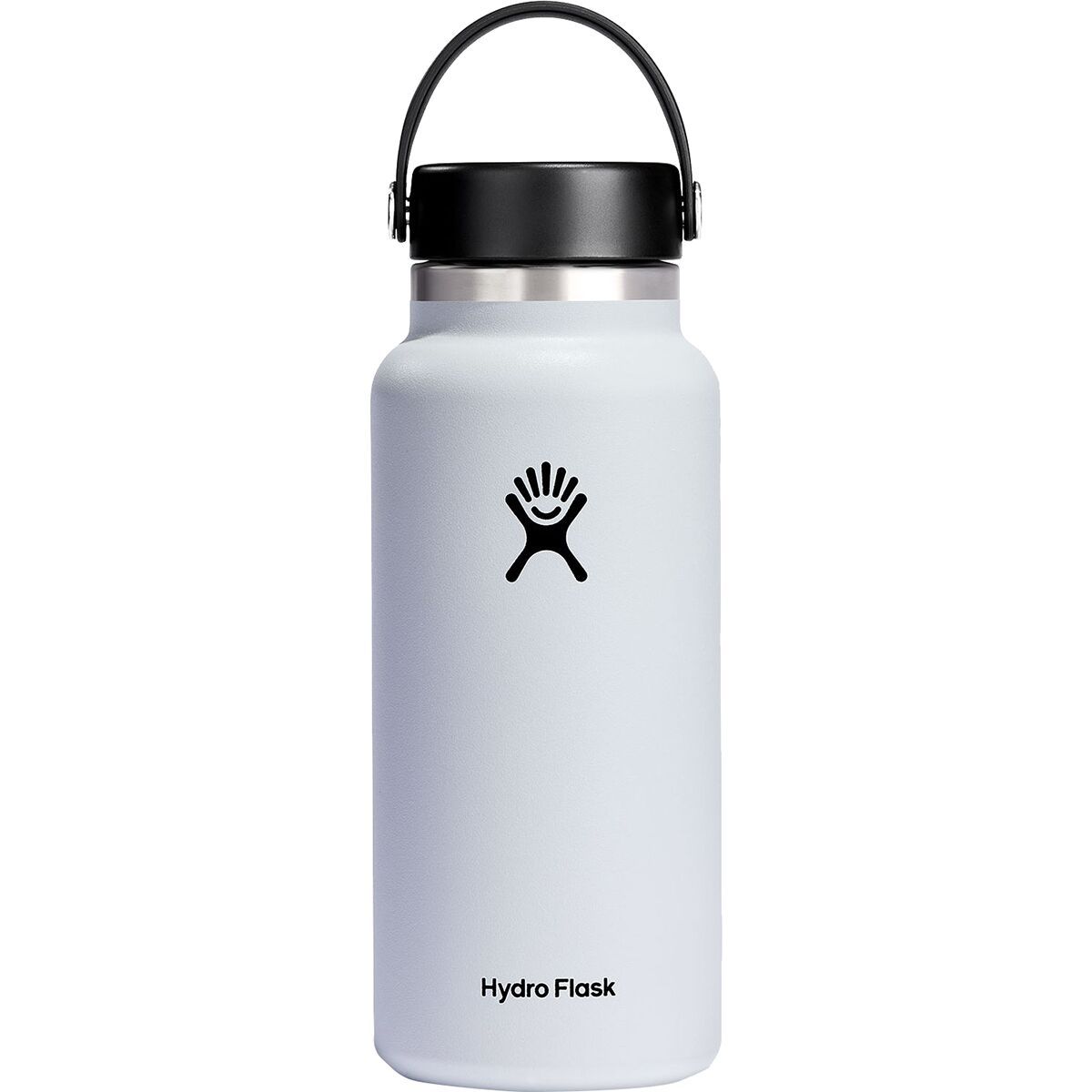
Hydro Flask 32oz Wide Mouth Flex Cap 2.0 Water Bottle - White
Double-wall insulated bottle keeps beverages at the perfect temperature. The wide mouth makes refilling easy and works seamlessly with a range of compatible lids.
- 24-hour cold retention
- Comfortable carry handle
- Pro-grade stainless steel
- Leakproof seal
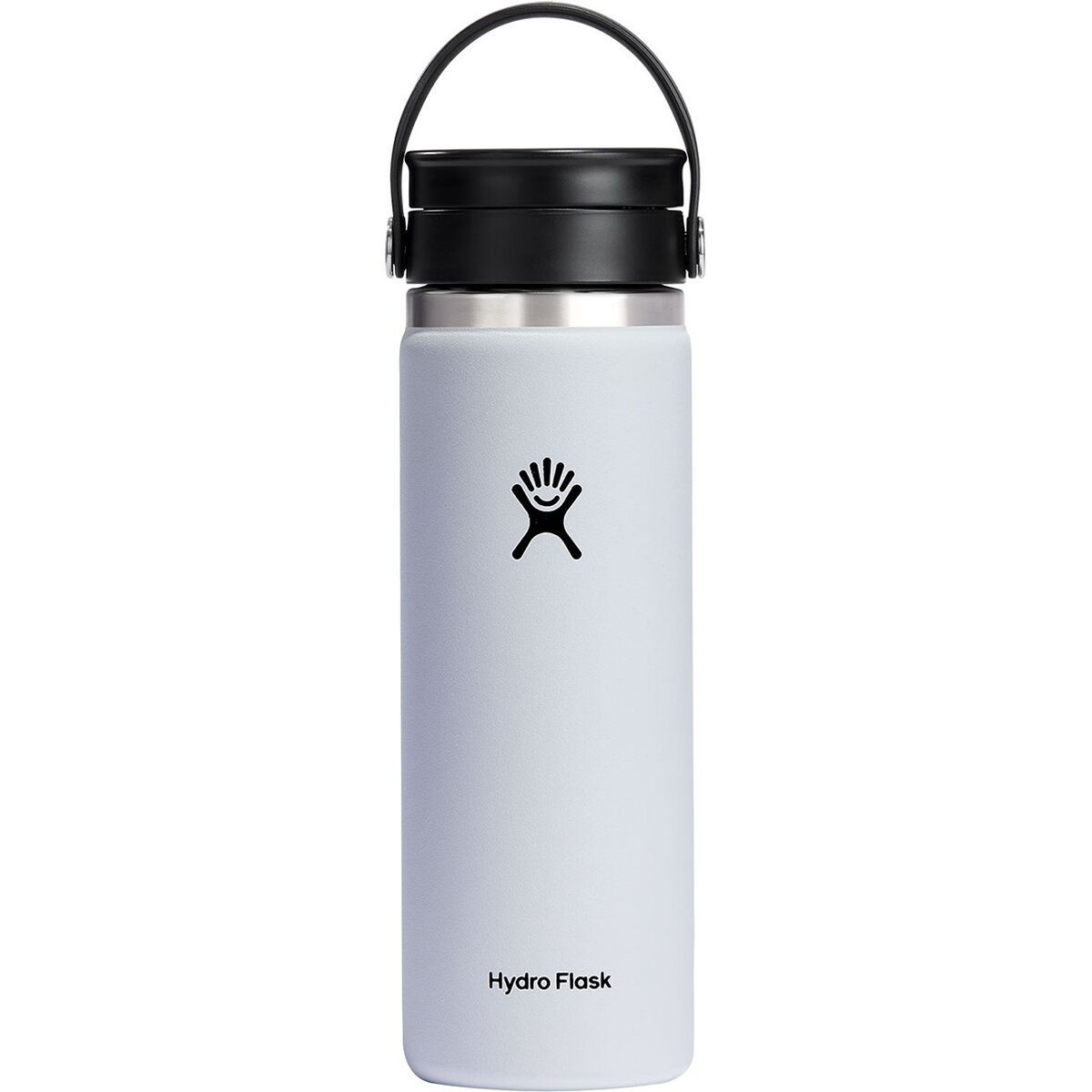
Hydro Flask 20oz Wide Mouth Flex Sip Coffee Mug
Perfect for keeping hot cocoa, soup, or tea warm. The Flex Sip Lid eliminates spills and prevents temperature exchange. Great for kids who enjoy warm beverages at lunch.
- TempShield insulation
- Spill-proof Flex Sip Lid
- 18/8 stainless steel
- BPA-free
Sport & Squeeze Bottles
Perfect for biking, soccer practice, and active play. Easy to squeeze and drink on the go.
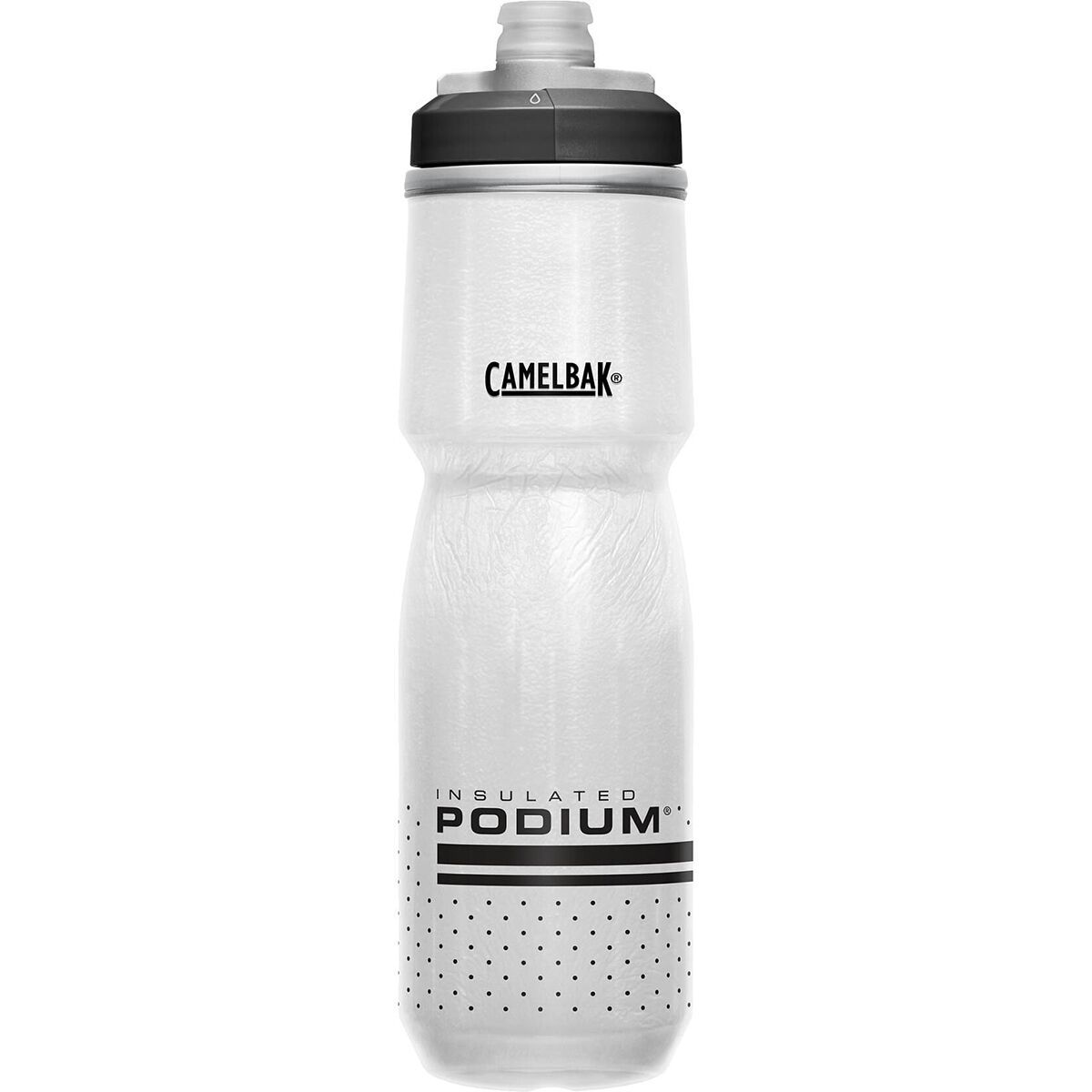
CamelBak Podium Chill 24oz Water Bottle
HydroGuard insulation keeps beverages cold twice as long as regular sports bottles. The Jet Valve cap is spill-proof and self-sealing for quick hydration during activities.
- HydroGuard insulation
- Spill-proof Jet Valve
- BPA-free TruTaste plastic
- Easy squeeze
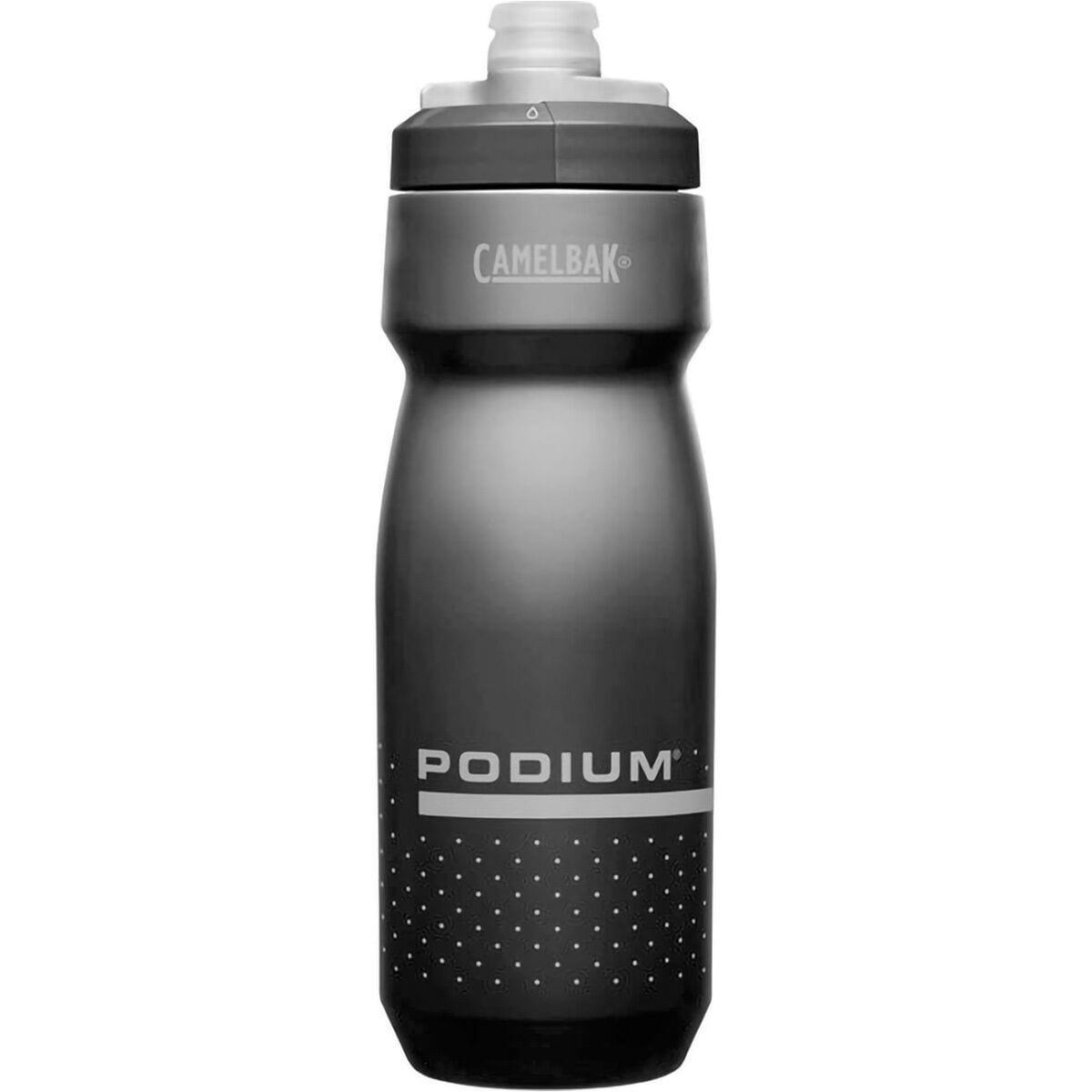
CamelBak Podium 24oz Water Bottle
Spill-proof, self-sealing Jet Valve and positive lockout eliminates leaks. BPA-free TruTaste polypropylene is safer than polycarbonate and won't distort water taste.
- Self-sealing Jet Valve
- Positive lockout
- Removable lid for cleaning
- BPA-free
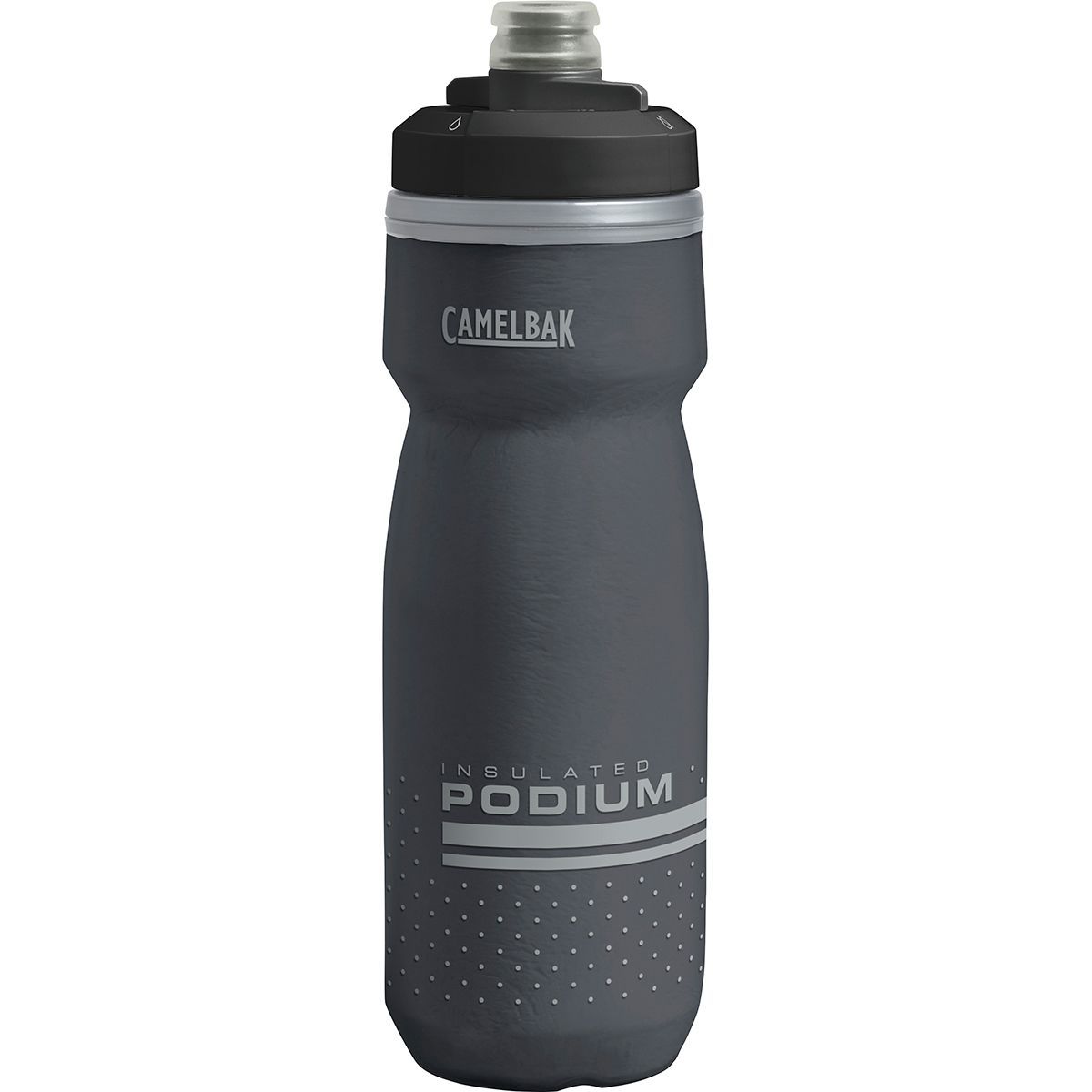
CamelBak Podium Chill Insulated 21oz Water Bottle
Keeps water cold from first hour to last. HydroGuard insulation keeps beverages chilled twice as long as regular sports bottles. Perfect for bike cages.
- HydroGuard insulation
- Fits bike cages
- Spill-proof Jet Valve
- BPA-free
Accessories
Protect your investment with these helpful additions.
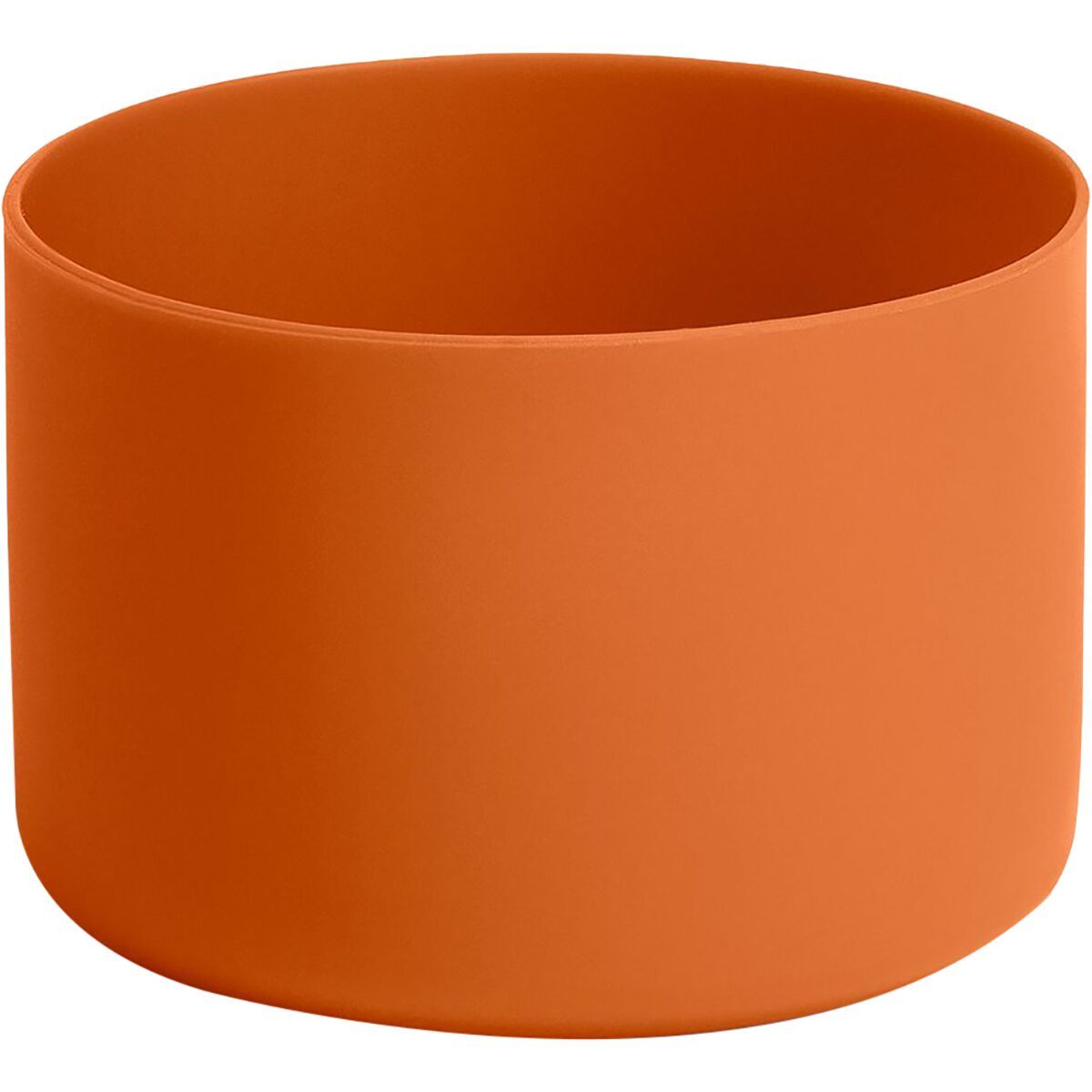
Hydro Flask Small Bottle Boot
Silicone sleeve that grips tables to help prevent drops and protects against dings and scratches. Essential for kids who are rough on their gear.
- Easy to remove
- Grips tables
- Protects from dings
- Multiple colors
Frequently Asked Questions
How often should kids drink water at school?
Children should drink water throughout the day, not just when thirsty. A good rule of thumb is to take a few sips every 15-20 minutes during active play, and drink at least 4-8 oz with meals and snacks. The Institute of Medicine recommends about 5-7 cups (40-56 oz) of water daily for kids ages 4-8, and 7-8 cups (56-64 oz) for kids 9-13. Active kids and those in hot weather need more.
How do I get the smell out of my child's water bottle?
Fill the bottle with a mixture of warm water and 1-2 tablespoons of baking soda. Let it soak overnight with the lid off. For stubborn odors, try a 1:4 mixture of white vinegar and water, or use bottle cleaning tablets. Always air dry completely with the lid off before storing. If odors persist, the problem may be in the lid or straw - soak these separately or replace them.
Are stainless steel bottles safe for kids?
Yes, food-grade stainless steel (18/8 or 304 grade) is one of the safest materials for water bottles. It doesn't leach chemicals into water, doesn't retain flavors, and is naturally BPA-free. The only concern is weight - stainless steel bottles are heavier than plastic, which can be challenging for very young children. For toddlers and preschoolers, a lightweight BPA-free plastic bottle may be more practical.
Can my child put their water bottle in the dishwasher?
It depends on the bottle. Most plastic bottles are top-rack dishwasher safe. However, insulated stainless steel bottles should be hand washed only - the high heat of a dishwasher can damage the vacuum seal that provides insulation. Always check the manufacturer's instructions. Lids with straws and moving parts often do better with hand washing to prevent damage and ensure thorough cleaning.
How long does an insulated bottle keep water cold?
Quality insulated stainless steel bottles can keep water cold for 12-24 hours or more. Hydro Flask and similar brands claim up to 24 hours of cold retention. For best results, pre-chill the bottle by storing it in the fridge overnight, and add ice cubes when filling. A full bottle stays cold longer than a partially full one. Some insulation is lost each time the bottle is opened.
What should I do if my child won't drink enough water?
Let your child pick out their own water bottle in a favorite color or with a character they love - they're more likely to use something they helped choose. Try adding fruit slices (lemon, strawberry, cucumber) for natural flavor. Set reminders or use a bottle with time markers. Make drinking water a family activity. If they prefer cold water, invest in a good insulated bottle. Sometimes switching bottle types (straw vs. flip-top) makes a big difference.
When should I replace my child's water bottle?
Replace plastic bottles when they become scratched, cloudy, or stained, as scratches can harbor bacteria. Replace straws and gaskets every 3-6 months, or immediately if you see mold. Stainless steel bottles can last for years but should be replaced if they develop deep dents, rust spots, or lose their insulation effectiveness. Replace the lid if it no longer seals properly or if the mechanism becomes difficult to operate.
Related Guides
Ready to Find the Perfect Water Bottle?
Browse quality water bottles, insulated gear, and outdoor equipment at Backcountry. New customers get 15% off their first order.
Shop Water BottlesAffiliate Disclosure: ParentCalc may earn a commission from purchases made through links on this page at no additional cost to you. We only recommend products we believe in. Prices and availability are subject to change.