Traveling with Baby: Complete Guide 2026
Everything you need for stress-free travel with babies and toddlers, from TSA rules and airline policies to hotel stays and managing jet lag
2026 Product Picks
Our latest product roundups related to this guide:
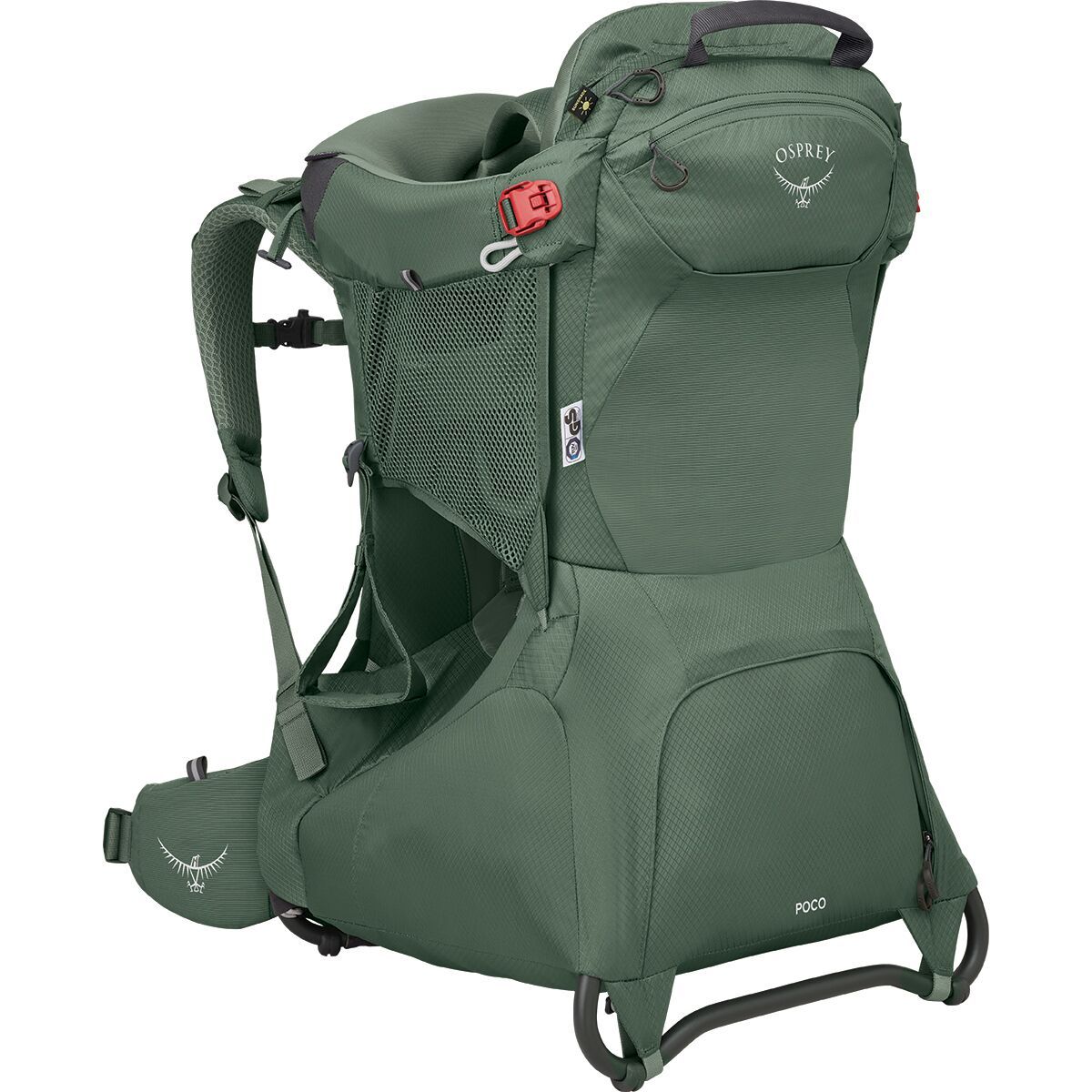
Osprey Packs Poco Child Carrier
Adventure-ready child carrier with Double Halo harness, adjustable stirrups, and integrated sunshade. Ventilated Airspeed back panel keeps parents cool. 24L of cargo space for diapers, snacks, and gea...
- Integrated sunshade
- Airspeed back panel
- Double Halo harness
- 24L cargo space
Traveling with a baby or toddler might seem daunting, but with the right preparation, it can be a rewarding adventure for the whole family. Whether you're flying across the country, driving to visit grandparents, or embarking on your first family vacation, this guide covers everything you need to know to travel confidently with your little one.
Flying Tips
TSA rules, airline policies, and strategies for happy flights with infants and toddlers.
Road Trip Ready
Car seat safety, timing strategies, and keeping babies content on long drives.
Sleep Solutions
Managing naps, bedtime routines, and jet lag when away from home.
Flying with Babies
Air travel with infants is more manageable than you might think. Understanding airline policies and preparing properly makes all the difference.
Airline Policies for Babies
Lap Infants (Under 2)
- Most airlines allow infants under 2 to fly free as "lap infants"
- International flights often charge 10% of adult fare for lap infants
- Proof of age (birth certificate) may be required
- One lap infant per adult passenger
Booking a Seat for Baby
- Recommended for flights over 3 hours
- Use FAA-approved car seat on flight
- CARES harness approved for 22-44 lb children
- Car seat must fit in airplane seat (check dimensions)
What Airlines Typically Provide
Free Check Items
- Car seat (gate check free)
- Stroller (gate check free)
- Pack 'n Play / travel crib
- Diaper bag (doesn't count as carry-on)
On Request
- Bassinet (long-haul, book early)
- Bulkhead seats
- Warm water for bottles
- Extra blankets
Boarding
- Pre-boarding for families (most airlines)
- Priority security lanes at some airports
- Family restrooms in terminals
Tips for Happy Flights
Before the Flight
- Book flights during nap time or bedtime when possible
- Choose aisle seats for easy access to walk/change diapers
- Avoid tight connections, allow extra time for everything
- Download airline app for mobile boarding passes
During the Flight
- Feed during takeoff/landing to help with ear pressure
- Bring more diapers and snacks than you think you need
- Have a "new toy" for entertainment emergencies
- Accept that some fussing is normal, breathe and stay calm
TSA Rules for Baby Items
The TSA has special rules for traveling with infants that make flying with baby supplies much easier than most parents realize.
Formula, Breast Milk & Baby Food
What's Allowed
- Formula, breast milk, and juice for infants exempt from 3.4oz liquid rule
- Reasonable quantities allowed (typically up to a day's supply)
- Baby food in jars or pouches allowed
- Ice packs and gel packs for keeping items cool
Screening Process
- Declare these items at the beginning of screening
- Remove from bag and place in separate bin
- Additional screening may be required (vapor test)
- You do NOT need baby present to bring breast milk
Other Baby Items Through Security
| Item | Carry-On | Checked | Notes |
|---|---|---|---|
| Stroller | Gate check free; fold at security | ||
| Car Seat | Gate check free; use on plane if baby has seat | ||
| Diaper Bag | Extra item, doesn't count as carry-on | ||
| Baby Carrier/Wrap | Baby must be removed for screening | ||
| Blankets | No restrictions | ||
| Diaper Cream | Medically necessary items allowed | ||
| Children's Tylenol | Liquid exceeding 3.4oz allowed; declare at screening |
Road Trips with Infants
Road trips offer flexibility that flying can't, you can stop whenever you need, bring more gear, and control the environment. Here's how to make long drives work with a baby.
Timing Strategies
Best Times to Drive
- Early morning (4-6 AM): Baby often sleeps through first few hours
- Nap time departure: Start driving 15 min before usual nap
- After bedtime: For very long drives, nighttime driving works
How Often to Stop
- Newborns: Every 1.5-2 hours (they shouldn't stay in car seat too long)
- 3-12 months: Every 2-3 hours for feeding, diaper, stretch
- Toddlers: Every 2-3 hours for energy release
Car Seat Safety Reminders
- No bulky coats, use thin layers plus blankets
- Harness straps should be snug ("pinch test")
- Chest clip at armpit level
- Rear-facing as long as possible (until seat limits)
- Never leave baby in car seat outside the car
- Remove car seat toys for sleeping
Keeping Baby Content
0-6 Months
- Mirror attached to back seat
- High-contrast toys
- Soft music or white noise
- Singing and talking
6-12 Months
- Toys attached to car seat
- Board books
- Finger foods/snacks
- Peek-a-boo games
12-24 Months
- Tablet with downloaded content
- Sticker books
- Snack variety
- Songs and audiobooks
Child Carriers for Travel & Adventures
For active families, a quality child carrier opens up hiking trails, airport navigation, and sightseeing adventures. These carriers distribute weight comfortably while keeping baby secure and happy.
Osprey Packs Poco Child Carrier
Adventure-ready child carrier with Double Halo harness, adjustable stirrups, and integrated sunshade. Ventilated Airspeed back panel keeps parents cool. 24L of cargo space for diapers, snacks, and gear. Made with 100% recycled nylon.
- Double Halo harness
- Integrated sunshade
- 24L cargo space
- Machine-washable drool pad
Osprey Packs Poco SLT Child Carrier
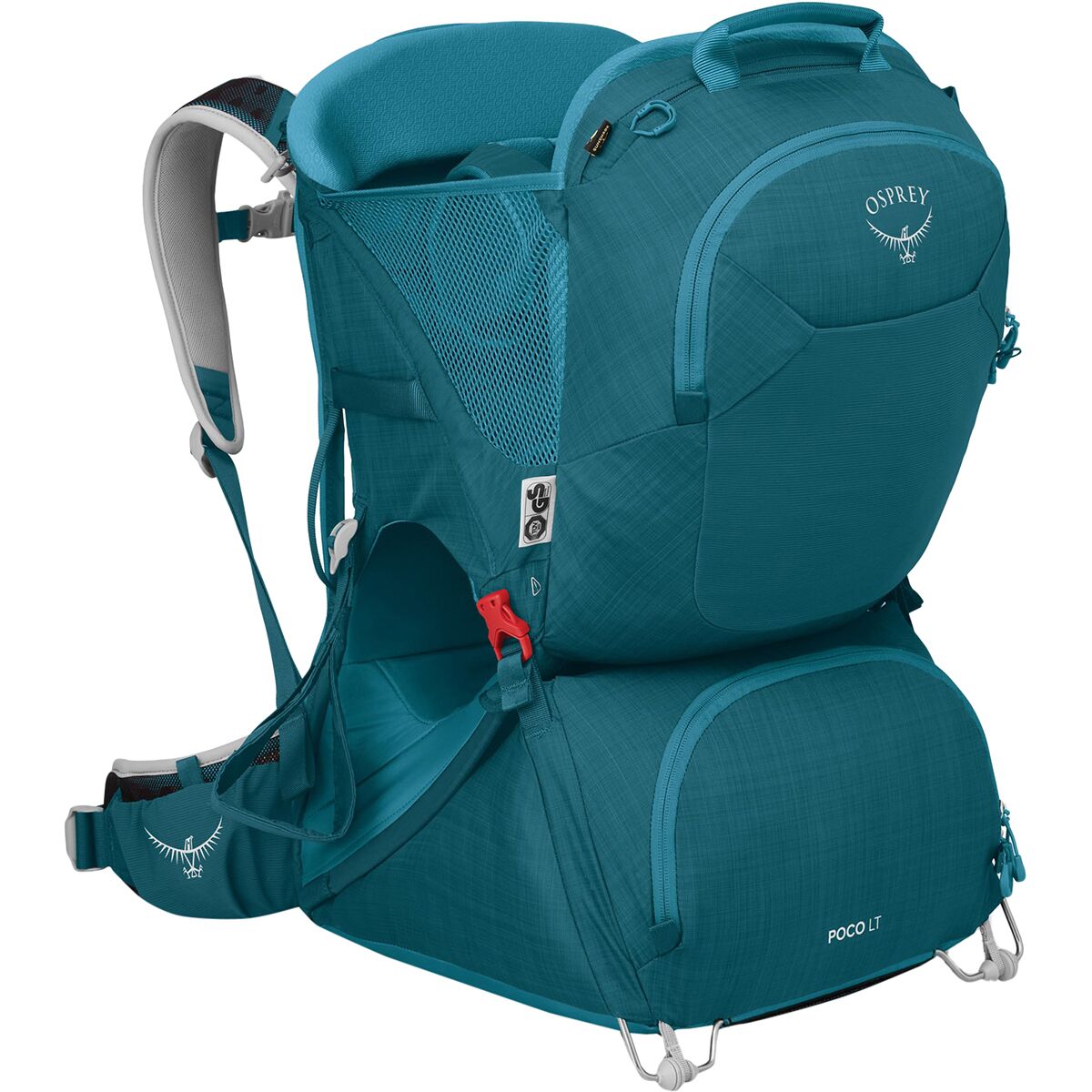
Streamlined, lightweight design for shorter trails and everyday adventures. Patented lightweight frame folds flat for storage. Ventilated AirScape suspension and adjustable fit. Compatible with optional UPF 50 sunshade.
- Folds flat for storage
- AirScape suspension
- Adjustable fit
- bluesign certified

Kelty Journey PerfectFIT Elite 26L Backpack
Premium child carrier with PerfectFIT Suspension System that adjusts easily between parents. Wide seat and adjustable foot stirrups grow with baby. Five-point harness ensures security. Integrated sunshade and multiple storage pockets.
- PerfectFIT Suspension
- Five-point harness
- Integrated sunshade
- Storage pockets
Packing Essentials for Baby Travel
The key to packing for baby travel: bring more of the essentials (diapers, wipes, formula) and less of everything else. Here's what actually matters.
Diaper Bag Must-Haves
- Diapers (1 per hour + extras)
- Wipes (full pack)
- Changing pad
- Diaper cream
- 2-3 changes of clothes
- Plastic bags for dirty items
- Hand sanitizer
Feeding Supplies
- Formula (pre-measured or ready-to-feed)
- Bottles + extra nipples
- Nursing cover (if breastfeeding)
- Baby food pouches/jars
- Spoons
- Bibs
- Snacks (puffs, crackers)
Sleep Items
- Travel crib or Pack 'n Play
- Fitted crib sheet (familiar smell)
- Sleep sack
- White noise machine/app
- Blackout curtains or shades
- Comfort item (lovey, if used)
- Pacifiers (extras)
Health & Safety
- Infant Tylenol/Motrin
- Thermometer
- Nasal aspirator
- Gas drops
- Baby sunscreen (6+ months)
- Insurance cards
- Pediatrician contact info
Entertainment
- 2-3 favorite toys
- 1-2 new toys (reveal as needed)
- Board books
- Teethers
- Crinkle toys
- Tablet with downloaded content (toddlers)
Gear: Bring vs. Rent
- Bring: Car seat, stroller, baby carrier
- Consider renting: Crib, high chair, toys
- Baby gear rental companies: BabyQuip, Baby's Away
- Hotels: Often have cribs available (request in advance)
Travel Hydration & Feeding Gear
Quality insulated containers keep food and drinks at safe temperatures during travel. These items make feeding easier whether you're in a terminal, on a plane, or at your destination.
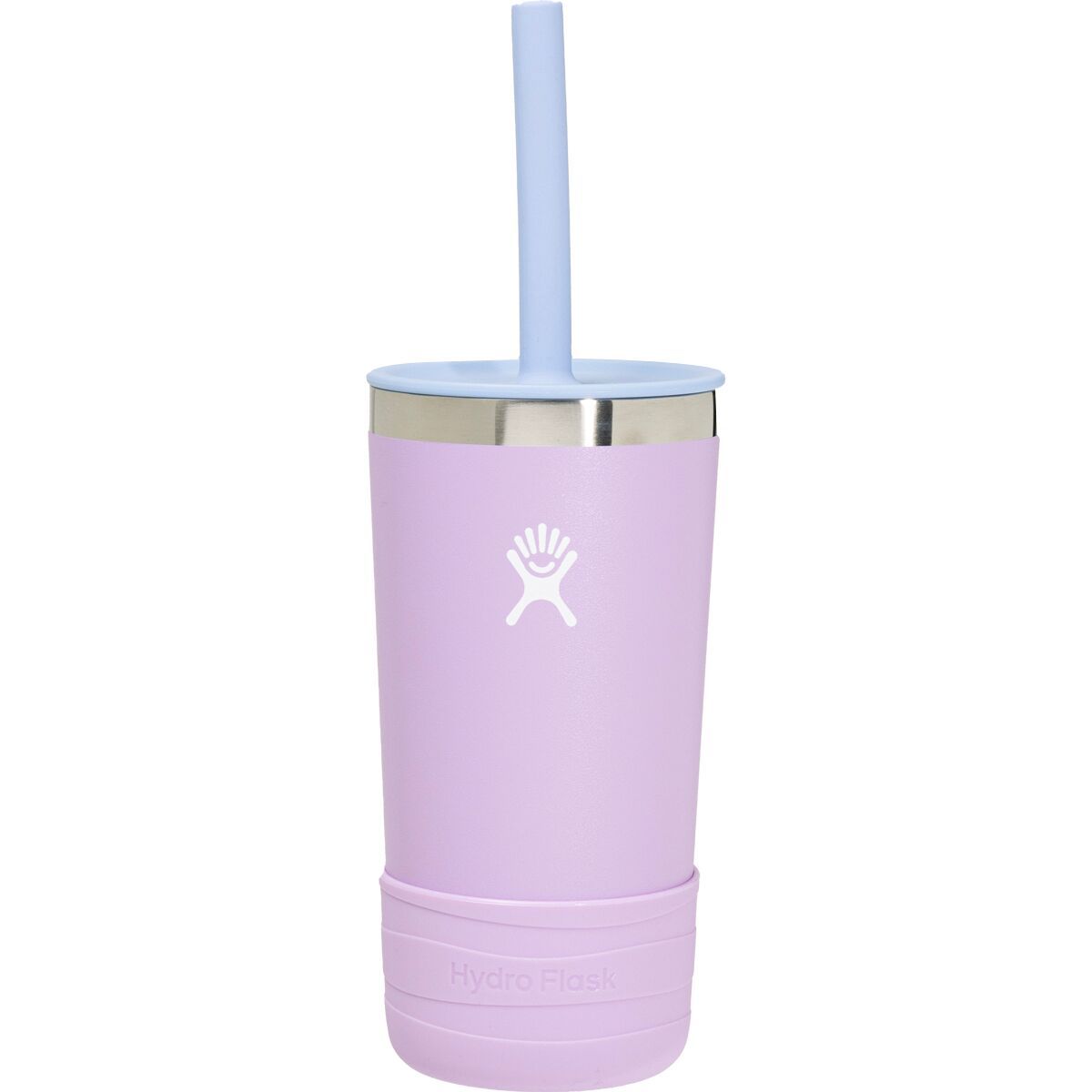
Hydro Flask 12oz Tumbler + Straw & Boot - Kids'
Award-winning insulation keeps drinks at ideal temperature during flights and road trips. Press-In Straw Lid with soft flexible straw is spill-resistant. Colorful boot protects against drops. Dishwasher safe for easy cleaning.
- TempShield insulation
- Spill-resistant straw
- Protective boot
- Dishwasher safe
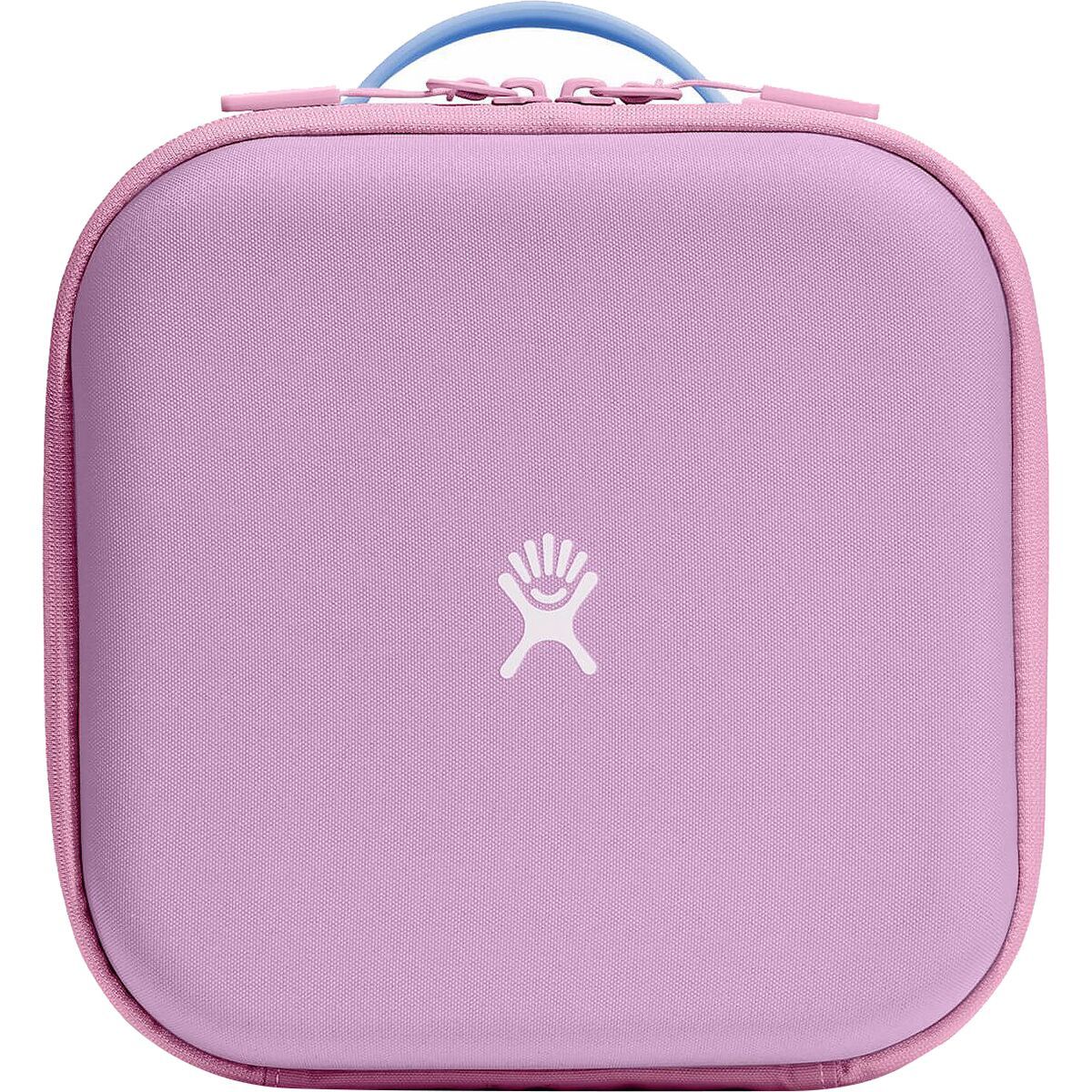
Hydro Flask Small Insulated Lunch Box - Kids'
Keep snacks and meals fresh during travel. Reliable insulation maintains temperature for hours. Vibrant design kids love. Easy to clean interior for quick wipe-downs between uses.
- Reliable insulation
- Kid-friendly design
- Easy to clean
- Durable construction
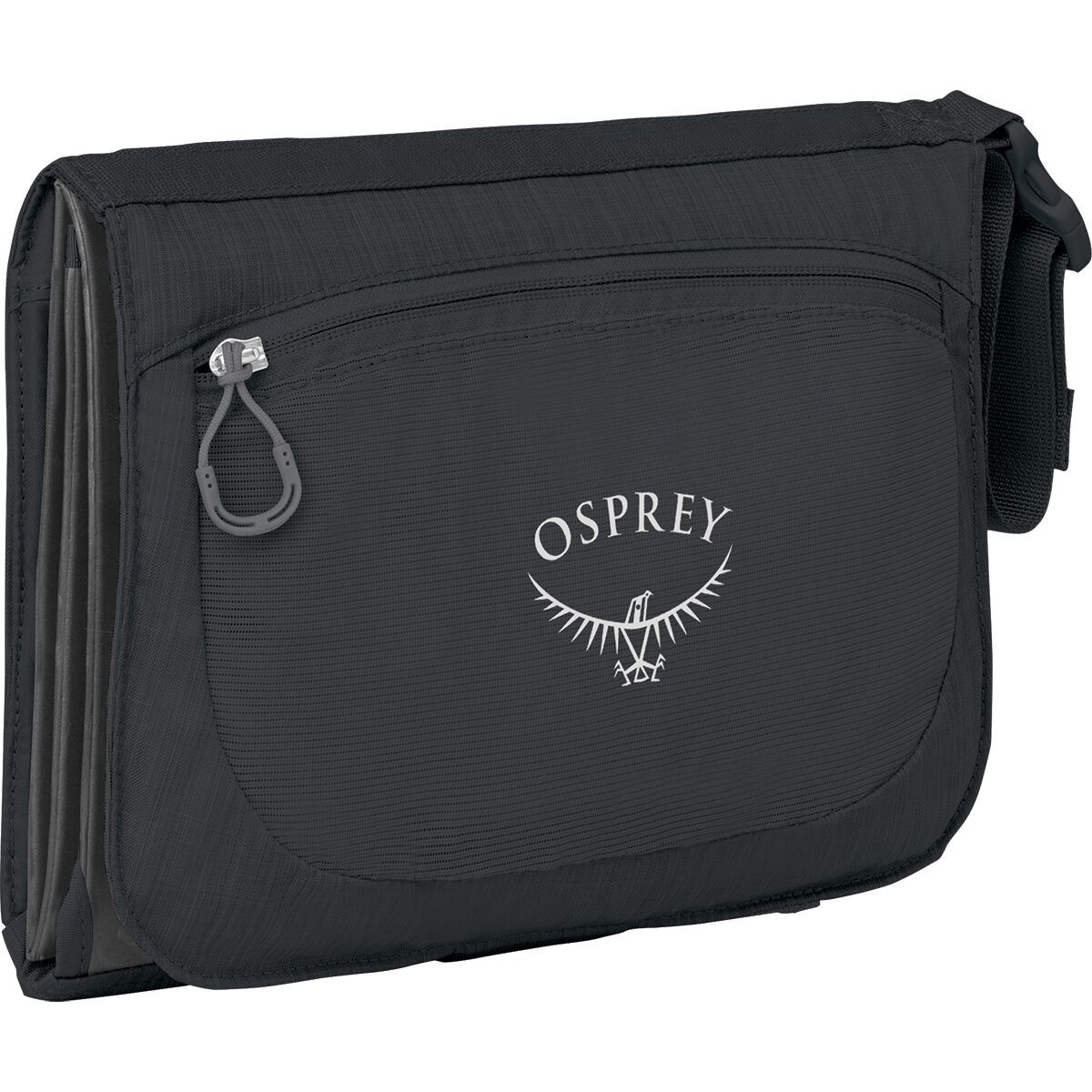
Osprey Packs Poco Changing Pad
Portable changing solution for travel. Converts any bag with laptop sleeve into changing station. Secure closure, stroller attachment, wipes pocket and diaper pocket. bluesign certified product.
- Fold-out design
- Stroller attachment
- Wipes pocket
- Diaper storage
Hotel Stays with Babies
A little planning makes hotel stays with babies much smoother. Here's how to set up for sleep success and manage the unique challenges of shared room sleeping.
Booking the Right Room
What to Request
- Crib (pack 'n play), request at booking
- Quiet room away from elevator/ice machine
- Room with kitchenette or microwave
- Ground floor for stroller access
- Mini-fridge for milk/formula storage
Room Types to Consider
- Suite with separate room: Best for sleep separation
- Connecting rooms: One room as nursery
- Vacation rental: More space, kitchen, multiple bedrooms
- Standard room: Use bathroom or closet as sleep space
Setting Up for Sleep Success
Create a Sleep Space
- Set up crib in darkest corner or closet/bathroom
- Use portable blackout curtains or garbage bags on windows
- Run white noise machine loudly
- Bring familiar sheet from home (smells like comfort)
Managing Shared Room Sleep
- Do bedtime routine in dim bathroom light
- Parents stay in bathroom after baby's asleep
- Keep TV volume very low with subtitles
- Go to bed early yourself, it's temporary
Quick Hotel Baby Proofing
Outlets
Bring outlet covers or tape over unused outlets
Cords
Tie up blind cords, lamp cords, phone chargers
Sharp Corners
Cover nightstand corners with washcloths
Floors
Scan for small objects, check under furniture
Feeding While Traveling
Maintaining feeding routines while traveling helps keep babies happy and healthy. Here's how to handle breastfeeding, formula, and solids on the go.
Breastfeeding While Traveling
On Planes
- Nursing during takeoff/landing helps ears
- Window seat offers more privacy
- Cover or no cover, your choice (federally protected)
- Stay extra hydrated (ask for water frequently)
At Destination
- Locate nursing rooms at airports, malls, attractions
- Baby carrier makes nursing anywhere easier
- Expect possible temporary supply changes from stress
- Bring hand pump or Haakaa for comfort
Formula Feeding While Traveling
Packing Options
- Ready-to-feed bottles: Most convenient, heaviest
- Pre-measured powder: Lighter, mix with bottled water
- Formula dispensers: Pre-portion scoops for easy mixing
- Bring enough for entire trip + 2 extra days
On the Go Tips
- Ask flight attendants to warm bottles
- Bottle warmers that use hot water work anywhere
- Most babies accept room temp bottles while traveling
- Sterilize with microwave bags or purchase at destination
Solid Foods on the Road
Easy Travel Foods
- Pouches (no spoon needed)
- Puffs and teething crackers
- Bananas (natural packaging)
- Avocado
- Shredded cheese
Eating Out Tips
- Order steamed veggies/plain pasta
- Bring suction plate from home
- Request high chair early
- Eat at off-peak times
- Tip generously for messes
Skip While Traveling
- New foods (allergy risk away from home)
- Messy foods (berries, spaghetti)
- Foods requiring refrigeration
- Too much sugar/new flavors
Cozy Travel Layers for Little Ones
Airplane cabins and destinations can vary wildly in temperature. These soft, versatile layers keep babies and toddlers comfortable throughout the journey.
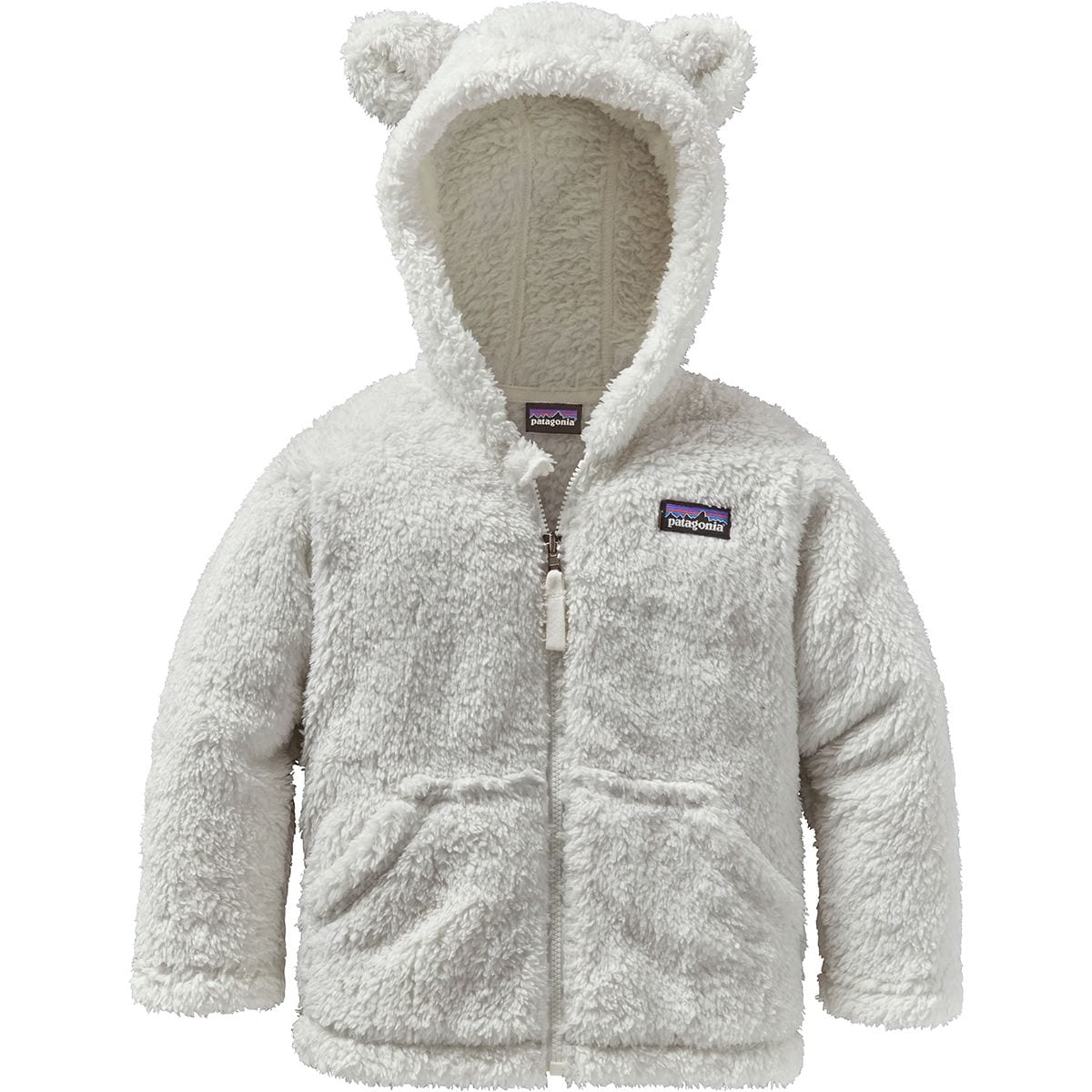
Patagonia Furry Friends Fleece Hooded Jacket - Toddlers'
Soft 100% recycled polyester fleece perfect for airplane cabins and cool destinations. Fixed hood with adorable ears. Cotton-twill tape reduces seam irritation. Hand pockets for tiny treasures. Machine washable for easy care.
- 100% recycled fleece
- Hood with ears
- Machine washable
- Soft seams
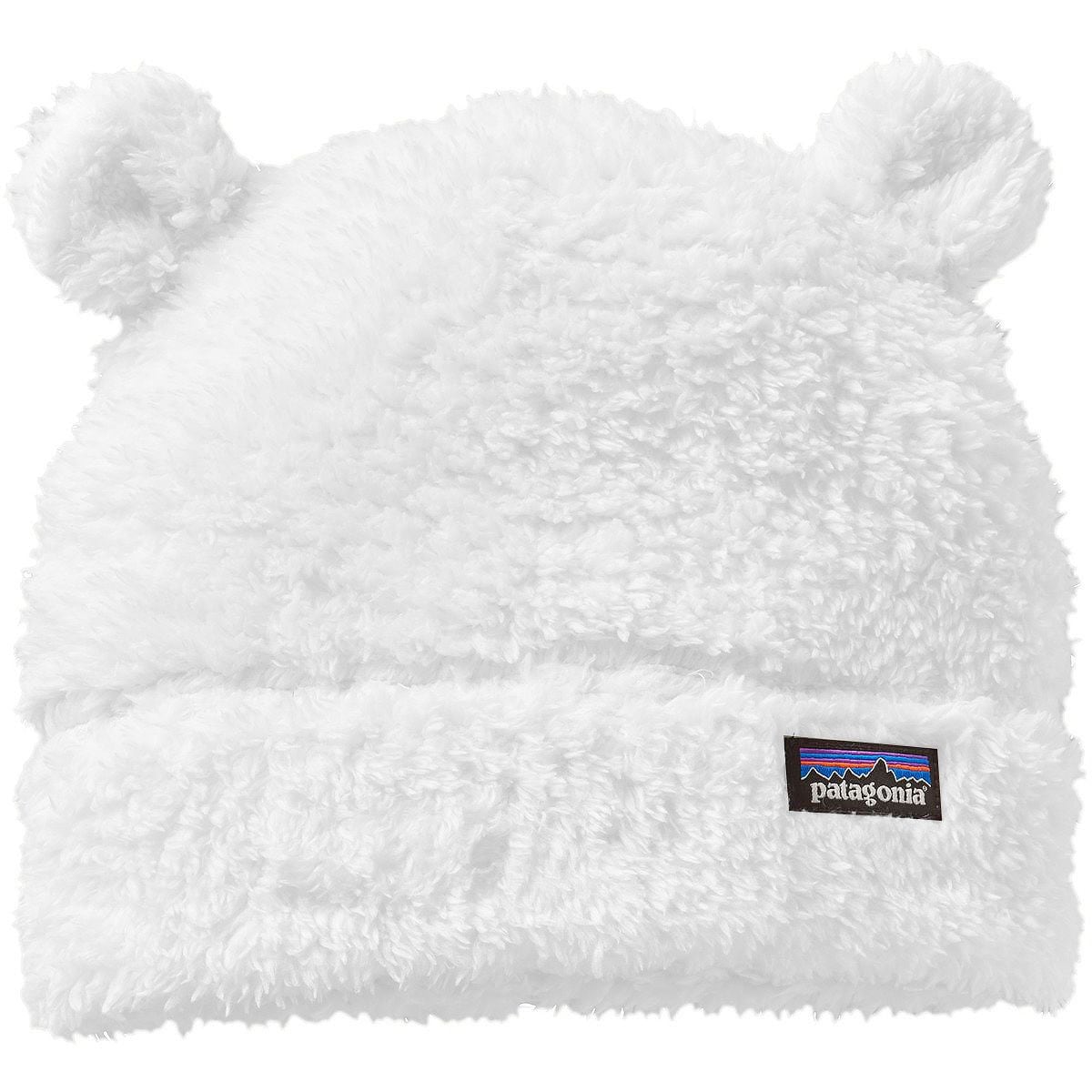
Patagonia Baby Furry Friends Hat - Infants'
Plush fleece hat keeps little heads warm during winter travel. Made with 30% recycled materials. Cozy construction perfect for cold destinations or chilly airplane cabins.
- Plush fleece pile
- 30% recycled
- Soft and cozy
- Cold-weather ready
Managing Jet Lag with Kids
Jet lag affects babies and toddlers just like adults, but with the right approach, you can minimize disruption and help everyone adjust faster.
Before You Travel
Shift Schedule Gradually
- Start shifting bedtime 15-30 min per day, 4-5 days before trip
- Traveling east: Move bedtime earlier
- Traveling west: Move bedtime later
- For short trips (3 days or less), consider keeping home schedule
Choose Flights Wisely
- Red-eye flights: Baby may sleep most of the way
- Arrive evening local time: Can go straight to bed
- Direct flights when possible (even if more expensive)
At Your Destination
Light Exposure Strategy
- Morning light: Get outside first thing for 30+ minutes
- Dim lights evening: Signals body it's approaching sleep
- Dark room: Use blackout curtains for sleep times
- Avoid screens: Blue light delays melatonin
Schedule Flexibility
- Follow local time immediately for meals/activities
- Allow one "off schedule" nap first day if needed
- Don't force bedtime too early, will cause early wake
- Plan low-key activities first 1-2 days
Jet Lag Recovery Timeline
General rule: One day of adjustment per time zone crossed. Babies often adjust faster than adults.
Everyone tired. Allow extra nap. Don't expect much.
Some night waking normal. Stay consistent with routine.
Most babies adjusted. Sleep improving.
Back to normal. Enjoy your trip!
Kids Travel Backpacks
For toddlers and preschoolers, having their own backpack creates ownership and excitement about the trip. These kid-sized packs are comfortable for little bodies.
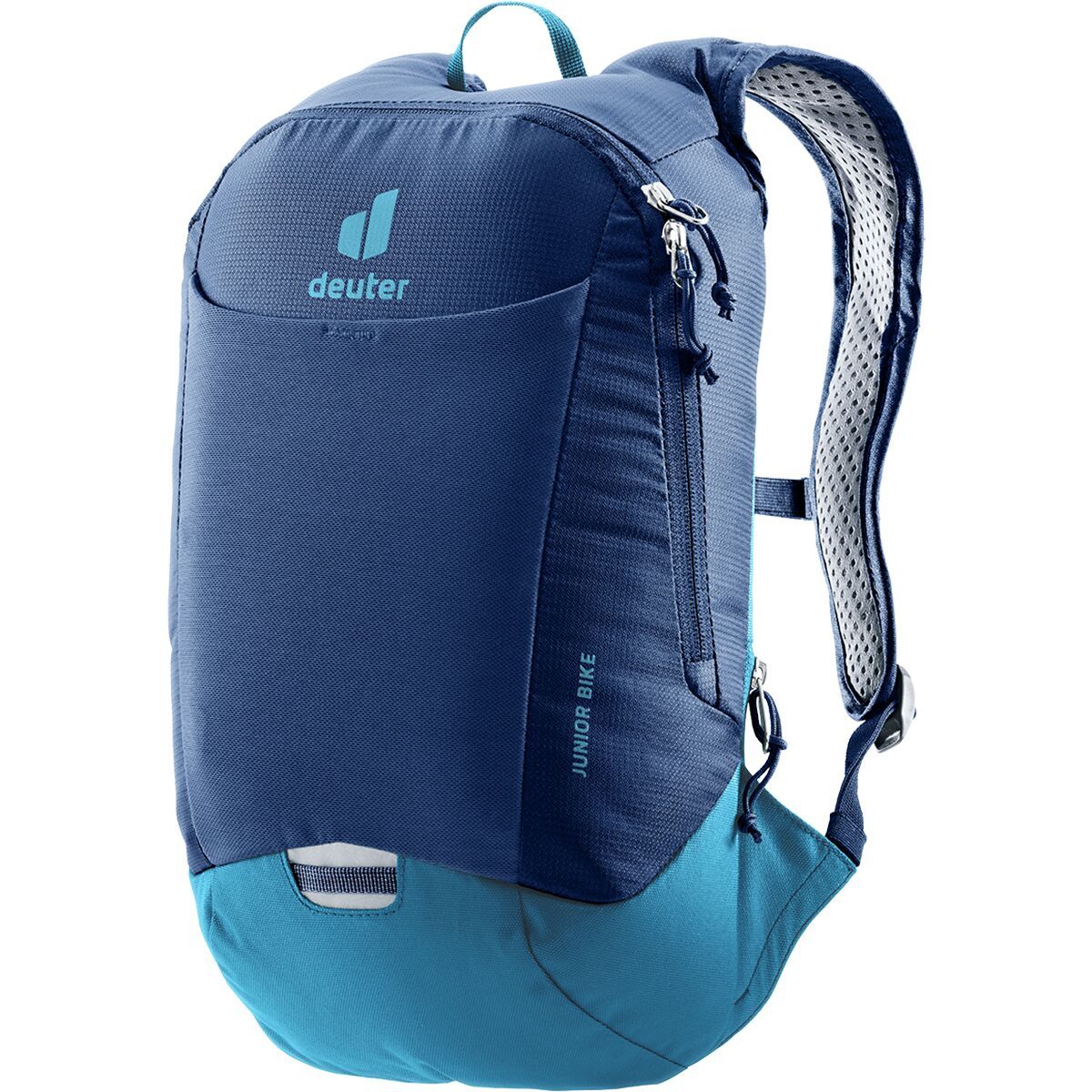
Deuter Junior 18L Backpack - Kids'
Perfect for kids to carry their own travel essentials. S-curved shoulder straps for all-day comfort. Ventilated Airstripes back panel keeps kids cool. Multiple pockets for organizing toys, books, and snacks.
- S-curved shoulder straps
- Airstripes back panel
- Multiple pockets
- Recycled materials
Frequently Asked Questions
When is it safe to fly with a newborn?
Most airlines allow healthy, full-term babies to fly as early as 2-7 days old. However, most pediatricians recommend waiting until 2-3 months when the immune system is stronger. Premature babies or those with health conditions should get clearance from their pediatrician. Always consult your doctor before flying with a newborn.
Should I buy a seat for my baby on the plane?
For flights over 3 hours, buying a seat and using an FAA-approved car seat is recommended for safety and comfort. The FAA considers it the safest option. For shorter flights, lap infant is generally fine, though takeoff/landing can be challenging. Consider the cost vs. comfort trade-off based on your specific trip.
How do I help my baby's ears during takeoff and landing?
Breastfeeding, bottle feeding, or giving a pacifier during takeoff and landing helps babies swallow, which equalizes ear pressure. Start feeding as the plane begins its descent (about 20 minutes before landing). If baby is congested, consult your pediatrician about saline drops before the flight.
How much formula/breast milk can I bring through TSA?
Formula, breast milk, and juice for infants are exempt from the 3.4oz liquid rule. You can bring reasonable quantities (typically a day's worth or more) in carry-on. Declare these items at the beginning of screening. The TSA may do additional screening but will not require you to open sealed containers. You do not need to have a baby with you to bring breast milk.
What if my baby cries the whole flight?
First, remember that crying is normal and most passengers are more understanding than you fear. Try feeding, walking the aisle, changing positions, or offering a new toy. White noise apps can help. If all else fails, breathe, stay calm (babies sense stress), and remember the flight will end. Consider a brief apology to nearby passengers, most will appreciate the acknowledgment.
How do I maintain baby's sleep schedule while traveling?
Keep your bedtime routine consistent (same songs, books, sleep sack). Recreate the sleep environment as closely as possible: white noise, darkness, familiar sheet from home. For time zone changes, adjust gradually and prioritize morning light exposure. Accept that some disruption is inevitable and things will normalize when you return home.
Is it worth bringing our own car seat when flying?
Yes, especially for road trips at your destination. Gate-check your car seat for free on most airlines. Benefits: you know it's been properly maintained, baby is familiar with it, and you have it immediately at your destination. Use a car seat travel bag to protect it. Avoid renting car seats when possible, you can't verify their history.
What's the best stroller for travel?
Look for: lightweight (under 15 lbs), compact fold (fits in overhead bin if possible), one-hand fold, good wheels for various terrain. Umbrella strollers work for toddlers; travel systems are better for younger babies. Consider a stroller bag to protect it during gate check. Some families prefer baby carriers for airport navigation and stroller for destination exploring.
Great for Travel Days

Tushbaby Hip Seat Carrier
A travel-day lifesaver through airports, museums, and sightseeing, pop baby on your hip without lugging a full carrier, and use the built-in pockets for your phone, passport, and a bottle. Folds flat in the diaper bag when you don't need it.
Affiliate link. We may earn a commission, at no extra cost to you. Price and availability subject to change.
Related Guides
Family Road Trip Guide
Complete guide to road trips with older kids, including packing lists and entertainment ideas.
Car Seat Safety
Everything you need to know about car seat safety, selection, and installation.
Beach Vacation with Kids
Sun safety, gear recommendations, and tips for beach trips with babies and toddlers.
Ready for Your Family Adventure?
Stock up on travel essentials at Backcountry. New customers get 15% off their first order on quality brands like Osprey, Hydro Flask, and Patagonia.
Shop Baby Travel GearAffiliate Disclosure: ParentCalc may earn a commission from purchases made through links on this page at no additional cost to you. We only recommend products we believe in. Prices and availability are subject to change.