When Do Babies Pull Up to Stand?
Pulling up is a major milestone on the path to walking! Learn when to expect it, how to keep your baby safe, and what comes next.
The Quick Answer
Most babies start pulling up to stand between 8 and 12 months of age, with the average around 9-10 months. This exciting milestone means your baby is developing the leg strength, balance, and coordination needed for walking. Once they're pulling up, cruising and first steps typically follow within a few months!
Why Pulling Up Is a Big Deal
Pulling up to stand is a major gross motor milestone that signals your baby is getting ready to walk. Here's what this achievement represents:
Leg Strength
Your baby's legs are now strong enough to support their body weight. All that kicking and crawling has built serious muscle!
Balance Development
Standing requires complex balance. Your baby's vestibular system (inner ear balance) is maturing and coordinating with visual input.
Motor Planning
Pulling up requires planning a sequence of movements - gripping, pulling, shifting weight, straightening legs. This is complex motor planning!
Determination & Problem-Solving
Your baby saw something interesting up high and figured out how to get there. This shows motivation, persistence, and problem-solving!
From Sitting to Walking: The Full Timeline
Strong sitting with support
Baby can sit when propped or held, building core strength
Sitting independently
Sits without support, demonstrating the core control needed for standing
Gets to sitting position alone
Can push up to sitting from lying down - shows strength and coordination
First pull-up attempts
Starts trying to pull up on furniture, may fall back down
Pulls to standing
Successfully pulls to standing and holds the position
Cruising
Walks sideways while holding furniture for support
Standing alone & first steps
Stands without support and takes first independent steps
Critical Safety Steps When Baby Pulls Up
Pulling up means your home needs to be baby-proofed for a new level of mobility. Do these things NOW:
Lower the crib mattress
Once your baby pulls up in the crib, lower the mattress to the lowest setting immediately to prevent falls.
Secure all furniture
Anchor bookshelves, dressers, and TVs to the wall. Babies will pull on anything to stand up.
Remove tablecloths
Babies grab tablecloths to pull up, potentially pulling heavy items down on themselves.
Cover sharp corners
Coffee tables and furniture corners are now at face height. Use corner protectors.
Gate the stairs
Install baby gates at top and bottom of stairs once baby is mobile.
Create a safe practice space
Set up a play area with stable furniture at the right height for safe practice.
How to Encourage Pulling Up Safely
Provide stable furniture to practice on
A sturdy coffee table, couch, or ottoman at the right height gives baby something safe to grab. Avoid wobbly or lightweight furniture.
Place motivating toys up high
Put interesting toys on the couch or low table to motivate your baby to pull up and reach for them.
Let them use you as support
Sit on the floor and let your baby pull up on your shoulders or hands. This builds confidence in a supported way.
Practice in the crib
Crib rails are perfect for pulling practice - just make sure the mattress is at the lowest setting!
Dress for success
Bare feet or non-slip socks give better grip than slippery sleepers. Avoid long pants that bunch under feet.
Don't rush or force it
Babies will pull up when they're ready. Excessive 'walking practice' or standing them before they can do it themselves doesn't help.
Help! My Baby Is Stuck Standing Up!
It's very common for babies to learn to pull up before they figure out how to get back down. Your baby might stand in the crib crying at 2 AM because they can't sit back down!
What to do:
- During the day, practice bending their knees and lowering to sitting. Guide them through the motion.
- Show them how to "plop" their bottom down while holding furniture.
- At night, calmly help them back down but try not to make it exciting - you don't want it to become a game!
- This phase usually lasts 1-2 weeks as they master the skill.
When to Talk to Your Pediatrician
Gross motor development varies widely, and many babies are late pullers-up for perfectly normal reasons. Consider mentioning it at your next visit if:
- Your baby is not pulling up by 12 months
- Your baby's legs seem stiff or very floppy when standing
- One side of the body seems weaker than the other
- Your baby was pulling up but has stopped or regressed
- Your baby is not sitting independently by 9 months
Remember: Premature babies often reach motor milestones later based on their adjusted age, not birth age.
Frequently Asked Questions
Related Milestone Guides
Track All Your Baby's Milestones
Use our free Milestone Tracker to monitor your baby's gross motor development.
Open Milestone Tracker→Once they are moving, the house has to change
Every milestone on this page ends with a child who can reach something new. These are the four that matter first, roughly in the order you will need them.
 Dreambaby Newport Adapta Baby Gate
Rated for the top of stairs, which most pressure-fit gates are not. The one that matters once they can climb.
Check price on Amazon → Furniture Anchors, 10 Pack
Anti-tip straps for dressers and bookcases. Furniture tip-overs are the injury pulling-up creates.
Check price on Amazon →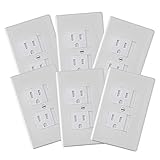 Self-Closing Outlet Covers, 6 Pack
Slide shut on their own, so they still work on the day someone forgets to put the plug back.
Check price on Amazon →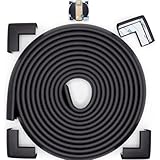 Roving Cove Corner and Edge Protector
Coffee-table corners sit at exactly head height for a child learning to walk.
Check price on Amazon →As an Amazon Associate we earn from qualifying purchases, at no extra cost to you.