Most babies take their first independent steps between 9-15 months old, with the average being around 12 months. But the normal range is wide - some walk at 9 months, others not until 18 months.
Walking Timeline
Weight Bearing
Bouncing when held in standing position, supporting weight on legs.
Pulling to Stand
Using furniture, crib rails, or your hands to pull up to standing.
Cruising
Walking sideways while holding furniture. May cruise around entire room!
Standing Alone
Letting go of support briefly, standing for a few seconds independently.
First Steps!
2-3 wobbly steps between furniture pieces or to a parent's arms.
Confident Walker
Walking is primary mode of transport. Starting to run (watch out!)
Signs Baby Is Getting Ready to Walk
How to Encourage Walking
- Barefoot is best: Bare feet grip better and help develop foot muscles. Indoors, skip the shoes.
- Create cruising paths: Arrange furniture close enough to cruise between pieces
- Use push toys: Weighted push toys (not walkers with seats) help practice
- Hold hands, then one hand: Walk together, then graduate to one hand support
- Cheer them on: Get down at their level a few feet away and encourage them
- Let them fall: Falling is part of learning. Safe falls on soft surfaces teach balance
⚠️ Skip the Baby Walkers
The AAP recommends AGAINST seated baby walkers because:
- • They don't help babies learn to walk (may actually delay it)
- • Serious injury risk - falls down stairs, tips over
- • Gives baby access to dangers (hot stoves, pools) before they're ready
- • Over 9,000 ER visits per year from walker injuries
Better alternatives: Stationary activity centers, push toys, or good old-fashioned cruising.
First Shoes - When and What
Babies don't need shoes until they're walking outdoors. When you do buy shoes:
- Flexible soles: You should be able to bend the shoe easily
- Lightweight: Heavy shoes make walking harder
- Room to grow: About a thumb's width at the toe
- Non-slip soles: Important for smooth floors
- Easy on/off: Velcro is your friend
Early vs Late Walkers
Walking age doesn't predict future athletic ability or intelligence. Early walkers aren't "ahead," and late walkers aren't "behind."
Factors that influence timing include:
- Temperament: Cautious babies often walk later
- Body type: Heavier babies may take more time
- Focus: Some babies prioritize language or fine motor skills first
- Opportunity: More floor time = more practice
- Efficient crawlers: If crawling works well, why change?

When to Talk to Your Pediatrician
Contact your doctor if:
- Not pulling to stand by 12 months
- Not walking by 18 months
- Walks only on toes (after a few months of walking)
- Falls much more than other walking toddlers
- One leg seems weaker than the other
- Loses walking ability they previously had
Safety for New Walkers
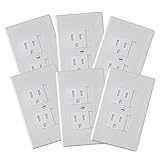
- Re-baby-proof at standing height - they can reach more now!
- Secure TVs, bookshelves, dressers to walls
- Gate the stairs (they'll try to climb)
- Clear paths of tripping hazards
- Keep floors dry (slippery = falls)
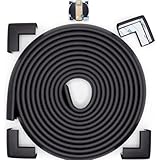
- Pad sharp corners at toddler height
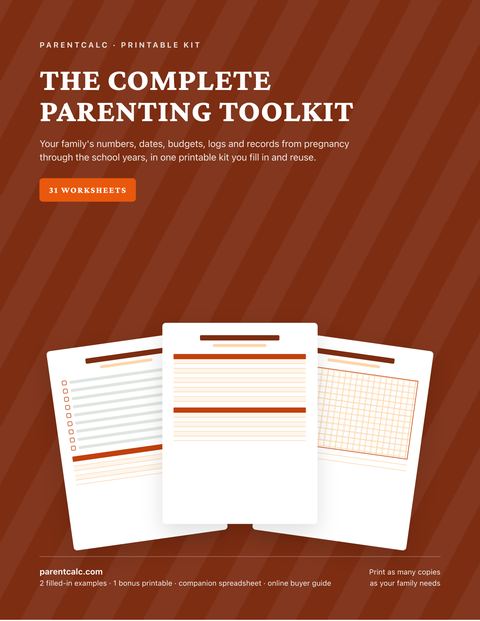
Track Your Baby's Progress
Sources: American Academy of Pediatrics, CDC Developmental Milestones, WHO Motor Development Study
Related Milestone Articles
When Do Babies Smile?
First social smiles
When Do Babies Roll Over?
Tummy to back & back to tummy
When Do Babies Sit Up?
Independent sitting milestone
When Do Babies Crawl?
Mobility milestone
When Do Babies Talk?
Language development
When Do Babies Start Teething?
First teeth & symptoms
Complete Milestone Guide
All milestones 0-5 years