
Most babies start crawling between 7-10 months old, though some skip it entirely and go straight to walking. Here's what to expect and how to encourage this exciting milestone.
Crawling Timeline
Pre-Crawling Foundation
Rolling both ways, pushing up on arms, rocking on hands and knees.
Sitting & Pivoting
Sitting independently, spinning on tummy to reach toys, lunging forward.
Early Crawling Attempts
Army crawl (belly on floor), scooting backwards, getting on all fours.
Classic Crawl
Hands-and-knees crawling with alternating arms and legs. Getting faster!
Crawling Pro
Speed crawling, climbing stairs, pulling to stand. Watch out!
Types of Crawling (All Are Normal!)
Army Crawl / Commando Crawl
Belly stays on floor, pulling with arms. Often the first type.
Bear Crawl
Hands and feet (not knees) on floor, bottom in the air.
Crab Crawl
Moves sideways or backwards. Baby will figure out forward eventually!
Bottom Scoot
Sits up and scoots on bottom using hands. Some babies skip hands-and-knees entirely.
Classic Crawl
Weight on hands and knees, opposite arm/leg move together.
⚠️ Baby-Proofing Checklist
Do this BEFORE baby starts crawling:
- ☐ Install baby gates at stairs (top AND bottom)
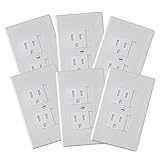
- ☐ Cover electrical outlets
- ☐ Secure furniture to walls (tip-over prevention)
- ☐ Lock cabinets with chemicals, medications
- ☐ Remove choking hazards from floor level
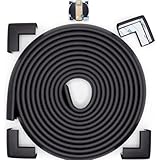
- ☐ Pad sharp furniture corners
- ☐ Move cords and blind strings out of reach
- ☐ Check for small objects under furniture
How to Encourage Crawling
- Tummy time: Still important! Builds arm and core strength
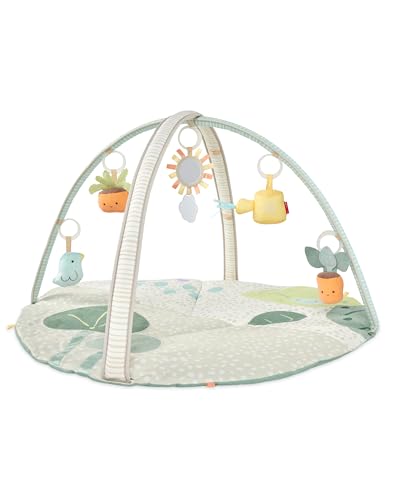
- Floor play: Give baby lots of supervised floor time on safe surfaces
- Toy motivation: Place interesting toys just out of reach
- Get down with them: Crawl alongside baby to model the movement
- Limit containers: Less time in bouncers, swings, exersaucers
- Dress for movement: Bare knees grip better than slippery pants

Some Babies Skip Crawling
About 10-15% of babies never crawl traditionally. They might bottom-scoot, roll, or go straight from sitting to pulling up and walking. Research shows this is completely normal and doesn't affect long-term development.
What matters is that baby is finding some way to move and explore their environment. The specific method doesn't matter.
When to Talk to Your Pediatrician
Mention to your doctor if by 12 months baby:
- Has no interest in moving or exploring
- Cannot bear weight on legs when held in standing position
- Doesn't use both sides of body equally
- Seems to have very stiff or very floppy muscles
- Has lost skills they previously had
Premature babies should be assessed on their adjusted age.
What Comes After Crawling?
Once baby is mobile, things progress quickly:
- 9-10 months: Pulling to stand on furniture
- 10-11 months: Cruising (walking while holding furniture)
- 11-12 months: Standing independently for a few seconds
- 12-15 months: First steps!
Track Your Baby's Progress
Sources: American Academy of Pediatrics, CDC Developmental Milestones, Zero to Three
Related Milestone Articles
When Do Babies Smile?
First social smiles
When Do Babies Roll Over?
Tummy to back & back to tummy
When Do Babies Sit Up?
Independent sitting milestone
When Do Babies Walk?
First steps timeline
When Do Babies Talk?
Language development
When Do Babies Start Teething?
First teeth & symptoms
Complete Milestone Guide
All milestones 0-5 years