When Do Babies Say Mama?First Words Timeline
From babbling to meaningful words, when to expect "mama," "dada," and beyond. Plus tips to encourage language development.
The Short Answer
Most babies say "mama" or "dada" with meaning between 8-12 months. However, you'll hear "ma-ma-ma" babbling as early as 4-6 months, this is practice, not yet associated with you. True first words (used intentionally) typically emerge around the first birthday.
Speech Development Timeline
Cooing & Vowel Sounds
Baby makes 'ooh' and 'aah' sounds, experimenting with their voice
Babbling Begins
Consonant-vowel combinations emerge, often repetitive
Variegated Babbling
Mixing different sounds together, sounding more like real speech
First Real Words
Baby uses 'mama' or 'dada' with meaning, looking at the right parent!
Word Explosion
Vocabulary grows rapidly; may have 10-50 words by 18 months
Mama vs. Dada: Myths & Facts
"'Dada' usually comes first"
TRUE! The 'D' sound is easier to produce than 'M.' Many babies say 'dada' before 'mama,' which has nothing to do with preference!
"'Mama' means the baby is calling for mom"
NOT ALWAYS. At 4-6 months, 'mama' is just babbling, baby doesn't associate it with you yet. True meaning usually comes around 8-12 months.
"Early talking = smarter baby"
FALSE. Speech timing varies widely and isn't linked to intelligence. Einstein reportedly didn't talk until age 4!
"Bilingual babies talk later"
MYTH. Research shows bilingual babies hit milestones at the same time, they're just learning two systems at once.
How to Encourage First Words
Research-backed ways to support your baby's language development
Narrate Everything
Describe what you're doing throughout the day: 'Mama is making lunch. Look, carrots! Orange carrots!'
Read Books Daily
Even newborns benefit from hearing words. Point to pictures and name them. Read the same books repeatedly.
Respond to Babbling
When baby says 'ma-ma-ma,' respond excitedly! 'Yes! Mama's here!' This teaches that sounds get responses.
Use Parentese
That high-pitched, sing-song voice isn't silly, research shows babies learn faster from exaggerated speech.
Wait for Responses
Pause after talking to give baby time to 'respond' with coos or babbles. This teaches conversation turn-taking.
Limit Screen Time
Language is learned through interaction, not screens. Real back-and-forth conversation is irreplaceable.
When to Talk to Your Pediatrician
While speech develops at different rates, consider mentioning to your doctor if:
- !No babbling by 9 months
- !No words by 15-16 months
- !Doesn't respond to their name by 12 months
- !Fewer than 50 words by 2 years
- !Lost language skills they previously had
Early intervention makes a huge difference. If in doubt, ask, there's no harm in getting evaluated.
Frequently Asked Questions
Once they are moving, the house has to change
Every milestone on this page ends with a child who can reach something new. These are the four that matter first, roughly in the order you will need them.
 Dreambaby Newport Adapta Baby Gate
Rated for the top of stairs, which most pressure-fit gates are not. The one that matters once they can climb.
Check price on Amazon → Furniture Anchors, 10 Pack
Anti-tip straps for dressers and bookcases. Furniture tip-overs are the injury pulling-up creates.
Check price on Amazon →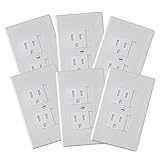 Self-Closing Outlet Covers, 6 Pack
Slide shut on their own, so they still work on the day someone forgets to put the plug back.
Check price on Amazon →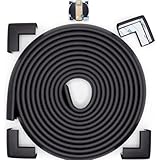 Roving Cove Corner and Edge Protector
Coffee-table corners sit at exactly head height for a child learning to walk.
Check price on Amazon →As an Amazon Associate we earn from qualifying purchases, at no extra cost to you.