When Do Babies Wave Bye-Bye?
That first little wave is one of the most heartwarming milestones. Learn when to expect it, how to encourage it, and what it means for your baby's development.
Development Essentials
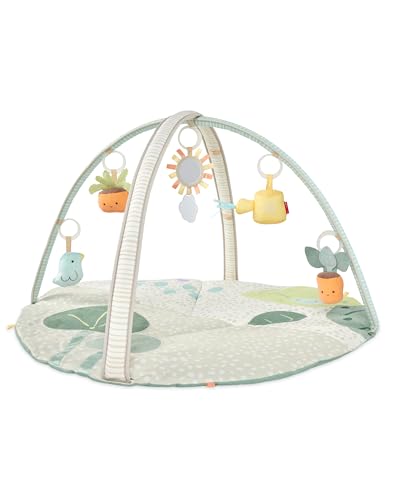
Best Play Gym for Tummy Time
Best OverallConverts from tummy-time mat to sitting play gym, so it stays useful from newborn through toddling rather than being outgrown in a season.
View on AmazonThe Quick Answer
Most babies start waving bye-bye between 9 and 12 months of age. This adorable gesture typically emerges after your baby understands the concept of coming and going, and has developed enough motor control to purposefully move their hand. Some babies wave as early as 7 months, while others may not wave until 14 months.
Why Waving Is an Important Milestone
Waving bye-bye might seem like a simple gesture, but it represents several important developmental achievements coming together:
Social Awareness
Your baby understands that people come and go, and that waving is how we acknowledge departures. This shows developing social cognition.
Motor Control
Waving requires fine motor skills to control hand and arm movements intentionally. It shows your baby's motor development is on track.
Imitation Skills
Your baby watches you wave and copies the action. This imitation ability is fundamental to learning language and social skills.
Pre-Language Communication
Gestures like waving are precursors to spoken language. They show your baby is learning to communicate intentionally.
Waving Development Timeline
Reaches toward people and objects
Baby shows interest in interaction and can control arm movements
Imitates simple actions
Begins copying facial expressions and simple movements
Understands 'bye-bye' concept
Associates waving with departures but may not wave yet
First attempts at waving
May open and close hand or move arm in waving motion
Consistent waving
Waves purposefully when someone leaves or says bye-bye
Refined waving
Waves smoothly on cue and initiates waving independently
How to Encourage Your Baby to Wave
Wave constantly
Wave hello and goodbye every single time. When daddy leaves for work, when you finish a video call, when you leave a room. Consistency is key!
Make it fun and animated
Use an enthusiastic voice, big smiles, and exaggerated waves. Babies respond to your excitement and are more likely to imitate joyful actions.
Gently guide their hand
Sometimes hold your baby's hand and help them wave while you say 'bye-bye!' This physical guidance can help them understand the motion.
Practice during play
Wave to stuffed animals, dolls, or during peek-a-boo games. Make waving a fun part of playtime, not just departures.
Celebrate attempts
When your baby makes any waving motion, even if it's just opening and closing their hand, cheer and clap. Positive reinforcement encourages more attempts.
Be patient
It may take weeks of modeling before your baby waves. Don't pressure them - keep it light and fun, and they'll wave when they're ready.
When to Talk to Your Pediatrician
Remember that all babies develop at their own pace. However, consider mentioning it to your pediatrician if:
- Your baby is 15+ months and not waving or using any gestures
- Your baby doesn't make eye contact or respond to their name
- Your baby previously waved but has stopped
- You have concerns about your baby's overall social development
Remember: These are just guidelines. Many babies who wave a bit late go on to develop perfectly normally. Your pediatrician can provide personalized guidance based on your baby's overall development.
Frequently Asked Questions
Related Milestone Guides
Track All Your Baby's Milestones
Use our free Milestone Tracker to monitor your baby's development and get personalized tips.
Open Milestone Tracker→Toys for Baby Development

Best Activity Center
Parent FavoriteAdjustable height and a 360-degree seat, which buys you a safe place to put a baby down during the months they can sit but not walk.
View on Amazon