Best Rain Gear for Kids 2026
The complete parent's guide to keeping little adventurers dry, comfortable, and happy in wet weather
2026 Product Picks
Our latest product roundups related to this guide:
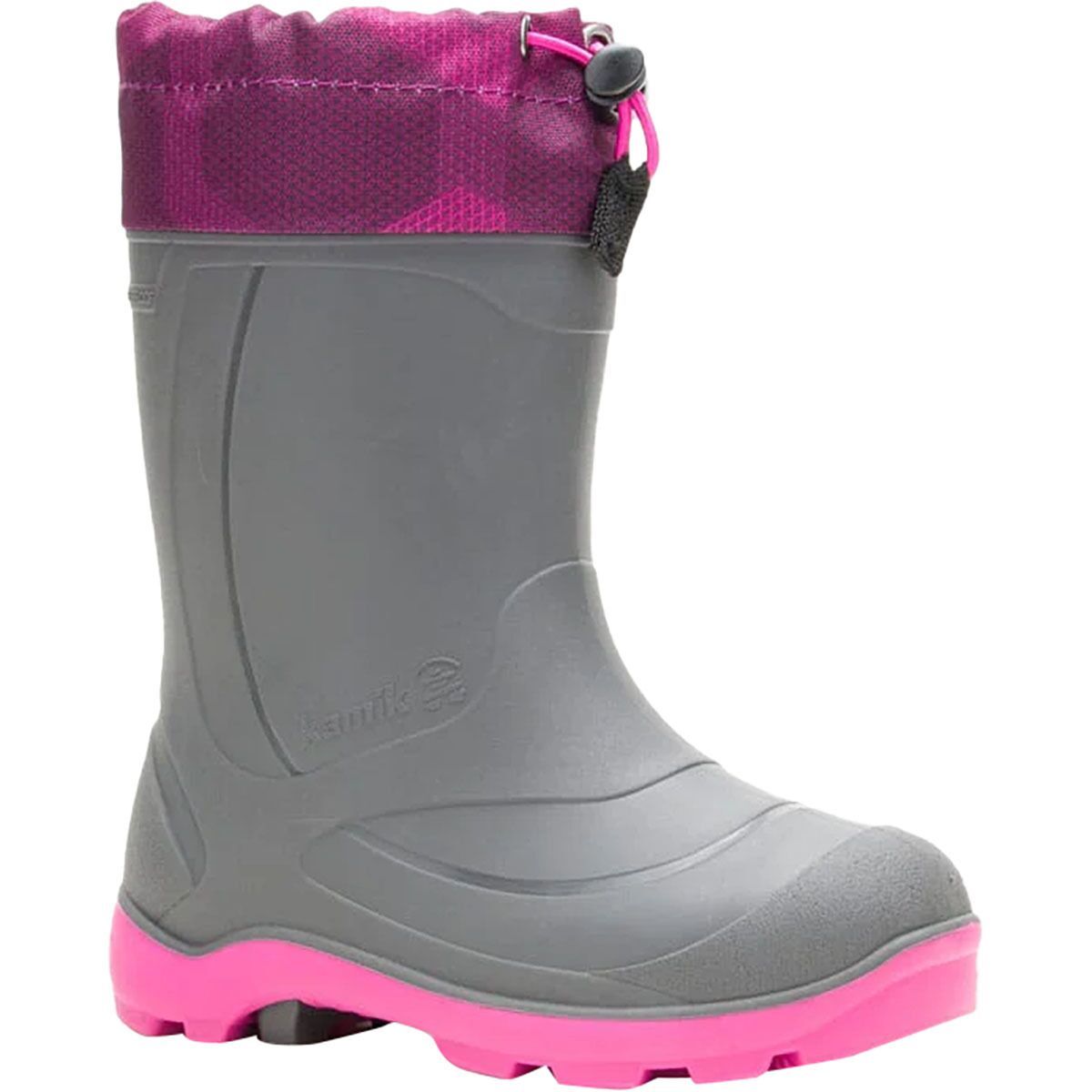
Kamik Snobuster 2 - Kids
100% waterproof boots built for year-round outdoor fun. Recyclable RubberHe construction with Thermal Guard liner. Perfect for puddles, mud, and snow.
Why Quality Rain Gear Matters for Kids
Rain doesn't have to mean staying indoors. With the right gear, rainy days become opportunities for splashing in puddles, exploring wet trails, and discovering the magic that happens when the world gets a good soaking. But here's what every parent learns quickly: not all rain gear is created equal.
Children are naturally drawn to water, puddles are irresistible, streams beg to be crossed, and wet playgrounds become adventure zones. The difference between a miserable, cut-short outing and hours of happy exploration often comes down to one thing: gear that actually works. A child who's wet and cold will quickly want to go home, while one who stays dry and comfortable can play for hours.
Quality rain gear for kids serves multiple purposes beyond simply keeping them dry. It protects against wind chill, which can make a 50°F rainy day feel much colder. It allows for physical activity without overheating, thanks to breathable fabrics and ventilation features. And it gives kids the confidence to fully engage with their environment, knowing they're protected no matter how wet things get.
The Science of Staying Dry
Modern rain gear uses waterproof-breathable membranes like DryVent, H2No, and similar technologies. These materials have microscopic pores that are too small for water droplets to penetrate but large enough for water vapor (sweat) to escape. This prevents the clammy, damp feeling that happens with fully sealed, non-breathable materials, a crucial factor for active kids.
What Makes Kids' Rain Gear Different
Kids' rain gear isn't just adult gear made smaller. The best children's rain gear accounts for how kids actually move and play:
- Reinforced knees and seats: Kids crawl, kneel, and sit in wet places adults would avoid
- Extra reflective elements: Gray, rainy days mean reduced visibility, safety features matter
- Easy on/off design: Velcro, snap closures, and wide openings help kids dress independently
- Growth features: Some premium gear includes adjustable hems or "grow cuffs" that extend for longer wear
- Fun colors and designs: Kids who love their gear are more likely to actually wear it
Understanding Waterproof Ratings
When shopping for kids' rain gear, you'll often see waterproof ratings expressed in millimeters (mm). This number indicates the amount of water pressure the fabric can withstand before water penetrates:
| Rating | Protection Level | Best For |
|---|---|---|
| 5,000mm | Light rain | Quick trips, light drizzle |
| 10,000mm | Moderate rain | Extended outdoor play |
| 15,000mm+ | Heavy rain | Serious weather, extended exposure |
| 20,000mm+ | Extreme conditions | Mountain weather, professional use |
For most kids' activities, gear rated at 10,000mm or higher will provide excellent protection. Premium brands like Patagonia, The North Face, and Columbia typically exceed these standards in their kids' lines.
Best Kids Rain Boots
Good rain boots are the foundation of wet weather adventures. Look for fully waterproof construction, non-slip soles for safety on wet surfaces, and easy on/off designs that let kids maintain independence. The best boots also include warm liners for chilly days and quick-dry interiors for when water inevitably finds its way in.
Kamik Snobuster 2 - Kids'
100% waterproof boots built for year-round outdoor fun. Recyclable RubberHe construction with Thermal Guard liner. Perfect for puddles, mud, and snow.
- 100% waterproof
- Thermal Guard liner
- Recyclable rubber
- Adjustable snow collar
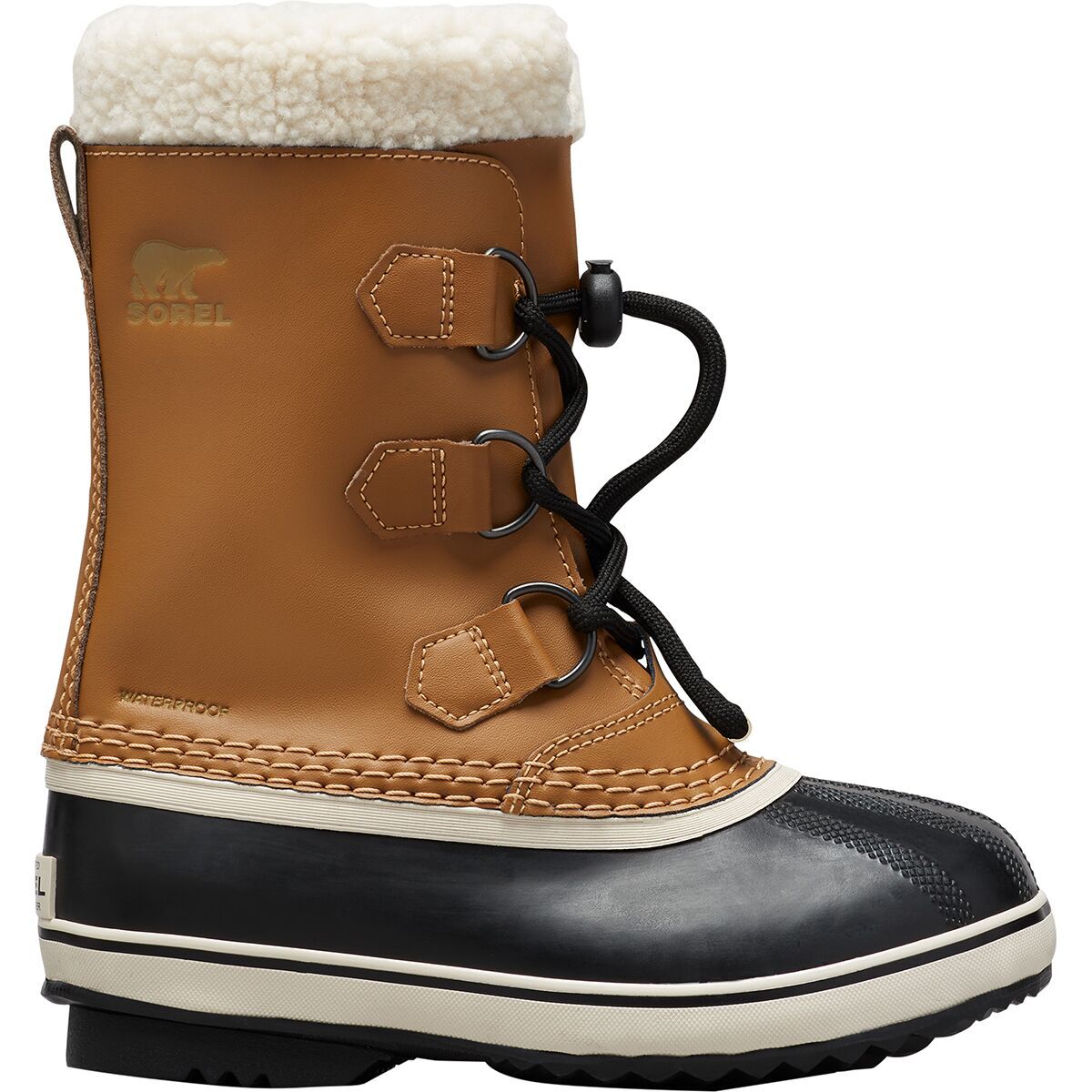
SOREL Yoot Pac TP WP Boot - Kids'
Legendary SOREL warmth meets waterproof protection. Insulated and waterproof for serious winter conditions.
- Waterproof
- Insulated warmth
- Durable construction
- Multi-terrain traction
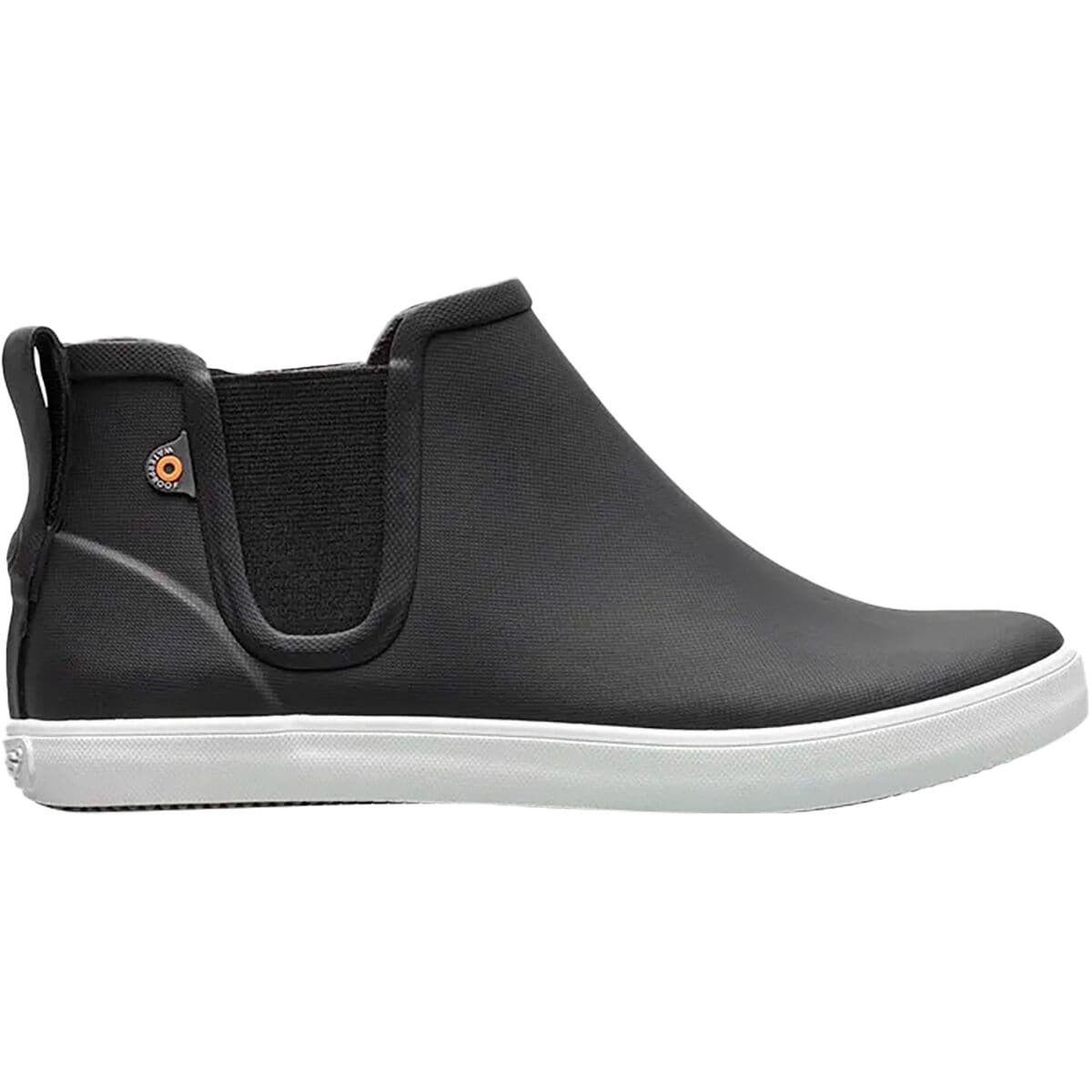
Bogs Kicker Rain Chelsea Boot - Kids'
Stylish waterproof Chelsea boots that keep toes dry without compromising looks. Nylon shank provides fatigue-fighting support.
- Waterproof construction
- Chelsea style
- Nylon shank support
- All-day comfort

Columbia Techsun Wave Water Shoe - Little Boys'
Quick-drying water shoes perfect for rainy adventures. All-day comfort with excellent support. Great for creek stomping and wet playgrounds.
- Quick-drying design
- All-day comfort
- Budget-friendly
- Lightweight
How to Choose the Right Rain Boots
Sizing Tips
- Size up 1/2 to 1 full size for thick socks in cold weather
- Too-tight boots restrict blood flow and make feet colder
- Removable liners allow for better fit adjustments
- Wide openings help with independent dressing
Key Features to Look For
- Vulcanized rubber for true waterproofing
- Lugged outsoles for grip on wet surfaces
- Cushioned insoles for all-day comfort
- Pull handles for easy on/off
Best Kids Rain Jackets
A quality rain jacket is essential for outdoor-loving families. The best options combine true waterproof protection with breathability, so kids stay dry from rain outside and sweat inside. Look for sealed seams, adjustable hoods, and reflective elements for safety on gray days.
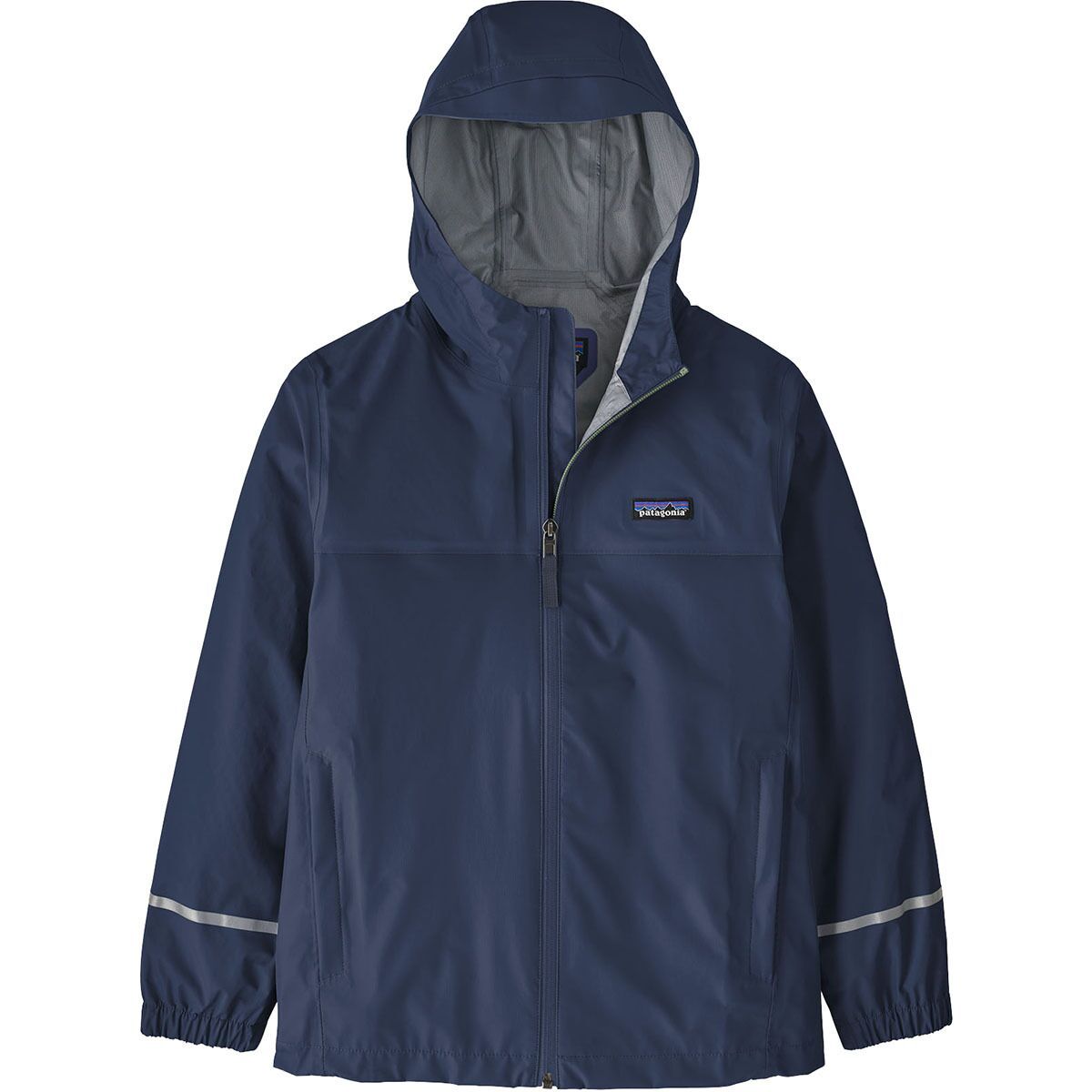
Patagonia Torrentshell 3L Jacket - Kids'
The gold standard for kids rain protection. Truly waterproof H2No Performance 3-layer construction with recycled nylon ripstop. Light, packable, and built for real rain.
- H2No 3-layer waterproof
- Recycled nylon ripstop
- PFC-free DWR
- Fully sealed seams
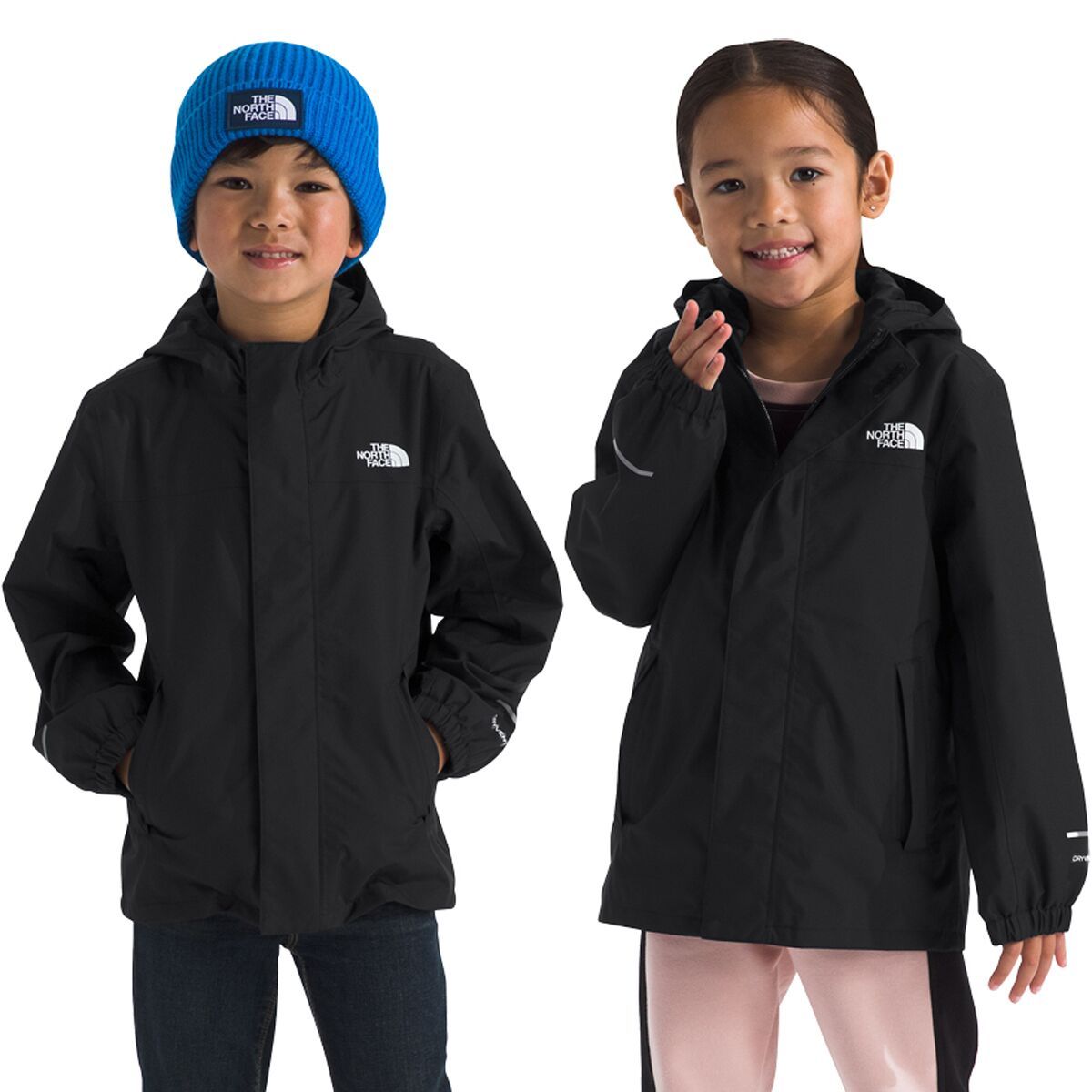
The North Face Antora Rain Jacket - Toddlers'
DryVent waterproof membrane keeps toddlers dry and comfortable. Lightweight, breathable construction with fully sealed seams and reflective details for visibility.
- DryVent waterproof
- Fully sealed seams
- Reflective details
- Recycled materials
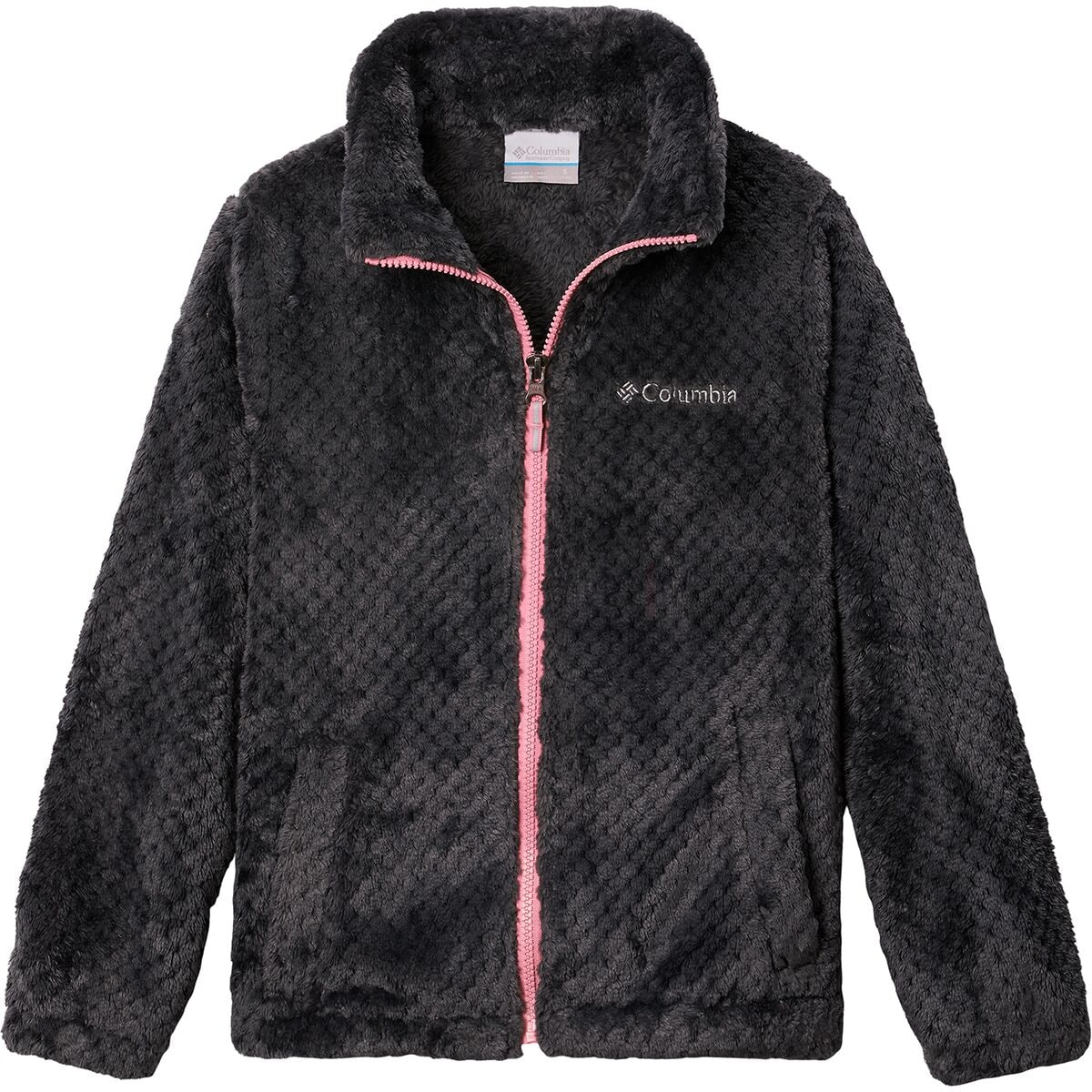
Columbia Fire Side Sherpa Hybrid Full-Zip - Girls'
Plush Hourglass High Pile fleece provides warmth and comfort. Perfect midlayer under a waterproof shell for complete rain protection system.
- High-pile Sherpa fleece
- Hybrid design
- Elastic cuffs
- Zippered pockets

Patagonia Down Sweater Jacket - Kids'
Lightweight, packable warmth with 600-fill recycled down. Windproof recycled ripstop shell. Perfect for layering under rain shells on cold, wet days.
- 600-fill recycled down
- Windproof shell
- Packs into pocket
- Elastic cuffs & hem
Understanding Rain Jacket Technology
Waterproof vs. Water-Resistant
Water-resistant fabrics repel light moisture but will eventually soak through in sustained rain. Waterproof fabrics, typically rated at 10,000mm+, create a complete barrier against water. For kids who will actually be playing in the rain (not just walking to the car), you want true waterproof construction.
DWR Coatings Explained
DWR (Durable Water Repellent) is a coating applied to the outer fabric that causes water to bead and roll off rather than soaking in. This coating wears off over time with use and washing but can be restored with spray-on treatments. Modern PFC-free DWR options are environmentally friendlier while maintaining good performance.
Sealed Seams Matter
Even the most waterproof fabric won't keep kids dry if water seeps through the stitching. Look for "fully sealed seams" or "critically taped seams" which means waterproof tape covers the needle holes where fabric pieces join. Budget jackets often skip this step, leading to wet shoulders and arms despite waterproof fabric.
Rain Pants and Full Rain Suits
For serious wet weather play, rain pants or full rain suits are essential. They protect legs and seats from puddle splashes, wet playground equipment, and sitting on damp surfaces. Many options offer insulation for cold-weather use, making them versatile for multiple seasons.
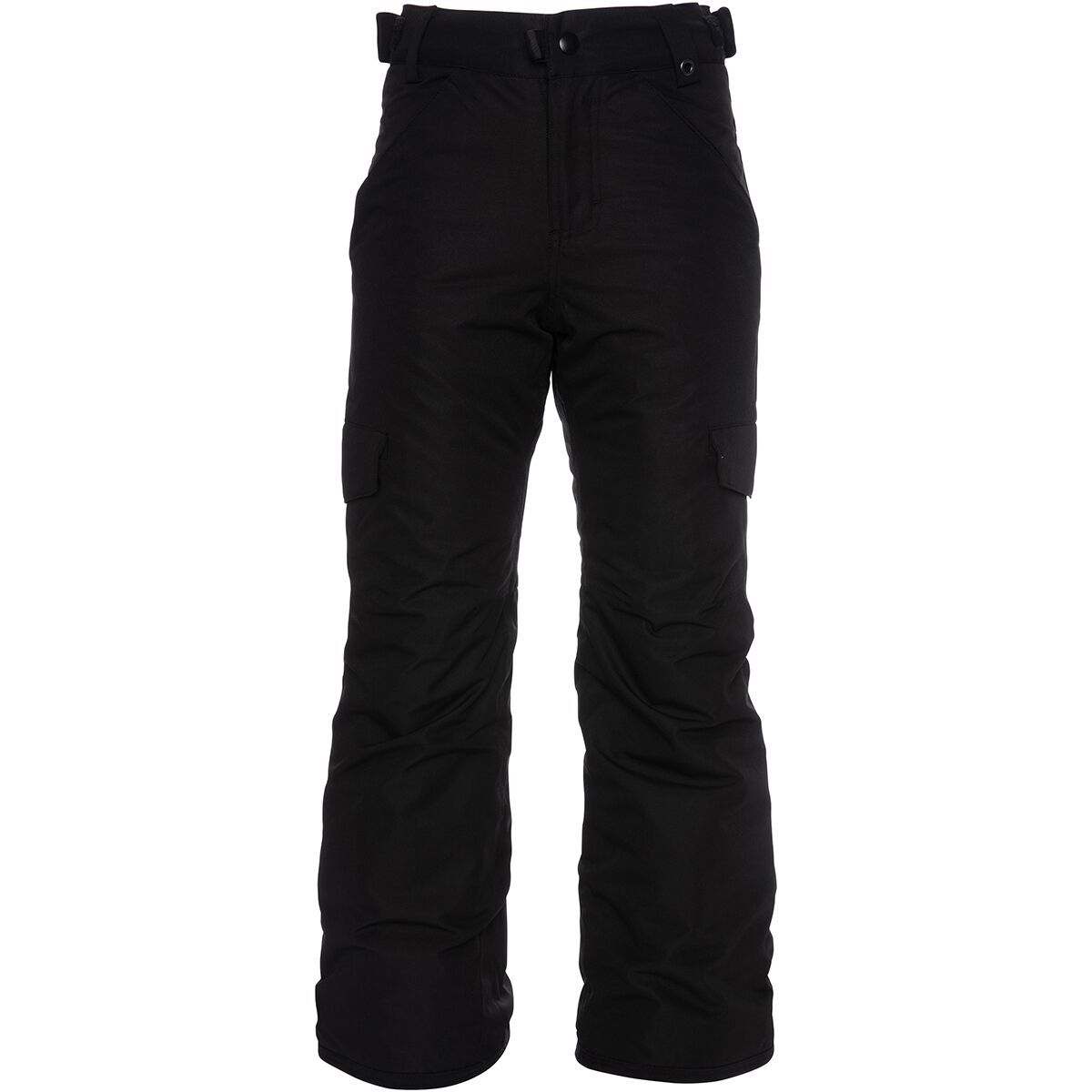
686 Lola Insulated Pant - Girls'
Built to last through multiple seasons. Waterproof construction with Youth Evolution system provides 1.5 inches of growth room. Perfect for wet and snowy conditions.
- Waterproof construction
- Youth Evolution system
- Reinforced hem
- Scuff guards
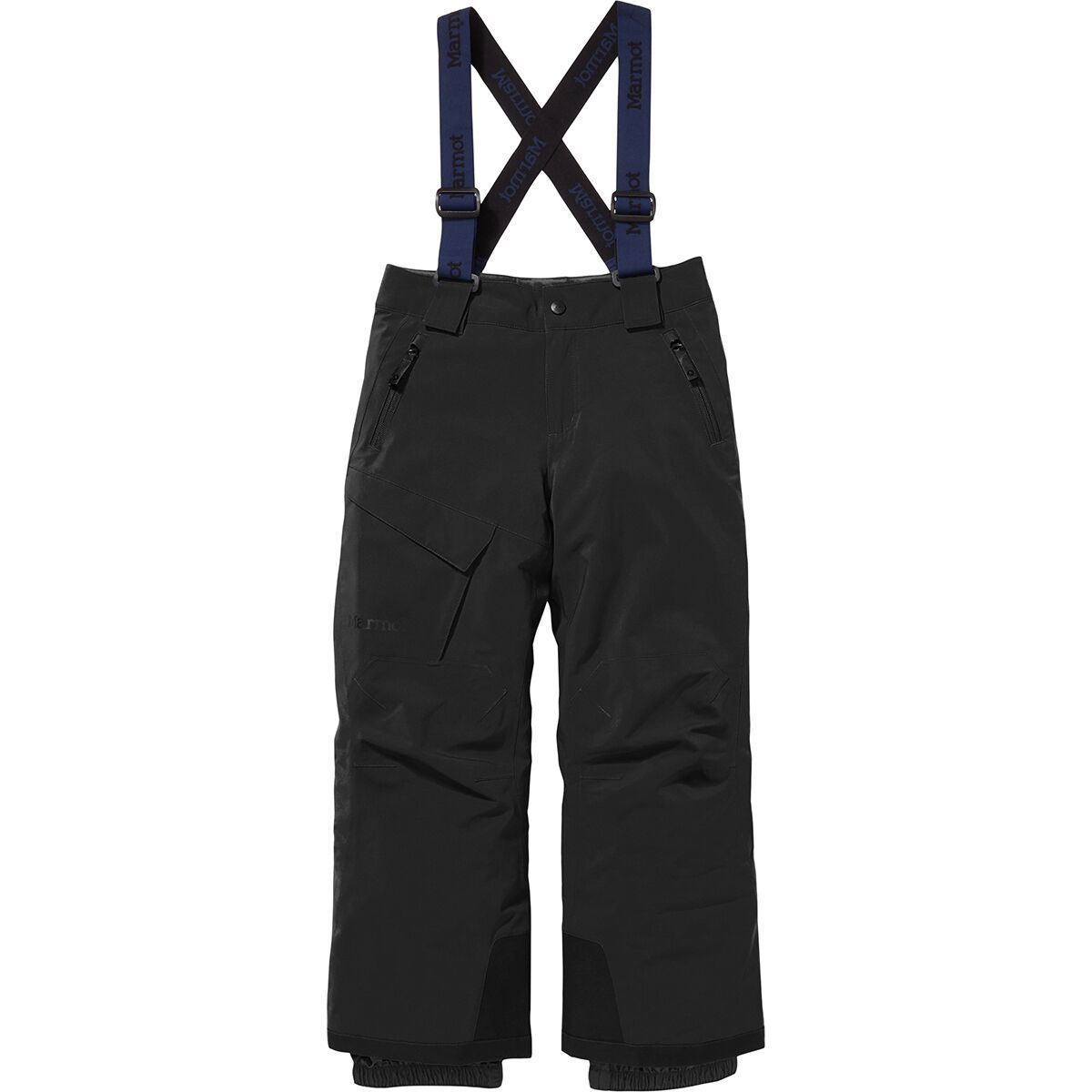
Marmot Edge Insulated Pant - Boys'
Warm and waterproof pants designed for active boys. Keeps them dry and comfortable whether facing rain or snow. Great for all-day outdoor adventures.
- Waterproof
- Insulated warmth
- Active fit
- Durable construction
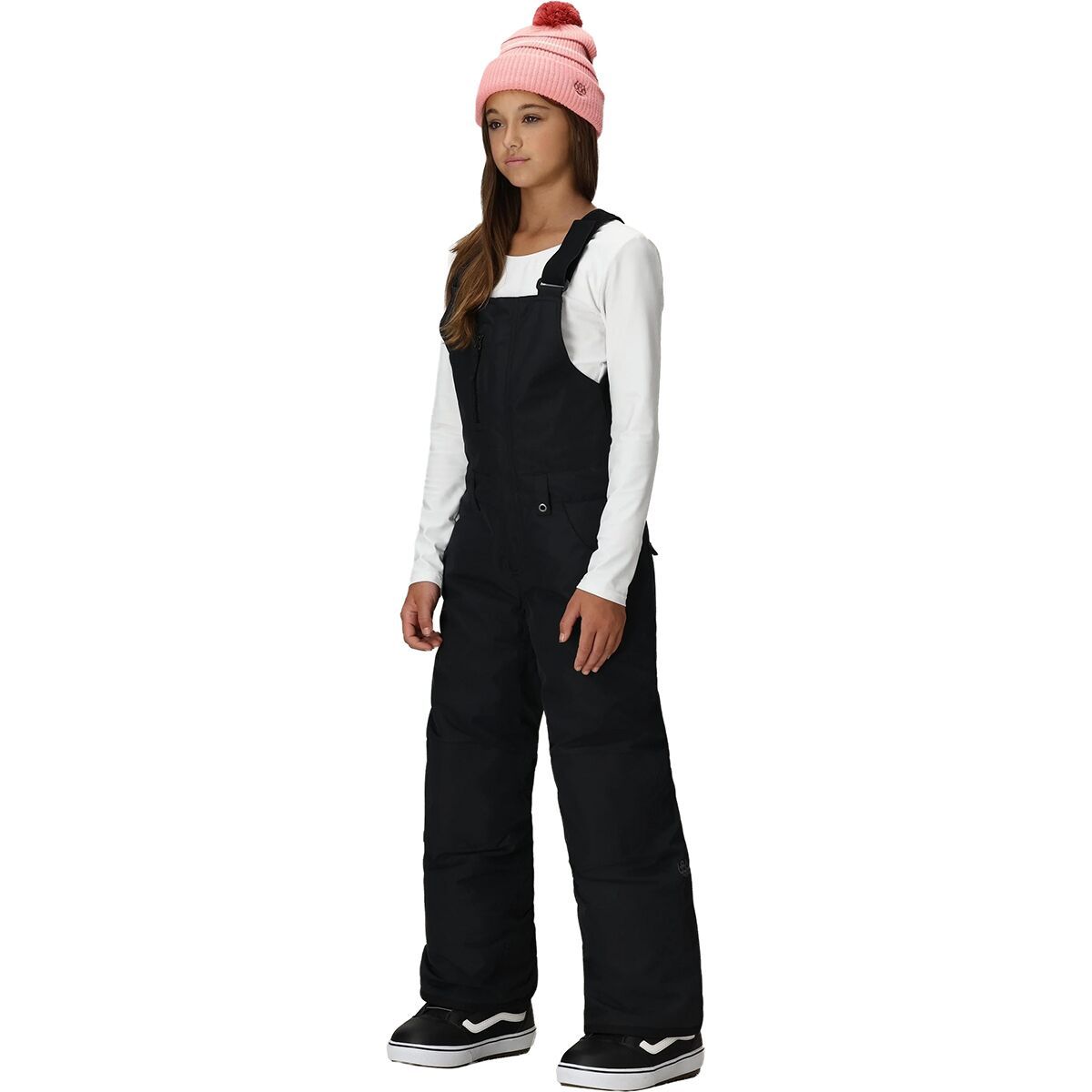
686 Sierra Insulated Bib - Girls'
Full bib coverage for complete protection. infiDRY waterproof membrane with infiLOFT insulation. Stretch side panels and Youth Evolution feature for growth.
- Full bib coverage
- infiDRY waterproof
- Stretch side panels
- Boot gaiters
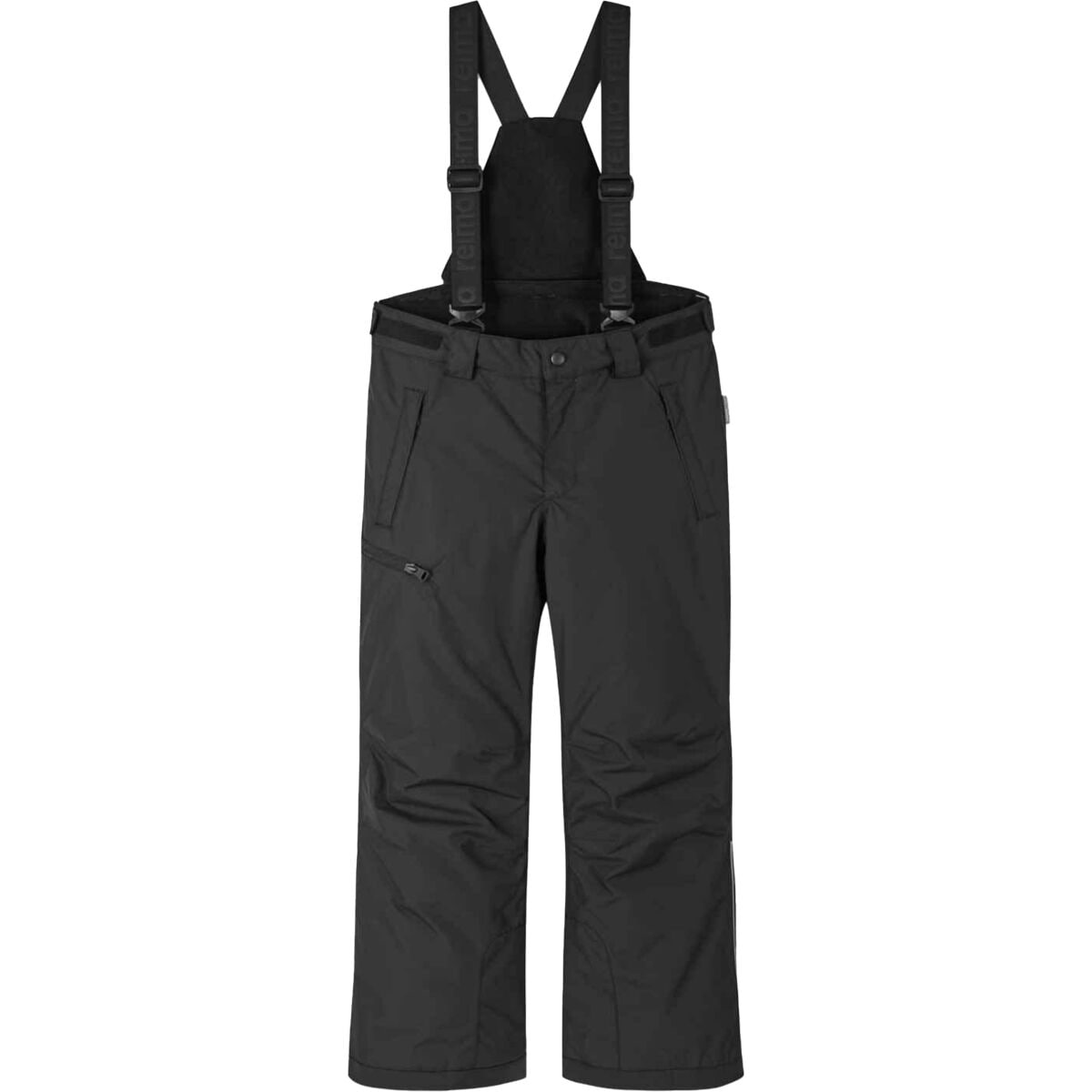
Reima Terrie Ski Pant - Girls'
Waterproof, windproof, and breathable construction. Slim fit with lightweight synthetic insulation. Snow gaiters and adjustable waistband seal out moisture.
- Waterproof & windproof
- Breathable fabric
- Snow gaiters
- Adjustable waist
Rain Pants vs. Rain Suits: Which to Choose?
Rain Pants
- More versatile, pair with any jacket
- Easier bathroom breaks
- Better for older, more independent kids
- Can be used for snow activities too
Full Rain Suits (Bibs)
- Better coverage, no gap at waist
- Stays in place during active play
- Ideal for toddlers and young children
- Extra warmth from chest coverage
Waterproof Hiking Shoes
Sometimes rain boots are too heavy or warm for active hiking. Waterproof hiking shoes and sandals offer protection while maintaining the flexibility and grip needed for trail adventures. KEEN Newport H2 sandals have earned legendary status among outdoor families for good reason.
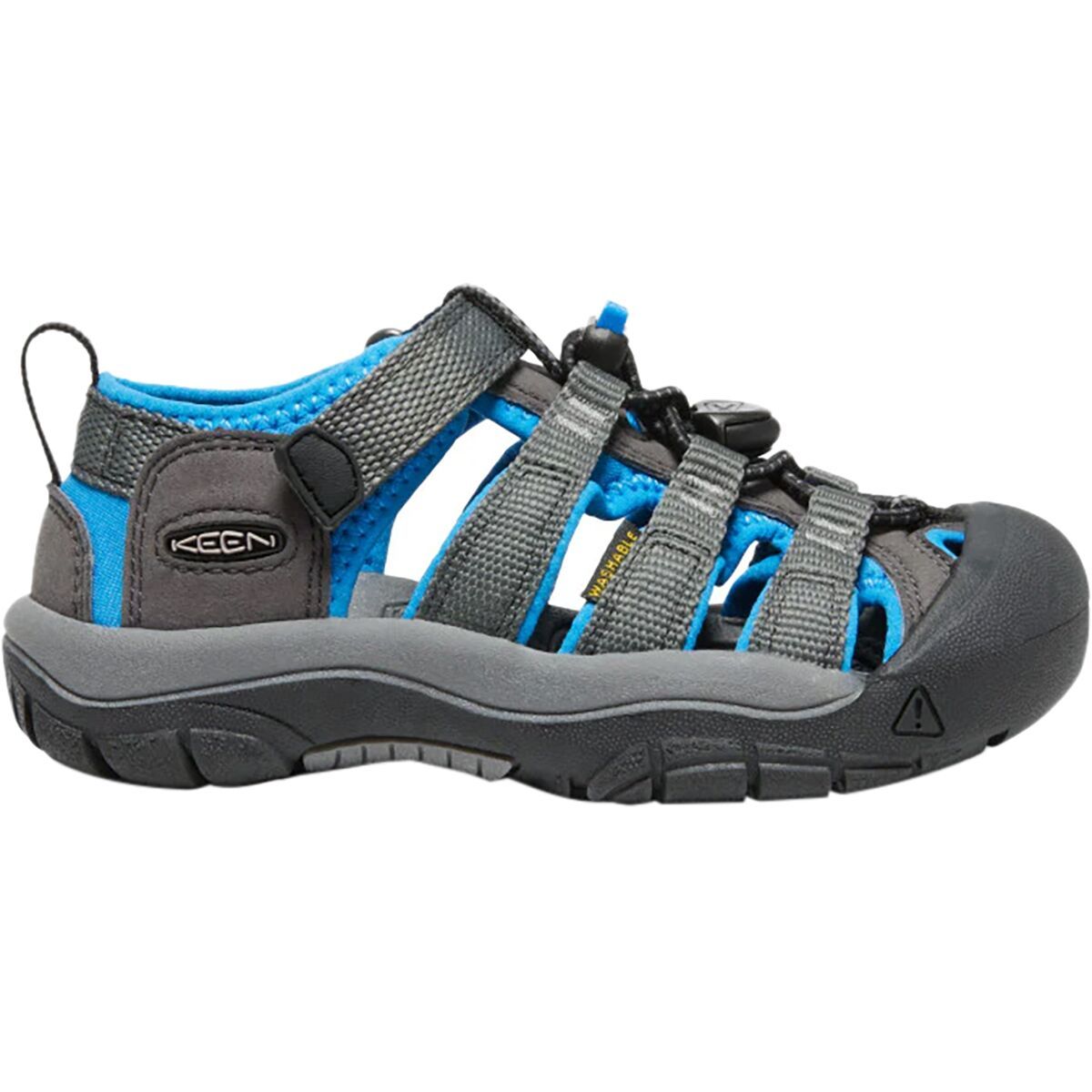
KEEN Newport H2 Sandal - Little Boys'
The iconic kids adventure sandal. Quick-drying, protective rubber toe cap, and multi-directional lugged sole. Perfect for water, trails, and everything in between.
- Quick-dry upper
- Protective toe cap
- Metatomical footbed
- Machine washable

KEEN Newport H2 Sandal - Toddler Boys'
Tough sandal with laminated leather upper and protective toe. Easy Lace Capture System for quick on/off. Fully machine washable for easy care.
- Lace Capture System
- Rubber toe protection
- Machine washable
- Contoured arch

KEEN Newport H2 Sandal - Youth Boys'
Full-size version for older kids. Same trusted protection with room to grow. Great for day hikes, beach trips, and summer camp adventures.
- Youth sizing
- Secure lace system
- Rapid-dry lining
- Multi-terrain outsole
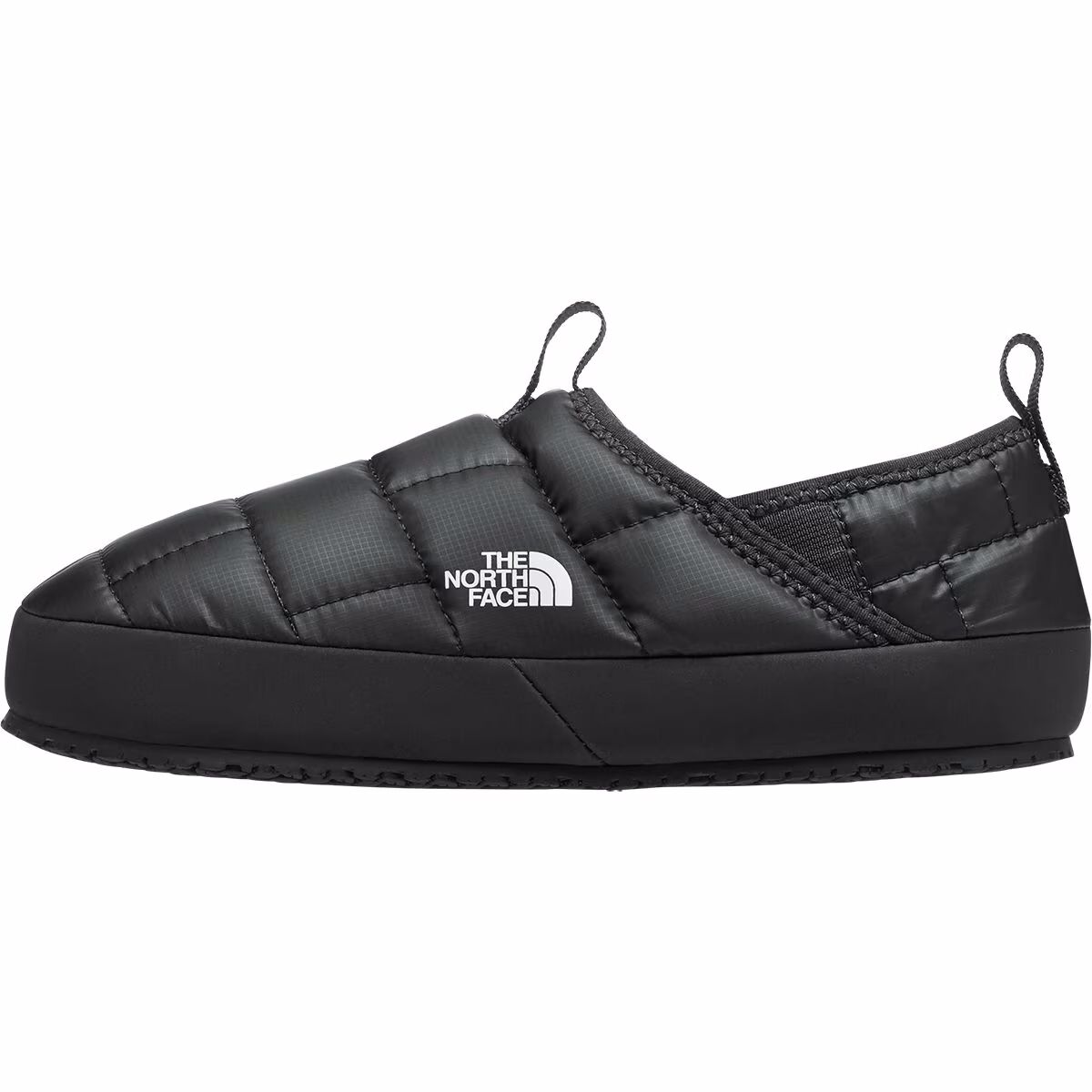
The North Face ThermoBall Traction Mule II - Toddlers'
Warm, light, and easy to slip on. ThermoBall Eco insulation keeps toes toasty. Recycled rubber outsole grips well on wet surfaces.
- ThermoBall insulation
- Easy slip-on
- Recycled materials
- Wet-surface grip
Layering Strategies for Wet Weather
Rain gear alone doesn't keep kids comfortable, proper layering underneath is equally important. The right base and mid layers wick moisture, provide insulation, and work with rain gear rather than against it.
The Three-Layer System for Wet Days
Base Layer: Moisture-Wicking
Synthetic or merino wool fabrics pull sweat away from skin. Avoid cotton, it absorbs moisture and takes forever to dry, making kids feel cold and clammy.
Mid Layer: Insulation
Fleece or light down provides warmth. Choose weight based on temperature and activity level. Active kids often need less insulation than you'd think.
Outer Layer: Weather Protection
Waterproof, breathable shell blocks wind and rain. Should be loose enough to fit comfortably over layers without restricting movement.
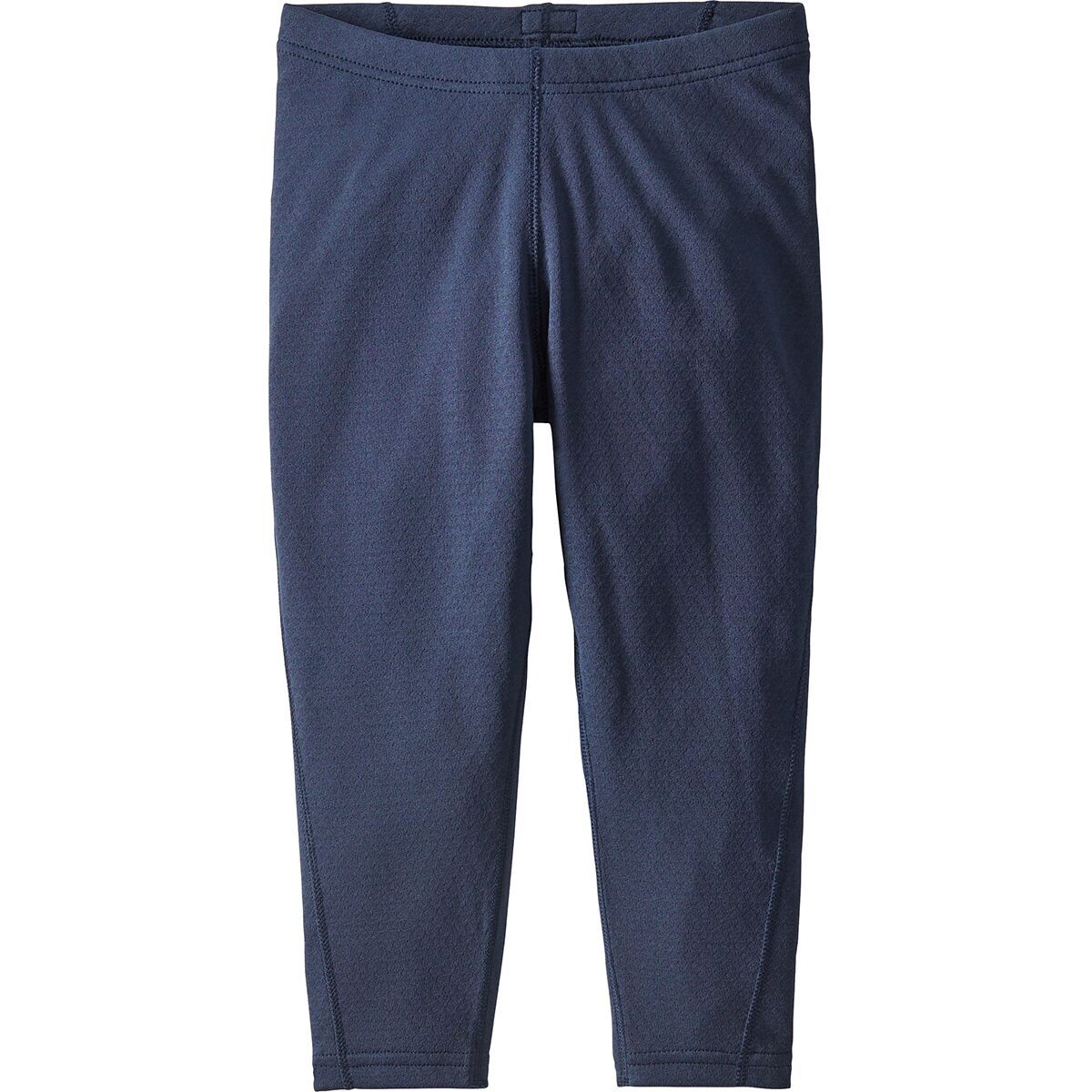
Patagonia Capilene Midweight Baselayer Bottom - Infants'
Recycled polyester fabric traps warmth while staying soft and stretchy. HeiQ Fresh odor control. Slim fit layers smoothly under rain gear.
- Recycled polyester
- HeiQ Fresh odor control
- Midweight warmth
- Slim fit
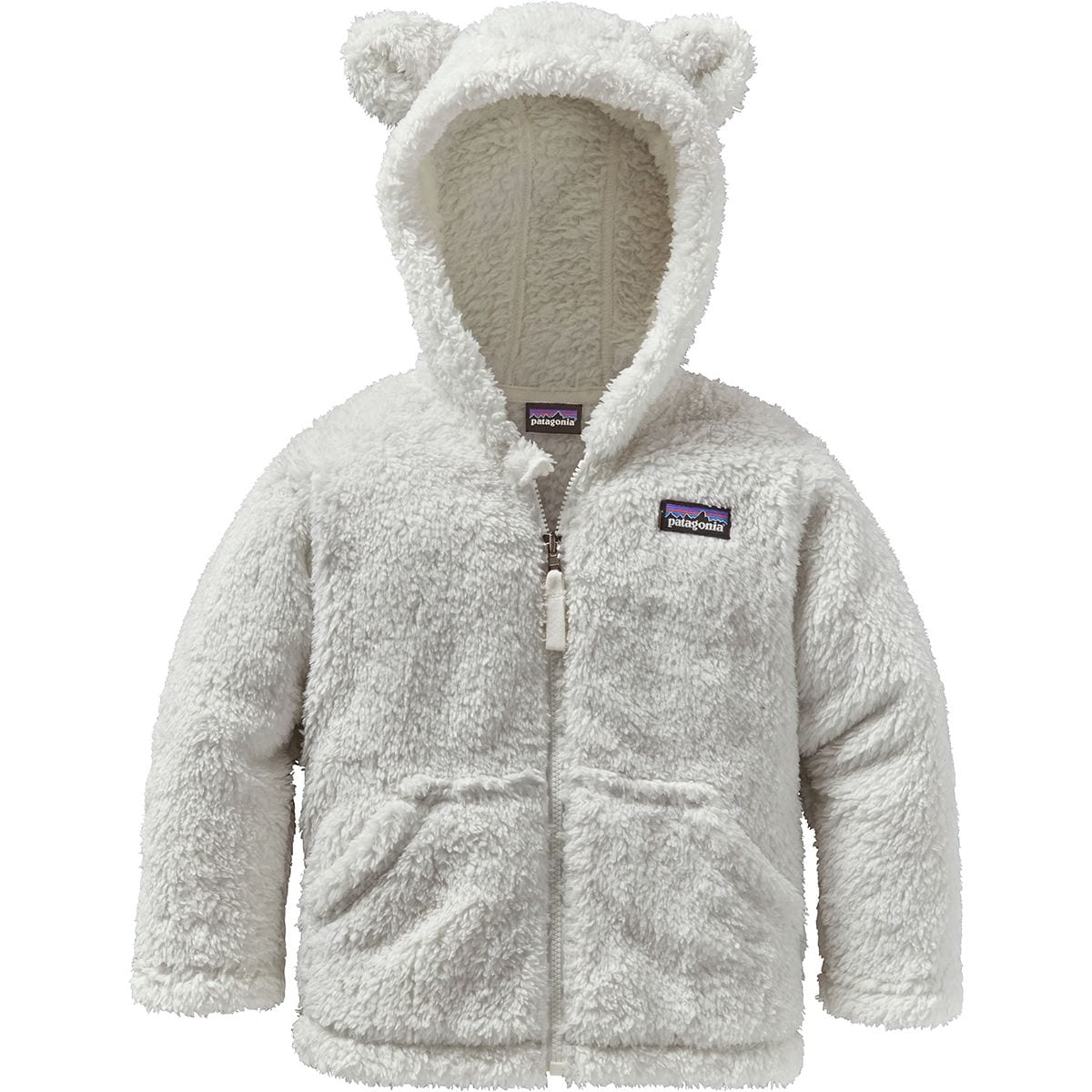
Patagonia Furry Friends Fleece Hooded Jacket - Toddlers'
Ultra-soft 100% recycled polyester fleece with adorable animal ears. Perfect for layering under rain shells on chilly, wet days.
- 100% recycled polyester
- Animal ear hood
- Midweight warmth
- Machine washable
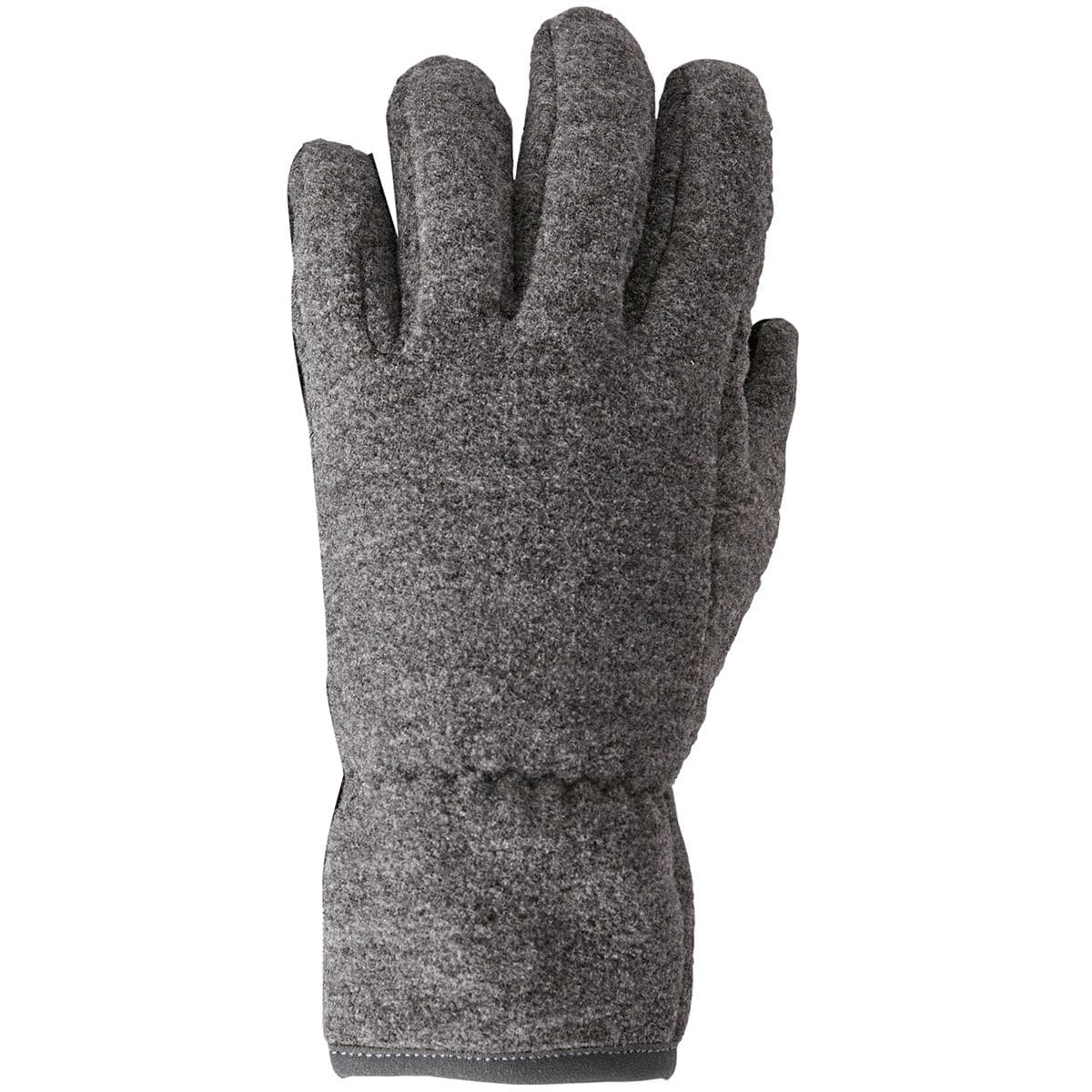
Patagonia Synchilla Glove - Kids'
Recycled polyester fleece with touchscreen-compatible E-tips. Perfect for keeping hands warm on wet days while allowing device use.
- Recycled fleece
- E-tips touchscreen
- Cozy warmth
- Durable

Sunday Afternoons Play Hat - Kids'
Wide brim and neck cape for complete coverage. UPF 50+ rated fabric. ShieldTek DWR treatment sheds moisture and stains perfectly.
- Wide brim coverage
- UPF 50+ protection
- DWR water-resistant
- Breakaway chin strap
Care and Maintenance Tips
Proper care extends the life of rain gear and maintains its water-repelling properties. Follow these tips to keep your investment performing season after season.
Washing Rain Gear
- Use technical wash specifically designed for waterproof fabrics
- Avoid fabric softeners, they coat fibers and reduce breathability
- Close all zippers and velcro before washing
- Rinse thoroughly to remove all detergent residue
Restoring DWR
- Tumble dry on low heat to reactivate existing DWR coating
- Apply spray-on DWR treatment when water stops beading
- Heat-activate new DWR with dryer or warm iron (check care label)
- Treat seams and high-wear areas more frequently
Rain Boot Care
- Rinse off mud and dirt after each use
- Stuff with newspaper to absorb moisture and maintain shape
- Store in cool, dry place away from direct sunlight
- Remove liners periodically to dry completely
Common Mistakes to Avoid
- XUsing regular detergent (clogs fabric pores)
- XStoring gear wet or damp (promotes mold growth)
- XHigh-heat drying (can damage membranes and seam tape)
- XNeglecting regular cleaning (dirt affects performance)
Frequently Asked Questions
At what age can kids start using rain gear?
Babies as young as a few months can wear rain gear! Infant rain suits and bunting are available from brands like Patagonia and Columbia. For toddlers, full rain suits with feet are excellent. By age 2-3, most kids can handle separate jackets and pants, and by age 4-5, they can often dress themselves with minimal help.
How often should I wash rain gear?
Wash rain gear every 10-15 uses, or more frequently if visibly dirty. Dirt, oils, and sunscreen can compromise waterproof performance. However, over-washing can also wear out DWR coatings, so find a balance. Spot-clean when possible and save full washes for when truly needed.
Is expensive rain gear worth it for fast-growing kids?
It depends on how often you'll use it. For families who are outdoors regularly in all weather, quality rain gear is a worthwhile investment, it performs better, lasts longer, and can often be passed down to younger siblings or resold. For occasional use, mid-range options offer good value. Budget gear works fine for light rain but typically doesn't hold up to serious wet conditions.
What's the difference between rain boots and rubber boots?
"Rain boots" and "rubber boots" often refer to the same thing, waterproof boots made from rubber or similar materials. However, some "rain boots" are made from lighter materials like EVA foam (like Crocs) which are waterproof but less insulating. True rubber boots offer better durability and can be warmer, especially with added liners.
Should rain gear be loose or fitted?
Rain gear should be slightly loose to allow for layering underneath and unrestricted movement. Jackets need room for sweaters or fleece; pants should fit over regular clothes without restricting bending and running. That said, too-loose gear can be cumbersome and let rain in at wrists and ankles. Look for adjustable cuffs and hems to customize fit.
Can kids wear rain gear for snow?
Yes! Many rain pants and jackets work excellently for snow, especially when layered over insulating mid-layers. Look for gear with sealed seams and good waterproof ratings. However, dedicated snow gear often includes additional features like powder skirts, snow gaiters, and heavier insulation that makes extended cold-weather play more comfortable.
How do I get my reluctant child to wear rain gear?
Let them choose colors and styles they love. Make rain gear part of exciting activities rather than just bad-weather necessities, go puddle jumping, hunt for worms, or look for rainbows. Practice putting gear on before you actually need it so it's familiar. And ensure it fits well; uncomfortable gear will always be rejected. Finally, model enthusiasm yourself by gearing up happily alongside them.
What's the best rain gear for kids with sensory sensitivities?
Look for soft-lined jackets that don't feel "crinkly" or stiff against skin. Many kids prefer fleece-lined boots to bare rubber interiors. Avoid gear with scratchy tags or tight elastic. Patagonia's kids line is known for soft seam tape and comfortable fits. Allow kids to try gear on before purchasing, and remove any problematic tags immediately.
Age-Based Rain Gear Recommendations
Infants (0-12 months)
Focus on keeping them dry in carriers and strollers. Look for infant bunting or rain suits that fully enclose. Waterproof stroller covers are essential. Soft, non-restrictive materials that don't irritate sensitive skin are important at this age.
Toddlers (1-3 years)
Full rain suits or bibs with suspenders work best, they stay in place during active play and prevent gaps at the waist. Easy on/off designs support growing independence. Boots should have wide openings and pull handles. Bright colors and fun designs encourage wearing gear happily.
Preschoolers (3-5 years)
Transition to separate jackets and pants for bathroom independence. Look for jackets with adjustable hoods and elastic cuffs. Kids this age can manage zippers but may struggle with snaps. Consider reflective elements for safety walking to school or daycare.
School Age (6-9 years)
Kids can handle more technical gear and appreciate performance features. Look for packable jackets they can stuff in backpacks. Pit zips for breathability become important for active kids. This is a good age to introduce proper layering concepts.
Tweens (10-12 years)
Style matters more at this age. Look for adult-inspired designs in youth sizes. Higher-performance features like 3-layer construction and advanced breathability support more demanding activities. Consider gear that transitions to adult sizing for better long-term value.
Fun Rainy Day Outdoor Activities
Once you have the gear, what do you actually do in the rain? Here are some ideas that make the most of wet weather:
Puddle Jumping Championship
Find the biggest puddles and rate splashes for height, creativity, and style. A classic that never gets old.
Worm Rescue Mission
After rain, worms come to the surface. Help them get back to grass and garden beds while learning about ecosystems.
Nature Detective Walk
Rain reveals things usually hidden: snails, mushrooms, animal tracks in mud, and the smell of petrichor.
Creek and Stream Exploration
Watch how water levels change, build tiny dams with sticks, and observe how water flows around obstacles.
Raindrop Racing
Pick raindrops on a window or car windshield and race them to the bottom. Simple but surprisingly entertaining.
Sound Scavenger Hunt
Listen for different rain sounds: dripping, splashing, gurgling in gutters, drumming on different surfaces.
Brand Comparison: Kids Rain Gear
| Brand | Price Range | Best For | Standout Feature |
|---|---|---|---|
| Patagonia | $$$ | Premium performance | Sustainability & durability |
| The North Face | $$$ | All-weather protection | DryVent technology |
| Columbia | $$ | Value & variety | Wide size range |
| KEEN | $$ | Waterproof footwear | Toe protection |
| Kamik | $$ | Rain & snow boots | Canadian-made quality |
| Bogs | $$ | Extreme wet conditions | Neo-tech insulation |
| 686 | $$-$$$ | Snow/rain crossover | Youth Evolution grow feature |
Related Guides
Hiking with Kids
Complete guide to family-friendly trails, gear, and making hiking fun for all ages.
Camping with Kids
Everything you need for successful family camping trips, from gear to meal planning.
Kids Outdoor Gear Guide
Comprehensive overview of outdoor gear for children, including layering systems and footwear.
Kids Winter Boots Guide
Coming Soon: In-depth guide to the best winter boots for children of all ages.
Coming SoonReady to Gear Up for Rainy Adventures?
Don't let wet weather keep your family indoors. With the right rain gear, every rainy day becomes an opportunity for adventure, learning, and unforgettable memories.
Shop Kids Rain Gear at BackcountryGet 15% off your first order with a new account