Kids Bike Helmets & Safety Guide
Everything you need to keep your young cyclists safe: helmet selection, proper fit, MIPS technology, child bike seats, and essential safety tips
2026 Product Picks
Our latest product roundups related to this guide:
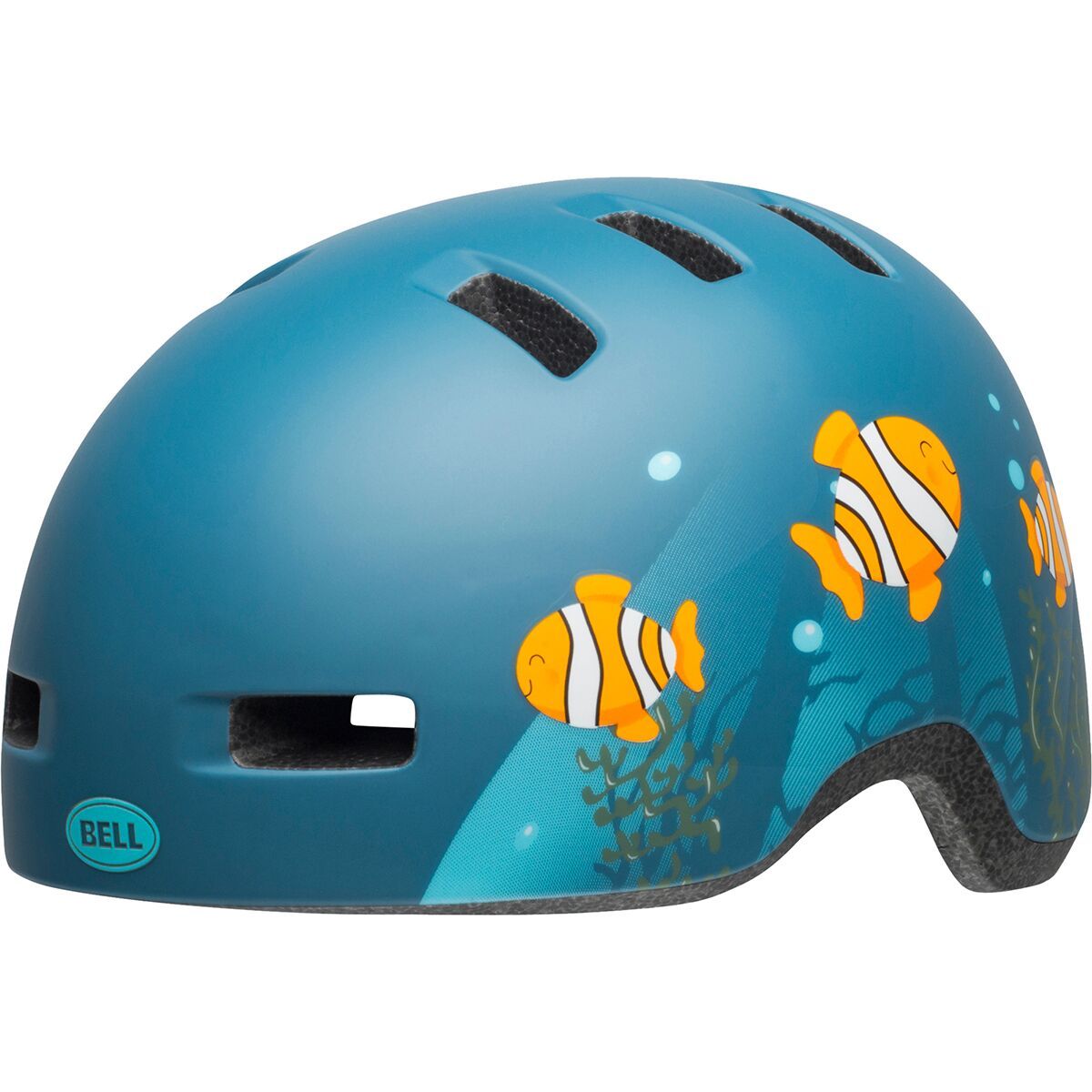
Bell Lil Ripper Helmet - Toddler
From the trailer to the balance bike, our tiny cycling enthusiasts stay safe in the Bell Lil Ripper Helmet. Compact shell and Active Fit system create a snug and comfy fit on little riders
- Active Fit dial system
- Compact lightweight shell
- No-pinch buckle
- Fun kid-friendly designs
Cycling is one of the best ways to get kids active, build confidence, and create lasting family memories. But before your little one takes their first pedal strokes, proper safety gear is essential. A well-fitted helmet can reduce the risk of serious head injury by up to 85%.
This comprehensive guide covers everything from choosing the right helmet for your child's age and riding style to understanding MIPS technology and knowing when it's time for a replacement. We've partnered with Backcountry to bring you expert-recommended helmets from trusted brands like Bell, Fox Racing, and Thule.
Why Proper Helmet Fit is Critical
A helmet that doesn't fit properly provides little to no protection. Studies show that an improperly fitted helmet can be as dangerous as no helmet at all.
Too Loose
Can shift during impact, exposing the head to direct contact. May fall off entirely during a crash.
Too Tight
Causes headaches and discomfort, making kids not want to wear it. May not sit at proper position on head.
Wrong Position
Tilted back exposes forehead. Tilted forward blocks vision and doesn't protect the back of head.
The Perfectly Fitted Helmet Should:
- Sit level on the head, about two finger-widths above the eyebrows
- Be snug enough that it doesn't move when the child shakes their head
- Have straps that form a "V" shape under each ear
- Allow only one finger between the chin strap and chin
- Not rock more than 1 inch side to side or front to back
- Feel comfortable without causing pressure points
Toddler Bike Helmets (Ages 1-3)
For the littlest riders in bike trailers, cargo bikes, or balance bikes, a lightweight helmet with simple adjustment is key. These helmets are designed specifically for smaller heads and provide excellent protection without being too heavy for developing neck muscles.
Bell Lil Ripper Helmet - Toddler
From the trailer to the balance bike, our tiny cycling enthusiasts stay safe in the Bell Lil Ripper Helmet. Compact shell and Active Fit system create a snug and comfy fit on little riders' heads.
- Active Fit dial system
- Compact lightweight shell
- No-pinch buckle
- Fun kid-friendly designs
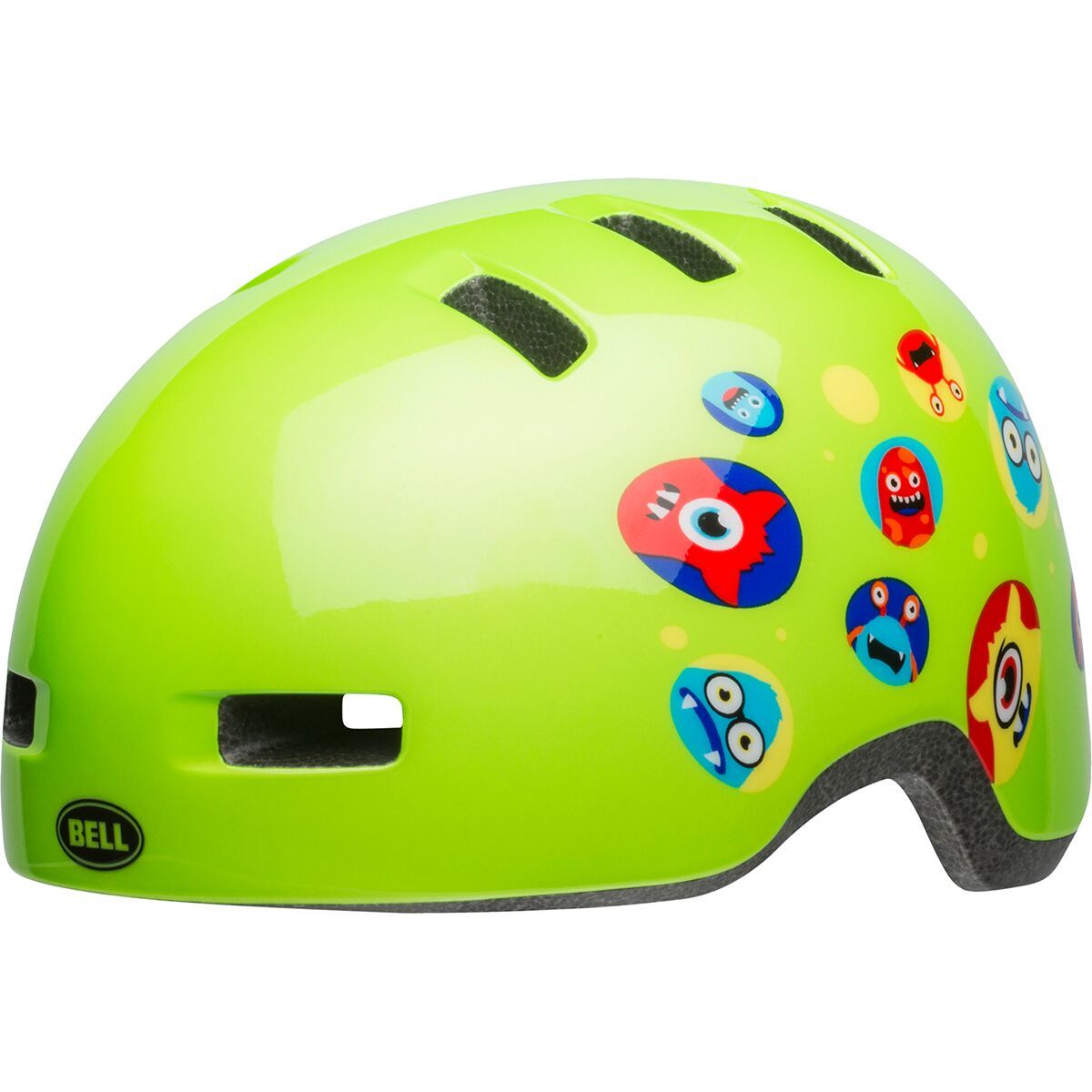
Bell Lil Ripper Helmet - Monsters Green
Colorful monster graphics that kids love. Same trusted protection with fun patterns that make helmet-wearing exciting for toddlers.
- Active Fit dial system
- Fun monster graphics
- Lightweight construction
- Easy-adjust buckle
Toddler Helmet Sizing Guide
Tip: Measure around the head 1 inch above the eyebrows. Most toddler helmets are designed to fit a range using adjustable fit systems.
Kids Bike Helmets (Ages 3-8)
Once kids are riding their own bikes - with or without training wheels - they need helmets designed for active riding. Look for easy-to-adjust fit systems, ventilation for comfort, and styles that kids actually want to wear.
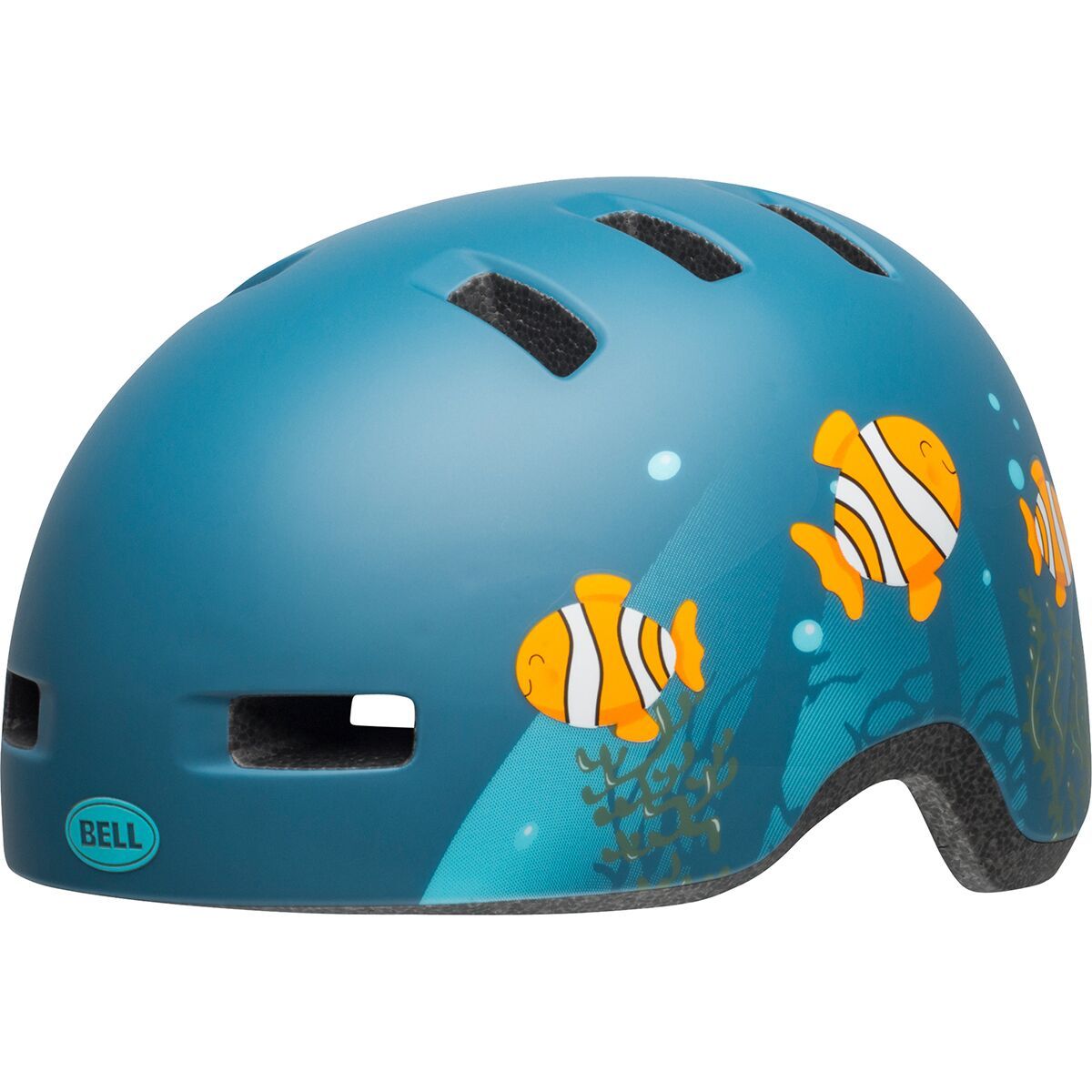
Bell Lil Ripper Helmet - Kids
Now that they're riding on their own bikes, training wheels or not, keep them safe in the Bell Lil Ripper. Hybrid-style bike helmet is compact and light.
- Active Fit dial
- No-pinch buckle
- Kid-manageable independently
- Hybrid skate/bike style
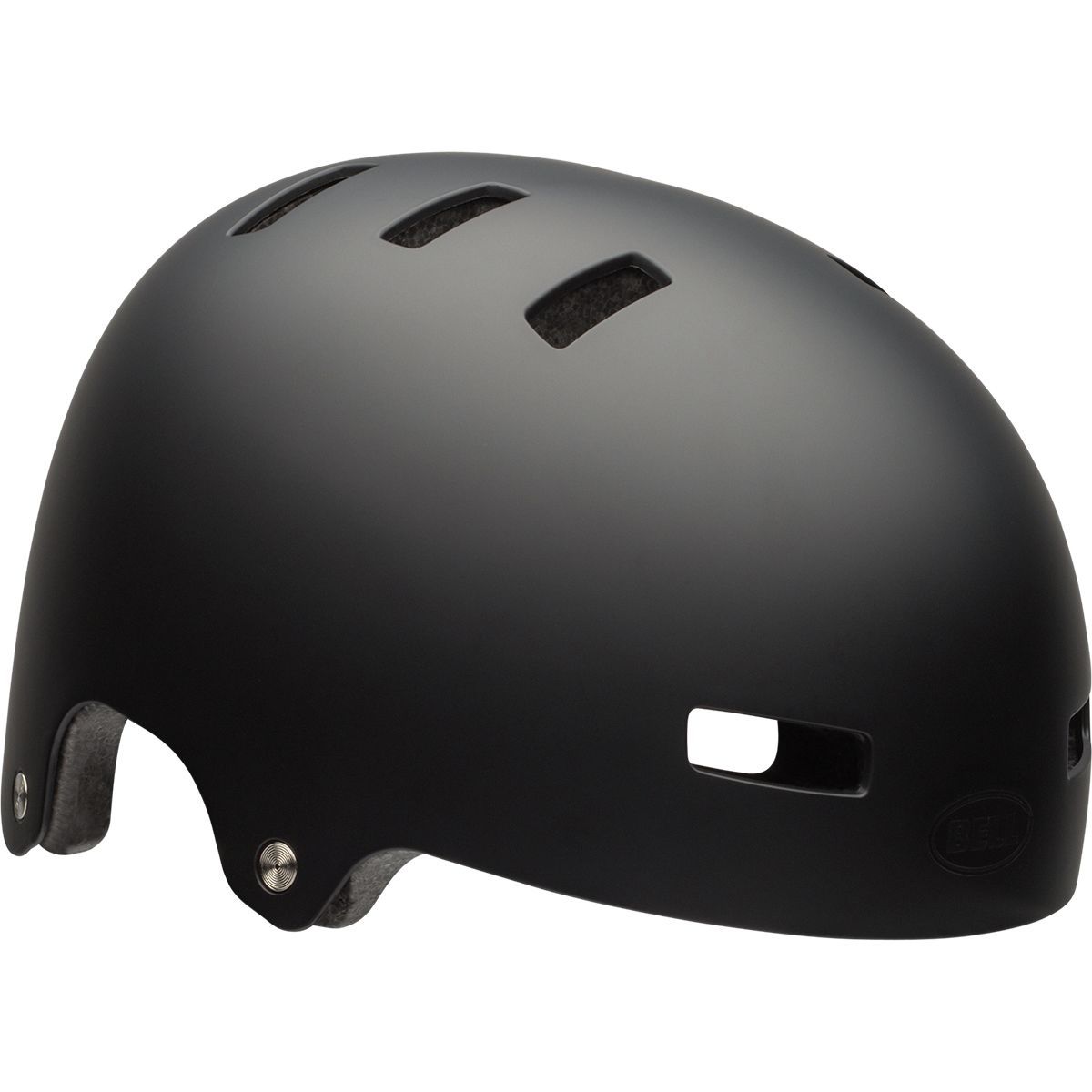
Bell Span Helmet - Kids
The bright colors and popping patterns make staying protected exponentially more fun. Adjustment system mirrors adult-sized helmets for proper fit.
- 10 cooling vents
- Adult-style fit system
- Multiple sizes available
- Skate-inspired design
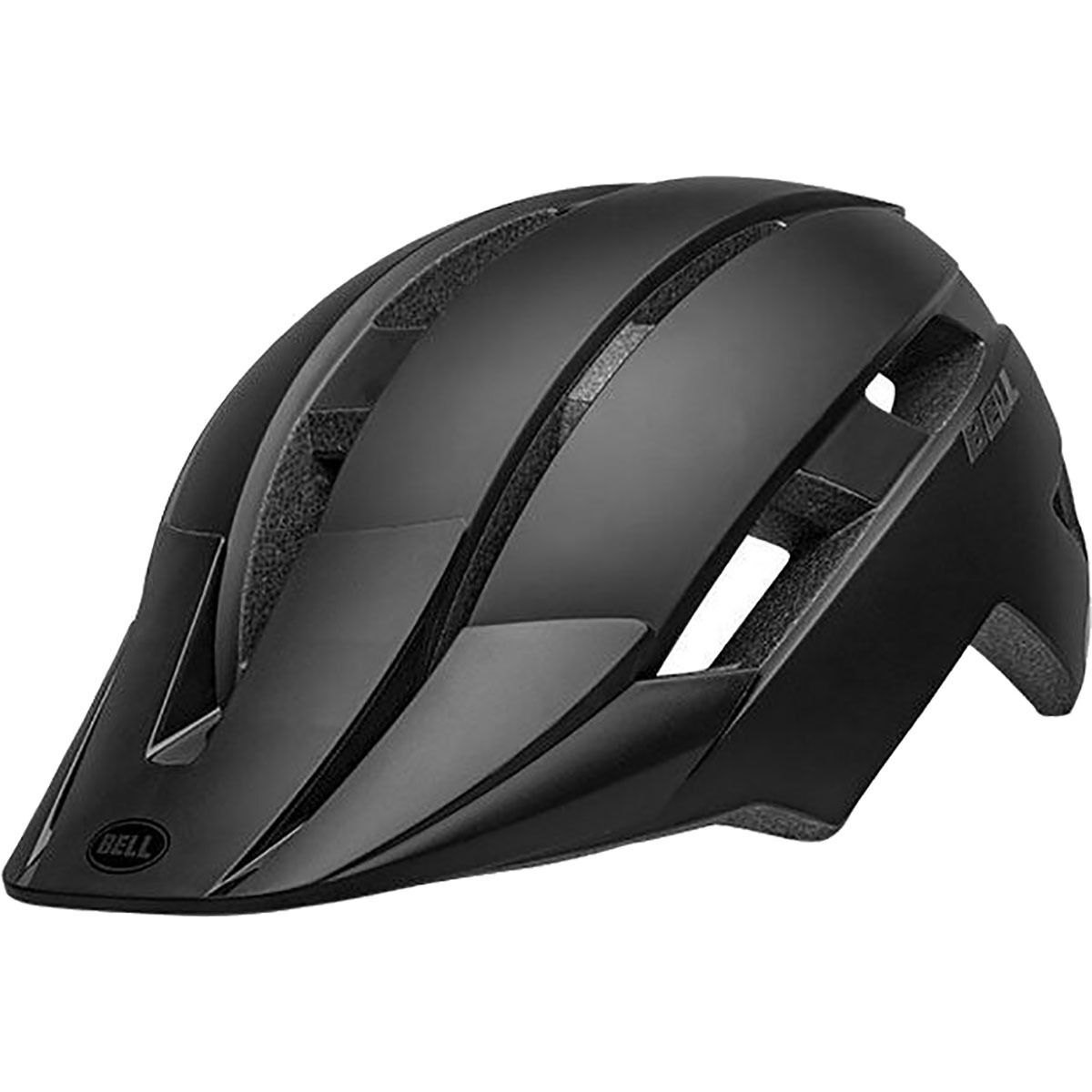
Bell Sidetrack II Helmet - Kids
Empower little trailblazers with the Sidetrack II, designed for maximum comfort and an ergonomic, lightweight fit. Extended rear coverage for trail riding.
- Extended rear coverage
- Ergo Fit system
- Sweat Guide padding
- Removable visor
Understanding MIPS Technology
MIPS (Multi-directional Impact Protection System) is a revolutionary safety technology that can reduce rotational forces during angled impacts - the most common type of bike crash.
How MIPS Works
MIPS adds a low-friction layer between the helmet's outer shell and the liner. During an angled impact, this layer allows the helmet to slide slightly (10-15mm) relative to the head, redirecting harmful rotational forces away from the brain.
- Reduces rotational motion transferred to brain
- Works with existing foam protection
- Adds minimal weight (25-45 grams)
Is MIPS Worth It for Kids?
Yes. Kids are more prone to falls and often hit the ground at angles. The brain is also still developing, making it more vulnerable to rotational injuries.
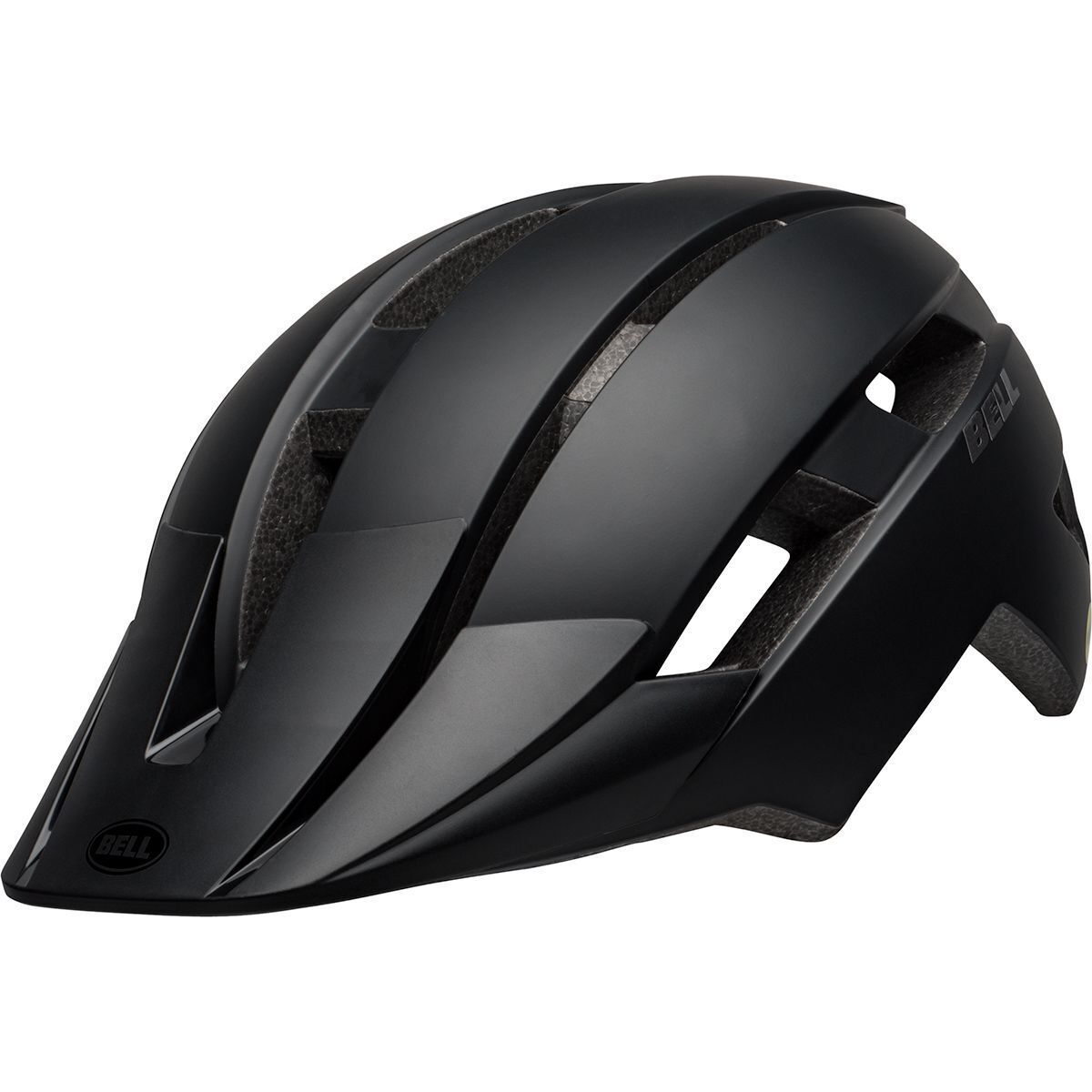
Bell Sidetrack II MIPS Helmet - Kids
All-mountain riding comes with the unexpected, and the Bell Sidetrack II with MIPS technology comes prepared with performance and safety features for your young trail-stomper.
- MIPS brain protection
- Fusion In-Mold shell
- 14 ventilation ports
- Temple & occipital protection
Youth MTB & BMX Helmets (Ages 8-14)
For older kids hitting the trails, dirt jumps, or skate parks, protection needs step up significantly. These helmets offer extended coverage, better ventilation for intense riding, and styles that appeal to pre-teens and teenagers.
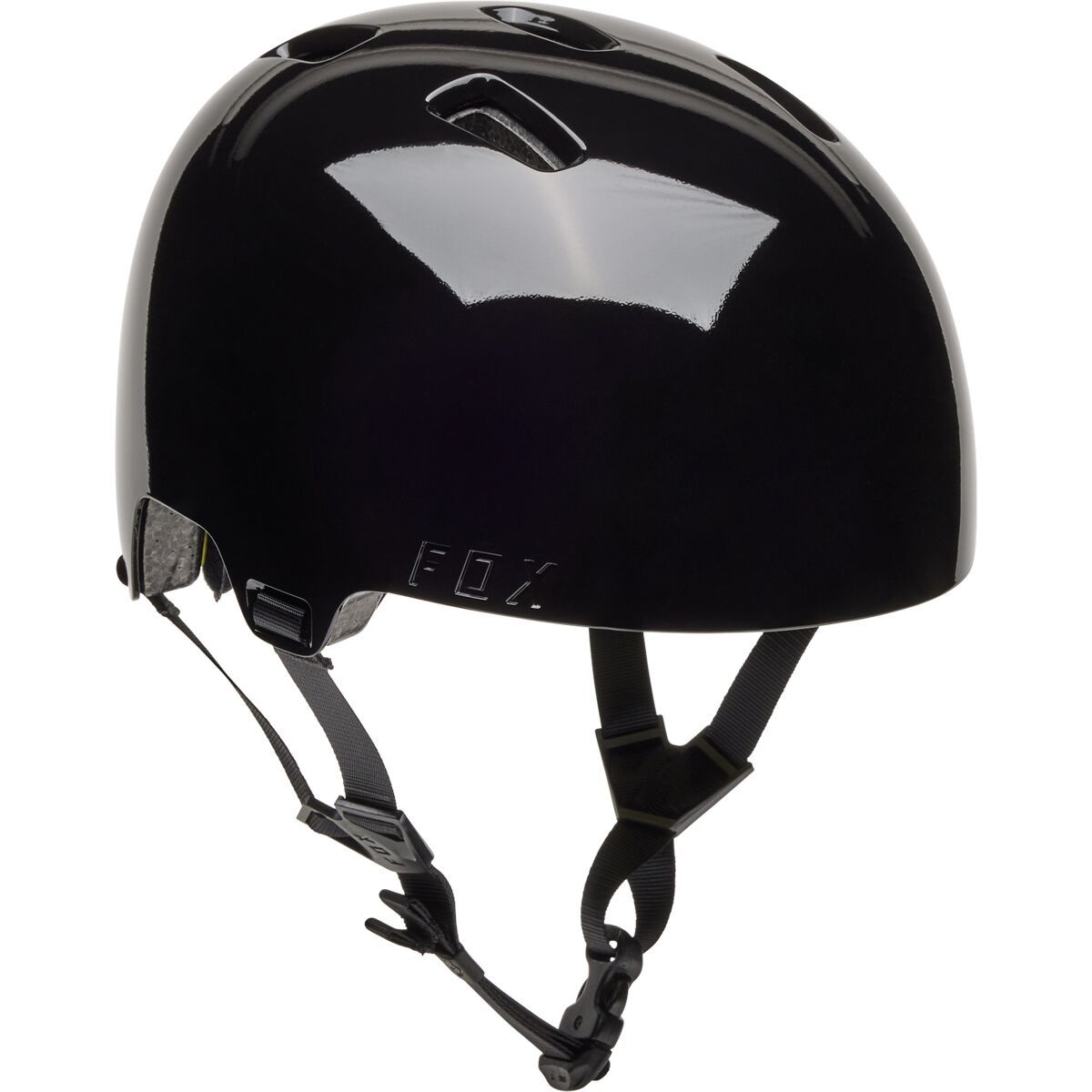
Fox Racing Flight Helmet - Kids
Whether they're taking on big lines at the local dirt jumps or cruising around the skatepark on a BMX bike, our little shredders can ride in confidence with the Fox Racing Flight Helmet.
- Full-coverage ABS shell
- EPS foam protection
- MIPS liner
- Low-profile design
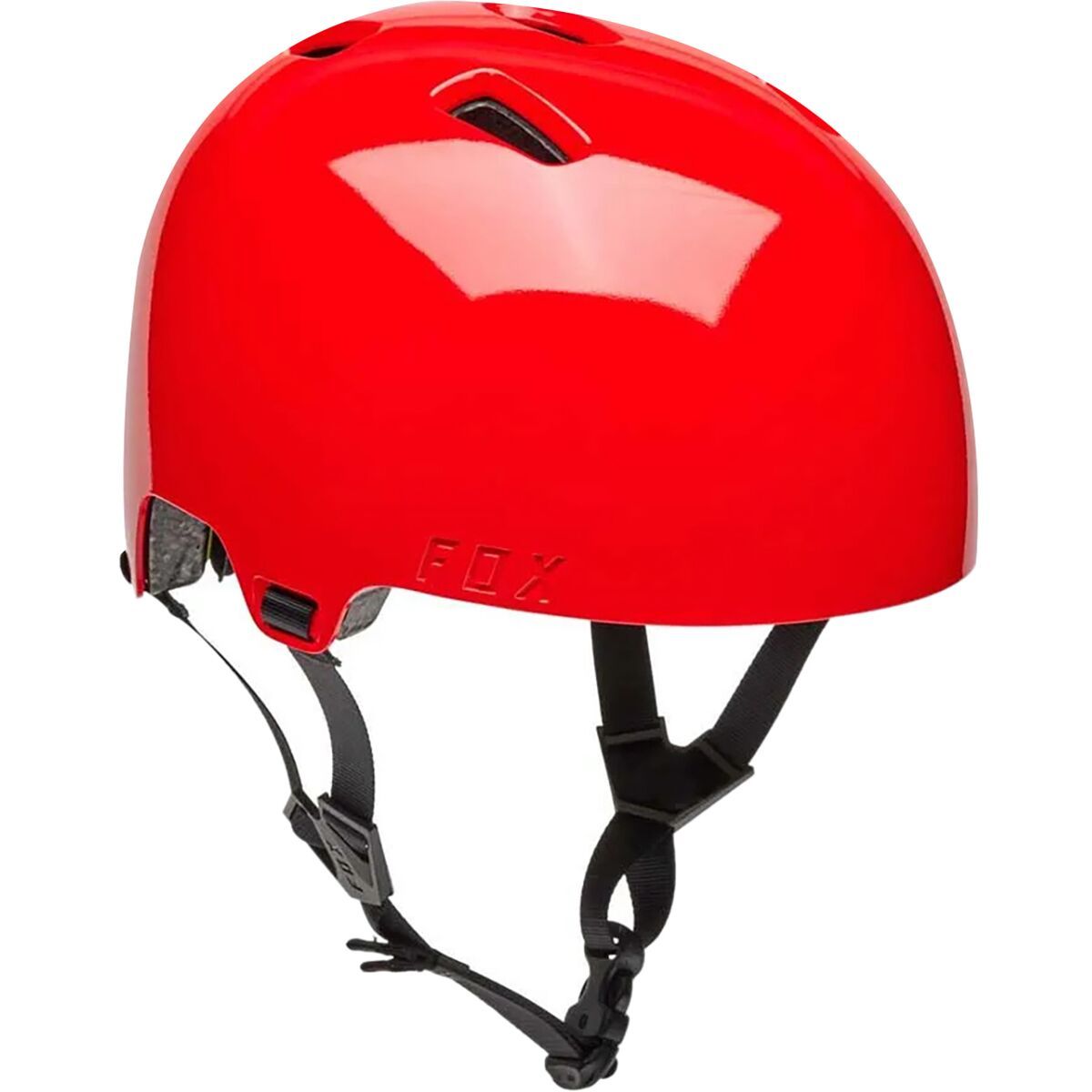
Fox Racing Flight Helmet - Kids Red
Same great protection in a bold red color. Full-coverage ABS shell with EPS foam and MIPS liner for complete head protection.
- Full-coverage shell
- MIPS technology
- Dirt jump ready
- Skatepark approved
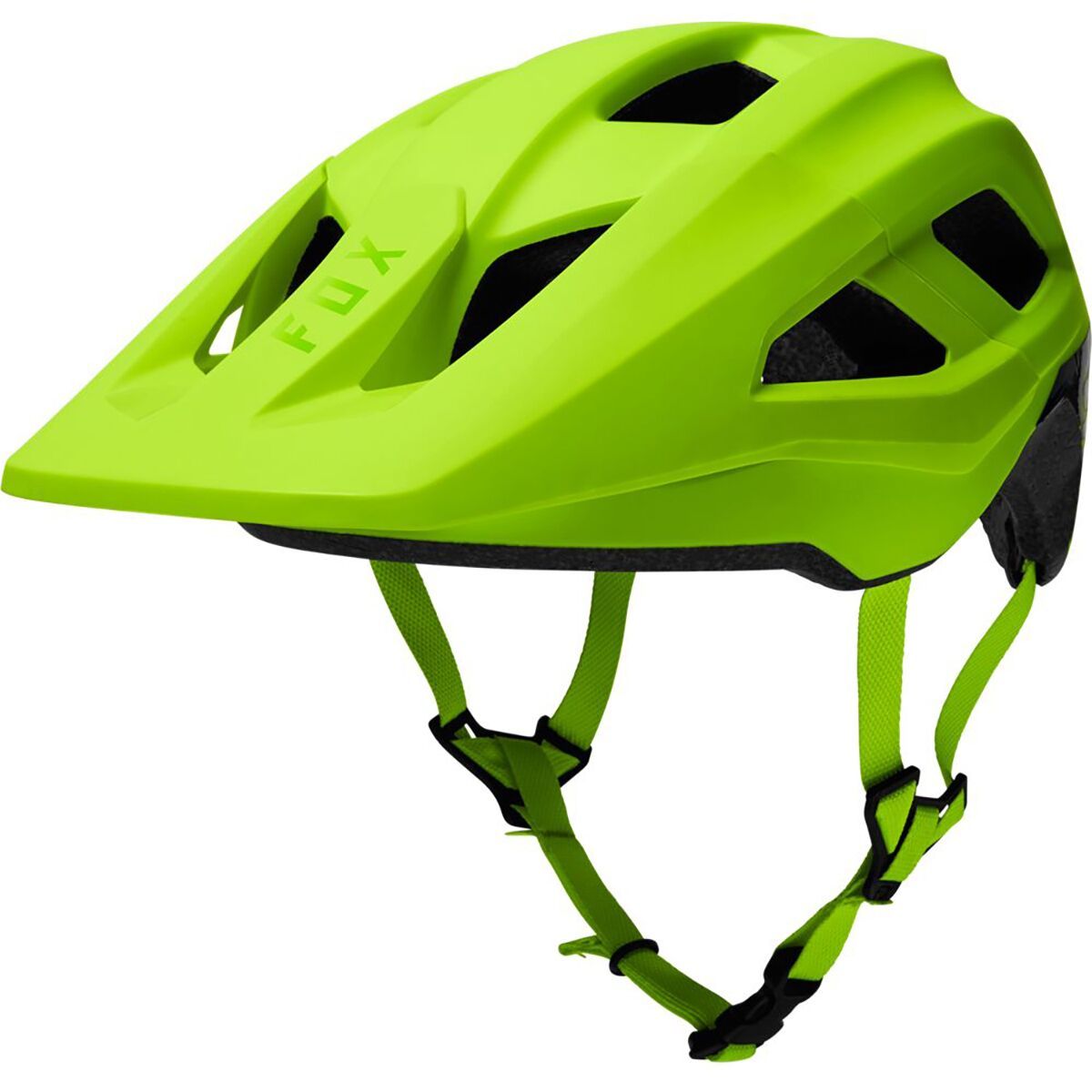
Fox Racing Mainframe MIPS Helmet
Whether it's after work rides on dirt or simply getting to work, the Fox Mainframe MIPS helmet provides integrated MIPS and smartly spaced ventilation for all riding conditions.
- Integrated MIPS
- Strategic ventilation
- Visor included
- High-visibility colors

Fox Racing Rampage Helmet - Kids
The Rampage Helmet is made in the image of Fox Racing's adult Rampage. An affordable full-face helmet with vented ABS for durability and airflow.
- Full-face protection
- 11 ventilation ports
- D-ring closure
- Wide goggle opening
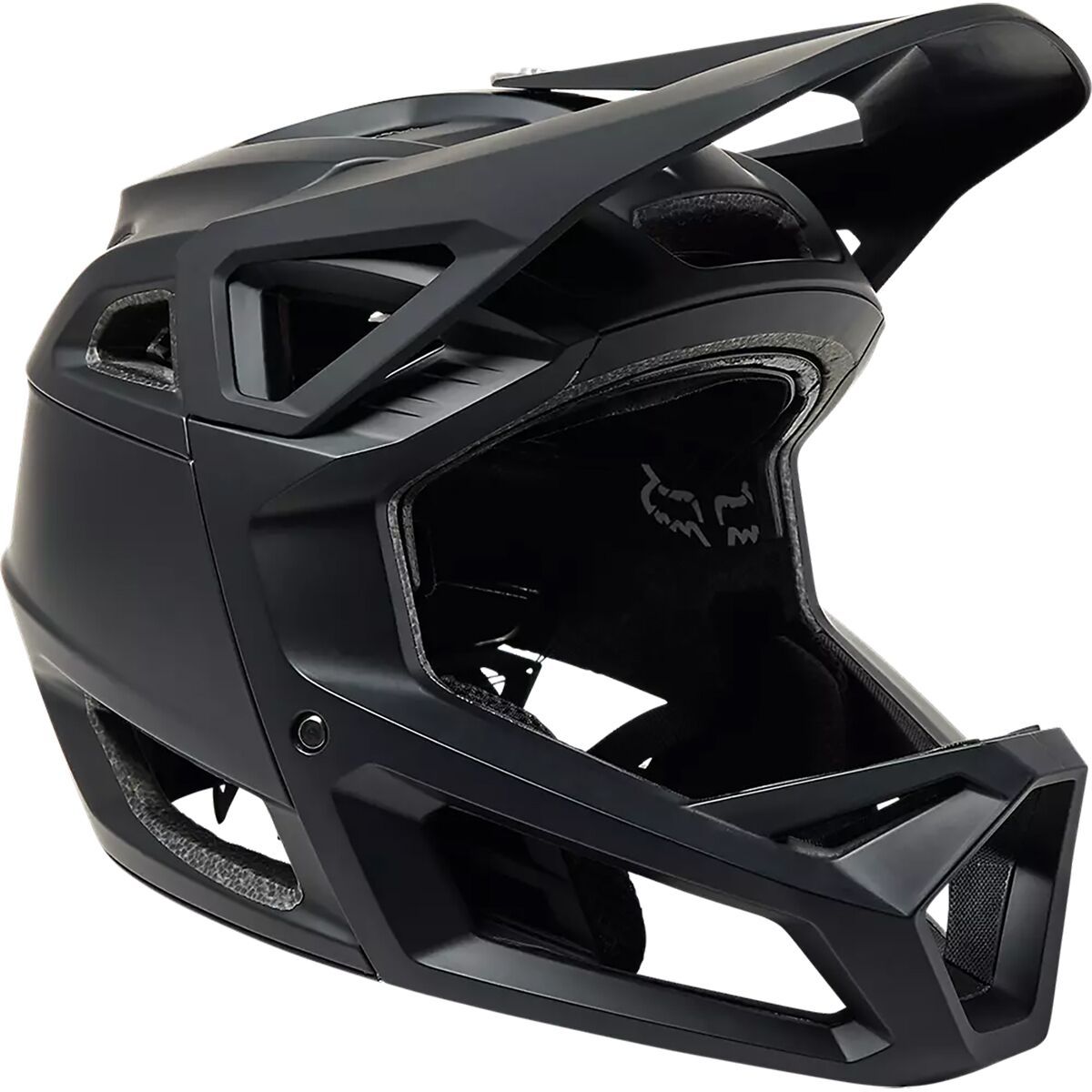
Fox Racing Proframe RS Helmet
From lung-burning climbs to heart-stopping descents, the Fox Racing Proframe RS brings uncompromising protection. MIPS Integra system fuses dual-density foam layers.
- MIPS Integra system
- BOA fit system
- Fidlock magnetic buckle
- 20+ vents
Full Face vs. Half Shell: Which Does Your Child Need?
Half Shell (Open Face)
Best for: Trail riding, commuting, casual riding, BMX park
- Lighter weight, more comfortable
- Better ventilation
- Easier to communicate
Full Face
Best for: Downhill MTB, bike parks, aggressive BMX
- Chin and face protection
- Maximum coverage
- Required at most bike parks
Child Bike Seats
Before kids can ride their own bikes, they can join you on yours. Quality child bike seats keep little passengers safe and comfortable while you ride. Always pair with an appropriately-sized helmet - even passengers need head protection.
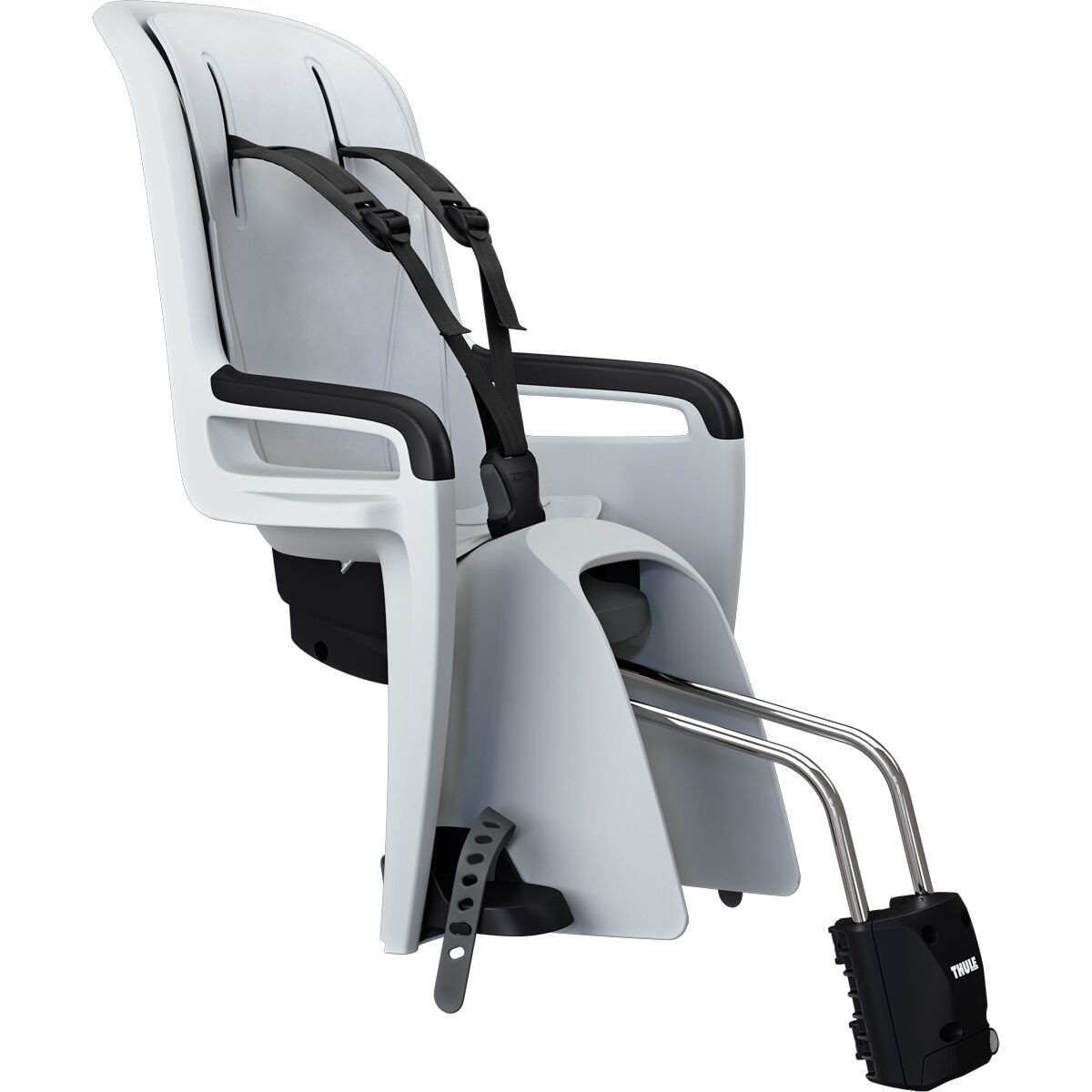
Thule Chariot RideAlong Child Bike Seat
The Thule RideAlong 2 Tiltable Child Bike Seat turns family bike rides into effortless adventures. Quick-release bracket for fast mounting, reclining function for naps.
- Quick-release bracket
- Reclining function
- Safety harness
- Up to 48.5 lbs capacity
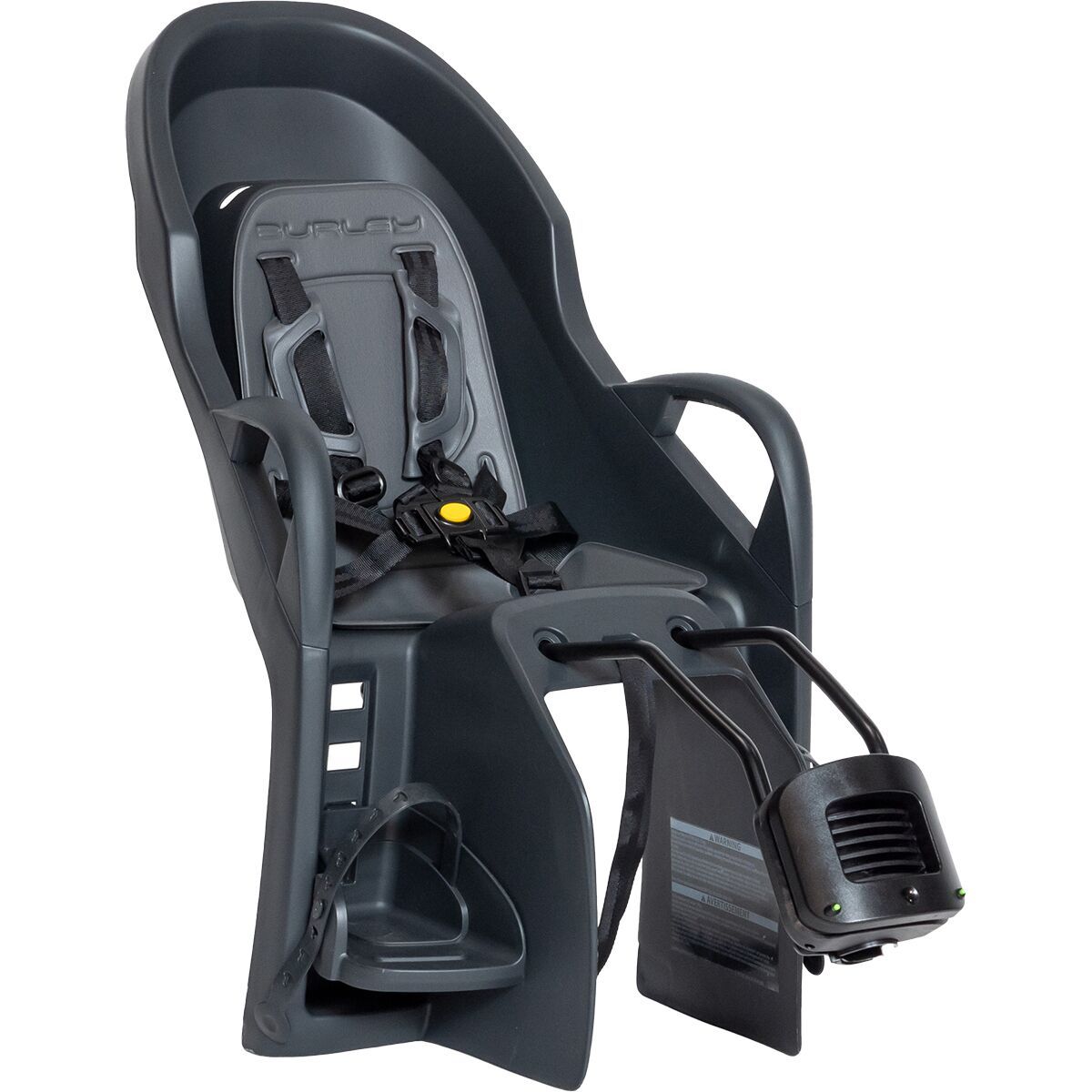
Burley Dash FM Carrier
Keep adventure within arm's reach with the Dash FM Carrier. 5-point adjustable harness accommodates children up to 40 pounds. Armrests and adjustable footrests for comfort.
- 5-point harness
- Up to 40 lbs capacity
- Adjustable footrests
- Hand-washable padding
Child Bike Seat Safety Essentials
- Children must be able to sit upright unassisted (typically 9-12 months)
- Always use a helmet - even for short rides
- Check weight limits and follow manufacturer guidelines
- Secure all harness straps snugly before each ride
- Never leave a child unattended in a mounted seat
- Ensure feet cannot reach wheel spokes
How to Properly Fit a Bike Helmet
Follow these 5 steps every time you put a helmet on your child - and teach older kids to check themselves:
Measure the Head
Use a soft measuring tape around the largest part of the head, about 1 inch above the eyebrows. This measurement helps you choose the right helmet size.
Position the Helmet
Place the helmet level on the head. The front edge should be about two finger-widths above the eyebrows. The helmet should not tilt back exposing the forehead.
Adjust the Fit System
Turn the dial or adjustment mechanism at the back of the helmet until it feels snug. The helmet should not rock more than 1 inch in any direction.
Set the Side Straps
Adjust the side straps so they form a "V" shape under each ear. The straps should meet just below the earlobe. Use the slider adjustments to position them correctly.
Buckle and Check the Chin Strap
Buckle the chin strap and tighten until you can fit only one finger between the strap and chin. Have your child open their mouth wide - they should feel the helmet pull down slightly.
The Eyes, Ears, Mouth Test
- EYES: Child should see the helmet edge when looking up
- EARS: Straps should form a V under each ear
- MOUTH: Opening wide should pull helmet down snugly
When to Replace a Bike Helmet
Helmets are designed for ONE significant impact. The foam that protects your child's head compresses and cannot provide the same protection again.
Replace Immediately If:
- Your child has had ANY crash while wearing the helmet
- The helmet has been dropped on a hard surface
- There are visible cracks, dents, or damage to the shell or foam
- The padding is worn, missing, or no longer fits properly
- Straps are frayed, damaged, or the buckle doesn't work
- Your child has outgrown it (won't adjust small enough)
Replace Every 3-5 Years Even Without Damage
Foam and plastic degrade over time due to UV exposure, sweat, and general aging. Even if a helmet looks fine, the protective materials may have deteriorated. Most manufacturers recommend replacement every 3-5 years from date of manufacture.
Good News: Many Brands Offer Crash Replacement Programs
Bell, Fox Racing, and other major brands offer discounted replacement helmets if yours has been in a crash. Check the manufacturer's website or contact customer service with your purchase info.
Teaching Bike Safety to Kids
A helmet is just one part of keeping your child safe on a bike. Here are essential safety lessons to teach at every age:
Ages 2-5: Foundation Skills
- Helmet goes on BEFORE getting on the bike
- No riding without adult supervision
- Stay on sidewalks and in safe areas
- Use hands for brakes, not dragging feet
Ages 6-9: Building Independence
- Look both ways before crossing any path
- Use hand signals for turning
- Ride with traffic flow on the right side
- Be predictable - no sudden swerving
Ages 10-12: Road Ready
- Understand and follow traffic signals
- Check for cars in driveways and intersections
- Use lights and reflectors in low light
- Avoid distractions - no headphones on roads
Teen Years: Trail & Road Skills
- Know trail etiquette - yield appropriately
- Ride within skill level, especially on MTB
- Carry basic tools and know how to fix a flat
- Tell someone your route and expected return
Lead by Example
The most important thing you can do is always wear your own helmet. Kids who see their parents wearing helmets are 4x more likely to wear them consistently.
Frequently Asked Questions
At what age can my child start riding in a bike seat?
Most manufacturers recommend children be at least 9-12 months old and able to sit upright unassisted. However, check specific product guidelines. Babies under 1 year have developing neck muscles and may not be able to support a helmet's weight properly.
Can my child wear a used or hand-me-down helmet?
Only if you can verify the helmet's history. Never use a helmet that has been in a crash, is more than 5 years old, or shows any signs of damage. If there's any doubt, buy new. A child's safety is worth the investment.
Does my child need a different helmet for biking vs. skating?
Many helmets are certified for both activities (look for ASTM F1492 for skating, CPSC for biking). Skate-style helmets like the Bell Span often have dual certification. Check the certification label inside the helmet.
How do I get my child to actually WEAR their helmet?
Make it non-negotiable from day one - no helmet, no ride. Let them choose a helmet they love (fun colors, favorite characters). Wear your own helmet every time. Store the helmet with the bike so it's always ready. And never make exceptions.
Are expensive helmets safer than budget options?
All helmets sold in the US must meet CPSC safety standards, so even budget helmets provide baseline protection. Higher-priced helmets often include MIPS technology, better ventilation, lighter weight, and more adjustability. For casual riding, a properly-fitted budget helmet is safe. For trail or aggressive riding, consider investing in MIPS.
What size helmet does my child need?
Measure around the head about 1 inch above the eyebrows. Most toddler helmets fit 45-52cm, child helmets fit 50-57cm, and youth helmets fit 52-58cm. The best fit comes from using the helmet's adjustment system - look for dials or straps that customize the fit within the size range.
When does my child need a full-face helmet?
Full-face helmets are recommended for: downhill mountain biking, bike park riding, BMX racing, and any activity where face impacts are likely. Many bike parks require full-face helmets. For regular trail riding, commuting, or casual biking, a quality half-shell helmet is sufficient.
How often should I check my child's helmet fit?
Check the fit every time before riding, and do a thorough fit check every few months. Kids grow fast - a helmet that fit perfectly in spring may be too small by fall. Re-adjust straps and the fit system as needed, and replace when they've outgrown it.
Related Resources
Ready to Gear Up?
Shop helmets and safety gear at Backcountry - free shipping on orders over $50, easy returns, and expert advice.
Shop Kids Bike HelmetsRecommended Gear
Kids Bike Helmet
Kids Bike Helmet
CPSC-certified bike helmets designed for children. Proper ventilation, adjustable fit dials, and fun colors and designs that kids actually want to wear.
View on AmazonAs an Amazon Associate, we earn from qualifying purchases at no cost to you.
Kids Training Wheels
Kids Training Wheels
Heavy-duty training wheels that fit most kids bikes. Easy to install and adjust height as your child builds confidence and balance.
View on AmazonAs an Amazon Associate, we earn from qualifying purchases at no cost to you.
Toddler Balance Bike
SEREED Toddler Balance Bike
Balance bikes help toddlers and young kids develop coordination and balance naturally. No pedals means they can focus on steering and stopping at their own pace.
View on AmazonAs an Amazon Associate, we earn from qualifying purchases at no cost to you.
As an Amazon Associate, we earn from qualifying purchases at no cost to you.
Affiliate Disclosure
ParentCalc is a Backcountry affiliate. We earn commissions from qualifying purchases at no additional cost to you. This helps support our free parenting resources. All product recommendations are based on our research and real parent feedback. We only recommend products we believe will genuinely help keep families safe on their cycling adventures.