Complete Guide to Snowboarding with Kids
Everything you need to know about teaching kids to snowboard, choosing the right gear, and making mountain days unforgettable
2026 Product Picks
Our latest product roundups related to this guide:
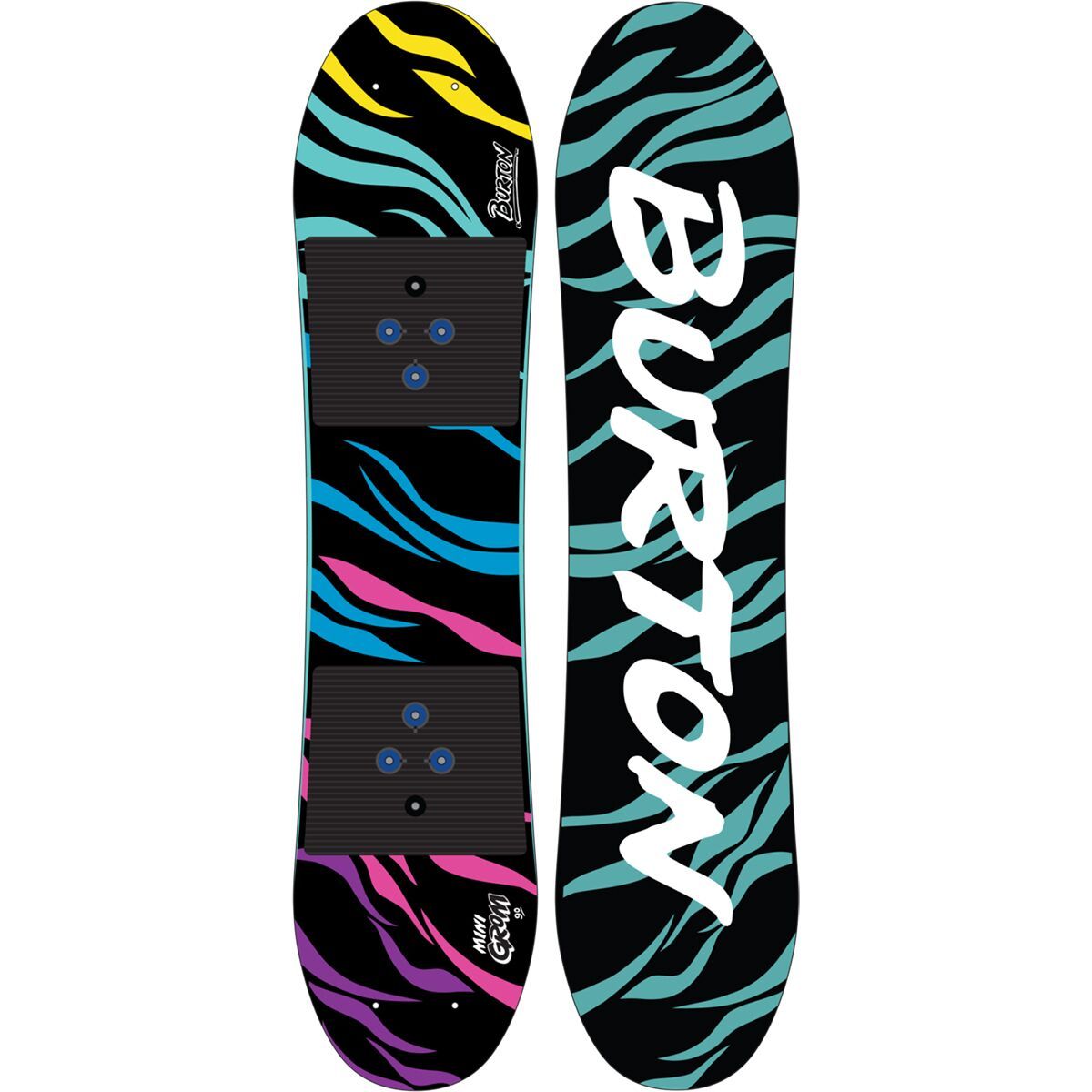
Burton Mini Grom Snowboard - Kids
Perfect for the smallest snowboarders just starting out. Super soft flex makes turning easy, and the Easy Bevel keeps it from catching edges. Light, forgiving, and durable enough to handle learning fa...
Introduction: Why Snowboarding is Perfect for Kids
Snowboarding with kids opens up a world of winter adventures that create lasting family memories. Unlike skiing, where both feet move independently, snowboarding keeps feet connected to a single board, which many children find more intuitive once they overcome the initial learning curve. The sideways stance mirrors movements kids are already familiar with from skateboarding, surfing, or even just sliding on socks across a wood floor.
The sport has evolved dramatically since the 1990s when snowboarding first gained mainstream acceptance. Today's kids' snowboard gear is purpose-built for young riders, with softer flex patterns, catch-free edges that prevent frustrating tip catches, and binding systems that small hands can operate independently. Brands like Burton, which pioneered the sport, have invested heavily in developing age-appropriate equipment that makes learning faster and more enjoyable.
Teaching your kids to snowboard requires patience, the right equipment, and realistic expectations. The first few sessions will likely involve more falling than riding, and that's perfectly normal. Children have a lower center of gravity than adults and less fear of falling, which actually makes them natural learners once they commit to the process. Most kids who stick with it for three to five sessions are linking turns and riding independently.
Skiing vs. Snowboarding for Kids: Which Should You Choose?
One of the most common questions parents ask is whether their kids should start with skiing or snowboarding. There's no universally correct answer, but understanding the differences can help you make the right choice for your family.
Skiing Advantages
- Easier first day - kids can walk, stop, and pizza wedge quickly
- More natural foot position facing downhill
- Poles help with balance and getting up
- Easier lift loading with both feet free
Snowboarding Advantages
- Easier to master - most progress faster after day 3
- Softer boots are more comfortable all day
- Less equipment to manage (no poles)
- Translates to skateboarding, surfing, wakeboarding
Many families find success starting kids on skis at age 3-4 to build mountain familiarity, then transitioning to snowboarding around age 6-7 when they have the core strength and coordination to handle the learning curve. However, plenty of kids start snowboarding directly at age 5-6 with programs like Burton's Riglet Parks that teach balance on flat ground before moving to slopes. The best choice ultimately depends on your child's interests, any existing board sport experience, and what the rest of the family rides.
When Can Kids Start Snowboarding?
Age is just a number, but physical development, attention span, and emotional readiness all play crucial roles in determining when a child is ready to snowboard. Here's a breakdown by age group to help you set realistic expectations.
Ages 3-4: Pre-Snowboarding
Most kids this age lack the core strength and attention span for actual snowboarding. However, the Burton Riglet system lets them experience standing on a board at home or in the yard. Focus on building excitement without pressure. Ski school might be more appropriate for mountain time.
Ages 5-6: Ready to Learn
This is the sweet spot for starting. Kids have developed balance, can follow instructions, and have the core strength to control a board. Expect frustration and lots of falling, but also rapid progress once the basics click. Keep sessions under 2 hours.
Ages 7-10: Progression Years
Kids who started early are now linking turns confidently. New starters learn faster than younger kids due to better coordination. This is prime time for freestyle exploration, riding switch, and developing individual style on the mountain.
Physical Readiness Signs
- Can balance on one foot for 10+ seconds
- Comfortable on scooters, balance bikes, or skateboards
- Can get up from floor without using hands
- Has stamina for 1-2 hours of physical activity
Mental Readiness Signs
- Can follow multi-step instructions
- Handles frustration without complete meltdown
- Shows genuine interest in snowboarding
- Willing to wear safety gear without complaint
Snowboard Sizing Guide for Kids
Proper snowboard sizing is crucial for learning success. A board that's too long will be difficult to turn, while one that's too short won't provide enough stability at speed. Unlike adult boards where weight is the primary factor, kids' boards are typically sized by height.
Quick Sizing Reference
| Child Height | Weight Range | Board Length | Skill Level |
|---|---|---|---|
| 3'0" - 3'4" | 30-45 lbs | 80-90 cm | Beginner |
| 3'5" - 3'10" | 40-60 lbs | 90-105 cm | Beginner-Intermediate |
| 3'11" - 4'4" | 55-80 lbs | 105-120 cm | Intermediate |
| 4'5" - 4'10" | 75-100 lbs | 120-135 cm | Intermediate-Advanced |
| 4'11" - 5'2" | 90-120 lbs | 135-145 cm | Advanced |
Beginner Tip
For first-time riders, size DOWN slightly (board standing on end should reach between chin and nose). Shorter boards are easier to turn and control during the learning phase.
Stance Width
Set binding stance width roughly equal to shoulder width. A slightly narrower stance (1-2 inches inside shoulders) helps beginners with balance and turn initiation.
Best Kids Snowboards
Kids' snowboards are designed specifically for young riders with softer flex, catch-free edges, and graphics that get kids excited to ride. Look for flat or rocker profiles that make turn initiation easier. Burton dominates the kids' market with proven designs that have taught millions of groms to shred.
Burton Mini Grom Snowboard - Kids
Perfect for the smallest snowboarders just starting out. Super soft flex makes turning easy, and the Easy Bevel keeps it from catching edges. Light, forgiving, and durable enough to handle learning falls.
- Flat Top profile
- Easy Bevel edges
- Twin shape
- Ages 3-6 (80-90cm)
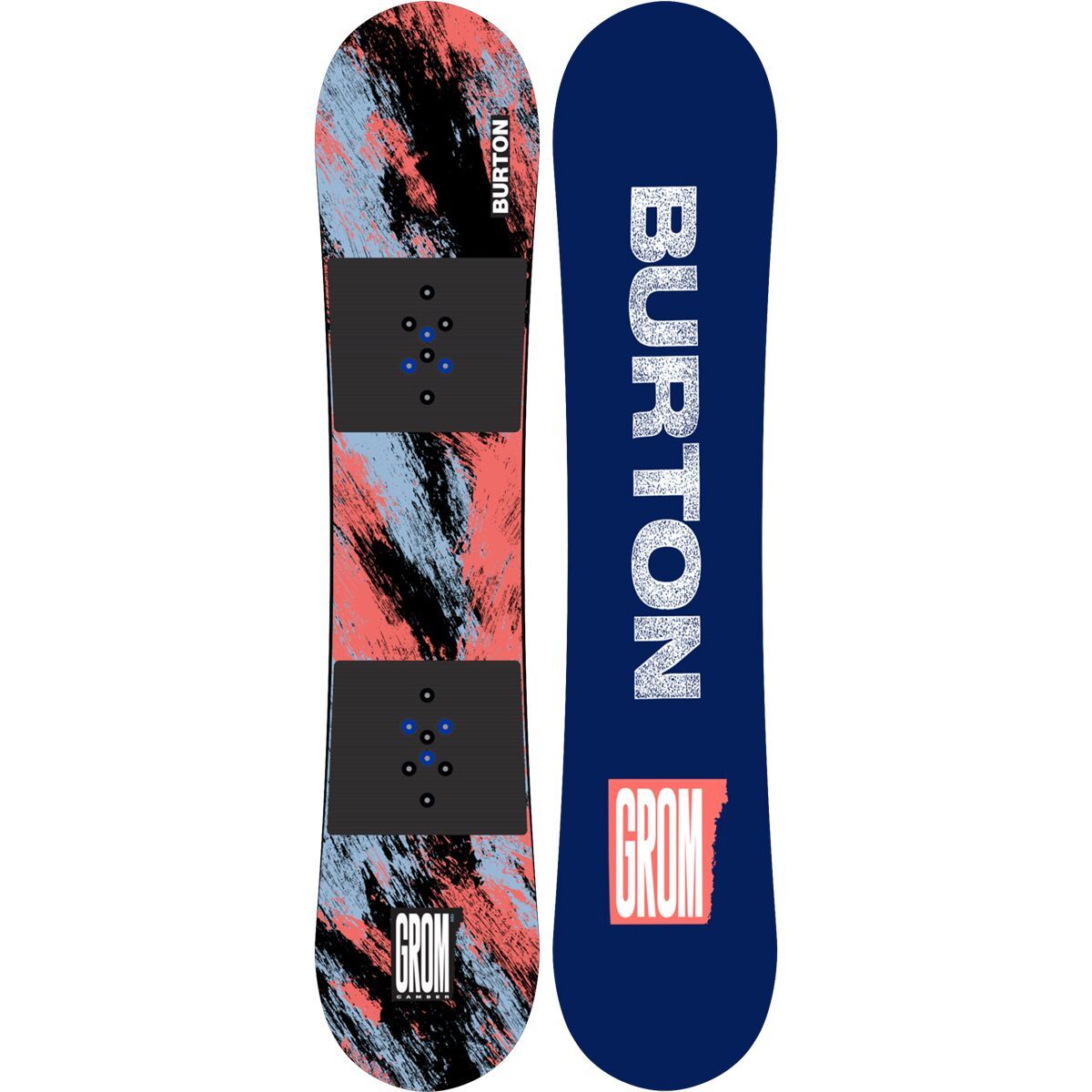
Burton Grom Snowboard - Kids
The go-to board for kids ready for the hill. Flat Top Bend keeps it stable but forgiving, and Easy Bevel makes it almost impossible to catch an edge. Light, playful, and simple to control.
- Flat Top Bend profile
- Easy Bevel edges
- Fly Core construction
- Twin shape (120cm)
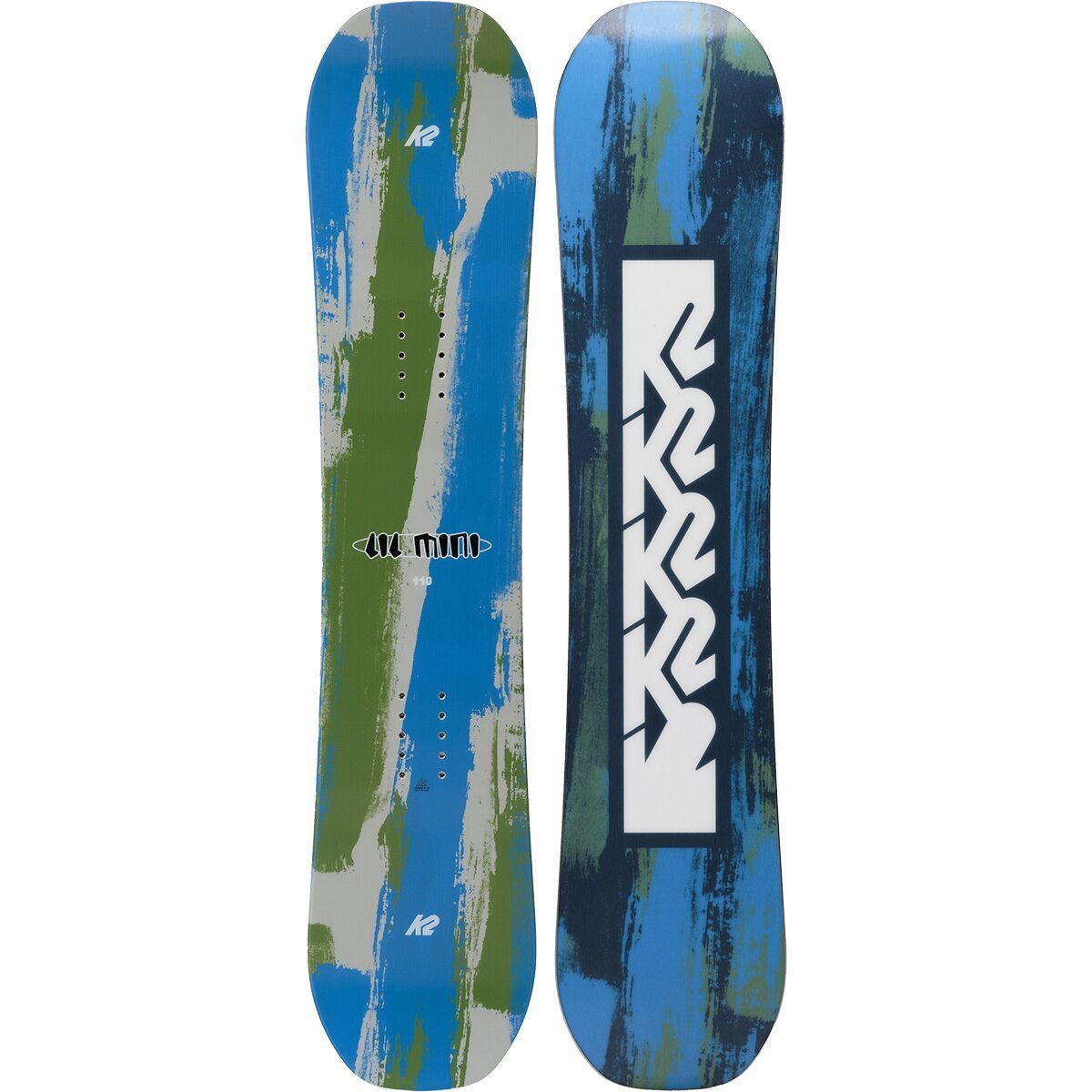
K2 Lil Mini Snowboard - Kids
An awesome first board with soft, forgiving flex and playful rocker that helps little riders avoid catching an edge. Leash grommets on smallest sizes for parent-assisted learning.
- Twin Rocker profile
- Catch-Free edges
- Noodle construction
- 75-100cm sizes
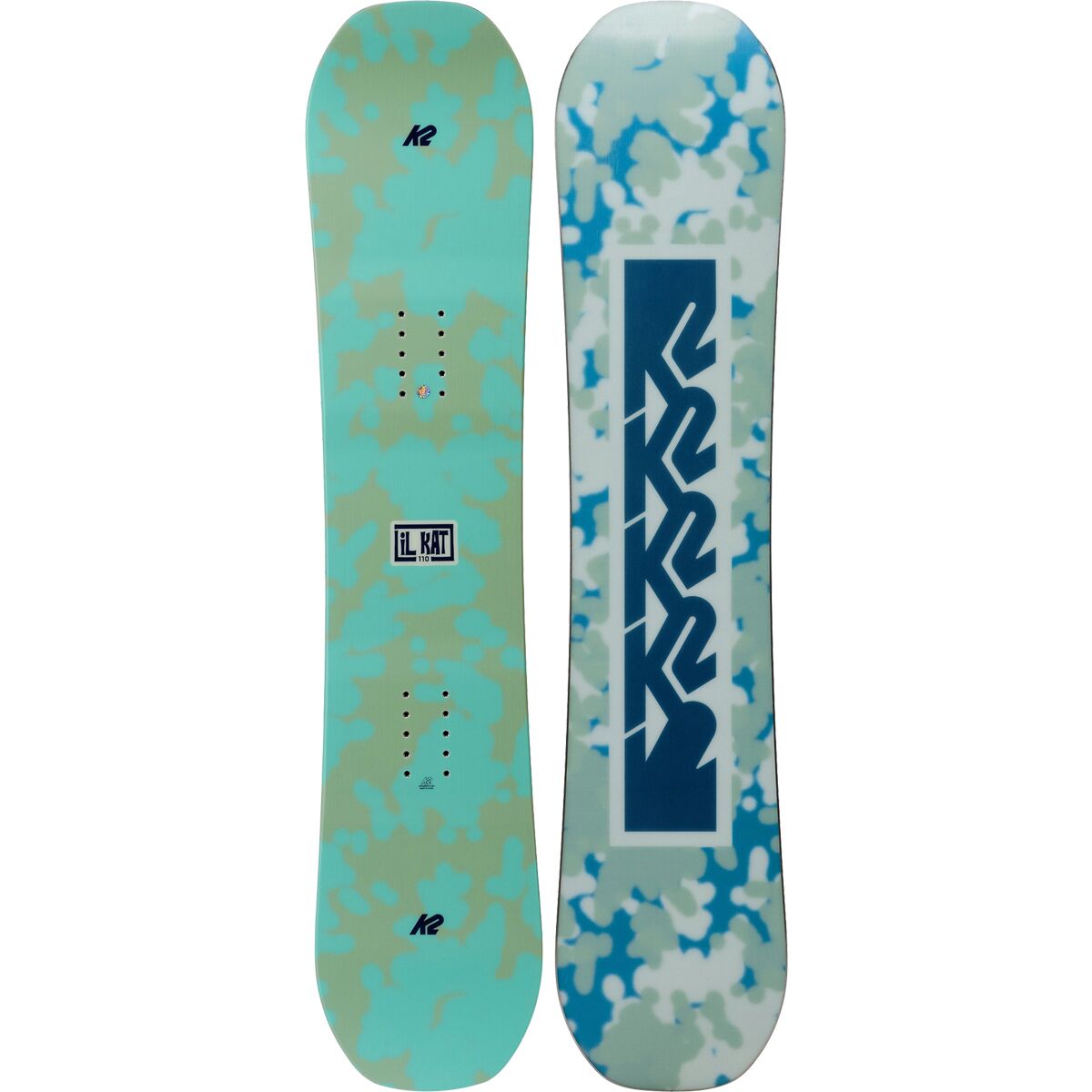
K2 Lil Kat Snowboard - Girls
Perfect for girls just starting out. Soft flex and rocker profile make turning effortless, while Catch-Free Tune reduces early falls. Durable, forgiving, and designed to help young riders fall in love with snowboarding.
- Twin Rocker profile
- Catch-Free Tune
- Noodle construction
- 75-90cm sizes
Boots & Bindings: The Importance of Proper Fit
Boots are arguably the most important piece of snowboard equipment. Ill-fitting boots lead to cold feet, heel lift, and loss of control. For kids, look for BOA or Velcro closure systems they can operate independently. Soft flex is essential for beginners - stiff boots make edge control much harder.
Boot Fit Tips for Kids
- Heel should stay in place when flexing forward - no lift
- Toes should touch the end when standing straight, slight room when flexed
- No pressure points on sides of feet or ankles
- Child should be able to close and tighten boots independently
Kids Snowboard Boots
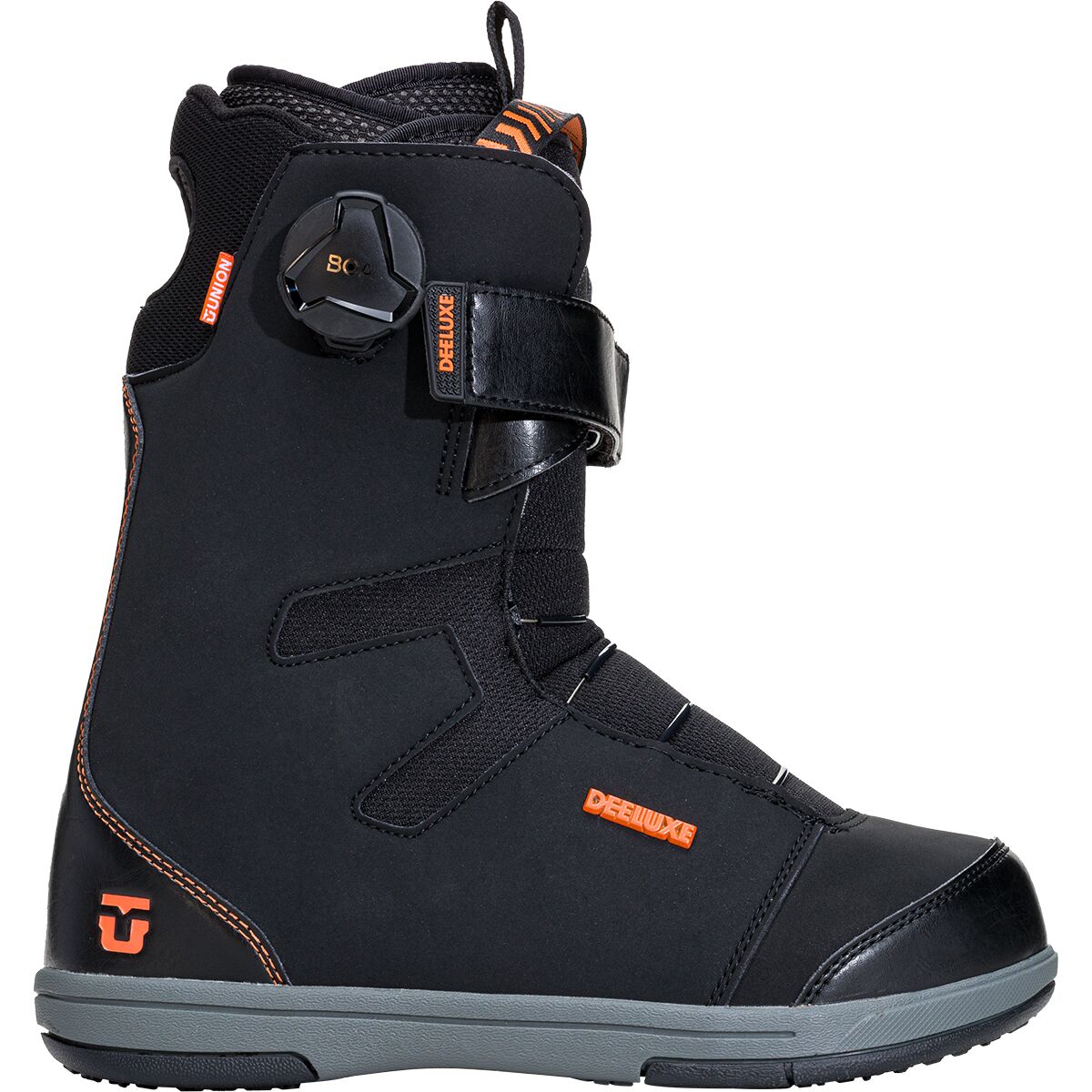
Union Cadet Snowboard Boot - Kids
Kid-specific design with easy-to-use BOA closure that kids can adjust even with gloves on. Power strap locks in the perfect fit for all-day comfort.
- BOA closure system
- Power strap
- Kids-specific design
- Multiple sizes 19.5-24
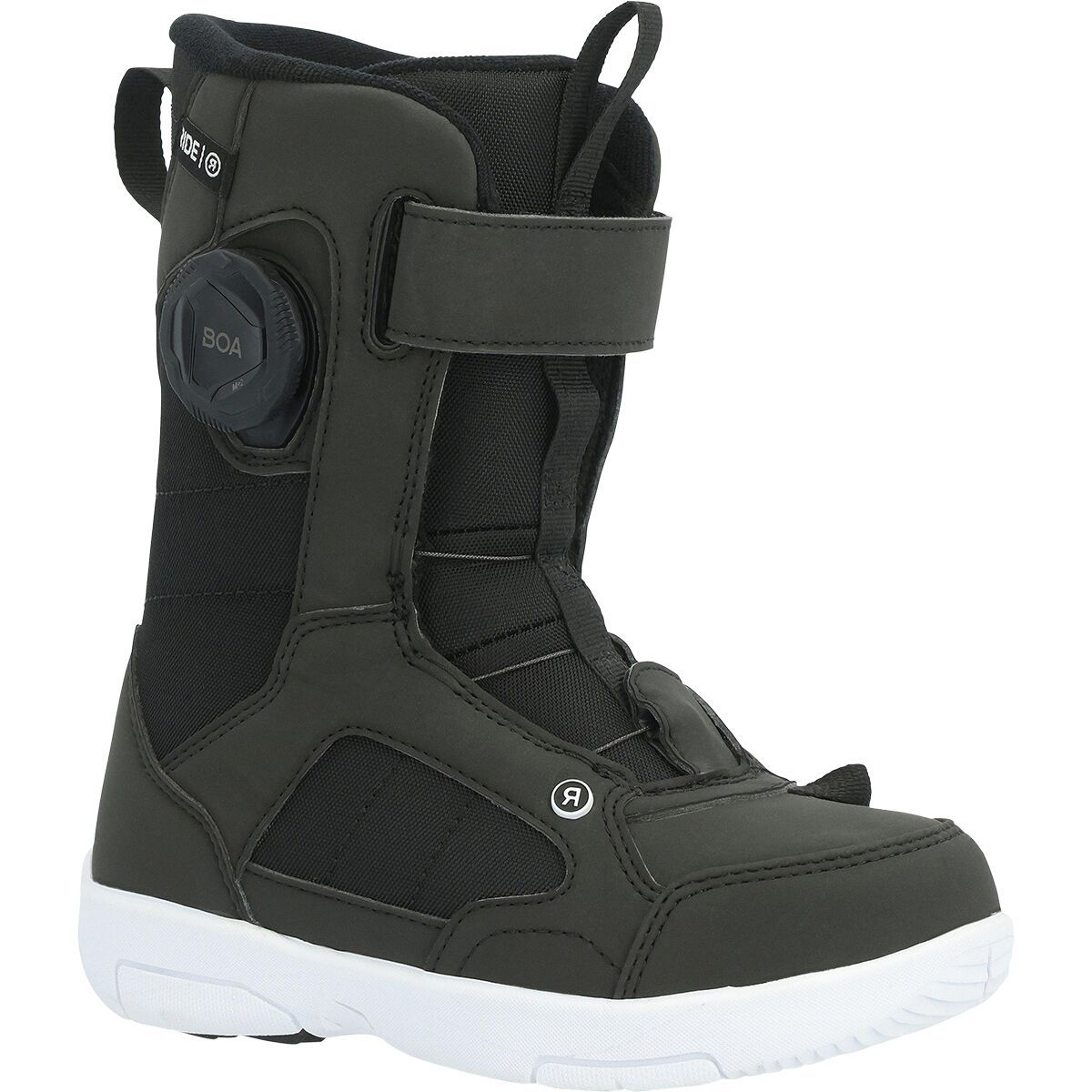
Ride Norris Jr Snowboard Boot - Kids
Built for the smallest snowboarders. Kids BOA Fit System provides uniform fit, while Die Cut EVA insole with size shims allows one full size of boot growth for extra life.
- Kids BOA Fit System
- Size shims for growth
- Track Lite phylon sole
- Lightweight cushioning
Kids Snowboard Bindings
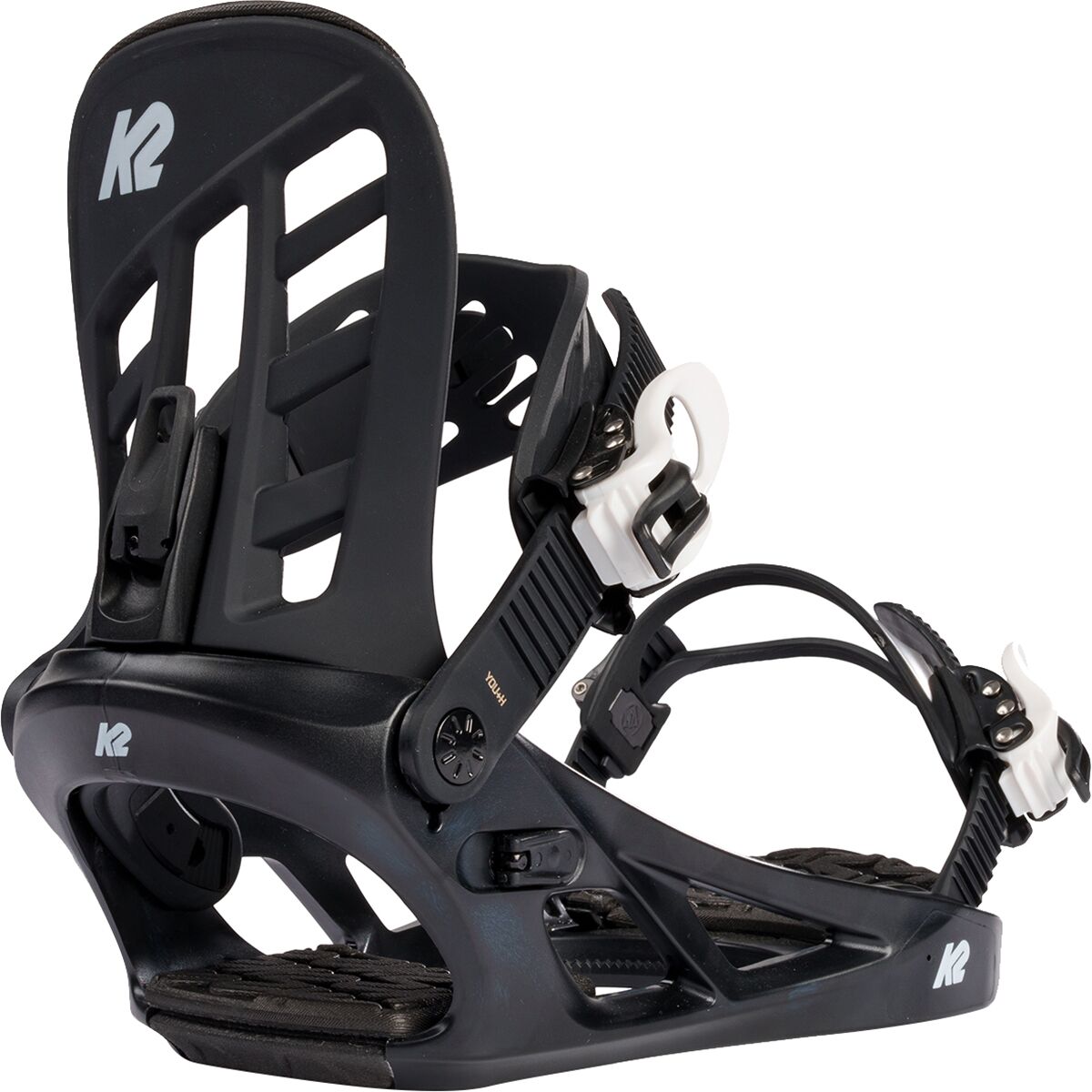
K2 You+h Snowboard Binding - Kids
Built with the same durable technology as K2 adult bindings. Adjustable Power Ramp, flexible Tweakback Highback, and lightweight Bender Ankle Strap for perfect fit.
- Nylon Fusion Chassis
- Adjustable Power Ramp
- Tweakback Highback
- Bender Ankle Strap
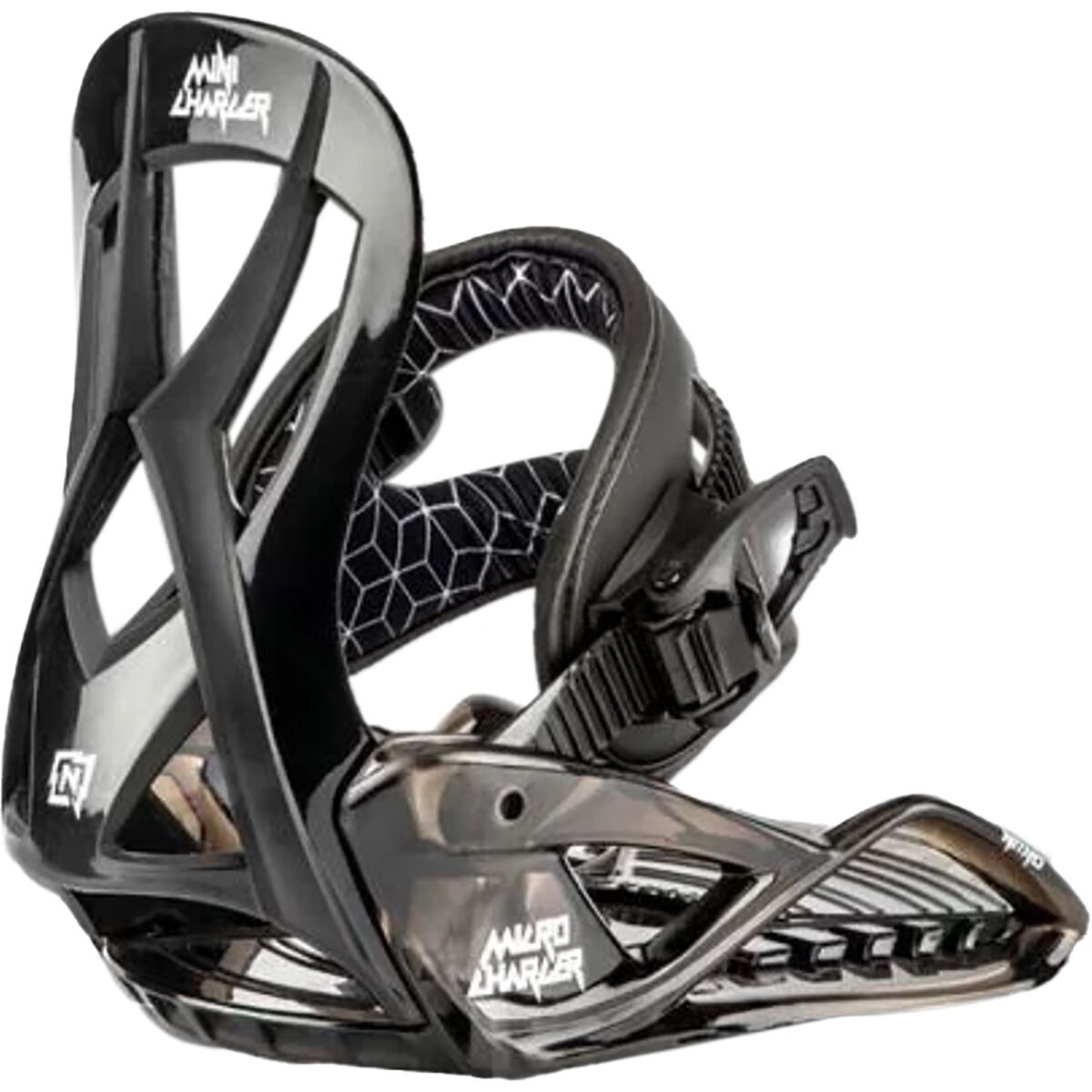
Nitro Micro Charger Snowboard Binding - Kids
Perfect for teeny groms with small boots. No toe strap needed - the Flex Window ankle strap offers support on both upper and lower ankle. Adjustable baseplate grows with them.
- No toe strap design
- Flex Window ankle strap
- Adjustable baseplate
- Grows with them
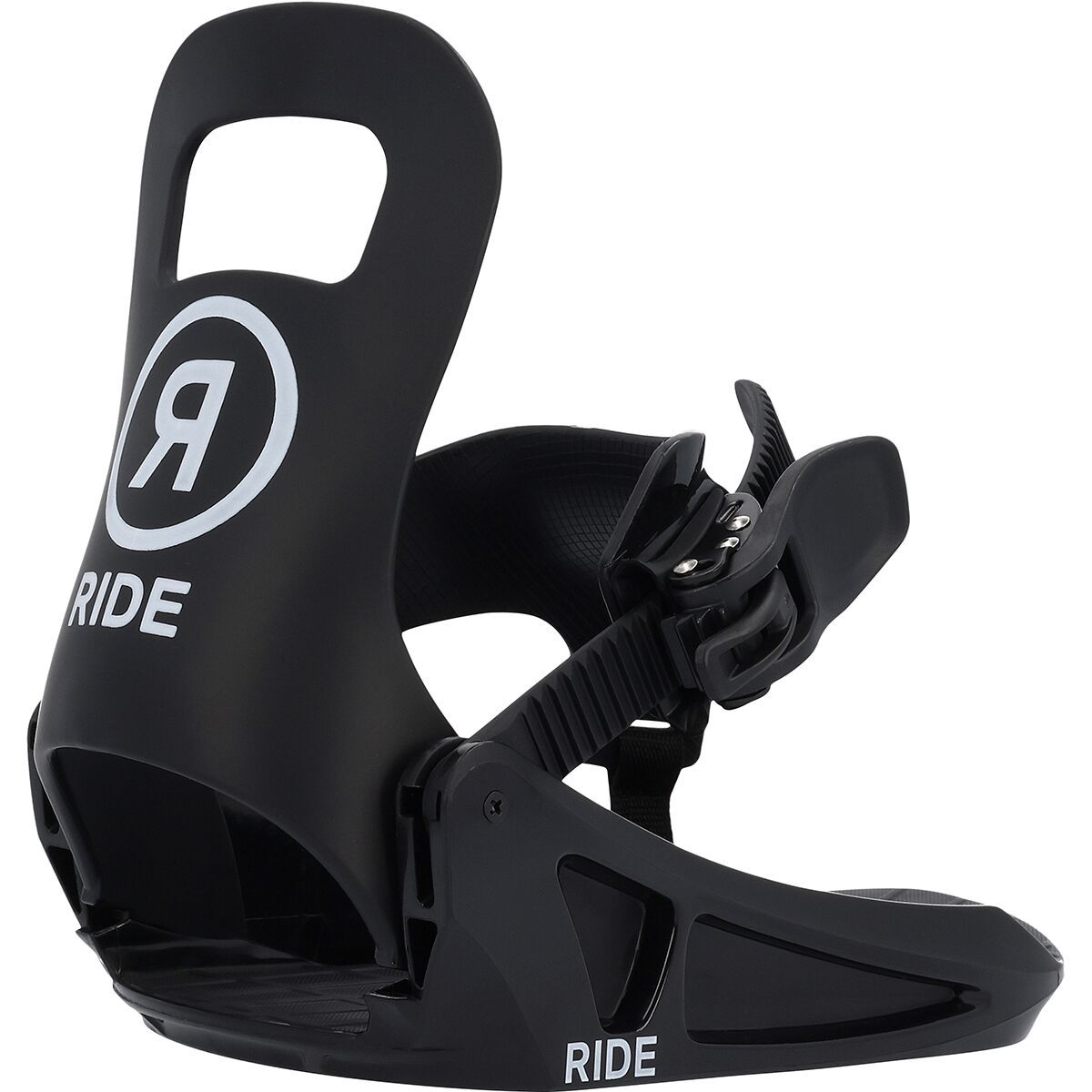
Ride Micro Snowboard Binding - Kids
Soft flex makes it easier to control the snowboard, and single-strap design is easy for kids to use by themselves, even with mittens on. Adjustable heelcup for custom fit across seasons.
- Single-strap design
- Adjustable heelcup
- EVA padded footbed
- Micro highback
Essential Safety Gear
Safety gear is non-negotiable for young snowboarders. Unlike skiing where falls often separate gear from body, snowboard falls tend to impact the same areas repeatedly: head, wrists, and tailbone. Helmets are mandatory at most resorts, and we strongly recommend wrist guards and impact shorts for beginners.
Why MIPS Matters
MIPS (Multi-directional Impact Protection System) adds a low-friction layer inside the helmet that allows slight rotation during angled impacts. This reduces rotational forces transmitted to the brain - the type of forces most associated with concussion. For kids who fall frequently while learning, MIPS provides significantly better protection than standard helmets.
Helmets & Goggles
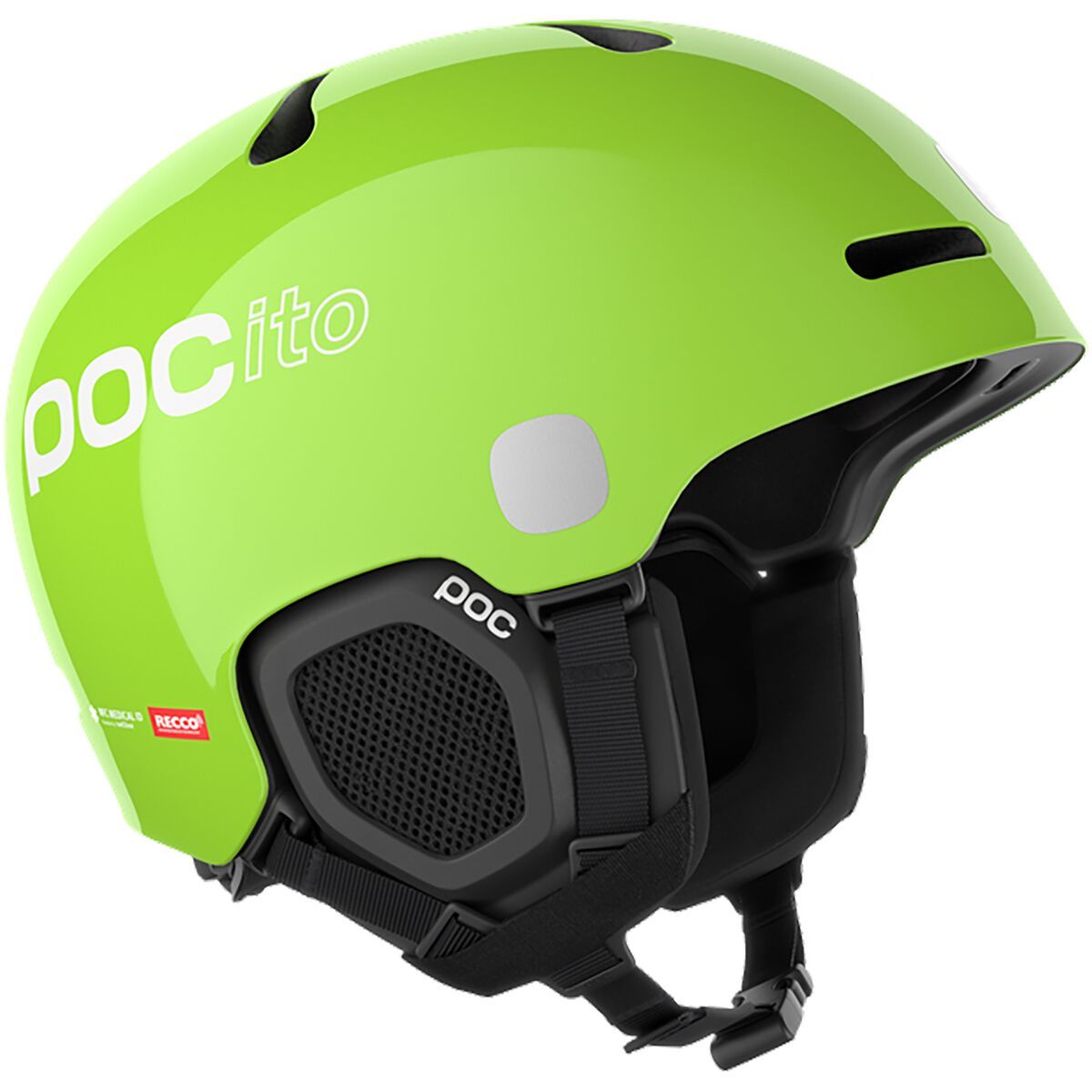
POC Pocito Fornix MIPS Helmet - Kids
Premium MIPS protection in bright, high-visibility colors. Adjustable sizing system grows with your child. Integrated ventilation keeps them comfortable.
- MIPS brain protection
- High-visibility colors
- Adjustable fit system
- Goggle clip
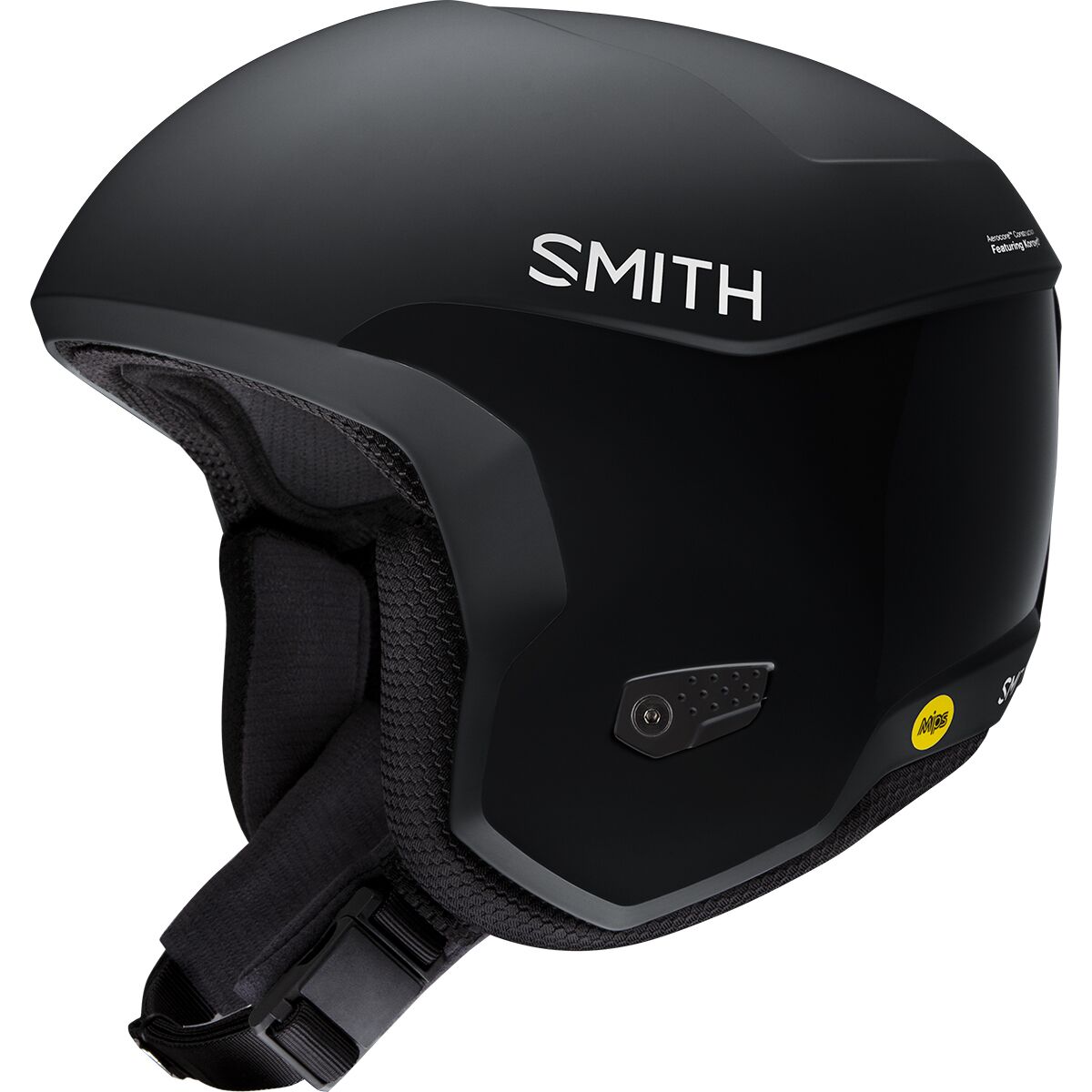
Smith Icon Junior MIPS Helmet
Race-inspired design with MIPS technology. AirEvac ventilation keeps goggles fog-free. Self-adjusting lifestyle fit works for all head shapes.
- MIPS protection
- Hybrid shell construction
- AirEvac ventilation
- Self-adjusting fit
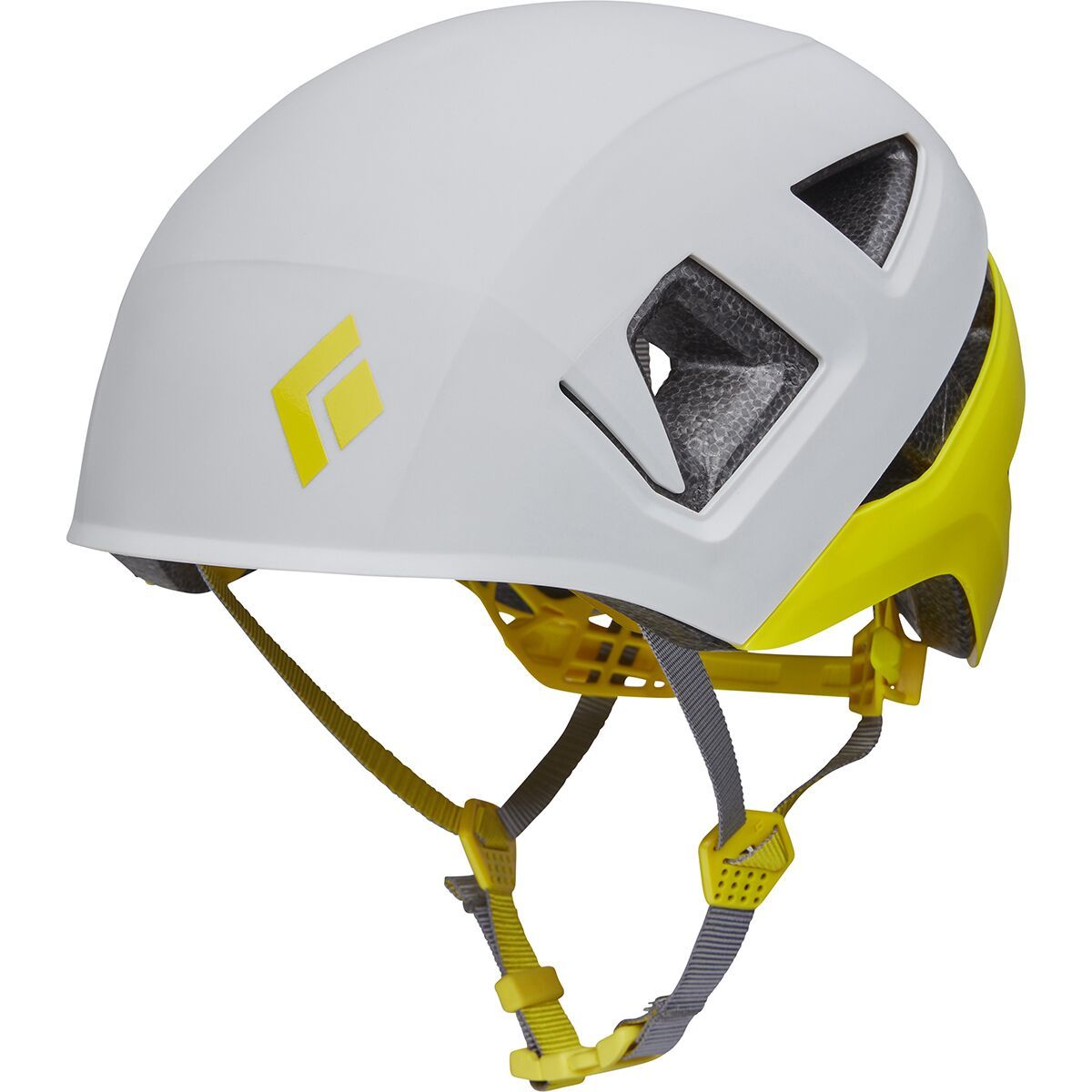
Black Diamond Capitan MIPS Helmet - Kids
Bike and snow certified for year-round use. Large breezy vents and lightweight comfortable design. MIPS protection for rotational impacts.
- Bike + snow certified
- MIPS protection
- Large vents
- Lightweight design
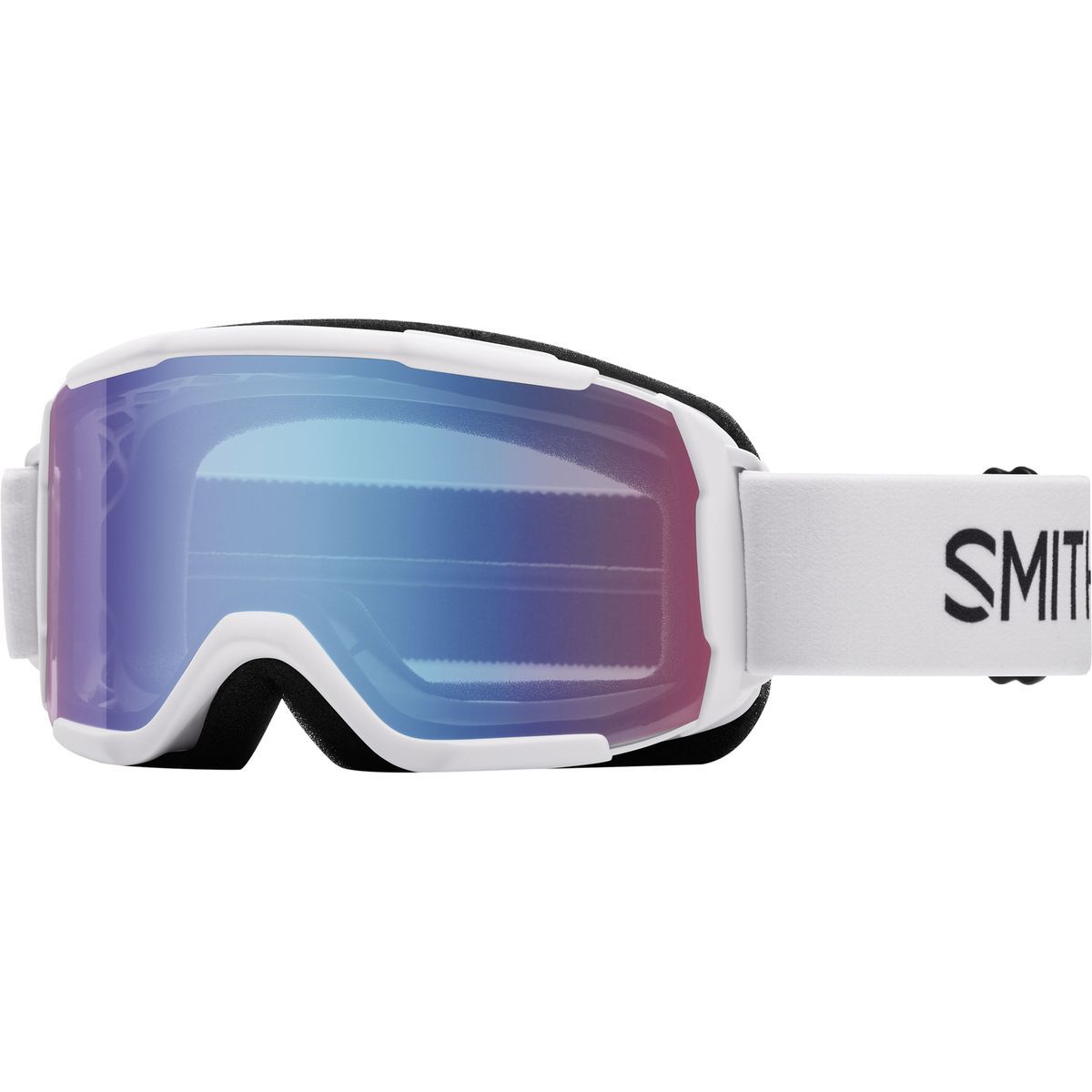
Smith Daredevil OTG Goggles - Kids
Designed specifically to fit over prescription glasses. Anti-fog lens coating and floating foam membrane for all-day comfort.
- Fits over glasses
- Anti-fog inner lens
- Floating foam membrane
- Helmet compatible
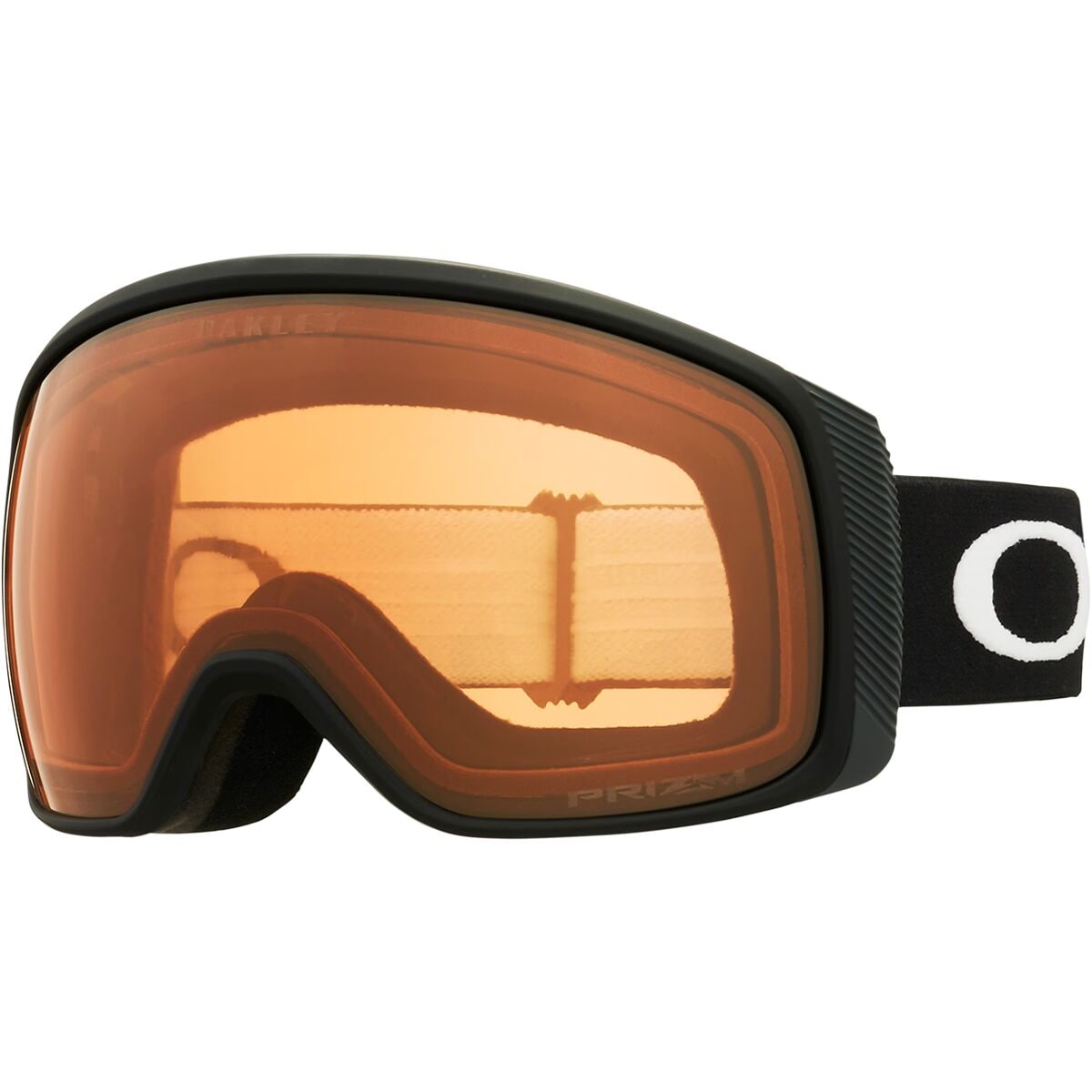
Oakley Flight Tracker XM Goggles
Premium optics with wide peripheral vision. Ridgelock lens change system for quick swaps in changing conditions.
- Prizm lens technology
- Triple-layer face foam
- Wide field of view
- Ridgelock lens change
Wrist Guards
Wrist injuries are the most common snowboard injury for beginners. When learning to fall, the natural instinct is to put hands out, which can lead to sprains or fractures. Wrist guards provide crucial support and should be worn under gloves during the learning phase.
- Look for splint on palm side for impact protection
- Should allow finger movement for binding adjustments
Impact Shorts
Learning to snowboard means lots of sitting down hard. Impact shorts with tailbone and hip padding make falls less painful and help kids stay on the mountain longer. They wear under snow pants and are barely noticeable.
- Focus on tailbone protection for beginners
- Hip pads helpful for side falls
Outerwear for Young Riders
Snowboarding generates heat through activity, making breathability as important as waterproofing. Look for jackets with pit zips for ventilation, powder skirts to keep snow out, and helmet-compatible hoods. Burton's Room-to-Grow system adds hidden length in sleeves and cuffs for multi-season use.

Burton Powline GORE-TEX Jacket - Kids
GORE-TEX shell provides ultimate waterproof protection for storm days and powder bowls. Lightweight insulation with underarm vents for temperature control.
- GORE-TEX shell
- ThermacoreECO insulation
- Underarm vents
- Helmet-compatible hood
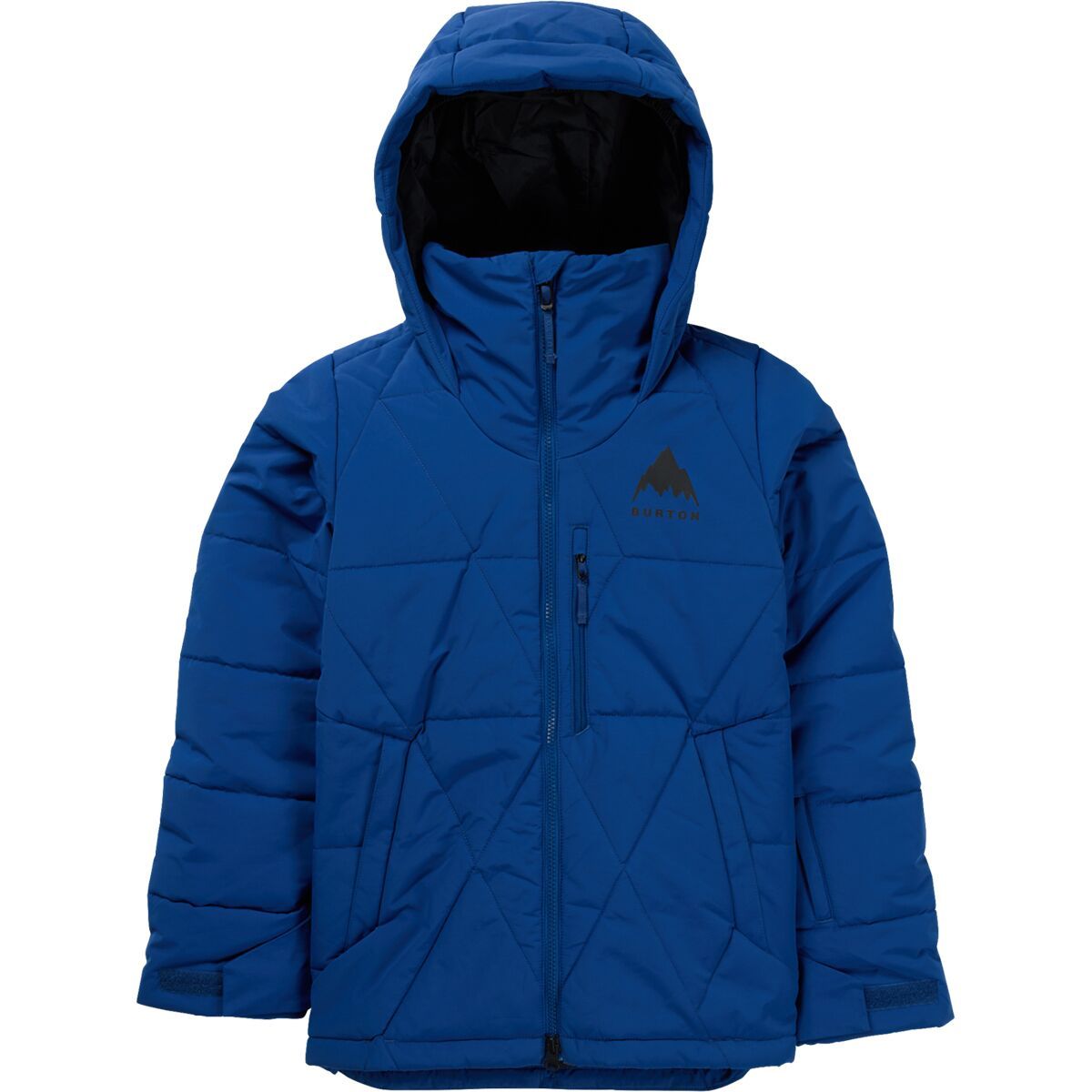
Burton Spindal Jacket - Kids
Waterproof-breathable membrane with healthy insulation keeps kids toasty. Helmet-compatible hood, powder skirt, and plenty of pockets.
- Waterproof membrane
- Synthetic insulation
- Powder skirt
- Multiple pockets

Burton Ascutney 2L Jacket - Kids
DRYRIDE 2L fabric with Thermocore insulation at a great price. Helmet-compatible hood and underarm ventilation for active riders.
- DRYRIDE 2L fabric
- Thermocore insulation
- Helmet-compatible hood
- Zippered vents
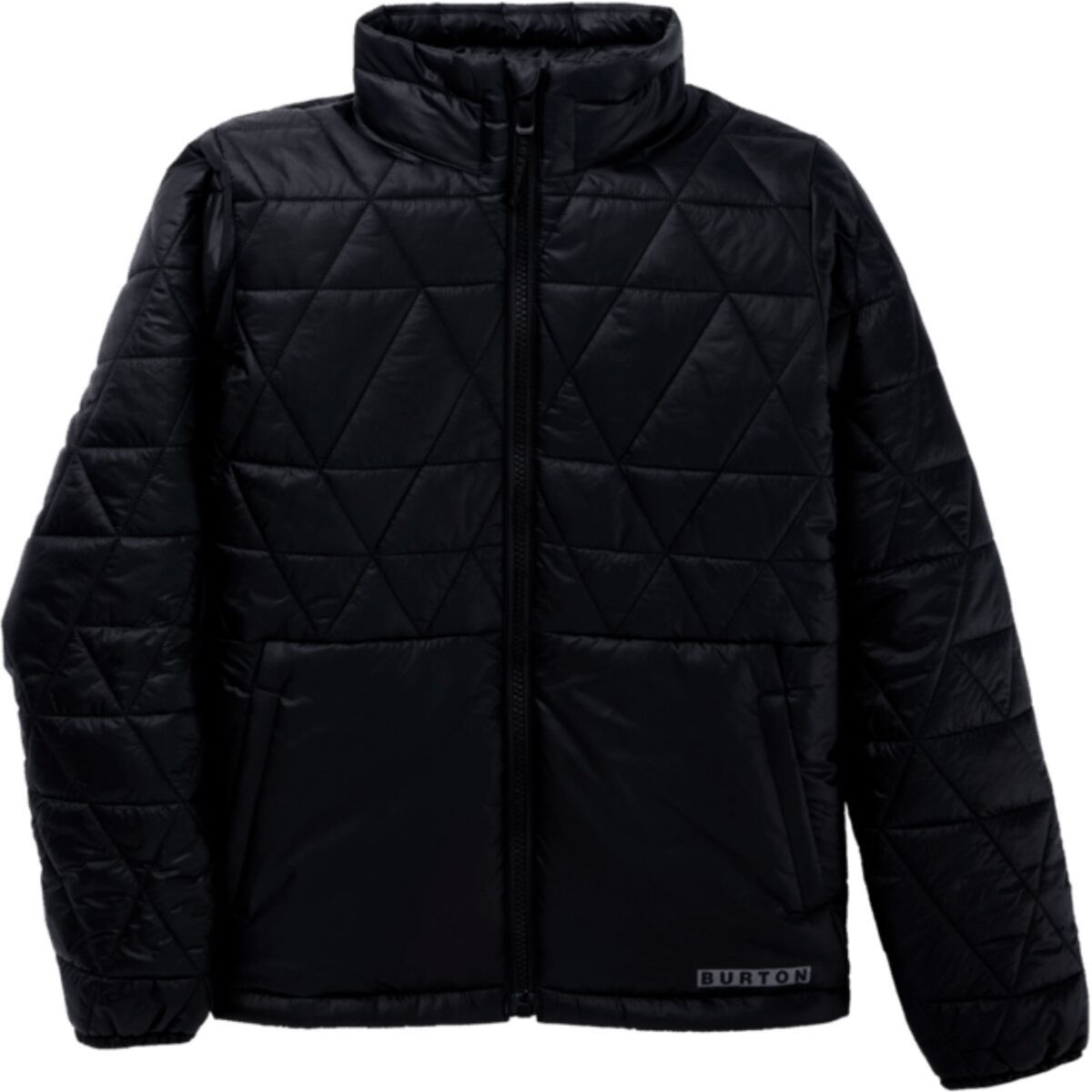
Burton Vers-Heat Synthetic Insulated Jacket - Kids
Water-repellent fabrics with cozy, low-bulk insulation. Perfect worn solo at the park or bundled with layers at the resort.
- Water-repellent
- Low-bulk insulation
- Versatile layering
- Packable design
Snow Pants & Bibs
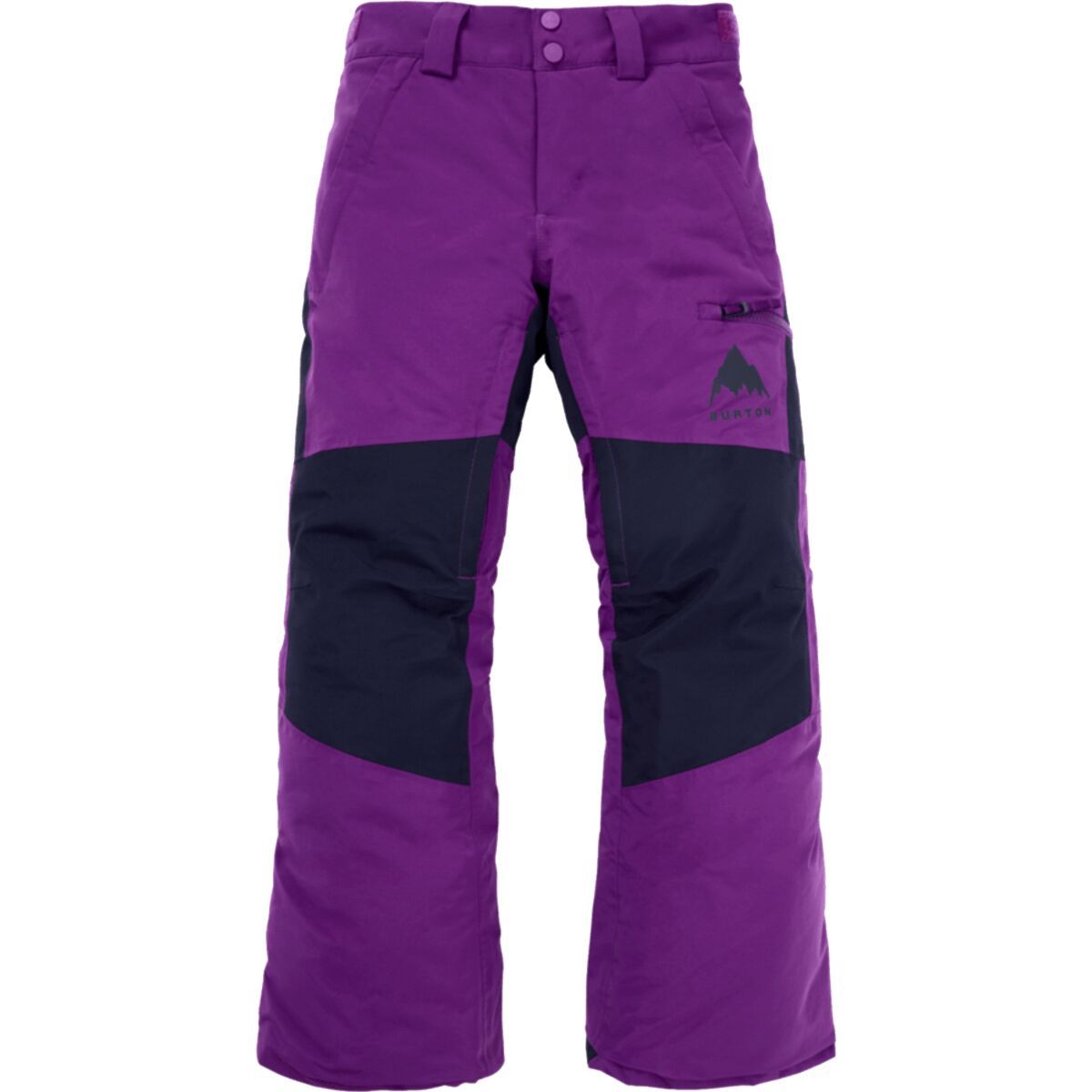
Burton Skylar 2L Pant - Kids
DRYRIDE 2-layer membrane creates firm barrier against wet snow. ThermacoreECO insulation provides reliable warmth even when wet. Articulated knees for natural movement.
- DRYRIDE 2L membrane
- ThermacoreECO insulation
- Articulated knees
- Snow gaiters
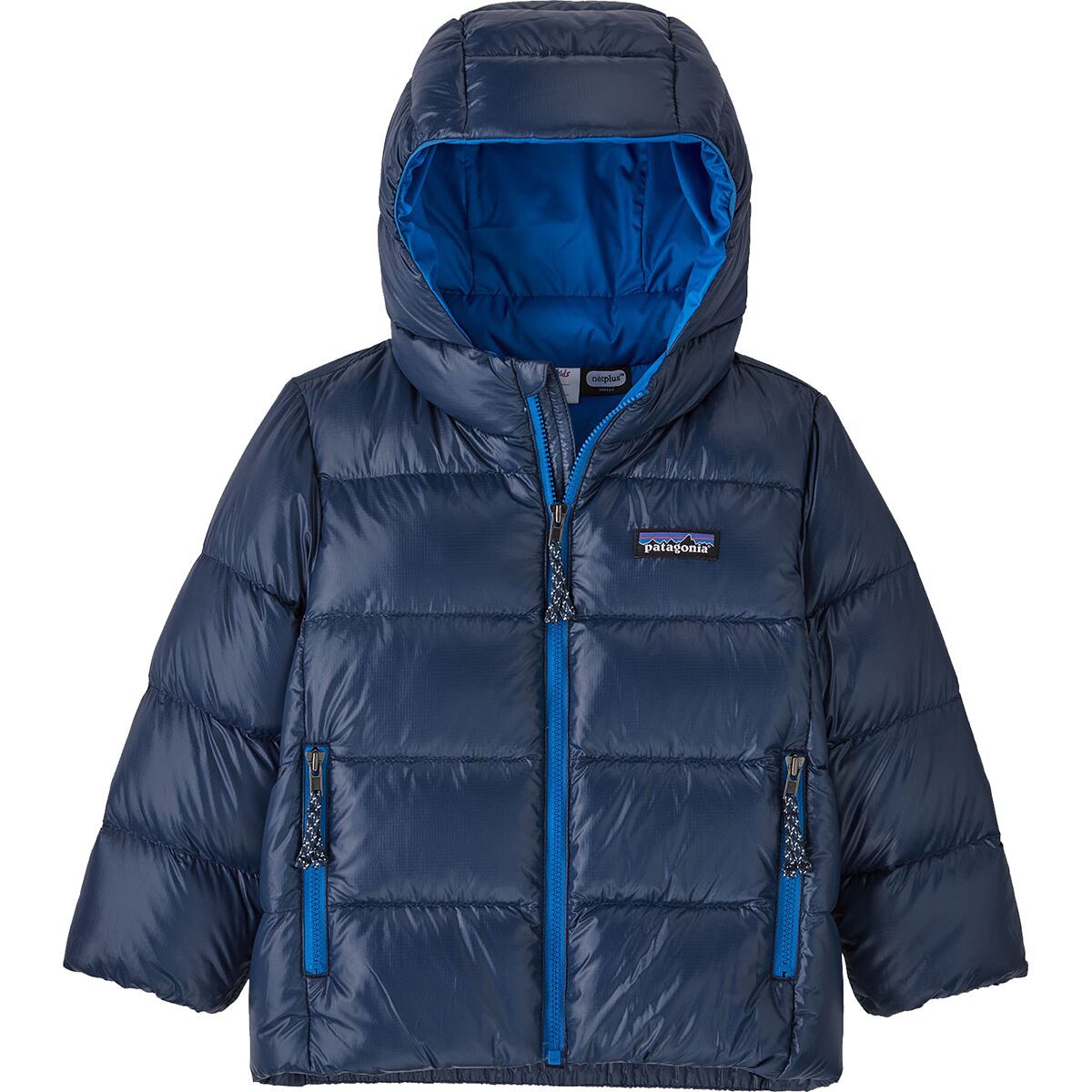
Patagonia Hi-Loft Down Sweater Hoodie - Toddlers
Super warm down insulation for littlest riders. Full-coverage hood keeps heads toasty warm during those first lessons.
- 600-fill down insulation
- Hooded warmth
- Recycled materials
- Sizes 2T-5T
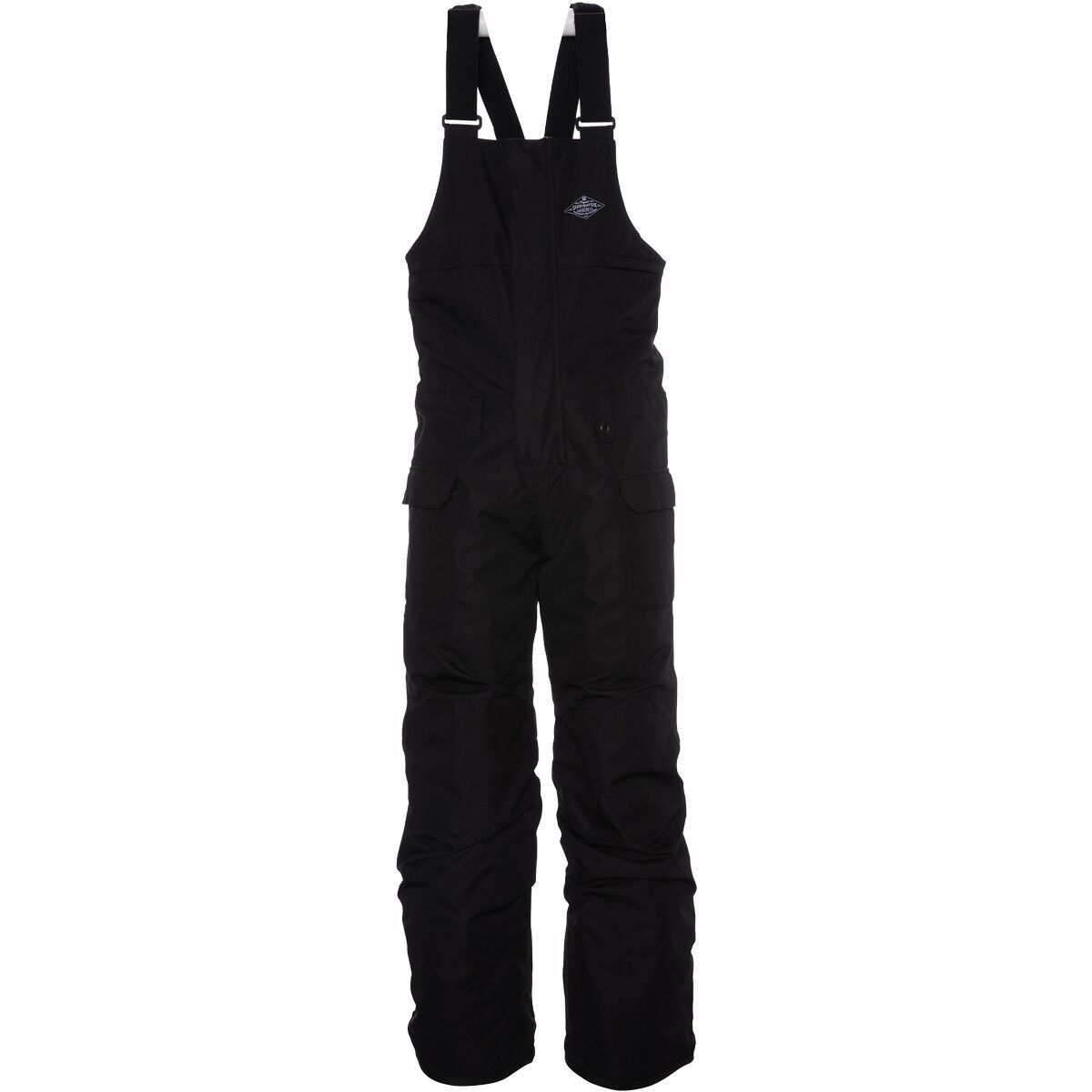
686 Frontier Insulated Bib - Kids
Full coverage bib keeps snow out during inevitable falls. Adjustable straps and grow cuffs extend the fit across multiple seasons.
- InfiDry waterproof
- Adjustable suspenders
- Reinforced knees
- Snow gaiters
Base Layers & Accessories
The right layering system keeps kids comfortable from first chair to last run. Start with moisture-wicking base layers (never cotton!), add an insulating mid-layer, and top with a waterproof shell. Don't forget quality gloves, face protection, and proper ski socks that stay up and cushion shins.
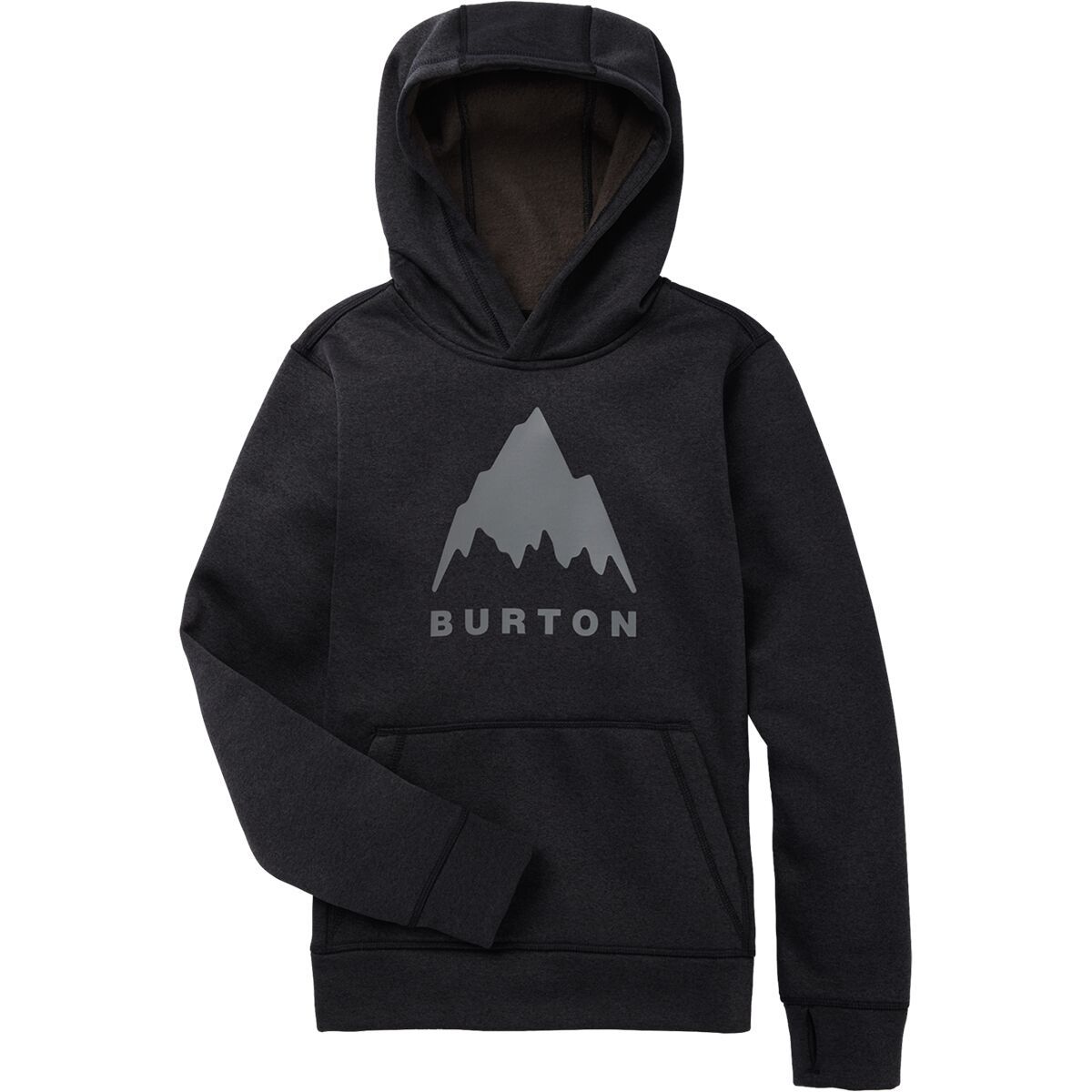
Burton Oak Pullover Hoodie - Kids
Lightweight fleece with thumbholes to keep sleeves in place. Fixed hood and kangaroo pockets for warmth. Perfect for active kids.
- Brushed polyester fleece
- Thumbholes
- Kangaroo pocket
- Fixed hood

Patagonia Down Sweater Jacket - Kids
Lightweight 600-fill recycled down for incredible warmth-to-weight ratio. Windproof ripstop shell layers under any jacket or wears solo on mild days.
- 600-fill recycled down
- Windproof shell
- Elastic cuffs
- 100% recycled materials
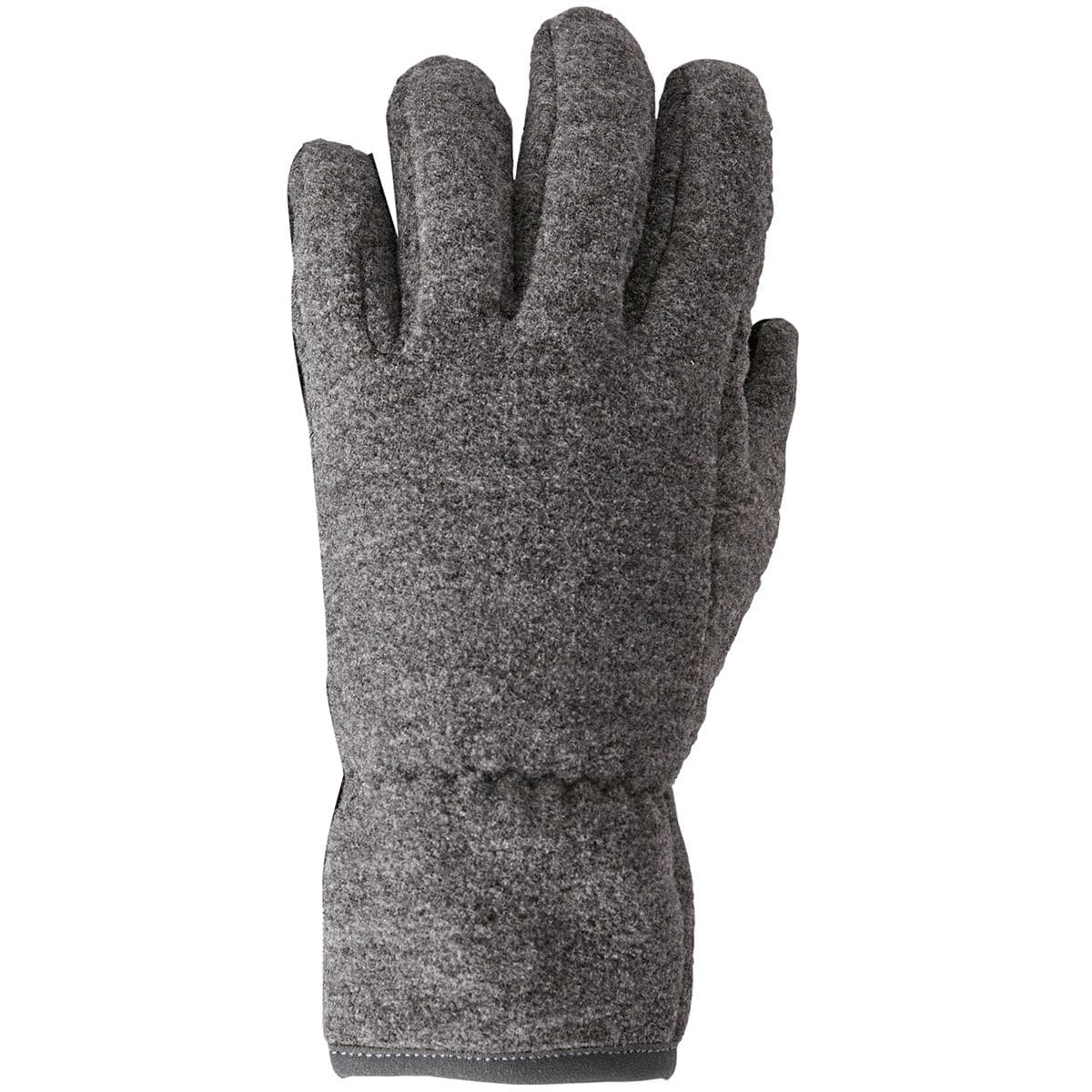
Patagonia Synchilla Glove - Kids
Recycled polyester fleece for warmth and touchscreen-compatible E-tips for connectivity. Perfect as liner or standalone for mild days.
- Recycled fleece
- Touchscreen E-tips
- Lightweight
- Great liner

Burton GORE-TEX Glove - Kids
GORE-TEX insert and synthetic insulation keeps hands warm and dry all day. Brushed microfiber lining and pre-curved fit for comfort.
- GORE-TEX membrane
- Synthetic insulation
- Pre-curved fit
- Screen grab

Burton GORE-TEX Mitten - Kids
GORE-TEX membrane for proven waterproof protection. ThermacoreEco insulation and microfiber lining. Built-in leash prevents single-mitten losses.
- GORE-TEX membrane
- ThermacoreEco insulation
- Built-in leash
- Touchscreen thumb
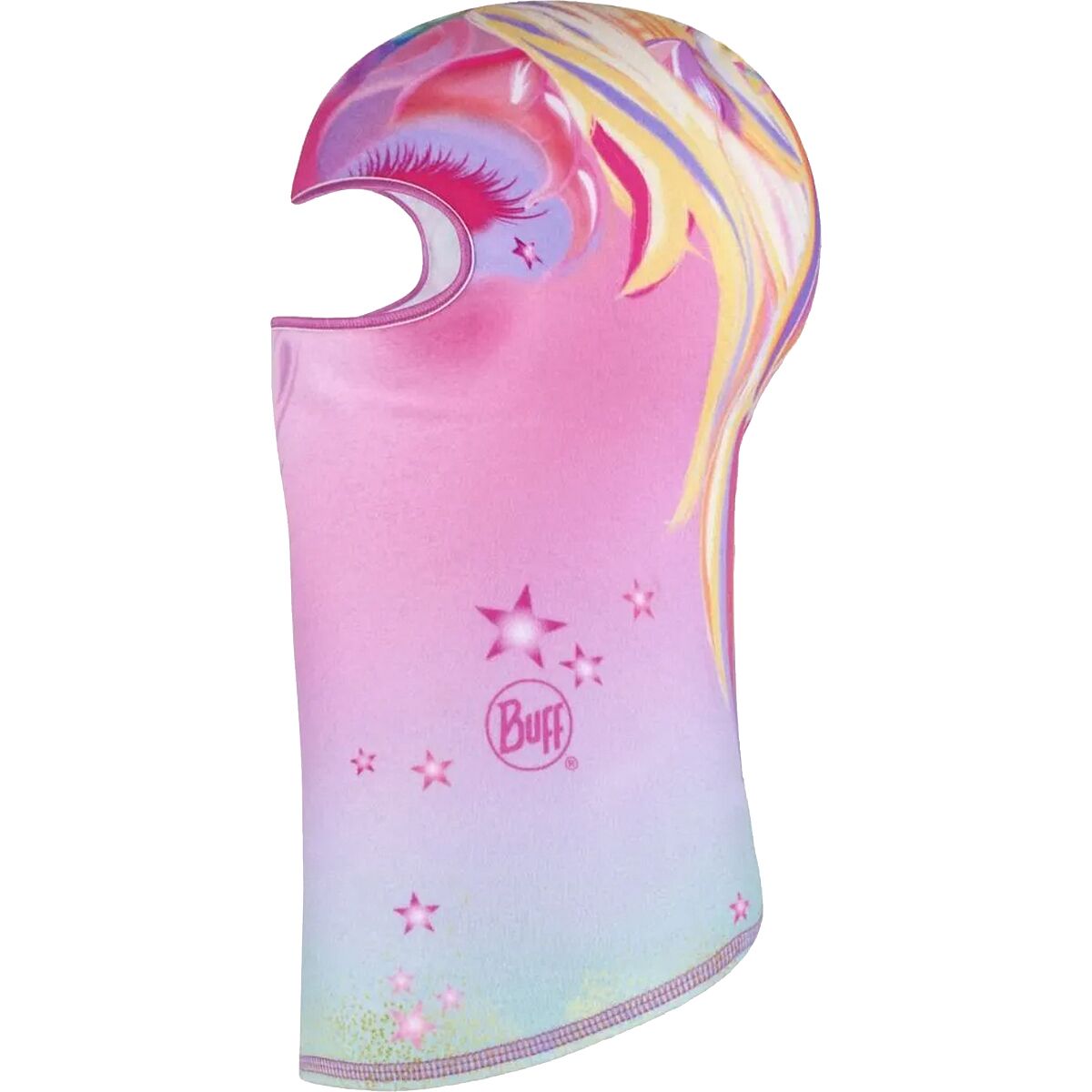
Buff Junior Polar Balaclava - Kids
Cozy fleece with built-in sun protection for face, head, and neck. Breathable material wicks moisture and dries quickly for all-day comfort.
- Polar fleece
- Full coverage
- Moisture-wicking
- Quick-dry
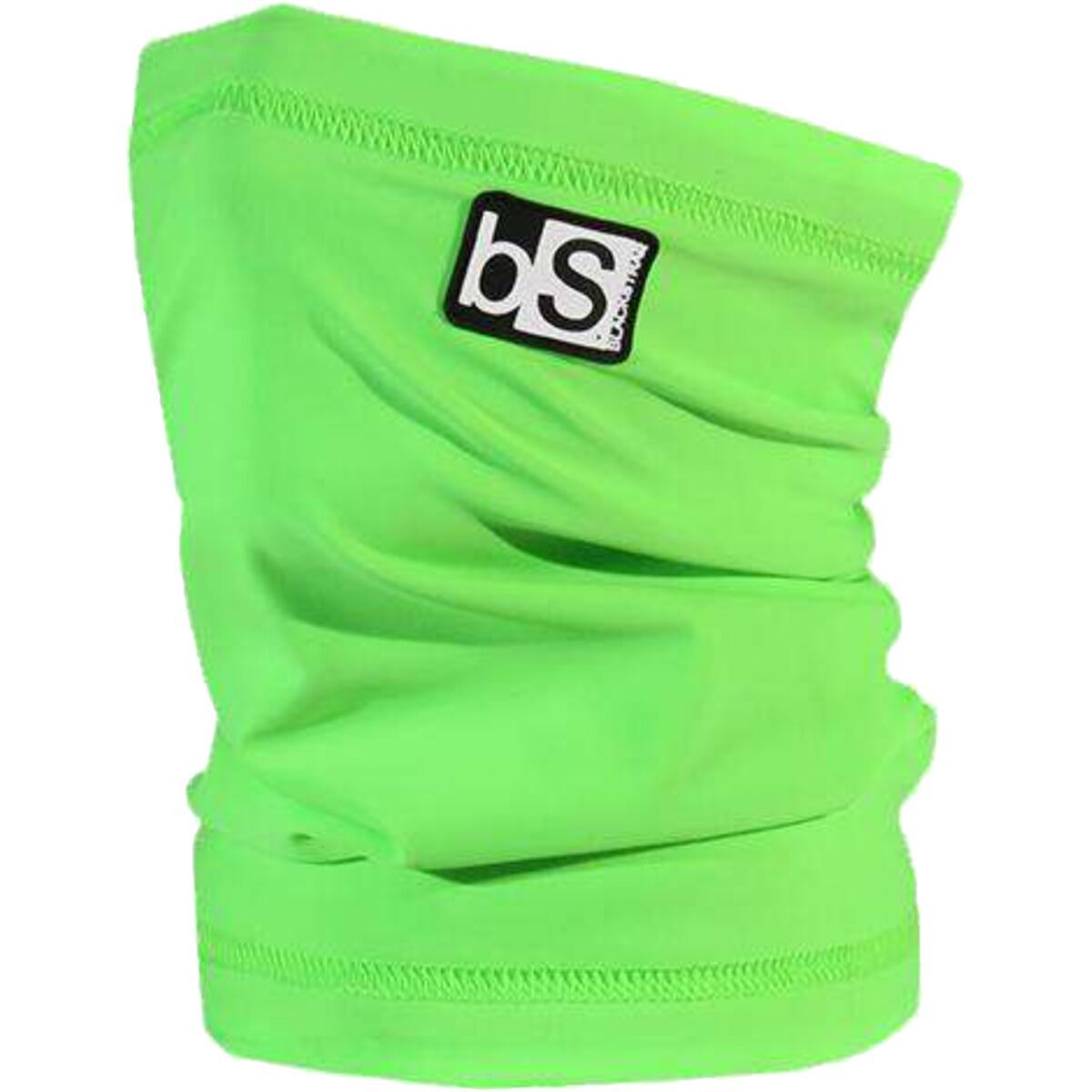
BlackStrap The Tube Dual Layer Facemask - Kids
Dual-layer protection for cold conditions on and off the mountain. Fits snugly with helmets and won't scratch goggles. Wicks moisture to avoid freezing.
- Dual-layer warmth
- Helmet compatible
- Moisture-wicking
- High-visibility colors
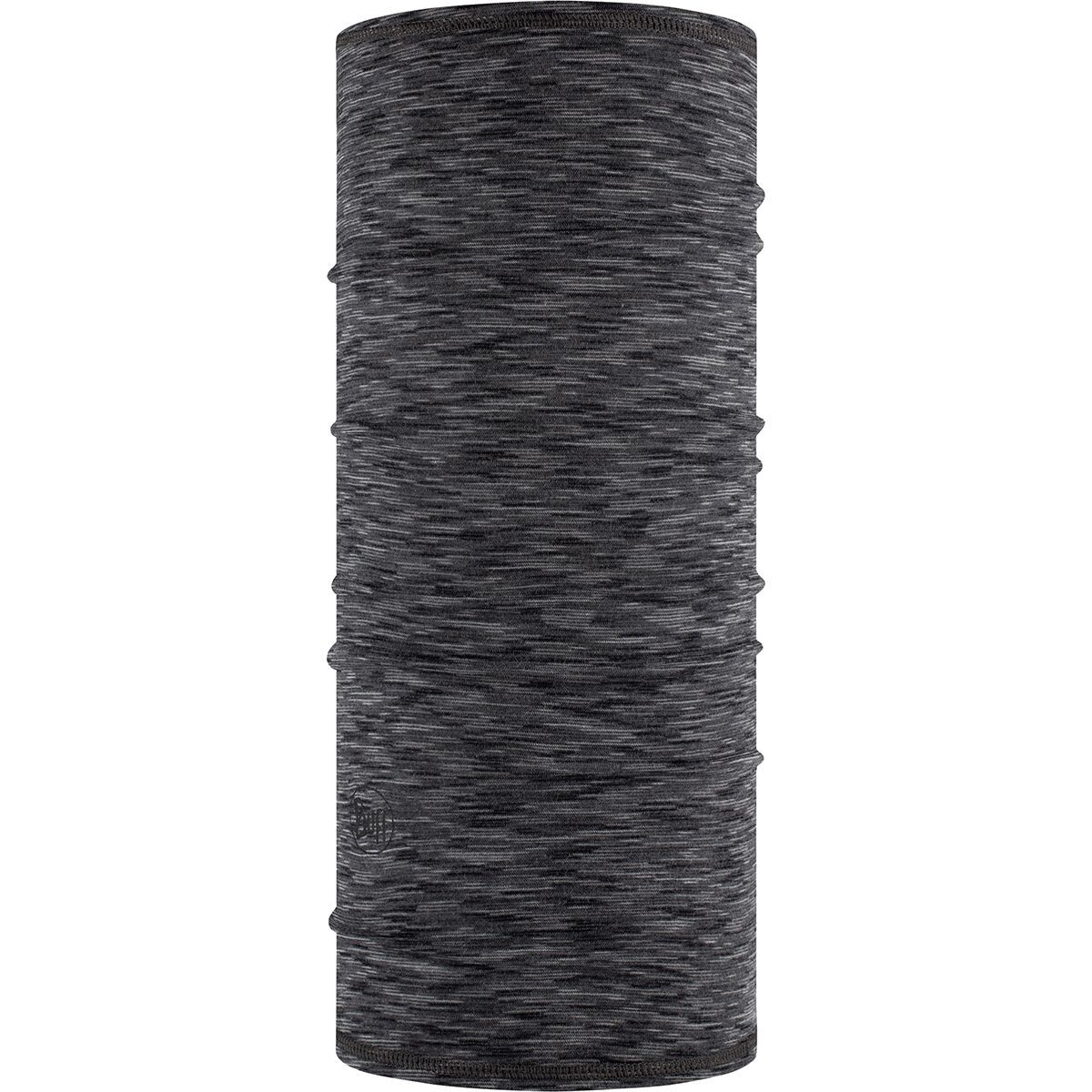
Buff Junior Lightweight Merino Wool Buff - Kids
Lightweight merino wool for temperature regulation and odor resistance. Multi-functional design works as neck gaiter, headband, or face cover.
- Merino wool
- Odor-resistant
- Temperature regulating
- Multi-functional
Teaching Methods: From First Slide to First Turns
Professional lessons are highly recommended for beginners. Instructors have techniques, patience, and terrain access that lead to faster progression. That said, understanding teaching progressions helps you support your child's development between lessons.
The Burton Riglet Park System
Burton pioneered the Riglet system specifically for teaching toddlers (ages 3-6) to snowboard. The system includes a Riglet Reel - a retractable leash that attaches to the board's nose - and Riglet Parks at participating resorts with low-angle terrain and fun features designed for tiny riders.
Step 1: At Home
Practice standing on board at home on carpet. Use Riglet Reel to tow them around the house. Build balance and excitement.
Step 2: Flat Ground
Move to flat snow. Practice sliding while being towed. Learn to balance, steer, and stop with parent holding the reel.
Step 3: Gentle Slopes
Transition to magic carpet and bunny slopes. Gradually release the reel for independent sliding.
Lesson Programs to Consider
Group Lessons
- Typically 4-6 kids per instructor
- Social learning with peers at similar level
- More affordable than private lessons
- Best for kids comfortable in group settings
Private Lessons
- One-on-one attention and customized pace
- Faster progression for most learners
- Ideal for shy or anxious kids
- Can include parent in lesson for family learning
Teaching Your Own Kids
While it's tempting to teach your own kids, most instructors recommend professional lessons for the first few sessions. Parents often lack patience with their own children, and kids often resist instruction from parents. Once basics are established, riding together as a family is wonderful - but let the pros handle the fundamentals.
Resort vs. Terrain Park: The Progression Path
Kids typically progress through terrain in stages. Understanding this progression helps you guide their development and keep them challenged without overwhelming them.
Stage 1: Magic Carpet & Bunny Slopes
All learning starts here. Magic carpets eliminate the challenge of lift loading. Focus on stopping, turning, and controlling speed. Most kids spend 2-5 sessions at this stage.
Stage 2: Green Runs
Once linking turns consistently, move to chairlift-serviced green runs. Learn to load/unload lifts, navigate trail intersections, and build confidence at higher speeds. This stage can last an entire season.
Stage 3: Blue Runs & First Park Features
Comfortable green riders can start exploring mellow blue terrain. This is also when kids often discover terrain parks - start with the smallest features (rollers, tiny jumps, and boxes) in beginner parks.
Stage 4: Advanced Terrain
Advanced kids explore steeper blues, easy blacks, glades, and larger park features. Switch riding (riding opposite their natural stance) develops at this stage. Some kids compete in local events.
Terrain Park Safety
- Always start on smallest features
- Watch others before attempting new features
- One person on feature at a time
- Clear landing zones immediately
Learning to Ride Switch
- Start practicing on easy terrain once comfortable
- Essential for balanced riding development
- Required for most freestyle tricks
- Prevents muscle imbalances
Maintaining Kids' Gear
Proper gear maintenance extends equipment life and ensures safe, enjoyable riding. Kids' gear requires the same care as adult equipment, though the basics are straightforward.
Board Care
- Wax base every 3-5 days of riding
- Check edges for burrs or damage
- Dry board after each use
- Store flat or hanging, not leaning
Boot Care
- Remove liners to dry after each day
- Never dry with direct heat
- Check BOA laces for wear
- Store loosely buckled
Binding Care
- Check strap/buckle function regularly
- Verify all screws are tight
- Clean snow buildup before storage
- Loosen straps for off-season storage
When to Upgrade
Kids grow fast, and knowing when to upgrade prevents both performance limitations and safety issues:
- Boots: When toes are consistently cramped or heel lifts during riding
- Board: When they've outgrown the sizing chart or skill level
- Bindings: When boots no longer fit properly in the straps
- Helmet: When sizing no longer fits or after any impact
What to Expect to Spend
Snowboarding with kids is an investment, but smart purchasing and used gear can make it more accessible. Here's a realistic breakdown of costs.
Starter Setup (Rent Board/Boots)
- Helmet (MIPS)$100-150
- Goggles$50-90
- Jacket$130-290
- Pants/Bib$100-180
- Gloves/Mittens$45-65
- Base Layers & Accessories$60-120
- Wrist Guards & Impact Shorts$50-80
- Total (Own Soft Goods)$535-975
Full Setup (Own Everything)
- All soft goods above$535-975
- Snowboard$200-280
- Boots$120-180
- Bindings$100-170
- Total$955-1,605
Tip: Consider the Burton After School Special package ($280) which includes board, boots, and bindings - significant savings over buying separately.
Money-Saving Tips
- - Buy used boards and bindings (kids outgrow before wearing out)
- - Purchase boots new (fit and comfort are critical)
- - Shop end-of-season sales for next year's gear
- - Look for season rental programs at local shops
- - Join ski swap events for deals on quality used gear
Frequently Asked Questions
Is snowboarding harder to learn than skiing for kids?
The first 1-3 days of snowboarding are typically harder than skiing - more falling, more frustration. However, after the basics click, most kids progress faster at snowboarding. By day 5, snowboarders are often linking turns confidently while skiers may still be pizza wedging. The initial struggle is worth it for many families.
How do I know if my child is regular or goofy?
Regular stance means left foot forward; goofy means right foot forward. Test by having your child slide on a slippery floor in socks - the foot they naturally put forward is their front foot. You can also gently push them from behind - the foot they step forward with first is typically their front foot.
Should I buy or rent equipment for my child?
For kids under 8 who are still growing rapidly, renting the board, boots, and bindings makes sense for the first season while owning soft goods (jacket, pants, helmet, goggles) for better fit and warmth. Once you know they're committed and can get 2+ seasons from equipment, buying becomes more economical.
At what age can kids ride the chairlift alone?
Most resorts allow kids 7+ to ride chairlifts alone, but policies vary. Before riding solo, ensure your child can: load and unload independently, ride comfortably with one foot out, and navigate to a meeting point if you get separated. Start by riding together and having them practice loading/unloading while you spot them.
How many lessons does a beginner need?
Most kids benefit from 3-5 lessons to establish fundamentals. This typically means linking turns, stopping on command, and safely navigating beginner terrain. After that, lessons every 5-10 riding days help break bad habits and continue progression. Advanced kids may take specialized park or freestyle lessons.
Is a flat or rocker profile better for beginners?
Flat or rocker (reverse camber) profiles are best for beginners. They're more forgiving, catch fewer edges, and make turn initiation easier. Traditional camber provides more pop and edge hold but is harder to control for learners. Most kids' boards use flat or flat-to-rocker profiles for this reason.
Can my child use adult snowboard boots?
Adult boots are NOT recommended for kids, even if sizes overlap. Kids' boots have softer flex patterns appropriate for lighter riders, lower cuff heights for shorter legs, and simpler closure systems. Adult boots are too stiff and tall, making control much harder.
How cold is too cold for kids to snowboard?
Generally, if wind chill drops below 0°F (-18°C), it's too cold for most kids. Watch for signs of cold: shivering, red cheeks, complaints about fingers/toes, lethargy. Take frequent warming breaks and shorten sessions on very cold days. Good gear helps, but kids lose body heat faster than adults.
When should kids start using step-on bindings?
Step-on bindings are primarily designed for adults and aren't widely available in kids' sizes. Traditional strap bindings are actually ideal for kids - they're adjustable, forgiving, and easy for parents to help with. Once kids transition to adult-sized gear (usually around 12-14), step-ons become an option.
Should kids snowboard if they've never skied?
Absolutely! There's no requirement to ski before snowboarding. If your family snowboards, start kids on a board from day one. If you're a skiing family considering snowboarding, kids as young as 5-6 can start directly on a snowboard. Prior ski experience isn't necessary and doesn't significantly speed up the learning process.
Related Resources
Affiliate Disclosure
ParentCalc is a Backcountry affiliate. We earn commissions from qualifying purchases at no additional cost to you. This helps support our free parenting resources. All product recommendations are based on our research and real parent feedback. We only recommend products we believe will genuinely help families enjoy the mountains safely.