Best Kids Sleeping Bags Guide 2026
Everything parents need to know about choosing the right sleeping bag to keep kids warm, comfortable, and happy on camping adventures
2026 Product Picks
Our latest product roundups related to this guide:
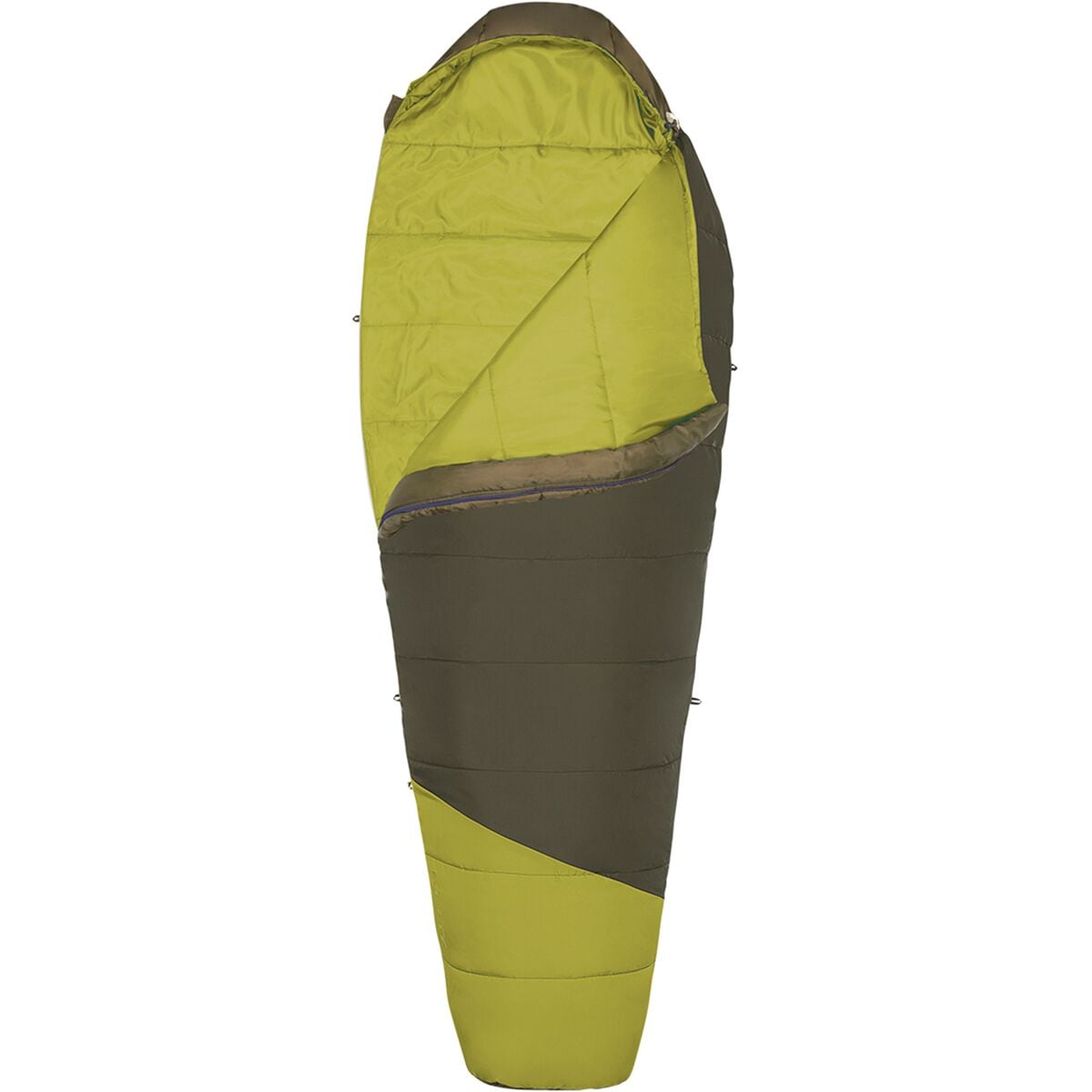
Kelty Mistral Sleeping Bag: 40F Synthetic
Temp rating: 40F
Summer-ready sleeping bag made with surprisingly soft taffeta and lofty synthetic filling. Comfortable for car camping and backyard adventures.
- 40F temperature rating
- Soft taffeta lining
- Synthetic insulation
- Budget-friendly price
Choosing the Right Sleeping Bag for Your Child
A good night's sleep can make or break a family camping trip. When kids sleep well, they wake up happy, energized, and ready for adventure. When they spend the night shivering or uncomfortable, everyone suffers. The right sleeping bag is one of the most important investments you can make for successful family camping.
Kids have different sleep needs than adults. They lose body heat faster, move around more during sleep, and are more sensitive to discomfort. They also grow quickly, which means you need to balance getting a properly sized bag with getting value from your investment. This guide will help you navigate these challenges and find the perfect sleeping bag for your young camper.
Whether you are planning your family's first camping trip or looking to upgrade your gear for more ambitious adventures, we will cover everything from understanding temperature ratings to choosing between synthetic and down insulation. We have also included our top product recommendations at various price points, all featuring real products available from Backcountry with affiliate links that support our family-focused content.
What Makes a Great Kids Sleeping Bag
- Appropriate temperature rating for your camping conditions
- Proper fit - not too big, not too small
- Quality insulation that retains warmth
- Draft-free construction (collar, hood, zipper)
- Durable materials that withstand kid use
- Easy to use zippers and closures
Choosing the Right Temperature Rating for Kids
Temperature ratings indicate the lowest temperature at which a sleeping bag will keep the average adult comfortable. For children, you need to adjust these ratings because kids lose body heat faster than adults due to their higher surface-area-to-weight ratio and less developed thermoregulation.
The golden rule: Choose a sleeping bag rated 10-15 degrees colder than the lowest temperature you expect to encounter. If you are camping where temperatures might drop to 40F at night, choose a 25-30F bag for your child. This provides a comfortable margin of safety without overheating on warmer nights.
Sleeping Bag Temperature Ratings Explained
Important for Kids: Children lose body heat faster than adults. Choose a bag rated 10-15 degrees colder than the lowest temperature you expect to encounter.
Summer Camping (40-50F)
For warm weather camping when nighttime temps stay above 40F. Lightweight bags work well, but avoid going too warm as overheating disrupts sleep.
3-Season Camping (20-30F)
The most versatile choice for spring through fall camping. Handles temperature swings well and works in most campground situations.
Cold Weather (0-20F)
For winter camping, high altitude adventures, or families who camp in shoulder seasons. Essential for keeping kids warm in challenging conditions.
Temperature Rating Tips for Kids
- - Cold sleepers need bags rated even colder than average
- - Wet conditions (humidity, rain) make bags feel colder
- - Wearing base layers adds 5-10 degrees of warmth
- - A sleeping pad is essential - ground contact saps heat quickly
- - Never rely on the "comfort" rating alone - use the "lower limit"
Budget Kids Sleeping Bags (Under $65)
Budget sleeping bags are perfect for families just getting into camping, summer-only campers, or those who need a bag for sleepovers and backyard campouts. While they may not have all the features of premium bags, quality budget options still provide reliable warmth and comfort for occasional use.
At this price point, expect synthetic insulation (which is actually better for beginners since it handles moisture well), simpler construction, and warmer temperature ratings. These bags work great for summer camping and car camping where weight is not a concern.
Kelty Mistral Sleeping Bag: 40F Synthetic
Temp rating: 40F
Summer-ready sleeping bag made with surprisingly soft taffeta and lofty synthetic filling. Comfortable for car camping and backyard adventures.
- 40F temperature rating
- Soft taffeta lining
- Synthetic insulation
- Budget-friendly price
Budget Bag Buying Tips
- Look for sales at the end of camping season for best deals
- Synthetic insulation at this price point is actually an advantage
- Perfect for testing if your family enjoys camping before bigger investments
Mid-Range Kids Sleeping Bags ($100-$150)
Mid-range sleeping bags offer the best balance of performance, features, and value for most camping families. At this price point, you get quality synthetic insulation that performs well across a range of temperatures, thoughtful kid-friendly features, and construction that will last through multiple camping seasons.
These bags typically feature 20-30F temperature ratings suitable for 3-season camping, draft collars and hoods to prevent heat loss, and pad integration systems that keep active sleepers from rolling off their pads. If you camp regularly with your kids, this is the sweet spot for value.
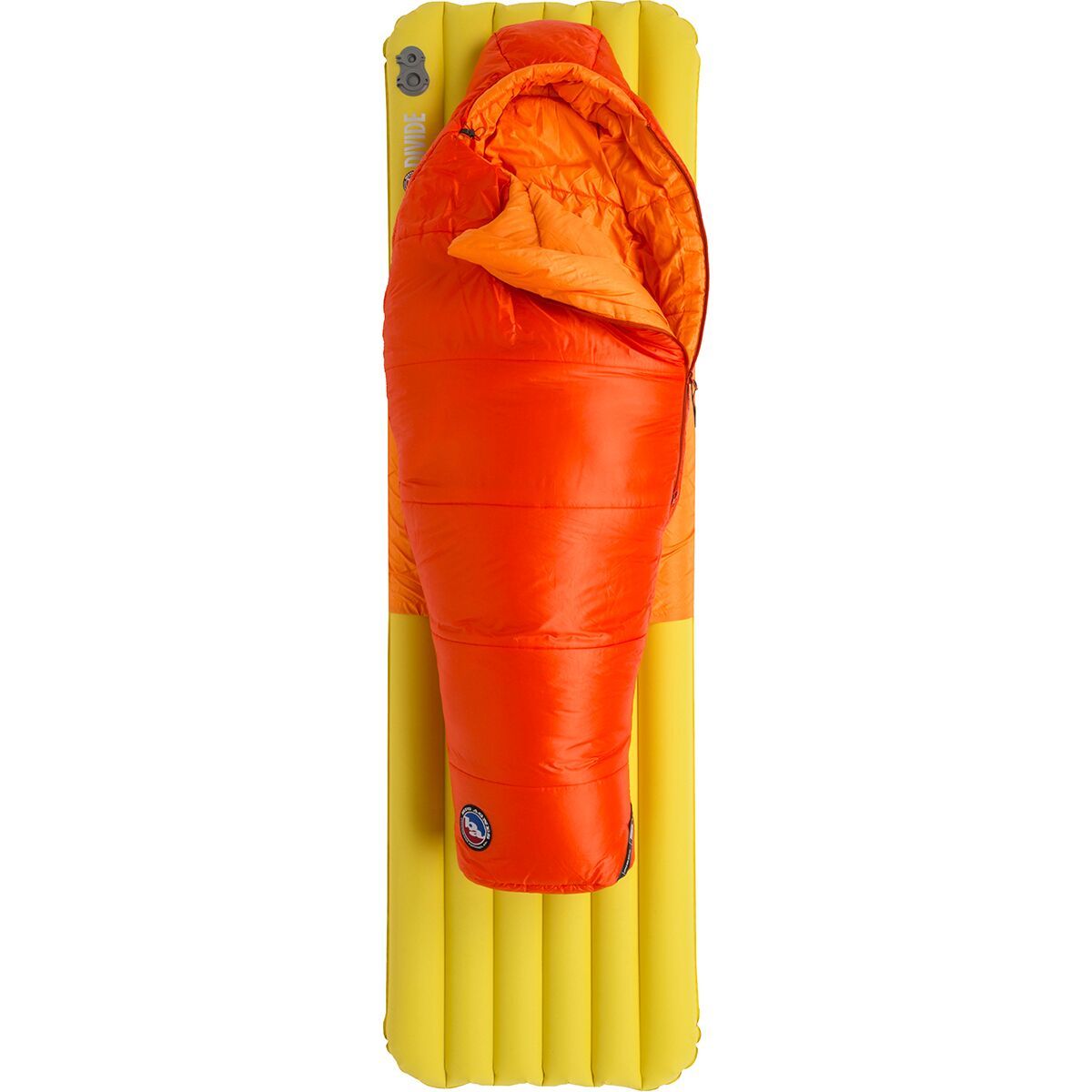
Big Agnes Little Red Sleeping Bag: 20F Synthetic - Kids
Temp rating: 20F
Sized specifically for kids with Fireline Core ECO synthetic insulation for reliable warmth down to 20F. Features a full pad sleeve to keep kids securely attached to their sleeping pad.
- 20F temperature rating
- Fireline Core ECO insulation
- Full pad sleeve
- PFC-free water-repellent
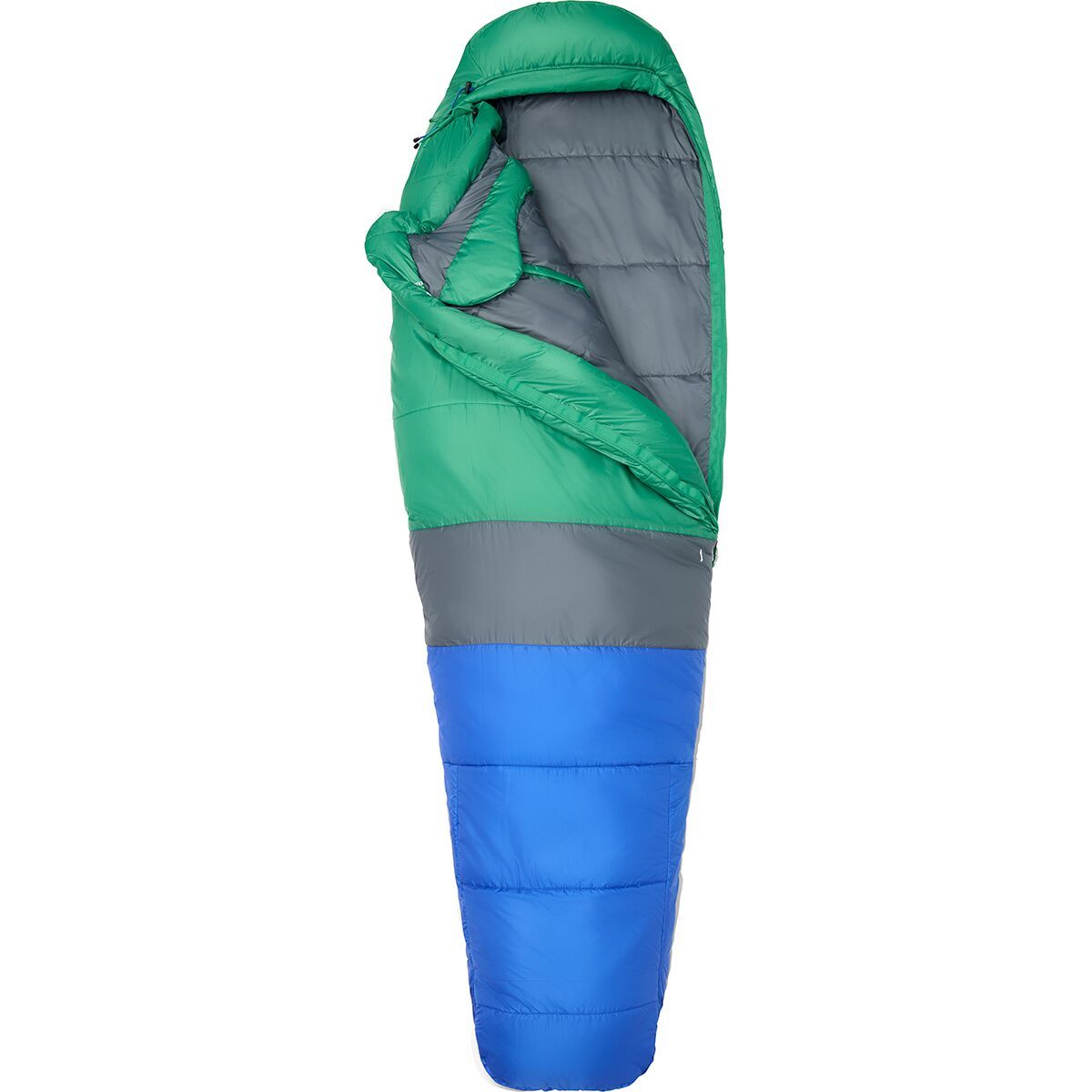
Marmot Trestles Elite Eco 30 Sleeping Bag - Kids
Temp rating: 30F
Versatile sleep system for everything from campgrounds to sleepovers. Synthetic construction is warm and machine-washable. Features a 3D hood and internal stash pocket.
- 30F temperature rating
- Recycled materials
- Machine washable
- 3D hood design
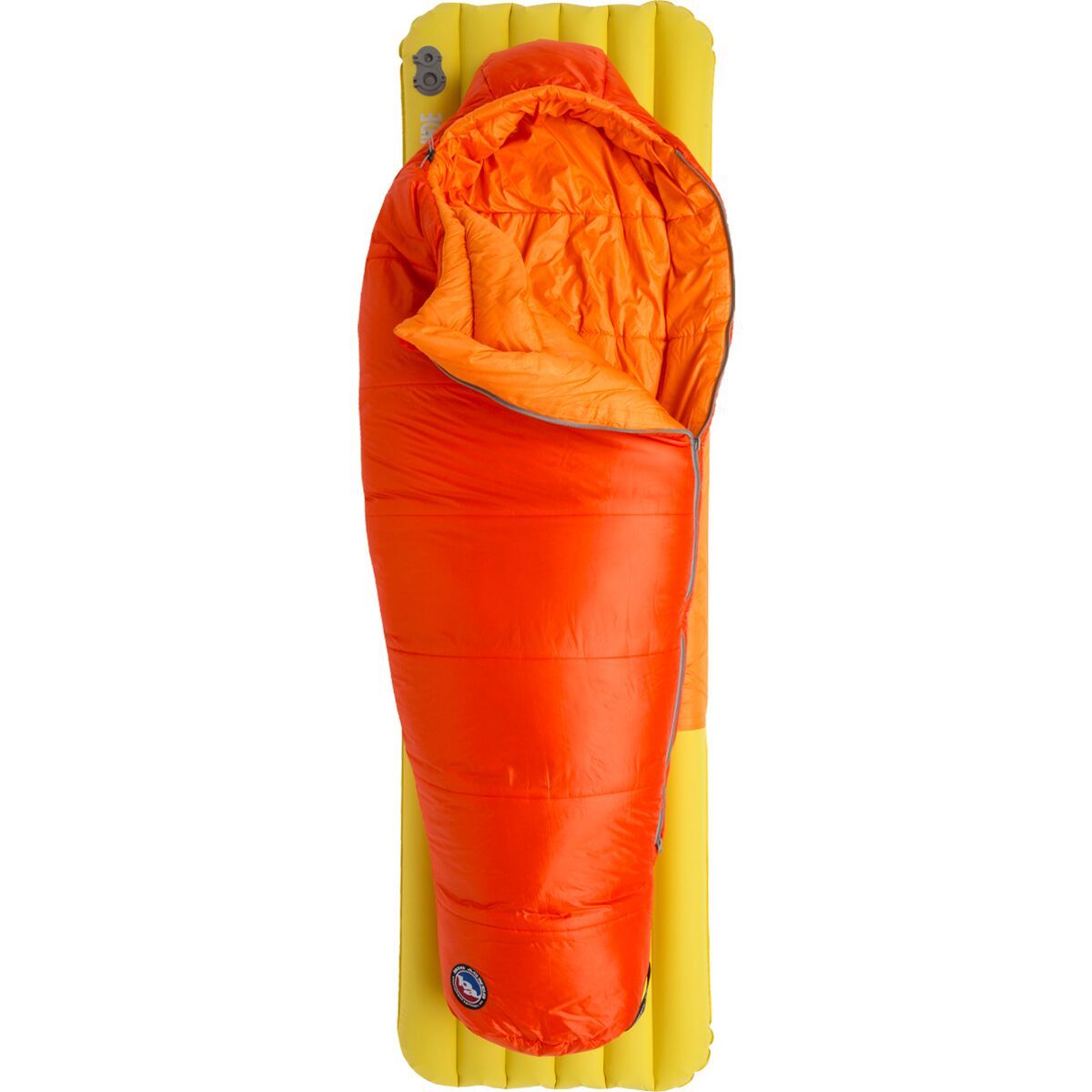
Big Agnes Wolverine 20 Fireline Core Eco Sleeping Bag - Kids
Temp rating: 20F
Designed to integrate seamlessly with a sleeping pad, ensuring kids stay comfortable and secure all night. Mummy shape provides warmth without feeling restrictive.
- 20F temperature rating
- Pad integration system
- Mummy shape
- Recycled materials
Why Mid-Range is Often the Best Value
- Quality insulation that retains warmth
- Draft-blocking features (collar, hood)
- Durable construction that lasts
- Kid-specific sizing and features
- Eco-friendly materials common
- Better warranty coverage
Premium Kids Sleeping Bags ($200+)
Premium sleeping bags are investments in long-term performance, often featuring down insulation, innovative grow-with-your-child designs, and the lightest weights for backpacking families. While the upfront cost is higher, these bags can grow with your child and last for years of adventures.
At this price point, look for features like adjustable length systems that extend usable life, expandable panels for comfort customization, and water-resistant down that performs even in damp conditions. These are ideal for families who camp frequently, backpack with kids, or want gear that will see heavy use.
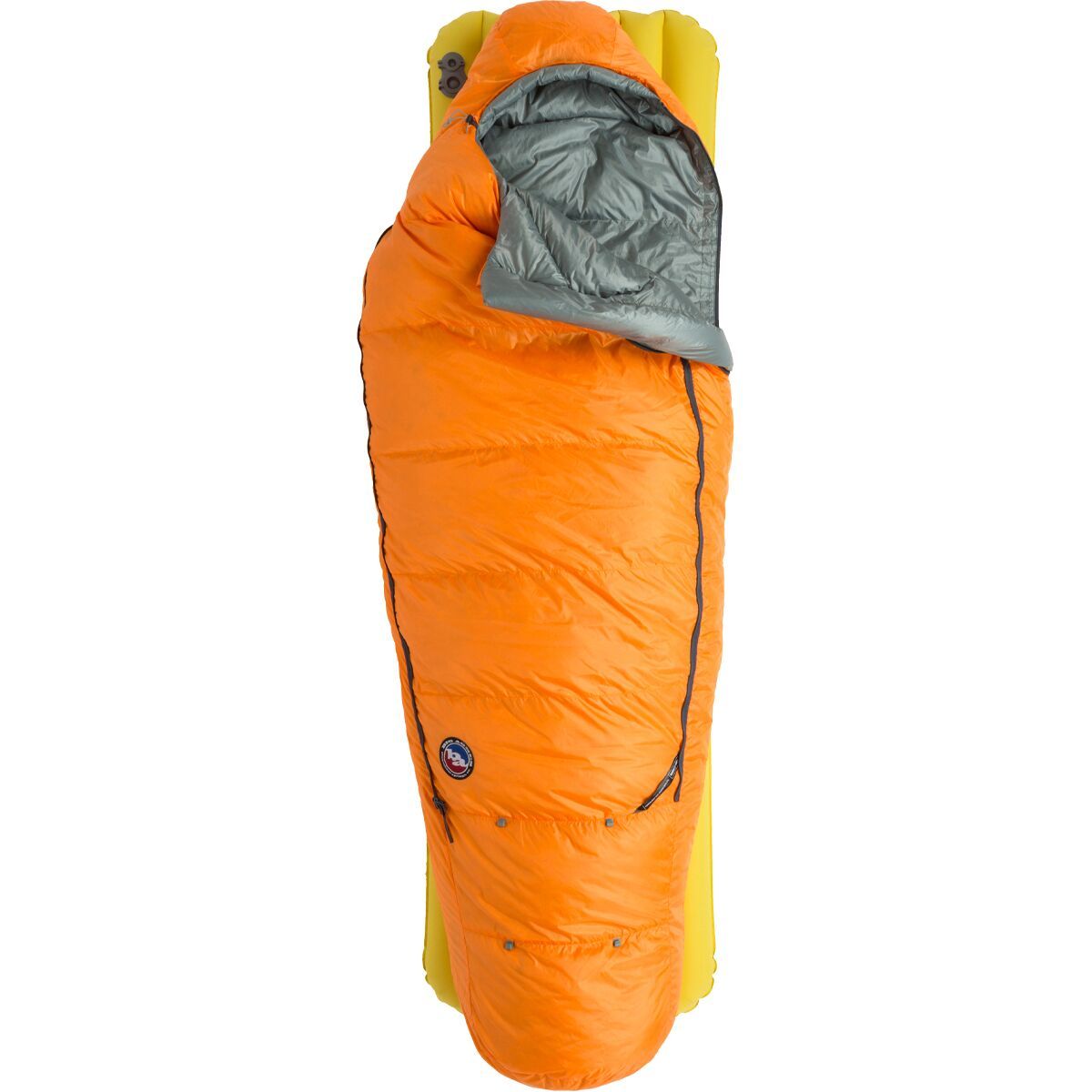
Big Agnes Torchlight EXP Sleeping Bag: 20F Down - Kids
Temp rating: 20F
Customizable sleeping bag with expandable side panels that add up to 10 inches of extra girth. Adjustable length system keeps fit snug as kids grow. DownTek insulation for reliable warmth even in damp conditions.
- 20F temperature rating
- 650-fill DownTek
- Expandable panels
- Adjustable length
When Premium Makes Sense
Worth the Investment If:
- - You backpack with kids regularly
- - Weight matters for your adventures
- - Your child is in a growth spurt
- - You camp in challenging conditions
Key Premium Features:
- - Adjustable length systems
- - Water-resistant down (DownTek)
- - Expandable comfort panels
- - Ultralight construction
Synthetic vs Down Insulation for Kids
The insulation type is one of the most important decisions when choosing a kids sleeping bag. Both synthetic and down have distinct advantages, and the best choice depends on your camping style, climate, and how your child treats their gear.
For most families, especially those new to camping, synthetic insulation is the safer choice. It handles moisture better (including accidental spills and condensation), dries faster, and is machine washable - a significant advantage when camping with kids. Down is superior for backpacking where weight matters and for dry climates.
Synthetic vs Down Insulation for Kids
Synthetic Insulation
Advantages
- Retains warmth when wet
- Dries quickly
- Machine washable
- More affordable
- Hypoallergenic
Disadvantages
- Heavier than down
- Less compressible
- Shorter lifespan
Best for: Beginners, wet climates, budget-conscious families, kids who have accidents
Down Insulation
Advantages
- Superior warmth-to-weight ratio
- Highly compressible
- Longer lifespan
- More comfortable
- Better for backpacking
Disadvantages
- Loses insulation when wet
- More expensive
- Requires careful cleaning
Best for: Backpacking families, dry climates, experienced campers, older/careful kids
Our Recommendation by Camping Style
Car Camping
Synthetic - easier care, better value, handles moisture well
Backpacking
Down - lighter weight, packs smaller, better warmth-to-weight
Humid/Wet Climates
Synthetic - maintains warmth when damp, dries quickly
Young Kids (Under 6)
Synthetic - machine washable for inevitable accidents
Sleeping Bag Sizing for Growing Kids
Proper sizing is crucial for warmth and comfort. A bag that is too big has excess space that your child's body must heat, creating cold spots. A bag that is too small restricts movement and compresses insulation, reducing warmth. The ideal fit allows some room to move but minimizes empty space.
Kids grow quickly, which creates a dilemma: buy a properly sized bag they will outgrow, or buy larger and sacrifice efficiency? Some premium bags solve this with adjustable length systems. For budget and mid-range options, aim for a bag your child will use for 2-3 seasons before needing an upgrade.
Kids Sleeping Bag Sizing Guide
| Age Range | Child Height | Bag Length | Bag Type |
|---|---|---|---|
| 3-5 years | Up to 40" | 40-45" | Toddler/Junior bags |
| 5-8 years | 40-52" | 50-55" | Youth bags |
| 8-12 years | 52-60" | 60-66" | Youth/Regular bags |
| 12+ years | 60"+ | 66-72" | Regular adult bags |
Pro Tip: Choose a bag that is 6-10 inches longer than your child is tall. Too much extra space means cold spots, while too little restricts movement and comfort.
Signs of Good Fit
- Child can straighten legs without hitting the end
- Hood frames face without covering it
- Room to turn over and adjust position
- Draft collar sits at shoulder level
Signs of Poor Fit
- Feet touch the bottom (compresses insulation)
- Child slides down into bag during sleep
- Large gaps around neck and shoulders
- Zipper is hard to close around torso
Sleeping Pads for Kids
A sleeping pad is just as important as the sleeping bag for keeping kids warm. Even on summer nights, the ground saps body heat rapidly through conduction. Children, with their smaller body mass, lose heat to the ground even faster than adults. Without adequate pad insulation, even the best sleeping bag will not keep your child warm.
Sleeping pads are rated by their R-value, which measures insulation from the ground. Higher R-values mean more insulation. For summer camping, an R-value of 2-3 is sufficient. For 3-season use, aim for 3-4. For cold weather camping, you want 4 or higher, and you may want to stack a closed-cell foam pad under an inflatable for maximum warmth.
R-Value Guide for Kids
Recommended Sleeping Pads
 Best for Kids
Therm-a-Rest Z Lite SOL Sleeping Pad - Small
$49.95Ultralight closed-cell foam pad with a heat-reflective layer for warmth. Same fast fold, durable foam - perfect for kids who are rough on gear.
- Heat-reflective layer
- Indestructible foam
- Fast fold design
- Ultralight
 Best Inflatable
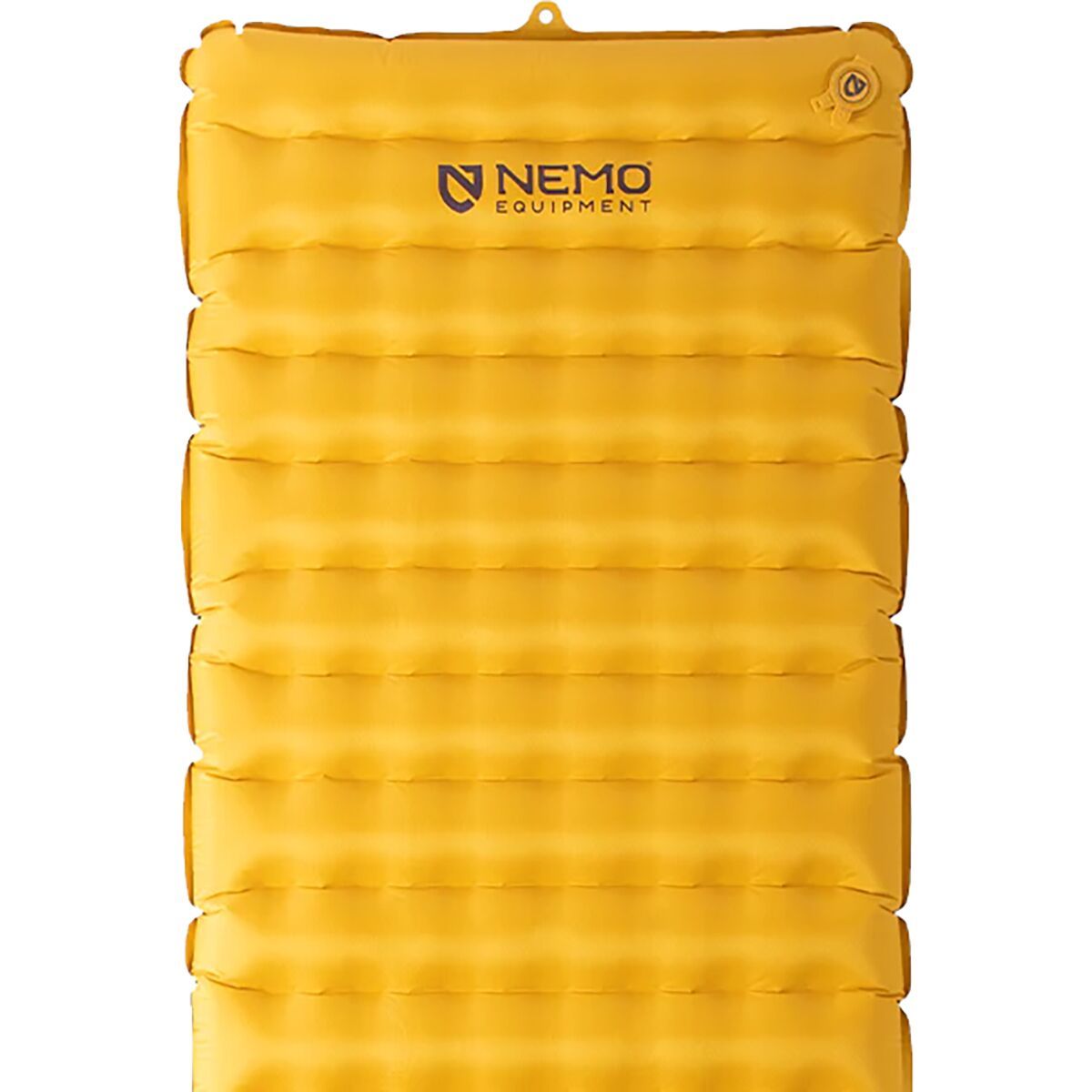
NEMO Equipment Tensor Trail Sleeping Pad
$189.95Lightweight sleeping pad with stable baffles and a low-noise surface. Efficient insulation takes the edge off cool nights. Packs tiny for backpacking.
- Quiet surface
- Stable baffles
- Packs small
- Quick inflation
 Best 4-Season
NEMO Equipment Tensor All-Season Sleeping Pad
$199.95Extends your camping calendar with heat-reflective tech for reliable insulation across cool-to-cold trips. Inflates quickly and stays quiet when rolling over.
- Heat-reflective tech
- Quiet when rolling
- Quick inflation
- All-season warmth
Sleeping Pad Tips for Kids
- Closed-cell foam pads (like the Z Lite) are nearly indestructible - great for rough kids
- Inflatable pads are more comfortable but require careful handling
- Consider sleeping bags with pad sleeves to prevent rolling off
- For car camping, cots with foam pads provide maximum comfort
Tips for Keeping Kids Warm While Camping
Even the best sleeping bag cannot do its job if not used correctly. These tips will help ensure your child stays warm and comfortable throughout the night, setting everyone up for better sleep and happier camping mornings.
Before Bed
- Warm them up first: Have kids run around or do jumping jacks before bed - you cannot warm a cold child with a sleeping bag
- Empty bladders: A full bladder makes kids feel colder and leads to disruptive bathroom trips
- Light snack: A small bedtime snack gives the body fuel to generate heat
- Fluff the bag: Shake out the sleeping bag to loft the insulation
Layering Strategy
- Base layer: Moisture-wicking long underwear (not cotton)
- Mid layer: Fleece or wool for extra cold nights
- Socks: Clean, dry wool or synthetic socks
- Hat: 40% of heat loss is through the head - always bring a beanie
Tent Setup
- Ground cloth: Place a tarp or footprint under the tent
- Position wisely: Place kids in the middle of the tent, away from walls
- Ventilation: Some airflow prevents condensation inside the tent
- Extra blanket: Keep one inside for middle-of-the-night temperature drops
Emergency Heat Sources
- Hot water bottle: Fill a Nalgene with warm (not boiling) water for feet
- Hand warmers: Chemical warmers last 8+ hours - place at feet
- Sleeping bag liner: Adds 10-15 degrees of warmth
- Body heat: In emergencies, share your sleeping bag or zip bags together
Warning Signs of a Cold Child
- - Shivering (the body's attempt to generate heat)
- - Cold hands, feet, or nose
- - Restless sleep or difficulty falling asleep
- - Complaints of being cold (kids may not always tell you)
- - Curled up tightly in a ball (trying to conserve heat)
If your child shows these signs, add layers, use a hot water bottle, or consider bringing them into your sleeping bag for shared body heat.
Frequently Asked Questions
What temperature sleeping bag does my child need?
Should I buy a kids sleeping bag or adult bag for my growing child?
How do I wash a kids sleeping bag?
Is synthetic or down better for kids?
Do kids need a sleeping pad with their sleeping bag?
What if my child gets too hot in their sleeping bag?
How long will a kids sleeping bag last?
Can my child use a sleeping bag liner?
Related Guides for Family Camping
Camping with Kids Guide
Complete gear guide covering tents, camp kitchen, clothing, and activities for family camping adventures.
Hiking with Kids Guide
Trail tips, kid carriers, hydration packs, and age-appropriate hiking strategies for the whole family.
Kids Outdoor Gear Guide
Comprehensive gear recommendations for all outdoor activities with kids, from camping to snow sports.
Kids Winter Boots Guide
Keep little feet warm and dry with our guide to the best winter boots for kids of all ages.
Ready to Get Your Kids Camping?
A quality sleeping bag is an investment in countless nights of outdoor adventure with your family. Whether you choose a budget-friendly option for occasional camping or a premium bag that will grow with your child, the right gear makes all the difference in creating positive camping memories.
Remember the key factors: temperature rating appropriate for your conditions (erring on the warmer side for kids), proper sizing, quality insulation that matches your camping style, and always pair with a sleeping pad for complete warmth.
Affiliate Disclosure: ParentCalc is reader-supported. When you buy through links on our site, we may earn an affiliate commission at no additional cost to you. This helps us continue providing free, expert guides for parents.
Last Updated: January 2026. Prices and availability are subject to change. We regularly review and update our recommendations to ensure accuracy.