Kids Swim Lessons & Water Safety Guide 2026
Everything parents need to know about swim lessons, choosing a swim school, progress expectations, and keeping kids safe around water
2026 Product Picks
Our latest product roundups related to this guide:
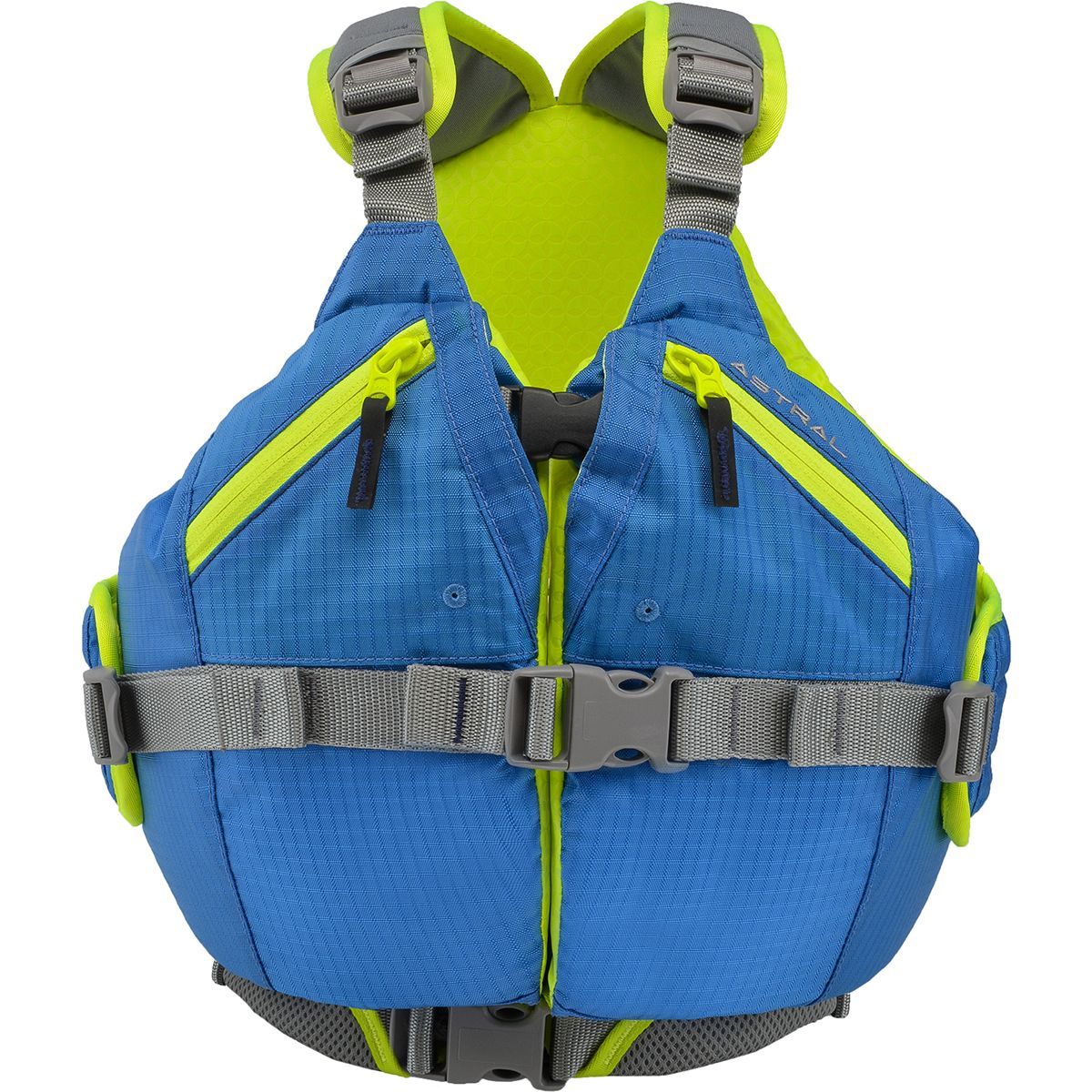
Astral Otter 2.0 Personal Flotation Device - Kids
Designed with longer torso, deeper V-neck, and larger arm holes for comfort. Ripstop nylon shell, PE foam with Organic Kapok for soft comfort. Leg loops secure smaller kids. Grab handle on back for qu...
- Youth-specific fit
- Leg loops included
- Grab handle
- Organic Kapok padding
Learning to swim is one of the most important life skills you can give your child. Beyond the joy of splashing in pools and playing at the beach, swimming ability is directly linked to drowning prevention, the leading cause of unintentional death for children ages 1-4. This comprehensive guide covers everything you need to know about swim lessons, from when to start to what gear you need.
The Importance of Swim Lessons
According to the AAP, participation in formal swimming lessons can reduce the risk of drowning by 88% among children aged 1-4. Swimming is not just recreation, it's a critical survival skill that every child should learn.
When to Start Swim Lessons
The American Academy of Pediatrics (AAP) updated their recommendations in 2019, now stating that children can begin swim lessons as early as age 1. However, the ideal starting age depends on your child's developmental readiness, comfort in water, and family circumstances.
Infants (6-12 months)
Focus: Water acclimation and parent-child bonding
At this age, formal swimming instruction isn't developmentally appropriate, but parent-child water play classes can help babies become comfortable in water. These classes focus on songs, gentle movements, and building positive associations with the pool.
What to Expect:
- Parent always in water with baby
- Warm pool (86-90 degrees F)
- Short sessions (15-20 minutes)
- Focus on comfort, not skills
Skills Introduced:
- Kicking with support
- Blowing bubbles
- Floating on back with support
- Water entry and exit
Toddlers (1-3 years)
Focus: Water safety skills and swimming readiness
This is the AAP-recommended starting point for most children. Toddlers can begin learning fundamental water safety skills like floating, rolling over, and reaching the wall. Many programs still involve parent participation, though some introduce instructor-led sessions.
What to Expect:
- Small group or private lessons
- 20-30 minute sessions
- Repetition and consistency key
- May include survival skills
Skills Developed:
- Submersion and breath control
- Back floating independently
- Wall grab and climbing out
- Basic arm movements
Preschoolers (3-5 years)
Focus: Building swimming skills and water confidence
This is often considered the "golden age" for swim lessons. Children are developmentally ready to follow instructions, coordinate movements, and retain skills. Most formal stroke instruction begins at this stage.
What to Expect:
- Group lessons (3-5 kids)
- 30-45 minute sessions
- Clear level progression
- Games and fun activities
Skills Developed:
- Front crawl basics
- Backstroke introduction
- Treading water
- Jumping in and swimming to wall
School Age (5-12 years)
Focus: Stroke refinement and endurance
Older beginners often progress faster due to better coordination and comprehension. Children who started earlier continue refining technique and building stamina. This is also when competitive swimming often begins for interested kids.
What to Expect:
- Larger group classes
- 45-60 minute sessions
- Technique focus
- Deeper water activities
Skills Developed:
- All four competitive strokes
- Flip turns and dives
- Distance swimming
- Water rescue skills
Signs Your Child Is Ready for Swim Lessons
- Shows interest in water or swimming
- Can follow simple instructions
- Comfortable being away from parent (for older beginners)
- Has basic motor coordination
- Family frequently around water (pools, beaches, lakes)
Types of Swim Programs
Not all swim programs are created equal. Understanding the different philosophies and approaches can help you choose the right fit for your child's temperament and your family's goals.
Traditional Swim Schools
Organizations like American Red Cross, YMCA, and private swim schools offer structured lesson programs with defined skill levels. These programs typically progress from water acclimation through competitive stroke development.
Pros:
- Standardized curriculum and levels
- Certified instructors
- Social experience with peers
- Often affordable
- Clear progression path
Cons:
- Larger class sizes
- Less individual attention
- Progress may be slower
- Schedule may be inflexible
Best for: Families looking for affordable, structured lessons with social interaction
ISR (Infant Swimming Resource) Self-Rescue
ISR focuses on teaching survival skills first, specifically the ability to roll onto the back and float if a child accidentally falls into water. Lessons are intensive (daily, 10 minutes) and one-on-one.
Pros:
- Survival-focused approach
- One-on-one instruction
- Works with children as young as 6 months
- Teaches clothed swimming
- Muscle memory through repetition
Cons:
- Expensive ($100+ per week)
- Daily commitment required
- Can be stressful for some children
- Limited availability
- Requires maintenance lessons
Best for: Families with pools or frequent water access who prioritize survival skills
Private Swim Lessons
One-on-one instruction with a certified swim teacher, either at a swim school, community pool, or your home pool. Offers the most personalized approach with curriculum tailored to your child.
Pros:
- 100% individual attention
- Customized pace and approach
- Flexible scheduling
- Faster skill development
- Great for anxious swimmers
Cons:
- Most expensive option
- No social/peer learning
- Quality varies by instructor
- May not follow standard curriculum
Best for: Children who need extra attention, anxious swimmers, or families with flexible budgets
Swim Teams & Competitive Programs
For children who have mastered basic swimming and want to take it further. Summer league teams, USA Swimming clubs, and school teams offer structured training and competition opportunities.
Pros:
- Builds endurance and fitness
- Teaches teamwork and sportsmanship
- Goal-oriented progression
- Social connections
- Potential scholarship opportunities
Cons:
- Significant time commitment
- Early morning practices
- Can be expensive (travel, gear)
- Pressure to perform
Best for: Children ages 5+ who love swimming and want to compete
What to Look For in a Swim School
Choosing the right swim school can make the difference between a child who loves the water and one who dreads lessons. Here's what to evaluate when making your decision.
Safety Standards
- Certified lifeguards on duty during lessons
- CPR/First Aid certified instructors
- Clean, well-maintained facility
- Low instructor-to-student ratios (4:1 max for beginners)
- Appropriate water temperature (84-90 degrees F for young kids)
- Emergency action plan posted
Instructor Qualifications
- Swim instructor certification (Red Cross, YMCA, or equivalent)
- Experience with age group being taught
- Background checks completed
- Positive, encouraging teaching style
- Training in working with anxious swimmers
- Ongoing professional development
Program Structure
- Clear skill progression and levels
- Regular progress reports to parents
- Make-up policy for missed lessons
- Trial lesson or observation period
- Water safety curriculum integrated
- Age-appropriate teaching methods
Parent Experience
- Viewing area for parents to watch
- Clean changing rooms and facilities
- Convenient location and parking
- Flexible scheduling options
- Transparent pricing (no hidden fees)
- Good online reviews and reputation
Questions to Ask During Your Visit
- 1.What certifications do instructors hold?
- 2.What is your student-to-instructor ratio?
- 3.Can I watch a lesson before enrolling?
- 4.How do you handle scared or reluctant swimmers?
- 5.What's your make-up policy for missed lessons?
- 6.How do you measure and communicate progress?
Swim Lesson Progress Levels
Most swim programs follow a progression system from basic water safety through advanced strokes. While names and exact skills vary, here's a typical progression based on American Red Cross Learn-to-Swim levels.
Level 1: Water Acclimation
Ages 3-5+First-time swimmers learn to be comfortable in and around water. Focus is on safety and fun.
Skills Learned:
- Entering and exiting the pool safely
- Blowing bubbles with face in water
- Floating on front and back with support
- Basic kicking on front and back
- Retrieving objects in shallow water
Typical Duration:
4-8 weeks (1-2x per week)
Parent Tip:
Practice blowing bubbles during bath time to reinforce skills at home.
Level 2: Fundamental Aquatic Skills
Ages 4-6+Building on Level 1, children develop basic propulsion and floating skills.
Skills Learned:
- Independent front and back float
- Rolling from front to back
- Gliding with face in water
- Combined arm and leg actions
- Jumping into water and swimming back
Typical Duration:
6-10 weeks
Parent Tip:
This is often when kids have "breakthrough" moments. Be patient and celebrate small wins!
Level 3: Stroke Development
Ages 5-7+Introduction to actual swimming strokes. Children learn coordinated movements and breathing.
Skills Learned:
- Front crawl with side breathing
- Elementary backstroke
- Treading water (30 seconds)
- Diving from seated position
- Swimming 15 yards continuously
Typical Duration:
8-12 weeks
Parent Tip:
Breathing coordination is challenging. Kids may regress temporarily as they learn new skills.
Levels 4-6: Stroke Improvement & Refinement
Ages 6-12+Advanced levels focus on stroke technique, endurance, and all four competitive strokes.
Skills Learned:
- Freestyle and backstroke refinement
- Breaststroke and butterfly introduction
- Flip turns and racing dives
- Treading water (2+ minutes)
- Swimming 50+ yards continuously
- Basic water rescue skills
Typical Duration:
Several months to years of ongoing development
Parent Tip:
Consider swim team if your child enjoys swimming at this level, structured practice accelerates improvement.
How Long Does It Take to Learn to Swim?
Every child is different, but most children need 20-40 lessons to develop basic water safety skills (floating, swimming 25 yards). Becoming truly proficient typically takes 2-3 years of consistent lessons. Factors affecting progress include:
- Starting age and prior water exposure
- Lesson frequency (more is better)
- Practice between lessons
- Individual temperament and comfort level
Home Water Safety
Most childhood drownings occur in home pools or bathtubs. Creating multiple layers of protection is essential for keeping children safe around water at home.
The Layers of Protection
Water safety experts recommend multiple "layers" of protection because no single strategy is 100% effective. The more layers you have, the safer your child.
1Supervision
- Designate a "Water Watcher" adult at all times
- No phones or distractions while watching
- Within arm's reach for non-swimmers
- Pass the "water watcher" tag when switching
2Barriers
- 4-sided pool fence (at least 4 feet high)
- Self-closing, self-latching gate
- Door alarms on house doors to pool
- Pool covers when not in use
3Skills
- Swim lessons for all family members
- CPR training for parents/caregivers
- Teach children to always ask before water
- Practice reaching/throwing rescues
4Emergency Preparedness
- Phone poolside (for emergencies only!)
- Rescue equipment near pool
- Posted emergency numbers
- Know where children are at all times
Indoor Water Safety (Bathtubs, Buckets & More)
Children can drown in as little as 1 inch of water. Never leave young children unattended around any standing water.
- Never leave children alone in the bathtub
- Empty all buckets and containers after use
- Keep toilet lids down and locked
- Drain wading pools immediately after use
- Store buckets upside down
- Cover hot tubs when not in use
Pool Safety Gear: Life Jackets vs. Puddle Jumpers
Understanding the difference between flotation devices is crucial for keeping kids safe. Not all "floaties" are created equal, and some can actually create dangerous false confidence.
Coast Guard Approved PFDs
These are the ONLY flotation devices that meet federal safety standards. Required on boats and recommended for open water.
Type II PFD (Near-Shore)
Designed to turn an unconscious wearer face-up. Best for calm, inland water where rescue is quick.
Type III PFD (Flotation Aid)
Most comfortable for active water play. User must position themselves face-up. Great for supervised swimming.
Look for: "US Coast Guard Approved" label
Puddle Jumpers & Arm Floaties
"Puddle Jumpers" (arm band + chest piece combos) ARE Coast Guard approved for 30-50 lb children. Traditional arm floaties are NOT.
Puddle Jumpers (Approved)
OK for supervised pool use. Keeps kids vertical. Should NOT replace supervision or be used in open water.
Arm Floaties (NOT Approved)
Can deflate, slip off, or flip kids face-down. Creates false sense of security. NOT recommended by safety experts.
Warning: No flotation device replaces active adult supervision
The Problem with Flotation Devices for Learning
Many swim instructors discourage using floaties during swim lessons because they:
- •Teach incorrect body position (vertical vs. horizontal)
- •Create dependency that delays learning
- •Give children (and parents) false confidence
- •Kids don't learn what it feels like to sink
Instead: Use Coast Guard-approved PFDs for open water safety, but let kids learn to swim without flotation aids during lessons.
Kids Life Jackets & PFDs
Coast Guard-approved Personal Flotation Devices are essential safety gear for boating, open water, and teaching kids to respect water. These are our top picks for kids who need reliable flotation with a comfortable fit.
Astral Otter 2.0 Personal Flotation Device - Kids'
Designed with longer torso, deeper V-neck, and larger arm holes for comfort. Ripstop nylon shell, PE foam with Organic Kapok for soft comfort. Leg loops secure smaller kids. Grab handle on back for quick assists.
- Youth-specific fit
- Leg loops included
- Grab handle
- Organic Kapok padding

Astral Otter 2.0 PFD - Kids' Cherry Creek Red
Same great Otter 2.0 design in high-visibility red for extra safety on the water. Perfect for running water, lakes, and kayaking. Smooth lining comfortable against skin.
- High visibility color
- Ripstop nylon
- Comfortable lining
- Coast Guard approved
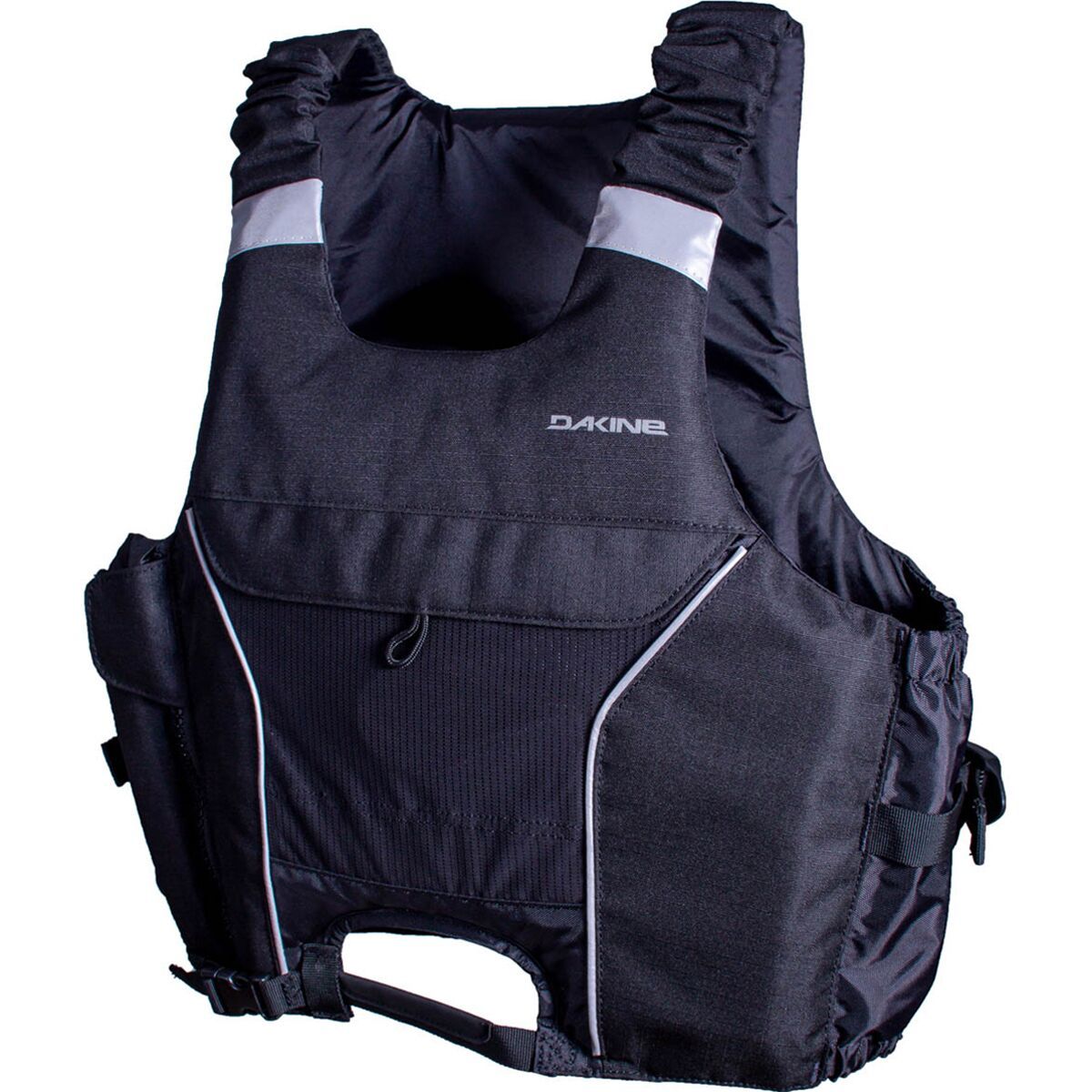
DAKINE Seeker Vest Personal Flotation Device - Kids' Black
Low-profile floatation vest built with wingsurfing and wind sports in mind. Minimal-bulk fit and smooth cut for comfort on boards without impacting range of motion.
- Low-profile design
- Wind sports optimized
- Minimal bulk
- Smooth cut

DAKINE Seeker Vest Personal Flotation Device - Kids' Red
High-visibility red version of the Seeker vest. Same low-profile design perfect for active water sports. Easy to spot on the water for added safety.
- High visibility red
- Low-profile fit
- Active sports design
- Easy on/off
Kids Water Shoes for Pool & Beach
Protect little feet from hot pool decks, rough surfaces, and sharp objects with quality water shoes. KEEN Newport H2s are the gold standard for kids who are active in and around water.
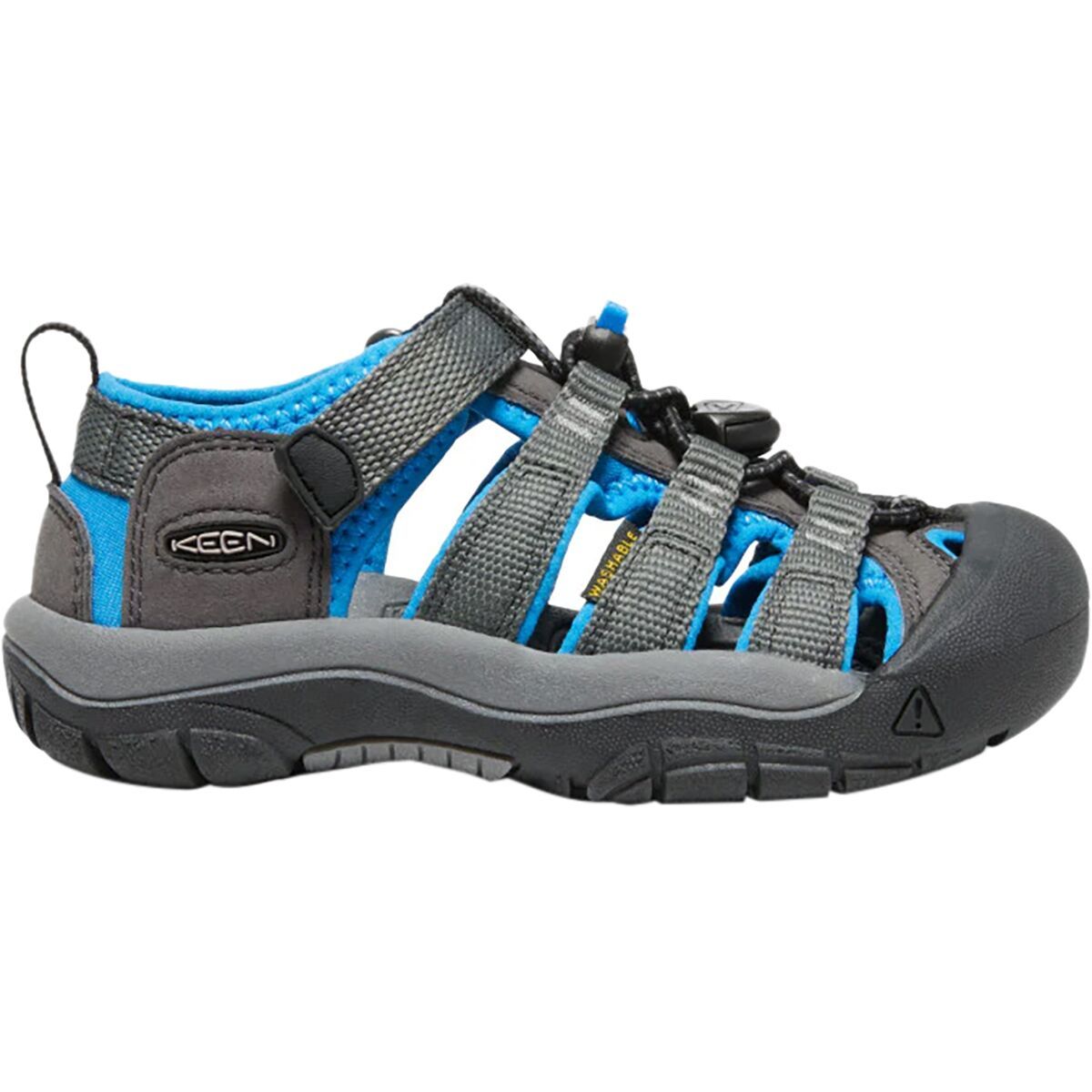
KEEN Newport H2 Sandal - Little Boys'
The iconic kids adventure sandal. Quick-drying upper, protective rubber toe cap, and multi-directional lugged sole. Perfect for water, trails, and everything between. Machine washable.
- Quick-dry upper
- Protective toe cap
- Metatomical footbed
- Machine washable

KEEN Newport H2 Sandal - Toddler Boys'
Tough sandal designed for active toddlers with laminated leather upper, toe protection, and easy Lace Capture System for quick on/off. Fully machine washable for easy cleaning.
- Lace Capture System
- Rubber toe protection
- Machine washable
- Contoured arch support

KEEN Newport H2 Sandal - Boys'
Full-size version for older kids with the same trusted protection. Rapid-dry lining and multi-terrain outsole. Great for day hikes, beach trips, and summer camp adventures.
- Youth sizing 1-7
- Secure lace system
- Rapid-dry lining
- Multi-terrain outsole
UV-Protective Sun Suits & Rash Guards
Keep babies and toddlers protected from harmful UV rays with UPF 50+ swimwear. Full-coverage sun suits are easier than constantly reapplying sunscreen on squirmy little ones.
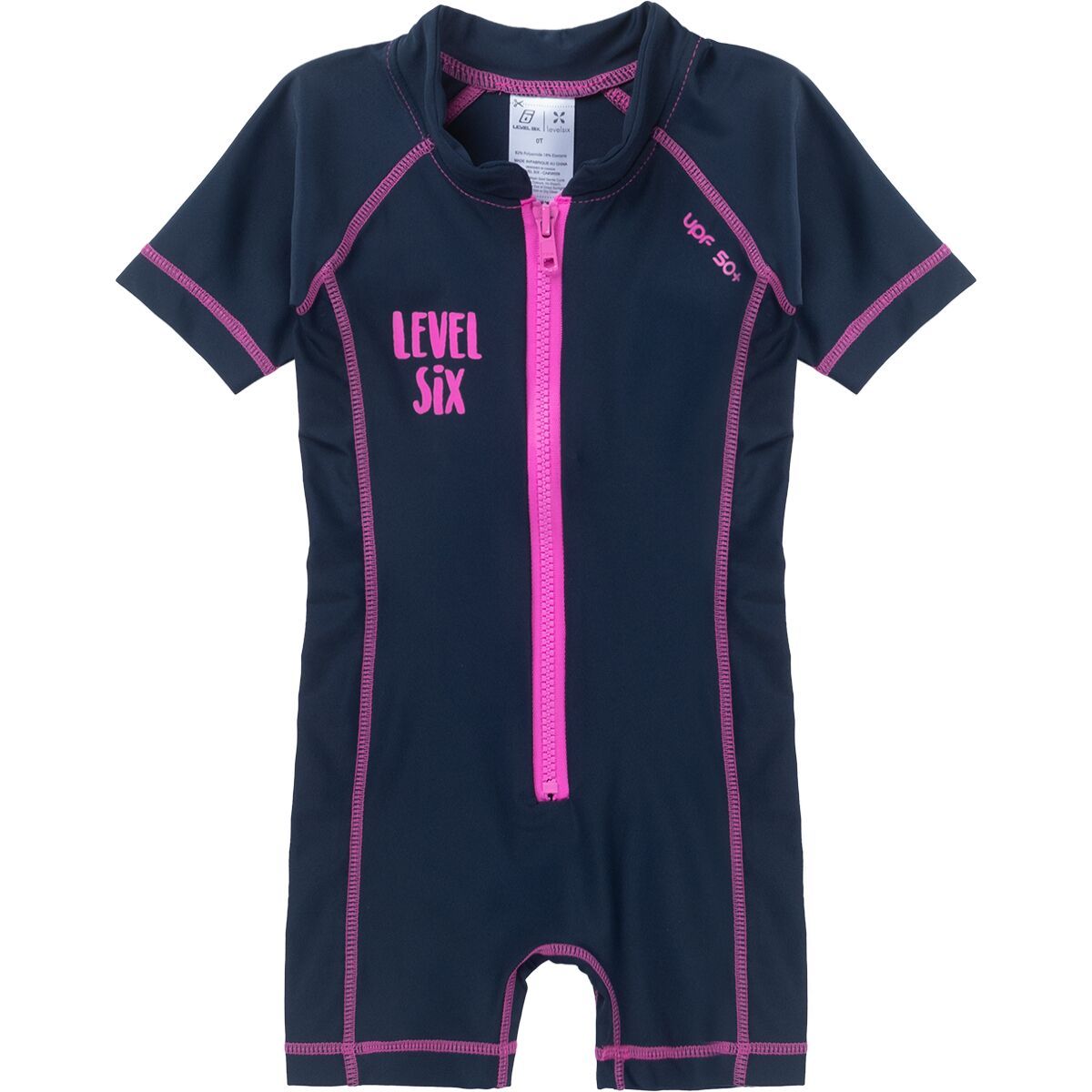
Level Six Aurora Sun Suit - Toddler Girls'
Frolic, play, and keep the sun at bay! Soft lycra/elastane blend with UPF 50+ sun protection. Front side-winder zipper for easy diaper changes. Quick-dry for all-day water play.
- UPF 50+ protection
- Quick-dry fabric
- Side-winder zipper
- Soft lycra blend
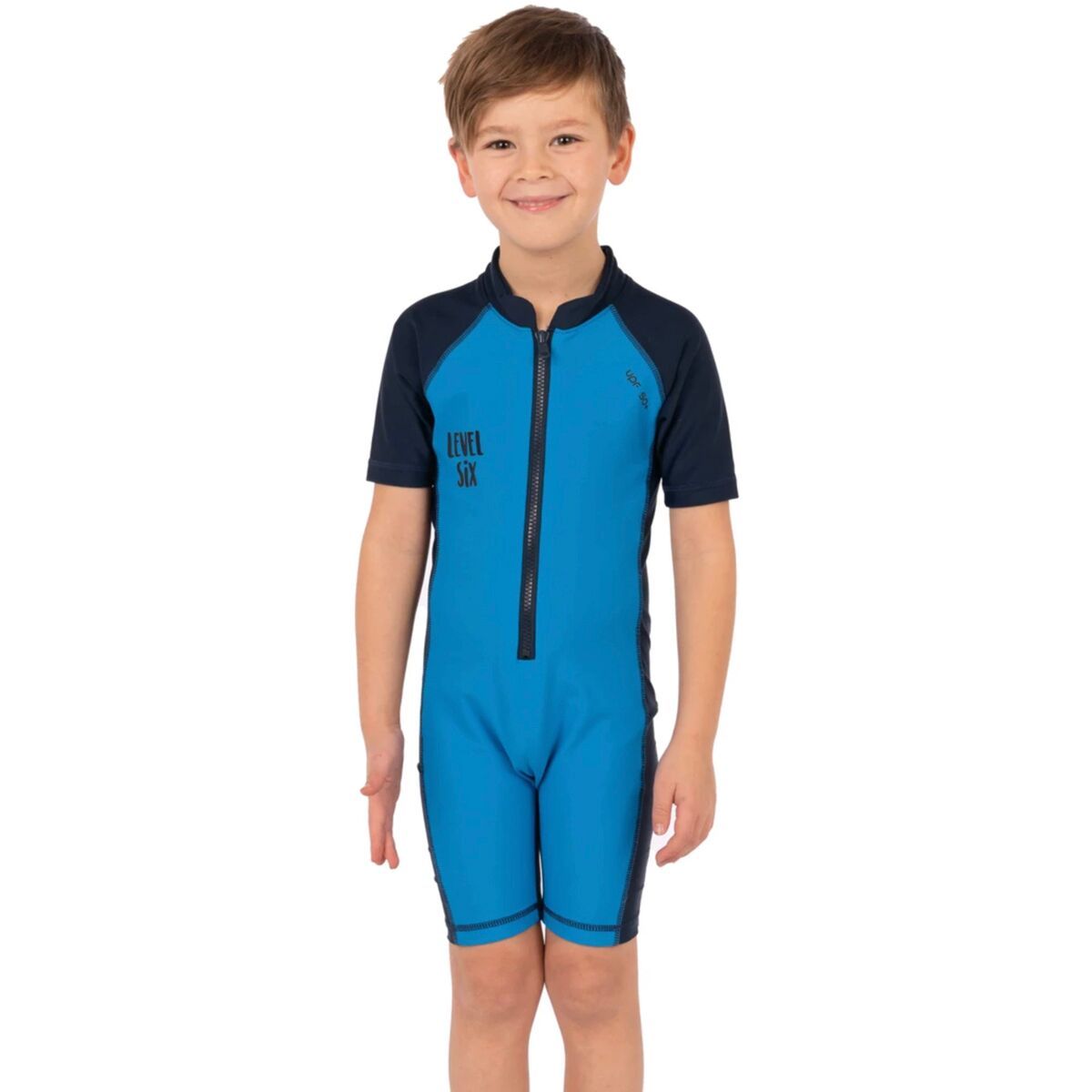
Level Six Apollo Sun Suit - Toddler Boys'
Keep your little one protected from sun while looking great at the beach. Innovative front side-winder zipper prevents chafing during crawling and play. Easy diaper changes.
- UPF 50+ sun protection
- Anti-chafe zipper
- Quick-dry material
- Full body coverage
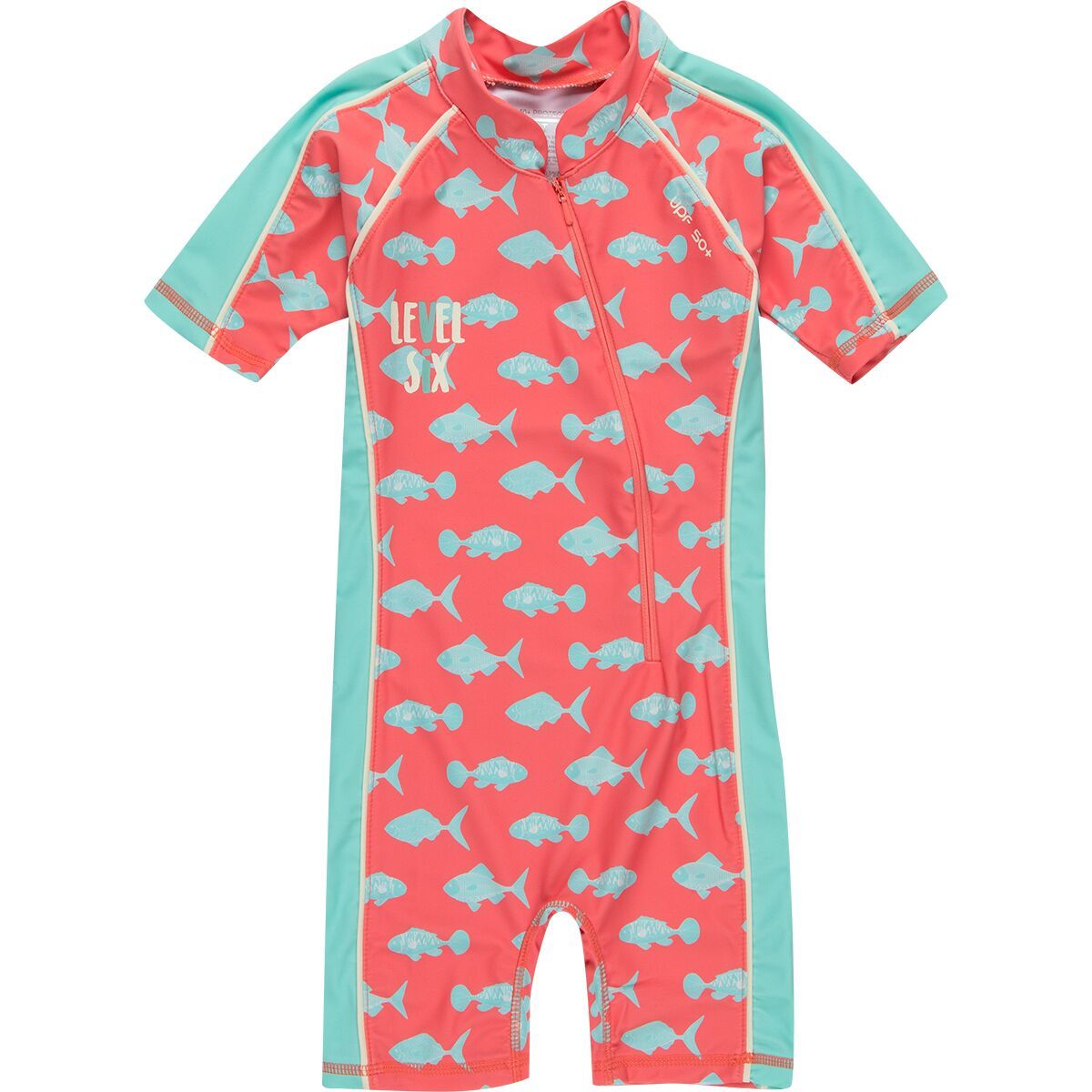
Level Six Aurora Sun Suit - Pink Coral Fish
Adorable coral fish pattern that kids love to wear. Same great UPF 50+ protection and quick-dry comfort. Perfect for pool days and beach vacations.
- Fun fish pattern
- UPF 50+ protection
- Quick-dry fabric
- Easy diaper access
Frequently Asked Questions
How much do swim lessons cost?
Costs vary widely by location and type. Group lessons at community pools or YMCAs typically run $50-150 per session (4-8 lessons). Private lessons range from $30-100+ per 30-minute lesson. ISR lessons are the most expensive at $75-150+ per week for daily lessons. Many facilities offer sibling discounts and scholarship programs.
My child is scared of the water. What should I do?
Fear of water is common and often stems from a negative experience or lack of exposure. Start slowly with positive water experiences at home (bath play, sprinklers). Look for instructors experienced with anxious swimmers. Private lessons often work better for fearful children. Never force a child underwater, this can create lasting trauma. With patience and the right approach, most children overcome water fear.
How often should my child take swim lessons?
For beginners, 2-3 times per week is ideal for building skills and muscle memory. Once-weekly lessons work for maintenance but progress is slower. Year-round lessons (even just once monthly in winter) help retain skills better than seasonal-only swimming. Consistency is more important than intensity.
Should I stay during my child's swim lesson?
For young children (under 4), parent presence is usually required or recommended. For older beginners, it depends on the child. Some perform better without parents watching; others need the security. Ask your instructor for guidance. If you do stay, avoid coaching from the sidelines, let the instructor teach.
Can my child swim after being sick?
Wait at least 24-48 hours after fever, vomiting, or diarrhea subsides before returning to swim lessons. For ear infections, get doctor clearance and consider using ear plugs. Upper respiratory infections are usually OK once symptoms are mild. When in doubt, check with your swim school's sick policy.
Do swim lessons prevent drowning?
Research shows swim lessons significantly reduce drowning risk, by 88% in children ages 1-4. However, swim lessons are just one layer of protection. Even strong swimmers can drown due to fatigue, currents, cold water shock, or other factors. Supervision remains essential regardless of swimming ability.
What should my child wear to swim lessons?
A well-fitting swimsuit (one-piece for girls is easiest). Swim diapers are required for non-potty-trained children. Goggles are usually not introduced until Level 2-3, but bring them if your child uses them. Avoid loose cover-ups that can be confused with drowning. For outdoor lessons, apply sunscreen 15 minutes before.
My child isn't progressing. Is something wrong?
Progress plateaus are normal! Children often spend weeks on certain skills before "clicking." Fear, developmental readiness, and lesson frequency all affect progress. Talk to your instructor, they can suggest at-home practice or identify specific challenges. If there's no progress after 10-12 lessons, consider a different instructor or teaching style.
Related Guides
Get Your Kids Water-Ready
Shop quality swim gear, life jackets, and water safety equipment at Backcountry. New customers get 15% off their first order.
Shop Kids Swim GearAffiliate Disclosure: ParentCalc may earn a commission from purchases made through links on this page at no additional cost to you. We only recommend products we believe in. Prices and availability are subject to change.