Best Family Camping Tents for Kids
Complete guide to choosing the perfect tent for camping adventures with children. Size recommendations, feature comparisons, and expert picks.
2026 Product Picks
Our latest product roundups related to this guide:
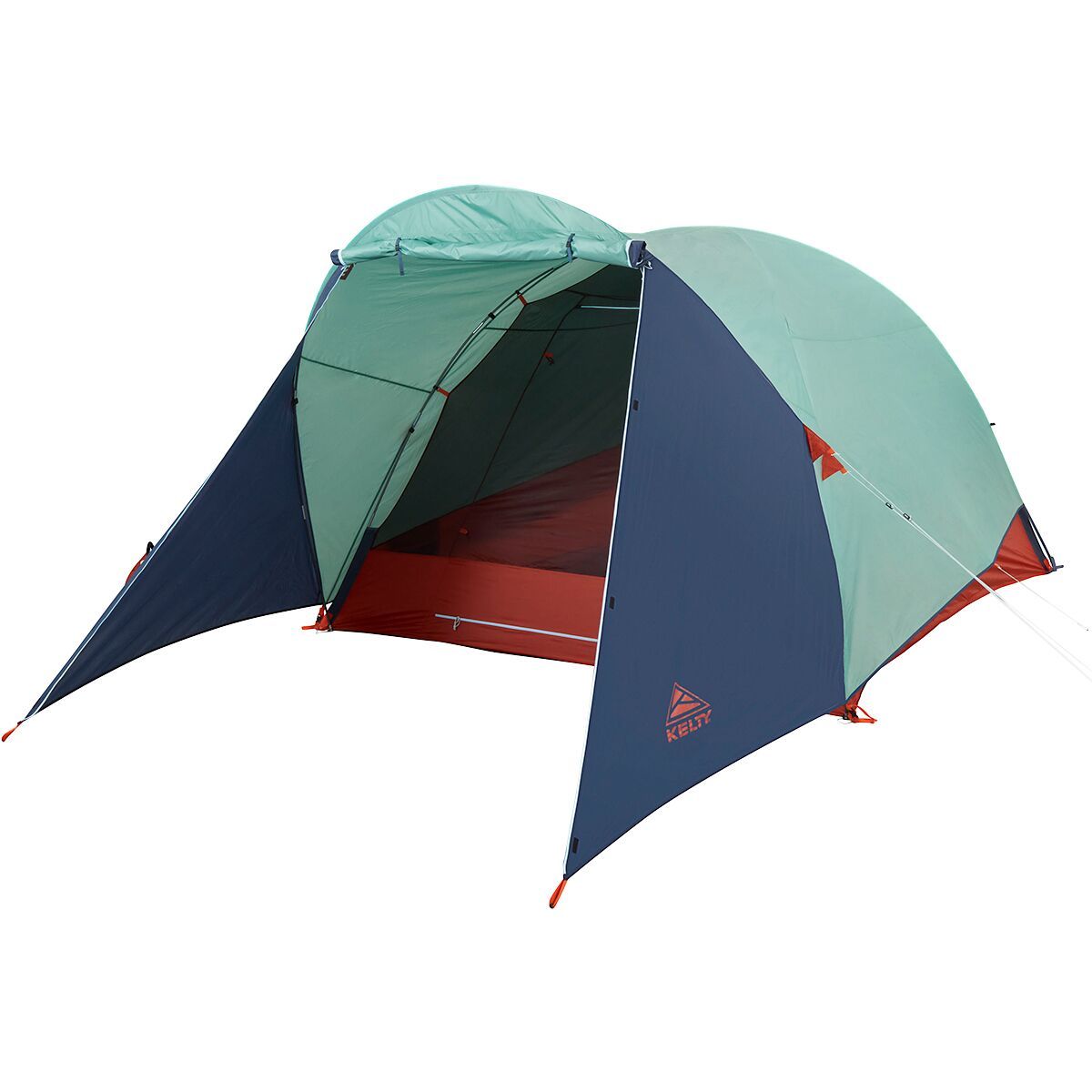
Kelty Rumpus 6P Tent: 6-Person 3-Season
Spacious 6-person tent perfect for family car camping. Provides ample room for adventure partners, gear, and recreational toys with excellent ventilation.
Choosing the Right Family Tent
Your tent is the foundation of every family camping trip. The right tent transforms camping from a challenging ordeal into a comfortable adventure that kids will remember forever. The wrong tent can mean sleepless nights, cramped quarters, and frustrated parents wondering why they left their comfortable beds at home.
When camping with children, your tent needs to do more than just keep the rain out. It needs to provide enough space for restless sleepers, room for changing diapers or clothes, a refuge for rainy-day activities, and enough headroom for parents to move around without constantly hunching over. The best family tents feel less like camping gear and more like a cozy cabin in the woods.
This comprehensive guide covers everything parents need to know about choosing a family tent: sizing recommendations based on family size, features that make camping with kids easier, setup considerations for tired parents, and weather protection that keeps everyone dry and comfortable. We have also included expert-recommended tents from Backcountry for every budget and family size.
Quick Tent Selection Tips
- Add 2 to your family size for tent capacity (family of 4 = 6-person tent)
- Look for 6+ feet peak height for comfortable standing
- Multiple doors prevent nighttime climbing over sleepers
- Vestibules provide mudroom space for dirty boots
- Color-coded poles speed up setup dramatically
- Practice setup at home before your first trip
Best Tent Sizes for Families
The golden rule of family tent sizing is simple: always size up. Tent capacity ratings assume adults sleeping in mummy-style bags with no gear inside. Real family camping involves sleeping pads, extra blankets, stuffed animals, diaper bags, and kids who sprawl like starfish in their sleep.
For comfortable family camping, add at least two to your family headcount when choosing tent capacity. A family of four should look at 6-person tents minimum. This provides space for sleeping, gear storage, and room to change clothes or wait out afternoon rain showers.
Family Size to Tent Capacity Guide
Space Considerations with Kids
- - Kids toss and turn more than adults - they need extra space
- - Room for a portable crib or pack-and-play requires significant floor space
- - Rainy days mean the tent becomes the play area - more space equals more sanity
- - Vestibules add functional space without increasing tent footprint
Best 6-Person Family Tents
Six-person tents hit the sweet spot for most families. They provide enough room for a family of four to sleep comfortably with gear storage, or a family of five without feeling cramped. The larger footprint also means higher ceilings for standing and dressing, which parents appreciate during morning and evening routines.
Kelty Rumpus 6P Tent: 6-Person 3-Season
Spacious 6-person tent perfect for family car camping. Provides ample room for adventure partners, gear, and recreational toys with excellent ventilation.
- 6-person capacity
- Great for car camping
- Spacious interior
- Room for gear storage
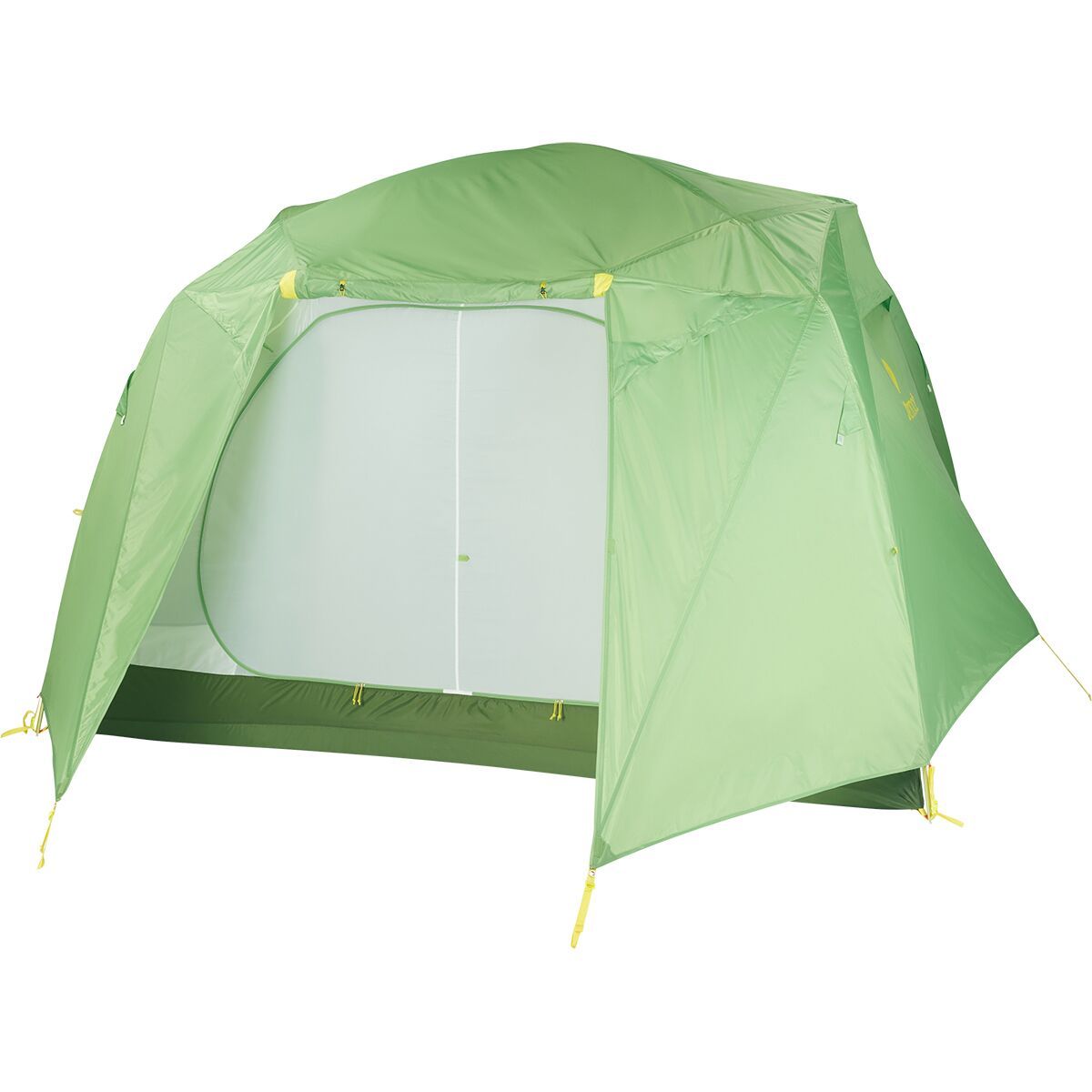
Marmot Limestone Tent: 6-Person 3-Season
Perfect family shelter with Zone construction using pre-bent poles for near vertical walls creating a palatial feel. Easy setup with color-coded clips and poles.
- Pre-bent poles for headroom
- Color-coded Easy Pitch setup
- Spacious vestibules
- Fly vents for airflow
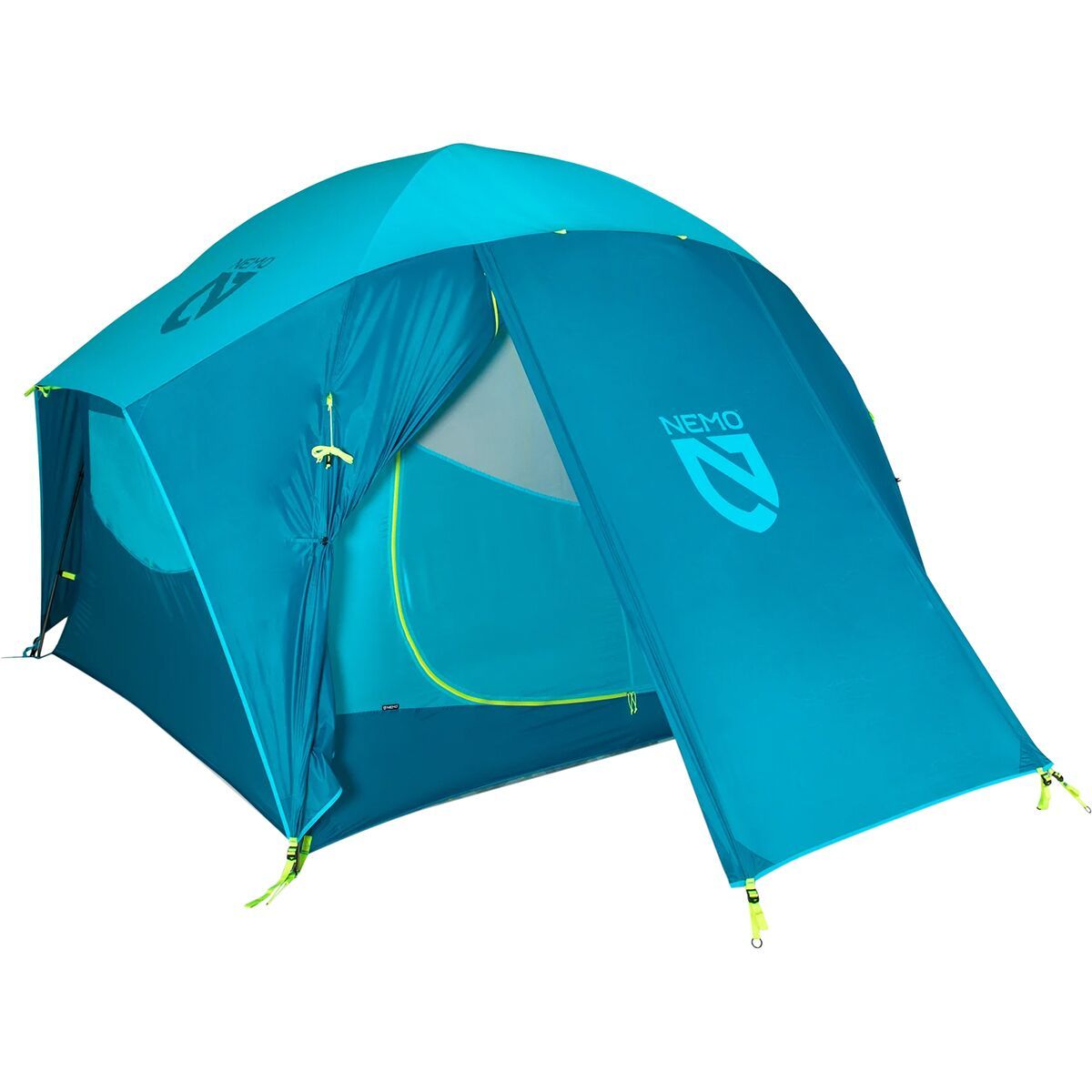
NEMO Aurora Highrise Tent: 6-Person 3-Season
Large living space with two spacious vestibules for mudrooms. Large rain-protected mesh windows balance ventilation and protection for watching nature.
- Highrise design
- Two vestibules
- Large mesh windows
- Rain protection
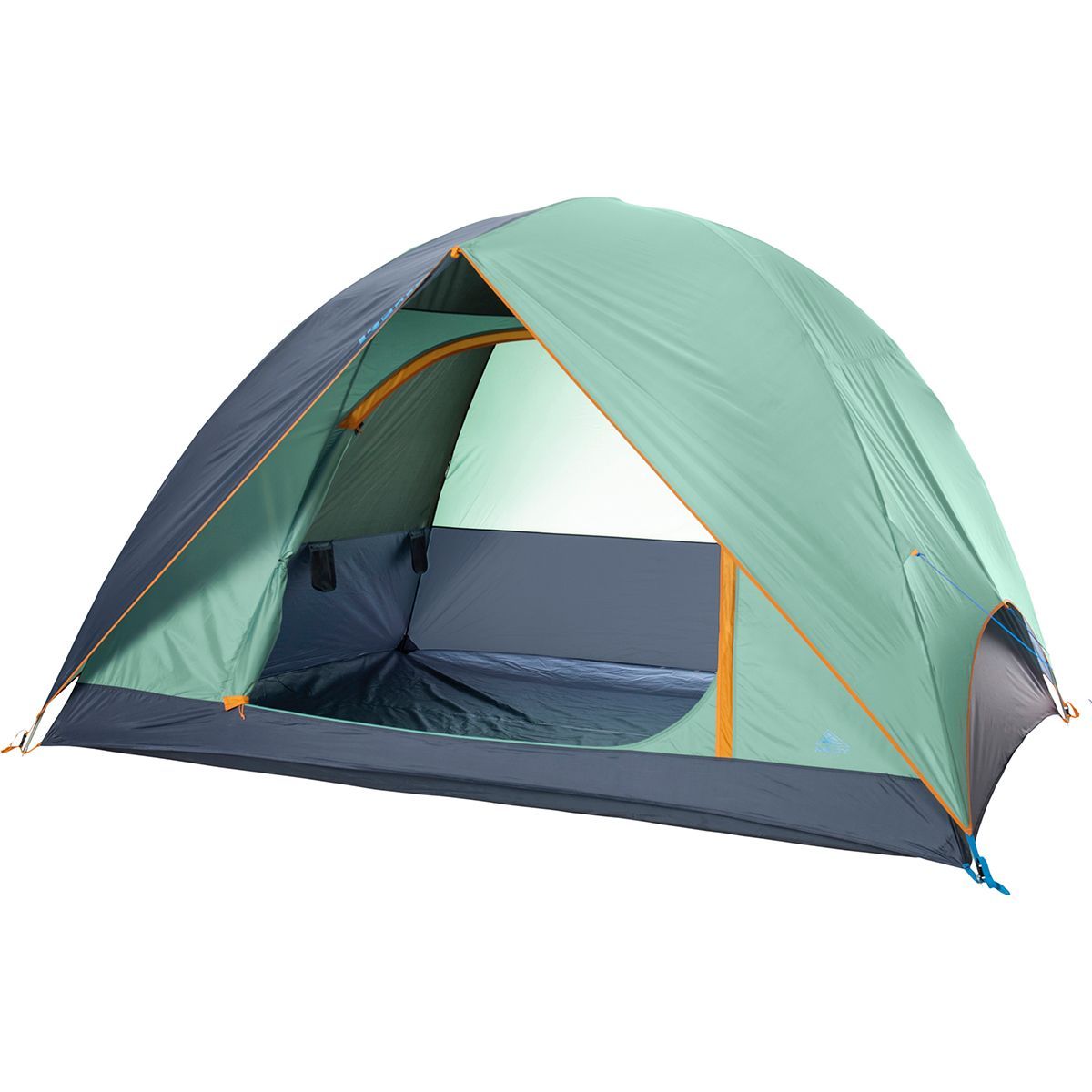
Kelty Tallboy 6 Tent: 6-Person 3-Season
Tall dome-style ceiling for plenty of headroom. Large door makes getting in and out easy for families. Classic X-pole construction with Shark-mouth duffel for easy setup.
- Tall dome ceiling
- Easy X-pole setup
- Shark-mouth duffel bag
- Budget-friendly
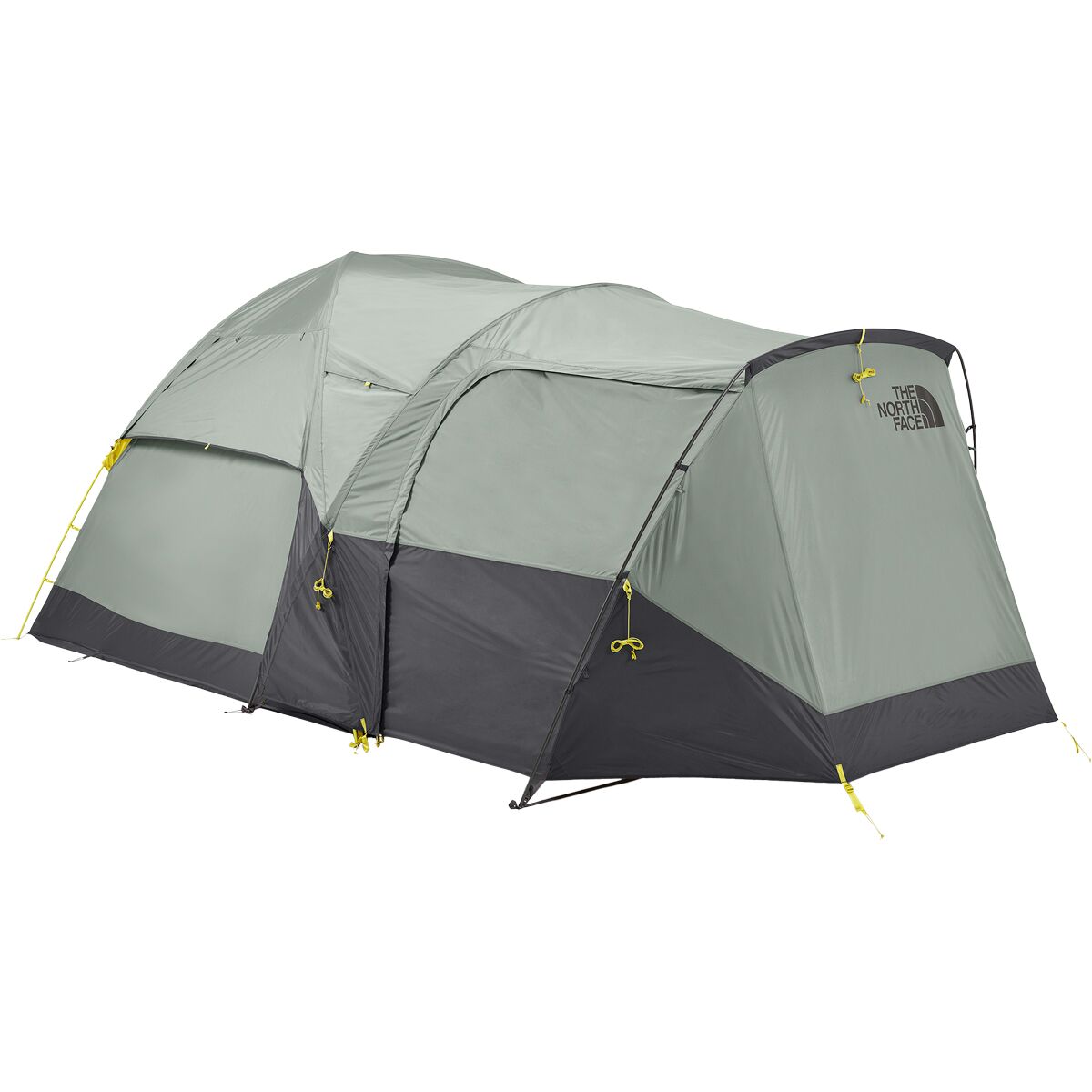
The North Face Wawona 6 Tent: 6-Person 3-Season
TNF’s cult-favorite family tent with a huge front vestibule that doubles as a screened living room. Near-vertical walls, three doors, and a rainfly-free pitch option for summer stargazing.
- Screen-room vestibule
- Near-vertical walls
- Three doors
- Fly-free pitch option
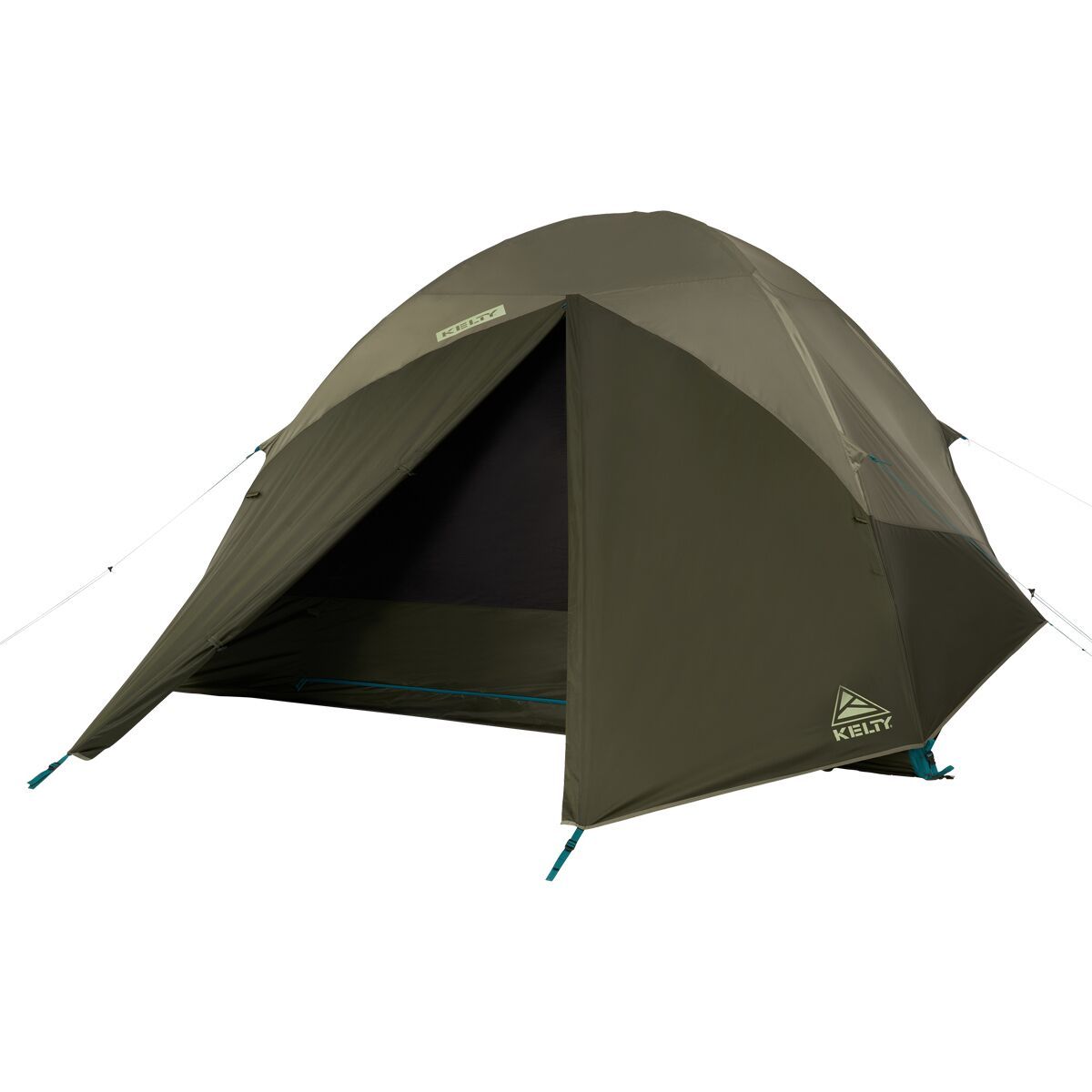
Kelty Daydreamer 6 Tent: 6-Person 3-Season
Instant pop-up style pitch, under 2 minutes solo. Great for families with impatient kids who want the tent up fast when you roll into the campsite.
- Quick-pitch design
- 6-person capacity
- Road-trip friendly
- Kid-tested durability
Best 4-Person Family Tents
Four-person tents work well for families of three or as a dedicated kids tent for older children. They are easier to transport and set up than larger options, making them ideal for families who camp frequently or move between sites. Many parents eventually own both a 6-person family tent and a 4-person tent for versatility.
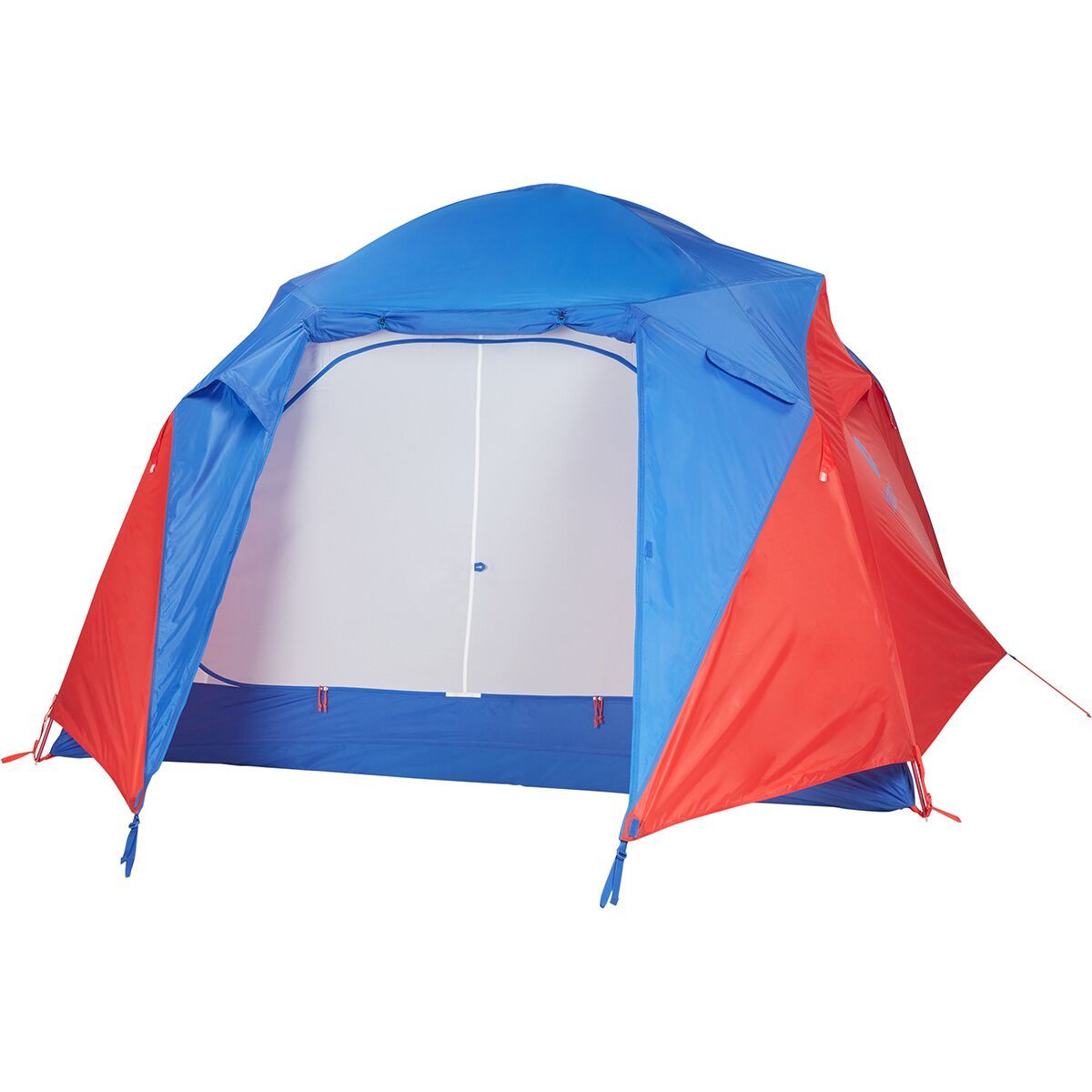
Marmot Limestone Tent: 4-Person 3-Season
Feels like a little cabin with pre-bent poles opening headroom. Two D-shaped doors, dual vestibules for dry storage, and seam-sealed fly for weather protection.
- 60 sq ft floor space
- Two D-shaped doors
- Dual vestibules
- Bathtub-style floor
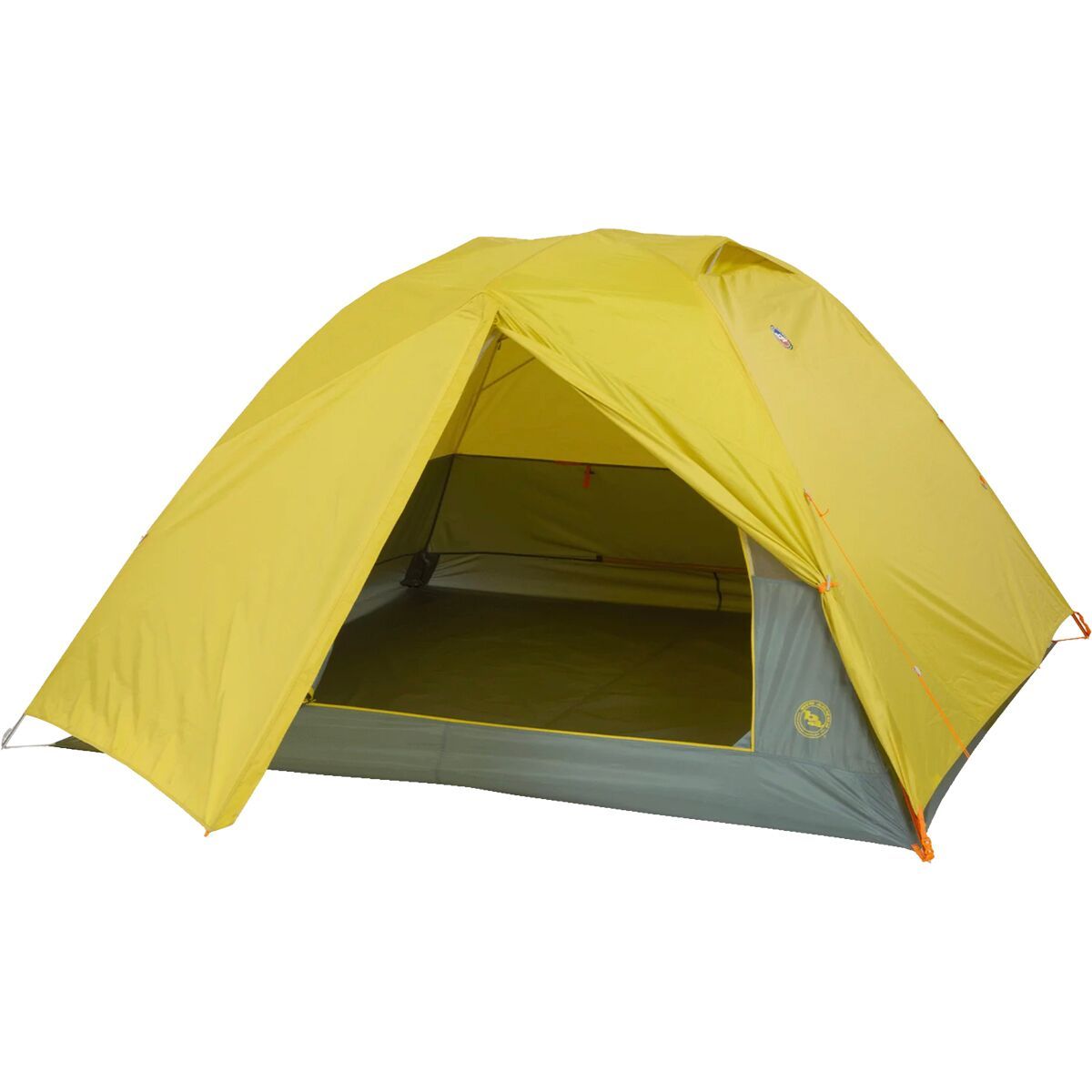
Big Agnes Blacktail 4 Tent: 4-Person 3-Season
Light enough for backpacking, sturdy for car camping. Recycled fabric with TipLok Tent Buckle and ample ventilation. 60 square feet of sleeping space.
- Recycled 75D polyester
- Dual side-entry doors
- TipLok buckle system
- Ample ventilation
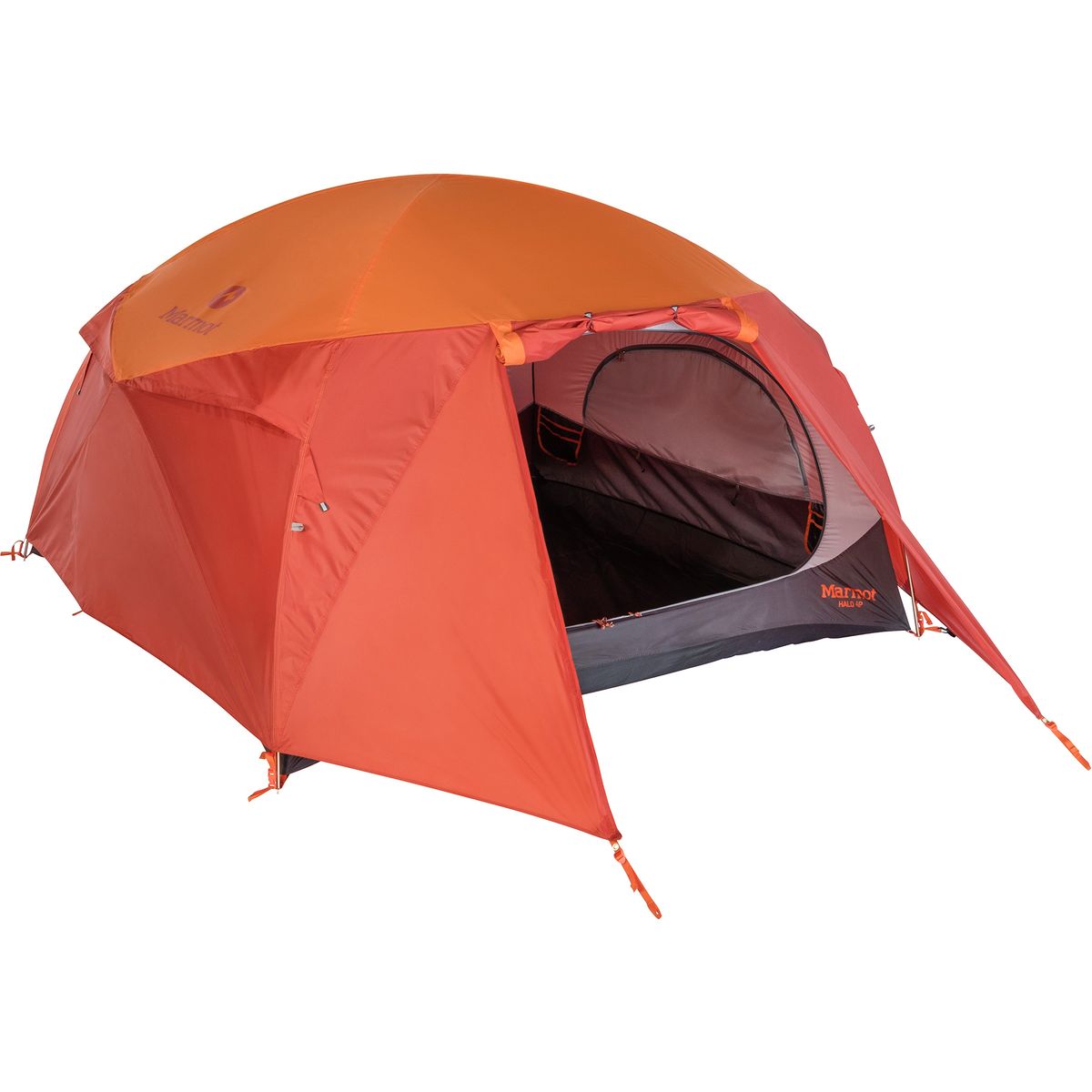
Marmot Halo Tent: 4-Person 3-Season
Unique pole design with large doors provides plenty of usable living space for the whole family. Wall pockets for organization and double vestibules for gear.
- DAC press-fit poles
- Floor-level vents
- Sealed rain fly
- Wall pockets
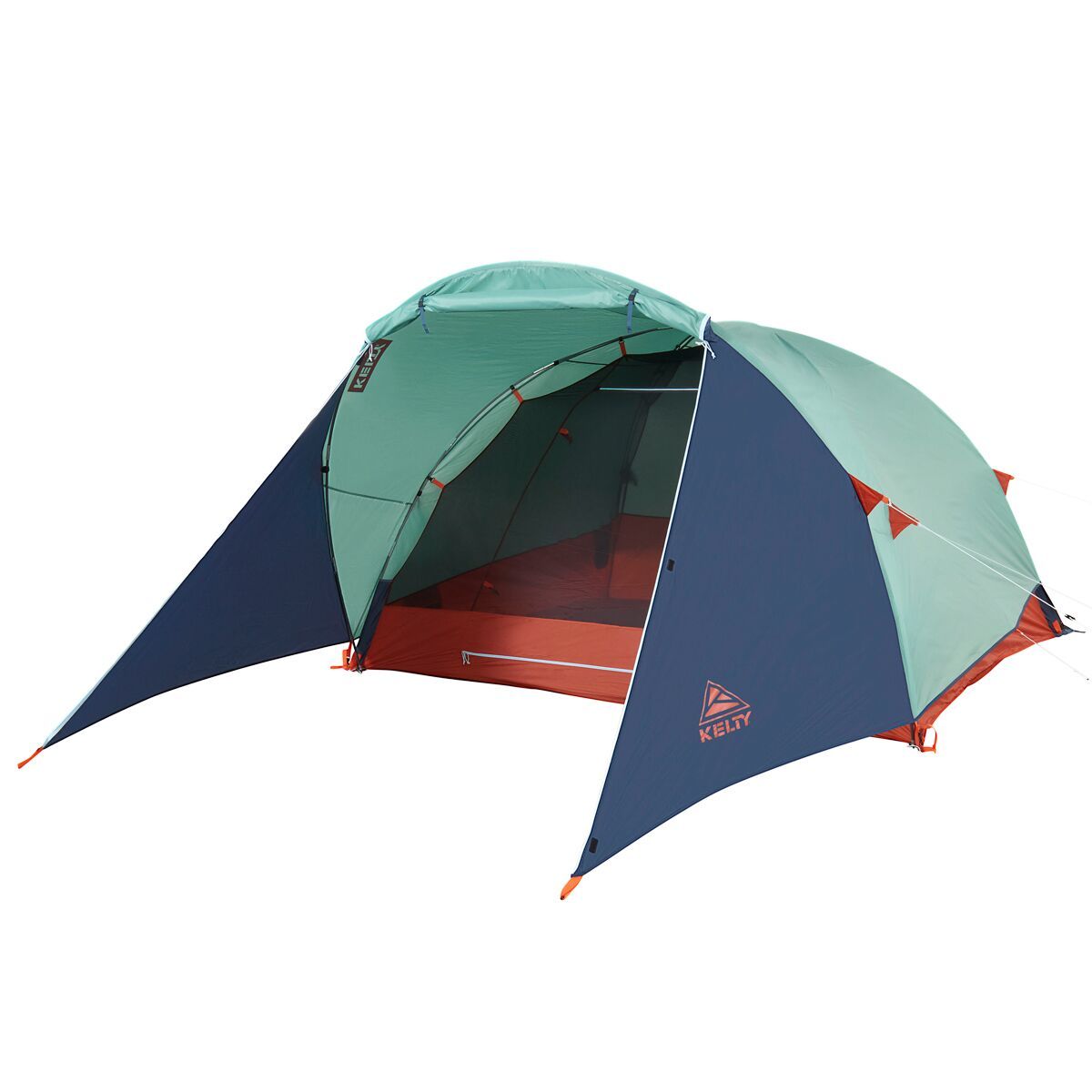
Kelty Rumpus 4P Tent: 4-Person 3-Season
Roomy tent ideal for sleep and storage. Comfortably fits gear and pets as well for a good night rest outdoors. Spacious vestibule for socializing.
- 4-person + gear
- Spacious vestibule
- Rain fly included
- Desert to peaks ready
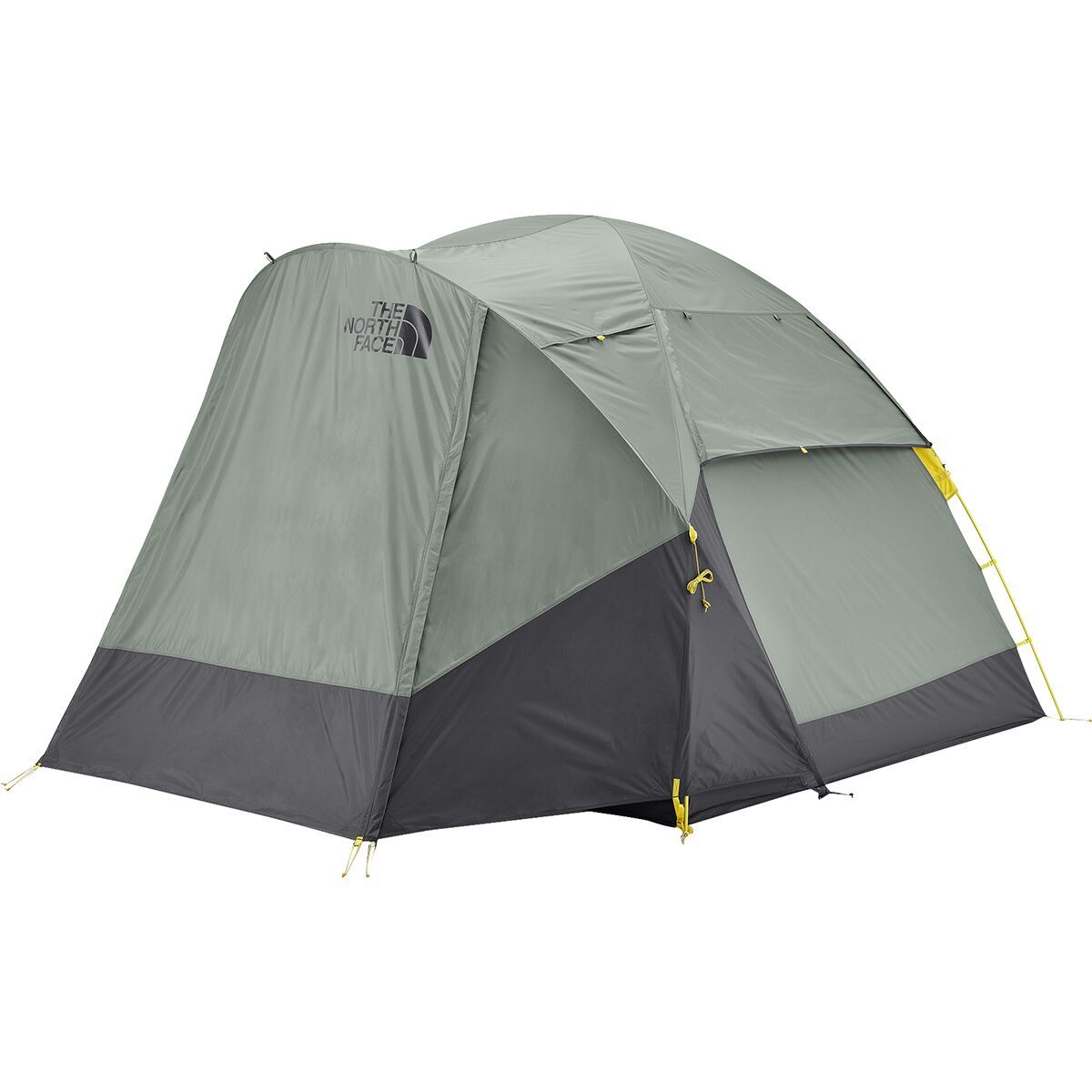
The North Face Wawona 4 Tent: 4-Person 3-Season
Smaller-footprint Wawona with the same tall, vertical-walled design. Big vestibule works as a mudroom or gear shelter, and the three-door layout makes late-night bathroom trips painless.
- Huge vestibule mudroom
- Near-vertical walls
- Three-door layout
- Color-coded setup
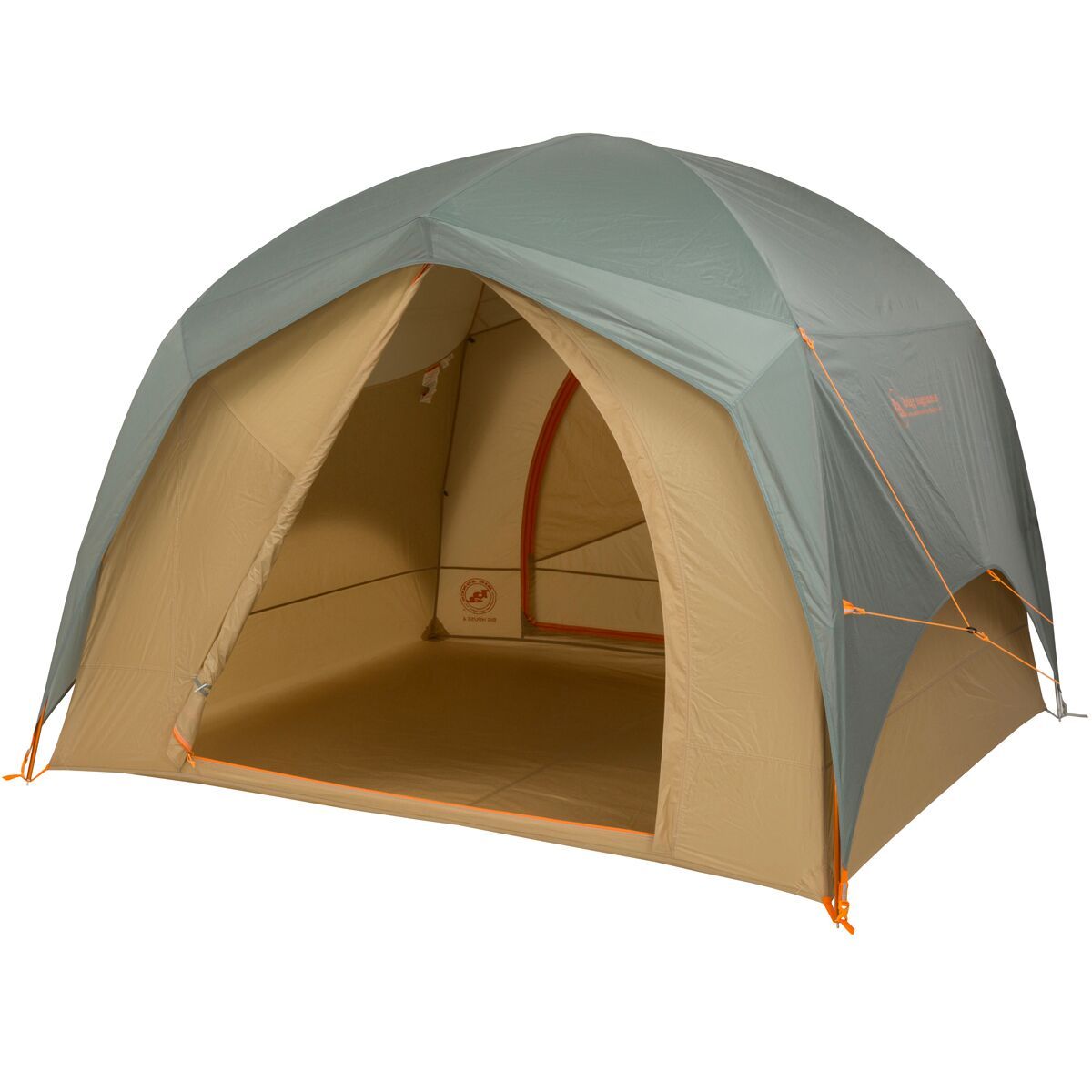
Big Agnes Big House 4 Tent: 4-Person 3-Season
Head-high ceiling, two doors with storm flaps, and an almost-vertical wall shape means four campers can actually stand up and change clothes. Big Agnes family-camping favorite.
- Head-high ceiling
- Storm-flap doors
- Near-vertical walls
- Big Agnes quality
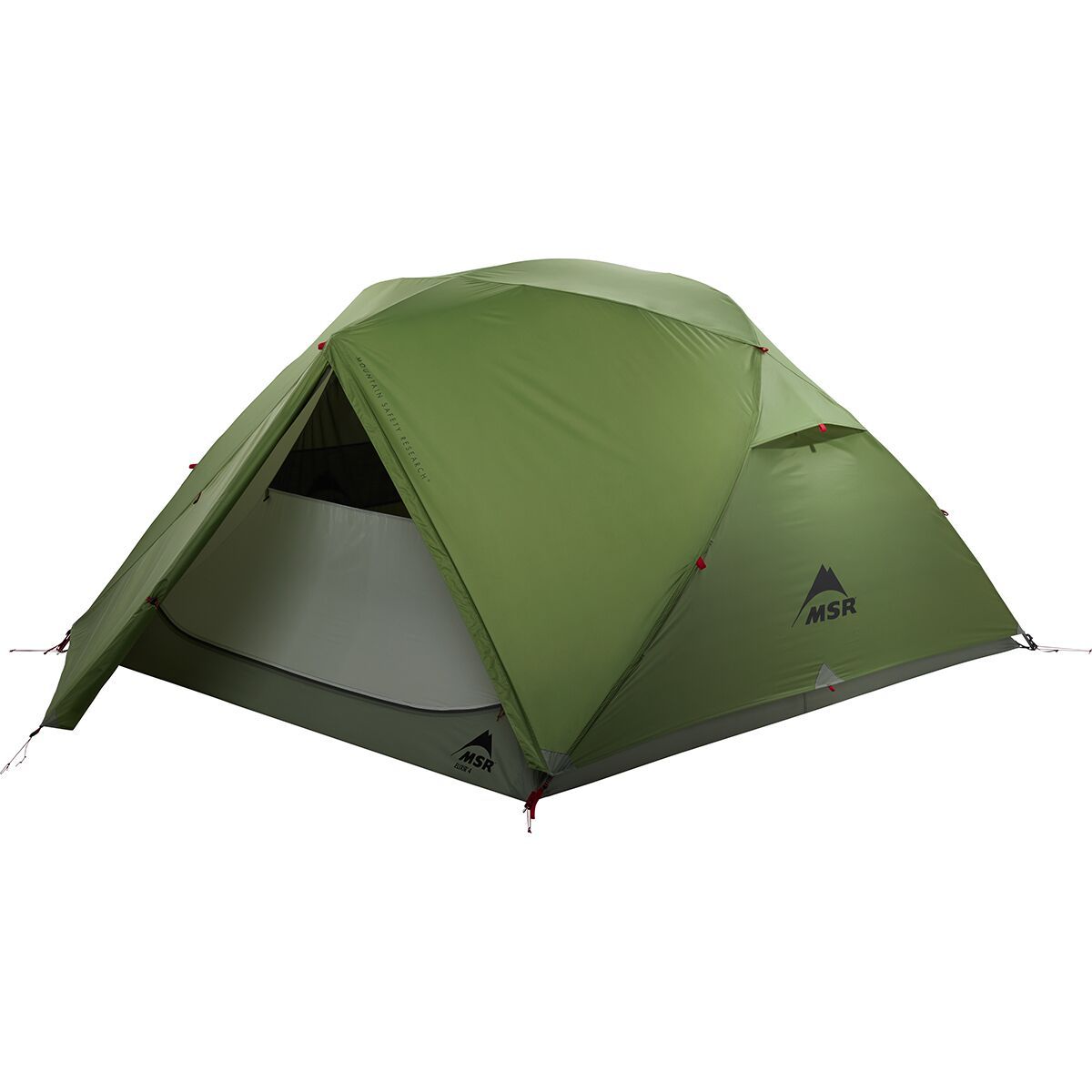
MSR Elixir 4 Tent: 4-Person 3-Season
Lighter-weight MSR freestanding 4P that can still handle backcountry weather. Good for families who want one tent that works for car camping AND backpacking-in with older kids.
- Backcountry-capable
- Freestanding design
- Gear lofts + pockets
- Durable MSR build
Features for Camping with Kids
Not all tents are created equal when it comes to family camping. Certain features make a significant difference in comfort and convenience when camping with children. Here is what to look for:
Multiple Doors
Multiple entry points mean parents can slip out for nighttime bathroom runs without climbing over sleeping children. Kids also appreciate having their own door to enter and exit independently.
- No climbing over sleeping family members
- Faster emergency exits if needed
- Better cross-ventilation options
Vestibules
Vestibules are covered areas outside the main tent body, perfect for storing muddy boots, wet rain gear, and keeping gear organized without taking up sleeping space.
- Keeps dirt and mud outside
- Protected gear storage
- Extra rain protection at entry
Peak Height
Tents with peak heights of 6 feet or more let adults stand comfortably. This makes changing clothes, organizing gear, and tending to kids much easier than in cramped, low-ceilinged tents.
- Stand while dressing
- Easier diaper changes
- Less claustrophobic for kids
Interior Pockets
Interior mesh pockets keep essentials organized and off the floor. Flashlights, glasses, phones, and small toys have designated spots that kids can learn to use.
- Keeps small items accessible
- Reduces clutter on tent floor
- Teaches kids organization
Setup Ease Considerations
When you arrive at camp with excited (or overtired) kids, the last thing you want is a complicated tent setup. Modern family tents offer features that dramatically speed up the process, letting you get camp established quickly and start enjoying your adventure.
Setup-Friendly Features to Look For
- Color-coded poles and clips - No guessing which pole goes where
- Quick-clip attachment - Faster than threading sleeves
- Freestanding design - Stands without stakes (though stake for wind)
- Hubbed pole systems - Fewer individual poles to manage
- Pre-attached rainfly - One less step in setup
- Good storage bag - Easy to pack and repack
Best Easy-Setup Family Tents
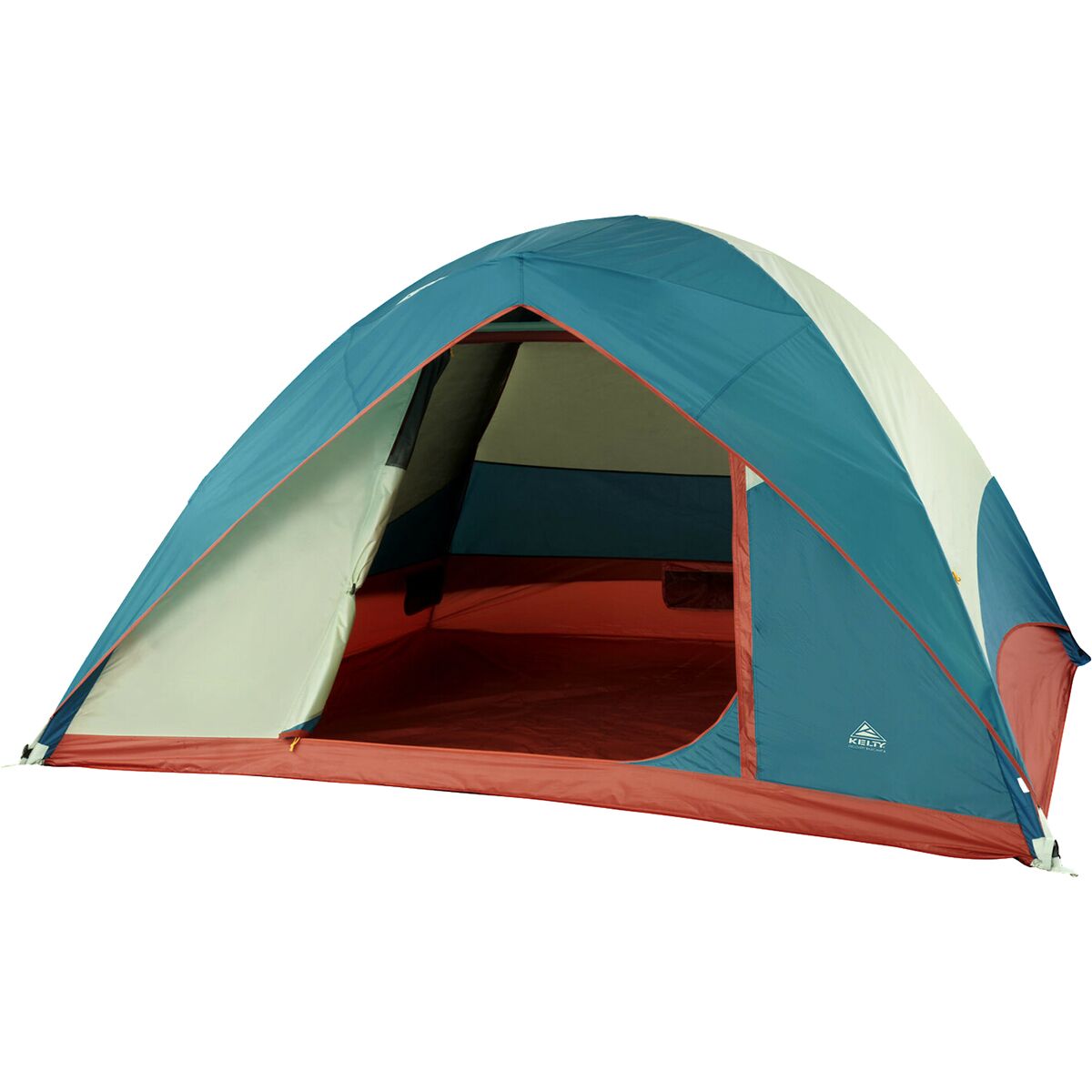
Kelty Discovery Basecamp 6 Tent: 6-Person 3-Season
Spacious, straightforward design makes this tent easy to setup and take down. Perfect for beginner and seasoned campers seeking stress-free experience.
- Beginner-friendly
- Quick setup
- Spacious interior
- Stress-free camping
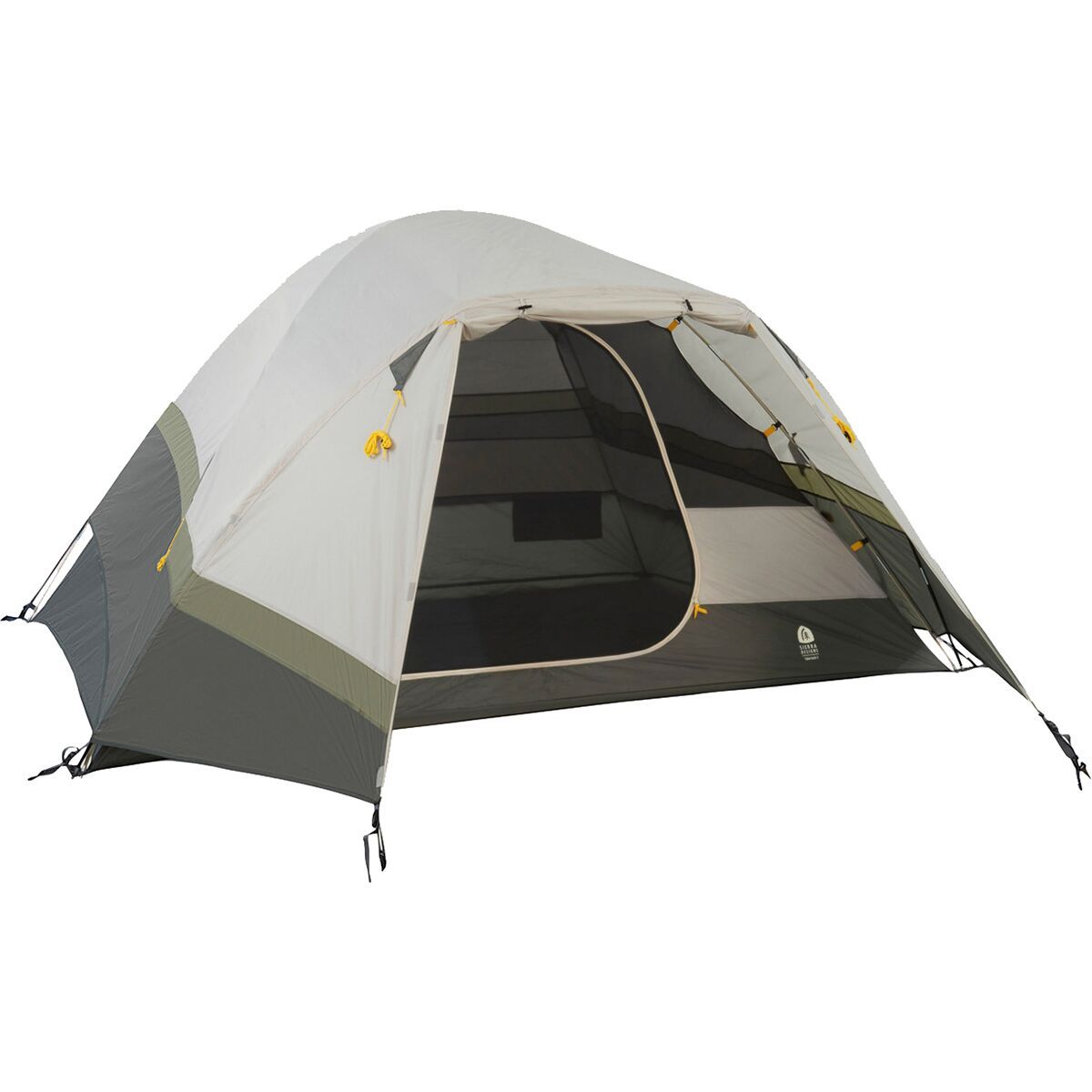
Sierra Designs Tabernash 4 Tent: 4-Person 3-Season
Livable and affordable - one of the best car camping tents around. Freestanding dome with swift clip attachment system. Can sleep fly-free for stargazing.
- Swift clip system
- Freestanding dome
- Fully seam taped fly
- Fly-free option
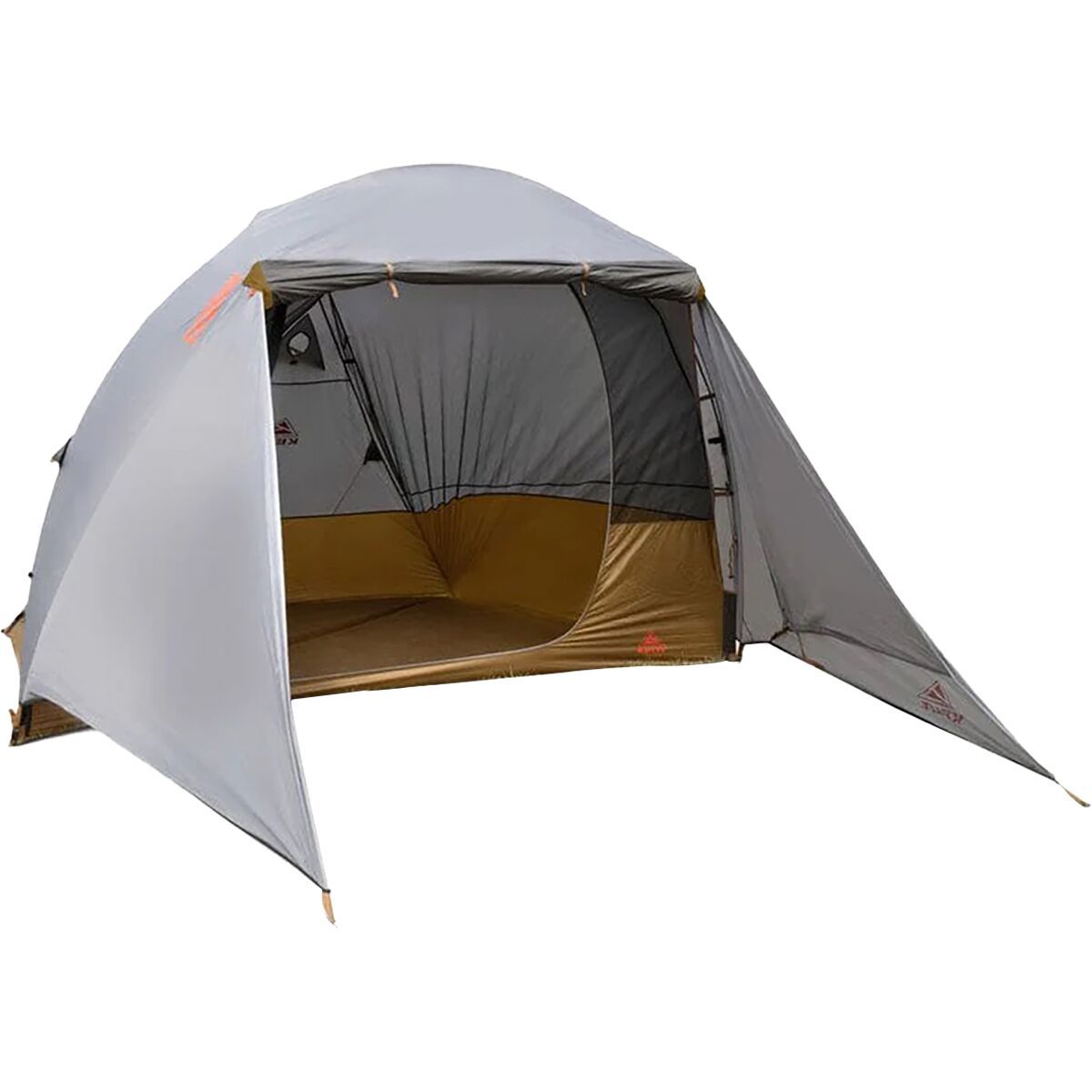
Kelty Caboose 4 Tent: 4-Person 3-Season
Free-standing tent and car awning system in one. Awning disconnects quickly if you need to leave camp. Provides wind protection, shade, and privacy.
- Car awning system
- Quick disconnect
- Wind protection
- Extra shade
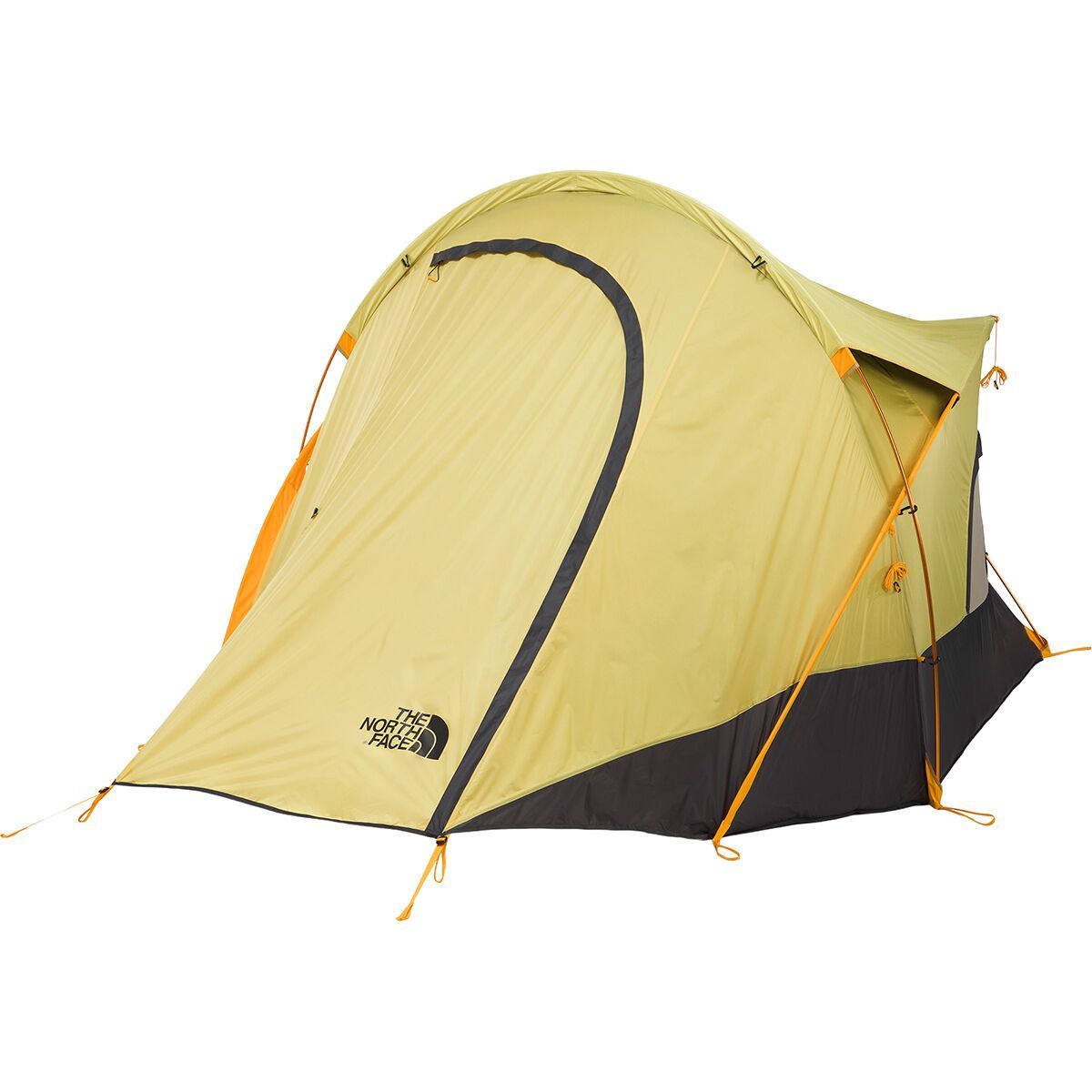
The North Face Universal Wawona 3 Tent: 3-Person 3-Season
The Wawona shape in a smaller 3-person size, ideal for one parent + two kids or two parents + one toddler. Big vestibule still fits a pack of gear and muddy boots.
- 3-person size
- Big vestibule
- Near-vertical walls
- Color-coded poles
Pro Tip: Practice at Home
Set up your tent in the backyard before your first trip. This accomplishes several things: you learn the setup process without time pressure, you can identify any missing parts or issues, kids get excited seeing the tent, and you might even do a practice sleepover that makes the real trip less intimidating.
Weather Protection
Weather protection separates good camping experiences from miserable ones. When camping with kids, staying dry and comfortable is not just about convenience - it affects safety, sleep quality, and whether your family wants to camp again.
Rain Protection
- Fully seam-sealed rain fly
- Bathtub-style floor (raised edges)
- Vestibules for dry entry
- Waterproof floor rating (1500mm+)
Wind Resistance
- Quality aluminum poles (DAC)
- Multiple guy-out points
- Low profile dome design
- Reinforced stress points
Ventilation
- Mesh panels for airflow
- Adjustable fly vents
- Floor-level vents
- Reduces condensation buildup
Season Ratings Explained
3-Season Tents: Ideal for spring, summer, and fall family camping. Handle rain well and provide good ventilation. Perfect for most family camping scenarios.
4-Season Tents: Built for winter and extreme conditions. Heavier, more expensive, and often have less ventilation. Overkill for typical family camping.
Recommendation: Unless you plan to camp in snow, a quality 3-season tent serves families best.
Indoor Play Tents vs Camping Tents
Parents often wonder about the difference between children's play tents and real camping tents. While play tents have their place, understanding the distinction helps make better purchasing decisions.
Indoor Play Tents
Designed for imaginative play in climate-controlled environments. Fun for playrooms and bedrooms but not designed for actual camping.
Characteristics:
- Thin, non-waterproof fabric
- Flexible plastic or fiberglass poles
- No floor or mesh-only floor
- Lightweight and portable
- Fun designs and colors
Best for: Indoor play, backyard sun shade
Real Camping Tents
Engineered for outdoor conditions. Protect against rain, wind, insects, and ground moisture. Built to last through multiple camping seasons.
Characteristics:
- Waterproof coated fabric
- Aluminum or quality fiberglass poles
- Sealed floor with bathtub design
- Mesh panels for ventilation and bug protection
- Rain fly for weather protection
Best for: Actual camping, outdoor sleepovers
The Backyard Transition Strategy
Use your real camping tent for backyard sleepovers before heading to the campground. This helps kids get comfortable sleeping in a tent in a familiar environment, and you can easily retreat inside if needed. It also helps you practice setup and identify any issues before you are miles from home.
Indoor play tents can complement real camping by letting kids practice "camping" during the weeks leading up to a trip, building excitement and familiarity with the concept.
Top Family Tent Brands
Quality matters when it comes to camping tents. These trusted brands consistently deliver tents that families can rely on trip after trip. Investing in a quality tent from a reputable brand means better weather protection, easier setup, and durability that lasts for years.
Kelty
Known for family-friendly designs at reasonable prices. Excellent value with features like color-coded setup and spacious interiors.
Marmot
Premium quality with innovative features. Pre-bent poles for headroom and excellent weather protection. Built to last.
NEMO Equipment
Innovative designs focused on livability. Known for excellent ventilation and thoughtful details that make camping more comfortable.
Big Agnes
Colorado-based with focus on sustainability. Recycled materials without sacrificing performance. Great versatility from backpacking to car camping.
Sierra Designs
Budget-friendly options without sacrificing essential features. Great entry-level family tents for new camping families.
MSR
Mountain Safety Research brings expedition-grade quality to family camping. Excellent poles and weather protection.
Essential Tent Accessories
A few accessories can significantly improve your tent camping experience. Footprints protect your investment, while other add-ons enhance comfort and convenience.
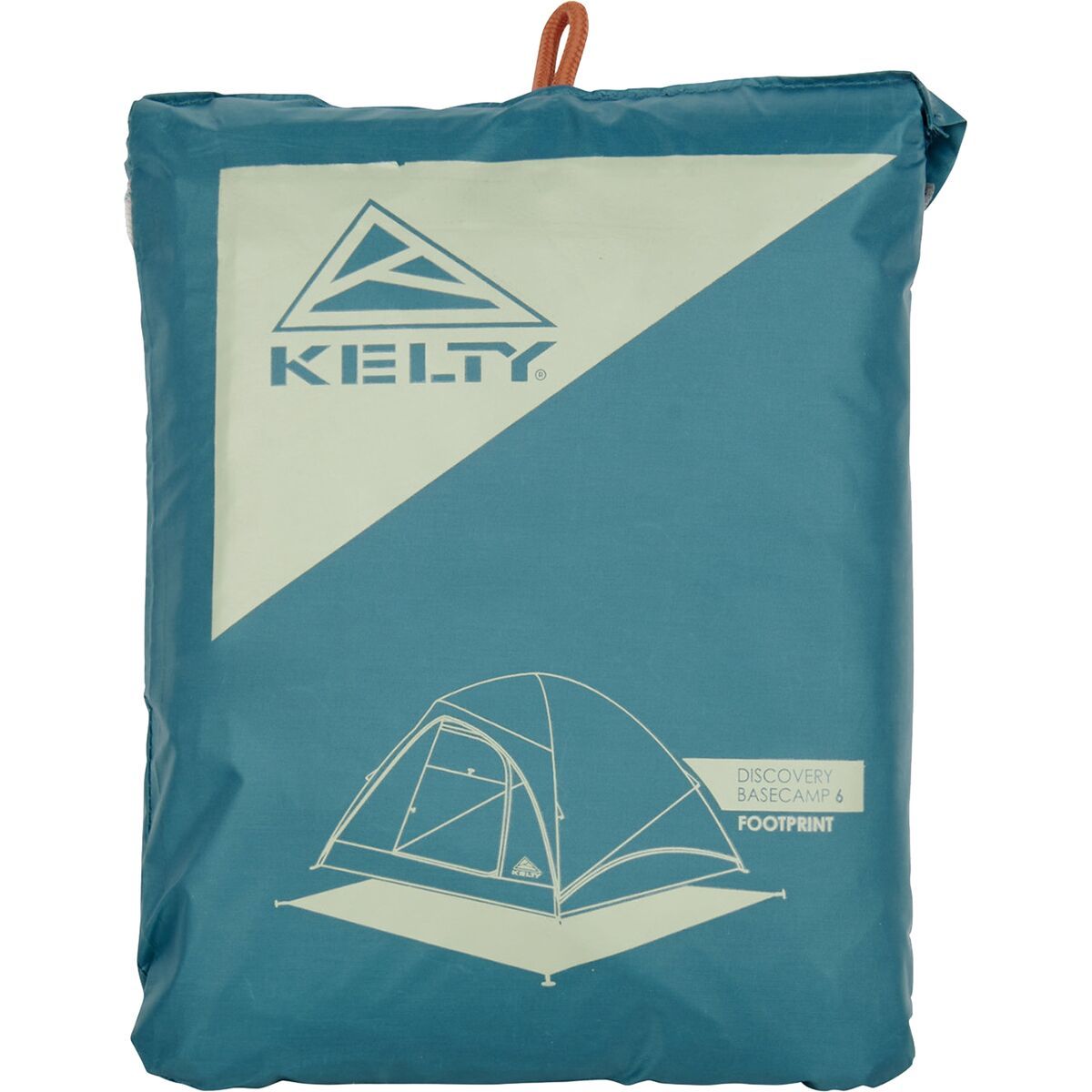
Kelty Discovery Basecamp 6 Footprint
Protect your tent floor from rocks, sticks, and moisture. Extends tent life and adds insulation from cold ground.
- Protects tent floor
- Moisture barrier
- Easy attachment
- Extends tent life
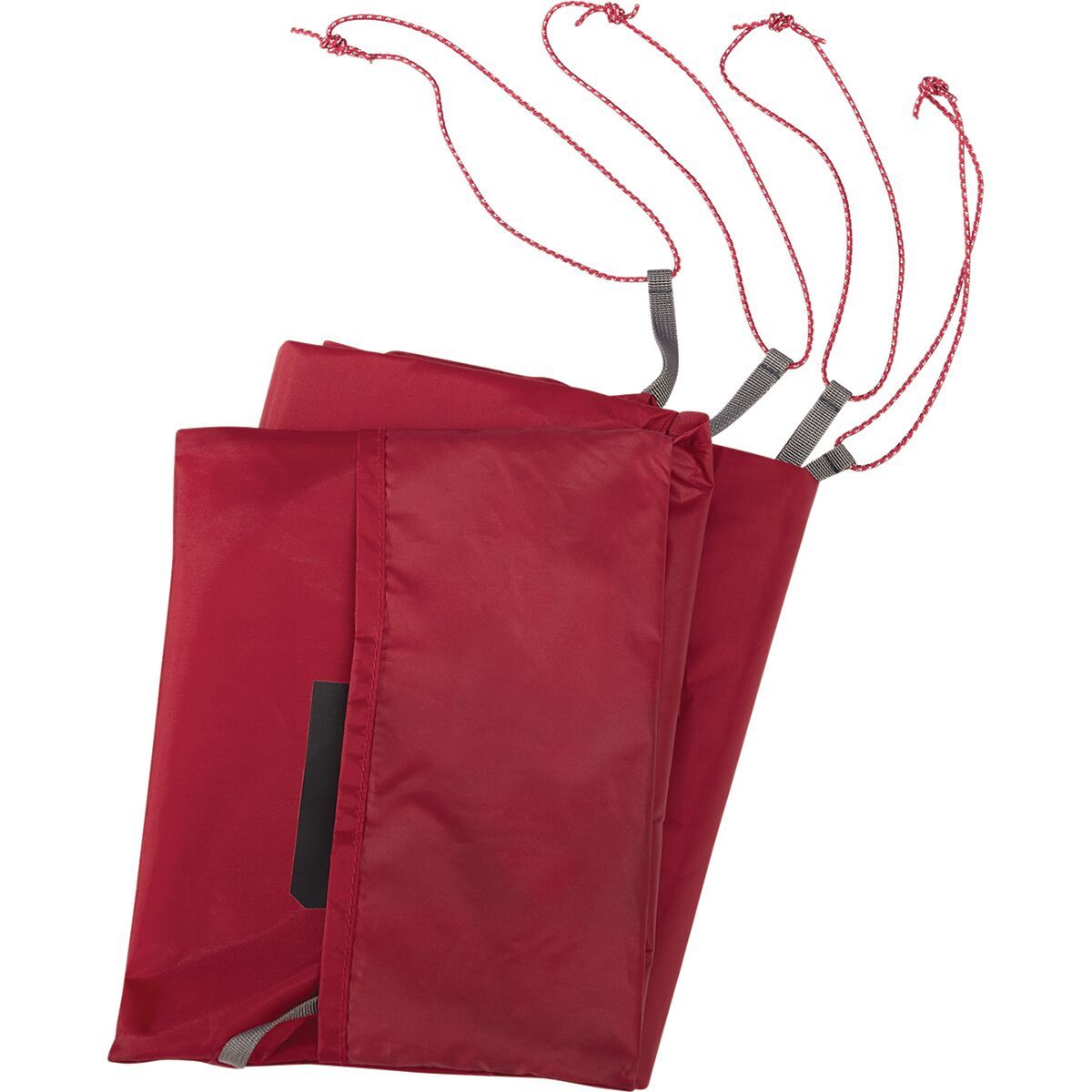
MSR Universal 4 Footprint
Universal footprint fits most 4-person tents. Durable groundsheet protects your investment from abrasion and moisture.
- Universal sizing
- Abrasion resistant
- Moisture protection
- Lightweight
Frequently Asked Questions
What size tent does a family of 4 need?
A family of 4 should look at 6-person tents minimum. This provides sleeping space for everyone plus room for gear, changing clothes, and rainy-day activities. Tent capacity ratings assume adults in sleeping bags with no gear inside, so always size up.
Are expensive tents worth the cost?
Quality tents are worth the investment if you plan to camp regularly. Better materials mean improved weather protection, easier setup, and longer lifespan. A $400 tent that lasts 10 years costs less per trip than a $100 tent that needs replacing after two seasons.
How important is tent peak height?
Very important for family camping. Peak heights of 6 feet or more let adults stand comfortably for dressing, organizing, and tending to kids. Low tents work for backpacking but make family car camping much less comfortable.
Do I need a footprint for my tent?
Footprints are recommended but not essential. They protect your tent floor from rocks and moisture, extending tent life significantly. If you camp on rough or wet surfaces frequently, a footprint is a worthwhile investment.
Can I use a 3-season tent year-round?
3-season tents work well for spring, summer, and fall camping. They can handle light snow but are not designed for winter camping or extreme conditions. For typical family camping, 3-season tents offer the best balance of protection and ventilation.
Should I get a tent with multiple rooms?
Multi-room tents can be useful for families with older children who want privacy. However, they are heavier, more expensive, and more complex to set up. Most families find single-room tents with adequate space work fine, especially with young children.
How do I keep kids from damaging the tent?
Establish tent rules: no shoes inside, no running near guy lines, gentle zipper use, and no sharp objects near fabric. A footprint protects the floor. Teach kids to enter and exit carefully. Quality tents with reinforced stress points handle normal kid activity well.
What is the difference between freestanding and non-freestanding tents?
Freestanding tents maintain their shape without stakes, making them easier to move and set up on hard surfaces. Non-freestanding tents require stakes to stand. For family camping, freestanding tents are more convenient, though you should still stake them down for wind protection.
Related Resources
Affiliate Disclosure
ParentCalc is a Backcountry affiliate. We earn commissions from qualifying purchases at no additional cost to you. This helps support our free parenting resources. All product recommendations are based on our research and real parent feedback. We only recommend tents we believe will genuinely help families enjoy camping safely and comfortably.