Ultimate Summer Camp Guide for Parents
Everything you need to know about choosing the right camp, preparing your child, and packing for an amazing summer experience
2026 Product Picks
Our latest product roundups related to this guide:
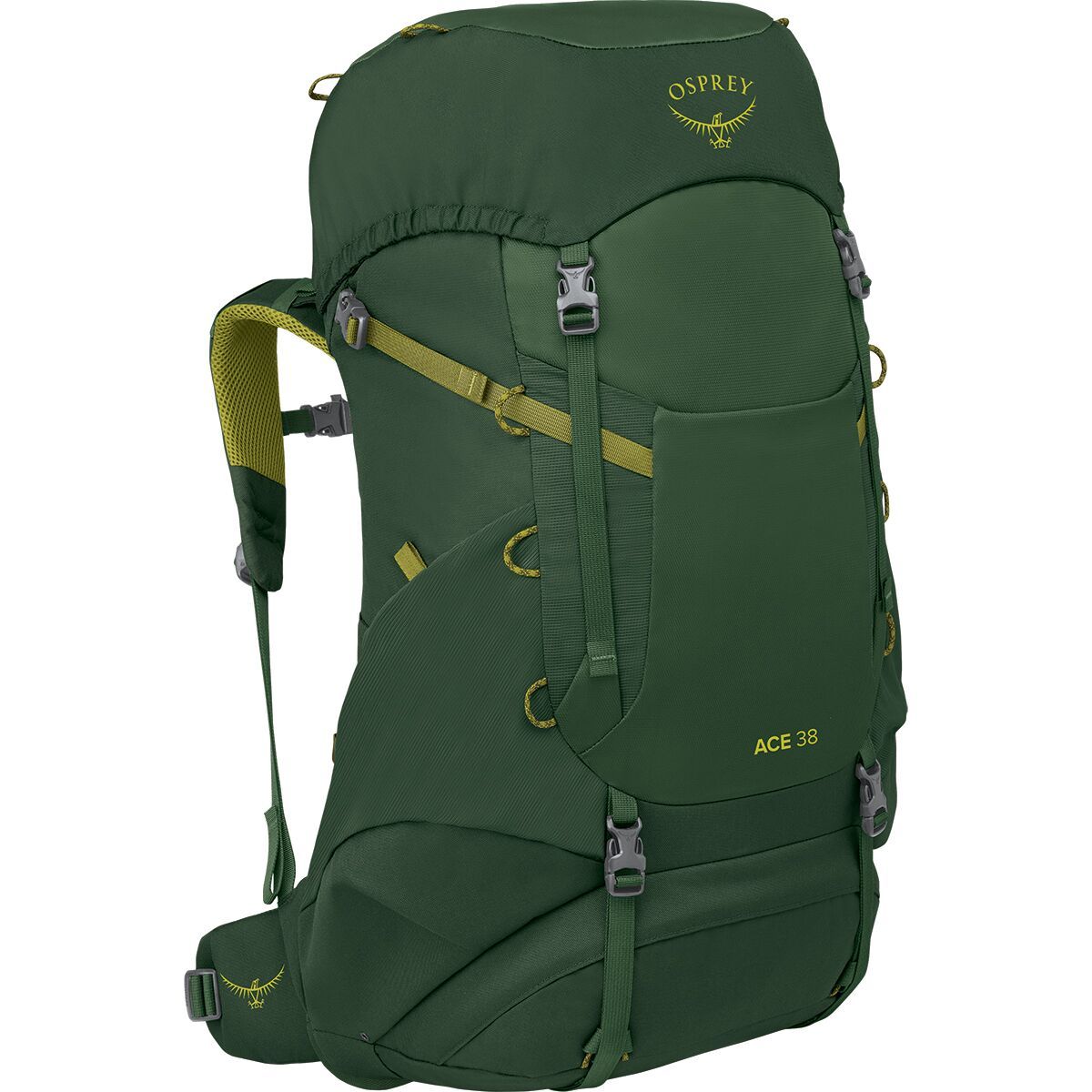
Osprey Ace 38L Backpack - Kids
Youth-specific fit with adjustable torso for growing campers. Perfect for overnight camp with sleeping bag attachment.
Why Summer Camp Matters
Summer camp is more than just a way to keep kids busy during school break. It is a transformative experience that builds independence, resilience, and lifelong skills while creating memories that last forever. For many children, camp becomes a defining part of their childhood.
Research consistently shows that children who attend summer camp develop greater self-confidence, social skills, and emotional intelligence. Away from the familiar structures of home and school, kids discover new abilities, form deep friendships, and learn to navigate challenges on their own. These experiences shape character in ways that classroom learning simply cannot replicate.
Whether your child attends day camp close to home or ventures to overnight camp for weeks at a time, the benefits are substantial. Camps provide screen-free environments where kids engage with nature, develop physical skills, try new activities, and build connections with peers and mentors. For working parents, summer camp also provides peace of mind knowing children are engaged in structured, supervised activities.
This comprehensive guide covers everything parents need to know about summer camps - from understanding the different types of programs available to preparing your child emotionally and practically, and dealing with common challenges like homesickness. We have also partnered with Backcountry to recommend quality outdoor gear that will help your camper make the most of their summer adventure.
Key Benefits of Summer Camp
- Builds independence and self-reliance
- Develops social skills and lasting friendships
- Encourages trying new activities and taking risks
- Provides screen-free outdoor time
- Builds physical fitness and coordination
- Creates lasting memories and traditions
Types of Summer Camps
Understanding the different types of summer camps helps you choose the right fit for your child's age, interests, and your family's needs. Each type offers unique benefits and considerations.
Day Camps
Day camps run during daytime hours, typically 9 AM to 4 PM, with children returning home each evening. They are ideal for younger children or first-time campers who are not ready for overnight experiences.
Best For:
- - Children ages 4-10
- - First-time campers
- - Kids with separation anxiety
- - Families needing summer childcare
Typical Activities:
- - Swimming and water play
- - Arts and crafts
- - Sports and games
- - Nature exploration
Average Cost: $200-$500 per week depending on location and programming
Overnight/Sleepaway Camps
Overnight camps provide immersive experiences where children live at camp for one to eight weeks. They offer deeper connections with peers and more intensive skill development.
Best For:
- - Children ages 7-17
- - Kids ready for independence
- - Deeper immersion in activities
- - Building lasting friendships
Session Lengths:
- - Mini sessions: 3-5 days
- - One week sessions
- - Two-week sessions
- - Full summer: 4-8 weeks
Average Cost: $500-$1,500 per week; full summer sessions $4,000-$12,000+
Specialty Camps
Specialty camps focus on specific interests or skills, from sports and arts to STEM and adventure activities. They allow children to develop expertise in areas they are passionate about.
Sports Camps:
- - Soccer, basketball, baseball
- - Swimming and diving
- - Tennis and golf
- - Horseback riding
Arts & Performance:
- - Theater and drama
- - Music and band
- - Visual arts
- - Dance
Adventure & STEM:
- - Wilderness survival
- - Coding and robotics
- - Science exploration
- - Rock climbing
Other Camp Options
Religious/Faith-Based Camps
Combine traditional camp activities with spiritual education and faith community building.
Special Needs Camps
Designed for children with physical, developmental, or medical needs with trained staff.
Family Camps
Entire families attend together, with programming for all ages and family bonding time.
Travel/Adventure Camps
Trips to different locations with backpacking, rafting, or international travel components.
How to Choose the Right Camp
Selecting the right summer camp requires careful consideration of your child's personality, interests, and readiness level. Here is a systematic approach to finding the perfect fit.
1Assess Your Child's Readiness
Consider your child's maturity level, comfort with new situations, and previous experiences away from home.
Signs of Readiness:
- - Successful sleepovers at friends' homes
- - Expresses excitement about camp
- - Can manage basic self-care
- - Adapts well to new environments
Consider Waiting If:
- - Strong separation anxiety persists
- - Child expresses fear or resistance
- - Recent major life changes (move, divorce)
- - Medical needs require close monitoring
2Identify Your Child's Interests
The best camp experiences align with what your child naturally enjoys while also offering opportunities to try new things.
- Does your child prefer sports, arts, or academics?
- Do they enjoy water activities or prefer land-based?
- Are they more introverted or extroverted?
- Do they have a passion they want to develop?
- Would they enjoy a structured or flexible schedule?
- Do they prefer small groups or larger communities?
3Research and Compare Camps
Once you have a sense of what you are looking for, research specific camps and compare options.
Where to Research:
- - American Camp Association (ACA) database
- - Local community centers and schools
- - Parent recommendations and reviews
- - Camp websites and virtual tours
- - Social media and camp alumni groups
Key Factors to Compare:
- - Staff-to-camper ratios
- - Staff training and background checks
- - Safety protocols and accreditation
- - Facilities and equipment quality
- - Communication policies with parents
4Visit if Possible
Many camps offer open houses, tours, or trial days. Visiting in person helps you assess the environment and culture.
- Observe how staff interact with children
- Check cleanliness of facilities
- Ask about typical daily schedules
- Inquire about emergency procedures
Essential Questions to Ask Camps
Before committing to a camp, ask these important questions to ensure it is the right fit for your family.
Staff & Safety
- What background checks are performed on staff?
- What training do counselors receive?
- What is the staff-to-camper ratio?
- Is medical staff on site? What certifications?
- What emergency procedures are in place?
- Is the camp ACA accredited?
Daily Life & Schedule
- What does a typical day look like?
- How are activities assigned or chosen?
- What are sleeping arrangements?
- How do you handle dietary restrictions?
- What is your policy on electronics?
- How do you handle conflicts between campers?
Parent Communication
- How can parents contact their child?
- How often are updates provided?
- What is the policy on phone calls and letters?
- How are homesickness situations handled?
- Are photos shared during camp?
- What warrants an immediate parent call?
Logistics & Policies
- What is included in the fees? What costs extra?
- What is the cancellation/refund policy?
- Is transportation provided?
- What should campers bring vs. what is provided?
- Are there financial aid or scholarships?
- What happens in severe weather?
Preparing Your Child for Camp
Preparation is key to a successful camp experience. Start early and involve your child in the process to build excitement and confidence.
1-3 Months Before Camp
Practical Preparation:
- Complete all required forms and medical paperwork
- Schedule any required physical exams
- Begin purchasing/gathering gear from the packing list
- Label all items with permanent markers or labels
Emotional Preparation:
- Talk positively about camp experiences
- Read books or watch videos about camp
- Practice sleepovers with relatives or friends
- Connect with other campers attending the same session
1-2 Weeks Before Camp
Practical Tasks:
- Do a complete packing trial run
- Practice skills like making beds, basic hygiene
- Review the camp schedule and activities together
- Confirm drop-off/pick-up logistics
Building Confidence:
- Discuss coping strategies for challenges
- Create a communication plan (letters, calls)
- Address any worries or questions openly
- Share your own positive camp memories
Skills to Practice Before Camp
Self-Care:
- - Showering independently
- - Brushing teeth without reminders
- - Applying sunscreen
- - Dressing appropriately for weather
Organization:
- - Keeping track of belongings
- - Making a bed
- - Packing and unpacking a bag
- - Following a schedule
Social Skills:
- - Introducing themselves
- - Asking for help when needed
- - Sharing space with others
- - Trying new things
Complete Summer Camp Packing List
Most camps provide detailed packing lists. Use this comprehensive checklist as a starting point and adjust based on your camp's specific requirements.
Clothing
- T-shirts (7-10)
- Shorts (5-7)
- Long pants/jeans (2-3)
- Sweatshirt or fleece (2)
- Rain jacket
- Underwear (10+)
- Socks (10+ pairs)
- Pajamas (2-3 sets)
- Swimsuits (2-3)
- Cover-up or rash guard
Footwear
- Sneakers/athletic shoes
- Hiking boots (if needed)
- Water shoes or sandals
- Flip flops for showers
- Extra shoelaces
Bedding (if required)
- Sleeping bag
- Pillow
- Sleeping pad/mattress
- Fitted sheet (if bunks)
- Light blanket
- Stuffed animal (optional)
Toiletries
- Toothbrush & toothpaste
- Shampoo & conditioner
- Body wash/soap
- Deodorant
- Brush or comb
- Sunscreen (SPF 30+)
- Lip balm with SPF
- Bug spray
- Shower caddy/bag
Accessories
- Hat/cap for sun
- Sunglasses
- Water bottle (labeled)
- Flashlight/headlamp
- Towels (2-3)
- Laundry bag
- Day backpack
- Goggles for swimming
Optional Extras
- Stationery & stamps
- Books or journal
- Disposable camera
- Playing cards
- Photos from home
- Small fan (if allowed)
- Costume items (theme nights)
Important Packing Tips
- Label everything - Use permanent markers or iron-on labels on all items
- Leave valuables home - No jewelry, electronics, or irreplaceable items
- Pack old clothes - Camp is hard on clothing; save new items for school
- Involve your child - Let them help pack so they know where things are
- Follow the camp list - Trust their packing requirements specifically
- Bring extra plastic bags - For wet swimsuits and dirty laundry
Dealing with Homesickness
Homesickness is completely normal and affects most campers to some degree. Understanding it and having strategies in place helps both parents and children navigate these feelings successfully.
Understanding Homesickness
Homesickness is not a sign of weakness or that camp was a mistake. It is a normal emotional response to being away from familiar people and places. Studies show that 95% of campers experience some homesickness, but most overcome it within the first few days.
Common Signs:
- - Tearfulness, especially at bedtime
- - Withdrawing from activities
- - Stomach aches or headaches
- - Difficulty sleeping
- - Frequently talking about home
What Helps:
- - Staying busy with activities
- - Making new friends
- - Talking to trusted counselors
- - Writing letters to family
- - Having a comfort item from home
Prevention Strategies for Parents
Before Camp:
- Practice time away with sleepovers
- Discuss realistic expectations
- Create a communication plan
- Avoid promising early pickup
- Pack a small comfort item
At Drop-Off:
- Keep goodbyes short and positive
- Express confidence in your child
- Avoid lingering or checking back
- Help them connect with counselors
- Focus on exciting activities ahead
Writing Letters That Help (Not Hurt)
DO Write:
- - Ask about specific activities
- - Share positive family updates
- - Express pride and confidence
- - Include jokes or riddles
- - Mention excitement for pickup day stories
DON'T Write:
- - "We miss you SO much!"
- - "The dog is sad without you"
- - "Things are boring here"
- - "Just call if you want to come home"
- - Detailed updates about siblings having fun
If Your Child Wants to Come Home Early
First, take a breath. Most homesickness resolves within 48-72 hours when parents and camp staff work together. Picking up a child early usually prevents them from learning valuable coping skills and makes future separations harder.
- Work with camp staff - They are experienced with homesickness and have strategies that work
- Trust the process - Counselors will contact you if there is a genuine concern
- Limit phone calls - Hearing your voice often increases homesickness; stick to the plan
- Consider a middle ground - If truly needed, a brief visit (not pickup) might help
When to consider early pickup: Only if your child shows signs of depression lasting more than several days, refuses to eat or participate in any activities, or camp staff recommend it after exhausting all options.
Recommended Camp Gear
Quality gear makes camp more comfortable and enjoyable. We have partnered with Backcountry to recommend outdoor equipment that will serve your camper well.
Backpacks & Organization
A durable backpack is essential for camp. Look for youth-specific fits and features like hydration compatibility and multiple pockets for organization.
Osprey Ace 38L Backpack - Kids'
Youth-specific fit with adjustable torso for growing campers. Perfect for overnight camp with sleeping bag attachment.
- Youth-specific fit
- Adjustable torso
- Sleeping bag attachment
- Hydration compatible

Deuter Climber 22L Backpack - Kids'
Lightweight pack perfect for day camps with ventilated back panel and multiple pockets.
- Ventilated back
- Multiple pockets
- Lightweight
- Day trip sized
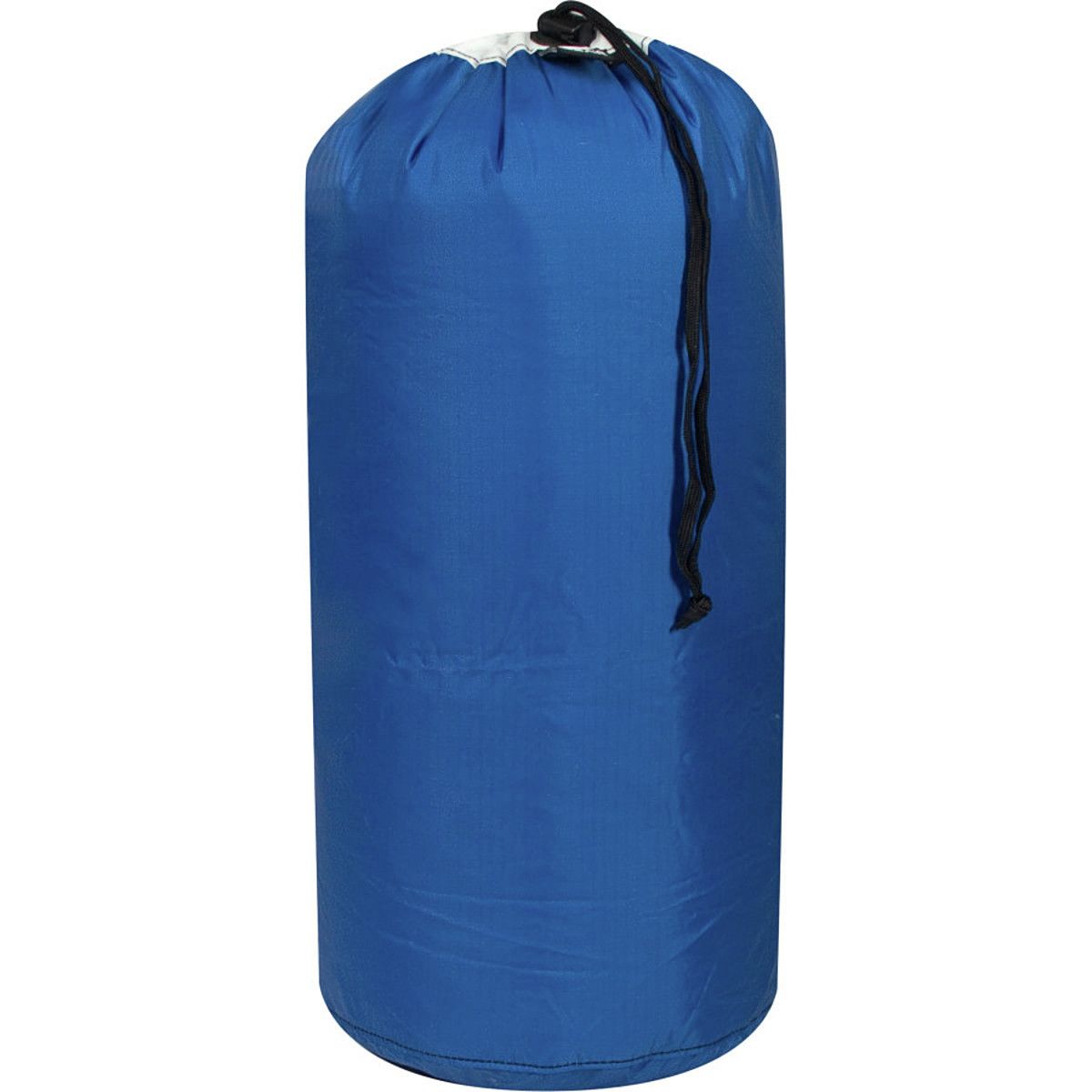
Granite Gear Toughsacks
Lightweight stuff sacks to keep camp gear organized. Water-resistant and easy to identify contents.
- Water-resistant
- Multiple sizes
- Lightweight
- Easy organization

Granite Gear Round Rock Compression Sack
Compress sleeping bags and clothes to maximize pack space. Perfect for overnight camps.
- Compression straps
- Durable nylon
- Multiple sizes
- Tight packing
Sleeping Gear
Good sleep is crucial for enjoying camp. Choose a sleeping bag rated for summer temperatures and a pad that can handle active kids.
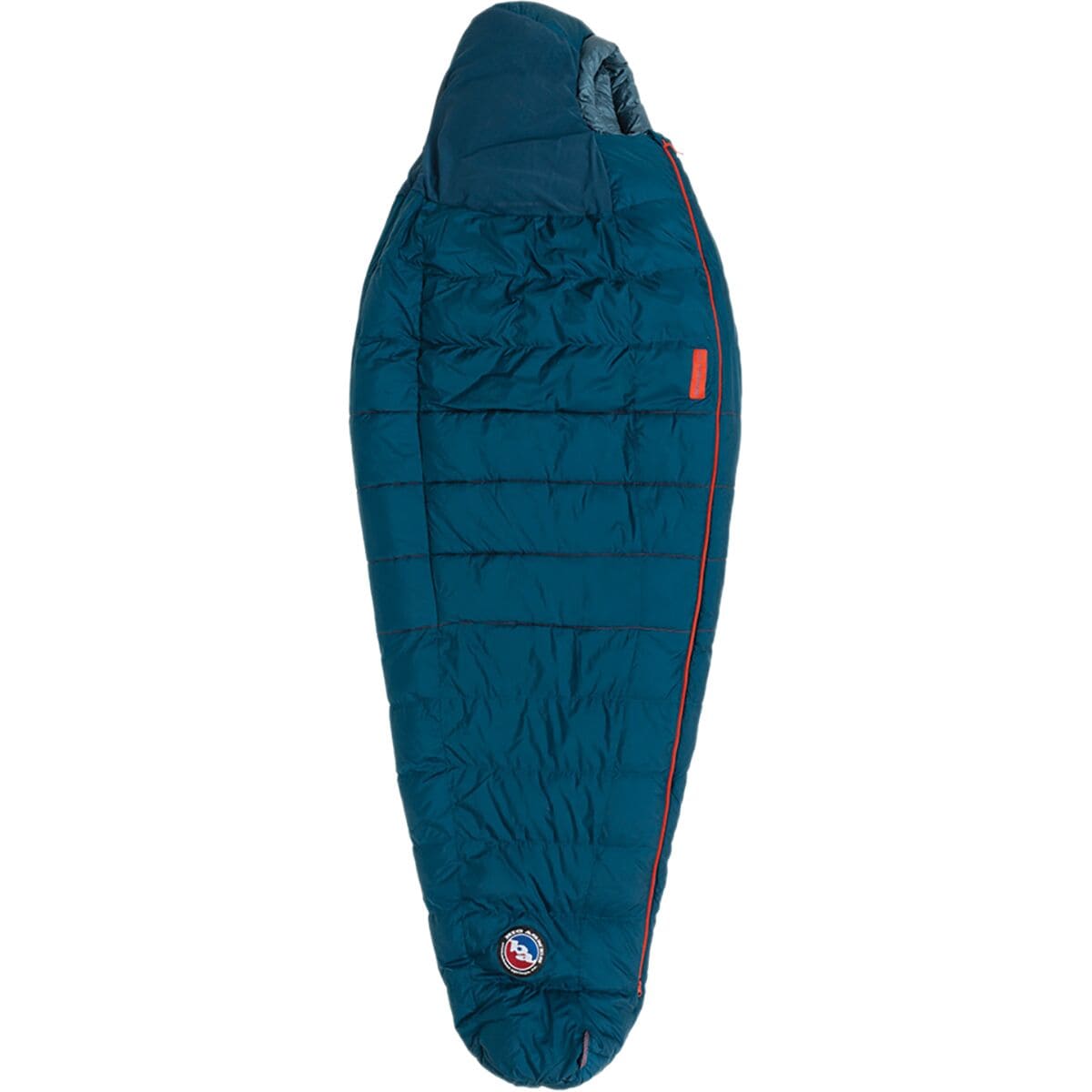
Big Agnes Sidewinder SL Sleeping Bag: 35F Down
Comfortable summer-weight sleeping bag with room to move. Perfect temp rating for summer camps.
- Side sleeper design
- 35F rating
- Lightweight
- Comfortable fit
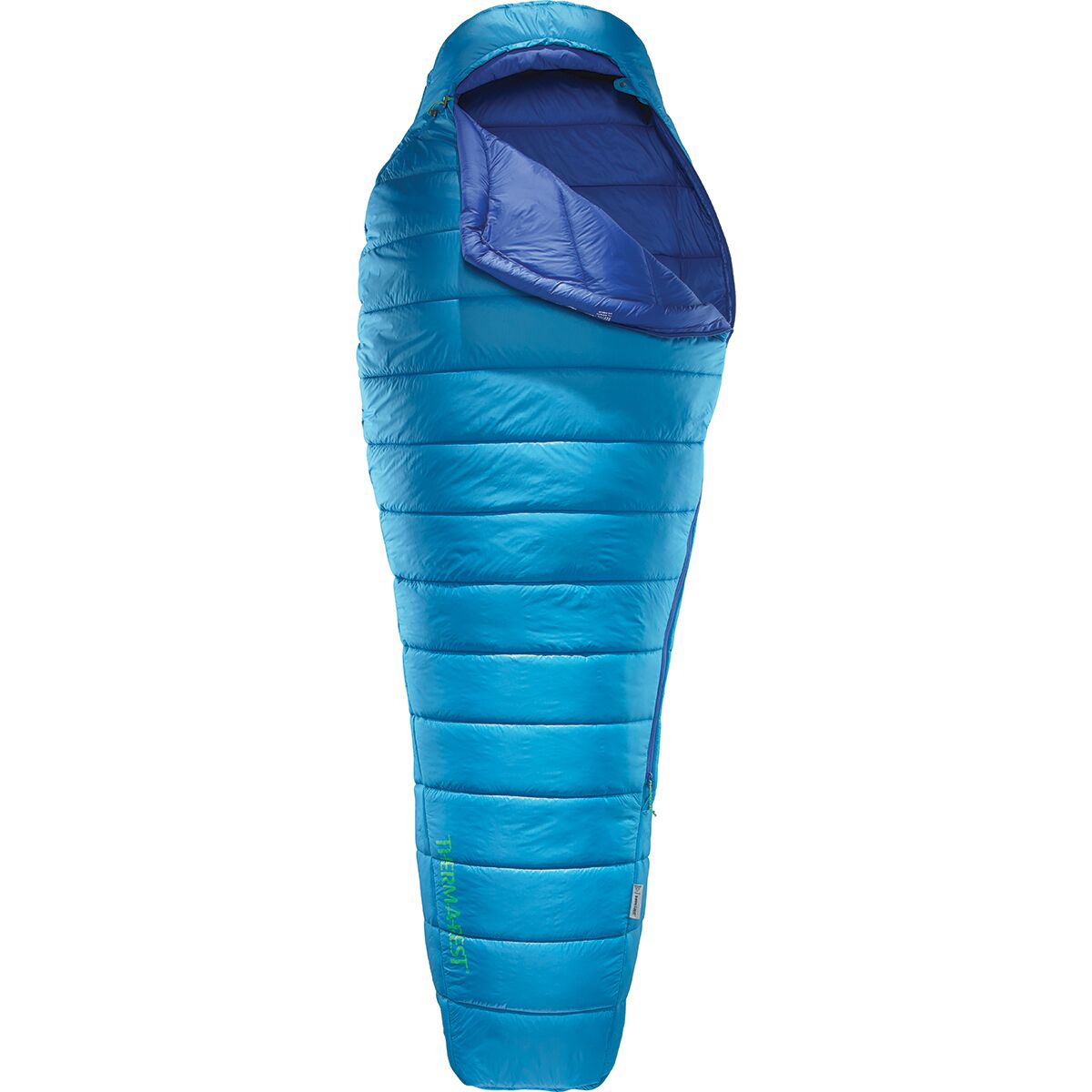
Therm-a-Rest Space Cowboy Sleeping Bag: 45F Synthetic
Synthetic insulation performs even when damp. Ideal temp rating for summer cabin camps.
- Synthetic fill
- Water-resistant
- 45F rating
- Budget-friendly

Therm-a-Rest Z Lite SOL Sleeping Pad
Bombproof closed-cell foam pad that kids cannot destroy. Heat-reflective for comfort.
- Indestructible
- Heat-reflective
- Ultralight
- Fast fold setup
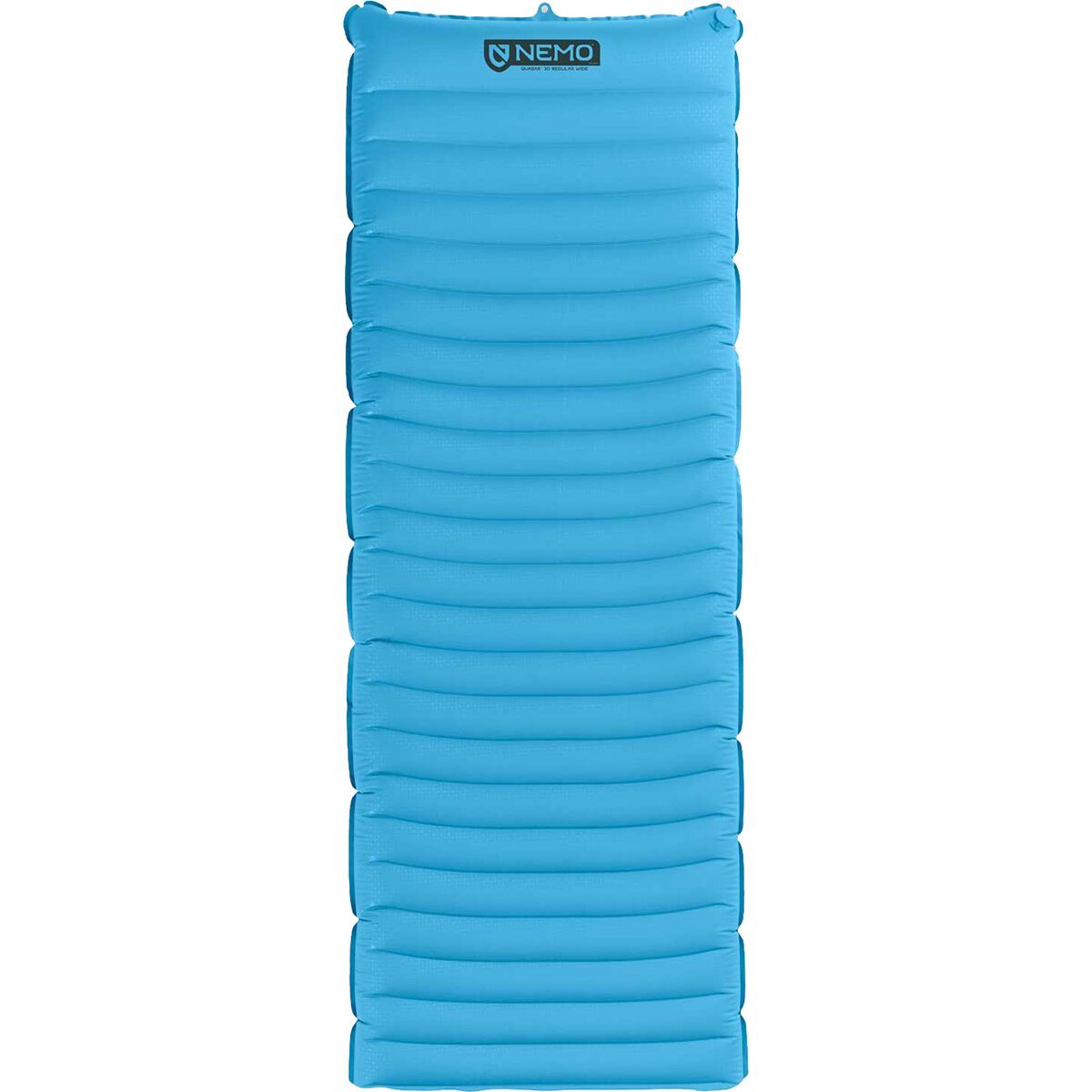
NEMO Equipment Quasar 3D Sleeping Pad
Comfortable inflatable pad with 3D rippled design. Great for cabin floors.
- 3D rippled design
- Stay centered
- Quick valve
- Packable
Hydration
Staying hydrated is essential during active summer days. Insulated bottles keep water cold, while hydration packs are perfect for adventure camps.

Hydro Flask Wide Mouth 32oz Water Bottle
Double-wall vacuum insulation keeps water cold all day. Durable and leak-proof.
- 24hr cold
- Leak-proof
- Durable
- BPA-free

Nalgene Wide Mouth 32oz Water Bottle
Classic camp water bottle that is nearly indestructible. Easy to clean wide mouth.
- Indestructible
- Wide mouth
- BPA-free
- Affordable
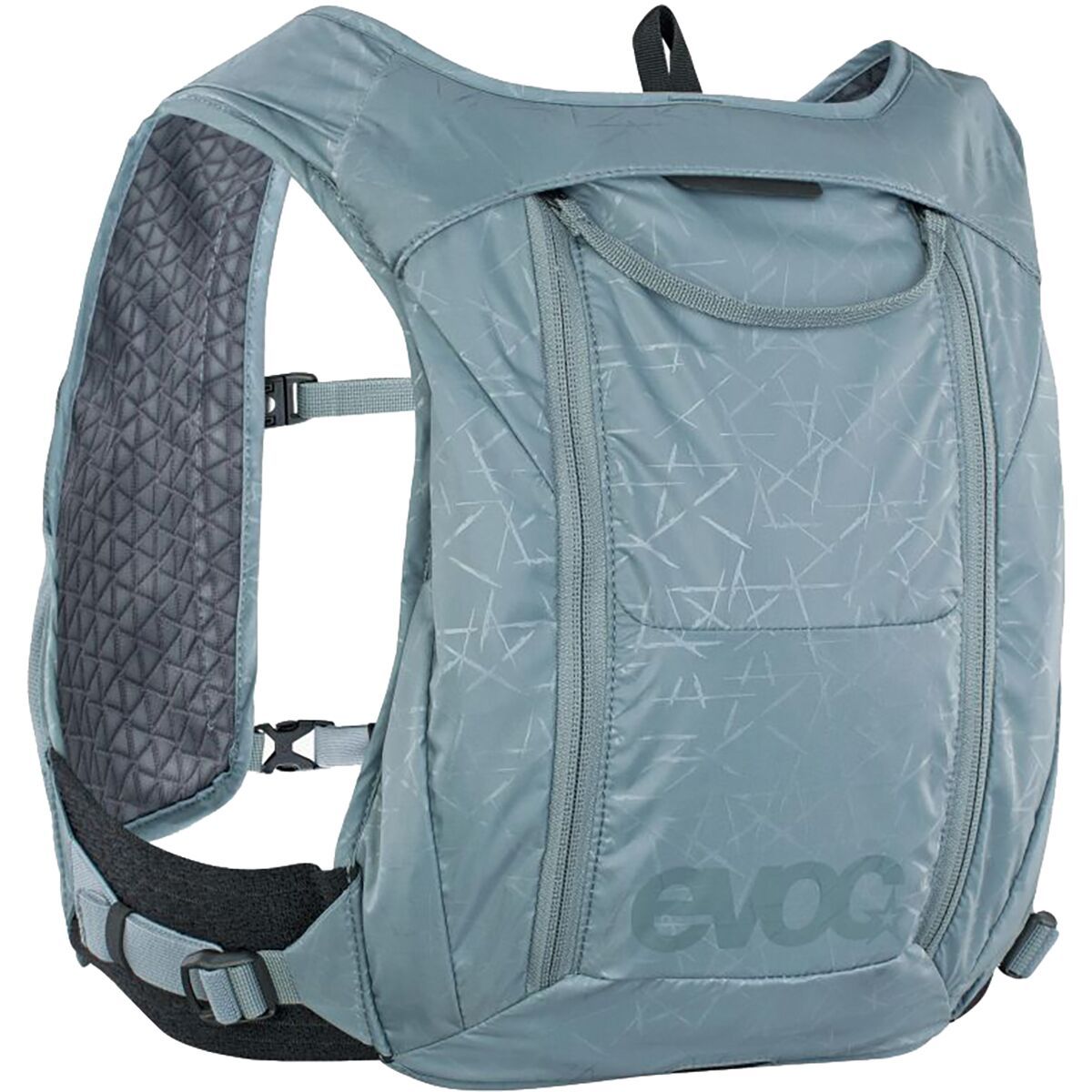
Evoc Hydro Pro Hydration 3L Backpack
Ergonomic hydration pack for active camp activities. Flexible fit for all-day comfort.
- Ergonomic fit
- Hydration compatible
- Chest & waist straps
- 3L capacity
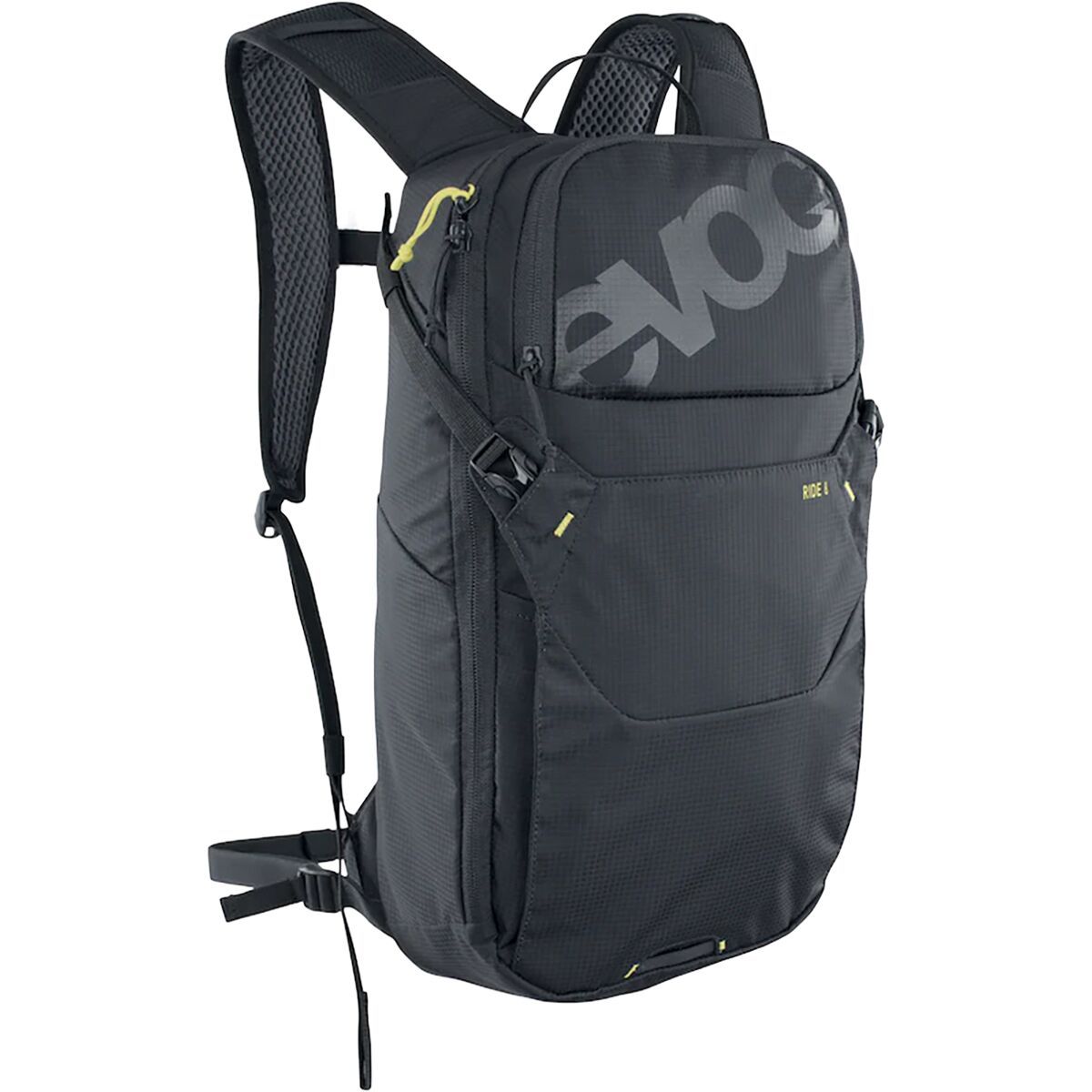
Evoc Ride 8L Backpack + 2L Bladder
Versatile pack with included hydration bladder. Perfect for adventure camps.
- 2L bladder included
- Ventilated back
- Smart pockets
- 8L capacity
Lighting
A reliable light source is a camp essential. Headlamps leave hands free for activities, while lanterns are great for cabin time.
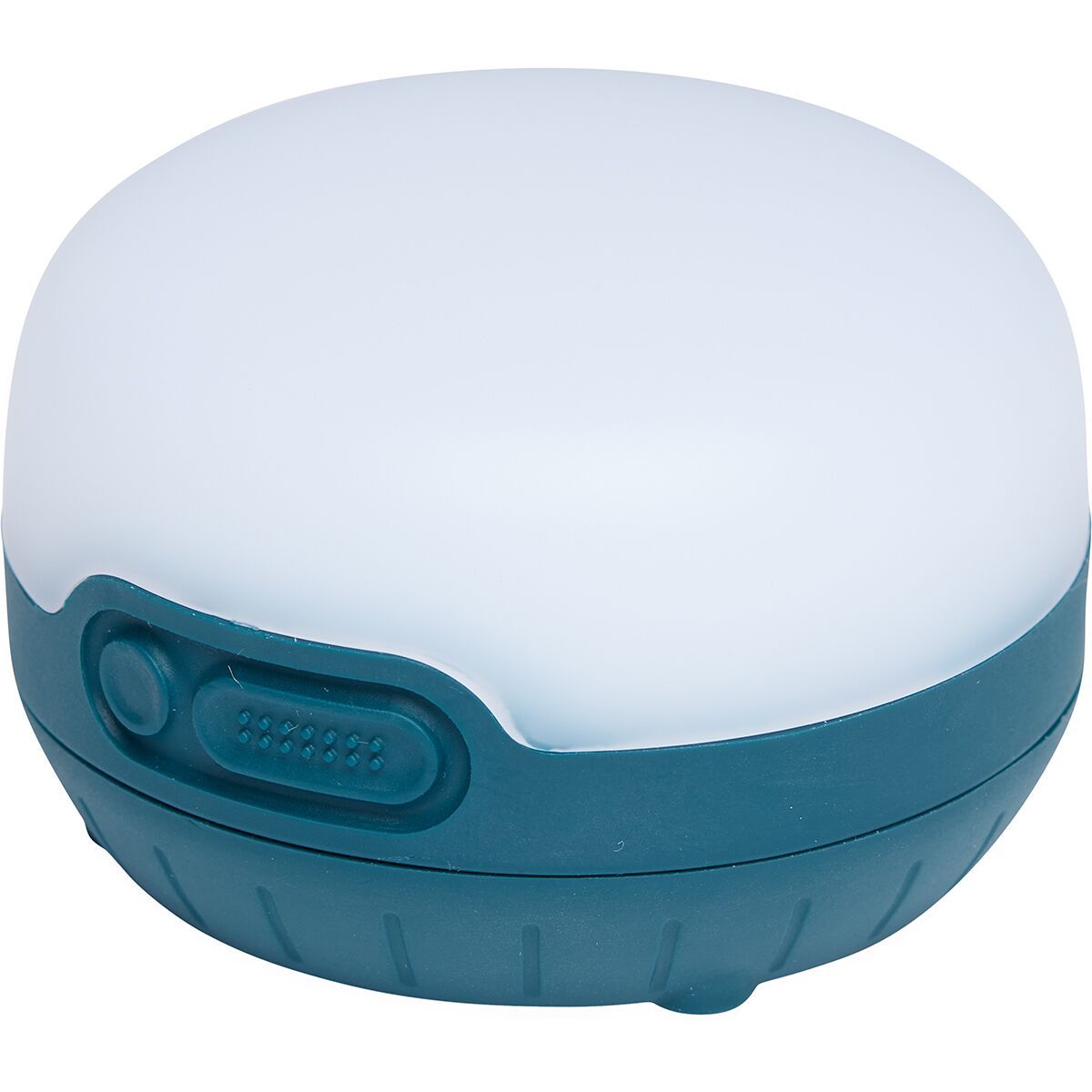
Black Diamond Moji+ Lantern
150 lumens with color-changing capability. Rainbow rotation mode for nighttime fun.
- 150 lumens
- Color-changing
- Rainbow mode
- Frosted globe

Black Diamond Spot 400-R Headlamp
Rechargeable headlamp with multiple brightness settings. Red night mode preserves night vision.
- 400 lumens
- Rechargeable
- Red night mode
- Waterproof
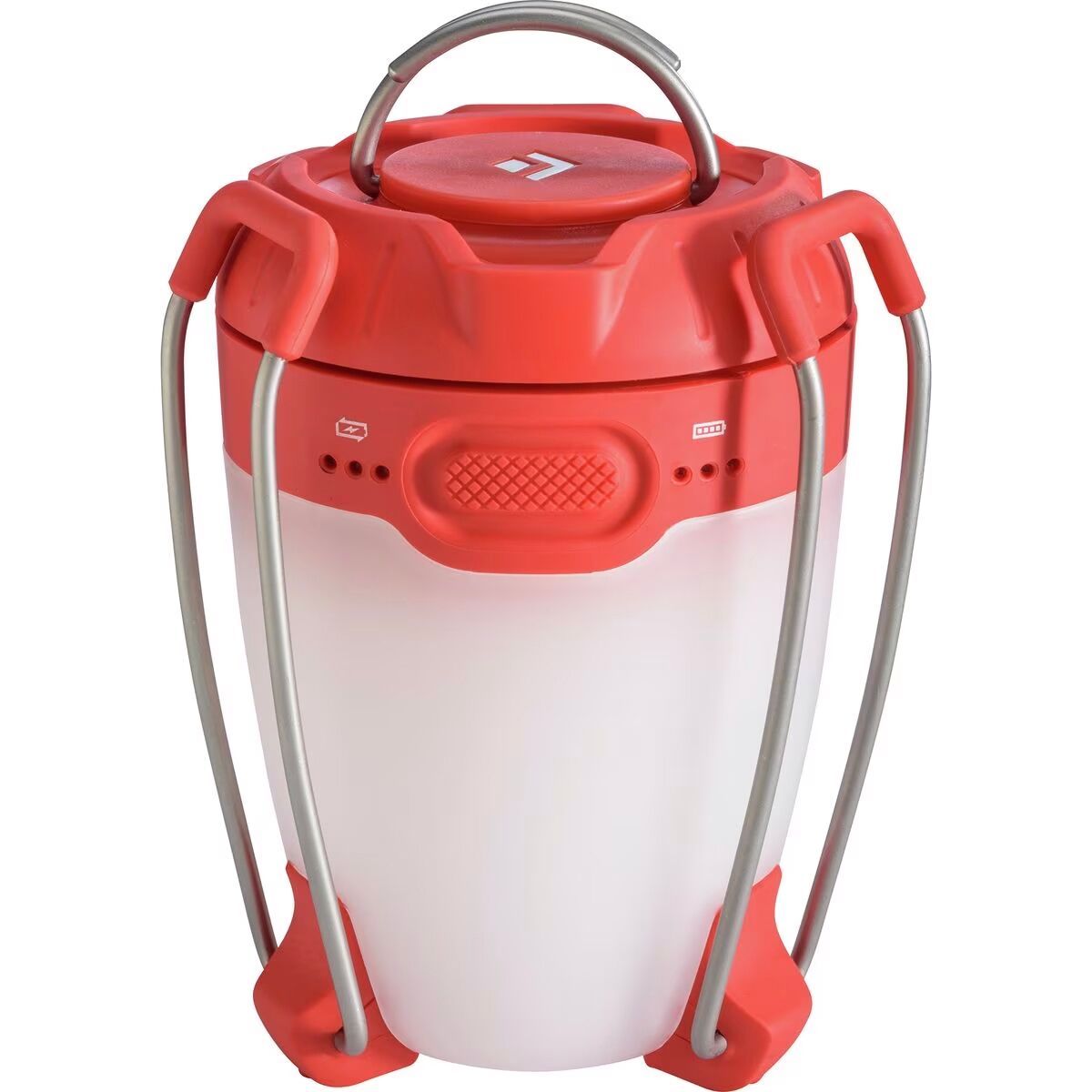
Black Diamond Apollo Lantern
250 lumens of non-glaring light. Fold-down legs for elevation and battery meter.
- 250 lumens
- Fold-down legs
- Power meter
- Adjustable dimming

Petzl Tikkina Headlamp
Simple, reliable headlamp perfect for camp. Easy to use with three lighting modes.
- 300 lumens
- Simple design
- Three modes
- Affordable
Camp Clothing
Versatile, durable clothing that can handle camp activities. Look for quick-dry fabrics and sun protection.
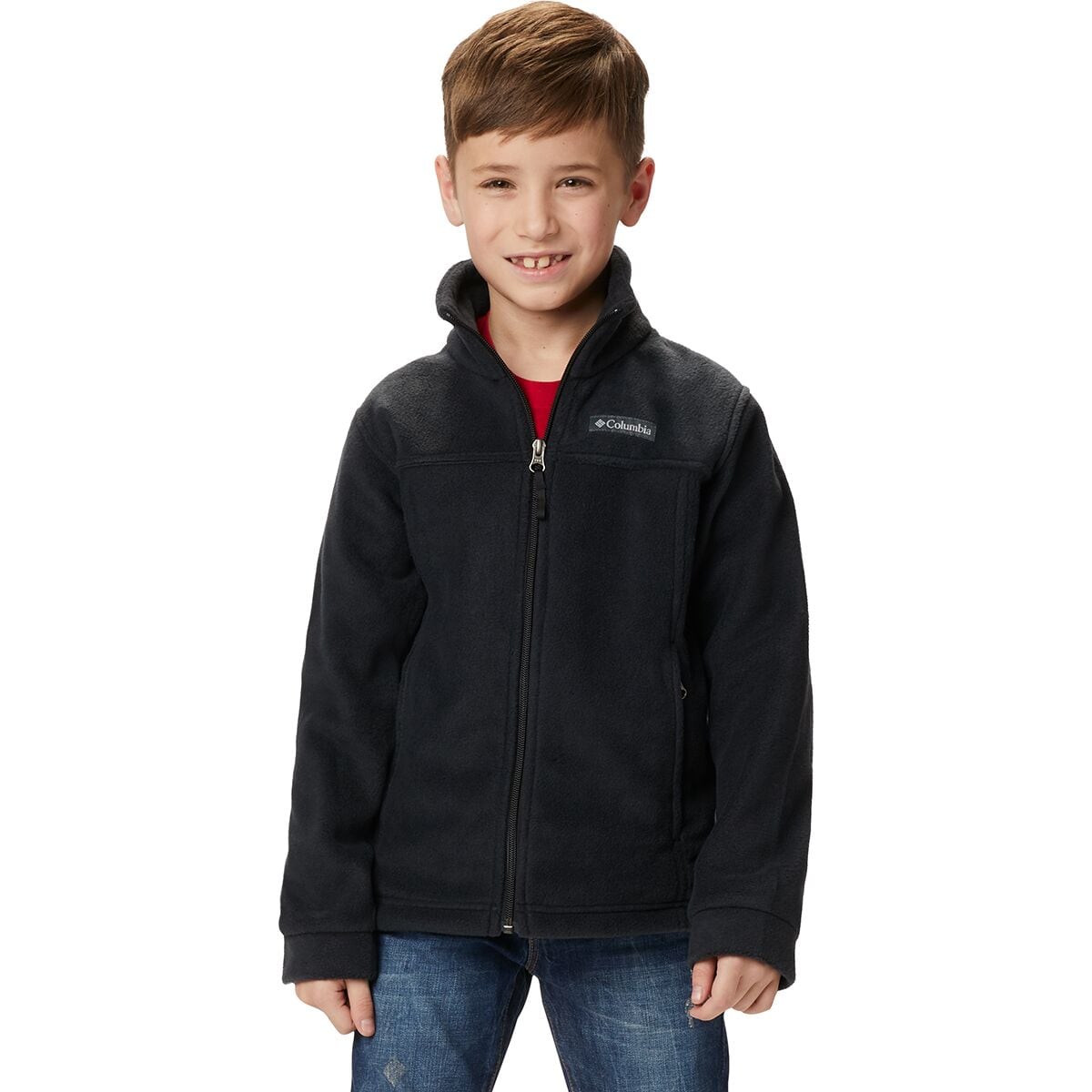
Columbia Steens Mountain II Fleece Jacket - Boys'
Super soft MTR fleece perfect for cool camp mornings. Durable for camp activities.
- MTR fleece
- Zippered pockets
- Machine washable
- Durable

Patagonia Baggies Shorts 5in - Boys'
Quick-dry shorts that work for swimming, hiking, and everything in between.
- Quick-dry
- UPF 50+
- Mesh lining
- Swim-ready
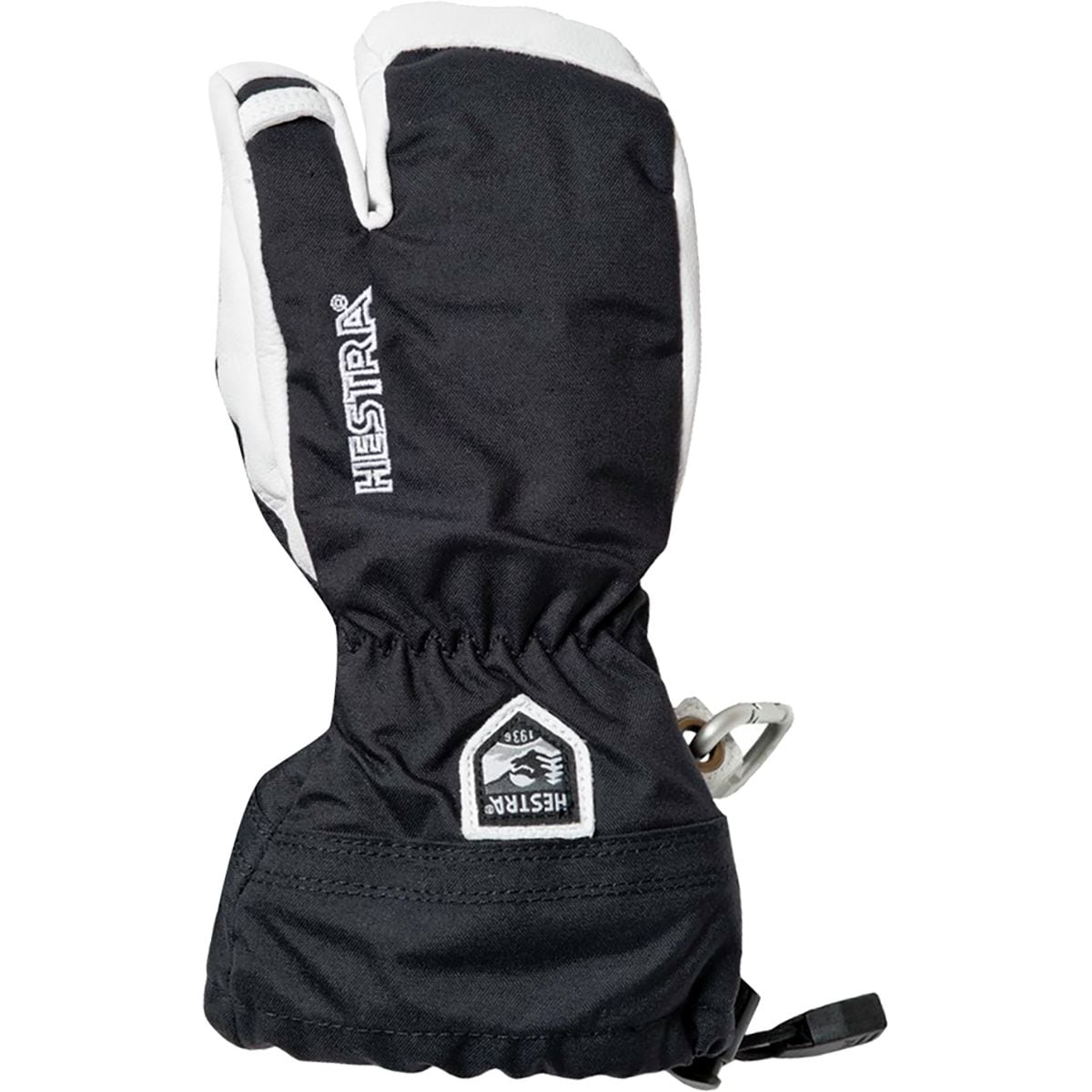
Hestra Heli Ski Junior 3-Finger Glove - Kids'
Warm, waterproof gloves for mountain or cold weather camps. Removable liner.
- Waterproof
- Removable liner
- Durable leather
- Warm insulation

Hestra Baby Zip Long Mitten - Toddlers'
Easy side zipper for little hands. Weather-resistant for outdoor camp activities.
- Side zipper
- Weather-resistant
- Gauntlet cuff
- Grip palm
Camp Extras
These extras can make camp even more enjoyable, from hammocks for rest time to blankets for campfire gatherings.
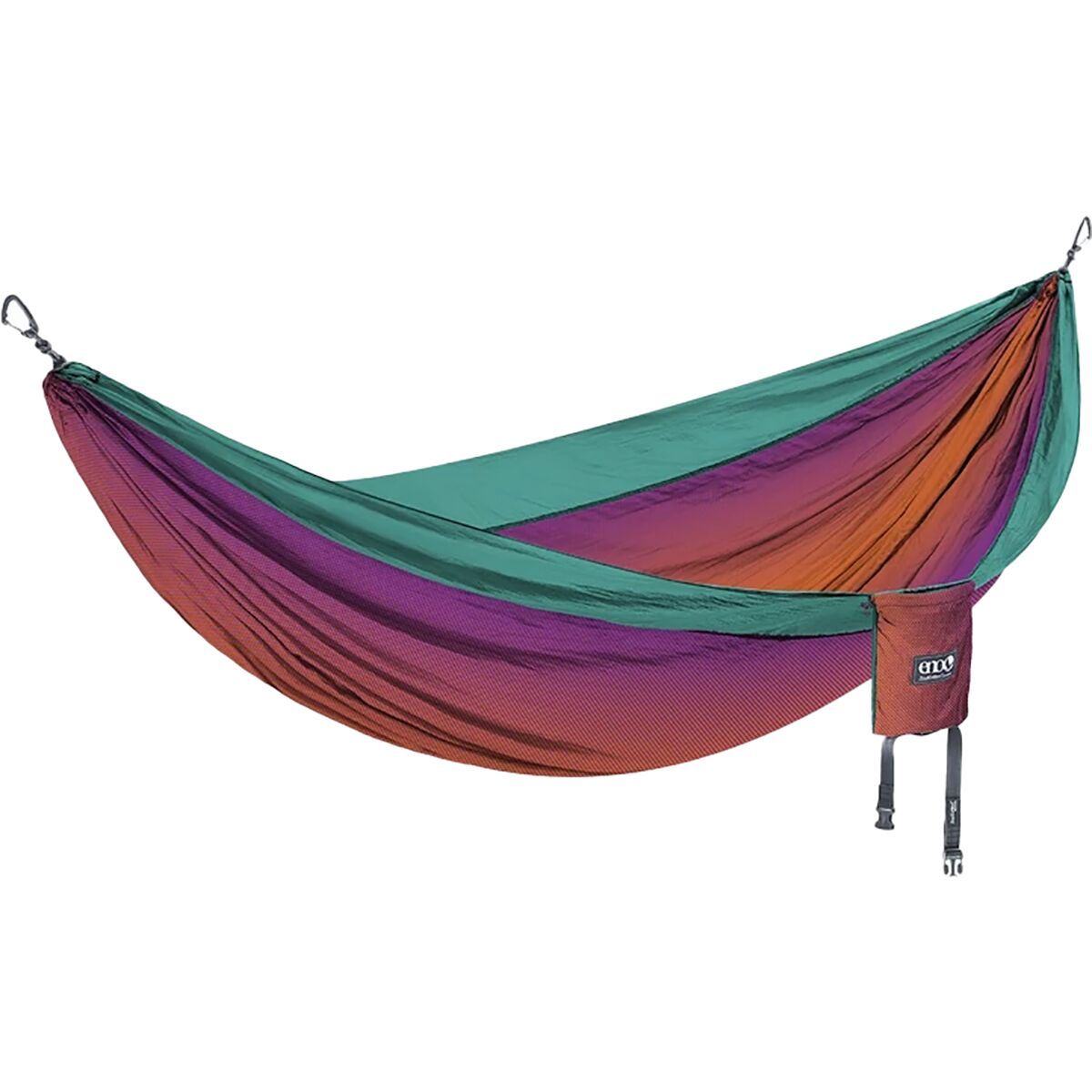
Eagles Nest Outfitters DoubleNest Print Hammock
Compact hammock that packs small. Perfect for rest time at camp between activities.
- Fits 2 people
- Compact pack
- Durable nylon
- Quick setup
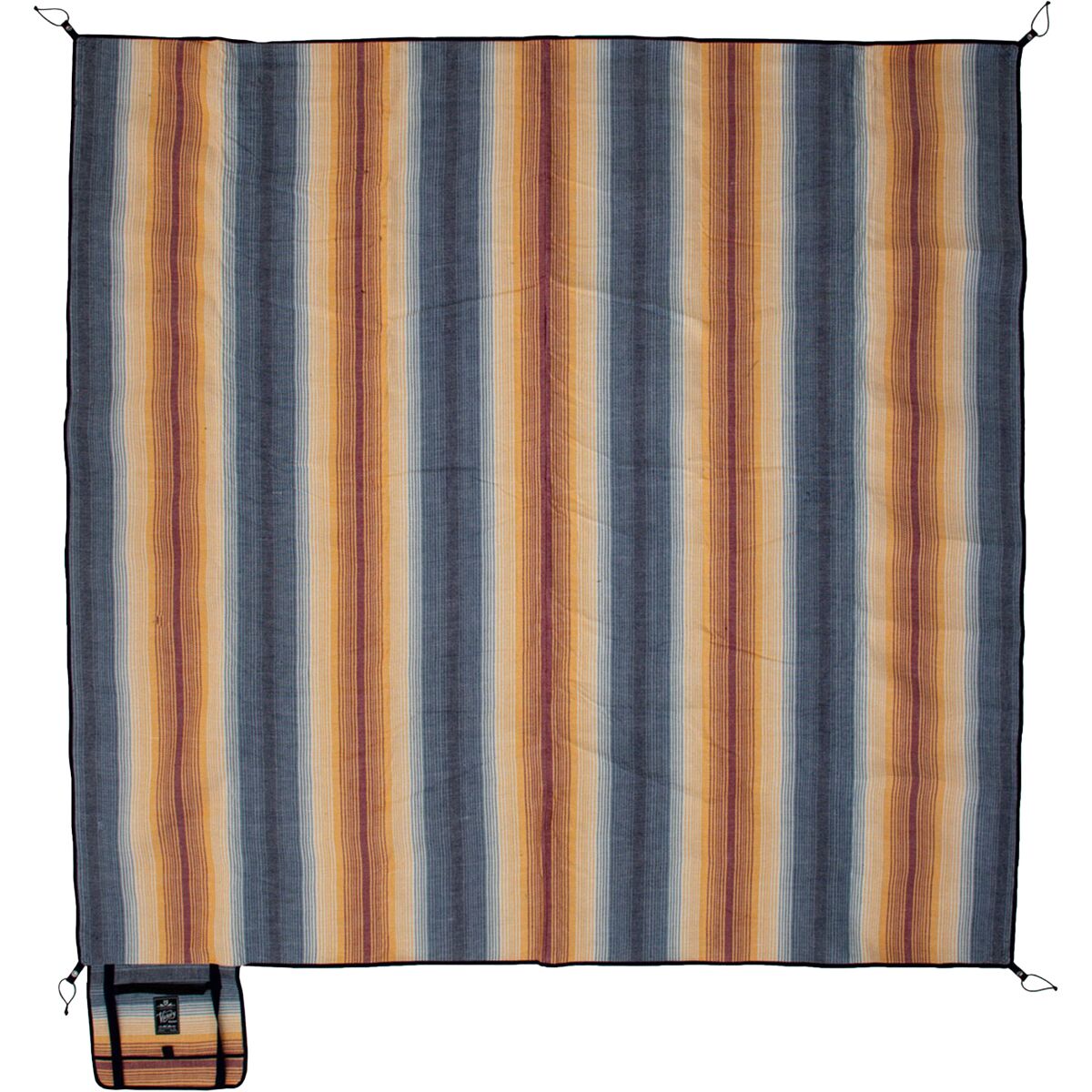
NEMO Equipment Victory Patio Blanket
Reinforced bottom for outdoor use. Great for campfire gatherings and stargazing.
- Reinforced bottom
- Water-resistant
- Packable
- XXL size
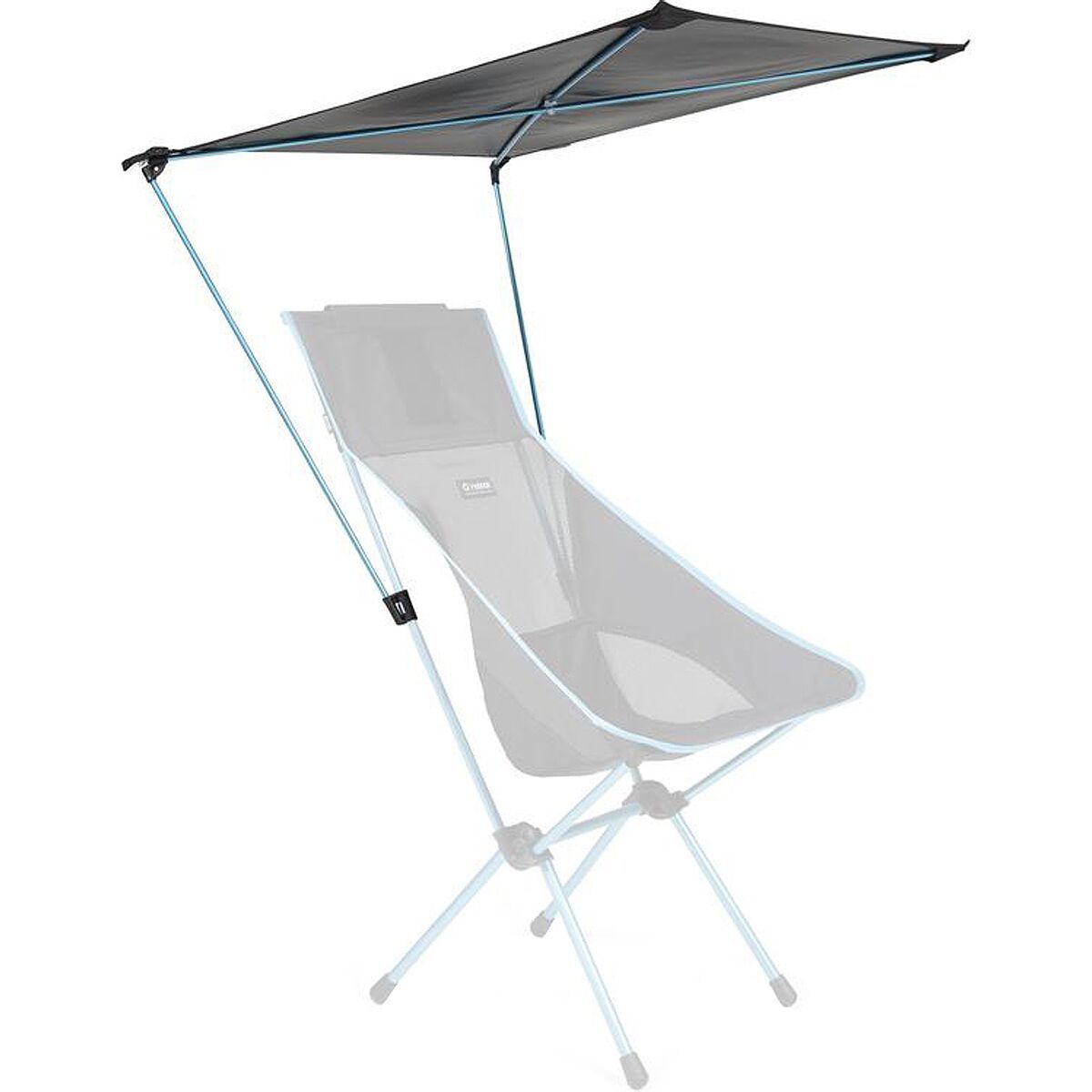
Helinox Personal Shade
Clip-on shade canopy for chairs. Adjustable design keeps the sun at bay.
- Sun protection
- Adjustable
- Easy clip-on
- Packable
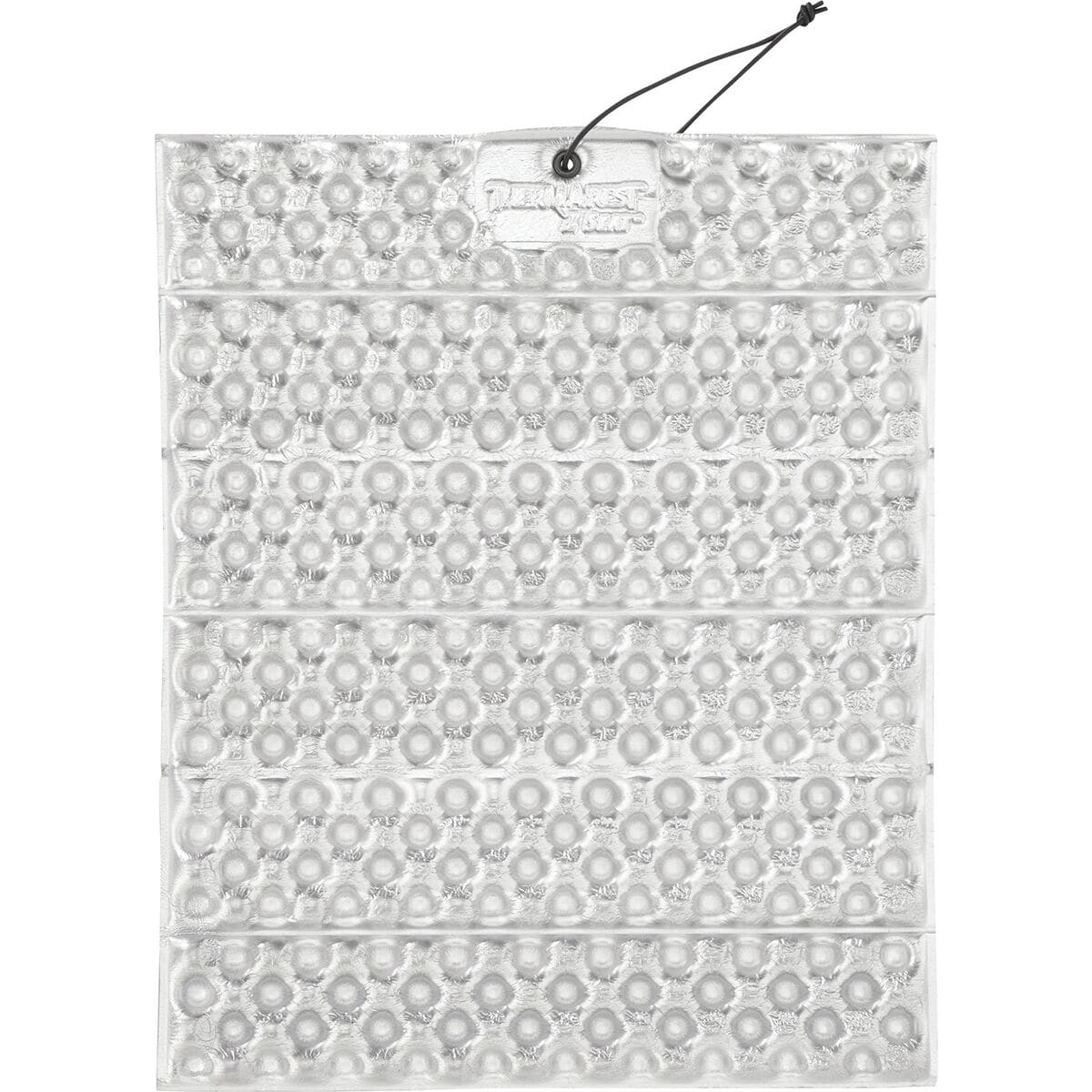
Therm-a-Rest Z Seat
Fold-up seat cushion weighing just 2 ounces. Comfortable cushion anywhere.
- 2 ounces
- Closed-cell foam
- Folds flat
- Cold protection
Frequently Asked Questions
What is the right age to start summer camp?
Day camps can start as early as age 4-5. For overnight camps, most children are ready between ages 7-9, though readiness varies by child. Consider your child's comfort with sleepovers, ability to manage basic self-care, and enthusiasm for the experience. Starting with shorter sessions helps build confidence for longer stays.
How far in advance should I register for camp?
Popular camps fill quickly, often by January or February for the following summer. Some camps even have waitlists from year to year. Begin researching in fall, attend open houses in winter, and register as soon as you have made a decision. Many camps offer early registration discounts.
How do I help my child make friends at camp?
Encourage your child to introduce themselves to bunkmates, participate in group activities enthusiastically, and be open to trying new things. Some camps offer pen pal or meet-up programs before camp starts. Remind your child that everyone is in the same position of wanting to make friends.
What if my child has special dietary needs?
Most camps accommodate dietary restrictions including allergies, vegetarian/vegan diets, and religious requirements. Discuss needs directly with the camp director before registration. Some camps may request you send specific foods, while others can prepare meals in-house. Always confirm protocols and provide detailed allergy information.
Can my child bring a phone to camp?
Most traditional camps prohibit personal electronics to encourage engagement and reduce distractions. This policy actually helps children connect with peers and reduces homesickness (no texting home!). Camps typically have scheduled times for parent communication. If electronics are essential for medical reasons, discuss with the camp in advance.
What happens if my child gets sick or injured at camp?
Camps have medical staff and established protocols for illness and injury. Minor issues are handled on-site with parents informed. For serious situations, camps contact parents immediately and arrange professional medical care. Before camp, complete all medical forms thoroughly and ensure the camp has updated emergency contacts and insurance information.
How can I help my child get the most out of camp?
Encourage an open mindset about trying new activities and meeting new people. Discuss that feeling uncomfortable sometimes is part of growth. Help them set personal goals (learn to swim, make three new friends, try archery). After camp, discuss the experience positively and consider returning to the same camp to deepen friendships and skills.
Are camp scholarships or financial aid available?
Many camps offer need-based financial aid, sibling discounts, or early registration discounts. Some organizations like the American Camp Association, YMCA, and local community foundations offer camp scholarships. Do not hesitate to ask camps directly about payment plans or assistance - they want their programs accessible to all families.
Related Resources
Affiliate Disclosure
ParentCalc is a Backcountry affiliate. We earn commissions from qualifying purchases at no additional cost to you. This helps support our free parenting resources. All product recommendations are based on our research and real parent feedback. We only recommend products we believe will genuinely help families prepare for summer camp adventures.