Most babies roll over between 4-6 months old, usually tummy to back first, then back to tummy a few weeks later. Here's what to expect and crucial safety info.
Rolling Timeline
Pre-Rolling Signs
Lifting head during tummy time, arching back, rocking side to side.
Almost There
May roll tummy to side. Strong head control. Pushes up on arms.
Tummy to Back
First complete roll! Usually happens during tummy time.
Back to Tummy
Harder direction! Requires more core strength. May get stuck at first.
Rolling Pro
Rolls both directions easily. May roll across the room!
Tummy Time & Rolling Essentials
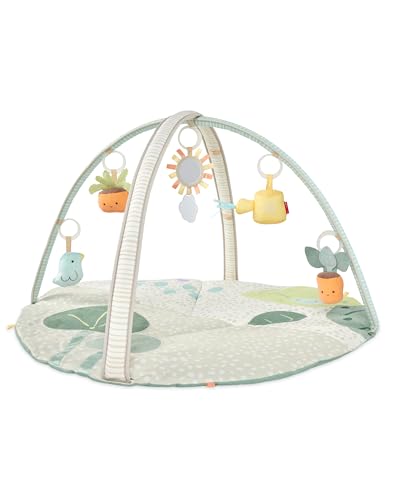
Best Play Gym for Tummy Time
Best OverallConverts from tummy-time mat to sitting play gym, so it stays useful from newborn through toddling rather than being outgrown in a season.
View on Amazon⚠️ Critical Safety Updates
Once your baby shows ANY signs of rolling:
- 1. Stop swaddling immediately. Arms must be free.
- 2. Never leave baby unattended on beds, couches, or changing tables.
- 3. Use the crib. Nothing else in it - no pillows, blankets, or bumpers.
- 4. If baby rolls to tummy during sleep and can roll both ways, it's okay to leave them.
Why Tummy to Back Comes First
Rolling from tummy to back is easier because gravity helps. When baby pushes up during tummy time and shifts weight, they can tip over sideways. Rolling back to tummy requires more core strength to lift and twist against gravity.
How to Encourage Rolling
- Daily tummy time: Start with 3-5 minutes, work up to 20+ minutes total per day
- Side-lying play: Place toys to reach for while on their side
- Floor time: Hard surfaces are better than soft beds for practice
- Minimal containers: Less time in swings, bouncers, car seats
- Engage from the side: Attract their attention to encourage turning
If Baby Hates Tummy Time
Many babies protest tummy time. Try these alternatives:
- Tummy time on your chest (skin-to-skin is great)
- Rolled towel under chest for support
- Short, frequent sessions (1 minute, 10 times daily)
- Mirror or high-contrast toys for motivation
- Right after a diaper change when already on their back

When to Talk to Your Pediatrician
Every baby has their own timeline, but mention to your doctor if:
- No rolling by 6 months
- Only rolls one direction after several weeks
- Seems to have stiff or floppy muscle tone
- Loses skills they previously had
Premature babies should be assessed on their adjusted age.
What Comes After Rolling?
Rolling is the gateway to mobility:
- 6-7 months: Sitting with support, then independently
- 7-9 months: Crawling (or scooting, army crawling)
- 9-12 months: Pulling to stand, cruising furniture
- 12-15 months: First steps!
Track Your Baby's Progress
Sources: American Academy of Pediatrics, CDC Developmental Milestones, Pathways.org
Related Milestone Articles
When Do Babies Smile?
First social smiles
When Do Babies Roll Over?
Tummy to back & back to tummy
When Do Babies Sit Up?
Independent sitting milestone
When Do Babies Crawl?
Mobility milestone
When Do Babies Walk?
First steps timeline
When Do Babies Talk?
Language development
When Do Babies Start Teething?
First teeth & symptoms
Complete Milestone Guide
All milestones 0-5 years