Best Baby Carriers for Hiking
The complete guide to choosing a hiking carrier for your little adventurer - from soft structured carriers to framed backpacks, with safety tips and top brand recommendations
2026 Product Picks
Our latest product roundups related to this guide:
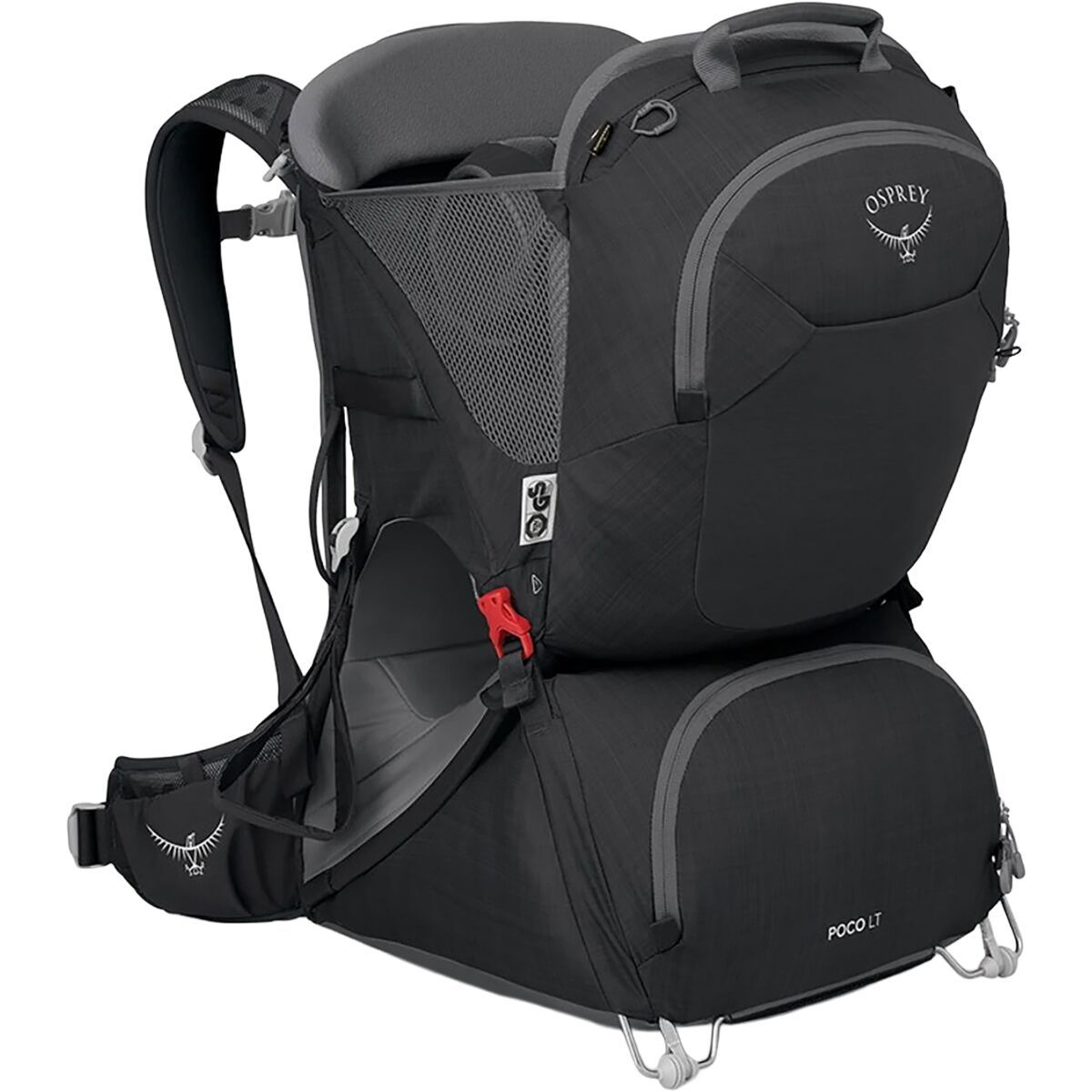
Osprey Packs Poco LT Child Carrier - Black
Lightweight framed carrier with built-in sunshade. Stainless steel frame folds flat for travel, suspended mesh back panel keeps you cool on climbs.
- Built-in sunshade
- Folds flat for travel
- Adjustable foot stirrups
- Padded child harness
Why Hit the Trails with Your Baby
Hiking with your baby creates memories that last a lifetime while introducing them to the wonders of nature from their earliest days. With the right carrier, you can explore trails, summit peaks, and share the outdoor experiences you love - all with your little one safely along for the adventure.
A quality hiking carrier is one of the most important investments for outdoor families. Unlike everyday baby carriers designed for quick trips to the grocery store, hiking carriers are engineered to support both parent and child over miles of trail. They distribute weight efficiently, provide superior ventilation for longer outings, and include features like sun shades and storage that make trail time comfortable for everyone.
This guide covers everything you need to know about selecting the perfect hiking carrier - from understanding the differences between carrier types to knowing when your baby is ready for the trail. We have partnered with Backcountry to bring you expert-recommended carriers from industry-leading brands including Osprey, Deuter, Kelty, and Thule.
Benefits of Hiking with Your Baby
- Early exposure to nature builds lifelong love of outdoors
- Fresh air and natural light support healthy sleep patterns
- Sensory stimulation promotes cognitive development
- Quality bonding time away from screens and distractions
- Parents maintain fitness while caring for baby
- Creates positive outdoor associations from earliest age
Types of Baby Carriers for Hiking
Not all baby carriers are created equal for trail use. Understanding the differences between carrier types helps you choose the right one for your hiking style, your baby's age, and the terrain you plan to tackle.
Soft Structured Carriers (SSC)
Newborn - 2 years
Pros:
- Lightweight and packable
- Good for shorter hikes and everyday use
- Baby faces in or out
- More affordable than frame carriers
- No kickstand needed - wearable while sitting
Cons:
- Less comfortable for longer distances
- Limited storage capacity
- No built-in sun shade
- Weight sits closer to body - can get hot
Best For: Short day hikes under 3 miles, urban exploring, and transitioning from newborn to toddler stages
Framed Child Carriers
6 months - 4 years
Pros:
- Superior weight distribution for long hikes
- Built-in sunshade and rain cover options
- Storage compartments for gear
- Better ventilation for parent
- Kickstand for stable loading/unloading
Cons:
- Heavier empty weight (5-8 lbs)
- Bulkier to store and transport
- More expensive investment
- Baby must have head control
Best For: Serious hiking families planning regular trail adventures, longer day hikes, and multi-day trips
Which Type Should You Choose?
If you are primarily doing short, easy trails and want one carrier that works for hiking and everyday use, a high-quality soft structured carrier may be sufficient. However, if you plan to hike regularly, tackle longer distances, or venture into varied terrain, a framed carrier is worth the investment for the superior comfort and features.
Many hiking families own both - a soft carrier for quick walks and travel, and a framed carrier for dedicated trail days. This combination covers all scenarios from airport navigation to summit attempts.
Age and Weight Limits
Understanding when your baby can safely use different carrier types is essential for their safety and comfort. These guidelines help you transition through carrier stages as your child grows.
Newborn - 6 Months
Soft structured carriers only
Requirements:
- Use infant insert if required by carrier
- Baby faces inward toward parent
- Chin off chest for clear airway
- Knees higher than bottom (M position)
Trail Tips:
- - Keep hikes under 30-45 minutes initially
- - Choose flat, shaded trails
- - Time around feeding and nap schedules
- - Check baby frequently for comfort
6 - 12 Months
Transition to framed carriers
Requirements:
- Strong, independent head control
- Able to sit unassisted
- Meets minimum weight for carrier (usually 16+ lbs)
- Can support upper body independently
Trail Tips:
- - Build up hike distance gradually
- - Plan for frequent feeding/diaper stops
- - Use stirrups to prevent leg dangling
- - Watch for signs of fatigue or discomfort
1 - 4 Years
Prime framed carrier years
Considerations:
- Check maximum weight limit of carrier
- Monitor height for headroom in carrier
- Let toddlers walk sections when safe
- Transition out when child exceeds limits
Trail Tips:
- - Balance carrier time with walking practice
- - Bring snacks and activities for restless toddlers
- - Plan routes with interesting stops
- - Consider child's independence preferences
Critical Safety Note: Head Control
Never use a framed hiking carrier until your baby can independently hold their head up and sit unassisted. This typically occurs around 6 months of age, but varies by child. In a framed carrier, the baby sits upright and is not fully supported by the parent's body. Without sufficient neck and core strength, bumps on the trail can cause the baby's head to fall forward, potentially blocking their airway. When in doubt, consult your pediatrician before using a framed carrier.
Features to Look For
Not all hiking carriers are created equal. These are the features that separate great carriers from merely adequate ones, ensuring comfort and safety for both you and your little hiker.
For the Parent
- Adjustable torso length - Critical for proper weight distribution; allows both parents to share carrying duties
- Padded hip belt - Transfers weight from shoulders to hips for long-distance comfort
- Ventilated back panel - Mesh or suspended design keeps airflow between you and the carrier
- Storage compartments - Dedicated space for diapers, snacks, water, and extra layers
- Hydration compatibility - Sleeve or clips for water reservoir hose routing
For the Child
- 5-point harness - Secure restraint system that grows with child and prevents climbing out
- Adjustable foot stirrups - Prevents legs from dangling and falling asleep
- Padded cockpit - Comfortable seating area with ventilation for child
- Built-in sunshade - Integrated or compatible sun protection
- Removable drool pad - Machine washable padding where baby rests head
Essential Safety Features
Stable Kickstand
Allows carrier to stand independently for safe loading and unloading
Roll Cage Frame
Protective frame surrounds child in case of falls or impacts
JPMA/ASTM Certified
Meets voluntary safety standards for juvenile products
Sun and Weather Protection
Babies are especially vulnerable to sun exposure and temperature extremes. Proper protection is essential for safe hiking with your little one.
Sun Protection
- Built-in or compatible sunshade - Look for carriers with integrated sun covers or purchase separately
- Wide-brim sun hat - Essential even with sunshade for additional protection
- Baby-safe sunscreen - Apply to exposed areas for babies 6+ months; use shade and clothing for younger babies
- UPF clothing - Long sleeves and pants with built-in sun protection
- Avoid midday sun - Hike early morning or late afternoon in summer
Weather Protection
- Rain cover - Many carriers have compatible rain covers; some are built-in
- Extra layers - Pack warm layers even on mild days; baby is not generating heat from walking
- Wind protection - Be aware baby is more exposed to wind than you
- Check frequently - Feel baby's neck and back to monitor temperature
- Know when to turn back - Storms, extreme heat, or cold are signals to end the hike
Temperature Warning Signs
Signs of Overheating:
- - Flushed, red skin
- - Excessive sweating or no sweating
- - Lethargy or irritability
- - Hot to the touch
- - Rapid breathing
Signs of Being Too Cold:
- - Cool or cold extremities
- - Pale or mottled skin
- - Fussiness or unusual quietness
- - Shivering (in older babies)
- - Cold neck or back
Trail Safety with Baby
Hiking with a baby requires extra planning and awareness. These safety guidelines help ensure every trail adventure ends safely.
Before You Go
- Choose well-maintained, less technical trails
- Check weather forecast and avoid extreme conditions
- Tell someone your hiking plan and expected return
- Ensure carrier is properly adjusted and secure
- Pack extra supplies: diapers, food, water, clothing
- Bring a first aid kit with baby-appropriate items
On the Trail
- Check on baby frequently - every 15-20 minutes
- Take breaks for feeding, diaper changes, stretching
- Use trekking poles for balance - your center of gravity is different
- Avoid leaning far forward or backward
- Be extra careful on slippery or uneven terrain
- Turn back early if baby is uncomfortable or conditions change
Baby Hiking Packing List
Essentials:
- - Extra diapers and wipes
- - Change of clothes for baby
- - Bottles/snacks for baby
- - Pacifier if used
- - Baby first aid items
Weather Gear:
- - Sun hat with chin strap
- - Baby sunscreen (6+ months)
- - Extra warm layers
- - Rain cover for carrier
- - Blanket
Comfort Items:
- - Favorite toy or lovey
- - Teething ring if needed
- - Small mirror for entertainment
- - Soft book
- - Carrier chin pad
Loading and Unloading Safety
Most carrier accidents happen during loading and unloading. Follow these critical steps:
- 1.Always use the kickstand on a flat, stable surface when loading
- 2.Secure the child harness completely before putting carrier on your back
- 3.Have a partner help steady the carrier if possible
- 4.Never leave a loaded carrier unattended, even with kickstand deployed
Top Hiking Carriers
These carriers represent the best options for serious hiking families. Each offers the comfort, safety features, and durability needed for trail adventures.
Framed Child Carriers
Osprey Packs Poco LT Child Carrier - Black
Lightweight framed carrier with built-in sunshade. Stainless steel frame folds flat for travel, suspended mesh back panel keeps you cool on climbs.
- Built-in sunshade
- Folds flat for travel
- Adjustable foot stirrups
- Padded child harness
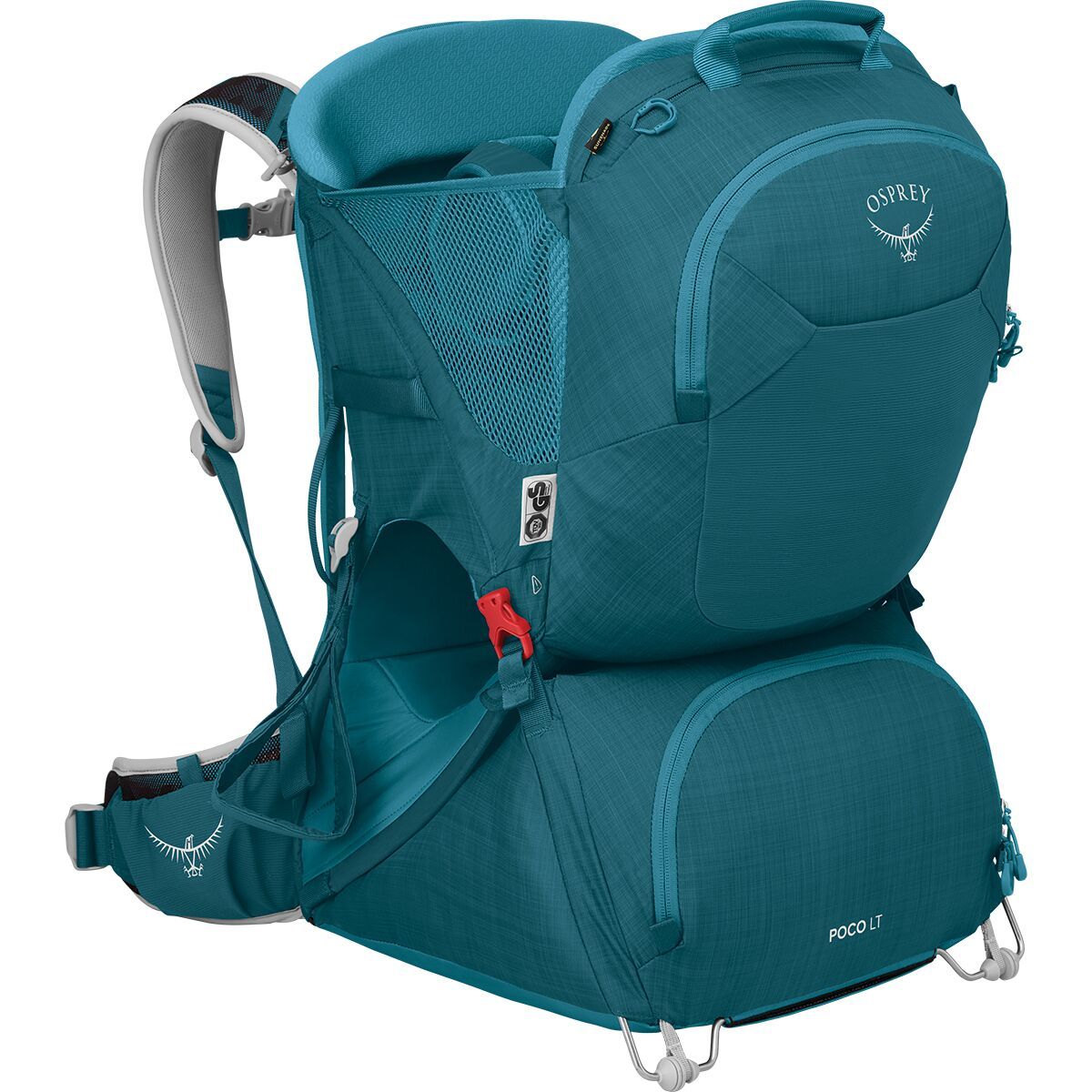
Osprey Packs Poco LT Child Carrier - Deep Peyto
Same trusted Poco LT in a bold blue colorway. Front-facing harness lets your little one take in the views while adjustable stirrups prevent leg fatigue.
- Ventilated cockpit
- Peripheral frame
- Stable kickstand
- Machine washable drool pad
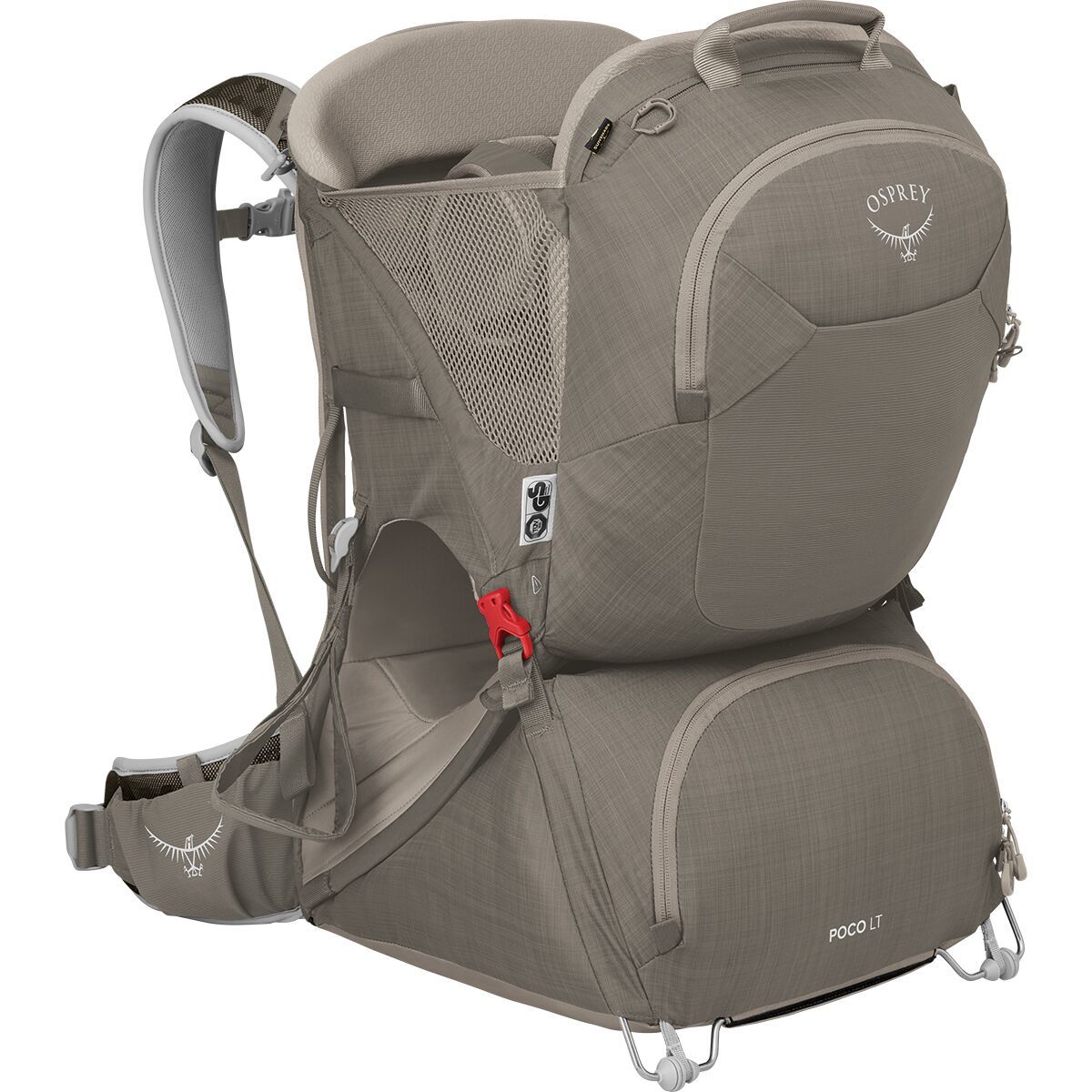
Osprey Packs Poco LT Child Carrier - Tan Concrete
Neutral tan colorway perfect for any adventure. Strong stainless steel frame locks in place for reliable support, folds down for easy packing.
- Suspended mesh back
- Padded harness system
- Built-in sun cover
- Comfortable for parent and child
Carrier Accessories
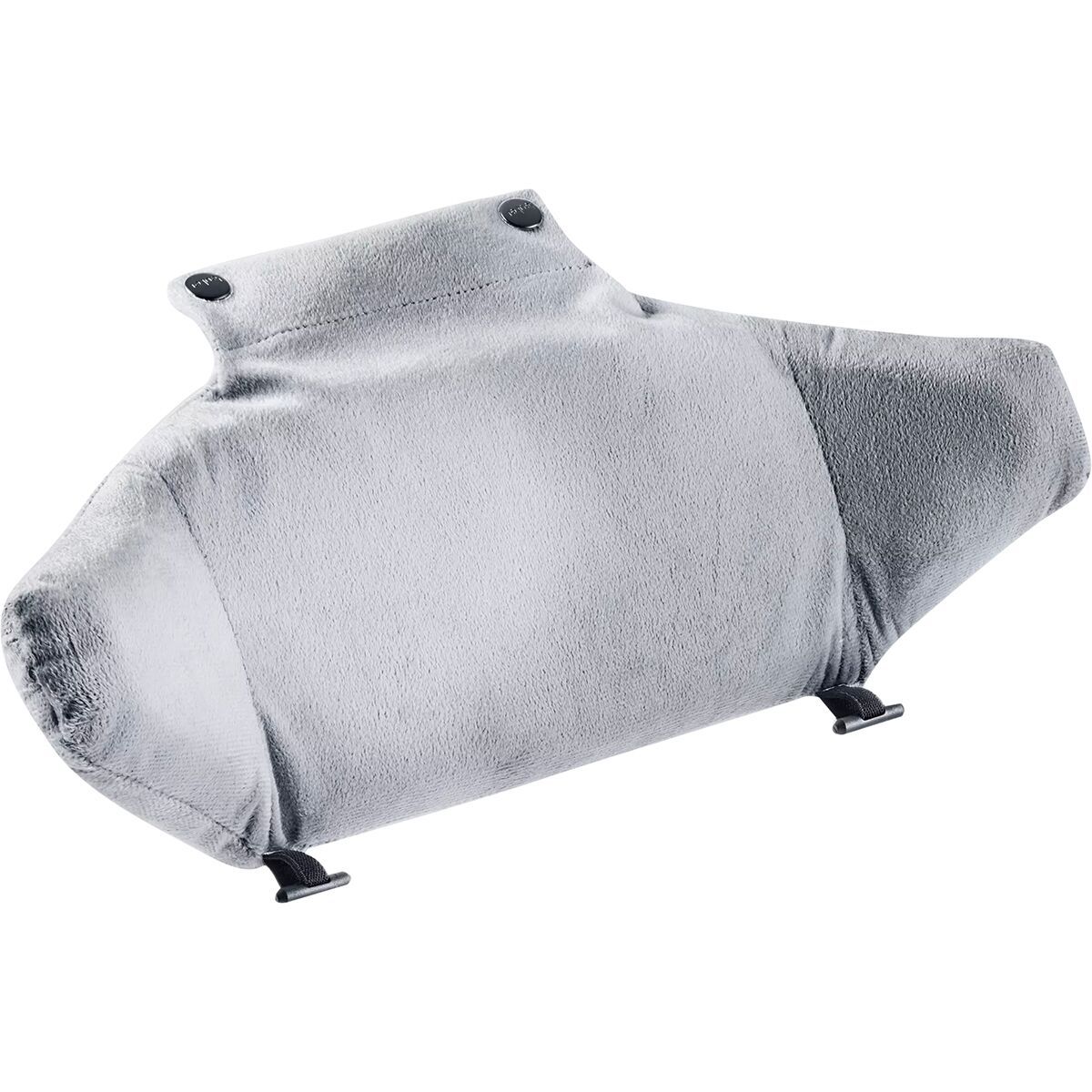
Deuter KC Chin Pad
Large ergonomic pillow that supports tired heads in child carriers. Soft pillow and removable cover are both machine washable.
- Ergonomic support
- Machine washable
- Soft padding
- Compatible with Kid Comfort range
Top Hiking Carrier Brands
These brands have established themselves as leaders in the hiking carrier market, known for quality construction, thoughtful design, and commitment to safety.
Osprey
Known for exceptional backpacking packs, Osprey brings the same expertise to their Poco series of child carriers. The Poco LT and Poco Plus feature industry-leading suspension systems, built-in sunshades, and thoughtful details that make long hikes comfortable. Osprey's All Mighty Guarantee provides lifetime repair or replacement.
Deuter
German engineering meets family adventure in Deuter's Kid Comfort series. Their carriers are known for exceptional build quality and ergonomic design. The Kid Comfort line offers multiple tiers to match different budgets and features, with the Kid Comfort Pro being their flagship model with maximum storage and ventilation.
Kelty
Kelty has been making outdoor gear since 1952 and offers excellent value in their Journey PerfectFIT series. Their carriers feature an innovative five-point adjustable suspension that fits a wide range of body types. The Journey series offers great features at a more accessible price point than premium competitors.
Thule
Swedish brand Thule is known for premium outdoor products, and their Sapling child carrier lives up to that reputation. The Sapling features an intuitive adjustment system, premium materials, and a design focused on quick adjustments between parents. It's a top choice for families who prioritize fit and convenience.
Frequently Asked Questions
At what age can I start using a hiking carrier with my baby?
For framed hiking carriers, most experts recommend waiting until your baby is at least 6 months old and can sit unassisted with strong head control. Before this age, use a soft structured carrier with your baby facing inward. Every baby develops differently, so consult your pediatrician if you are unsure whether your baby is ready for a framed carrier. Some carriers specify minimum weights (typically 16+ pounds) in addition to developmental milestones.
How long can my baby stay in a hiking carrier?
Plan to take breaks every 1-2 hours to allow your baby to stretch and move. For younger babies (6-12 months), start with shorter 30-45 minute sessions and build up gradually. Older toddlers may be comfortable for longer periods, but still need regular breaks. Watch for signs of discomfort like fussiness, arching the back, or trying to climb out. Some babies happily nap in carriers, which can extend comfortable ride times.
Are hiking carriers safe for baby's hips?
Quality hiking carriers from reputable brands are designed to support healthy hip development. The seat should support your baby from knee to knee, keeping their legs in a spread-squat position (knees higher than bottom, forming an "M" shape). This is the recommended position by the International Hip Dysplasia Institute. Avoid carriers that leave legs hanging straight down, which can stress developing hip joints.
How do I keep my baby entertained on long hikes?
The natural world provides endless entertainment - point out birds, leaves, water, and animals. Bring a few small toys that can attach to the carrier so they won't be dropped on the trail. A small mirror lets baby see you and their surroundings. Soft books, teething toys, and pacifiers can help during fussy moments. Many babies are content watching the scenery go by, and the motion often lulls them to sleep. Talk and sing to your baby throughout the hike.
Should I use one carrier or buy different carriers for different ages?
Many families find it helpful to have two carriers: a soft structured carrier for newborns through about 1 year (and for travel, errands, and quick walks), and a framed carrier for serious hiking once baby has the necessary head control. A quality soft carrier can be used from birth through toddlerhood for everyday carrying, while the framed carrier handles longer trail adventures. This combination provides versatility without breaking the bank.
Can I breastfeed while on the trail?
While you cannot breastfeed with baby in a framed hiking carrier, you will need to stop and remove baby for feeding. Plan your route with good rest spots for feeding breaks. Some parents find shaded areas or benches along trails ideal for nursing. For longer hikes, some mothers pump in advance and bring bottles. Always stay well hydrated yourself, as carrying extra weight increases your fluid needs.
How do I clean a hiking carrier?
Most hiking carriers have removable, machine-washable components like the drool pad and cockpit liner. For the frame and fabric, spot clean with mild soap and water. Never put the entire carrier in a washing machine or dryer, as this can damage the frame and foam. Let all components air dry completely before storage. Check your specific carrier's care instructions, as recommendations vary by brand. Store in a dry location away from direct sunlight.
Is it safe to hike alone with a baby in a carrier?
Solo hiking with a baby is possible but requires extra precautions. Choose well-traveled, well-maintained trails. Always tell someone your plans and expected return time. Bring a fully charged phone and consider a satellite communicator for remote areas. Be conservative with your objectives - you cannot move as quickly or take the same risks as when hiking alone. Practice loading and unloading the carrier at home until you can do it smoothly. Consider starting with busier trails where other hikers can assist if needed.
Ready to Hit the Trails?
With the right carrier and proper preparation, hiking with your baby can become one of your family's most treasured activities. Start with short, easy trails and build up gradually as both you and your little one gain confidence.