Complete Kids Bike Guide
From balance bikes for toddlers to mountain bikes for teens - everything you need to know about choosing, sizing, and teaching kids to ride
2026 Product Picks
Our latest product roundups related to this guide:
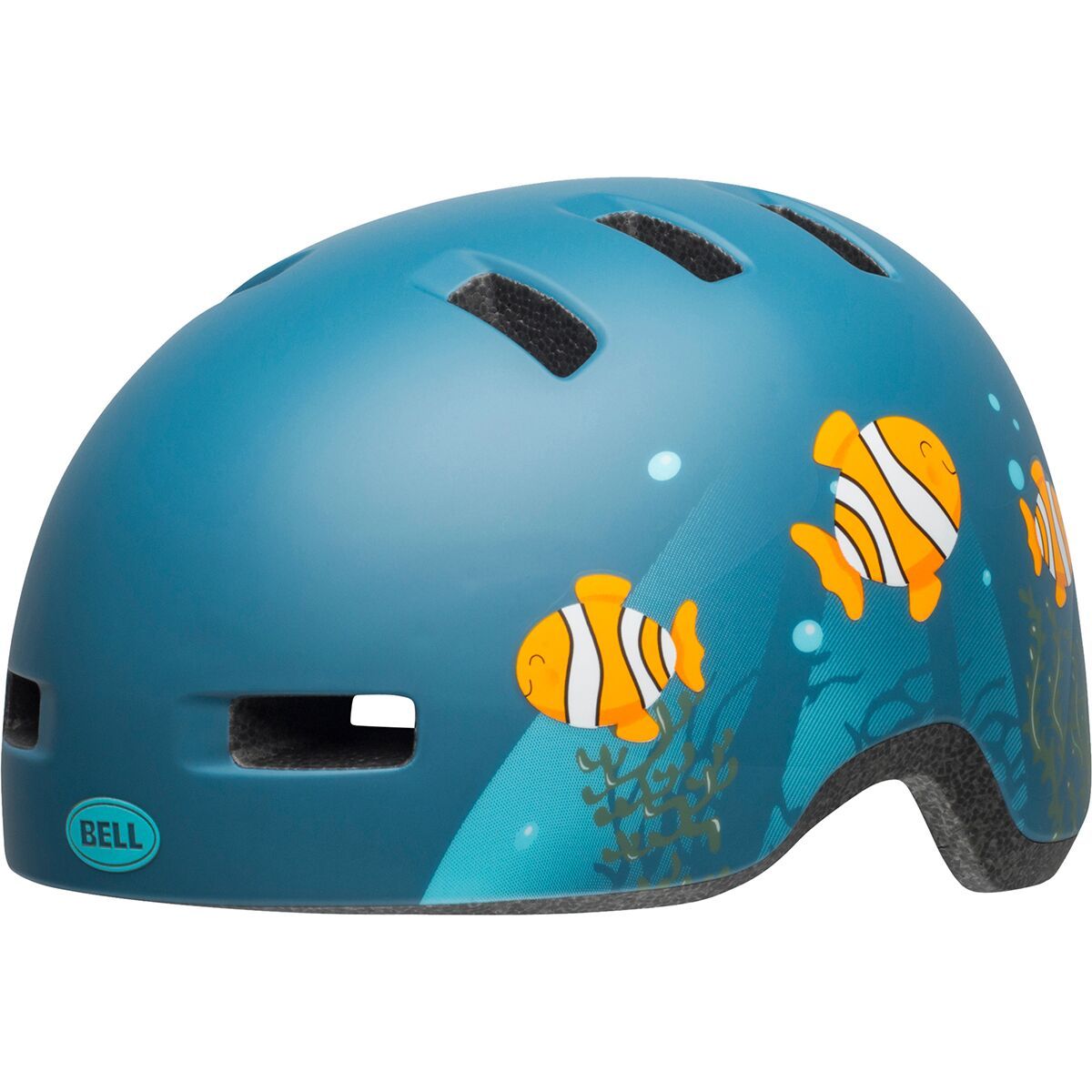
Bell Lil Ripper Helmet - Toddler
From the trailer to the balance bike, our tiny cycling enthusiasts stay safe in the Bell Lil Ripper Helmet. Compact shell and Active Fit system create a snug and comfy fit on little riders
- Active Fit dial system
- Compact lightweight shell
- No-pinch buckle
- Fun kid-friendly designs
Learning to ride a bike is a milestone that most kids never forget. It's a gateway to independence, outdoor adventure, and a lifetime of healthy activity. But with so many bike types, sizes, and options available, choosing the right bike for your child can feel overwhelming.
This comprehensive guide covers every stage of a child's cycling journey - from their first balance bike wobbles to shredding trails on a mountain bike. We'll help you understand the different types of kids bikes, how to size a bike properly, effective teaching methods, and essential maintenance to keep their wheels rolling smoothly.
Balance Bikes for Toddlers
Age Range: 18 months - 5 years | Best Starting Age: 2-3 years
Balance bikes have revolutionized how kids learn to ride. By removing pedals and focusing purely on balance, these clever little bikes help toddlers develop the core skill they need to transition seamlessly to pedal bikes - often without ever needing training wheels.
Benefits of Balance Bikes
- Develops balance and coordination naturally
- Builds confidence at child's own pace
- Kids can start as young as 18 months
- Easier transition to pedal bikes later
- Lightweight and easy for small children to handle
What to Look For
- Minimum seat height: Should allow flat feet on ground
- Weight: Lighter is better - under 10 lbs ideal
- Tire type: Air tires for outdoor; foam for indoor
- Handbrake: Optional but good for skill building
- Footrest: Nice for coasting once balance develops
Pro Tip: The Balance Bike Sizing Rule
Measure your child's inseam (inner leg length from crotch to floor). The minimum seat height of the balance bike should be 1-1.5 inches LESS than their inseam so they can plant both feet flat on the ground with a slight knee bend.
Balance Bike Size Chart
| Age | Inseam | Wheel Size | Min Seat Height |
|---|---|---|---|
| 18 months - 2 years | 10-12" | 10" | 10-11" |
| 2-3 years | 12-14" | 12" | 11-13" |
| 3-4 years | 14-17" | 12-14" | 13-16" |
| 4-5 years | 17-20" | 14" | 15-18" |

Retrospec Cub 12" Balance Bike
A low, narrow step-through balance bike. Its seat starts at 11 inches, which fits the smallest riders in the chart above, and its foam tires cannot go flat.
- Seat height 11"-15"
- Super step-through, high-tensile steel frame
- Air-free, flat-free EVA foam tires
- Ages 18 months-4 years per Retrospec
Retrospec is a ParentCalc partner. We earn a commission on purchases through these links.
First Pedal Bikes
Age Range: 3-7 years | Wheel Sizes: 12", 14", 16"
The transition from balance bike to pedals is an exciting milestone. If your child has mastered a balance bike, they may skip training wheels entirely. For others, a first pedal bike with removable training wheels provides a safe progression path.
Key Features for First Bikes
- Coaster brake: Easier for beginners (pedal backward to stop)
- Low standover height: Easy to get on and off
- Lightweight frame: Under 15 lbs is ideal
- Single speed: Keep it simple at first
- Narrow handlebars: Proportional to child's shoulders
Training Wheels: Pros and Cons
Advantages:
- Provides stability for nervous beginners
- Lets kids practice pedaling motion
- Can be gradually raised and removed
Disadvantages:
- Don't teach actual balance
- Can create false sense of security
- Kids lean on them instead of balancing
First Pedal Bike Size Chart
| Wheel Size | Age Range | Height | Inseam |
|---|---|---|---|
| 12" | 2-4 years | 2'10" - 3'4" | 14-17" |
| 14" | 3-5 years | 3'1" - 3'7" | 16-20" |
| 16" | 4-6 years | 3'7" - 4'0" | 18-22" |

Retrospec Koda 16" Kids Bike
A first pedal bike that covers both routes in this section: removable training wheels for new riders, and a hand brake alongside the coaster brake so kids learn hand braking early. The Koda also comes in 12-inch and 20-inch sizes.
- High-tensile steel frame
- Hand V-brake plus rear coaster brake
- Removable training wheels included
- 18.5"-23" adjustable seat height
- Ages 4-6 per Retrospec
Retrospec is a ParentCalc partner. We earn a commission on purchases through these links.
Kids Mountain Bikes
Age Range: 5-14 years | Wheel Sizes: 20", 24", 26"
Once kids have mastered basic cycling, mountain bikes open up a world of adventure. From easy gravel paths to singletrack trails, a properly equipped kids mountain bike can handle diverse terrain while teaching valuable bike handling skills.
Hardtail vs Full Suspension
Hardtail (front suspension only):
- Lighter weight
- Less maintenance
- More affordable
- Great for learning
Full Suspension:
- Better control on rough terrain
- More forgiving on mistakes
- Best for aggressive trail riding
- Usually ages 10+
Key MTB Features for Kids
- Gears: 7-9 speeds sufficient for most kids
- Brakes: Disc brakes preferred for stopping power
- Fork: Air suspension adjustable to child's weight
- Tires: Knobby tread for grip
- Weight: Look for quality kids-specific designs
Progression Wheel Sizes
- 20" wheels:
Ages 5-8, height 3'8" - 4'5"
- 24" wheels:
Ages 8-11, height 4'2" - 4'11"
- 26" wheels:
Ages 10-13, height 4'8" - 5'3"
- 27.5" wheels:
Ages 12+, height 5'0"+
Top Kids MTB Brands to Consider
Specialized Riprock
Great all-around trail bikes
Trek Precaliber
Lightweight aluminum frames
Prevelo Zulu
Premium kids-specific geometry
Woom OFF
Ultra-light with quality components
BMX Bikes for Kids
Age Range: 5-16+ years | Wheel Sizes: 12", 14", 16", 18", 20"
BMX bikes are designed for tricks, jumps, and racing. Their sturdy construction, single gear, and compact frame make them perfect for skate parks, dirt tracks, and neighborhood adventures. BMX riding builds confidence, balance, and bike control skills.
Types of Kids BMX
Freestyle BMX:
For tricks, skate parks, and street riding. Features pegs, gyro brakes, and reinforced frames.
Race BMX:
Built for speed on dirt tracks. Lighter frames, knobby tires, only rear brake.
Dirt Jump BMX:
For jumping dirt mounds and pump tracks. Strong frames, single brake, knobby tires.
BMX Size Guide
| Wheel | Age | Height |
|---|---|---|
| 12" | 2-4 | 2'10" - 3'4" |
| 14" | 3-5 | 3'2" - 3'8" |
| 16" | 5-7 | 3'6" - 4'0" |
| 18" | 7-10 | 4'0" - 4'6" |
| 20" | 8+ | 4'4"+ |
Safety Gear for BMX
BMX riding requires extra protection. Beyond a certified helmet, consider knee pads, elbow pads, and gloves. For skate parks and aggressive riding, a full-face helmet is recommended.
How to Size a Bike for Kids
The #1 mistake parents make: Buying a bike for their child to "grow into"
A bike that's too big is hard to control, discouraging to ride, and potentially dangerous. Always size for NOW, not for next year. Kids will outgrow bikes - that's expected. Many families buy used bikes or sell outgrown ones.
How to Measure Your Child
Step 1: Measure Height
Stand child against wall without shoes. Mark the top of their head and measure.
Step 2: Measure Inseam (Most Important!)
Child stands straight with feet 4" apart. Measure from floor to crotch. This determines if they can touch the ground.
Step 3: Check Standover Height
Child should clear the top tube by at least 1-2 inches when straddling the bike.
Signs of Proper Fit
- Seat height: Slight knee bend at bottom of pedal stroke
- Reach: Slight bend in elbows when holding handlebars
- Standover: 1-2" clearance over top tube
- For beginners: Can touch ground with toes from saddle
- Control: Can reach brakes and shifters comfortably
Complete Kids Bike Size Chart
| Wheel Size | Age | Child Height | Inseam | Bike Type |
|---|---|---|---|---|
| 10-12" | 18 mo - 3 yrs | 2'6" - 3'2" | 10-14" | Balance bike |
| 12" | 2-4 yrs | 2'10" - 3'4" | 14-17" | First pedal bike |
| 14" | 3-5 yrs | 3'1" - 3'7" | 16-20" | Pedal bike |
| 16" | 4-6 yrs | 3'7" - 4'0" | 18-22" | Pedal bike |
| 18" | 5-7 yrs | 3'9" - 4'3" | 20-24" | BMX / Pedal |
| 20" | 5-9 yrs | 3'10" - 4'6" | 22-25" | Kids bike / MTB / BMX |
| 24" | 8-12 yrs | 4'2" - 4'11" | 24-28" | Junior MTB / Road |
| 26" | 10+ yrs | 4'10"+ | 28"+ | Youth/Adult MTB |
Note: These are general guidelines. Always have your child try the bike before purchasing if possible, as children of the same age can vary significantly in size.
Teaching Kids to Ride
Teaching a child to ride a bike is one of parenting's most rewarding moments. The key is patience, positive reinforcement, and breaking the process into manageable steps. Most children can learn in just a few sessions with the right approach.
Start with Balance (No Pedals)
If your child hasn't used a balance bike, you can convert their pedal bike temporarily. Remove the pedals and lower the seat so they can sit and touch the ground flat-footed.
- Have them walk while sitting on the bike
- Progress to gliding with feet up for longer periods
- Practice on a gentle downhill for natural momentum
Learn to Brake
Before adding speed, make sure they know how to stop safely.
- Practice squeezing brakes while standing still
- For coaster brakes: practice pedaling backward
- Walk alongside and call out "brake!" randomly
Add Pedals
Once they can glide and balance for 3+ seconds, reinstall the pedals.
- Raise seat slightly for proper pedaling position
- Practice starting from a standstill with one foot on pedal
- Use a slight downhill to help with initial momentum
Practice Turning & Navigating
Once they can ride in a straight line, work on turns and obstacle awareness.
- Set up cones or markers to weave through
- Practice looking where they want to go (not at their front wheel)
- Work on figure-8 patterns for control
Teaching Tips for Parents
- Choose a flat, traffic-free area like an empty parking lot or tennis court
- Keep sessions short (15-20 mins) to avoid frustration
- Never hold the bike by the seat - let them feel the balance
- Run alongside at their shoulder, not behind
- Celebrate every small win - falls are part of learning
- Don't force it - some kids need more time and that's okay
Bike Maintenance Basics
A well-maintained bike is safer, easier to ride, and lasts longer. Teaching kids basic maintenance also builds responsibility and mechanical understanding. Here are the essentials every parent should know.
Before Every Ride (ABC Check)
- AAir: Squeeze tires - they should feel firm. Check for proper PSI (usually printed on tire sidewall).
- BBrakes: Squeeze each brake lever. They should engage before touching the handlebar and stop the wheel completely.
- CChain: Check that chain is on properly and moves smoothly. Look for rust or stiff links.
Monthly Maintenance
- Clean the bike: Wipe down frame, wheels, and chain
- Lubricate chain: Apply bike-specific lube, wipe excess
- Check bolts: Tighten handlebars, seat, and wheel bolts
- Inspect tires: Look for cuts, excessive wear, or embedded objects
- Test brakes: Ensure pads aren't worn and cables are taut
Essential Tools for Home Maintenance
When to See a Bike Shop
- Annual tune-up (especially before season starts)
- Brake pad replacement
- Wheel truing (if wheel wobbles)
- Derailleur adjustment (gear shifting issues)
- Chain replacement
- Any safety concerns you can't diagnose
Kids Bike Helmets
A properly fitted helmet is the single most important piece of safety gear. These helmets from trusted brands like Bell and Giro offer certified protection, comfortable fit systems, and styles kids actually want to wear.
Bell Lil Ripper Helmet - Toddler
From the trailer to the balance bike, our tiny cycling enthusiasts stay safe in the Bell Lil Ripper Helmet. Compact shell and Active Fit system create a snug and comfy fit on little riders' heads.
- Active Fit dial system
- Compact lightweight shell
- No-pinch buckle
- Fun kid-friendly designs
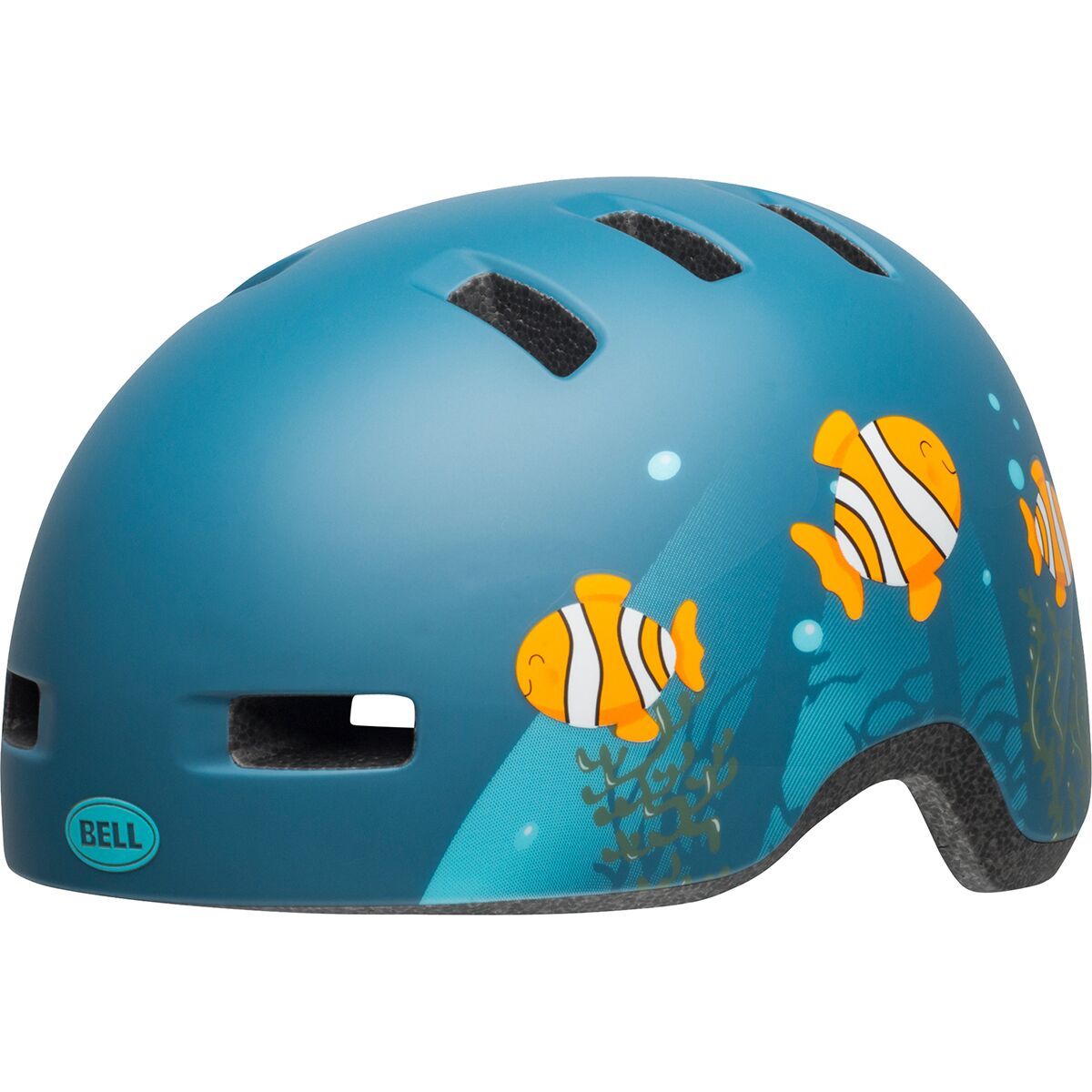
Bell Lil Ripper Helmet - Kids
Now that they're riding on their own bikes - training wheels or not - keep them safe in the Bell Lil Ripper. Hybrid-style bike helmet is compact and light.
- Active Fit dial
- No-pinch buckle
- Kid-manageable independently
- Hybrid skate/bike style
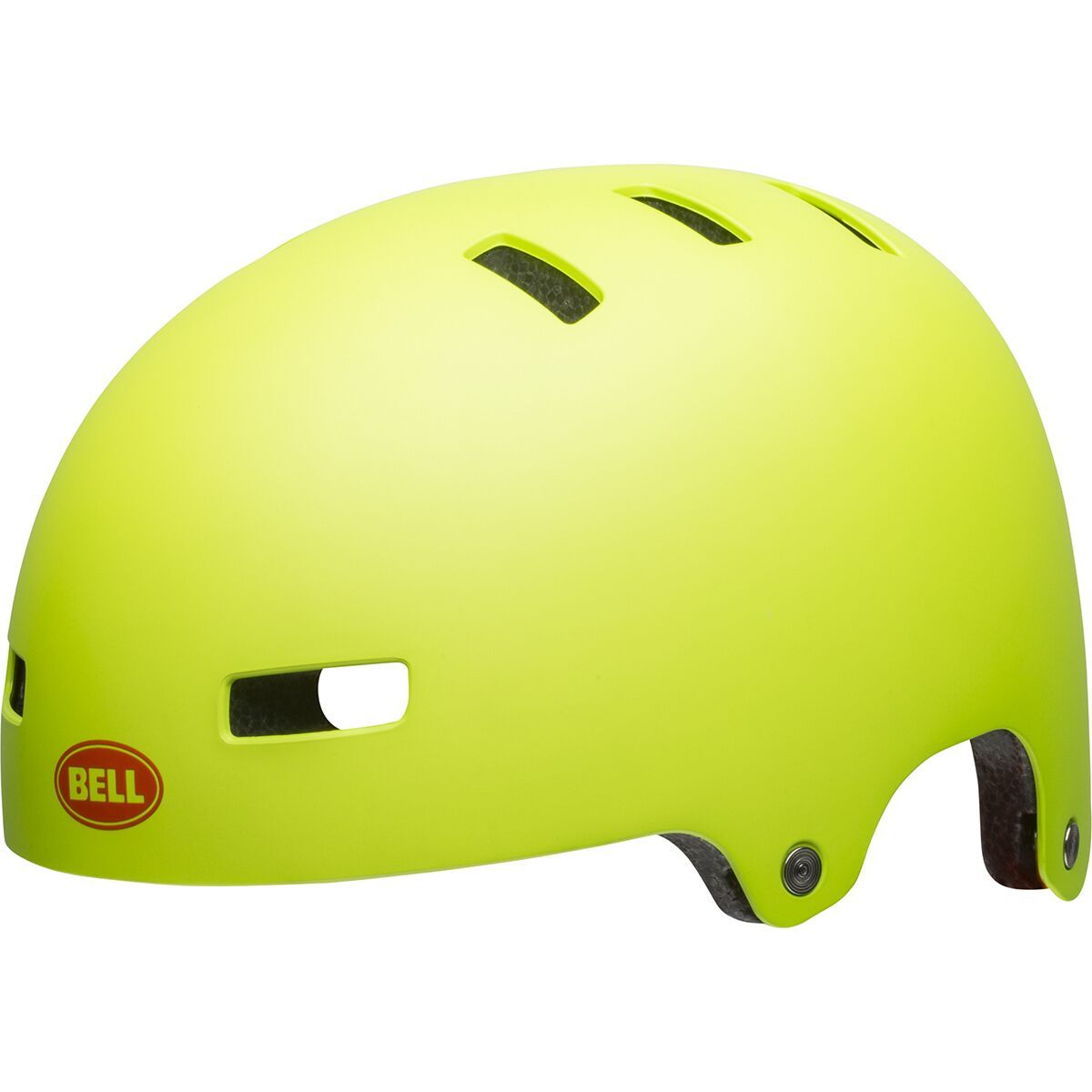
Bell Span Helmet - Kids
The bright colors and popping patterns make staying protected exponentially more fun. Adjustment system mirrors adult-sized helmets for proper fit.
- 10 cooling vents
- Adult-style fit system
- Multiple sizes available
- Skate-inspired design
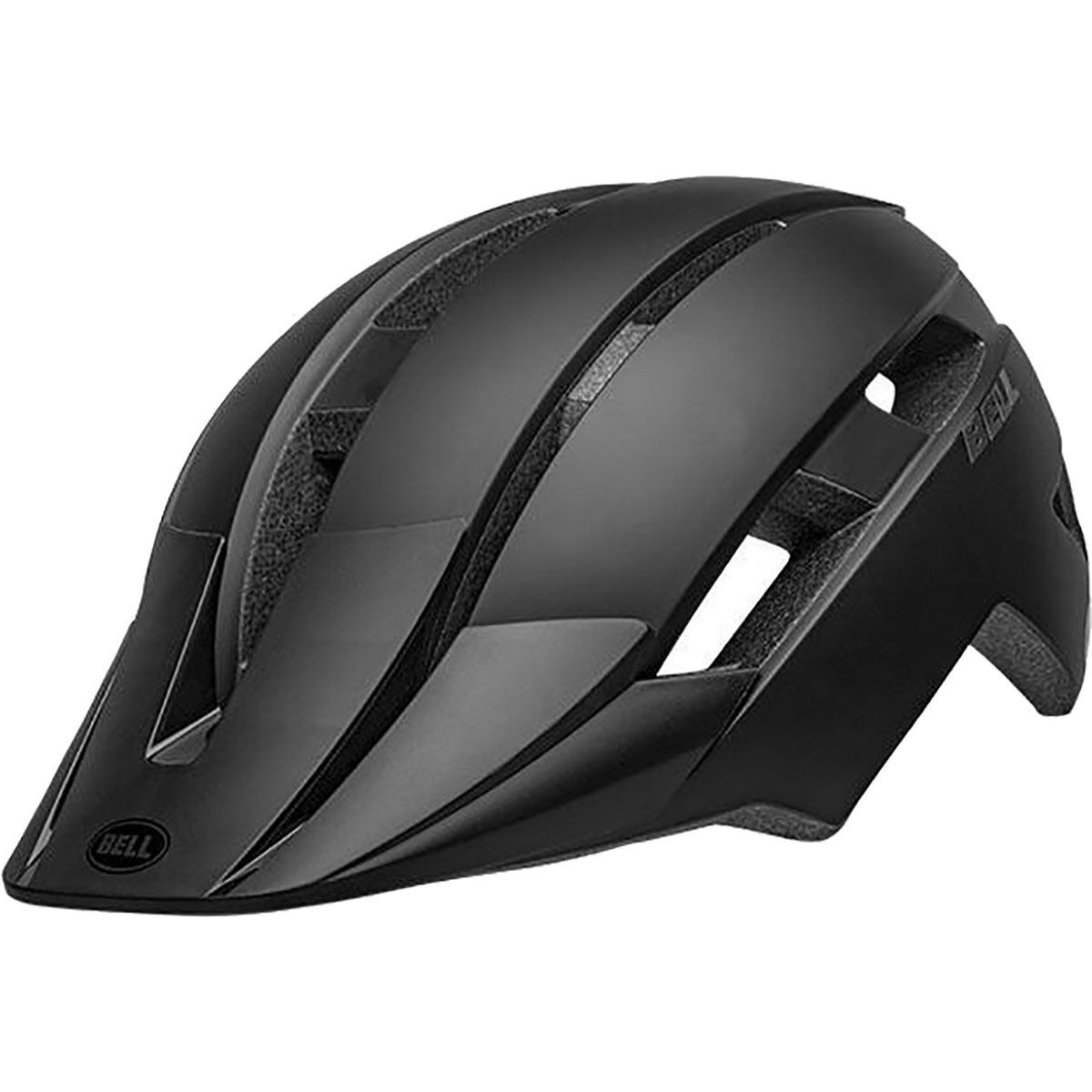
Bell Sidetrack II Helmet - Kids
Empower little trailblazers with the Sidetrack II, designed for maximum comfort and an ergonomic, lightweight fit. Extended rear coverage for trail riding.
- Extended rear coverage
- Ergo Fit system
- Sweat Guide padding
- Removable visor
MTB & BMX Helmets
For trail riding, skate parks, and BMX, these helmets offer enhanced coverage and features like MIPS protection for rotational impact. Essential gear for young riders pushing their limits.
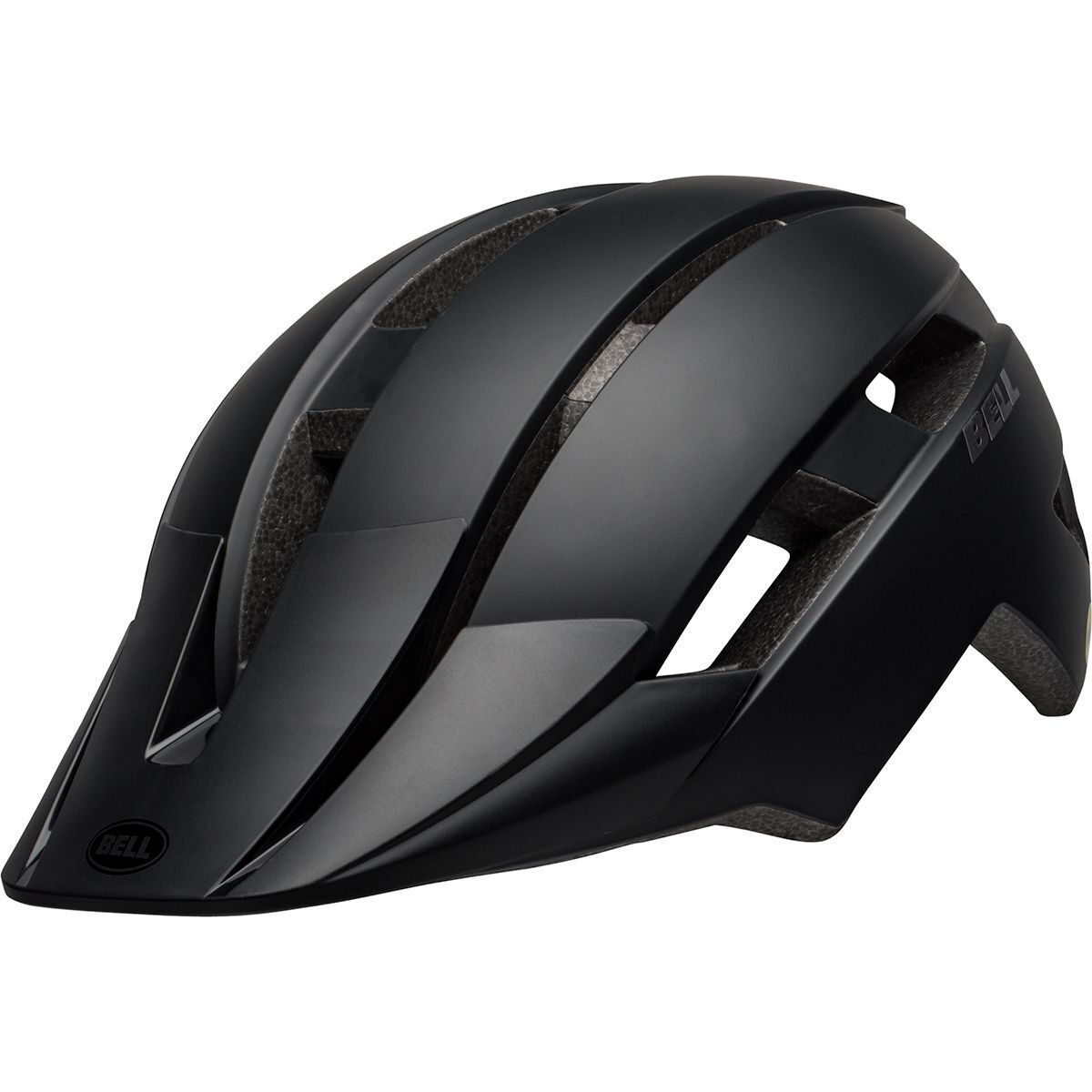
Bell Sidetrack II MIPS Helmet - Kids
All-mountain riding comes with the unexpected, and the Bell Sidetrack II with MIPS technology comes prepared with performance and safety features for your young trail-stomper.
- MIPS brain protection
- Fusion In-Mold shell
- 14 ventilation ports
- Temple & occipital protection
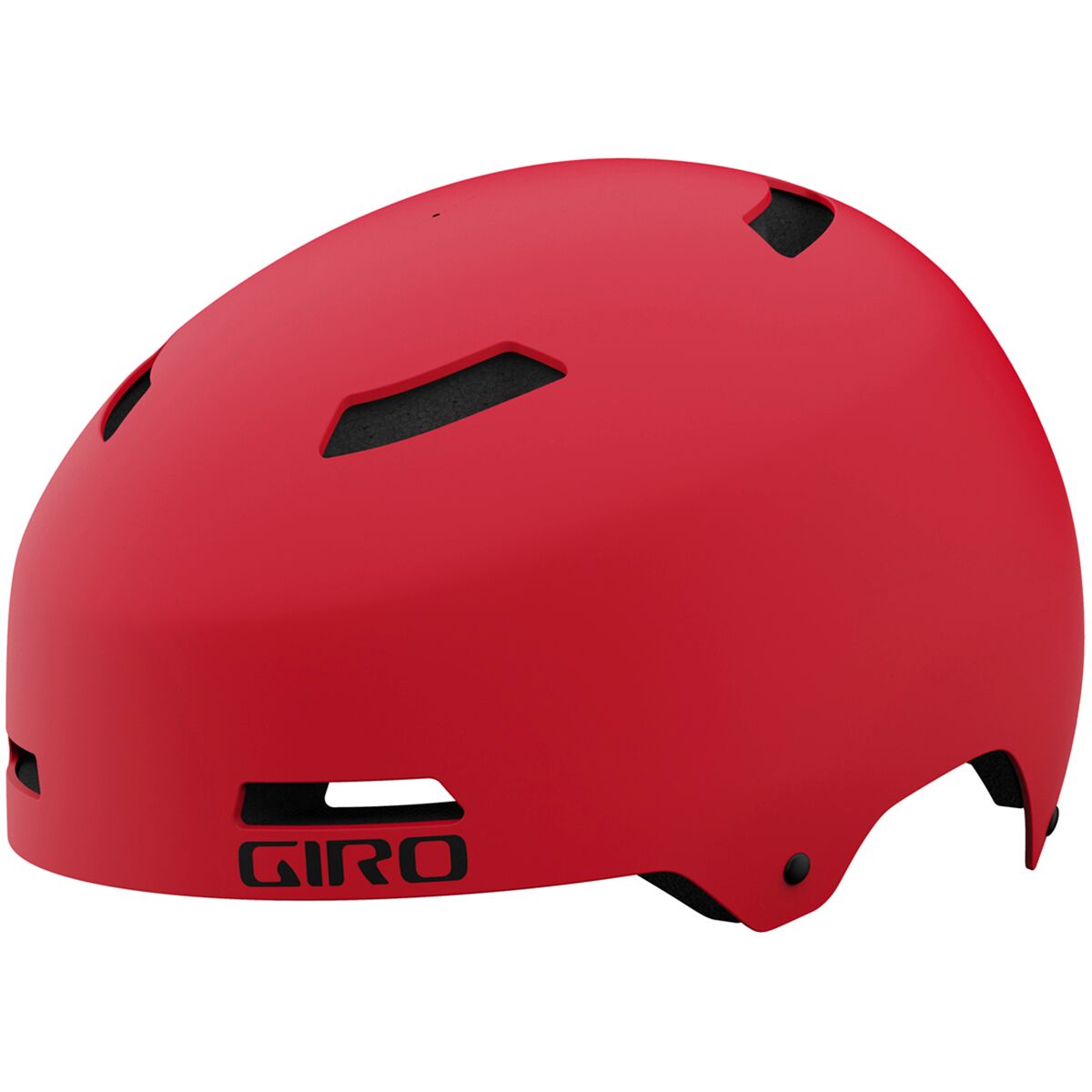
Giro Dime Helmet - Kids
Giro based the design of its Dime kids' helmet on its adult helmet - the Quarter. ABS shell with impact-absorbing EPS foam inside. Completely at home on four wheels or two.
- ABS shell construction
- EPS foam protection
- 8 air vents
- Adjustable padding
Kids Cycling Gear
Beyond helmets, quality cycling gear helps kids ride more comfortably and confidently. From MTB shorts to youth-sized grips, this gear is designed specifically for smaller riders.
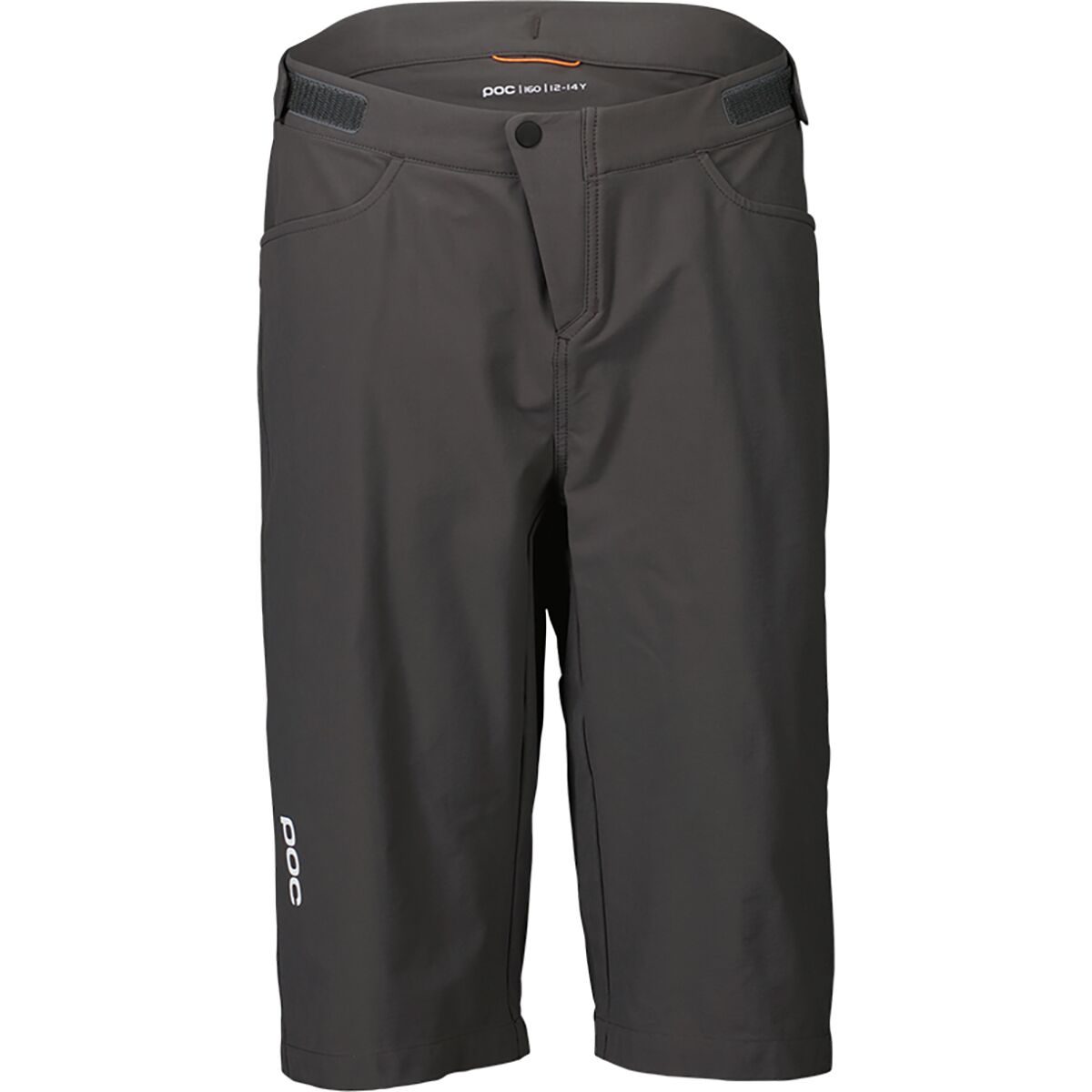
POC Essential MTB Short - Kids
Whether the trail is loamy or dusty, the POC Essential MTB Short keeps young riders comfortable and prepared for the next berm. Durable nylon face fabric with ample coverage.
- Durable nylon fabric
- Trail-ready design
- Comfortable fit
- Multiple sizes
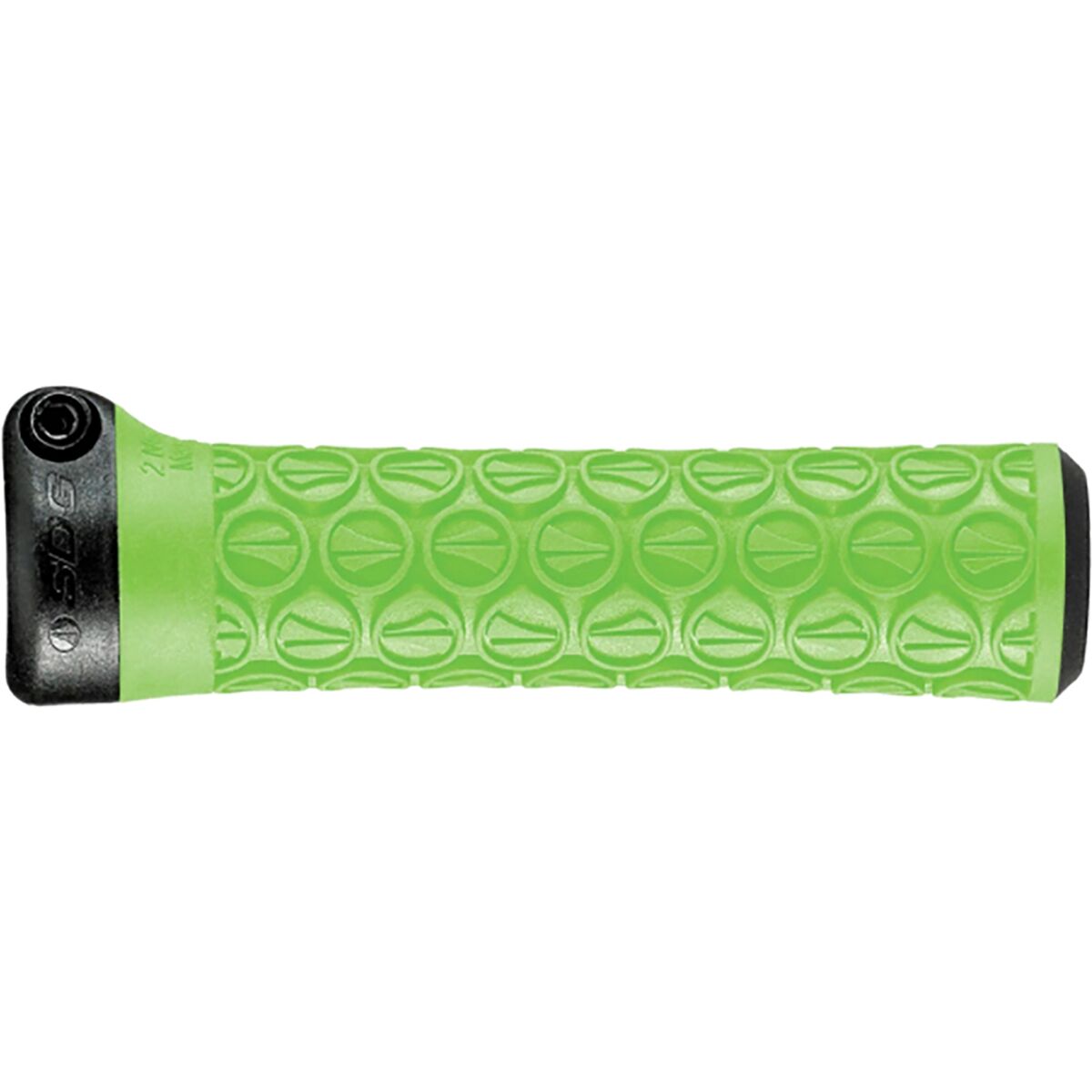
SDG Slater JR Lock On Grips
Premium youth grips optimized for smaller hands. Improve control and comfort with the most advanced youth lock-on grips featuring tapered core design.
- Smaller diameter for kids
- Lock-on security
- Plush pattern for comfort
- Multiple colors
Frequently Asked Questions
What age should my child start riding a balance bike?
Most children can start on a balance bike between 18 months and 2 years old, as soon as they can walk steadily. The key is finding a balance bike with a low enough minimum seat height for your child to touch the ground flat-footed while sitting.
Should I use training wheels or skip straight to a balance bike?
Research and cycling experts generally recommend balance bikes over training wheels. Training wheels don't teach balance - the core skill needed for cycling. Children who use balance bikes typically transition to pedal bikes faster and more confidently, often without ever needing training wheels.
How do I know when my child is ready to transition from balance bike to pedals?
Signs of readiness include: gliding with feet up for 3+ seconds, steering around obstacles while gliding, stopping independently using brakes or feet, and showing interest in pedaling. Most children are ready between ages 3-5, depending on when they started balance biking.
How much should I spend on a kids bike?
For a quality kids bike, expect to spend $150-300 for basic models and $300-600 for premium kids mountain bikes. While big-box store bikes are cheaper ($50-100), they're often much heavier and harder for kids to ride. Many families buy quality used bikes or sell outgrown bikes to offset costs.
My child is between sizes. Should I size up or down?
For beginners, always size down to a bike they can control confidently. A bike that's too big is harder to handle, more intimidating, and can be dangerous. For experienced riders, you can consider the larger size if they're on the upper end of the range and growing quickly.
At what age do kids need gears?
Most kids don't need gears until age 6-7 at the earliest, and only if they're riding on hills regularly. Single-speed bikes are simpler, lighter, and less maintenance. When gears become useful, start with a simple 7-speed system before graduating to more complex setups.
How often should I replace my child's bike helmet?
Replace a helmet immediately after any crash or impact. Even if there's no visible damage, the protective foam may be compressed. Without a crash, replace every 3-5 years as materials degrade over time. Also replace when it no longer fits properly as your child grows.
What's the difference between a kids mountain bike and a regular kids bike?
Kids mountain bikes have knobby tires for grip, front suspension to absorb bumps, multiple gears for climbing, and disc brakes for stopping power. Regular kids bikes typically have smooth tires, no suspension, single speed or fewer gears, and rim brakes. Choose based on where your child will ride most.
Related Guides
Ready to Ride?
Shop kids cycling gear at Backcountry - quality helmets, accessories, and apparel from trusted brands. Free shipping on orders over $50.
Shop Kids Cycling GearAffiliate Disclosure
ParentCalc is a Backcountry affiliate and Retrospec is a ParentCalc partner. We earn commissions from qualifying purchases at no additional cost to you. This helps support our free parenting resources. All product recommendations are based on our research and real parent feedback. We only recommend products we believe will genuinely help families enjoy cycling together safely.