Kids Gloves & Mittens Guide
Everything you need to keep little hands warm, dry, and protected during winter adventures
2026 Product Picks
Our latest product roundups related to this guide:

Burton GORE-TEX Glove - Kids
Warm, waterproof, and breathable with GORE-TEX insert and synthetic insulation. Brushed microfiber lining and pre-curved fit for all-day comfort.
- GORE-TEX waterproof insert
- Synthetic insulation
- Brushed microfiber lining
- Pre-curved fit
Cold, wet hands can cut a ski day short faster than anything else. The right gloves or mittens keep little fingers warm and dry so kids can enjoy skiing, snowboarding, sledding, and snowball fights without constantly running inside to warm up.
This comprehensive guide covers everything from choosing between mittens and gloves to finding the right waterproofing and insulation. We've partnered with Backcountry to bring you the best kids' hand protection from trusted brands like Burton, Hestra, The North Face, and Gordini.
Mittens vs Gloves: When to Use Each
The age-old debate: mittens or gloves? The answer depends on your child's age, activity level, and the temperature. Here's a breakdown to help you decide:
Choose Mittens When:
- Maximum warmth is the priority (fingers together = warmer)
- Toddlers and young children (easier to put on)
- Kids with cold hands or poor circulation
- Extremely cold temperatures (below 20°F)
- Low-dexterity activities (sledding, spectating)
Choose Gloves When:
- Dexterity matters (gripping ski poles, zipping jackets)
- Older children (ages 5+) who can manage them
- Active skiing/snowboarding where grip is important
- Moderate temperatures (20-35°F)
- Kids who prefer independence with buckles/zippers
Pro Tip: The 3-Finger Compromise
3-finger gloves (also called lobster gloves) offer the best of both worlds. The index finger has its own slot for dexterity while the other three fingers share space for warmth. Many ski instructors recommend these for young skiers learning to grip poles.
Best Kids Ski Gloves
Ski gloves need to balance warmth, waterproofing, and dexterity. Look for GORE-TEX or similar waterproof membranes, reinforced palms for pole grip, and enough insulation for cold chairlift rides. These are our top picks for young skiers.
Burton GORE-TEX Glove - Kids'
Warm, waterproof, and breathable with GORE-TEX insert and synthetic insulation. Brushed microfiber lining and pre-curved fit for all-day comfort.
- GORE-TEX waterproof insert
- Synthetic insulation
- Brushed microfiber lining
- Pre-curved fit
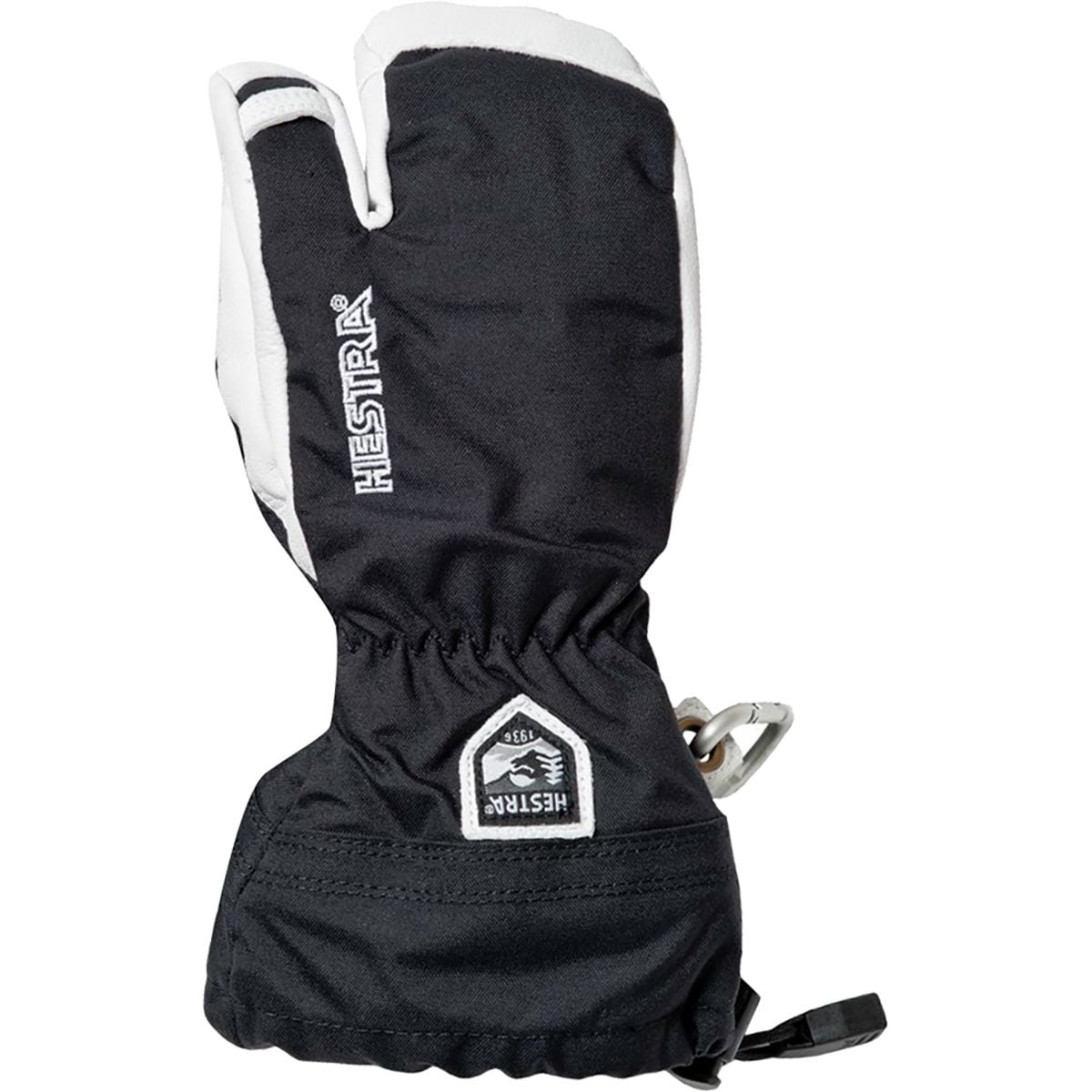
Hestra Heli Ski Junior 3-Finger Glove - Kids'
Mini versions of Hestra's legendary Heli gloves. 3-finger design for extra dexterity, removable liners for easy drying, and goat leather palm for durability.
- Triton 3-layer shell
- Removable liner
- Goat leather palm
- Gauntlet closure
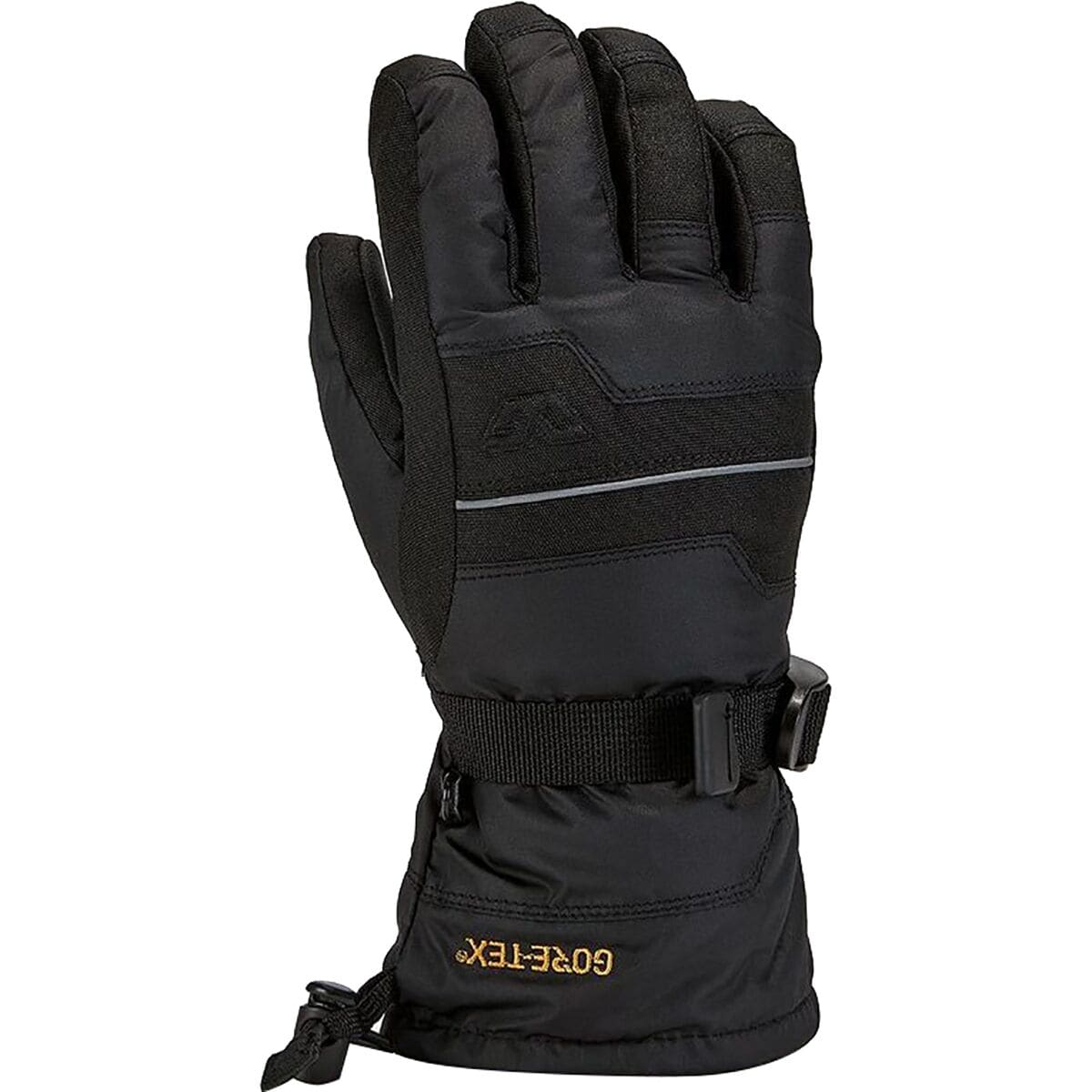
Gordini GORE-TEX IV Glove - Kids'
GORE-TEX membrane ensures serious protection from elements. Megaloft synthetic insulation for reliable warmth with reinforced palm and thumbs for durability.
- GORE-TEX membrane
- Megaloft insulation
- Reinforced palm
- Gauntlet drawcord

Burton Vent Glove - Kids'
Packed with Thermacore synthetic insulation for warmth. 2-layer membrane is breathable and releases excess heat for all-day comfort.
- Thermacore insulation
- 2-layer membrane
- Breathable design
- Comfortable fit
Best Kids Snow Mittens
Mittens keep fingers together for maximum warmth, making them ideal for toddlers, cold-prone kids, and extreme temperatures. Look for waterproof construction, easy-on designs, and wrist straps or leashes to prevent loss.

Burton GORE-TEX Mitten - Kids'
Full GORE-TEX membrane delivers waterproofing and breathability. ThermacoreEco insulation for warmth, touchscreen-ready thumbs, and built-in leash.
- GORE-TEX membrane
- ThermacoreEco insulation
- Touchscreen thumbs
- Built-in leash
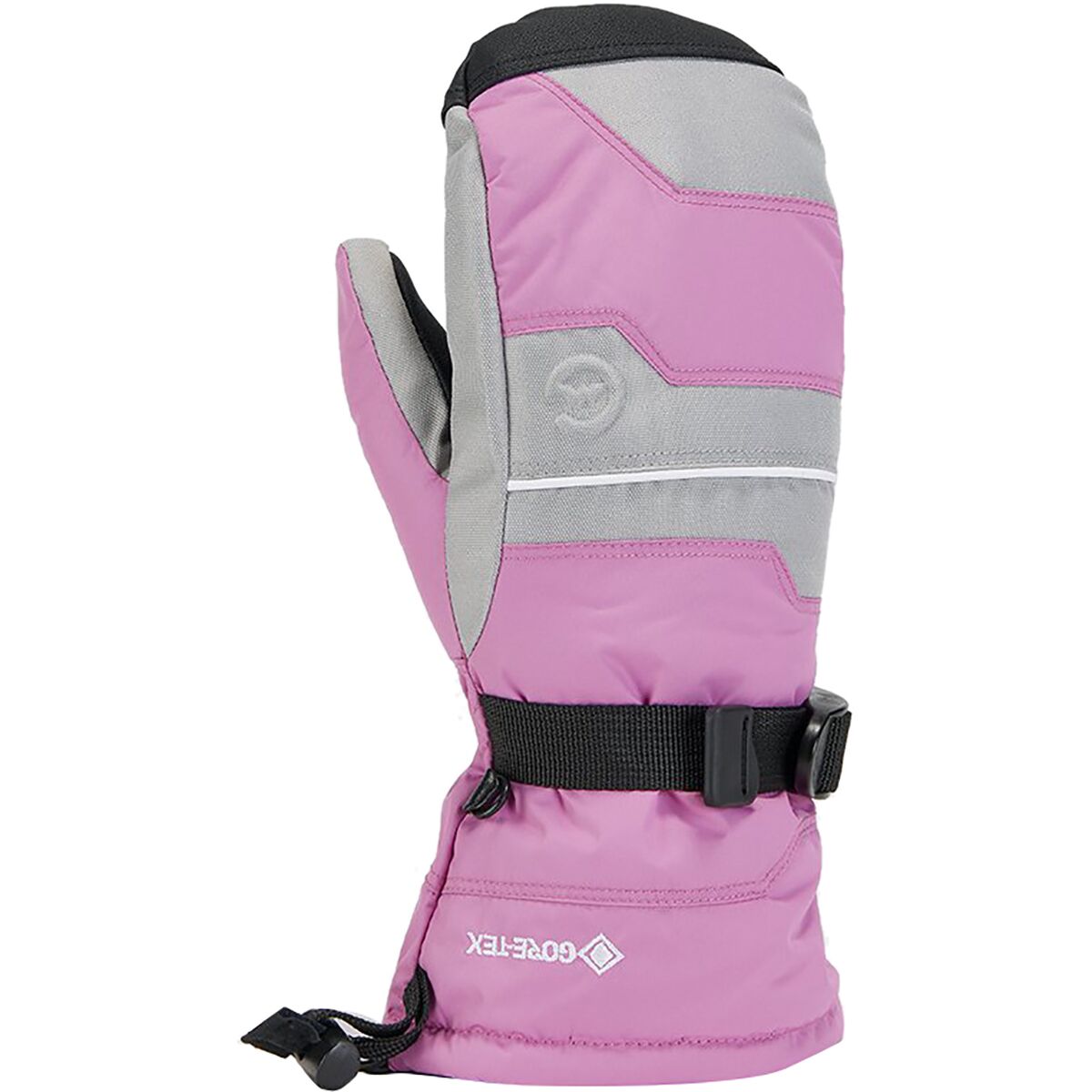
Gordini GORE-TEX IV Mitten - Kids'
Stretchy and cozy with waterproof GORE-TEX insert. Gauntlet drawcord prevents snow from slipping inside with Megaloft insulation for warmth.
- GORE-TEX waterproof
- Megaloft insulation
- Gauntlet design
- Reinforced palm

The North Face Sierra Etip Mitten - Kids'
High-pile fleece interior for soft warmth. Etip technology for touchscreen use, silicone palm grip, and easy slip-on cuff design.
- High-pile fleece
- Etip touchscreen
- Silicone palm grip
- Easy slip-on
Liner Gloves & Lightweight Options
Liner gloves serve double duty: wear them alone on mild days or layer under insulated gloves for extra warmth on frigid days. Many feature touchscreen compatibility so kids can use phones without removing gloves.

Burton Screen Grab Glove Liner - Kids'
Touchscreen-compatible tech built into fabric that never frays or washes off. Perfect solo for mild days or as a layer under gloves/mittens.
- Touchscreen compatible
- Durable tech fabric
- Layering friendly
- Lightweight warmth
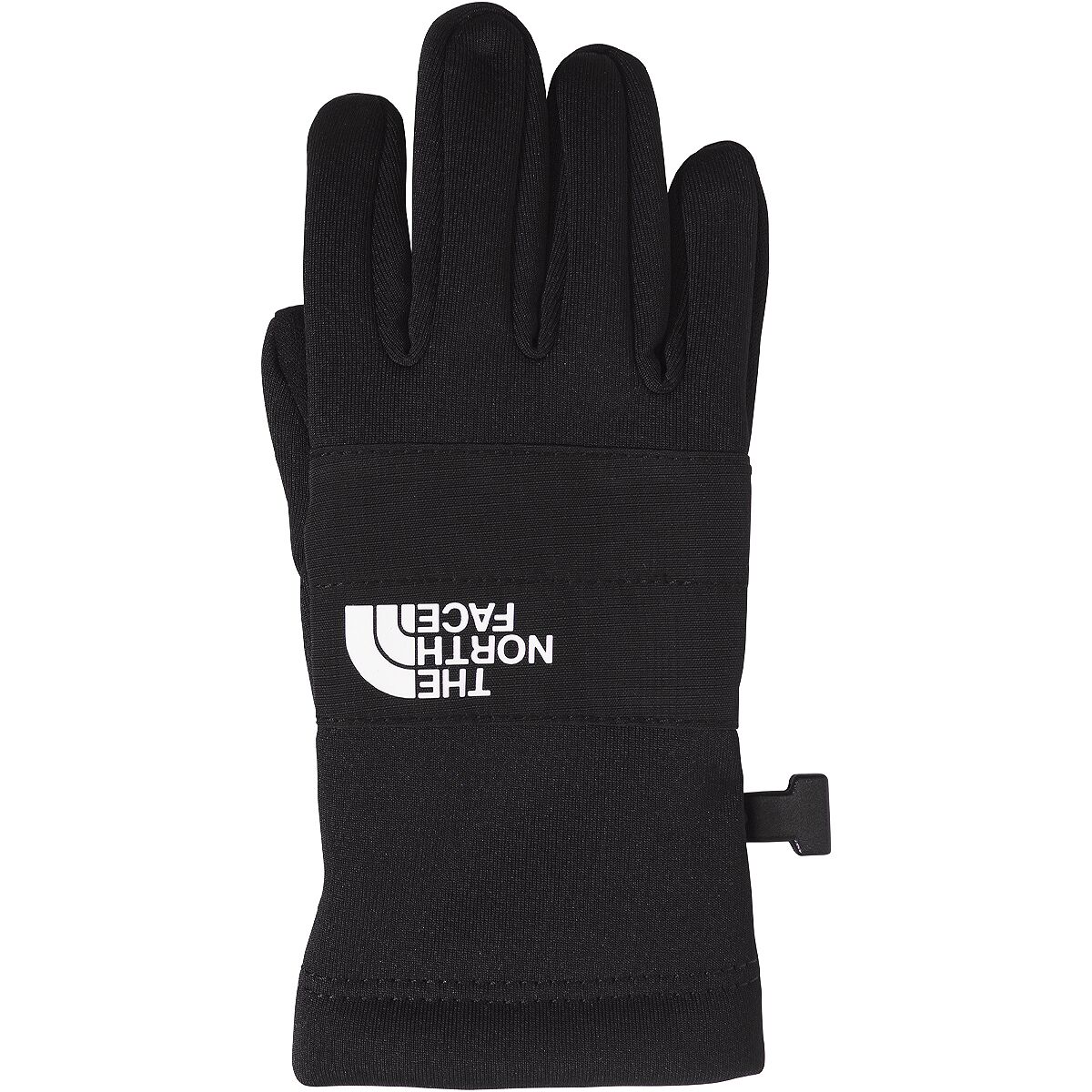
The North Face Sierra Etip Glove - Kids'
Soft sherpa bonded fleece with silicone grippers on palm. Perfect for everyday cold weather use and light layering.
- Sherpa fleece
- Silicone grippers
- Etip touchscreen
- Everyday warmth
Best Toddler & Infant Mittens
Toddler mittens need to be warm, easy to put on, and hard to take off! Look for long gauntlets, adjustable wrist straps, and zipper or velcro closures. Clip-on straps and attached loops prevent the dreaded lost mitten scenario.

Hestra Baby Zip Long Mitten - Toddlers'
Side zipper makes getting wriggling fingers in easier. Adjustable wrist strap, synthetic insulation, elasticated gauntlet, and textured palm grip.
- Side zipper entry
- Adjustable wrist strap
- Elasticated gauntlet
- Textured palm grip
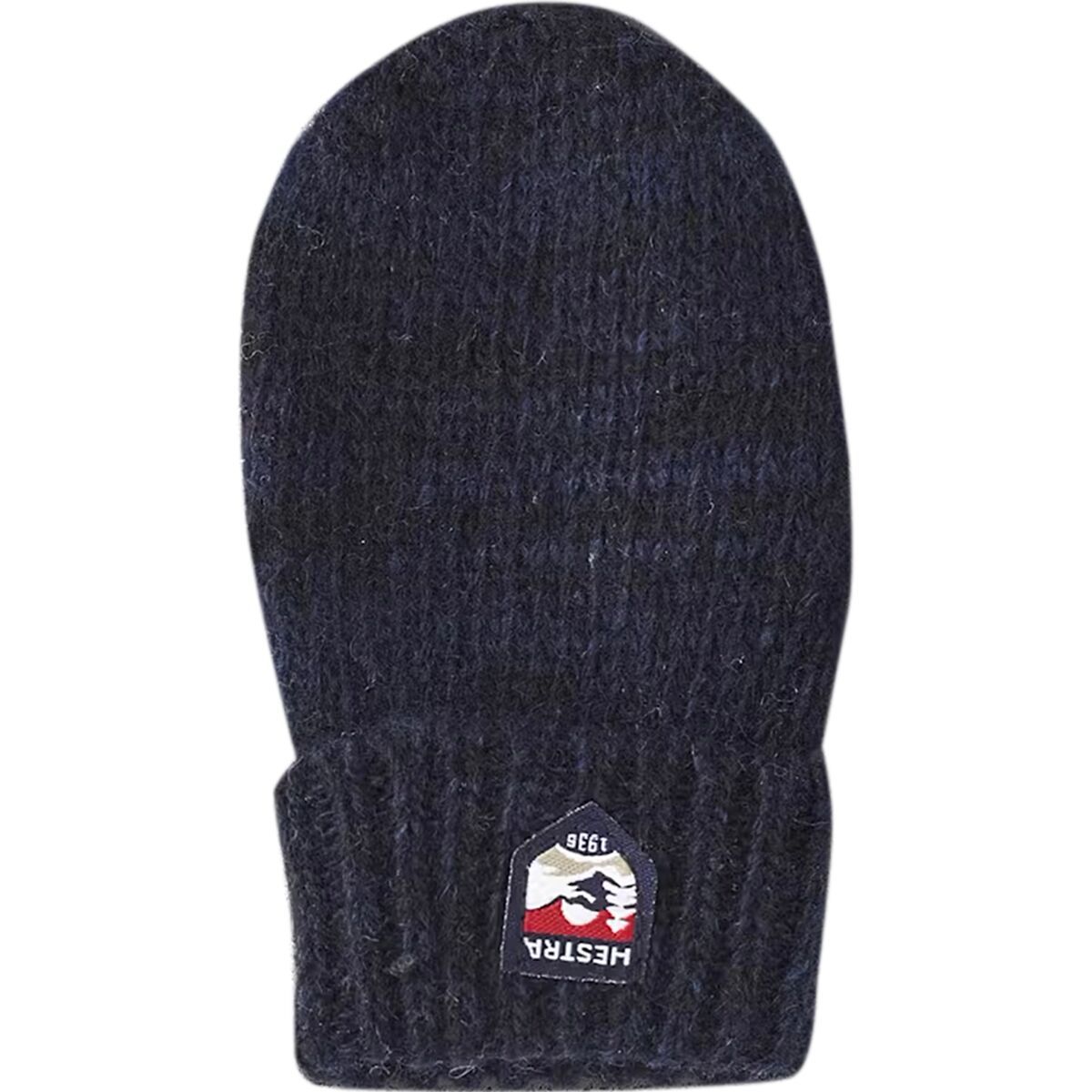
Hestra Pancho Baby Mitten - Infants'
Plush wool-cashmere blend feels buttery soft. Smallest size skips the thumb for easy on/off. Perfect for stroller walks and first winter adventures.
- Wool-cashmere blend
- Thumbless design (size 0)
- Ultra soft
- Natural warmth
Toddler Mitten Tips
- Long gauntlets: Mittens that extend past the wrist stay on better and keep snow out
- Zipper entry: Side zippers make getting wiggly fingers in much easier
- Thumbless for infants: Size 0-1 mittens often skip the thumb for easier fitting
- Mitten clips: Attach mittens to jacket sleeves to prevent loss on chairlifts
Key Features to Look For
Waterproofing
Waterproof membranes like GORE-TEX are essential for snow play. Look for "waterproof" not just "water-resistant" for best protection.
- - GORE-TEX: Gold standard, guaranteed waterproof
- - Hipora/similar: Quality alternatives at lower cost
- - DWR coating: Water-repellent finish on shell
Insulation Types
Synthetic insulation is preferred for gloves/mittens because it maintains warmth even when damp from snow and sweat.
- - Thinsulate: Thin, warm, and water-resistant
- - PrimaLoft: Premium warmth when wet
- - Megaloft/Thermacore: Brand-specific alternatives
Wrist Closures
Good wrist closures keep snow out and gloves on. Look for adjustable straps, drawcords, or velcro tabs.
- - Gauntlet style: Goes over jacket cuff
- - Under-cuff: Tucks inside jacket sleeve
- - Wrist leash: Prevents total loss
Extra Features
Modern gloves include helpful extras that make life easier for kids and parents alike.
- - Touchscreen fingertips: Use phones without removal
- - Nose wipe: Soft panel on thumb
- - Clip attachments: Connect to jackets
Warmth Ratings Explained
| Warmth Level | Temperature Range | Best For |
|---|---|---|
| Light | 40-50°F (4-10°C) | Fall walks, mild winter days |
| Moderate | 25-40°F (-4 to 4°C) | General winter activities |
| Cold Weather | 10-25°F (-12 to -4°C) | Skiing, sledding, extended outdoor play |
| Extreme Cold | Below 10°F (-12°C) | Extreme cold, low activity |
Kids Glove & Mitten Sizing Guide
How to Measure for Gloves
- Wrap a soft tape measure around your child's hand at the widest part (across the knuckles, not including thumb)
- Note the measurement in inches
- Match to the chart below, or check the brand's specific sizing
- When in doubt, size up - gloves that are too tight restrict blood flow and make hands colder
Kids Glove Size Chart
| Age | Size | Hand Circumference |
|---|---|---|
| 0-6 months | 0 | 3-3.5" |
| 6-12 months | 1 | 3.5-4" |
| 1-2 years | 2 | 4-4.5" |
| 2-3 years | 3 | 4.5-5" |
| 4-5 years | XS/4 | 5-5.5" |
| 6-7 years | S/5 | 5.5-6" |
| 8-10 years | M/6 | 6-6.5" |
| 11-12 years | L/7 | 6.5-7" |
Sizing Tips
- - Gloves should fit snugly but allow full finger movement
- - Kids should be able to make a fist without restriction
- - Leave a little room for growth, but not so much that fit is sloppy
- - Brands vary - always check the specific brand's size chart
How to Keep Kids' Hands Warm
Even the best gloves won't help if they're wet or poorly fitted. Follow these tips to maximize warmth:
Before You Go Out
- Make sure gloves are completely dry from last use
- Pre-warm gloves near (not on) a heat source
- Add liner gloves for extra insulation layer
- Consider hand warmers for extremely cold days
During Activity
- Keep gloves on - taking them off loses trapped heat
- Swing arms to increase blood flow to hands
- Tuck hands in armpits during breaks to warm up
- Check that wrists are covered - no gaps between gloves and sleeves
Common Mistakes
- Gloves too tight - restricts circulation
- Wet gloves - always have a backup pair
- Not waterproof - wet insulation loses warmth
- Wrong type for activity - mittens for skiing may lack grip
Drying Wet Gloves
- Remove liners and dry separately if possible
- Use a boot/glove dryer on low heat
- Stuff with newspaper to absorb moisture
- Never put on radiators - damages waterproof membranes
Frequently Asked Questions
What age should kids switch from mittens to gloves?
Most kids can transition to gloves around age 4-5 when they have the dexterity to manage individual fingers. However, this varies by child. For skiing, many parents keep kids in mittens until age 6-7 when they're ready to grip poles independently. Cold-prone kids may prefer mittens even longer for maximum warmth.
How many pairs of gloves does my kid need?
We recommend at least two pairs for winter: one heavier pair for snow sports/play and one lighter pair for everyday cold weather. If your child skis or snowboards regularly, having a backup pair at the mountain is essential - wet gloves can ruin a ski day. Toddlers especially benefit from multiple pairs since they get wet frequently.
Are expensive gloves worth it for kids who lose things?
Quality gloves with features like wrist leashes and clip attachments actually help prevent loss. Mid-range options ($40-70) offer good durability and features without the premium price. For toddlers, consider using mitten clips that attach to jacket sleeves. As kids get older and more responsible, investing in premium gloves like Hestra makes sense - they're often warmer and last longer.
Should gloves go over or under the jacket sleeve?
This depends on conditions and preference. Gauntlet-style gloves that go over the jacket cuff provide better snow protection and are ideal for powder days. Under-cuff styles that tuck inside the jacket are more streamlined and work well for everyday use. For kids learning to ski, gauntlet styles are often better because they're harder to lose and keep snow out during falls.
Do I need waterproof gloves for everyday winter use?
For light snow and cold commutes, water-resistant fleece gloves work fine. But for any snow play - snowball fights, building snowmen, sledding - waterproof gloves are essential. Wet gloves lose their insulation properties and make hands colder than no gloves at all. For most kids, having at least one waterproof pair is worthwhile.
Why do my kid's hands still get cold in good gloves?
Several factors can cause cold hands despite quality gloves: 1) Gloves are too tight, restricting blood flow 2) Gloves got wet inside 3) Overall body temperature dropped (warm the core first) 4) Too much activity causing sweaty hands that then cool 5) Child has naturally poor circulation. Try sizing up, ensuring waterproofness, layering, and taking warm-up breaks.
Can kids wear adult XS gloves?
While older kids (10-12) might fit adult XS, it's usually not recommended. Kids' gloves are designed with shorter finger proportions and different palm shapes than adults. Adult gloves may have excess material at fingertips which reduces warmth and dexterity. Stick with youth sizes when possible for best fit and performance.
What's the difference between GORE-TEX and other waterproof membranes?
GORE-TEX is a premium membrane that offers guaranteed waterproof, windproof, and breathable protection. It's the gold standard but comes at a higher price. Other membranes like Hipora, DryVent, and brand-specific options (Burton's DRYRIDE, etc.) provide similar protection at lower costs. For kids' gloves, any quality waterproof membrane will work well - the specific brand matters less than proper waterproofing.
Related Guides
Ready to Gear Up for Winter?
Browse our curated selection of kids' gloves, mittens, and winter accessories at Backcountry. New customers get 15% off their first order!
Shop Kids Winter Gear at BackcountryParentCalc is reader-supported. When you buy through links on our site, we may earn an affiliate commission at no extra cost to you.
This helps us continue providing free parenting resources and guides.